
Blue Morpho Eyes Structure: The Secret Vision?

Have you ever seen a butterfly with bright blue wings? That might be a Blue Morpho! These butterflies are famous for their shiny, colorful wings. But what about their eyes? The Blue Morpho eyes structure is very interesting. It helps them see the world in a special way.
Butterflies see things differently than we do. Their eyes are made of many tiny parts. These parts help them spot danger and find food. Let’s learn more about how the Blue Morpho sees the world.
The Blue Morpho eyes structure is a key part of what makes them unique. It helps them survive in the rainforest. Let’s explore the amazing world of the Blue Morpho and its eyes.
Key Takeaways
- Blue Morpho butterflies have special eyes that help them see the world.
- Their eyes are made of many tiny parts called ommatidia.
- The Blue Morpho eyes structure helps them find food and avoid predators.
- They can see colors and movement very well.
- These butterflies live in rainforests and use their sight to survive.
Understanding the Blue Morpho Eyes Structure
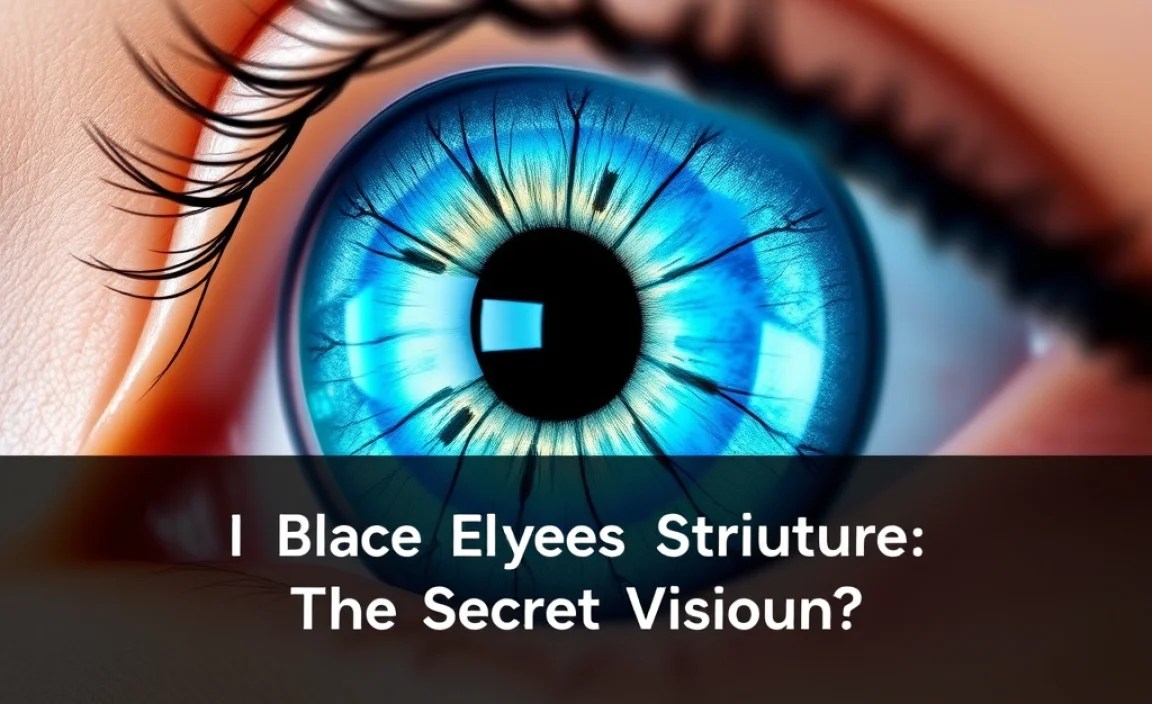
The Blue Morpho eyes structure is complex. It’s not like our eyes! Instead of one big lens, they have many tiny lenses. These lenses are called ommatidia. Each ommatidium sees a small part of the world. All these parts come together to form a picture. Think of it like a mosaic. Each tiny tile is one ommatidium. Together, they create a beautiful image for the butterfly.
This type of eye is called a compound eye. Many insects have compound eyes. These eyes are very good at seeing movement. This helps the Blue Morpho spot predators quickly. It also helps them find flowers to feed on. The Blue Morpho eyes structure is perfectly suited for their life in the rainforest. They need to be able to see in different light conditions. The compound eyes help them do just that.
- Blue Morphos have compound eyes.
- Ommatidia are the tiny lenses in their eyes.
- These eyes are good at seeing movement.
- Compound eyes help them find food.
- They also help them avoid danger.
The Blue Morpho eyes structure is also sensitive to colors. They can see ultraviolet light, which humans can’t see. This helps them find flowers with nectar. Some flowers have patterns that only show up in ultraviolet light. The Blue Morpho can see these patterns and find the nectar easily. Their vision is very important for finding food and staying safe in the rainforest. The compound eyes are a key part of their survival. They are well-adapted to their environment.
Fun Fact or Stat: A Blue Morpho’s compound eye can have thousands of ommatidia!
How Ommatidia Work in Blue Morpho Eyes
Have you ever wondered how tiny lenses can create a picture? Each ommatidium in the Blue Morpho eyes structure acts like a small eye. It has its own lens and light-sensitive cells. These cells send signals to the butterfly’s brain. The brain puts all the signals together to form an image. It’s like a puzzle with many tiny pieces. The ommatidia work together to give the Blue Morpho a wide view of the world. They can see almost all around them at once!
The Role of Pigments in Blue Morpho Vision
Why are some butterflies brightly colored? The pigments in their wings and eyes play a big role. The Blue Morpho eyes structure uses pigments to filter light. This helps them see different colors. These pigments are like tiny filters. They let some colors through and block others. This helps the butterfly see the world in a colorful way. The Blue Morpho can see colors that attract them to flowers. They also use color to find mates.
Adaptations for Rainforest Life
Imagine living in a rainforest. It’s dark and humid. The Blue Morpho eyes structure is adapted for these conditions. Their eyes are very sensitive to light. This helps them see in the dim light of the rainforest. The compound eyes also help them spot predators hiding in the trees. The Blue Morpho needs to be able to see quickly and clearly. Their survival depends on it. The Blue Morpho is perfectly adapted to its rainforest home.
The Compound Eye: A Closer Look
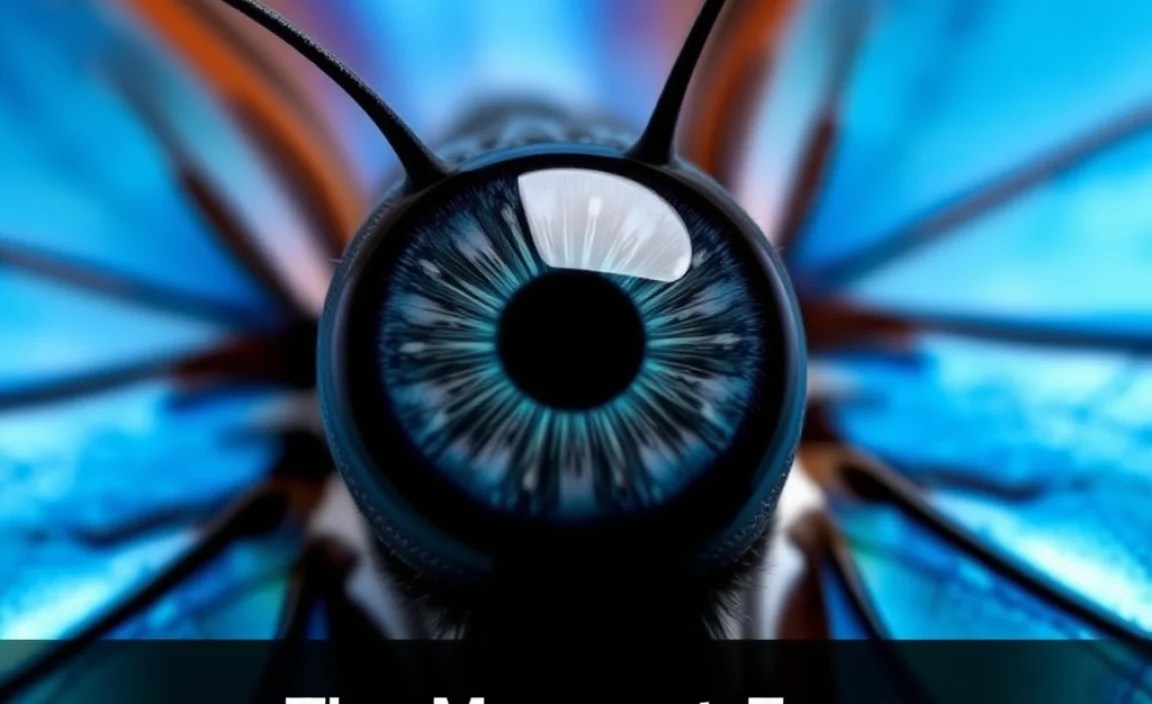
Let’s zoom in on the compound eye. It’s made of many ommatidia. Each ommatidium is a tiny, independent unit. The Blue Morpho eyes structure includes thousands of these units. Each one points in a slightly different direction. This gives the butterfly a wide field of view. The ommatidia are arranged in a hexagonal pattern. This pattern is very efficient. It allows the butterfly to see as much as possible with the least amount of space.
The compound eye is not just about seeing. It’s also about processing information. Each ommatidium sends signals to the brain. The brain then interprets these signals. This allows the butterfly to see movement and shapes. The Blue Morpho eyes structure is a marvel of nature. It’s a perfect example of how animals adapt to their environment. The compound eye is a key part of the Blue Morpho’s survival.
- Each ommatidium has its own lens.
- They are arranged in a hexagonal pattern.
- The pattern helps them see more.
- The brain processes the signals.
- This helps them see movement and shapes.
- The Blue Morpho eyes structure is efficient.
The Blue Morpho’s vision is different from ours. We see a single, clear image. They see a mosaic of tiny images. But this mosaic is very useful. It allows them to see movement quickly. This is important for avoiding predators. It also helps them find food. The Blue Morpho eyes structure is perfectly suited for their needs. It’s a testament to the power of evolution. The compound eye is a key adaptation for survival in the rainforest.
Fun Fact or Stat: Some insects have compound eyes that cover almost their entire head!
The Structure of an Ommatidium
What does an ommatidium look like up close? It’s a tiny, complex structure. The Blue Morpho eyes structure relies on the proper function of each ommatidium. Each one has a lens, light-sensitive cells, and pigment cells. The lens focuses light onto the light-sensitive cells. These cells then send signals to the brain. The pigment cells help to block light from other ommatidia. This ensures that each ommatidium sees a clear image. The ommatidium is a miniature eye within the larger compound eye.
How Compound Eyes Detect Movement
Have you ever tried to catch a fly? They are very good at dodging. This is because they have compound eyes. Compound eyes are excellent at detecting movement. The Blue Morpho eyes structure is especially good at this. When something moves, it triggers different ommatidia in sequence. This creates a rapid signal that the butterfly’s brain interprets as movement. This allows the Blue Morpho to react quickly to danger or opportunities.
The Advantages of a Wide Field of View
Why is a wide field of view important? Imagine trying to cross a busy street with blinders on. It would be very difficult! The Blue Morpho eyes structure gives them a wide field of view. They can see almost all around them without moving their heads. This is very useful for spotting predators. It also helps them find flowers with nectar. A wide field of view is a key advantage for survival in the rainforest.
Color Vision in Blue Morpho Butterflies

Do butterflies see colors? Yes, they do! The Blue Morpho eyes structure allows them to see a range of colors. They can even see ultraviolet light, which we can’t see. This helps them find flowers with nectar. Some flowers have patterns that are only visible in ultraviolet light. The Blue Morpho can see these patterns and find the nectar easily. Their color vision is very important for finding food and mates.
The colors they see are different from the colors we see. They have different light-sensitive cells in their eyes. These cells are sensitive to different wavelengths of light. This allows them to see a wider range of colors than we can. The Blue Morpho eyes structure is a marvel of nature. It allows them to see the world in a vibrant and colorful way. This helps them survive and thrive in the rainforest.
- Butterflies can see colors.
- They can see ultraviolet light.
- This helps them find flowers.
- Their color vision is different from ours.
- They have different light-sensitive cells.
- The Blue Morpho eyes structure is amazing.
The Blue Morpho’s color vision is not just about finding food. It’s also about communication. Male and female butterflies often use color to attract each other. The bright blue color of the Blue Morpho’s wings is a signal to potential mates. The Blue Morpho eyes structure helps them see these signals and find a partner. Color plays a vital role in their lives. It’s a key part of their survival and reproduction.
Fun Fact or Stat: Some butterflies can see polarized light, which helps them navigate!
Ultraviolet Vision and Nectar Finding
Why is ultraviolet vision important for nectar finding? Many flowers have patterns that are invisible to the human eye. These patterns show up under ultraviolet light. The Blue Morpho eyes structure allows them to see these patterns. This helps them find flowers with nectar. It’s like having a secret map that only they can see. Ultraviolet vision is a key adaptation for finding food in the rainforest.
How Pigments Affect Color Perception
What are pigments and how do they affect color perception? Pigments are substances that absorb certain wavelengths of light. The Blue Morpho eyes structure uses pigments to filter light. This allows them to see different colors. Different pigments absorb different wavelengths. This creates the wide range of colors that butterflies can see. Pigments are essential for color vision in butterflies.
Color Communication Among Butterflies
Do butterflies talk to each other with color? Yes, they do! Color plays a vital role in communication among butterflies. The Blue Morpho eyes structure allows them to see these color signals. Male and female butterflies often use color to attract each other. They also use color to warn off rivals. Color is a key part of their social interactions. It helps them find mates and defend their territory.
The Importance of Sight for Survival

Sight is very important for the Blue Morpho. It helps them find food, avoid predators, and find mates. The Blue Morpho eyes structure is perfectly suited for their needs. They need to be able to see clearly in the dim light of the rainforest. They also need to be able to spot predators quickly. Their vision is a key part of their survival. Without it, they would not be able to survive in the rainforest.
The Blue Morpho eyes structure is not just about seeing. It’s also about processing information. The brain interprets the signals from the eyes. This allows the butterfly to make decisions. They can decide where to fly, what to eat, and how to avoid danger. The Blue Morpho’s vision is a complex system. It’s a key part of their ability to survive and thrive in the rainforest. They rely on their sight for almost everything they do.
- Sight helps them find food.
- It helps them avoid predators.
- They can find mates using sight.
- The Blue Morpho eyes structure is vital.
- They need to see in dim light.
- Their vision helps them make decisions.
The Blue Morpho’s vision is a testament to the power of evolution. Their eyes are perfectly adapted to their environment. They have evolved over millions of years to meet the challenges of the rainforest. The Blue Morpho eyes structure is a marvel of nature. It’s a key part of what makes them so unique and successful. They are a perfect example of how animals adapt to their surroundings.
Fun Fact or Stat: Butterflies can see colors we can’t even imagine!
Finding Food with Precision
How does the Blue Morpho find food? They use their excellent vision. The Blue Morpho eyes structure helps them spot flowers with nectar. They can see colors that attract them to these flowers. They can also see ultraviolet patterns that guide them to the nectar. Their vision is very precise. This allows them to find food quickly and efficiently. This is important for their survival in the rainforest.
Avoiding Predators with Keen Eyesight
How do they avoid predators? They use their keen eyesight. The Blue Morpho eyes structure allows them to spot predators quickly. They can see movement very well. This helps them react quickly to danger. They can fly away before the predator can catch them. Their eyesight is a key defense mechanism. It helps them stay safe in the rainforest.
The Role of Vision in Mating Rituals
How does vision play a role in mating rituals? Male and female butterflies use color to attract each other. The Blue Morpho eyes structure allows them to see these color signals. The bright blue color of the Blue Morpho’s wings is a signal to potential mates. Vision is a key part of their mating rituals. It helps them find a partner and reproduce.
Comparing Butterfly Eyes to Human Eyes

Butterfly eyes are very different from human eyes. We have one lens in each eye. Butterflies have many tiny lenses in each eye. The Blue Morpho eyes structure is a compound eye. This means it’s made of many ommatidia. Human eyes are simpler. We have a single lens that focuses light onto the retina. Butterfly eyes are good at seeing movement. Human eyes are good at seeing details. Both types of eyes are well-suited for their respective needs.
Humans can see a wider range of colors than butterflies. But butterflies can see ultraviolet light, which we can’t see. The Blue Morpho eyes structure gives them a different perspective on the world. They see a mosaic of tiny images. We see a single, clear image. Both types of vision have their advantages and disadvantages. It’s fascinating to compare the different ways that animals see the world.
| Feature | Human Eyes | Butterfly Eyes |
|---|---|---|
| Type | Simple | Compound |
| Number of Lenses | One | Many (Ommatidia) |
| Movement Detection | Good | Excellent |
| Color Range | Wider (for visible light) | Includes Ultraviolet |
| Detail Vision | High | Lower |
- Human eyes have one lens.
- Butterfly eyes have many lenses.
- Blue Morpho eyes structure is compound.
- We see details better.
- They see movement better.
- Butterflies see ultraviolet light.
The Blue Morpho eyes structure is a marvel of evolution. It’s perfectly suited for their life in the rainforest. Human eyes are also a marvel of evolution. They are perfectly suited for our lives. Both types of eyes show the power of adaptation. They are examples of how animals evolve to meet the challenges of their environment. The differences between human and butterfly eyes are fascinating.
Fun Fact or Stat: Some animals have eyes on the sides of their heads, giving them almost 360-degree vision!
Differences in Light Sensitivity
How do human and butterfly eyes differ in light sensitivity? Butterflies, including those with a Blue Morpho eyes structure, often have higher sensitivity to lower light levels compared to humans. This is because they need to see in the dim light of the rainforest understory. Human eyes are better adapted for bright light conditions. This difference in light sensitivity reflects the different environments in which they live.
The Concept of Field of View
What is field of view, and how does it differ between humans and butterflies? Field of view is the area that you can see without moving your eyes or head. Human eyes have a narrower field of view than butterfly eyes. The Blue Morpho eyes structure, with its many ommatidia, provides a wide field of view. This allows them to see almost all around them. This is very useful for spotting predators.
Brain Processing of Visual Information
How do human and butterfly brains process visual information? Both human and butterfly brains process visual information, but they do it differently. The Blue Morpho eyes structure sends signals from each ommatidium to the brain. The brain then assembles these signals into an image. Human brains process visual information in a more complex way. They use different parts of the brain to process different aspects of vision. Both types of brains are highly specialized for processing visual information.
Challenges to Blue Morpho Vision
The Blue Morpho faces many challenges to their vision. The rainforest is a dark and humid place. This makes it difficult to see clearly. The Blue Morpho eyes structure is adapted for these conditions. But they still face challenges. Predators can camouflage themselves. This makes it hard for the Blue Morpho to spot them. The Blue Morpho must be constantly vigilant. Their survival depends on it.
Pollution and habitat loss also pose a threat to their vision. Pollution can damage their eyes. Habitat loss reduces the amount of food available to them. This can weaken them and make them more vulnerable to predators. The Blue Morpho eyes structure is a valuable asset. We must protect them and their habitat. This will help ensure their survival for generations to come.
- The rainforest is dark and humid.
- Predators can camouflage themselves.
- Pollution can damage their eyes.
- Habitat loss reduces their food.
- They must be constantly vigilant.
- Protecting their habitat is important.
The Blue Morpho eyes structure is a key part of their survival. It’s important that we understand the challenges they face. We must work to protect them and their habitat. This will help ensure that these beautiful butterflies continue to thrive in the rainforest. Their vision is a valuable asset. We must do everything we can to protect it.
Fun Fact or Stat: Some butterflies migrate thousands of miles each year!
Impact of Habitat Loss on Vision-Dependent Tasks
How does habitat loss affect the Blue Morpho’s ability to find food and mates? Habitat loss reduces the availability of flowers with nectar. This makes it harder for them to find food. Habitat loss also reduces the number of potential mates. The Blue Morpho eyes structure is essential for these tasks. But habitat loss makes it harder for them to use their vision effectively. Protecting their habitat is crucial for their survival.
Effects of Pollution on Eye Health
What are the effects of pollution on the eye health of butterflies? Pollution can damage the delicate structures of the eye. The Blue Morpho eyes structure is vulnerable to pollution. Air pollution can irritate their eyes. Water pollution can contaminate their food sources. Pollution can also reduce the amount of sunlight that reaches the rainforest floor. This can make it harder for them to see. Reducing pollution is important for protecting their eye health.
The Role of Conservation Efforts
How can conservation efforts help protect Blue Morpho vision? Conservation efforts can protect their habitat. This ensures that they have enough food and mates. Conservation efforts can also reduce pollution. This protects their eye health. Conservation efforts can also raise awareness about the importance of protecting these butterflies. By working together, we can help ensure their survival.
Future Research on Butterfly Vision
There is still much to learn about butterfly vision. Scientists are studying the Blue Morpho eyes structure to understand how it works. They are also studying how butterflies use their vision to find food and mates. Future research will help us understand the challenges they face. It will also help us develop better conservation strategies. The more we learn about butterfly vision, the better we can protect these amazing creatures.
One area of research is the development of new technologies. Scientists are using advanced imaging techniques to study the ommatidia in detail. They are also using computer models to simulate how butterflies see the world. These technologies will help us understand the Blue Morpho eyes structure in greater detail. They will also help us develop new ways to protect their vision.
- Scientists are studying their eyes.
- They want to understand how they see.
- Research can help conservation.
- New technologies are being used.
- Models simulate their vision.
- We can protect their vision.
The Blue Morpho eyes structure is a fascinating area of research. By studying their vision, we can learn more about the natural world. We can also learn more about how animals adapt to their environment. This knowledge can help us protect these amazing creatures for generations to come. The future of butterfly vision research is bright.
Fun Fact or Stat: Scientists are studying butterfly wings to develop new types of solar panels!
Advancements in Imaging Techniques
How are advancements in imaging techniques helping us understand butterfly vision? New imaging techniques allow us to see the Blue Morpho eyes structure in greater detail than ever before. We can now see the individual ommatidia and study how they work. These techniques are helping us understand how butterflies see the world. They are also helping us identify potential threats to their vision.
Computer Modeling of Butterfly Vision
How can computer modeling help us understand butterfly vision? Computer models can simulate how butterflies see the world. We can use these models to test different hypotheses about their vision. For example, we can use models to study how they see ultraviolet light. We can also use models to study how they find food and mates. Computer modeling is a powerful tool for studying butterfly vision.
Potential Applications for Bio-Inspired Technologies
Are there potential applications for bio-inspired technologies based on butterfly vision? Yes, there are! The Blue Morpho eyes structure is a model of efficiency and precision. Scientists are studying their eyes to develop new types of sensors and cameras. These technologies could be used in a variety of applications, such as autonomous vehicles and medical imaging. Butterfly vision is inspiring new innovations.
Summary
The Blue Morpho butterfly has an amazing eyes structure. It helps them see the world in a unique way. Their eyes are made of many tiny parts called ommatidia. These help them spot danger. They also help them find food in the rainforest. They can even see colors we can’t see, like ultraviolet light. This helps them find flowers with nectar. The Blue Morpho eyes structure is a key part of their survival.
Their vision is very different from ours. We have one lens in each eye. They have many tiny lenses. This gives them a wide view of the world. It also helps them see movement quickly. This is important for avoiding predators. Scientists are studying their eyes to learn more about how they work. This can help us protect these beautiful butterflies. We can learn a lot from the Blue Morpho eyes structure.
Conclusion
The Blue Morpho butterfly has special eyes. These eyes help them live in the rainforest. They see colors and movement very well. Their Blue Morpho eyes structure is made of tiny parts. These parts help them find food and stay safe. We can learn a lot from these amazing butterflies. Protecting their home is very important. This will help them keep their special way of seeing the world.
Frequently Asked Questions
Question No 1: What are ommatidia?
Answer: Ommatidia are the tiny, individual units that make up the compound eyes of insects, including the Blue Morpho butterfly. Each ommatidium is like a miniature eye with its own lens, light-sensitive cells, and pigment cells. They work together to create a mosaic-like image. The Blue Morpho eyes structure relies on thousands of these ommatidia to provide a wide field of view and excellent motion detection, which is crucial for their survival in the rainforest.
Question No 2: Can Blue Morpho butterflies see colors?
Answer: Yes, Blue Morpho butterflies can see colors! Their Blue Morpho eyes structure allows them to perceive a range of colors. They can also see ultraviolet light, which is invisible to humans. This ability helps them locate flowers with nectar, as some flowers have patterns that are only visible under ultraviolet light. Color vision plays a vital role in their ability to find food and attract mates, contributing to their survival and reproduction in their natural habitat.
Question No 3: How does the Blue Morpho’s vision help it avoid predators?
Answer: The Blue Morpho’s compound eyes are excellent at detecting movement. This is very important for avoiding predators. The Blue Morpho eyes structure allows them to spot even the slightest movement in their surroundings. This gives them a crucial advantage in spotting potential threats. They can quickly react and fly away to safety. This keen eyesight is a key defense mechanism that helps them survive in the dangerous rainforest environment.
Question No 4: Are butterfly eyes better than human eyes?
Answer: It’s not really about “better,” but more about different strengths. Human eyes are great at seeing details and distinguishing a wide range of colors in visible light. The Blue Morpho eyes structure, on the other hand, excels at detecting movement and seeing ultraviolet light. So, each type of eye is well-suited for the specific needs and environment of the organism. Butterflies and humans need different kinds of vision to survive.
Question No 5: What threats do Blue Morpho butterflies face regarding their vision?
Answer: Blue Morpho butterflies face several threats that can impact their vision. Habitat loss is a major concern, as it reduces the availability of food sources and mating opportunities. Pollution can also damage their delicate Blue Morpho eyes structure. Pesticides and other chemicals can harm their eyesight, making it difficult to find food and avoid predators. Conservation efforts are essential to protect their habitat and reduce pollution.
Question No 6: What are scientists doing to learn more about butterfly vision?
Answer: Scientists are using advanced imaging techniques to study the Blue Morpho eyes structure in detail. They are also creating computer models to simulate how butterflies see the world. This helps them understand how the Blue Morpho uses its vision to find food, avoid predators, and find mates. This research can help scientists develop better conservation strategies. It can also inspire new technologies based on butterfly vision.


