
Blue Morpho Climate Change Effects: Powerful Secrets!

Have you ever seen a butterfly with bright blue wings? That might be a Blue Morpho! These butterflies are beautiful and live in rainforests. But what happens when the weather changes? Blue Morpho climate change effects are real. These changes can make it hard for them to live. Let’s learn about how the Blue Morpho is affected.
Imagine the rainforest getting too hot or too dry. What would happen to the animals and plants there? The Blue Morpho needs the rainforest to survive. When the climate changes, it can change everything for them. They might not have enough food. They might not have a good place to lay their eggs. It’s important to understand how we can help.
Climate change is a big problem. It affects many animals, including the Blue Morpho. Scientists are studying how these butterflies are doing. They want to know how to protect them. We can also help by learning about Blue Morpho climate change effects. Then, we can all work together to make a difference.
Key Takeaways
- Blue Morpho climate change effects include habitat loss and food scarcity.
- Rising temperatures disrupt their breeding cycles and overall survival rates.
- Deforestation reduces the availability of host plants for their caterpillars.
- Protecting rainforests is crucial for the Blue Morpho and other species.
- Everyone can help by reducing their carbon footprint and supporting conservation.
Understanding Blue Morpho Climate Change Effects
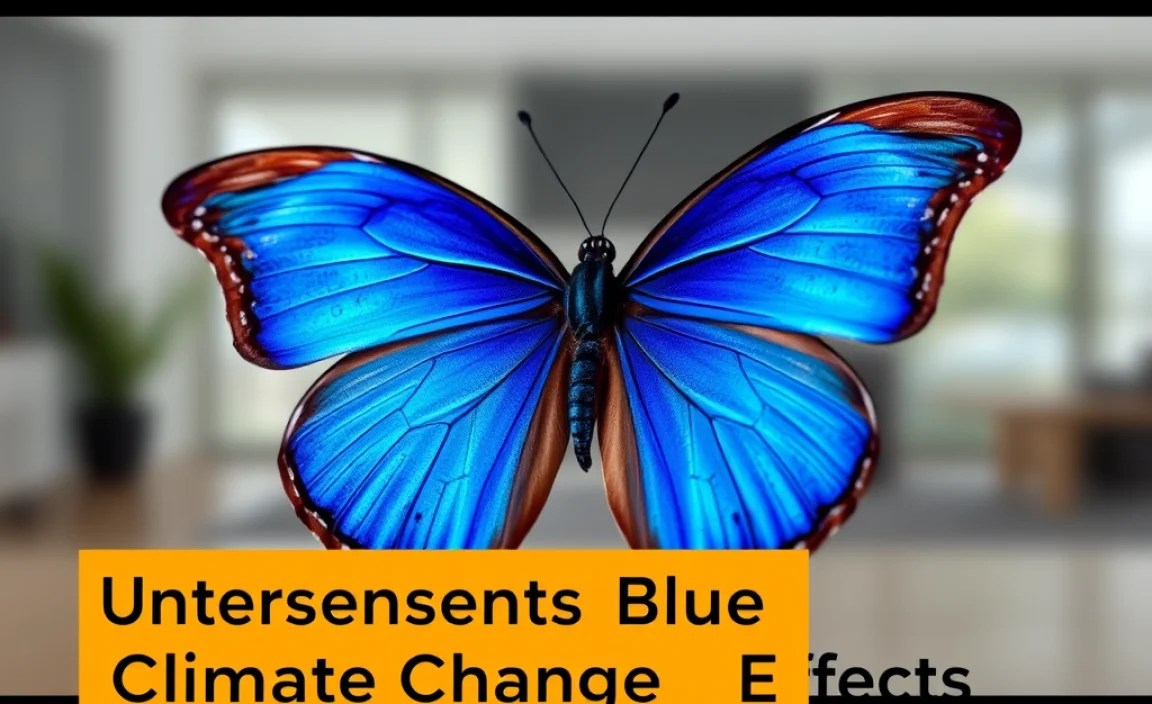
Climate change is making the world warmer. This can cause big problems for animals like the Blue Morpho. These butterflies live in rainforests where the temperature and rainfall are just right. But as the climate changes, these rainforests are changing too. They might get hotter or drier. This can make it hard for the Blue Morpho to find food and a place to live. The caterpillars of the Blue Morpho eat specific plants. If those plants die because of climate change, the caterpillars will not have enough to eat. This affects the number of Blue Morphos that can survive. Adult butterflies need certain conditions to breed. Changes in temperature can affect when and how they lay their eggs. Understanding these effects is the first step to helping these beautiful creatures. We need to learn more about Blue Morpho climate change effects to protect them.
- Rainforests are getting warmer due to climate change.
- Blue Morpho caterpillars need specific plants to eat.
- Climate change can kill those plants.
- Adult butterflies need certain temperatures to breed.
- Changes in temperature affect egg-laying.
- Less food and fewer babies mean fewer butterflies.
It’s important to remember that everything in the rainforest is connected. When one thing changes, it affects everything else. The Blue Morpho is part of this web of life. They depend on the plants, the weather, and other animals. When we protect the rainforest, we protect the Blue Morpho. We also help all the other plants and animals that live there. We can all do our part to reduce climate change. This will help the Blue Morpho and the whole planet. By understanding Blue Morpho climate change effects, we can make informed choices.
Fun Fact or Stat: The Blue Morpho‘s wings can span up to 8 inches wide!
How Does Temperature Affect Blue Morphos?
Imagine you are a Blue Morpho butterfly. You need the temperature to be just right. Not too hot, not too cold. Climate change is making the rainforest hotter. How does this affect you? Warmer temperatures can make it harder for butterflies to fly. They might get too hot and tired. It can also affect their food. The plants that caterpillars eat might not grow as well in the heat. This means less food for the caterpillars. Adult butterflies also need the right temperature to find a mate and lay eggs. If it’s too hot, they might not be able to do these things. This is why temperature is so important for the Blue Morpho. Blue Morpho climate change effects are directly related to temperature changes.
Can Blue Morphos Adapt to Warmer Climates?
Can the Blue Morpho get used to the warmer weather? Some animals can change over time to survive in new conditions. This is called adaptation. But it takes a long time. Climate change is happening very fast. It might be too fast for the Blue Morpho to adapt. Scientists are studying this to see if the butterflies can adjust. They are looking at how the butterflies are changing. They want to know if they can survive in the warmer temperatures. It is hard to say for sure. Some butterflies might be able to adapt a little. But if the climate changes too much, it will be very hard for them. Understanding Blue Morpho climate change effects helps us understand the urgency.
What Happens if It Gets Too Hot?
What if the rainforest gets too hot for the Blue Morpho? If it gets too hot, the butterflies might die. They cannot survive in very high temperatures. The plants they need might also die. This means no food for the caterpillars. The butterflies might also have trouble finding water. They need water to survive. If the rainforest gets too dry, they might not find enough. Too much heat can be very dangerous for the Blue Morpho. It can affect their whole life cycle. From the eggs to the caterpillars to the adult butterflies, heat can cause problems. The Blue Morpho climate change effects can be devastating if temperatures rise too much.
Deforestation and Blue Morpho Habitat Loss

Rainforests are the Blue Morpho‘s home. But people are cutting down trees in the rainforest. This is called deforestation. Deforestation is a big problem for the Blue Morpho. When trees are cut down, the butterflies lose their habitat. They have no place to live or lay their eggs. Deforestation also affects the plants that the caterpillars eat. If the trees are gone, the plants might not grow. This means the caterpillars will not have enough food. Deforestation and Blue Morpho climate change effects are connected. Climate change can make deforestation worse. For example, droughts can kill trees. This makes it easier for people to cut them down. Protecting the rainforest is important for the Blue Morpho. We need to stop deforestation to save their home. This will help the butterflies survive.
- Deforestation means cutting down rainforest trees.
- Blue Morphos lose their habitat when trees are cut.
- Caterpillars need plants that grow in the rainforest.
- Deforestation removes these plants.
- Climate change can make deforestation worse.
- Protecting rainforests helps the Blue Morpho.
Think of the rainforest as a big apartment building. Each animal has its own apartment. The Blue Morpho‘s apartment is in the trees. When people cut down the trees, it’s like tearing down the apartment building. The Blue Morpho has nowhere to go. They need the trees for shelter, food, and to lay their eggs. Deforestation not only destroys their home but also disrupts the entire ecosystem. Other animals and plants are also affected. We must work to protect these vital habitats. This includes supporting sustainable practices and reducing our demand for products that contribute to deforestation. Understanding the link between deforestation and Blue Morpho climate change effects is key.
Fun Fact or Stat: Rainforests are home to over half of the world’s plant and animal species!
How Does Deforestation Affect Food Sources?
Imagine you are a Blue Morpho caterpillar. You are very hungry. You need to eat a lot of leaves to grow big and strong. But what happens if the leaves are gone? Deforestation removes the plants that caterpillars eat. These plants are called host plants. The Blue Morpho caterpillar needs specific host plants to survive. If these plants are cut down, the caterpillars will starve. Adult butterflies also need food. They drink nectar from flowers. Deforestation can also remove the flowers that butterflies need. This means less food for both caterpillars and adult butterflies. It is very important to protect the plants in the rainforest. The Blue Morpho climate change effects are worsened by food scarcity due to deforestation.
Can Blue Morphos Survive Without Rainforests?
Can the Blue Morpho live somewhere else? Can they move to a new home? It is very hard for them to survive without rainforests. They are adapted to live in that specific environment. They need the right plants, the right temperature, and the right amount of rain. Other places might not have these things. Even if they could move, it might be hard to find a new home. Other animals might already live there. It is best to protect the rainforest so the Blue Morpho can stay in its natural home. Blue Morpho climate change effects are minimized when their habitat is preserved.
What Can We Do to Stop Deforestation?
We can do many things to stop deforestation. We can buy products that are made sustainably. This means the products are made in a way that does not harm the rainforest. We can also support organizations that protect rainforests. These organizations work to stop deforestation. They also help local communities find sustainable ways to make a living. We can also reduce our use of paper and wood. This will help reduce the demand for trees. By working together, we can stop deforestation. This will help the Blue Morpho and all the other animals that live in the rainforest. Addressing Blue Morpho climate change effects requires collective action against deforestation.
Changes in Rainfall Patterns Impacting Blue Morphos
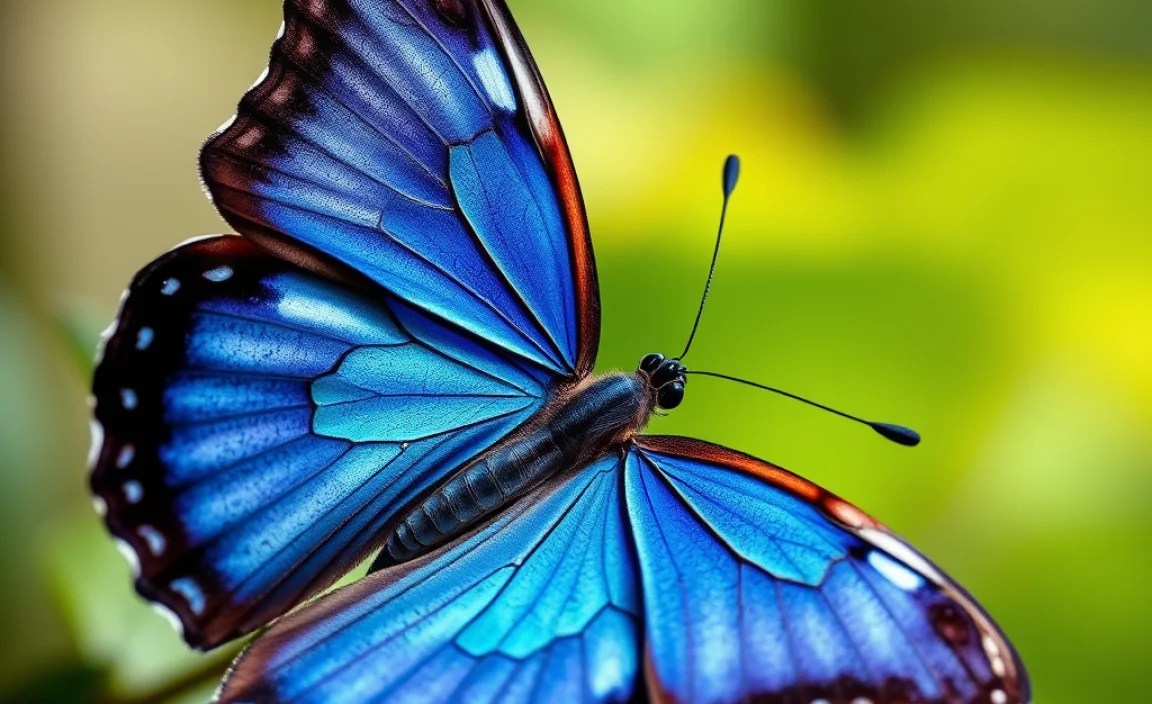
Rainforests need rain. The Blue Morpho needs rain too. Climate change is changing rainfall patterns. Some places are getting more rain. Other places are getting less rain. This can cause problems for the Blue Morpho. If there is too much rain, it can wash away the caterpillars. It can also damage the plants that they eat. If there is not enough rain, the plants can dry out and die. This means less food for the caterpillars. Changes in rainfall can also affect the adult butterflies. They need water to drink. If it is too dry, they might not find enough water. Stable rainfall patterns are crucial for the survival of the Blue Morpho. Blue Morpho climate change effects are often linked to altered rainfall.
- Rainforests need consistent rainfall.
- Climate change is changing rainfall patterns.
- Too much rain can wash away caterpillars.
- Too little rain can kill the plants.
- Butterflies need water to drink.
- Changes in rainfall can harm Blue Morphos.
Imagine the rainforest as a garden. The plants need just the right amount of water to grow. Too much water and they will rot. Too little water and they will wither. The Blue Morpho is like a gardener who depends on these plants. If the rainfall is not right, the garden will suffer. The butterflies will not have enough food or water. Climate change is like a gardener who doesn’t know how to water properly. They might give too much water or not enough. This can ruin the garden and harm the Blue Morpho. We need to find ways to help the gardener water the garden properly. This will help the Blue Morpho and the entire rainforest. Understanding Blue Morpho climate change effects includes understanding rainfall patterns.
Fun Fact or Stat: Some rainforests receive over 100 inches of rain per year!
What Happens During a Drought?
What happens if the rainforest does not get enough rain? This is called a drought. During a drought, the plants start to dry out. The leaves turn brown and fall off. This means less food for the Blue Morpho caterpillars. The adult butterflies also have trouble finding water. They might have to fly long distances to find a drink. Droughts can be very hard on the Blue Morpho. They can weaken the butterflies and make them more vulnerable to disease. Blue Morpho climate change effects are especially severe during droughts.
What Happens During Floods?
What happens if the rainforest gets too much rain? This can cause floods. Floods can wash away the caterpillars. They can also damage the plants that the caterpillars eat. Floods can also make it hard for the adult butterflies to fly. The heavy rain can weigh them down. The Blue Morpho might also drown in the floodwaters. Floods can be very dangerous for the Blue Morpho. They can destroy their habitat and kill many butterflies. Blue Morpho climate change effects include the impact of increased flooding.
How Can We Help Manage Water Resources?
We can help manage water resources in many ways. We can use water wisely at home. This means taking shorter showers and not wasting water. We can also support farmers who use sustainable farming practices. These practices help conserve water. We can also protect wetlands. Wetlands help absorb floodwaters. By managing water resources, we can help the Blue Morpho. We can make sure they have enough water and protect them from floods and droughts. Addressing Blue Morpho climate change effects requires better water management.
Impact on Blue Morpho Breeding and Reproduction

Breeding is very important for the Blue Morpho. It is how they make new butterflies. Climate change can affect breeding. Changes in temperature and rainfall can make it harder for butterflies to breed. For example, if it is too hot, the butterflies might not be able to find a mate. If it is too dry, the plants that they need to lay their eggs on might die. This means fewer places for the butterflies to lay their eggs. Climate change can also affect the timing of breeding. Butterflies might start breeding earlier or later than usual. This can cause problems if the plants they need are not ready. Healthy breeding is crucial for the survival of the Blue Morpho. Blue Morpho climate change effects directly impact reproduction.
- Breeding is how Blue Morphos make new butterflies.
- Climate change affects temperature and rainfall.
- Too hot or dry makes it hard to find mates.
- Plants for laying eggs might die.
- Breeding timing can be disrupted.
- Fewer babies mean fewer butterflies.
Think of the Blue Morpho as farmers. They need the right conditions to grow their crops. The crops are the baby butterflies. Climate change is like a bad harvest. The weather is not right, and the crops fail. The farmers do not have enough food to feed their families. The Blue Morpho is the same. They need the right conditions to breed and lay their eggs. If the weather is not right, they will not have enough babies. This can cause the population of butterflies to decline. We must help the butterflies have a good harvest. This will help them survive. Understanding the Blue Morpho climate change effects on breeding is crucial.
Fun Fact or Stat: A female Blue Morpho can lay up to 500 eggs!
How Does Temperature Affect Egg Development?
Imagine a Blue Morpho egg. It needs the right temperature to hatch. If it is too cold, the egg might not develop. If it is too hot, the egg might cook. Climate change is making the temperature more extreme. This means it is harder for the eggs to survive. The eggs might hatch too early or too late. This can cause problems for the caterpillars. They might not have enough food or the right conditions to grow. Temperature is very important for egg development. Blue Morpho climate change effects include the impact on egg survival.
What Happens to Caterpillars in Unstable Conditions?
What happens to Blue Morpho caterpillars when the weather is unstable? If the weather changes a lot, it can be hard for the caterpillars to survive. They might get too hot or too cold. They might not have enough food. Unstable conditions can weaken the caterpillars. This makes them more vulnerable to disease. It also makes them more likely to be eaten by predators. Stable conditions are important for the caterpillars to grow big and strong. Blue Morpho climate change effects are particularly hard on caterpillars.
How Can We Create Safe Breeding Habitats?
We can create safe breeding habitats for the Blue Morpho in many ways. We can protect the rainforest. This will make sure the butterflies have a place to live and lay their eggs. We can also plant the host plants that the caterpillars need. This will make sure they have enough food. We can also reduce pollution. Pollution can harm the butterflies and their eggs. By creating safe breeding habitats, we can help the Blue Morpho survive. Addressing Blue Morpho climate change effects requires habitat protection.
Food Scarcity and Blue Morpho Survival

Food is very important for the Blue Morpho. Caterpillars need to eat a lot of leaves to grow. Adult butterflies need to drink nectar from flowers. Climate change can cause food scarcity. Changes in temperature and rainfall can make it harder for plants to grow. This means less food for the caterpillars and butterflies. Deforestation can also cause food scarcity. When trees are cut down, the plants that the butterflies need are also removed. Food scarcity can weaken the butterflies. This makes them more vulnerable to disease and predators. Enough food is crucial for the survival of the Blue Morpho. The Blue Morpho climate change effects are worsened by food shortages.
- Food is very important for Blue Morphos.
- Caterpillars eat leaves, butterflies drink nectar.
- Climate change affects plant growth.
- Deforestation removes plants.
- Less food weakens butterflies.
- Food scarcity threatens Blue Morpho survival.
Imagine you are a Blue Morpho butterfly. You are very hungry. You need to find food to survive. But what if there is no food? What if all the plants have died? This is the reality for many Blue Morphos because of climate change. Food scarcity is a big problem. It can cause the butterflies to starve. It can also make them weaker and more vulnerable to disease. We need to make sure the butterflies have enough food to survive. This means protecting the plants that they need. Addressing Blue Morpho climate change effects includes ensuring food availability.
Fun Fact or Stat: Blue Morpho butterflies use their antennae to smell their food!
How Does Climate Change Affect Nectar Production?
Climate change is changing the world. It is also changing the way plants make nectar. Nectar is the sweet liquid that butterflies drink. Changes in temperature and rainfall can affect nectar production. If it is too hot or too dry, the plants might not make as much nectar. This means less food for the adult butterflies. Climate change can also affect the timing of nectar production. The plants might start making nectar earlier or later than usual. This can cause problems if the butterflies are not ready. Blue Morpho climate change effects include the impact on nectar availability.
What Types of Plants Do Blue Morpho Caterpillars Eat?
Blue Morpho caterpillars are picky eaters. They only eat certain types of plants. These plants are called host plants. Some of the host plants include pea plants, and other legumes. These plants provide the caterpillars with the nutrients they need to grow. If these plants are not available, the caterpillars will not survive. It is important to protect these host plants. This will help the Blue Morpho caterpillars have enough food. Blue Morpho climate change effects are closely linked to the health of their host plants.
How Can We Restore Food Sources for Blue Morphos?
We can restore food sources for the Blue Morpho in many ways. We can plant the host plants that the caterpillars need. We can also protect the flowers that the adult butterflies need. We can also reduce pollution. Pollution can harm the plants and make them less healthy. By restoring food sources, we can help the Blue Morpho survive. Addressing Blue Morpho climate change effects requires active restoration of their food sources.
Conservation Efforts to Protect Blue Morphos
Many people are working to protect the Blue Morpho. These are conservation efforts. These efforts include protecting rainforests. This gives the butterflies a safe place to live. They also include planting host plants. This gives the caterpillars enough food. Conservation efforts also include educating people about the Blue Morpho. This helps people understand why it is important to protect them. We can all support conservation efforts. This will help the Blue Morpho survive for many years to come. Combating Blue Morpho climate change effects requires strong conservation action.
- People are working to protect Blue Morphos.
- Efforts include protecting rainforests.
- Planting host plants helps caterpillars.
- Educating people is very important.
- We can all support these efforts.
- Conservation helps Blue Morphos survive.
Imagine a team of doctors working to save a patient. The patient is the Blue Morpho. The doctors are the conservationists. They are using different tools and techniques to help the butterfly. They are protecting its habitat, providing it with food, and educating people about its needs. They are working hard to make sure the butterfly survives. We can all be part of this team. We can support the doctors and help them save the patient. This will help the Blue Morpho thrive. Understanding Blue Morpho climate change effects informs effective conservation strategies.
Fun Fact or Stat: Many conservation organizations rely on volunteers to help protect wildlife!
What Organizations Are Helping Blue Morphos?
Many organizations are helping the Blue Morpho. These organizations include the Rainforest Alliance and The Nature Conservancy. These organizations work to protect rainforests. They also support sustainable farming practices. They also educate people about the importance of conservation. You can support these organizations by donating money or volunteering your time. These organizations are crucial in the fight against Blue Morpho climate change effects.
How Can We Support Sustainable Practices?
We can support sustainable practices in many ways. We can buy products that are made sustainably. This means the products are made in a way that does not harm the environment. We can also support companies that are committed to sustainability. We can also reduce our consumption. This will help reduce the demand for resources. By supporting sustainable practices, we can help the Blue Morpho. We can protect their habitat and ensure they have enough food. Sustainable practices are vital for mitigating Blue Morpho climate change effects.
What Role Does Education Play in Conservation?
Education plays a very important role in conservation. When people understand the importance of the Blue Morpho, they are more likely to protect it. Education can help people learn about the threats that the butterfly faces. It can also help them learn about the things they can do to help. By educating people, we can create a more sustainable future for the Blue Morpho. Education is key to addressing Blue Morpho climate change effects.
| Conservation Effort | Description | Benefits | How to Help |
|---|---|---|---|
| Rainforest Protection | Preserving rainforest habitats | Provides safe homes for Blue Morphos | Donate to rainforest organizations |
| Host Plant Planting | Planting plants that caterpillars eat | Ensures caterpillars have enough food | Volunteer to plant trees and plants |
| Sustainable Practices | Using eco-friendly methods | Reduces harm to the environment | Buy sustainable products |
| Education | Teaching people about Blue Morphos | Raises awareness and support | Share information with friends and family |
Summary
The Blue Morpho butterfly is a beautiful creature that lives in rainforests. Climate change poses a significant threat to their survival. Rising temperatures, deforestation, and changes in rainfall patterns all contribute to Blue Morpho climate change effects. These effects include habitat loss, food scarcity, and disruptions in breeding cycles. Deforestation removes the plants that caterpillars need to eat. Changes in rainfall can lead to droughts or floods, harming both caterpillars and adult butterflies. Conservation efforts are crucial to protect the Blue Morpho. These efforts include protecting rainforests, planting host plants, and educating people about the importance of conservation. By understanding these threats and supporting conservation efforts, we can help ensure the survival of the Blue Morpho for future generations.
Conclusion
The Blue Morpho butterfly is facing many challenges. Climate change is a big problem. It affects their home, their food, and their ability to breed. We need to take action to protect these beautiful creatures. We can support conservation efforts. We can reduce our carbon footprint. We can educate others about the importance of protecting the environment. By working together, we can help the Blue Morpho survive. We can minimize the Blue Morpho climate change effects and ensure they thrive.
Frequently Asked Questions
Question No 1: What are the main threats to Blue Morpho butterflies?
Answer: The main threats to Blue Morpho butterflies include habitat loss due to deforestation, climate change impacts such as rising temperatures and altered rainfall patterns, and food scarcity. Deforestation removes the plants that caterpillars eat, leading to starvation. Climate change can disrupt breeding cycles and make it harder for butterflies to survive. These factors combine to create a challenging environment for the Blue Morpho. Understanding these threats is the first step in protecting these beautiful creatures. Blue Morpho climate change effects are a serious concern for conservationists.
Question No 2: How does climate change affect the rainforest habitat of Blue Morphos?
Answer: Climate change is causing significant changes to the rainforest habitat of Blue Morphos. Rising temperatures can lead to droughts, which kill the plants that caterpillars need to eat. Altered rainfall patterns can cause floods, washing away caterpillars and damaging their food sources. These changes make it harder for Blue Morphos to find food, shelter, and breeding sites. Protecting rainforests is crucial to mitigating these effects. The Blue Morpho climate change effects are directly linked to the health of their rainforest habitat. We need to act now to protect this vital ecosystem.
Question No 3: What can be done to help protect Blue Morpho butterflies from climate change?
Answer: There are many things we can do to help protect Blue Morpho butterflies from climate change. We can support organizations that work to protect rainforests. We can also reduce our carbon footprint by using less energy and driving less. Planting trees and supporting sustainable farming practices can also help. Educating others about the importance of conservation is also crucial. By working together, we can make a difference. Addressing Blue Morpho climate change effects requires a collective effort from individuals and organizations.
Question No 4: What role do host plants play in the survival of Blue Morpho caterpillars?
Answer: Host plants are essential for the survival of Blue Morpho caterpillars. These caterpillars are picky eaters and only eat certain types of plants. If these plants are not available, the caterpillars will starve. Protecting host plants is crucial to ensuring that Blue Morpho caterpillars have enough food to grow and develop into adult butterflies. Blue Morpho climate change effects are intensified when host plants are threatened.
Question No 5: How does deforestation contribute to the decline of Blue Morpho populations?
Answer: Deforestation is a major threat to Blue Morpho populations. When rainforests are cut down, the butterflies lose their habitat. They have no place to live, breed, or find food. Deforestation also removes the host plants that caterpillars need to eat. This can lead to starvation and a decline in the number of butterflies. Protecting rainforests is essential to preventing deforestation and saving the Blue Morpho. Combating Blue Morpho climate change effects requires addressing deforestation.
Question No 6: What are some sustainable practices that can help protect rainforests and Blue Morphos?
Answer: There are many sustainable practices that can help protect rainforests and Blue Morphos. These include using less paper, buying products made from sustainably harvested wood, and supporting companies that are committed to protecting the environment. Sustainable farming practices can also help by reducing the need to clear forests for agriculture. By adopting these practices, we can help ensure the survival of rainforests and the Blue Morpho. Sustainable practices help mitigate Blue Morpho climate change effects by preserving their habitat.


