
Butterfly Quiz for Students: Ace the Test!

Butterfly Quiz for Students: Test Your Knowledge!
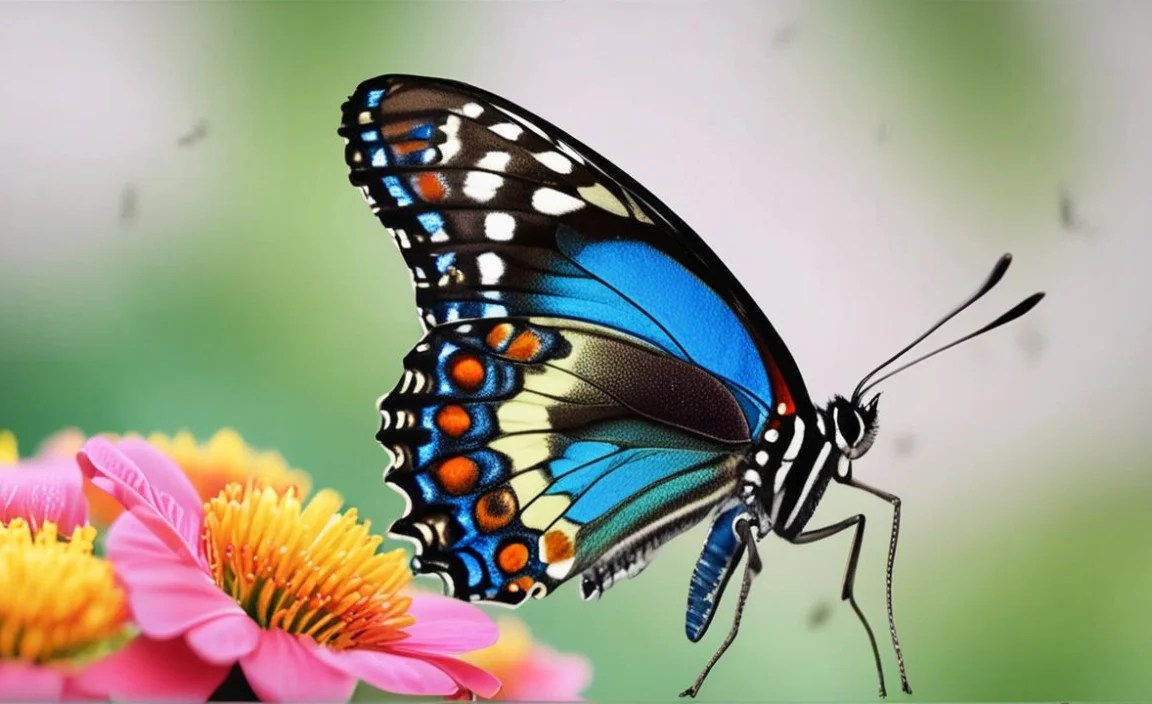
Ready to test your butterfly smarts? Our butterfly quiz for students is designed to be fun and educational! It covers everything from butterfly anatomy and life cycles to their important role in our ecosystem. Get ready to spread your wings and see how much you know about these amazing creatures!
Butterflies are some of the most beautiful and fascinating insects on Earth. But how much do you really know about them? Maybe you’re a student learning about butterflies in science class, a teacher looking for engaging classroom activities, or simply a nature lover curious to learn more. Understanding butterflies can sometimes feel overwhelming because there’s so much to discover. But don’t worry! This guide will walk you through creating and using a butterfly quiz, covering essential topics in a fun and accessible way. Get ready to test your knowledge and deepen your appreciation for these incredible insects!
Why a Butterfly Quiz?
Butterfly quizzes are a fantastic way to:
- Reinforce Learning: Quizzes help students remember key facts about butterfly biology and ecology.
- Engage Students: A well-designed quiz can make learning about butterflies fun and interactive.
- Assess Understanding: Quizzes provide a way to measure how well students grasp important concepts.
- Spark Curiosity: A good quiz can inspire students to learn more about the natural world and the importance of conservation.
Designing Your Butterfly Quiz
Here’s how to create an engaging and educational butterfly quiz:
1. Choose Your Topics
Select the key areas you want to cover in your quiz. Here are some ideas:
- Butterfly Anatomy: Wings, antennae, proboscis, etc.
- Butterfly Life Cycle: Egg, larva (caterpillar), pupa (chrysalis), adult.
- Butterfly Diet: Nectar, host plants for caterpillars.
- Butterfly Habitats: Gardens, meadows, forests.
- Butterfly Migration: Monarch butterfly migration.
- Butterfly Conservation: Threats to butterflies and ways to help.
2. Write Your Questions
Craft questions that are clear, concise, and age-appropriate. Use a mix of question types to keep things interesting.
Question Types:
- Multiple Choice: Offer several answer options, with only one correct answer.
- True or False: Present a statement and ask students to determine if it’s true or false.
- Fill in the Blank: Provide a sentence with a missing word or phrase.
- Matching: Match terms or concepts from two different lists.
- Short Answer: Require students to provide a brief written response.
Example Questions:
- Multiple Choice: What is the main food source for adult butterflies?
- A. Leaves
- B. Nectar
- C. Seeds
- D. Fruit
- True or False: Caterpillars and butterflies eat the same food.
- Fill in the Blank: The hard, protective shell of a butterfly pupa is called a __________.
- Matching: Match the stage of the butterfly life cycle with its description.
- Short Answer: Explain why butterflies are important to the ecosystem.
3. Determine the Difficulty Level
Adjust the difficulty of your questions to suit the age and knowledge level of your students. For younger students, focus on basic facts and simple concepts. For older students, include more challenging questions that require critical thinking.
For example, a quiz for elementary students might focus on identifying different butterfly species or the stages of the butterfly life cycle. A quiz for high school students could delve into topics like butterfly genetics, evolution, or conservation strategies.
4. Include Visuals
Use images and diagrams to make your quiz more engaging and accessible. Include pictures of different butterfly species, diagrams of butterfly anatomy, or illustrations of the butterfly life cycle. Visual aids can help students better understand the concepts being tested.
You can find high-quality images of butterflies on websites like Flickr or in field guides. Be sure to credit the source of any images you use.
5. Provide Answer Key and Explanations
Create a detailed answer key that includes explanations for each correct answer. This will help students understand why their answers were right or wrong and reinforce their learning.
For example, if a student answers a question about butterfly migration incorrectly, the explanation should provide information about the monarch butterfly’s annual migration and the challenges it faces.
6. Make it Fun!
Add elements of fun and creativity to your quiz to keep students engaged. Consider using a butterfly-themed design, incorporating riddles or puzzles, or offering prizes for the top scorers.
You could also turn the quiz into a game by dividing students into teams and having them compete against each other. Or, you could create a scavenger hunt where students have to find answers to the quiz questions in a butterfly garden or nature center.
Sample Butterfly Quiz Questions
Here are some sample questions you can use in your butterfly quiz:
Butterfly Anatomy
- What is the name of the long, straw-like mouthpart that butterflies use to drink nectar?
- A. Mandible
- B. Proboscis
- C. Antenna
- D. Palp
- Which part of the butterfly is used for smelling?
- A. Wings
- B. Antennae
- C. Legs
- D. Abdomen
Butterfly Life Cycle
- What is the first stage of the butterfly life cycle?
- A. Larva
- B. Pupa
- C. Egg
- D. Adult
- What is the name for the caterpillar’s protective outer layer that it sheds as it grows?
- A. Chrysalis
- B. Exoskeleton
- C. Cuticle
- D. Molt
Butterfly Diet
- What is the primary food source for butterfly caterpillars?
- A. Nectar
- B. Pollen
- C. Leaves
- D. Fruit
- What do adult butterflies primarily drink?
- A. Water
- B. Sap
- C. Nectar
- D. All of the above
Butterfly Habitats
- Which of these is NOT a typical butterfly habitat?
- A. Meadows
- B. Deserts
- C. Tropical rainforests
- D. Arctic tundra
- What type of plants are essential for butterflies to lay their eggs on?
- A. Nectar plants
- B. Host plants
- C. Pollen plants
- D. Ornamental plants
Butterfly Migration
- Which butterfly is famous for its long-distance migration?
- A. Swallowtail
- B. Monarch
- C. Cabbage White
- D. Painted Lady
- Where do Monarch butterflies typically migrate to in the winter?
- A. Canada
- B. Mexico
- C. Europe
- D. Africa
Butterfly Conservation
- What is a major threat to butterfly populations?
- A. Habitat loss
- B. Climate change
- C. Pesticide use
- D. All of the above
- What can people do to help protect butterflies?
- A. Plant butterfly gardens
- B. Reduce pesticide use
- C. Support conservation organizations
- D. All of the above
Butterfly Quiz Template
Here’s a simple template you can adapt for your butterfly quiz:
| Question Number | Question | Answer Choices | Correct Answer | Explanation |
|---|---|---|---|---|
| 1 | What is the name of the butterfly’s long, straw-like mouthpart? | A) Mandible B) Proboscis C) Antenna D) Palp | B) Proboscis | The proboscis is used to sip nectar from flowers. |
| 2 | Which stage of the butterfly life cycle comes after the egg? | A) Pupa B) Larva C) Adult D) Chrysalis | B) Larva | The larva, or caterpillar, eats and grows. |
| 3 | What do caterpillars primarily eat? | A) Nectar B) Pollen C) Leaves D) Fruit | C) Leaves | Caterpillars feed on leaves to grow. |
| 4 | Which butterfly is known for its long migration? | A) Swallowtail B) Monarch C) Cabbage White D) Painted Lady | B) Monarch | Monarchs migrate thousands of miles. |
| 5 | What is a major threat to butterfly populations? | A) Habitat loss B) Climate change C) Pesticide use D) All of the above | D) All of the above | All these factors threaten butterfly populations. |
Making the Quiz Accessible
Ensure your quiz is accessible to all students by:
- Providing clear instructions: Explain how to take the quiz and what is expected.
- Using large, readable fonts: Make sure the text is easy to read for students with visual impairments.
- Offering alternative formats: Provide the quiz in both print and digital formats.
- Allowing extra time: Give students with disabilities extra time to complete the quiz.
Using the Quiz in the Classroom
Here are some ways to incorporate your butterfly quiz into your classroom activities:
- Pre-Test: Use the quiz as a pre-test to assess students’ prior knowledge before beginning a unit on butterflies.
- Post-Test: Use the quiz as a post-test to evaluate students’ understanding of the material after completing the unit.
- Review Activity: Use the quiz as a review activity to reinforce key concepts and prepare students for a larger exam.
- Group Activity: Divide students into groups and have them work together to answer the quiz questions.
- Homework Assignment: Assign the quiz as a homework assignment to reinforce learning outside of the classroom.
Resources for Further Learning
Encourage students to continue learning about butterflies with these resources:
- Books: Field guides, children’s books, and scientific publications about butterflies.
- Websites:
National Geographic,
U.S. Forest Service,
Xerces Society. - Butterfly Gardens: Visit a local butterfly garden or nature center to observe butterflies in their natural habitat.
- Documentaries: Watch documentaries about butterflies and their life cycles.
FAQ: Butterfly Quiz for Students
1. What is the best way to make a butterfly quiz engaging for students?
To make a butterfly quiz engaging, use colorful images, incorporate fun facts, and include a variety of question types such as multiple choice, true/false, and matching. You can also add a competitive element with small prizes.
2. How can I adjust the difficulty level of a butterfly quiz for different age groups?
For younger students, focus on basic facts and simple concepts with straightforward questions. For older students, include more complex topics, critical thinking questions, and open-ended questions that require deeper analysis.
3. What are some essential topics to cover in a butterfly quiz?
Essential topics include butterfly anatomy (wings, antennae, proboscis), the butterfly life cycle (egg, larva, pupa, adult), butterfly diet (nectar, host plants), butterfly habitats, migration (especially Monarchs), and conservation efforts.
4. How can I incorporate visuals into a butterfly quiz?
Use images of different butterfly species, diagrams of butterfly anatomy, and illustrations of the butterfly life cycle. Visual aids help students better understand the concepts and make the quiz more engaging.
5. Why is it important to provide an answer key with explanations for a butterfly quiz?
Providing an answer key with explanations helps students understand why their answers were right or wrong, reinforcing their learning. It also allows them to correct any misconceptions and deepen their understanding of the material.
6. What are some resources I can use to find information for creating a butterfly quiz?
Good resources include reputable websites like National Geographic, the U.S. Forest Service, and the Xerces Society. Field guides, children’s books, and scientific publications about butterflies are also valuable sources of information.
7. How can I use a butterfly quiz to promote conservation awareness among students?
Include questions about the threats to butterfly populations (habitat loss, climate change, pesticide use) and actions students can take to help protect butterflies, such as planting butterfly gardens, reducing pesticide use, and supporting conservation organizations.
Conclusion
Creating a butterfly quiz for students is a wonderful way to engage them in learning about these fascinating creatures and the importance of protecting their habitats. By following these steps, you can design a quiz that is both educational and fun, helping students deepen their understanding and appreciation for the natural world. So go ahead, spread your wings and create a butterfly quiz that will inspire the next generation of butterfly enthusiasts and conservationists!


