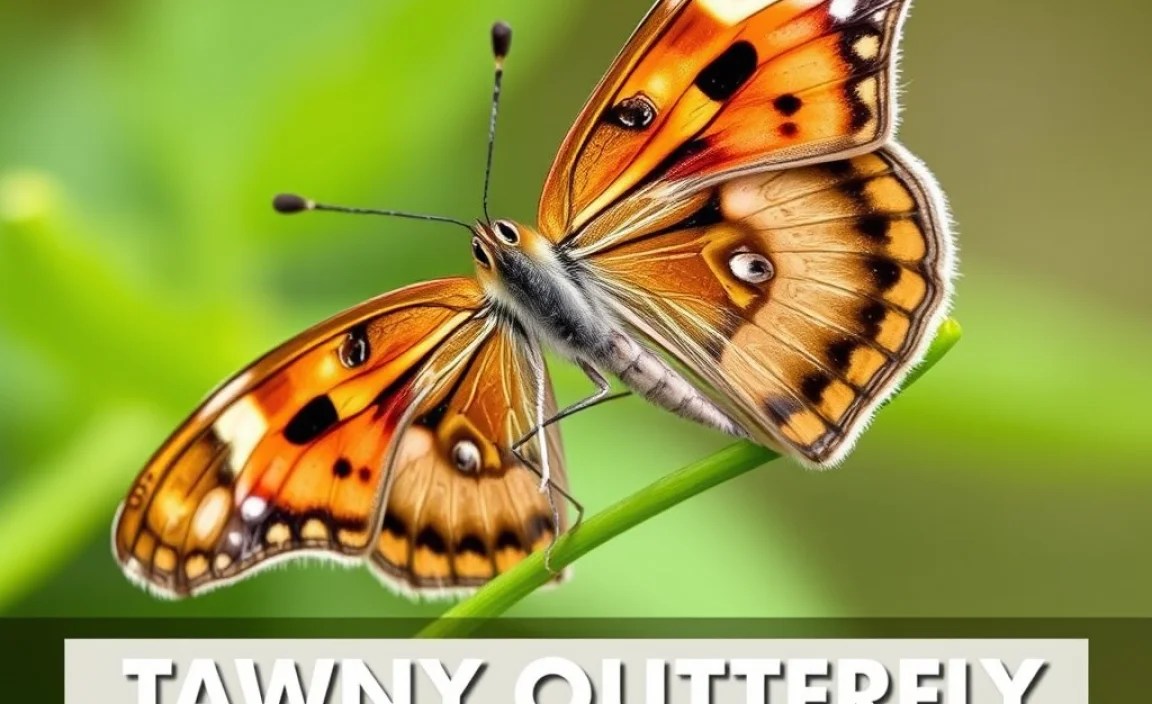
Tawny Coaster Butterfly: Spotting Tips & More!

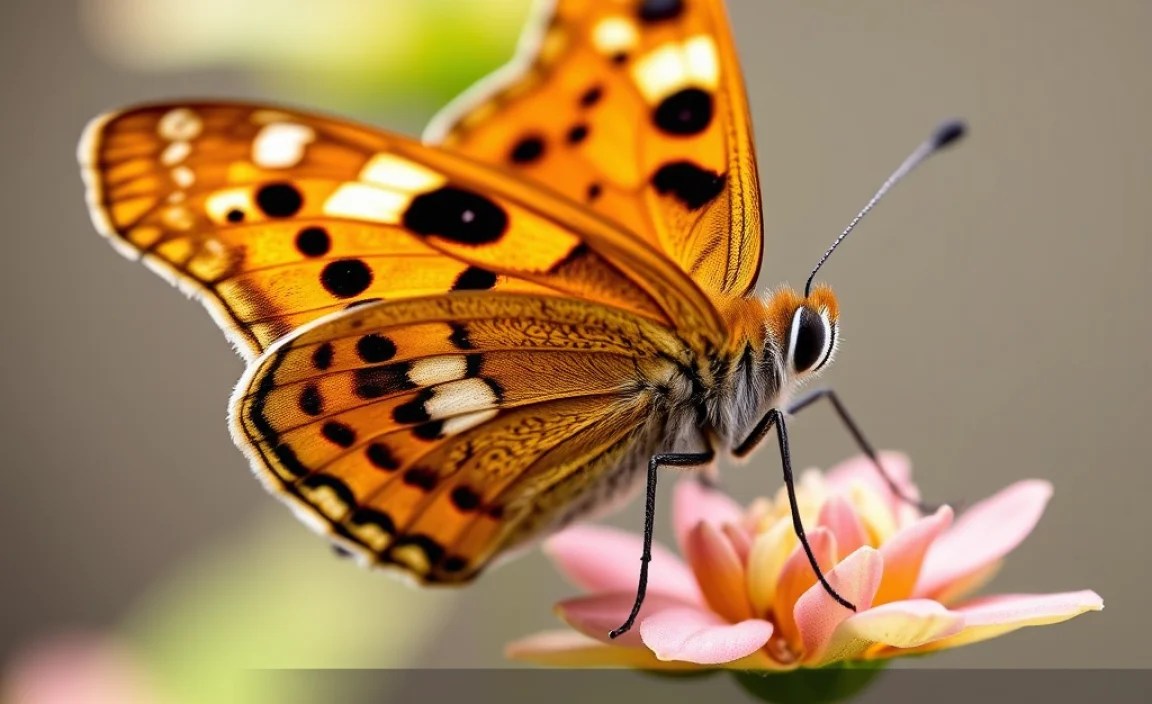
The Tawny Coaster butterfly (Acraea terpsicore) is a common sight across South and Southeast Asia. Known for its bright orange color and distinctive black spots, it’s a medium-sized butterfly that’s easy to spot in gardens and open fields. You can identify it by the row of black spots along the edges of its wings and its slow, gliding flight.
Ever feel like you’re seeing the same orange butterfly flitting around your garden, but you’re not quite sure what it is? Identifying butterflies can be tricky, especially when there are so many similar-looking species. The Tawny Coaster is one of those butterflies that many people recognize but can’t quite name. It’s a beautiful and widespread butterfly, and with a few simple tips, you can confidently identify it. This guide will walk you through everything you need to know about the Tawny Coaster, from its appearance and habitat to its life cycle and favorite food. Get ready to impress your friends with your butterfly knowledge!
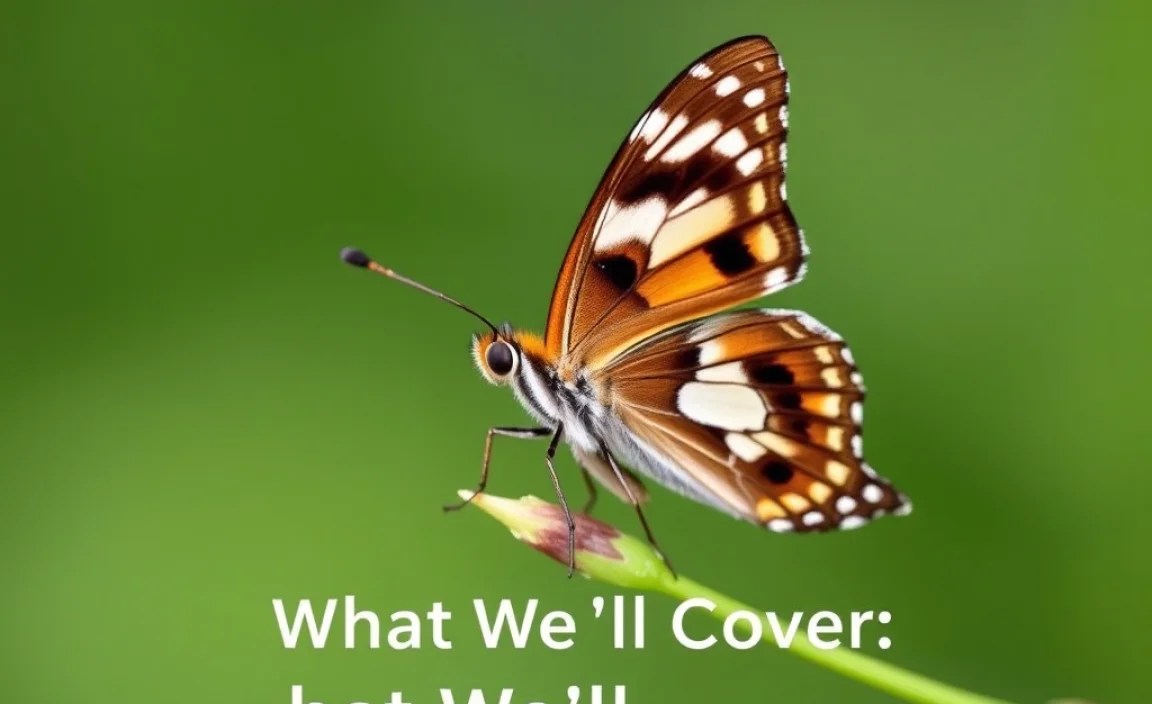
What We’ll Cover:
- Identifying features of the Tawny Coaster
- Where you can find them
- What they eat
- Their life cycle
- How to attract them to your garden
Appearance and Identification
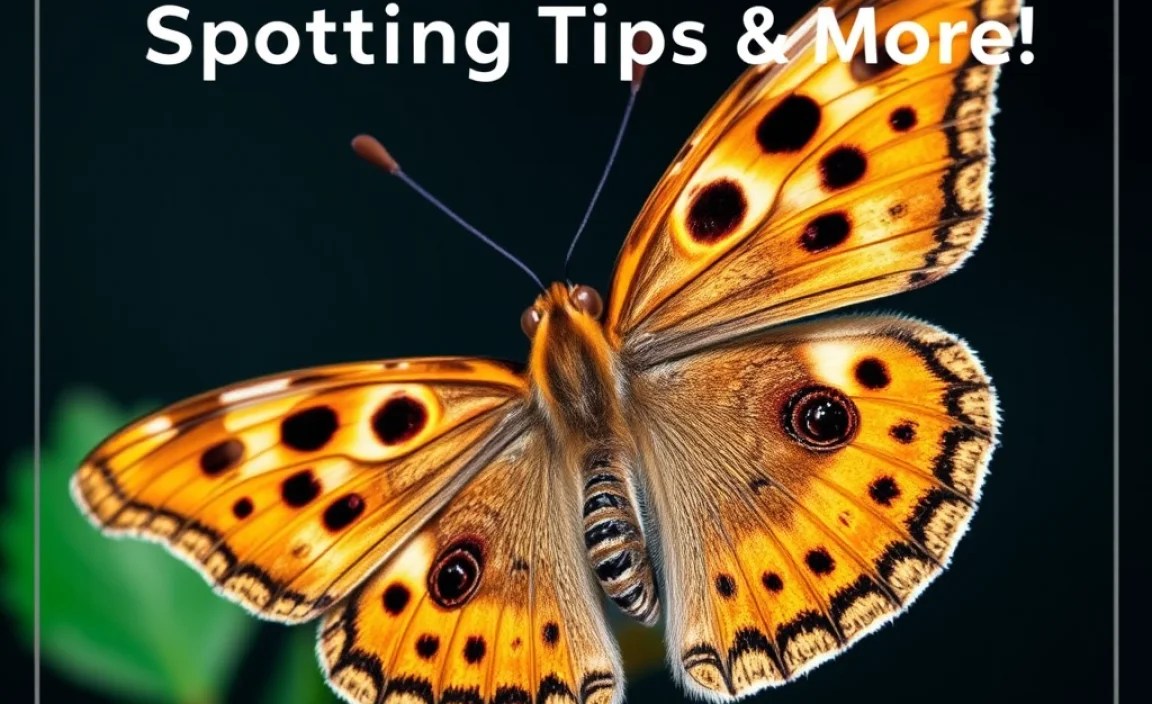
The Tawny Coaster is a striking butterfly, and once you know what to look for, it’s easy to identify. Let’s break down its key characteristics:
Size and Shape
Tawny Coasters are medium-sized butterflies, with a wingspan typically ranging from 5 to 7 centimeters (2 to 2.8 inches). Their wings have a rounded shape, which is characteristic of the Acraea genus.
Color and Markings
The Tawny Coaster’s most distinctive feature is its bright orange color, which covers most of its wings. Here’s a closer look at the markings:
- Upperwing: The forewings and hindwings are predominantly orange with a row of black spots along the edges. The spots vary in size and shape, adding to the butterfly’s unique appearance.
- Underwing: The underside of the wings is a paler orange, with similar black spots. This paler coloration helps them blend in with their surroundings when at rest.
- Body: The body is dark, which contrasts nicely with the bright wings.
Here’s a table summarizing the key features:
| Feature | Description |
|---|---|
| Wingspan | 5-7 cm (2-2.8 inches) |
| Color | Bright orange with black spots |
| Wing Shape | Rounded |
| Body Color | Dark |
Distinguishing from Similar Species
The Tawny Coaster can sometimes be confused with other orange butterflies. Here’s how to tell them apart:
- Plain Tiger (Danaus chrysippus): The Plain Tiger is also orange with black markings but has a more uniform pattern and lacks the distinct row of spots along the wing edges.
- Common Leopard (Phalanta phalantha): The Common Leopard has a more intricate pattern of black spots and lines, giving it a “leopard” appearance. Its orange is also a bit more muted than the Tawny Coaster’s bright orange.
Habitat and Distribution
The Tawny Coaster is a widespread butterfly found across South and Southeast Asia. It thrives in a variety of habitats, making it a common sight in both rural and urban areas.
Geographical Range
You can find the Tawny Coaster in:
- India
- Sri Lanka
- Myanmar
- Thailand
- Malaysia
- Indonesia
- Philippines
- Parts of Australia
Preferred Habitats
This adaptable butterfly can live in various environments, including:
- Gardens
- Open fields
- Forest edges
- Roadsides
- Urban parks
They are often seen in areas with plenty of sunlight and host plants for their caterpillars.
Life Cycle
Like all butterflies, the Tawny Coaster goes through a complete metamorphosis, with four distinct stages: egg, larva (caterpillar), pupa (chrysalis), and adult.
Egg Stage
The life cycle begins when the female Tawny Coaster lays her eggs. Here’s what you need to know:
- Appearance: The eggs are small, yellowish-white, and barrel-shaped.
- Location: They are typically laid in clusters on the underside of the leaves of the host plant.
- Duration: The eggs usually hatch in about 3 to 5 days, depending on the weather.
Larva (Caterpillar) Stage
Once the eggs hatch, the larvae emerge. This is the feeding and growing stage of the butterfly’s life.
- Appearance: The caterpillars are spiky and have a reddish-brown color with black spots. They look quite different from the adult butterfly.
- Feeding: The caterpillars feed voraciously on the leaves of their host plants.
- Molting: As they grow, the caterpillars molt several times, shedding their skin to accommodate their increasing size.
- Duration: The larval stage lasts about 2 to 3 weeks.
Pupa (Chrysalis) Stage
After the caterpillar has grown enough, it enters the pupa stage, transforming into a chrysalis.
- Appearance: The chrysalis is a light brown color and hangs upside down from a leaf or stem.
- Transformation: Inside the chrysalis, the caterpillar undergoes a remarkable transformation, reorganizing its tissues to form the adult butterfly.
- Duration: This stage lasts about 1 to 2 weeks.
Adult Stage
Finally, the adult butterfly emerges from the chrysalis.
- Emergence: The newly emerged butterfly’s wings are soft and crumpled. It pumps hemolymph (butterfly blood) into the veins of its wings to expand them.
- Drying: Once the wings are fully expanded, the butterfly rests and allows its wings to dry and harden.
- Lifespan: Adult Tawny Coasters typically live for about 2 to 4 weeks, during which they focus on feeding and reproduction.
Here’s a table summarizing the life cycle stages:
| Stage | Description | Duration |
|---|---|---|
| Egg | Small, yellowish-white, laid in clusters | 3-5 days |
| Larva (Caterpillar) | Spiky, reddish-brown with black spots, feeds on leaves | 2-3 weeks |
| Pupa (Chrysalis) | Light brown, hangs upside down, transformation occurs | 1-2 weeks |
| Adult | Bright orange with black spots, focuses on feeding and reproduction | 2-4 weeks |
Food and Nectar Sources
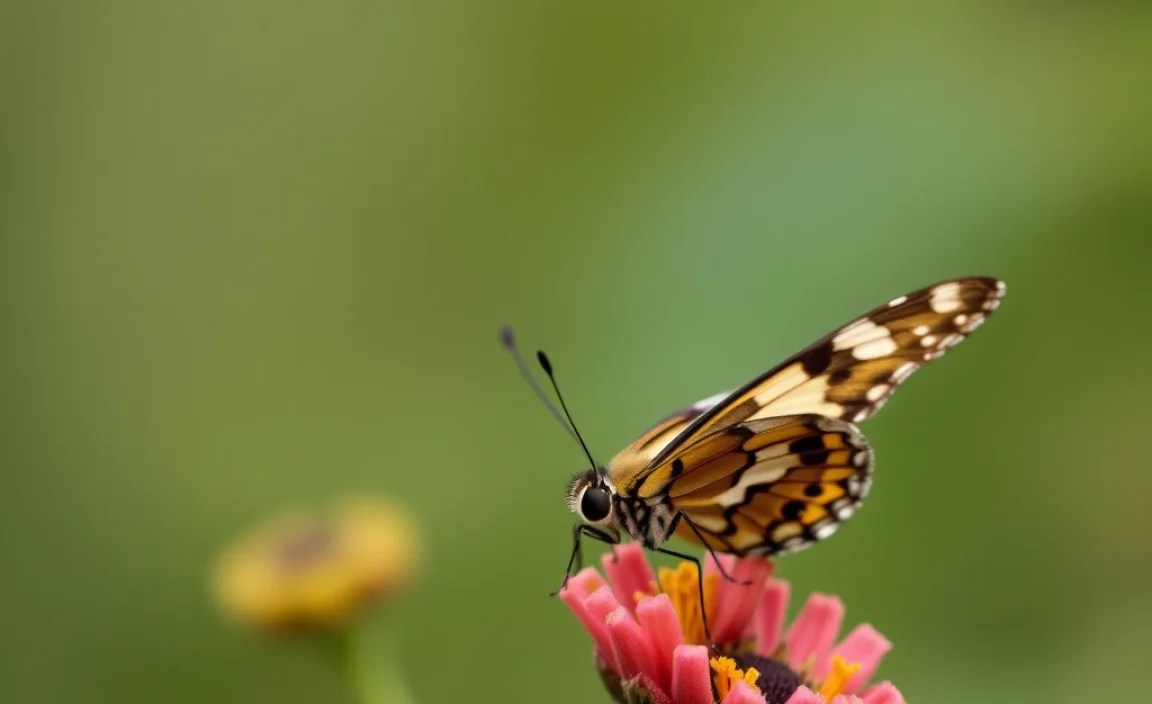
Both the caterpillar and adult stages of the Tawny Coaster have specific food requirements. Understanding these needs can help you attract and support these butterflies in your garden.
Caterpillar Diet
Tawny Coaster caterpillars are not picky eaters, but they do have preferred host plants. These plants provide the necessary nutrients for their growth and development. Some common host plants include:
- Passiflora foetida (Stinking Passionflower): This is one of their favorite host plants.
- Adenia palmata (Palm-leaf Adenia): Another popular choice for Tawny Coaster caterpillars.
- Other Passiflora species: They will also feed on other types of passionflower.
Adult Butterfly Diet
Adult butterflies feed on nectar from flowers, which provides them with the energy they need to fly and reproduce. Some favorite nectar sources for Tawny Coasters include:
- Lantana: These colorful flowers are highly attractive to butterflies.
- Pentas: Another great nectar source that blooms profusely.
- Zinnia: Easy to grow and provide plenty of nectar.
- Ixora: These tropical flowers are a favorite in warmer climates.
Behavior
Understanding the behavior of the Tawny Coaster can enhance your appreciation for this butterfly and help you observe it more effectively.
Flight Patterns
Tawny Coasters are known for their slow, gliding flight. They don’t flap their wings rapidly like some other butterflies. This leisurely flight pattern makes them easy to spot and follow as they move from flower to flower.
Sun Basking
Like many butterflies, Tawny Coasters often bask in the sun to warm their bodies. They will perch on leaves or flowers with their wings open, absorbing the sun’s rays. This behavior is more common in the morning when the air is cooler.
Roosting
At night, Tawny Coasters find sheltered spots to roost. They may hide under leaves or in crevices to protect themselves from predators and the elements. They typically roost in the same general area each night.
Attracting Tawny Coasters to Your Garden
If you want to see more Tawny Coasters in your garden, there are several things you can do to make it more appealing to them.
Plant Host Plants
The most effective way to attract Tawny Coasters is to plant their host plants. Passiflora foetida is an excellent choice, as it is a favorite among the caterpillars. Other Passiflora species and Adenia palmata are also good options.
Provide Nectar Sources
Plant a variety of nectar-rich flowers to provide food for the adult butterflies. Lantana, Pentas, Zinnia, and Ixora are all great choices. Choose a mix of colors and bloom times to ensure there is always something in bloom.
Create a Butterfly-Friendly Environment
Here are some additional tips to create a welcoming environment for Tawny Coasters:
- Avoid pesticides: Pesticides can harm or kill butterflies and caterpillars. Use organic gardening methods instead.
- Provide water: Butterflies need water to stay hydrated. You can provide a shallow dish of water with pebbles or marbles for them to land on.
- Offer shelter: Plant shrubs and trees to provide shelter from wind and rain.
- Provide a basking spot: Place flat stones in sunny areas for butterflies to bask on.
Conservation Status
The Tawny Coaster is a common and widespread butterfly, and it is not currently considered to be threatened or endangered. However, like all wildlife, it faces threats from habitat loss, pesticide use, and climate change. Supporting butterfly conservation efforts can help ensure that these beautiful creatures continue to thrive.
How to Help
Here are some ways you can help protect Tawny Coasters and other butterflies:
- Plant native plants: Native plants provide the best food and habitat for butterflies.
- Avoid using pesticides: Pesticides can harm or kill butterflies and other beneficial insects.
- Support local conservation organizations: These organizations work to protect butterfly habitats and educate the public about butterfly conservation.
- Create a butterfly garden: By creating a butterfly-friendly garden, you can provide food and shelter for butterflies in your area.
- Educate others: Share your knowledge about butterflies with friends, family, and neighbors. The more people who care about butterflies, the better their chances of survival.
Fun Facts About Tawny Coasters
Here are some interesting facts about Tawny Coasters that you might not know:
- Mimicry: Tawny Coasters are thought to mimic the appearance of other distasteful butterflies to avoid predation.
- Migration: While not known for long-distance migrations, Tawny Coasters can move locally in search of food and host plants.
- Cultural Significance: In some cultures, butterflies are symbols of transformation and new beginnings.
FAQ About Tawny Coaster Butterflies
What does a Tawny Coaster caterpillar eat?
Tawny Coaster caterpillars primarily feed on the leaves of Passiflora species, especially Passiflora foetida (Stinking Passionflower), and Adenia palmata.
Where can I find Tawny Coaster butterflies?
Tawny Coaster butterflies are commonly found in South and Southeast Asia, including India, Sri Lanka, Thailand, Malaysia, and Indonesia. They thrive in gardens, open fields, and forest edges.
How can I attract Tawny Coaster butterflies to my garden?
To attract Tawny Coasters, plant their host plants like Passiflora foetida and provide nectar sources like Lantana, Pentas, and Zinnia. Avoid using pesticides and offer a shallow dish of water.
What is the lifespan of a Tawny Coaster butterfly?
The adult Tawny Coaster butterfly typically lives for about 2 to 4 weeks.
Are Tawny Coaster butterflies endangered?
No, Tawny Coaster butterflies are not currently considered endangered. They are common and widespread in their native range.
How do I tell a Tawny Coaster apart from other orange butterflies?
Tawny Coasters have a bright orange color with a distinctive row of black spots along the edges of their wings. Other similar butterflies, like the Plain Tiger and Common Leopard, have different patterns of spots and markings.
What is the pupa stage of a Tawny Coaster?
In the pupa stage, the Tawny Coaster forms a light brown chrysalis that hangs upside down from a leaf or stem. Inside the chrysalis, the caterpillar transforms into a butterfly.
Conclusion
The Tawny Coaster butterfly is a beautiful and fascinating creature that can bring joy to any garden. By understanding its appearance, habitat, life cycle, and food sources, you can confidently identify it and create a welcoming environment for it in your own backyard. Remember to plant host plants, provide nectar sources, and avoid pesticides to help these butterflies thrive. So, get outside, explore your local environment, and appreciate the beauty of the Tawny Coaster and other butterflies. Happy butterflying!