
Painted Lady Butterfly Taxonomy: The Powerful Guide

Have you ever seen a butterfly with orange, black, and white wings? That might be a painted lady butterfly! These pretty insects fly all over the world. Scientists like to know how things are related. They use something called painted lady butterfly taxonomy. It helps them understand where the butterfly fits in the animal world.
Scientists use special names to group living things. It is like sorting toys into boxes. Each box has a label that tells you what is inside. This helps us learn more about them. Let’s explore the world of painted lady butterfly taxonomy. We can learn how scientists organize and study these amazing creatures.
Key Takeaways
- Painted lady butterfly taxonomy helps scientists understand the butterfly’s place in nature.
- The scientific name for the painted lady butterfly is Vanessa cardui.
- Painted ladies belong to the Nymphalidae family, also known as brush-footed butterflies.
- These butterflies are found on almost every continent around the world.
- Understanding their classification helps us learn about their behavior and conservation.
Understanding Painted Lady Butterfly Taxonomy
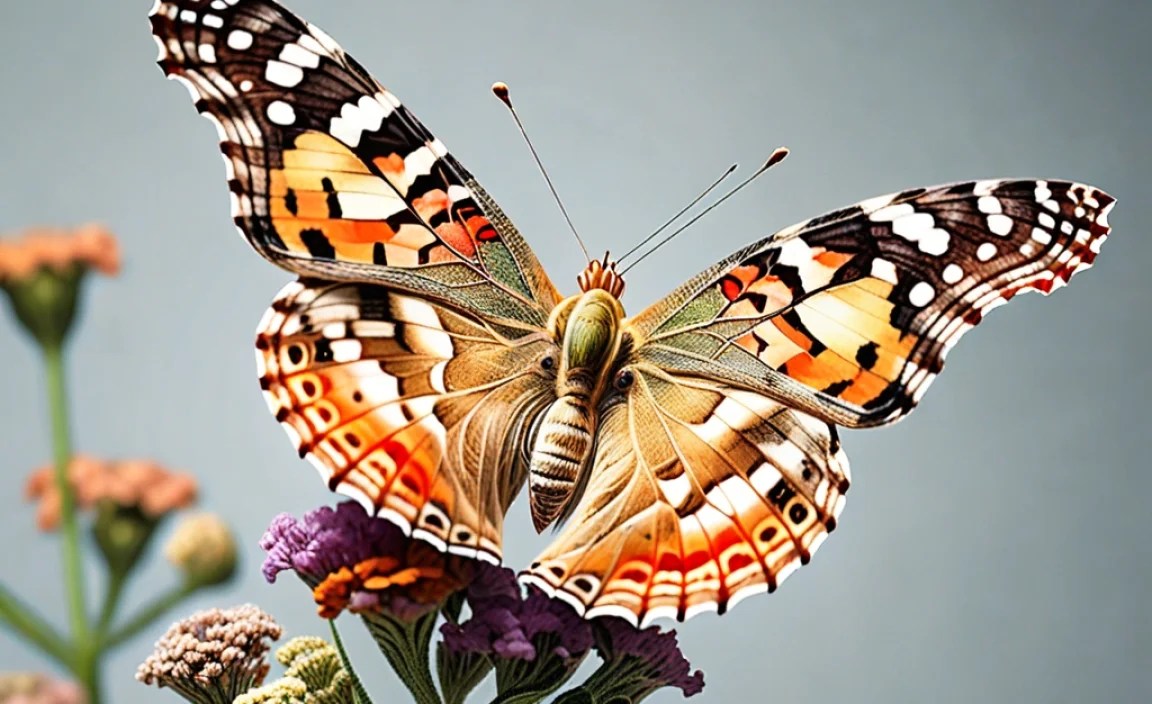
Painted lady butterfly taxonomy is how scientists classify these butterflies. It helps us understand their relationships to other insects. Taxonomy is like a big family tree for living things. Each branch shows how different animals and plants are related. The painted lady butterfly is part of a large family. It shares some traits with other butterflies. Scientists look at things like wing patterns. They also study their body parts. This helps them put each butterfly in the right spot on the tree. The main goal is to organize life on Earth. This makes it easier to study and protect different species. The painted lady is a fascinating example of how taxonomy works. It shows how interconnected all living things are. By understanding its place, we can better appreciate its role in the world.
- Taxonomy organizes living things into groups.
- Scientists use physical traits to classify them.
- The family tree shows relationships between species.
- It helps us protect different types of creatures.
- Painted ladies have unique features.
Classifying butterflies helps us understand their world. It is like organizing books in a library. Each book has a special place. This makes it easier to find. Painted lady butterfly taxonomy uses a system. This system has different levels. These levels include kingdom, phylum, class, order, family, genus, and species. Each level gets more specific. It narrows down the group. The painted lady fits into each of these levels. Understanding this system helps us. It helps us see how the painted lady is related to other creatures. It also shows how it is special in its own way. This classification helps scientists all over the world. They can share information about the butterfly. They can also learn more about how to protect it.
Fun Fact or Stat: The painted lady butterfly is one of the most widespread butterfly species on Earth!
What is the Genus of Painted Lady Butterflies?
Have you ever wondered what the genus of a painted lady butterfly is? The genus is like the butterfly’s first name. It is a group of closely related species. The genus of the painted lady is Vanessa. This group includes other beautiful butterflies. They share similar patterns and behaviors. Knowing the genus helps scientists. It helps them understand the butterfly’s close relatives. It also helps them study how these butterflies have changed over time. The Vanessa genus is part of a bigger family. This family has many types of butterflies. Each has its own special traits. The Vanessa butterflies are known for their bright colors. They are also known for their ability to migrate long distances. They travel far to find food and places to lay eggs.
How Does Taxonomy Help Us Study Butterflies?
Imagine you are trying to find a specific toy in a huge room. It would be hard if the toys were all mixed up. Taxonomy helps us avoid this problem with butterflies. It organizes them into groups. This makes it easier to study them. Painted lady butterfly taxonomy helps scientists. It helps them learn about their behavior, diet, and where they live. By knowing which group a butterfly belongs to, we can learn a lot. We can learn about its life cycle. We can also learn about its role in the environment. Taxonomy also helps us protect butterflies. We can understand which species are in danger. We can then work to save them. It is like having a map to guide us in the world of butterflies.
Why is Classification Important for Conservation?
Why is classifying butterflies important for keeping them safe? Imagine you are trying to protect a type of animal. But you don’t know what it is or where it lives. It would be very difficult! Painted lady butterfly taxonomy helps us protect butterflies. It helps us know what they are and where they belong. This knowledge is important for conservation. If we know a butterfly is rare, we can take steps to protect it. We can protect its habitat. We can also help it breed. This helps keep the butterfly from disappearing. Classification also helps us understand how different butterflies are related. This can help us make better decisions about how to protect them. It’s like having a team. Everyone works together to keep the butterflies safe.
The Scientific Name: Vanessa Cardui

Every living thing has a scientific name. It is like a special code. This code is used by scientists all over the world. The scientific name for the painted lady butterfly is Vanessa cardui. This name tells us two important things. Vanessa is the genus. Cardui is the species. The species is like the butterfly’s last name. It tells us exactly which butterfly we are talking about. Using scientific names is important. It helps avoid confusion. Common names can be different in different places. But the scientific name is always the same. So, whether you are in America or Asia, Vanessa cardui always means the painted lady butterfly. This makes it easier for scientists to share information. They can be sure they are talking about the same butterfly.
- Scientific names are like special codes.
- Vanessa cardui is the painted lady’s name.
- Genus and species are the two parts of the name.
- Scientific names are the same everywhere.
- This avoids confusion among scientists.
- It helps them share information easily.
The scientific name Vanessa cardui is important for many reasons. It is a universal language for scientists. It allows them to communicate clearly. They can share their findings about the painted lady butterfly. This helps them understand the butterfly better. It also helps them protect it. The name Vanessa comes from a Greek word. It means “butterfly.” The name cardui comes from a Latin word. It means “thistle.” This is because painted lady butterflies often lay their eggs on thistle plants. So, the name tells us something about the butterfly’s life. It also tells us about its habits. This is why scientific names are so useful. They give us a lot of information in just a few words.
Fun Fact or Stat: The scientific name helps scientists around the world communicate about the same species, even if they speak different languages.
What Does the Name Vanessa Mean?
Have you ever wondered what the name Vanessa means? It sounds like a pretty name, doesn’t it? Vanessa is the genus name for the painted lady butterfly. It was chosen by a scientist long ago. The name Vanessa comes from a woman’s name. The scientist liked the name. He thought it sounded beautiful. He decided to use it for this group of butterflies. The name has become very popular. It is now used to describe many different types of butterflies. The name Vanessa reminds us that science can be creative. It can also be inspired by beauty. It shows us that even the names of things can have a story.
Why is it Important to Use Scientific Names?
Imagine you are talking about a flower with your friend. You call it a daisy. But your friend calls it something else. This could be confusing. It is the same with butterflies. Different people might call the painted lady butterfly by different names. That is why we use scientific names. Vanessa cardui is the scientific name. It is the same all over the world. Scientists use this name to be clear. They want to make sure everyone knows which butterfly they are talking about. Scientific names help avoid confusion. They help scientists share information. This makes it easier to study and protect butterflies.
How Do Scientists Choose Scientific Names?
Have you ever wondered how scientists pick names for butterflies? It is a very important job. They want to choose names that are meaningful. They also want to choose names that are easy to remember. Scientists often use Latin or Greek words. These languages are old. Scientists all over the world know them. The names can describe something about the butterfly. They can describe its color. They can also describe its behavior. Sometimes, the names are chosen to honor someone. It could be a famous scientist. It could also be someone who has helped to study butterflies. The process of choosing a name is careful. It helps us learn more about the butterfly.
Family Nymphalidae: Brush-Footed Butterflies

The painted lady butterfly belongs to a big family. This family is called Nymphalidae. These are also known as the brush-footed butterflies. This family is very large. It has many different types of butterflies. They share some things in common. One thing is their front legs. These legs are small and hairy. They look like little brushes. The butterflies use these legs to taste things. They don’t use them for walking. That is why they are called brush-footed butterflies. The Nymphalidae family is very diverse. It includes many colorful butterflies. Some are big. Some are small. Some have patterns on their wings. Others have bright, solid colors. The painted lady is one of the most well-known members of this family. It is loved for its beauty and its ability to fly long distances.
- Nymphalidae are called brush-footed butterflies.
- They have small, hairy front legs.
- They use these legs to taste things.
- This family is very large and diverse.
- It includes many colorful butterflies.
- The painted lady is a famous member.
Being part of the Nymphalidae family means the painted lady shares some traits. It shares these traits with other brush-footed butterflies. These traits can include how they look. They can also include how they act. For example, many brush-footed butterflies have bright colors. They use these colors to attract mates. They also use them to warn predators. Many brush-footed butterflies also like to bask in the sun. This helps them warm up their bodies. They need to be warm to fly. The painted lady also has these traits. It is a beautiful butterfly with bright colors. It also likes to bask in the sun. Understanding the family helps us learn more about the butterfly. It helps us see how it is similar to other butterflies. It also helps us see how it is different.
Fun Fact or Stat: Brush-footed butterflies often have vibrant colors and patterns on their wings, used for camouflage or to attract mates.
What are the Characteristics of Nymphalidae?
Have you ever noticed how some butterflies have tiny front legs? These are the brush-footed butterflies. They belong to the Nymphalidae family. These butterflies have some special traits. Their front legs are small and hairy. They use them for tasting, not walking. They also have bright colors. These colors help them attract mates. The colors also warn predators. Many Nymphalidae butterflies also have interesting wing shapes. Some have pointy wings. Others have rounded wings. They are a very diverse group. They can be found all over the world. They are a beautiful and important part of our ecosystem.
How Does the Family Influence the Butterfly’s Life?
Imagine you are part of a big family. You might share some traits with your relatives. You might also learn some things from them. It is the same with the painted lady butterfly. It belongs to the Nymphalidae family. This family influences how the butterfly lives. It shares some traits with other brush-footed butterflies. It shares how it looks. It also shares how it acts. For example, the painted lady has bright colors. It also likes to bask in the sun. These traits are common in the family. The family also influences what the butterfly eats. Many Nymphalidae butterflies feed on nectar. The painted lady does too. Being part of a family helps the butterfly survive.
Why are Brush-Footed Butterflies Called That?
Have you ever wondered why some butterflies are called brush-footed? It sounds like a funny name, doesn’t it? These butterflies have special front legs. These legs are small and hairy. They look like tiny brushes. The butterflies don’t use these legs for walking. They use them for tasting. They taste flowers to find nectar. They also taste leaves to find food for their caterpillars. The brushes help them sense the chemicals. This helps them find the best food. So, the name brush-footed comes from the way their front legs look and how they use them. It is a good way to remember this special family of butterflies.
Global Distribution of Painted Lady Butterflies

The painted lady butterfly is a world traveler. It can be found on almost every continent. This is very unusual for a butterfly. Most butterflies live in one area. The painted lady can live in many different places. It lives in North America. It also lives in Europe, Asia, and Africa. It even lives in Australia! This wide distribution is because the painted lady can migrate. It can fly long distances to find food and places to lay eggs. It can travel thousands of miles. This helps it survive in different climates. It also helps it avoid bad weather. The painted lady’s ability to travel makes it one of the most successful butterflies in the world. It is a symbol of resilience and adaptability.
- Painted ladies live on almost every continent.
- They can migrate long distances.
- They travel to find food and lay eggs.
- This helps them survive in different climates.
- They are one of the most successful butterflies.
- They are a symbol of resilience.
The painted lady’s global distribution is amazing. It shows how adaptable these butterflies are. They can live in many different habitats. They can live in gardens. They can also live in fields and forests. They can even live in deserts. They eat nectar from many different flowers. They lay their eggs on many different plants. This helps them survive in different places. Their ability to migrate is also important. It allows them to escape bad conditions. They can fly to places where there is more food. They can also fly to places where the weather is better. This makes them a very tough and successful butterfly. They can thrive in many different environments.
Fun Fact or Stat: Painted lady butterflies can travel up to 100 miles per day during their migration!
Why are Painted Ladies Found on So Many Continents?
Have you ever wondered why the painted lady butterfly is found all over the world? It is because they are great travelers. They can fly long distances. They migrate to find food and places to lay eggs. They can cross mountains and deserts. They can even cross oceans. This makes them one of the most widespread butterflies in the world. They are found on almost every continent. They are able to adapt to different climates. They can also eat many different types of plants. This helps them survive in many different places. Their ability to travel is what makes them so special.
How Does Migration Affect Their Distribution?
Imagine you are a bird. You fly south for the winter. This is called migration. It helps you find food and warmer weather. The painted lady butterfly also migrates. It flies long distances to find food and places to lay eggs. This migration affects where they are found. They can travel to new areas. They can also spread out across different continents. Migration helps them avoid bad weather. It also helps them find the best resources. This is why they are found in so many different places. Migration is a key part of their life.
What Habitats Do Painted Ladies Prefer?
Have you ever wondered where painted lady butterflies like to live? They are not too picky. They can live in many different places. They like gardens with lots of flowers. They also like fields with weeds. They can even live in deserts with some plants. They need places with food for their caterpillars. They also need places with nectar for the adults. They are very adaptable. They can live in many different habitats. This is one reason why they are found all over the world. They can find a place to live almost anywhere.
Life Cycle and Host Plants
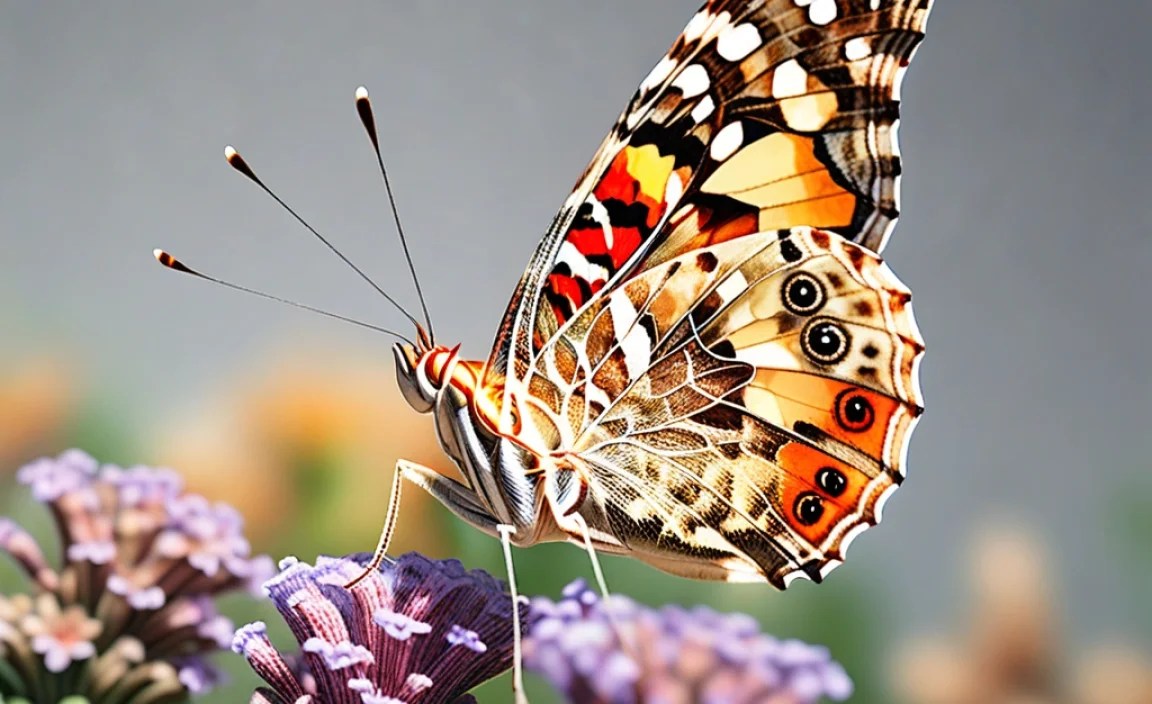
The painted lady butterfly has a fascinating life cycle. It starts as a tiny egg. The mother butterfly lays her eggs on certain plants. These plants are called host plants. When the egg hatches, a caterpillar comes out. The caterpillar eats the host plant. It grows bigger and bigger. It sheds its skin several times. This is called molting. After a while, the caterpillar turns into a pupa. The pupa is also called a chrysalis. It is like a sleeping bag for the butterfly. Inside the pupa, the caterpillar changes. It turns into a butterfly. After a few weeks, the butterfly comes out. It flies away to find food and lay eggs. The cycle starts all over again.
- The life cycle starts with an egg.
- The egg hatches into a caterpillar.
- The caterpillar eats host plants.
- It turns into a pupa or chrysalis.
- The butterfly emerges from the pupa.
- It flies away to reproduce.
Host plants are very important for the painted lady butterfly. The caterpillars need these plants to survive. They eat the leaves of the host plants. This gives them the energy they need to grow. Painted ladies can use many different types of host plants. Some common ones are thistles, mallows, and sunflowers. The mother butterfly chooses the host plant carefully. She wants to make sure her caterpillars have enough food. She lays her eggs on the plant. When the caterpillars hatch, they start eating right away. The host plant is like a nursery for the caterpillars. It provides them with everything they need to grow into beautiful butterflies.
Fun Fact or Stat: A painted lady caterpillar can eat up to twice its weight in food each day!
What are Common Host Plants for Painted Ladies?
Have you ever seen a caterpillar munching on a plant? It might be a painted lady caterpillar! These caterpillars have favorite plants. These plants are called host plants. Some common host plants are thistles, mallows, and sunflowers. The caterpillars eat the leaves of these plants. This helps them grow into butterflies. The mother butterfly knows which plants are best. She lays her eggs on these plants. This makes sure her caterpillars have enough food. Host plants are very important for the painted lady’s life cycle.
How Does the Caterpillar Grow and Change?
Imagine you are a tiny caterpillar. You hatch from an egg. Your job is to eat and grow. You eat the leaves of your host plant. You get bigger and bigger. But your skin does not grow. So, you have to shed it. This is called molting. You molt several times as you grow. Each time you molt, you get a little bigger. After a while, you are ready to change. You turn into a pupa. Inside the pupa, something amazing happens. You change into a butterfly. It is like magic!
What Happens Inside the Chrysalis?
Have you ever seen a chrysalis hanging from a plant? It looks like it is sleeping. But something amazing is happening inside. The caterpillar is changing into a butterfly. It is breaking down its body. It is rebuilding it into a new shape. It is growing wings and legs. It is also growing antennae. This process takes time. It can take several weeks. But when it is done, a beautiful butterfly will emerge. It will fly away and start a new life.
Painted Lady Butterfly Conservation Status
The painted lady butterfly is very common. It is found all over the world. It is not in danger of disappearing. This means it is not endangered. However, it is still important to protect them. We can protect their habitats. We can also make sure they have enough food. We can plant flowers that provide nectar for the adults. We can also plant host plants for the caterpillars. This will help them thrive. Even though they are not endangered, they are still important. They are part of our ecosystem. They help pollinate flowers. They also provide food for other animals. We should appreciate these beautiful butterflies and do what we can to protect them.
- Painted ladies are not endangered.
- It is still important to protect them.
- We can protect their habitats.
- We can plant flowers for nectar.
- We can plant host plants for caterpillars.
- They help pollinate flowers.
Even though painted lady butterflies are common, their populations can change. Sometimes there are many of them. Other times there are not so many. This can be due to weather conditions. It can also be due to changes in their habitats. Climate change can also affect them. It is important to keep an eye on their populations. We want to make sure they continue to thrive. We can help by planting native plants. These plants provide food and shelter for them. We can also avoid using pesticides. These chemicals can harm butterflies and other insects. By taking these steps, we can help ensure that painted lady butterflies continue to brighten our world for many years to come.
Fun Fact or Stat: Citizen science projects help track painted lady butterfly populations and migration patterns!
How Can We Help Protect Painted Ladies?
Have you ever wanted to help butterflies? It is easier than you think! You can plant flowers in your garden. Butterflies love nectar. Flowers provide them with food. You can also plant host plants. These plants provide food for the caterpillars. Avoid using pesticides. These chemicals can harm butterflies. You can also join a butterfly club. You can learn more about butterflies. You can also help protect them. Every little bit helps!
What Threats Do Painted Ladies Face?
Even though painted lady butterflies are common, they still face some dangers. One danger is habitat loss. Their habitats are being destroyed by development. Another danger is pesticide use. Pesticides can kill butterflies and other insects. Climate change is also a threat. It can change the weather patterns. This can affect their food supply. We need to be aware of these threats. We need to take steps to protect them. We can protect their habitats. We can also reduce our use of pesticides. We can also work to fight climate change.
Why is Pollination Important for the Environment?
Have you ever wondered why butterflies are important? They help pollinate flowers. Pollination is how plants make seeds. Butterflies carry pollen from one flower to another. This helps the plants reproduce. Without pollination, we would not have many fruits and vegetables. Butterflies are important for our food supply. They are also important for the environment. They help keep our ecosystems healthy. We need to protect butterflies. We need to protect their habitats. This will help ensure that we have a healthy planet.
Comparing Painted Lady to Other Butterflies
The painted lady butterfly is unique. But it shares traits with other butterflies. It is fun to compare them. Monarch butterflies are famous for their long migrations. They travel thousands of miles. Swallowtail butterflies are known for their beautiful tails. They have colorful wings with long tails. Cabbage white butterflies are small and white. They are often seen in gardens. Each butterfly has its own special traits. The painted lady is known for its wide distribution. It is also known for its ability to adapt. Comparing them helps us appreciate each one. It also helps us understand their roles in nature.
| Butterfly Type | Distinctive Feature | Migration | Common Habitat |
|---|---|---|---|
| Painted Lady | Wide distribution | Yes | Gardens, fields, deserts |
| Monarch | Long migration | Yes | North America |
| Swallowtail | Tails on wings | No | Tropical and subtropical |
| Cabbage White | Small and white | No | Gardens and fields |
- Monarchs migrate long distances.
- Swallowtails have tails on their wings.
- Cabbage whites are small and white.
- Painted ladies are widely distributed.
- Each butterfly has unique traits.
- They all play roles in nature.
Comparing butterflies helps us understand the painted lady better. We can see what makes it special. We can also see how it is similar to other butterflies. This helps us appreciate the diversity of nature. It also helps us understand how different species are related. For example, all butterflies belong to the same order. This order is called Lepidoptera. This means they all have wings covered in scales. But each family and genus has its own unique traits. The painted lady is a member of the Nymphalidae family. This means it has brush-footed legs. Comparing them helps us learn more about their adaptations. It also helps us learn about their evolution.
Fun Fact or Stat: Monarch butterflies migrate over 3,000 miles each year!
How Does Wing Pattern Differ Among Butterflies?
Have you ever looked closely at a butterfly’s wings? They are like tiny works of art. Each butterfly has its own unique pattern. Monarchs have orange and black wings with white spots. Swallowtails have colorful wings with long tails. Cabbage whites have simple white wings. Painted ladies have orange, black, and white wings. The patterns help them attract mates. They also help them camouflage. The patterns can also warn predators. Each pattern tells a story. It tells us about the butterfly’s life. It also tells us about its environment.
What Role Do Butterflies Play in the Ecosystem?
Imagine a garden without butterflies. It would be a sad place. Butterflies play important roles in the ecosystem. They help pollinate flowers. They carry pollen from one flower to another. This helps the plants reproduce. They also provide food for other animals. Birds eat butterflies and caterpillars. Butterflies are part of the food chain. They help keep the ecosystem healthy. We need to protect butterflies. We need to protect their habitats. This will help ensure that we have a healthy planet.
How Does Taxonomy Help Us Compare Butterflies?
Imagine you are sorting a collection of toys. You might group them by color. You might also group them by size. Taxonomy helps us sort butterflies. It groups them by their traits. We can compare them based on their family. We can also compare them based on their genus. This helps us understand their relationships. It also helps us understand their evolution. Taxonomy is like a map. It guides us through the world of butterflies. It helps us see how they are all connected.
Summary
The painted lady butterfly is a fascinating insect. Painted lady butterfly taxonomy helps us understand where it belongs in the world. The scientific name is Vanessa cardui. It belongs to the Nymphalidae family. This family is also known as brush-footed butterflies. Painted ladies are found on almost every continent. They can migrate long distances. They eat nectar from flowers. Their caterpillars eat leaves from host plants. They are not endangered. But it is still important to protect them. We can plant flowers and host plants. We can also avoid using pesticides. This will help them thrive. Understanding their classification helps us learn about their behavior. It also helps us learn about their conservation.
Conclusion
Painted lady butterflies are amazing creatures. They can be found almost everywhere. They are beautiful and important. Understanding painted lady butterfly taxonomy helps us appreciate them. It helps us learn about their relationships to other insects. It also helps us understand their role in the environment. By learning about these butterflies, we can help protect them. We can also help ensure that they continue to thrive. Let’s all do our part to help these wonderful creatures.
Frequently Asked Questions
Question No 1: What does painted lady butterfly taxonomy tell us?
Answer: Painted lady butterfly taxonomy tells us how scientists classify these butterflies. It helps us understand their relationships to other insects. It’s like sorting toys into boxes. Each box has a label. The label tells you what is inside. This helps us learn more about them. Taxonomy organizes them into groups. It makes it easier to study them. It helps us learn about their behavior, diet, and where they live. Understanding taxonomy is like having a map. It guides us in the world of butterflies.
Question No 2: How do scientists classify butterflies?
Answer: Scientists classify butterflies using a system. This system has different levels. These levels include kingdom, phylum, class, order, family, genus, and species. Each level gets more specific. It narrows down the group. Scientists look at things like wing patterns and body parts. They study their DNA. This helps them put each butterfly in the right spot. It is like organizing books in a library. Each book has a special place. This makes it easier to find. The goal is to organize life on Earth. This makes it easier to study and protect different species.
Question No 3: Why is the scientific name Vanessa cardui important?
Answer: The scientific name Vanessa cardui is important for many reasons. It is a universal language for scientists. It allows them to communicate clearly. They can share their findings about the painted lady butterfly. This helps them understand the butterfly better. It also helps them protect it. The name Vanessa comes from a Greek word. It means “butterfly.” The name cardui comes from a Latin word. It means “thistle.” This is because they often lay their eggs on thistle plants.
Question No 4: What does it mean to be in the Nymphalidae family?
Answer: Being part of the Nymphalidae family means the painted lady shares some traits. It shares these traits with other brush-footed butterflies. These traits can include how they look. They can also include how they act. For example, many brush-footed butterflies have bright colors. They use these colors to attract mates. They also use them to warn predators. Many also like to bask in the sun. This helps them warm up. Understanding the family helps us learn more about the butterfly. It helps us see how it is similar to other butterflies. It also helps us see how it is different.
Question No 5: How does migration affect the painted lady’s distribution?
Answer: The painted lady butterfly migrates. It flies long distances to find food and places to lay eggs. This migration affects where they are found. They can travel to new areas. They can also spread out across different continents. Migration helps them avoid bad weather. It also helps them find the best resources. That is why they are found in so many different places. Understanding their taxonomy helps scientists track these migrations. They can see how populations move and change over time. This information is important for conservation efforts.
Question No 6: How can I help painted lady butterflies?
Answer: You can help painted lady butterflies in many ways. You can plant flowers in your garden. Butterflies love nectar. Flowers provide them with food. You can also plant host plants. These plants provide food for the caterpillars. Avoid using pesticides. These chemicals can harm butterflies. You can also join a butterfly club. You can learn more about butterflies. You can also help protect them. Every little bit helps. By understanding painted lady butterfly taxonomy, you can choose the right plants to support them. You can also educate others about their importance.


