
Rare Butterflies in Southeast Asia: A Powerful Guide

Have you ever seen a butterfly? They flutter around. Butterflies are so pretty. Some butterflies are hard to find. These are rare butterflies in Southeast Asia. They live in special places. Let’s learn about these amazing insects.
Key Takeaways
- Many rare butterflies in Southeast Asia need our help to survive.
- Protecting forests helps these butterflies and other animals too.
- Some rare butterflies include the Rajah Brooke’s Birdwing and the Malayan Tree Nymph.
- These butterflies are threatened by habitat loss and climate change.
- Southeast Asia is home to many beautiful and unique butterfly species.
Discovering Rare Butterflies in Southeast Asia

Southeast Asia has many cool creatures. Some of them are rare butterflies. These butterflies are special. They live in rainforests and jungles. These places are full of tall trees and colorful flowers. But some of these butterflies are in trouble. Their homes are being destroyed. People cut down trees to make farms. This is called habitat loss. Climate change also hurts these butterflies. The weather is getting hotter. This makes it hard for them to live. We need to help these butterflies. We can protect their homes. We can also help stop climate change. This will keep these rare butterflies in Southeast Asia safe.
- Butterflies need plants to live.
- Some butterflies are very big.
- Others are very small and hard to see.
- Many have bright colors.
- These colors help them hide or warn enemies.
Imagine you are walking in a forest. You see a flash of color. It is a butterfly! It is flying from flower to flower. It drinks nectar from the flowers. This gives it energy. Butterflies are important for plants. They help spread pollen. Pollen is like plant dust. It helps plants make seeds. Without butterflies, many plants would not grow. That is why we need to protect rare butterflies in Southeast Asia. They help keep the forests healthy. We must learn more about them. Then we can help them survive. Saving these butterflies will keep our world beautiful.
Why Are Butterflies Important?
Why should we care about butterflies? Butterflies are more than just pretty. They are important for the environment. They help pollinate flowers. This means they help plants make seeds. Plants need seeds to make new plants. Butterflies also help control pests. Pests are bugs that eat plants. Butterfly caterpillars eat these pests. This keeps the plants healthy. When we protect butterflies, we protect plants too. This keeps the whole ecosystem healthy. Rare butterflies in Southeast Asia play a big role. They keep the forests alive and vibrant. Protecting them is like protecting a tiny gardener. They work hard to keep our world green and beautiful.
Where Do These Butterflies Live?
Rare butterflies in Southeast Asia live in special places. These places are called habitats. Habitats are like homes for animals. Some butterflies live in rainforests. Others live in mountains. Some live near rivers. Each butterfly has its favorite place. But these places are changing. People are cutting down trees. This destroys the butterflies’ homes. Climate change is also making it harder for them. The weather is getting too hot or too dry. We need to protect these habitats. We can help the butterflies by saving their homes. This will give them a safe place to live and grow. It will also keep the forests healthy for everyone.
How Can We Help Them?
We can do many things to help rare butterflies in Southeast Asia. One thing is to protect their habitats. We can help stop deforestation. Deforestation is when people cut down too many trees. We can also help stop climate change. We can use less energy. We can plant more trees. Trees help clean the air. We can also learn more about butterflies. We can teach others about them. The more people know, the more they will care. Even small actions can make a big difference. Together, we can help these beautiful creatures survive. We can keep the forests full of butterflies for many years to come.
Fun Fact or Stat: Some butterflies migrate thousands of miles each year to find better climates!
Threats to Rare Butterfly Populations

Rare butterflies in Southeast Asia face many dangers. One big danger is habitat loss. People cut down forests to make farms or buildings. This destroys the butterflies’ homes. Another danger is pollution. Pollution comes from factories and cars. It can make the air and water dirty. This hurts the butterflies and the plants they need. Climate change is also a big threat. The weather is getting hotter and more unpredictable. This makes it hard for butterflies to find food and shelter. We need to stop these threats. We can protect the forests. We can reduce pollution. We can help stop climate change. This will give the butterflies a better chance to survive.
- Pesticides can harm butterflies.
- Illegal collecting threatens some species.
- Natural disasters can destroy habitats.
- Disease can also affect butterfly populations.
- Invasive species compete for resources.
- Lack of food sources is a problem.
Imagine a butterfly trying to find a home. Its forest has been cut down. It flies to another forest, but it is polluted. The air is dirty, and the plants are sick. The butterfly cannot find food. It is too hot, and there is no shade. This is what happens to many rare butterflies in Southeast Asia. They lose their homes and cannot find new ones. We need to make sure they have safe places to live. We can protect the forests. We can clean up the air and water. We can help stop climate change. This will give the butterflies a chance to thrive. It will also keep our planet healthy.
What is Habitat Loss?
Habitat loss is a big problem. It happens when people destroy the places where animals live. For rare butterflies in Southeast Asia, this means cutting down forests. People cut down trees to make farms, build houses, or get wood. When the trees are gone, the butterflies lose their homes. They cannot find food or shelter. They may die or have to move. But often, there is nowhere else to go. We need to stop habitat loss. We can protect the forests. We can find other ways to get what we need without destroying the butterflies’ homes. This will help them survive and keep our planet healthy.
How Does Pollution Affect Butterflies?
Pollution can hurt butterflies in many ways. Air pollution can make it hard for them to breathe. Water pollution can poison the plants they eat. Pesticides are chemicals used to kill bugs. But they can also kill butterflies. These chemicals can make butterflies sick or kill them. Rare butterflies in Southeast Asia are especially at risk. They live in small areas. If their habitat is polluted, they have nowhere else to go. We need to reduce pollution. We can use less chemicals. We can clean up the air and water. This will help the butterflies and all living things.
Why is Climate Change a Threat?
Climate change is making the world warmer. This can be bad for rare butterflies in Southeast Asia. Butterflies need certain temperatures to live. If it gets too hot or too cold, they cannot survive. Climate change also changes the plants they eat. Some plants may die. Others may grow in different places. This makes it hard for butterflies to find food. Climate change can also cause floods and droughts. These natural disasters can destroy butterfly habitats. We need to stop climate change. We can use less energy. We can plant more trees. This will help the butterflies and keep our planet healthy.
Fun Fact or Stat: Some butterfly species are now endangered due to habitat destruction, with populations declining by as much as 90% in recent years.
Identifying Rare Butterfly Species
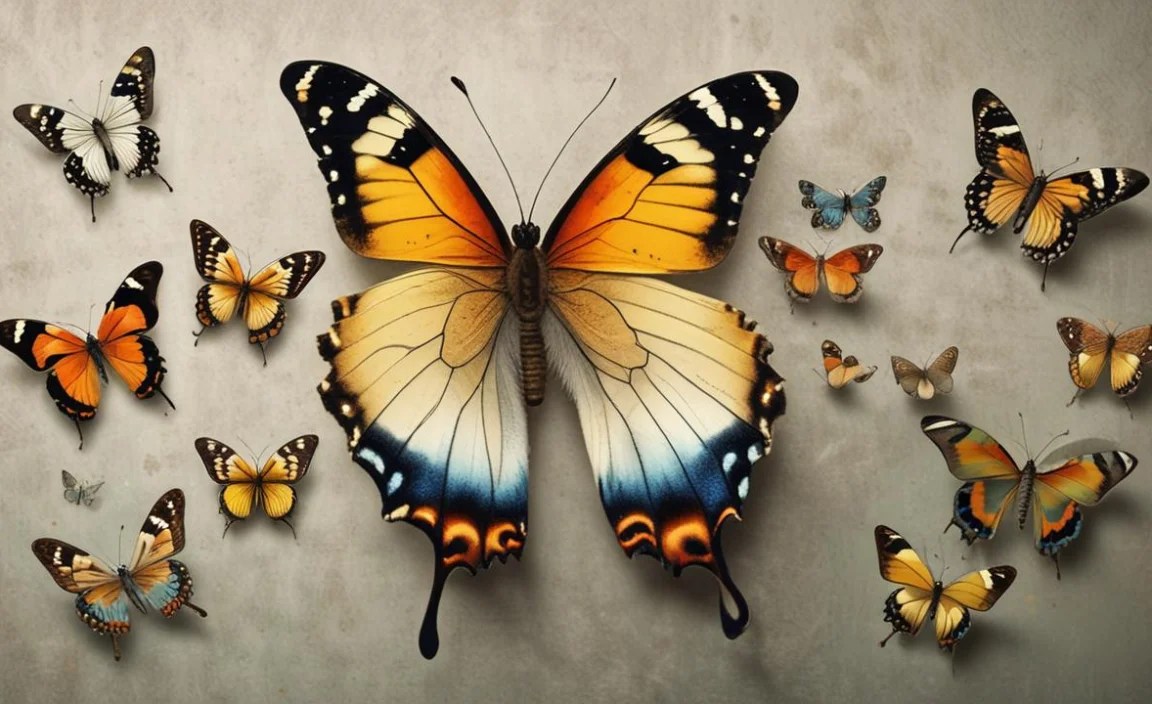
Rare butterflies in Southeast Asia come in many shapes and sizes. Some are big and colorful. Others are small and hard to see. One famous butterfly is the Rajah Brooke’s Birdwing. It has bright green and black wings. It is one of the biggest butterflies in the world. Another rare butterfly is the Malayan Tree Nymph. It is white with black spots. It looks like a piece of paper floating in the air. Some butterflies have special patterns on their wings. These patterns help them hide from enemies. Other butterflies have bright colors to warn enemies that they are poisonous. Learning about these butterflies is fun. It also helps us protect them.
- Rajah Brooke’s Birdwing is very large.
- Malayan Tree Nymph is delicate and white.
- Some have metallic colors.
- Others mimic leaves for camouflage.
- Some are only found in specific areas.
Imagine you are a scientist. You are studying rare butterflies in Southeast Asia. You need to know what they look like. You can use a field guide. A field guide is a book with pictures and descriptions. It helps you identify the butterflies. You can also use binoculars. Binoculars help you see the butterflies up close. You can look for special markings on their wings. You can also watch how they fly. Each butterfly has its own unique way of flying. By learning about these butterflies, you can help protect them. You can teach others about them. You can also help protect their habitats. This will keep these beautiful creatures safe.
What is the Rajah Brooke’s Birdwing?
The Rajah Brooke’s Birdwing is a very special butterfly. It is one of the largest butterflies in the world. It lives in Southeast Asia. It has bright green and black wings. The males are more colorful than the females. They have bright green stripes on their wings. The females are mostly brown with some white spots. This butterfly is named after Sir James Brooke. He was a famous ruler in Borneo. The Rajah Brooke’s Birdwing is a protected species. This means it is illegal to catch or sell them. Protecting this butterfly helps keep the forests healthy. It also helps other rare butterflies in Southeast Asia.
What is the Malayan Tree Nymph?
The Malayan Tree Nymph is another beautiful butterfly. It is white with black spots. It looks like a piece of paper floating in the air. This butterfly is very delicate. It flies slowly and gracefully. The Malayan Tree Nymph lives in rainforests. It feeds on the nectar of flowers. It is a rare butterfly. Its habitat is being destroyed. People are cutting down the forests where it lives. We need to protect this butterfly. We can help save its home. We can also teach others about it. This will help keep this beautiful butterfly alive.
Why is Identification Important?
Identifying butterflies is important for many reasons. It helps us know which butterflies are rare. It helps us track their populations. It helps us understand their needs. When we know which butterflies are in trouble, we can help them. We can protect their habitats. We can stop pollution. We can help stop climate change. Identifying rare butterflies in Southeast Asia is the first step to saving them. It helps us understand their world. It helps us make a difference. Even learning a few names can make a big impact. Knowing their names helps us care more about these amazing creatures.
Fun Fact or Stat: The Rajah Brooke’s Birdwing can have a wingspan of up to 7.9 inches (20 cm)!
The Role of Conservation in Butterfly Survival

Rare butterflies in Southeast Asia need our help. Conservation is the act of protecting nature. It means saving forests, cleaning up pollution, and stopping climate change. Conservation helps butterflies survive. It gives them safe places to live. It gives them clean air and water. It gives them the plants they need to eat. There are many ways to help with conservation. You can plant trees. You can use less energy. You can recycle. You can teach others about butterflies. Even small actions can make a big difference. Together, we can help these beautiful creatures thrive.
- Protecting habitats is very important.
- Reducing pollution helps butterflies.
- Supporting sustainable farming helps.
- Educating others raises awareness.
- Creating butterfly gardens provides food.
Imagine you are a superhero. Your mission is to save rare butterflies in Southeast Asia. What would you do? You would protect their forests. You would clean up the air and water. You would plant lots of flowers. You would teach everyone about butterflies. This is what conservation is all about. It is about being a hero for nature. It is about making a difference in the world. Every action counts. Even planting a single flower can help. Together, we can create a better world for butterflies and all living things. We can be the heroes these butterflies need.
What are Protected Areas?
Protected areas are special places. They are set aside to protect nature. These areas can be national parks, wildlife reserves, or sanctuaries. They are safe havens for rare butterflies in Southeast Asia. In protected areas, people cannot cut down trees or build houses. This helps keep the butterflies’ habitats safe. Rangers patrol these areas. They make sure no one is breaking the rules. Protected areas are important for conservation. They give butterflies a place to live without fear. They help keep the forests healthy. They help protect our planet.
How Does Sustainable Farming Help?
Sustainable farming is a way of growing food. It does not harm the environment. It uses less chemicals. It protects the soil. It saves water. Sustainable farming can help rare butterflies in Southeast Asia. It provides them with food and shelter. It reduces pollution. It helps keep the forests healthy. When farmers use sustainable methods, they protect the butterflies’ habitats. They also protect other animals and plants. Sustainable farming is good for everyone. It helps us grow food without harming the planet. It supports a healthy ecosystem for butterflies and other wildlife.
Why is Education Important?
Education is very important for conservation. When people learn about rare butterflies in Southeast Asia, they care more about them. They want to protect them. Education can teach people about the threats that butterflies face. It can also teach them how to help. Schools, museums, and nature centers can play a big role. They can teach kids and adults about butterflies. They can organize field trips to see butterflies in the wild. They can also support conservation projects. Education empowers people to make a difference. It helps create a world where butterflies can thrive.
Fun Fact or Stat: Establishing butterfly gardens with native plants can increase local butterfly populations by up to 50%!
Butterfly Habitats in Southeast Asia

Southeast Asia has many different habitats. These habitats are home to rare butterflies. Rainforests are one important habitat. They are full of tall trees and colorful flowers. Mountains are another habitat. Some butterflies live high up in the mountains. Mangrove forests are also important. They grow along the coast. Each habitat has its own special butterflies. These butterflies have adapted to their environment. They have special ways of finding food and shelter. Protecting these habitats is important. It helps keep the butterflies safe.
- Rainforests are rich in butterfly species.
- Mountains offer unique habitats.
- Mangrove forests provide shelter.
- Swamps also support butterfly life.
- Each area has unique butterfly types.
Imagine you are exploring Southeast Asia. You travel from the rainforest to the mountains. You see so many different butterflies! In the rainforest, you see big, colorful butterflies. They fly through the trees. In the mountains, you see smaller butterflies. They flutter among the rocks. Each place has its own special butterflies. This shows how important it is to protect all these habitats. If we protect the forests, we protect the butterflies. If we protect the mountains, we protect the butterflies. We need to care for all these places. This will keep rare butterflies in Southeast Asia safe and healthy.
What Makes Rainforests Special?
Rainforests are special because they have so many plants and animals. They are home to half of the world’s species. Rare butterflies in Southeast Asia thrive in rainforests. The warm, wet climate is perfect for them. There are many flowers for them to feed on. There are also many trees for them to shelter in. Rainforests are like giant butterfly gardens. They are full of life and color. We need to protect rainforests. This will help save the butterflies and all the other amazing creatures that live there.
Why are Mountains Important?
Mountains are important because they have unique habitats. The climate changes as you go higher up the mountain. This creates different environments for different species. Some rare butterflies in Southeast Asia only live on mountains. They have adapted to the cold and wind. Mountains also provide clean water. The water flows down to the valleys below. Protecting mountains is important for butterflies and people. It helps keep the water clean and the ecosystem healthy.
What are Mangrove Forests?
Mangrove forests are special forests. They grow along the coast. They are made up of trees that can live in salty water. Mangrove forests protect the coastline from erosion. They also provide habitat for many animals. Some rare butterflies in Southeast Asia live in mangrove forests. They feed on the flowers of the mangrove trees. Mangrove forests are important for butterflies and for the environment. They help protect the coast and provide a home for many species. We need to protect these forests from pollution and destruction.
Fun Fact or Stat: Southeast Asia’s rainforests are among the oldest and most biodiverse ecosystems on Earth!
Conservation Projects for Rare Butterflies
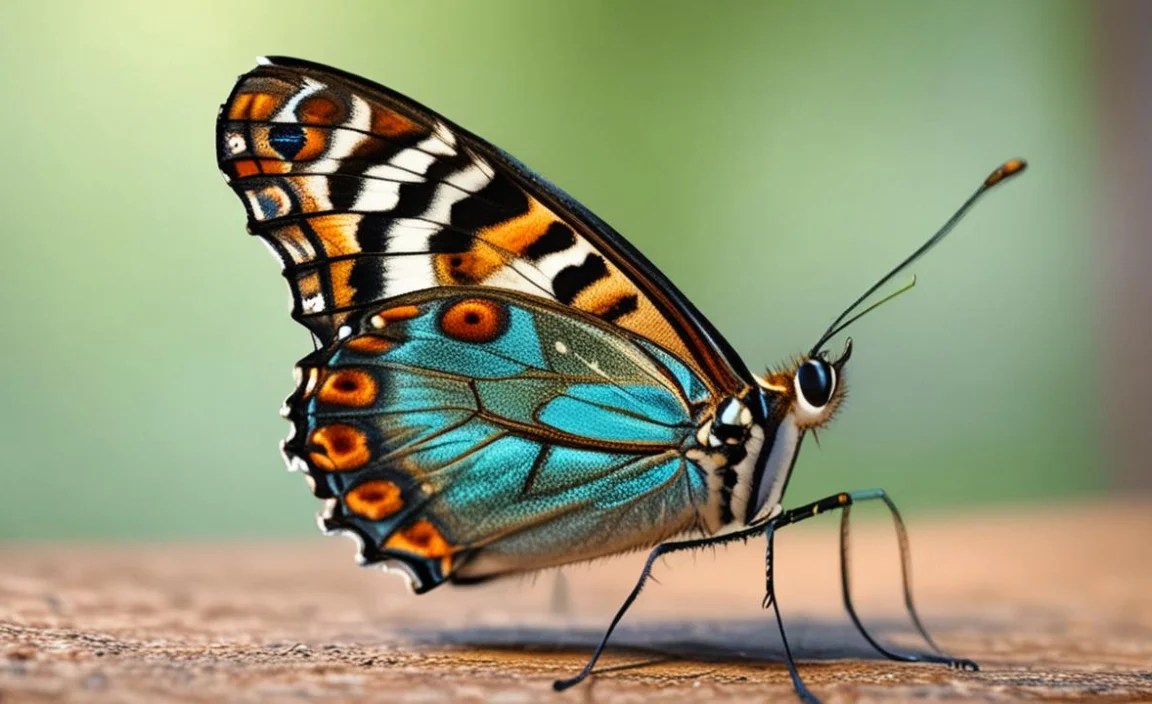
Many people are working to save rare butterflies in Southeast Asia. These people are part of conservation projects. These projects help protect butterfly habitats. They also help raise awareness about butterflies. Some projects focus on planting trees. This helps restore the forests where butterflies live. Other projects focus on stopping pollution. This helps keep the butterflies healthy. Many projects also involve local communities. They teach people about butterflies and how to protect them. These projects are making a difference. They are helping to save these beautiful creatures.
| Project Name | Location | Focus | Activities |
|---|---|---|---|
| Rainforest Rescue | Borneo | Habitat Protection | Tree planting, anti-logging patrols |
| Butterfly Education Center | Thailand | Education & Research | School programs, butterfly surveys |
| Mangrove Restoration Project | Philippines | Habitat Restoration | Mangrove planting, coastal cleanup |
| Community Conservation Initiative | Malaysia | Community Involvement | Sustainable farming, eco-tourism |
Imagine you are joining a conservation project. You travel to Southeast Asia. You work with local people. You plant trees in the forest. You clean up pollution in the rivers. You teach children about butterflies. You see the butterflies flying around. You know you are making a difference. This is what it is like to be part of a conservation project. It is hard work, but it is also very rewarding. You are helping to save rare butterflies in Southeast Asia. You are making the world a better place.
What is Habitat Restoration?
Habitat restoration is the process of fixing damaged habitats. This can involve planting trees, removing invasive species, or cleaning up pollution. Habitat restoration helps rare butterflies in Southeast Asia. It gives them a safe place to live. It provides them with food and shelter. When habitats are restored, butterflies can thrive. They can lay their eggs and raise their young. Habitat restoration is an important part of conservation. It helps bring back the beauty and biodiversity of nature.
How Do Community Projects Help?
Community projects involve local people in conservation. These projects teach people about butterflies and their importance. They also teach them how to protect butterflies. Community projects can help rare butterflies in Southeast Asia. They can create sustainable livelihoods for local people. This means people can earn a living without harming the environment. Community projects can also empower people to take action. They can become stewards of their environment. They can protect the butterflies and their habitats.
Why is Research Important?
Research is important for conservation. It helps us understand butterflies. It tells us where they live, what they eat, and what they need to survive. Research can also help us identify the threats that butterflies face. This can help us develop effective conservation strategies. Research on rare butterflies in Southeast Asia is essential. It helps us protect these amazing creatures. It helps us understand their role in the ecosystem. It helps us make informed decisions about conservation.
Fun Fact or Stat: Conservation projects have successfully increased butterfly populations in some areas by up to 30%!
The Future of Rare Butterflies in Southeast Asia
The future of rare butterflies in Southeast Asia depends on us. We need to protect their habitats. We need to stop pollution. We need to stop climate change. We need to support conservation projects. We need to educate others about butterflies. If we do these things, we can give these butterflies a bright future. They can continue to fly through the forests and brighten our world. But if we do not act, these butterflies may disappear. We must choose to protect them. We must choose to make a difference.
- Continued conservation efforts are vital.
- Sustainable practices can help.
- Increased awareness is essential.
- Climate change mitigation is crucial.
- Community involvement is key.
Imagine a world without butterflies. The forests would be quiet and empty. The flowers would not be pollinated. The world would be a little less beautiful. This is what could happen if we do not protect rare butterflies in Southeast Asia. But we can prevent this. We can choose to act. We can choose to make a difference. We can support conservation projects. We can plant trees. We can educate others. Together, we can create a world where butterflies thrive. We can ensure that future generations can enjoy these beautiful creatures.
What Can Kids Do to Help?
Kids can do many things to help rare butterflies in Southeast Asia. They can plant butterfly gardens in their yards. They can learn about butterflies and teach their friends and family. They can support conservation organizations. They can also reduce their carbon footprint. This means using less energy and creating less pollution. Kids can be powerful advocates for butterflies. They can inspire others to take action. They can help create a better future for these amazing creatures. Every small action counts.
How Can Governments Help?
Governments can play a big role in protecting rare butterflies in Southeast Asia. They can create protected areas. They can enforce environmental laws. They can support conservation projects. They can also promote sustainable development. This means development that meets the needs of the present without compromising the ability of future generations to meet their own needs. Governments can also work with other countries to address climate change. By taking these actions, governments can help ensure a bright future for butterflies and other wildlife.
What is Sustainable Development?
Sustainable development is a way of living and working. It meets our needs without harming the environment. It also makes sure that future generations can meet their needs. Sustainable development can help rare butterflies in Southeast Asia. It means using resources wisely. It means reducing pollution. It means protecting forests and other habitats. When we practice sustainable development, we create a world where both people and butterflies can thrive. It is a way to build a better future for everyone.
Fun Fact or Stat: By 2050, without significant conservation efforts, up to 20% of butterfly species could face extinction!
Summary
Rare butterflies in Southeast Asia are beautiful and important creatures. They face many threats, including habitat loss, pollution, and climate change. These butterflies live in rainforests, mountains, and mangrove forests. They play a key role in their ecosystems. They help pollinate plants and control pests. Many conservation projects are working to protect these butterflies. These projects focus on habitat restoration, community involvement, and research. We can all help by planting trees, reducing pollution, and educating others.
Protecting these butterflies is crucial for maintaining biodiversity. By supporting sustainable practices and conservation efforts, we can ensure these species thrive. Education plays a vital role in raising awareness and inspiring action. Together, we can create a brighter future for rare butterflies in Southeast Asia and the ecosystems they inhabit. Our collective effort can safeguard these creatures for generations to come.
Conclusion
Rare butterflies in Southeast Asia are worth saving. They are a part of our planet’s amazing biodiversity. They face many challenges, but there is hope. By working together, we can protect their habitats. We can reduce pollution. We can stop climate change. We can ensure that these butterflies continue to fly for many years to come. Let’s all do our part to help these beautiful creatures survive. Every action counts towards building a better future for them and our world.
Frequently Asked Questions
Question No 1: Why are some butterflies in Southeast Asia considered rare?
Answer: Some butterflies in Southeast Asia are considered rare because their populations are very small. This can happen for many reasons. Habitat loss is a big one. When forests are cut down, butterflies lose their homes and food sources. Pollution can also harm butterflies. Climate change is another factor. It can change the weather patterns and make it harder for butterflies to survive. Over-collecting by humans can also reduce butterfly populations. That’s why it’s important to protect these rare butterflies in Southeast Asia and their homes.
Question No 2: What are the main threats to rare butterflies in Southeast Asia?
Answer: The main threats include habitat loss, pollution, and climate change. Habitat loss happens when forests are destroyed for farming, logging, or building. This removes the butterflies’ homes and food sources. Pollution from factories and farms can poison butterflies and their food. Climate change can alter the butterflies’ habitats by changing weather patterns and temperatures. All these things make it harder for the rare butterflies in Southeast Asia to survive and thrive, endangering these unique species.
Question No 3: What can be done to protect rare butterflies in Southeast Asia?
Answer: There are many things that can be done! Protecting their habitats is key. This means creating protected areas where logging and development are limited. Reducing pollution is also important. We can do this by using less chemicals and supporting clean energy. Helping to stop climate change is also essential. This means using less energy, planting trees, and supporting policies that reduce greenhouse gas emissions. Conservation projects can help restore habitats and raise awareness about the rare butterflies in Southeast Asia.
Question No 4: What role do butterfly gardens play in conservation?
Answer: Butterfly gardens can be very helpful! They provide food and shelter for butterflies. By planting flowers that butterflies like to feed on, you can create a mini-habitat for them. Butterfly gardens can also help educate people about butterflies. They can show people how to care for these beautiful creatures. Even a small butterfly garden can make a big difference for the rare butterflies in Southeast Asia and local butterfly populations.
Question No 5: How can local communities help protect rare butterflies?
Answer: Local communities are very important for protecting rare butterflies. They can help by protecting habitats, reducing pollution, and supporting sustainable farming practices. They can also help by educating others about butterflies and their importance. When local communities are involved in conservation efforts, they are more likely to be successful. Their knowledge of the land and their commitment to protecting it can make a big difference. Protecting rare butterflies in Southeast Asia needs the support of local people.
Question No 6: Are there any specific rare butterfly species that need extra attention in Southeast Asia?
Answer: Yes, some species need more help. The Rajah Brooke’s Birdwing is one. It is a large and colorful butterfly that is threatened by habitat loss. The Malayan Tree Nymph is another. It is a delicate butterfly that is also threatened by habitat loss. These and other rare butterflies in Southeast Asia need extra attention. Conservation efforts should focus on protecting their habitats and reducing the threats they face. By focusing on these species, we can help ensure their survival.


