
Swallowtail Butterfly Taxonomy Explained: The Ultimate Guide

Swallowtail butterfly taxonomy can seem complex, but it’s really just a system for organizing and understanding these beautiful insects! Swallowtails belong to the family Papilionidae, which is then divided into subfamilies, tribes, genera, and species. Each level helps us understand their evolutionary relationships and unique characteristics. This guide breaks it all down in simple terms.
Have you ever gazed at a swallowtail butterfly fluttering in your garden and wondered how scientists classify it? It’s a common question! Butterfly taxonomy can appear daunting, but it’s simply a way of organizing and understanding these fascinating creatures. Don’t worry, it’s easier than you think. We’ll take a step-by-step approach to demystify swallowtail taxonomy, making it accessible and engaging. By the end, you’ll have a solid understanding of how these butterflies are classified and related to one another. Get ready to unlock the secrets of swallowtail classification!
Unveiling Swallowtail Butterfly Taxonomy
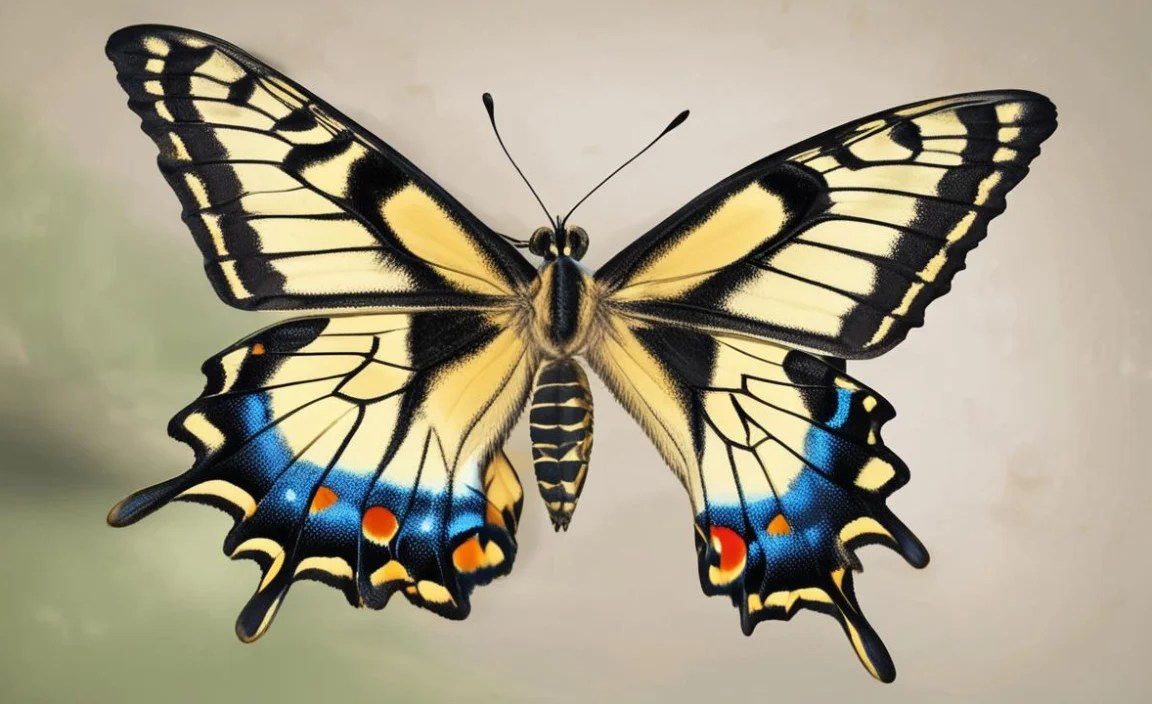
Understanding swallowtail butterfly taxonomy involves exploring the hierarchical system scientists use to classify these insects. This system, developed over centuries, reflects the evolutionary relationships and shared characteristics among different species.
The Basics of Biological Classification
Before diving into swallowtails, let’s review the basic levels of biological classification:
- Kingdom: The broadest category (e.g., Animalia for animals).
- Phylum: Groups organisms with a similar body plan (e.g., Arthropoda for insects, spiders, and crustaceans).
- Class: Further groups organisms based on shared characteristics (e.g., Insecta for insects).
- Order: Groups of related families (e.g., Lepidoptera for butterflies and moths).
- Family: A group of related genera (e.g., Papilionidae for swallowtail butterflies).
- Genus: A group of closely related species (e.g., Papilio).
- Species: A group of organisms that can interbreed and produce fertile offspring (e.g., Papilio machaon, the Old World swallowtail).
The Family Papilionidae: Swallowtail Butterflies
Swallowtail butterflies belong to the family Papilionidae. This family is characterized by:
- A “tail” or extension on their hindwings (though some species lack tails).
- Bright colors and patterns.
- A large size compared to many other butterfly families.
- Worldwide distribution, except for Antarctica.
The family Papilionidae is further divided into subfamilies, tribes, genera, and species. Understanding these divisions helps to appreciate the diversity within swallowtails.
Subfamilies of Papilionidae

The family Papilionidae is typically divided into three subfamilies:
- Baroniinae: Contains only one species, Baronia brevicornis, found in Mexico. It’s considered a very primitive swallowtail.
- Parnassiinae: Includes the Apollo butterflies and their relatives. These butterflies are often white or pale-colored and found in mountainous regions.
- Papilioninae: The largest subfamily, containing the “true” swallowtails and many other well-known species.
Let’s focus on the Papilioninae subfamily, as it contains the majority of swallowtail butterflies most people are familiar with.
Tribes within Papilioninae
The Papilioninae subfamily is further divided into several tribes, each with its own characteristics and distribution:
- Leptocircini: Includes the kite swallowtails, known for their elongated wings.
- Papilionini: Contains the majority of swallowtail species, including the Papilio genus.
- Troidini: Includes the birdwing butterflies, some of the largest and most spectacular butterflies in the world.
- Graphiini: Includes a diverse group of swallowtails, often with green or blue markings.
Genera and Species: Getting Specific
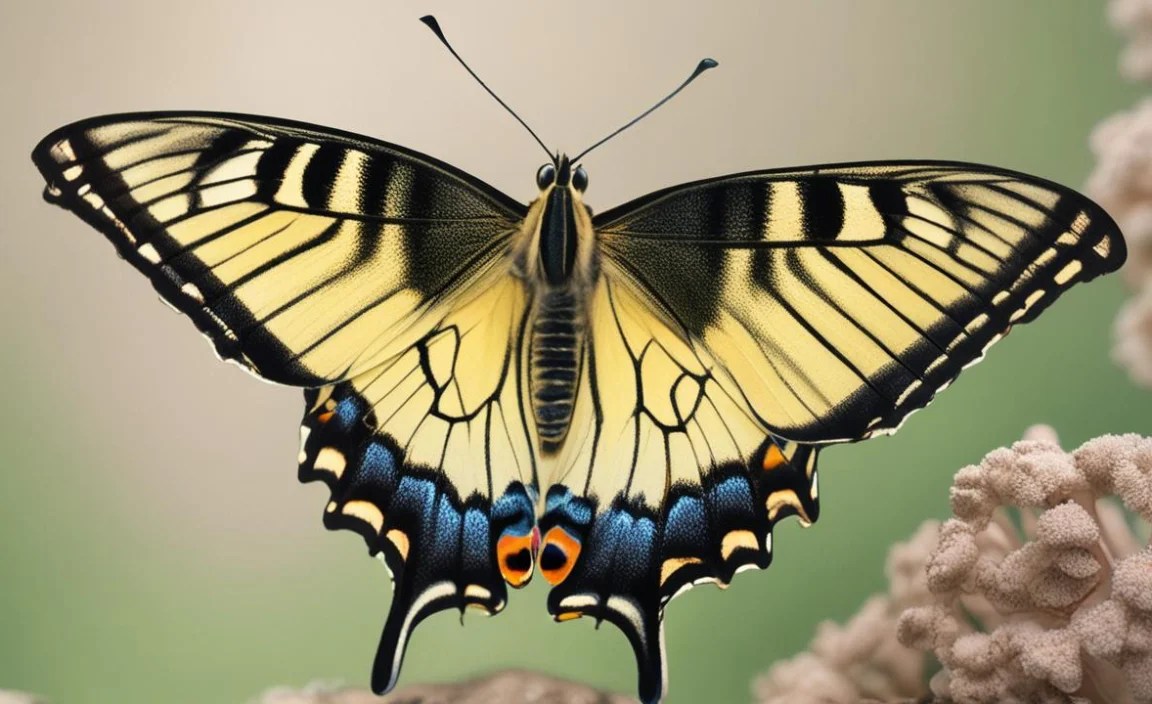
Within each tribe, butterflies are further classified into genera and species. The genus name is always capitalized, and the species name is always lowercase. Both are italicized.
The Genus Papilio
The genus Papilio is the largest and most well-known genus within the Papilionidae family. It includes many familiar swallowtail species, such as:
- Papilio machaon (Old World Swallowtail)
- Papilio glaucus (Eastern Tiger Swallowtail)
- Papilio troilus (Spicebush Swallowtail)
Other Notable Genera
Besides Papilio, other important genera within Papilionidae include:
- Battus (includes the Pipevine Swallowtail, Battus philenor)
- Eurytides (includes many kite swallowtails)
- Ornithoptera (the birdwing butterflies)
- Parides (often features striking colors and patterns)
A Closer Look at Some Common Swallowtail Species

Let’s explore some specific examples to illustrate how this classification works in practice.
Eastern Tiger Swallowtail (Papilio glaucus)
The Eastern Tiger Swallowtail is a common and recognizable butterfly in North America. Its classification is as follows:
- Kingdom: Animalia
- Phylum: Arthropoda
- Class: Insecta
- Order: Lepidoptera
- Family: Papilionidae
- Subfamily: Papilioninae
- Tribe: Papilionini
- Genus: Papilio
- Species: Papilio glaucus
Key characteristics of the Eastern Tiger Swallowtail include its yellow wings with black stripes (in males) and the presence of a black form in females (mimicking the poisonous Pipevine Swallowtail for protection). It favors deciduous woodlands and feeds on nectar from various flowers.
Pipevine Swallowtail (Battus philenor)
The Pipevine Swallowtail is another North American species, known for its iridescent blue-black wings. Its classification is:
- Kingdom: Animalia
- Phylum: Arthropoda
- Class: Insecta
- Order: Lepidoptera
- Family: Papilionidae
- Subfamily: Papilioninae
- Tribe: Troidini
- Genus: Battus
- Species: Battus philenor
The Pipevine Swallowtail’s larvae feed exclusively on pipevine plants (Aristolochia species), which contain toxins that make the butterfly unpalatable to predators. This serves as a defense mechanism.
Old World Swallowtail (Papilio machaon)
The Old World Swallowtail is found across Europe, Asia, and North America. Its classification is:
- Kingdom: Animalia
- Phylum: Arthropoda
- Class: Insecta
- Order: Lepidoptera
- Family: Papilionidae
- Subfamily: Papilioninae
- Tribe: Papilionini
- Genus: Papilio
- Species: Papilio machaon
This butterfly is known for its striking yellow and black wings with blue and orange markings. It’s a widespread species, found in a variety of habitats, including gardens, meadows, and open woodlands.
Tools for Butterfly Identification and Classification
Identifying and classifying butterflies can be an enjoyable and educational activity. Here are some helpful tools and resources:
- Butterfly Field Guides: These guides provide detailed descriptions and illustrations of different butterfly species. Examples include the “Kaufman Field Guide to Butterflies of North America” and regional guides specific to your area.
- Online Databases: Websites like Butterflies and Moths of North America and the Discover Life offer extensive information and images of butterfly species.
- Citizen Science Projects: Participate in projects like the Xerces Society’s butterfly counts to contribute to scientific research and learn about local butterfly populations.
- Butterfly Collections: Visit natural history museums or university collections to see preserved butterfly specimens and learn about their taxonomy.
Why Does Taxonomy Matter?
Understanding swallowtail butterfly taxonomy is more than just an academic exercise. It has important implications for:
- Conservation: Accurate classification is essential for identifying and protecting endangered species. Knowing which populations are distinct species or subspecies allows for targeted conservation efforts.
- Ecological Studies: Taxonomy helps us understand the relationships between butterflies and their environment. For example, knowing a butterfly’s host plant (the plant its larvae feed on) is crucial for understanding its ecological role.
- Evolutionary Biology: Taxonomy reflects the evolutionary history of butterflies. By studying their classification, we can learn about how different species have evolved and adapted over time.
Swallowtail Butterfly Taxonomy: A Detailed Table
Here is a table summarizing the classification of some common swallowtail butterflies:
| Species (Scientific Name) | Genus | Tribe | Subfamily | Family |
|---|---|---|---|---|
| Papilio glaucus (Eastern Tiger Swallowtail) | Papilio | Papilionini | Papilioninae | Papilionidae |
| Battus philenor (Pipevine Swallowtail) | Battus | Troidini | Papilioninae | Papilionidae |
| Papilio machaon (Old World Swallowtail) | Papilio | Papilionini | Papilioninae | Papilionidae |
| Eurytides marcellus (Zebra Swallowtail) | Eurytides | Leptocircini | Papilioninae | Papilionidae |
| Ornithoptera alexandrae (Queen Alexandra’s Birdwing) | Ornithoptera | Troidini | Papilioninae | Papilionidae |
Tips for Spotting Key Characteristics
Here are some additional tips to help you identify and classify swallowtail butterflies in the field:
- Observe the wing shape: Some swallowtails have elongated wings (kite swallowtails), while others have broader wings.
- Note the presence or absence of tails: Not all swallowtails have tails, and the shape and length of the tails can vary.
- Pay attention to color patterns: The colors and patterns on the wings are often unique to each species.
- Observe the butterfly’s behavior: Some swallowtails are fast fliers, while others are more leisurely.
- Check the habitat: Different swallowtail species are found in different habitats.
Swallowtail Butterfly Life Cycle
Understanding the life cycle of swallowtail butterflies can also aid in identification. The life cycle consists of four stages:
- Egg: Swallowtail eggs are typically laid on the host plant.
- Larva (Caterpillar): The larva feeds on the host plant and grows through several instars (molts).
- Pupa (Chrysalis): The larva transforms into a pupa, which is often camouflaged to blend in with its surroundings.
- Adult: The adult butterfly emerges from the pupa and reproduces.
The appearance of the larvae can vary greatly between species and instars. Some swallowtail larvae have distinctive markings or false eyespots to deter predators. The pupae can also vary in color and shape, depending on the species and environment.
Threats to Swallowtail Butterflies
Like many other insect species, swallowtail butterflies face a number of threats, including:
- Habitat Loss: Destruction of natural habitats due to agriculture, urbanization, and deforestation.
- Pesticide Use: Pesticides can directly kill butterflies or harm their host plants.
- Climate Change: Changes in temperature and precipitation patterns can disrupt butterfly life cycles and alter their distribution.
- Invasive Species: Invasive plants can outcompete native host plants, reducing food availability for swallowtail larvae.
How to Help Swallowtail Butterflies
You can help protect swallowtail butterflies by:
- Planting host plants: Grow the specific plants that swallowtail larvae need to feed on. For example, plant pipevine (Aristolochia species) for Pipevine Swallowtails, or milkweed (Asclepias species) for Monarch butterflies (though Monarchs are not swallowtails, they benefit from similar conservation efforts).
- Planting nectar plants: Provide nectar sources for adult butterflies, such as butterfly bush (Buddleja davidii), coneflowers (Echinacea species), and zinnias (Zinnia elegans).
- Avoiding pesticide use: Use organic gardening methods to protect butterflies and other beneficial insects.
- Creating butterfly gardens: Designate an area in your yard specifically for butterflies, with host plants, nectar plants, and a water source.
- Supporting conservation organizations: Donate to or volunteer with organizations that work to protect butterfly habitats and promote butterfly conservation.
Swallowtail Butterfly Conservation Status
The conservation status of swallowtail butterflies varies depending on the species and region. Some species are relatively common and widespread, while others are rare and endangered. For example, Queen Alexandra’s Birdwing (Ornithoptera alexandrae), found in Papua New Guinea, is one of the largest and most endangered butterflies in the world, threatened by habitat loss and illegal collecting. Organizations like the International Union for Conservation of Nature (IUCN) assess the conservation status of species and provide recommendations for their protection.
FAQ: Swallowtail Butterfly Taxonomy Explained
What is butterfly taxonomy?
Butterfly taxonomy is the science of classifying butterflies into groups based on their evolutionary relationships and shared characteristics. It helps us understand how different species are related to each other.
What is the family name for swallowtail butterflies?
Swallowtail butterflies belong to the family Papilionidae.
What are the main subfamilies of Papilionidae?
The main subfamilies are Baroniinae, Parnassiinae, and Papilioninae.
What is the difference between a genus and a species?
A genus is a group of closely related species, while a species is a group of organisms that can interbreed and produce fertile offspring. For example, Papilio is a genus, and Papilio glaucus (Eastern Tiger Swallowtail) is a species within that genus.
How can I identify a swallowtail butterfly?
You can identify swallowtail butterflies by looking at their wing shape, color patterns, the presence or absence of tails, and their habitat. Field guides and online databases can also be helpful.
Why is butterfly taxonomy important?
Butterfly taxonomy is important for conservation, ecological studies, and evolutionary biology. It helps us identify and protect endangered species, understand their relationships with the environment, and learn about their evolutionary history.
What can I do to help swallowtail butterflies?
You can help swallowtail butterflies by planting host plants and nectar plants, avoiding pesticide use, creating butterfly gardens, and supporting conservation organizations.
Conclusion
Understanding swallowtail butterfly taxonomy might seem like a complex endeavor at first, but as we’ve explored, it’s a fascinating journey into the world of these magnificent insects. By understanding their classification, from family to species, we gain a deeper appreciation for their diversity, evolutionary history, and ecological roles. So, the next time you spot a swallowtail fluttering by, take a moment to consider its place in the intricate web of life, and perhaps even try to identify its species using the knowledge you’ve gained. Every small action contributes to their conservation, ensuring that future generations can marvel at these jewels of the sky. Happy butterflying!


