
Swallowtail Butterfly Behavior Patterns: Ultimate Guide

Swallowtail butterfly behavior patterns include nectar feeding, courtship rituals, egg-laying, basking, and pupating. They use vibrant colors for mate attraction and camouflage. Swallowtails are also known for their “puddling” behavior, where they gather minerals from mud. Understanding these behaviors helps us appreciate and protect these beautiful creatures.
Have you ever wondered what those magnificent swallowtail butterflies are *really* doing when they flit around your garden? It’s easy to admire their beauty, but there’s a whole world of fascinating behaviors that often go unnoticed. From their elaborate courtship dances to their unique feeding habits, swallowtails are full of surprises.
Understanding these behaviors not only deepens our appreciation for these creatures but also helps us protect them. Ready to uncover the secrets of swallowtail butterfly behavior? Let’s get started!
Unveiling Swallowtail Butterfly Behavior Patterns
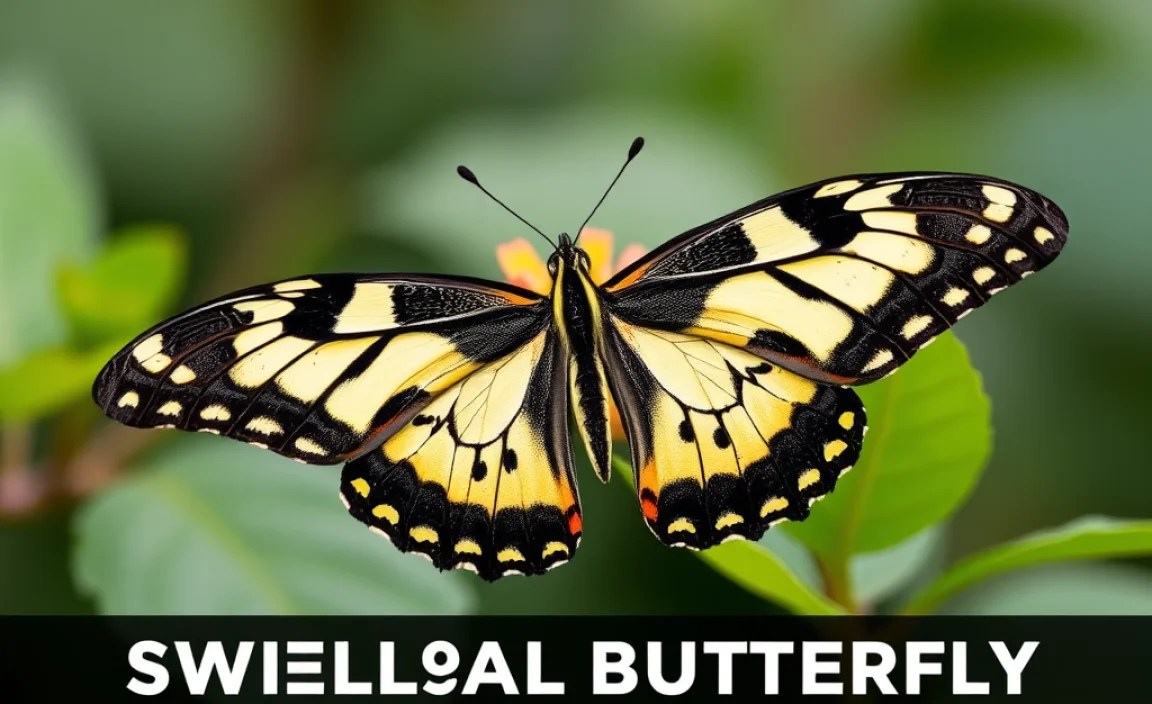
Swallowtail butterflies, with their elegant wings and vibrant colors, are a delight to observe. Their behavior patterns are diverse and fascinating, reflecting their adaptations to various environments and life stages. Let’s explore some key aspects of their behavior.
Feeding Habits: Nectar and More
Like all butterflies, swallowtails primarily feed on nectar from flowers. This sweet liquid provides them with the energy they need to fly, mate, and lay eggs. However, their feeding habits are more complex than simply sipping nectar.
- Nectar Feeding: Swallowtails have a long, straw-like proboscis that they use to reach the nectar deep inside flowers. They are attracted to brightly colored, fragrant blooms such as milkweed, zinnias, and butterfly bushes.
- Puddling: Male swallowtails often gather at puddles, mud, or damp soil to drink water rich in minerals and salts. This behavior, known as “puddling,” helps them obtain essential nutrients for reproduction. The minerals are transferred to the female during mating, enhancing the viability of their eggs.
- Host Plant Specificity: Caterpillars of swallowtail butterflies are often very specific about the plants they eat. Different swallowtail species rely on different host plants. For example, the Black Swallowtail caterpillars feed on plants in the carrot family, such as parsley, dill, and fennel.
Reproductive Behavior: Courtship and Egg-Laying
Reproduction is a critical part of the swallowtail life cycle, and their mating rituals are often elaborate and visually stunning. Once mated, the females exhibit careful egg-laying behavior to ensure the survival of their offspring.
- Courtship Rituals: Male swallowtails perform elaborate courtship displays to attract females. These displays may involve aerial dances, pheromone release, and visual signals. The males will often flutter around the females, showing off their vibrant colors and patterns.
- Pheromone Communication: Swallowtails use pheromones to communicate during courtship. Males release pheromones to attract females, and females release pheromones to indicate their receptiveness to mating.
- Egg-Laying (Oviposition): Female swallowtails are very particular about where they lay their eggs. They choose host plants that will provide food for their caterpillars. The females use their antennae and legs to “taste” the plant before laying an egg, ensuring it is the correct species.
- Single Egg Laying: Most swallowtail butterflies lay their eggs singly on the host plant. This reduces competition among the caterpillars for food resources. The eggs are often laid on new growth or on the underside of leaves, providing shelter from predators and harsh weather.
Defensive Behavior: Avoiding Predators
Swallowtail butterflies face threats from various predators, including birds, lizards, and insects. They have developed several defensive strategies to protect themselves.
- Camouflage: Swallowtail caterpillars often have camouflage coloration that helps them blend in with their host plants. Some caterpillars also mimic bird droppings to avoid detection by predators.
- Mimicry: Some swallowtail species mimic toxic butterflies, such as the Pipevine Swallowtail, to deter predators. The Tiger Swallowtail, for example, has a dark morph female that mimics the Pipevine Swallowtail, gaining protection from predators that have learned to avoid the toxic species.
- Startle Displays: Some swallowtail caterpillars have eyespots that resemble snake eyes. When threatened, they display these eyespots to startle predators. They may also rear up and thrash their bodies to appear larger and more intimidating.
- Chemical Defenses: Some swallowtail caterpillars feed on toxic plants and sequester the toxins in their bodies, making them unpalatable to predators. These toxins can persist into the adult stage, providing continued protection.
Thermoregulation: Basking and Shivering
Butterflies are cold-blooded, meaning they rely on external sources of heat to regulate their body temperature. Swallowtails use several strategies to stay warm or cool, depending on the environmental conditions.
- Basking: Swallowtails often bask in the sun to raise their body temperature. They spread their wings open to maximize exposure to sunlight. Darker colored butterflies absorb heat more efficiently than lighter colored ones.
- Shivering: When it’s cool, swallowtails may shiver their flight muscles to generate heat. This allows them to fly even when the ambient temperature is low.
- Orientation: Swallowtails adjust their body position relative to the sun to regulate their temperature. They may orient themselves perpendicular to the sun’s rays to warm up or parallel to the sun’s rays to avoid overheating.
- Seeking Shade: During hot weather, swallowtails seek shade to avoid overheating. They may rest under leaves or in sheltered areas to stay cool.
Migration and Dispersal
Some swallowtail species are migratory, traveling long distances to find suitable breeding grounds or to escape harsh weather conditions. Others disperse locally to colonize new areas.
- Migration: The Black Swallowtail is known to undertake short migratory flights, especially in the northern parts of its range, as they migrate south for the winter.
- Dispersal: Many swallowtail species disperse locally, with individuals moving from one habitat patch to another. This dispersal helps to maintain genetic diversity and allows them to colonize new areas.
- Environmental Factors: Migration and dispersal are influenced by environmental factors such as temperature, rainfall, and the availability of host plants and nectar sources. Changes in these factors due to climate change can affect swallowtail migration patterns and dispersal abilities.
Pupation: Transformation in the Chrysalis
The pupa stage is a critical period of transformation for swallowtail butterflies. During this stage, the caterpillar undergoes metamorphosis, turning into a butterfly inside the chrysalis.
- Chrysalis Formation: The caterpillar forms a chrysalis, which is a protective shell that encloses the pupa. The chrysalis can be green, brown, or other colors, depending on the species and the surrounding environment.
- Camouflage: The chrysalis is often camouflaged to blend in with its surroundings, providing protection from predators. Some chrysalises resemble leaves or twigs, making them difficult to spot.
- Metamorphosis: Inside the chrysalis, the caterpillar’s body breaks down and reorganizes into the adult butterfly. This process takes several weeks, depending on the species and the environmental conditions.
- Emergence: Once the metamorphosis is complete, the butterfly emerges from the chrysalis. The newly emerged butterfly has crumpled wings, which it pumps full of fluid to expand. It then waits for its wings to dry and harden before flying off.
Swallowtail Butterfly Behavior and Habitat
Swallowtail butterfly behavior is closely linked to their habitat. Understanding their habitat requirements is essential for conserving these beautiful creatures.
Habitat Preferences
Swallowtail butterflies are found in a variety of habitats, including gardens, meadows, forests, and wetlands. Each species has specific habitat preferences, depending on its host plants and nectar sources.
- Gardens: Many swallowtail species are attracted to gardens that offer a variety of nectar-rich flowers and host plants. Planting native flowers and herbs can help attract swallowtails to your garden.
- Meadows: Meadows provide a rich source of nectar for swallowtail butterflies. They also offer a variety of host plants for their caterpillars.
- Forests: Some swallowtail species are found in forests, where they feed on nectar from forest flowers and lay their eggs on forest trees and shrubs.
- Wetlands: Wetlands provide important habitat for swallowtail butterflies, especially those that rely on wetland plants as host plants.
Host Plants and Nectar Sources
The availability of host plants and nectar sources is crucial for swallowtail butterfly survival. Providing these resources in your garden or local area can help support swallowtail populations.
Here is a table of common host plants and nectar sources for swallowtail butterflies:
| Swallowtail Species | Host Plants | Nectar Sources |
|---|---|---|
| Black Swallowtail | Parsley, Dill, Fennel, Carrot | Zinnia, Butterfly Bush, Milkweed |
| Tiger Swallowtail | Wild Cherry, Tulip Tree, Willow | Milkweed, Joe-Pye Weed, Thistle |
| Giant Swallowtail | Citrus Trees, Hercules’ Club | Lantana, Bougainvillea, Citrus Blossoms |
| Pipevine Swallowtail | Pipevine (Aristolochia) | Lantana, Salvia, Thistle |
Creating a Butterfly-Friendly Habitat
You can create a butterfly-friendly habitat in your garden by providing host plants, nectar sources, water, and shelter. Here are some tips for creating a butterfly garden:
- Plant Host Plants: Choose host plants that are specific to the swallowtail species you want to attract. Plant them in a sunny location with well-drained soil.
- Provide Nectar Sources: Plant a variety of nectar-rich flowers that bloom throughout the growing season. Choose flowers with different colors and shapes to attract a wide range of butterflies.
- Offer Water: Provide a shallow dish of water with pebbles or sand for butterflies to drink from. Keep the water clean and refreshed regularly.
- Provide Shelter: Plant trees and shrubs to provide shelter from wind and rain. Butterflies also need sunny spots to bask in.
- Avoid Pesticides: Avoid using pesticides in your garden, as they can harm butterflies and other beneficial insects. Use organic gardening methods to control pests.
Conserving Swallowtail Butterflies
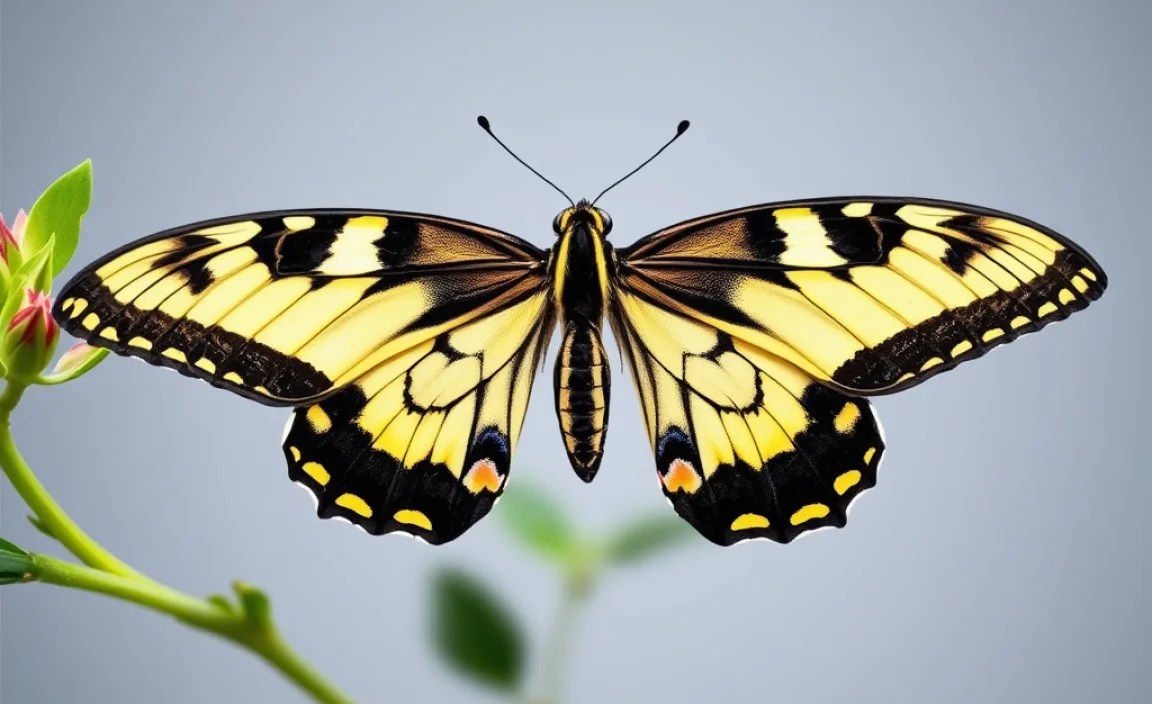
Swallowtail butterflies face numerous threats, including habitat loss, pesticide use, and climate change. By understanding these threats and taking action to protect swallowtail butterflies, we can help ensure their survival for future generations.
Threats to Swallowtail Butterflies
Here are some of the main threats to swallowtail butterflies:
- Habitat Loss: Habitat loss is one of the biggest threats to swallowtail butterflies. As natural habitats are converted to agriculture, urban development, and other uses, swallowtail butterflies lose their host plants and nectar sources.
- Pesticide Use: Pesticides can harm swallowtail butterflies directly by poisoning them or indirectly by reducing their food supply. Even organic pesticides can be harmful to butterflies if used improperly.
- Climate Change: Climate change can affect swallowtail butterflies in a number of ways. Changes in temperature and rainfall patterns can alter the distribution of host plants and nectar sources, making it difficult for swallowtail butterflies to find food and reproduce.
- Invasive Species: Invasive species can compete with swallowtail butterflies for resources or prey on their caterpillars. For example, the Brown Marmorated Stink Bug can damage host plants, reducing the food supply for swallowtail caterpillars.
Conservation Strategies
Here are some strategies for conserving swallowtail butterflies:
- Habitat Protection: Protect and restore natural habitats that support swallowtail butterflies. This can be done by creating protected areas, managing public lands to benefit butterflies, and working with private landowners to conserve habitat on their property.
- Sustainable Land Management: Promote sustainable land management practices that minimize the use of pesticides and protect butterfly habitat. This includes using organic farming methods, reducing pesticide use in urban areas, and managing forests to benefit butterflies.
- Citizen Science: Participate in citizen science projects to monitor swallowtail butterfly populations and track their movements. This information can be used to inform conservation efforts. The Xerces Society is a great resource for learning about and participating in citizen science efforts.
- Education and Outreach: Educate others about the importance of swallowtail butterflies and the threats they face. Share information about how people can help protect swallowtail butterflies in their own backyards and communities.
Swallowtail Butterfly Behavior Patterns: FAQ
What do swallowtail caterpillars eat?
Swallowtail caterpillars are picky eaters! They primarily feed on specific host plants. For example, Black Swallowtail caterpillars love plants in the carrot family like parsley, dill, and fennel. Monarch caterpillars, on the other hand, feed exclusively on milkweed.
How can I attract swallowtail butterflies to my garden?
To attract swallowtails, plant their favorite host plants for caterpillars and nectar-rich flowers for adults. Include plants like milkweed, zinnias, butterfly bushes, dill, and parsley. Also, avoid using pesticides, which can harm these beautiful creatures.
Why do male swallowtail butterflies gather at puddles?
Male swallowtails gather at puddles to partake in a behavior called “puddling.” They drink water rich in minerals and salts, which are essential for reproduction. These minerals are then transferred to the female during mating, improving the viability of the eggs.
How do swallowtail butterflies protect themselves from predators?
Swallowtails employ several defense mechanisms. Caterpillars use camouflage to blend in with their host plants. Some species mimic toxic butterflies to deter predators, while others have startle displays, such as eyespots, to scare away potential threats.
What is the purpose of the chrysalis stage?
The chrysalis is a protective shell where the caterpillar undergoes metamorphosis. Inside the chrysalis, the caterpillar’s body transforms into the adult butterfly. This stage is crucial for the development of wings, legs, and other adult features.
Are swallowtail butterflies migratory?
Some swallowtail species, like the Black Swallowtail, are migratory and make short flights. They migrate to find suitable breeding grounds or to escape harsh winter conditions. Others may disperse locally to colonize new areas.
How do swallowtail butterflies regulate their body temperature?
Swallowtails regulate their body temperature through basking and shivering. They bask in the sun to warm up by spreading their wings. They also shiver their flight muscles to generate heat when it’s cool. They also adjust their body position relative to the sun and seek shade to avoid overheating.
Conclusion
Swallowtail butterfly behavior patterns are a testament to the intricate adaptations that allow these creatures to thrive. From their feeding habits to their reproductive rituals and defensive strategies, swallowtails showcase a remarkable array of behaviors that are closely linked to their habitat and survival.
By understanding and appreciating these behaviors, we can take meaningful steps to conserve swallowtail butterflies and their habitats. Whether it’s planting host plants in our gardens, participating in citizen science projects, or advocating for sustainable land management practices, every action counts.
Let’s continue to learn about and protect these beautiful butterflies, ensuring that future generations can enjoy their presence in our world. After all, the beauty of a butterfly garden is a reflection of our commitment to preserving the wonders of nature.


