
Swallowtail Butterfly Rearing Guide: Easy Secrets!

Want to raise swallowtail butterflies? It’s easier than you think! Find or buy swallowtail eggs or caterpillars. Keep them safe in a container with fresh host plant leaves like dill or parsley. Clean their home daily and provide fresh food. Watch them grow into beautiful butterflies, then release them to nature!
Have you ever dreamed of watching a butterfly emerge from its chrysalis? Raising swallowtail butterflies is a rewarding experience that connects you with nature. It’s a fantastic way to learn about the butterfly life cycle. Many people hesitate, thinking it’s too difficult, but with a few simple steps, you can successfully raise these lovely creatures at home.
This guide will walk you through each stage, from finding eggs to releasing your butterflies. Get ready to witness one of nature’s most beautiful transformations!
Why Raise Swallowtail Butterflies?
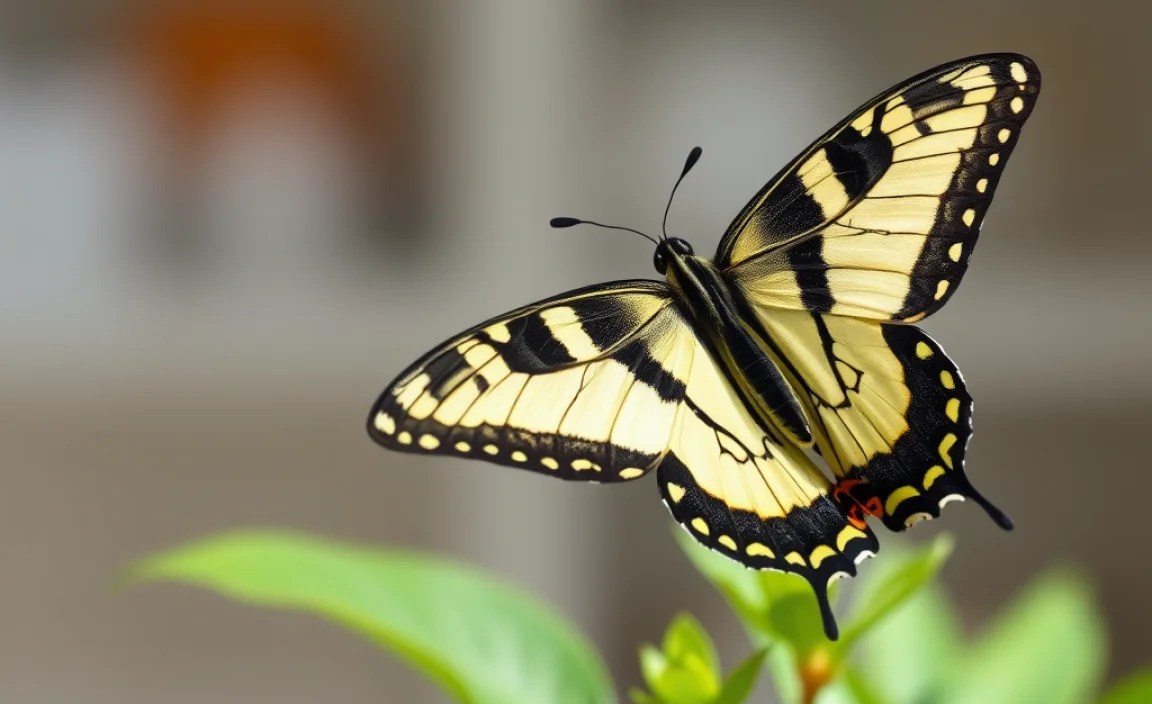
Raising swallowtail butterflies isn’t just a fun hobby; it’s a chance to connect with nature and learn about the environment. Here’s why you might want to try it:
- Educational: Observe the complete life cycle of a butterfly, from egg to caterpillar to pupa to adult.
- Conservation: Help boost local butterfly populations. Habitat loss and pesticide use can harm these beautiful insects.
- Therapeutic: Enjoy the calming and rewarding experience of nurturing living creatures.
- Beautiful: Witness the emergence of stunning swallowtail butterflies and release them into your garden.
Identifying Swallowtail Butterflies

Before you start, it’s essential to identify which swallowtail species you’re working with. Here are some common types:
- Eastern Black Swallowtail (Papilio polyxenes): Black wings with yellow spots (females have more blue).
- Tiger Swallowtail (Papilio glaucus): Yellow with black stripes.
- Giant Swallowtail (Papilio cresphontes): Large, brown with yellow markings.
- Pipevine Swallowtail (Battus philenor): Dark blue/black with iridescent hindwings.
Knowing the species helps you provide the correct host plants and care.
Finding Swallowtail Eggs and Caterpillars
The first step is to find swallowtail eggs or caterpillars. Here’s how:
- Check Host Plants: Look for eggs or caterpillars on host plants in your garden or local area. Common host plants include dill, parsley, fennel, rue, and citrus trees, depending on the swallowtail species.
- Inspect Leaves: Examine both sides of the leaves carefully. Swallowtail eggs are usually small and round, often laid singly.
- Look for Caterpillar Droppings (Frass): Small black pellets on or around the plant indicate caterpillar activity.
- Purchase Online: If you can’t find them in nature, you can buy eggs or caterpillars from reputable breeders online.
Setting Up the Rearing Container
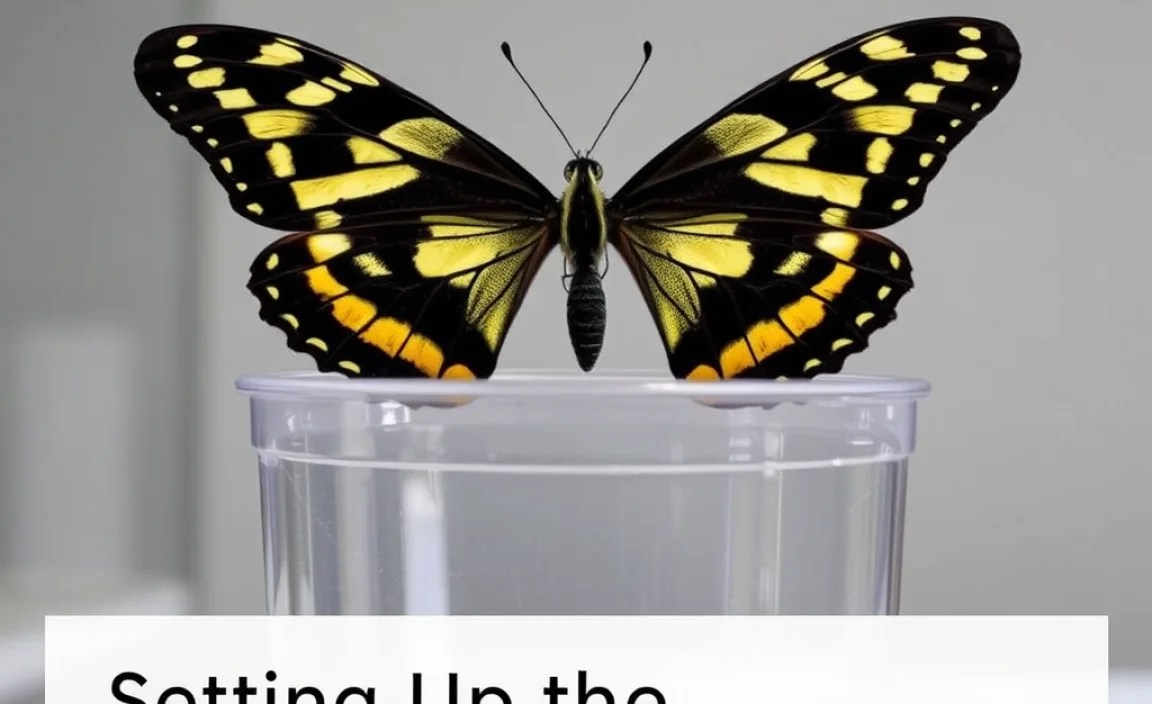
A proper rearing container is crucial for the health and safety of your caterpillars. Here’s what you need:
- Container: Choose a container with good ventilation, such as a mesh cage, plastic container with air holes, or a butterfly habitat.
- Size: The size depends on the number of caterpillars you’re raising. Ensure enough space for them to move and feed.
- Lining: Line the bottom with paper towels for easy cleaning.
- Placement: Place the container in a safe location away from direct sunlight and extreme temperatures.
Step-by-Step Guide to Rearing Swallowtail Butterflies

Follow these steps to successfully raise swallowtail butterflies:
Step 1: Gather Your Supplies
Before you begin, make sure you have everything you need:
- Rearing container
- Fresh host plant leaves
- Paper towels
- Spray bottle with water
- Small paintbrush (optional, for moving tiny caterpillars)
Step 2: Introduce Caterpillars to Their New Home
Gently place the caterpillars and a few fresh leaves into the rearing container. If you found eggs, place the leaves with the eggs inside.
Step 3: Provide Fresh Host Plant
Caterpillars need a constant supply of fresh host plant leaves. Here’s how to keep them well-fed:
- Daily Replacement: Replace the leaves daily to prevent them from drying out.
- Water Source: Place the stems of the leaves in a small jar of water (cover the top with plastic wrap to prevent caterpillars from falling in and drowning).
- Quantity: Provide enough leaves to last the caterpillars for a day.
Step 4: Clean the Container Regularly
Maintaining a clean environment is essential for preventing disease. Clean the container daily:
- Remove Frass: Remove caterpillar droppings (frass) and any old leaves.
- Replace Paper Towels: Replace the paper towel lining at the bottom of the container.
- Gentle Cleaning: If necessary, gently wipe down the sides of the container with a damp cloth.
Step 5: Monitor Caterpillar Growth
Observe the caterpillars as they grow. They will go through several stages called instars. During each instar, they will shed their skin (molt). You’ll know they’re about to molt when they stop eating and become still.
- Instar Stages: Caterpillars go through multiple instars, shedding their skin as they grow.
- Molting: Do not disturb them during molting.
- Size Increase: Notice how much they eat and grow each day.
Step 6: Preparing for Pupation
When the caterpillar is ready to pupate (form a chrysalis), it will stop eating and wander around the container, seeking a suitable spot. Swallowtail caterpillars usually pupate in one of two ways:
- Hanging Upside Down: Some species, like the Black Swallowtail, create a silk button and hang upside down in a “J” shape before pupating.
- Attaching to a Surface: Others, like the Tiger Swallowtail, create a silk girdle to support themselves against a stem or the side of the container.
Once the caterpillar has chosen its spot, it will transform into a chrysalis. This process can take a few hours.
Step 7: Caring for the Chrysalis
Once the caterpillar has pupated, it’s important to maintain the right conditions for the chrysalis:
- Humidity: Lightly mist the chrysalis with water every few days to maintain humidity.
- Avoid Touching: Do not touch or move the chrysalis unless absolutely necessary.
- Observation: Watch for changes in color, which indicate that the butterfly is about to emerge.
Step 8: Butterfly Emergence
The most magical part! After about 1-2 weeks (depending on the species and temperature), the chrysalis will become transparent, and you’ll be able to see the butterfly’s wings inside. This means the butterfly is about to emerge. Here’s what to expect:
- Emergence Time: Butterflies usually emerge in the morning.
- Wing Expansion: The butterfly will pump fluid into its wings to expand them. This process can take several hours.
- Patience: Do not touch the butterfly during this time.
Step 9: Release the Butterfly
Once the butterfly’s wings are fully expanded and dry, it’s ready to be released. Here’s how:
- Choose a Sunny Day: Release the butterfly on a warm, sunny day.
- Safe Location: Take the container outside and place it in a sheltered spot with access to nectar sources (flowers).
- Open the Container: Open the container and allow the butterfly to fly out on its own.
Congratulations! You’ve successfully raised and released a swallowtail butterfly.
Troubleshooting Common Problems
Even with the best care, problems can sometimes arise. Here are some common issues and how to address them:
- Caterpillars Not Eating:
- Ensure the host plant is fresh and the correct species.
- Check for signs of disease or parasites.
- Caterpillars Dying:
- Maintain a clean environment to prevent disease.
- Avoid overcrowding the container.
- Chrysalis Turning Black:
- This can indicate a bacterial or fungal infection. Unfortunately, there’s usually nothing you can do to save it.
- Butterfly Not Emerging Properly:
- Ensure adequate humidity to help the butterfly emerge successfully.
Choosing the Right Host Plants
Providing the correct host plants is critical for raising healthy swallowtail caterpillars. Here’s a guide to common host plants for different swallowtail species:
| Swallowtail Species | Host Plants |
|---|---|
| Eastern Black Swallowtail | Dill, Parsley, Fennel, Carrot Tops, Rue |
| Tiger Swallowtail | Wild Cherry, Tulip Tree, Willow, Ash |
| Giant Swallowtail | Citrus Trees, Rue, Hoptree |
| Pipevine Swallowtail | Pipevine (Aristolochia species) |
Planting these host plants in your garden will not only provide food for the caterpillars but also attract adult butterflies.
Creating a Butterfly-Friendly Garden
To attract and support swallowtail butterflies, create a butterfly-friendly garden with both host plants and nectar sources:
- Nectar Plants: Plant flowers that provide nectar for adult butterflies, such as butterfly bush, zinnias, salvia, and milkweed.
- Sunlight: Butterflies need sunlight to warm their bodies, so choose a sunny location for your garden.
- Shelter: Provide shelter from wind and rain with trees and shrubs.
- Water Source: Offer a shallow dish of water with pebbles for butterflies to land on and drink.
- Avoid Pesticides: Do not use pesticides, as they can harm or kill butterflies and caterpillars.
A well-designed butterfly garden will provide a habitat for swallowtails and other pollinators.
Ethical Considerations
Raising butterflies can be a rewarding experience, but it’s important to consider the ethical implications:
- Native Species: Only raise native species to avoid introducing non-native species that could harm the local ecosystem.
- Release: Release the butterflies in the same area where you found the eggs or caterpillars.
- Overcrowding: Avoid overcrowding the rearing container, as this can stress the caterpillars and increase the risk of disease.
- Respect Nature: Observe and enjoy the butterflies without interfering with their natural behavior.
Resources for Further Learning
Want to learn more about swallowtail butterflies and butterfly gardening? Here are some helpful resources:
- The Xerces Society: A non-profit organization dedicated to protecting invertebrates and their habitats. https://xerces.org/
- North American Butterfly Association (NABA): Provides information about butterfly identification, gardening, and conservation.
- Local Nature Centers: Many nature centers offer programs and resources about butterflies and other insects.
- Books: “Butterflies of North America” by Jim P. Brock and Kenn Kaufman is an excellent field guide.
Swallowtail Butterfly Life Cycle
Understanding the swallowtail butterfly life cycle will deepen your appreciation for these amazing creatures. Here’s a breakdown of the four stages:
- Egg: The female butterfly lays her eggs on host plants. The eggs are usually small and round.
- Larva (Caterpillar): The caterpillar hatches from the egg and begins feeding on the host plant. It grows and molts several times.
- Pupa (Chrysalis): The caterpillar transforms into a chrysalis, a protective shell in which it undergoes metamorphosis.
- Adult Butterfly: The butterfly emerges from the chrysalis. It will then fly off, mate, and lay eggs, continuing the cycle.
Swallowtail Butterfly Conservation
Swallowtail butterflies, like many other insects, face threats from habitat loss, pesticide use, and climate change. Here are some ways you can help protect them:
- Plant Host Plants and Nectar Sources: Create a butterfly-friendly garden to provide food and shelter.
- Avoid Pesticides: Use natural pest control methods instead of harmful chemicals.
- Support Conservation Organizations: Donate to or volunteer with organizations that protect butterfly habitats.
- Educate Others: Share your knowledge and enthusiasm for butterflies with friends, family, and neighbors.
Swallowtail Butterfly FAQs
Here are some frequently asked questions about raising swallowtail butterflies:
What do swallowtail caterpillars eat?
Swallowtail caterpillars eat the leaves of specific host plants. Common host plants include dill, parsley, fennel, rue, and citrus trees, depending on the swallowtail species.
How long does it take for a swallowtail butterfly to emerge from its chrysalis?
It usually takes about 1-2 weeks for a swallowtail butterfly to emerge from its chrysalis, depending on the species and temperature.
How do I know when a swallowtail butterfly is about to emerge?
The chrysalis will become transparent, and you’ll be able to see the butterfly’s wings inside.
Can I move a chrysalis?
It’s best to avoid moving a chrysalis, but if necessary, handle it very gently and attach it to a similar surface in a safe location.
What should I do if a caterpillar falls out of its container?
Gently pick it up with a soft brush or leaf and place it back in the container with fresh host plant.
How often should I clean the rearing container?
Clean the rearing container daily to remove frass and old leaves and prevent disease.
Is it okay to raise butterflies indoors?
Yes, raising butterflies indoors is fine, as long as you provide fresh host plants, a clean environment, and adequate ventilation.
Conclusion
Raising swallowtail butterflies is a wonderfully rewarding experience that brings you closer to nature. By following these steps, you can successfully nurture these amazing creatures from egg to butterfly and contribute to their conservation. Remember to provide fresh host plants, maintain a clean environment, and create a butterfly-friendly garden. Enjoy the magic of watching these beautiful insects transform and flutter into the world!


