Red Admiral UK Butterfly: Spotting Guide + FREE Tips

The Red Admiral butterfly is a common and beautiful sight in the UK! You can easily identify it by its striking black wings with vibrant red bands and white spots. These butterflies are migratory, arriving in the UK in the spring and summer, and they love gardens, parks, and woodlands. They feed on nectar from flowers and can often be seen basking in the sun.
Have you ever been strolling through your garden and spotted a butterfly with bold red stripes against velvety black wings? That’s likely a Red Admiral, a frequent visitor to the UK! These stunning butterflies bring a flash of colour and life to our landscapes. Many people wonder how to attract them, where they come from, and what makes them so special. Don’t worry, you’re in the right place! This guide will walk you through everything you need to know about Red Admirals in the UK, from identifying them to creating a butterfly-friendly haven in your own backyard. Get ready to learn all about these amazing insects!
Identifying the Red Admiral Butterfly
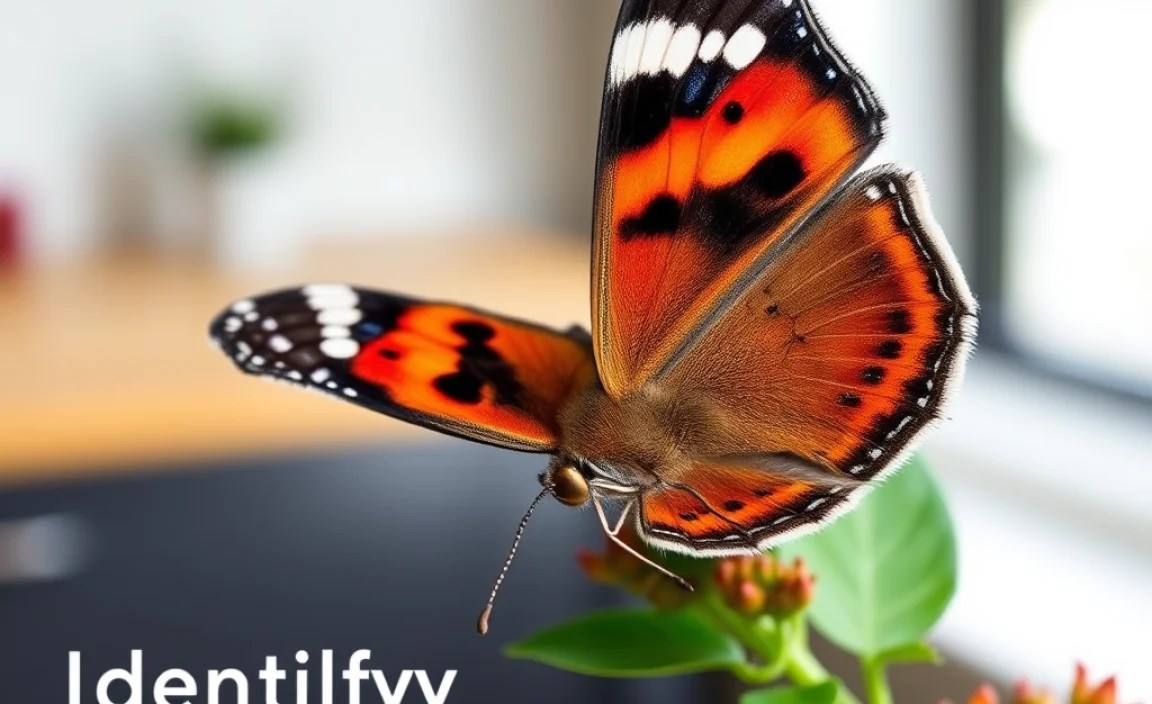
The Red Admiral (Vanessa atalanta) is a distinctive butterfly, and identification is usually straightforward. Here’s what to look for:
Key Identification Features
- Wings: Predominantly black with striking red bands across the forewings and hindwings.
- Spots: White spots near the tips of the forewings.
- Size: Wingspan of approximately 5-7 cm (2-2.8 inches).
- Underside: The underside of the hindwing has a mottled pattern, providing camouflage.
Distinguishing Red Admirals from Similar Butterflies
While the Red Admiral is quite unique, it’s helpful to know how to differentiate it from other butterflies you might encounter:
| Butterfly | Key Features | Distinguishing Marks |
|---|---|---|
| Red Admiral | Black wings, red bands, white spots | Bold red bands and distinct white spots on forewings |
| Painted Lady | Orange and brown patterns, smaller size | More orange coloration and intricate patterns; lacks bold red bands |
Where and When to Spot Them
Red Admirals are commonly seen throughout the UK, especially during the warmer months.
- Habitat: Gardens, parks, woodlands, and any area with nectar-rich flowers.
- Season: They are most abundant from spring to autumn (March to October).
- Behaviour: Often seen basking in sunny spots or feeding on flowers.
Life Cycle of the Red Admiral

Understanding the life cycle of the Red Admiral is key to appreciating its presence and supporting its conservation.
Egg Laying
Female Red Admirals lay their eggs singly on the leaves of the larval food plant, primarily nettles (Urtica dioica).
- Appearance: The eggs are small, green, and barrel-shaped.
- Location: Usually laid on the upper surface of nettle leaves.
Caterpillar Stage
The caterpillar, or larva, emerges from the egg and feeds voraciously on nettle leaves.
- Appearance: The caterpillar is dark in colour with spines. As it grows, it can vary in colour from black to brown to greenish.
- Feeding: They create a tent by folding a nettle leaf and living inside, protected from predators.
- Growth: The caterpillar goes through several moults as it grows larger.
Pupa Stage (Chrysalis)
Once the caterpillar is fully grown, it pupates, forming a chrysalis.
- Appearance: The chrysalis is typically brown or grey and hangs upside down from a nettle stem or nearby plant.
- Duration: The pupa stage lasts for about two to three weeks.
Emergence of the Adult Butterfly
Finally, the adult butterfly emerges from the chrysalis.
- Process: The butterfly pumps fluid into its wings to expand them, then waits for them to dry and harden before flying off.
- Lifespan: Adult Red Admirals typically live for several months, during which they feed on nectar and reproduce.
Attracting Red Admirals to Your Garden

Creating a butterfly-friendly garden is a rewarding way to support Red Admirals and other pollinators.
Planting Nectar-Rich Flowers
Adult butterflies feed on nectar, so planting flowers that provide a good source of nectar is essential.
- Best Plants: Buddlejas (butterfly bushes), Verbena, Lavender, Sedum, and Asters.
- Flowering Season: Choose plants that flower at different times of the year to provide a continuous supply of nectar.
Providing Larval Food Plants
Red Admiral caterpillars feed almost exclusively on nettles, so don’t be too quick to remove them from your garden!
- Nettles: Allow a patch of nettles to grow in a less visible area of your garden.
- Alternatives: If you don’t want nettles, consider planting other larval food plants like hops (though nettles are preferred).
Creating a Butterfly-Friendly Habitat
In addition to food plants, butterflies need shelter and basking spots.
- Shelter: Provide shrubs and trees for shelter from wind and rain.
- Basking Spots: Place flat stones in sunny areas where butterflies can bask and warm up.
- Water Source: A shallow dish of water with pebbles can provide a drinking source for butterflies.
Avoiding Pesticides
Pesticides can be harmful to butterflies and other beneficial insects. Avoid using them in your garden.
- Organic Gardening: Use organic gardening methods to control pests and diseases.
- Natural Predators: Encourage natural predators like ladybugs and lacewings to control aphids and other pests.
Migration and Distribution of Red Admirals

Red Admirals are migratory butterflies, and their presence in the UK is influenced by seasonal movements.
Migration Patterns
Red Admirals migrate to the UK from mainland Europe in the spring and summer. They cannot survive the cold UK winters.
- Arrival: The first Red Admirals usually arrive in the UK in March or April.
- Breeding: They breed in the UK, and their offspring emerge as adults during the summer months.
- Overwintering: Some Red Admirals may attempt to overwinter in the UK, but most do not survive. There is emerging evidence that some may be able to survive milder winters.
Distribution in the UK
Red Admirals can be found throughout the UK, but they are more common in the southern regions.
- Geographic Range: They are found in England, Scotland, Wales, and Ireland.
- Habitat Preference: They are adaptable and can be found in a variety of habitats, from urban gardens to rural woodlands.
Threats and Conservation
While Red Admirals are relatively common, they face several threats, and conservation efforts are important to ensure their continued survival.
Habitat Loss
The loss of suitable habitat, including nectar-rich flower meadows and nettle patches, can impact Red Admiral populations.
- Urban Development: The conversion of natural habitats into urban areas reduces the amount of available habitat for butterflies.
- Agricultural Practices: Intensive farming practices can destroy hedgerows and flower meadows, reducing food sources for butterflies.
Climate Change
Climate change can affect butterfly populations in various ways, including changes in migration patterns and altered food plant availability.
- Extreme Weather Events: Severe droughts and floods can damage butterfly habitats and reduce butterfly populations.
- Changes in Plant Phenology: Changes in the timing of plant flowering can disrupt the synchrony between butterflies and their food sources.
Conservation Efforts
Several organizations and individuals are working to conserve butterflies and their habitats.
- Butterfly Conservation: This organization works to protect butterflies and their habitats through research, advocacy, and conservation projects.
- Wildlife Trusts: Local Wildlife Trusts manage nature reserves and promote butterfly-friendly gardening practices.
- Individual Actions: You can help by planting nectar-rich flowers, providing larval food plants, and avoiding pesticides in your garden.
Fun Facts About Red Admirals
Here are some interesting facts about Red Admiral butterflies:
- Name Origin: The name “red Admiral” may come from an old English term for a type of butterfly, or it could be a reference to the red stripes on their wings resembling the uniforms of naval admirals.
- Sun Basking: Red Admirals are often seen basking in the sun with their wings open to absorb heat.
- Territorial Behaviour: Male Red Admirals are territorial and will defend their chosen patch of flowers from other butterflies.
- Nectar Preference: They have a particular fondness for the nectar of Buddleja flowers, also known as butterfly bushes.
Red Admiral Butterfly Symbolism
Butterflies, including the Red Admiral, are often associated with symbolism and deeper meanings across various cultures.
Transformation and Rebirth
The butterfly’s life cycle, from a humble caterpillar to a beautiful winged creature, symbolizes transformation, rebirth, and renewal.
- Metamorphosis: The process of metamorphosis represents personal growth and spiritual development.
- New Beginnings: Seeing a butterfly can be a reminder that change is possible and that new beginnings are always within reach.
Freedom and Joy
Butterflies are often seen as symbols of freedom, joy, and lightness of being.
- Flight: Their ability to fly represents freedom from earthly constraints and the ability to soar to new heights.
- Beauty: Their vibrant colours and delicate wings bring joy and beauty to the world.
Messages from the Spirit World
In some cultures, butterflies are believed to be messengers from the spirit world, carrying messages of love, hope, and guidance.
- Loved Ones: Seeing a butterfly may be a sign that a loved one who has passed away is watching over you.
- Intuition: Butterflies can also represent intuition and the importance of following your inner guidance.
Frequently Asked Questions (FAQs)
What do Red Admiral caterpillars eat?
Red Admiral caterpillars primarily eat nettle leaves. They create a tent by folding a nettle leaf and living inside.
Are Red Admiral butterflies native to the UK?
Red Admirals are migratory butterflies that arrive in the UK from mainland Europe each spring and summer. They breed in the UK, but most do not survive the winter.
How can I attract Red Admirals to my garden?
Plant nectar-rich flowers like Buddlejas, Verbena, and Lavender. Also, allow a patch of nettles to grow for the caterpillars. Provide shelter and basking spots for the butterflies.
When is the best time to see Red Admiral butterflies in the UK?
Red Admirals are most abundant from spring to autumn (March to October). They are often seen basking in sunny spots or feeding on flowers.
Do Red Admiral butterflies migrate?
Yes, Red Admirals are migratory. They migrate to the UK from mainland Europe in the spring and summer.
What does a Red Admiral chrysalis look like?
The chrysalis is typically brown or grey and hangs upside down from a nettle stem or nearby plant.
Are Red Admiral butterflies endangered?
While Red Admirals are not currently endangered, they face threats from habitat loss and climate change. Supporting their conservation through butterfly-friendly gardening practices is important.
Conclusion
The Red Admiral is a truly captivating butterfly, bringing a splash of colour and intrigue to the UK’s gardens and woodlands. From its striking appearance to its fascinating life cycle and migratory habits, there’s so much to admire about this insect. By understanding its needs and taking simple steps to create butterfly-friendly habitats, we can all play a part in ensuring that Red Admirals continue to grace our landscapes for generations to come. So, get outside, explore, and keep an eye out for these beautiful visitors – you might just be surprised by what you discover! Remember, every small action counts when it comes to preserving the natural world, and even a single butterfly garden can make a big difference. Happy butterfly watching!