
Butterflies in Eastern Ghats: A Colorful Guide!

Butterflies in Eastern Ghats: A Beginner’s Guide
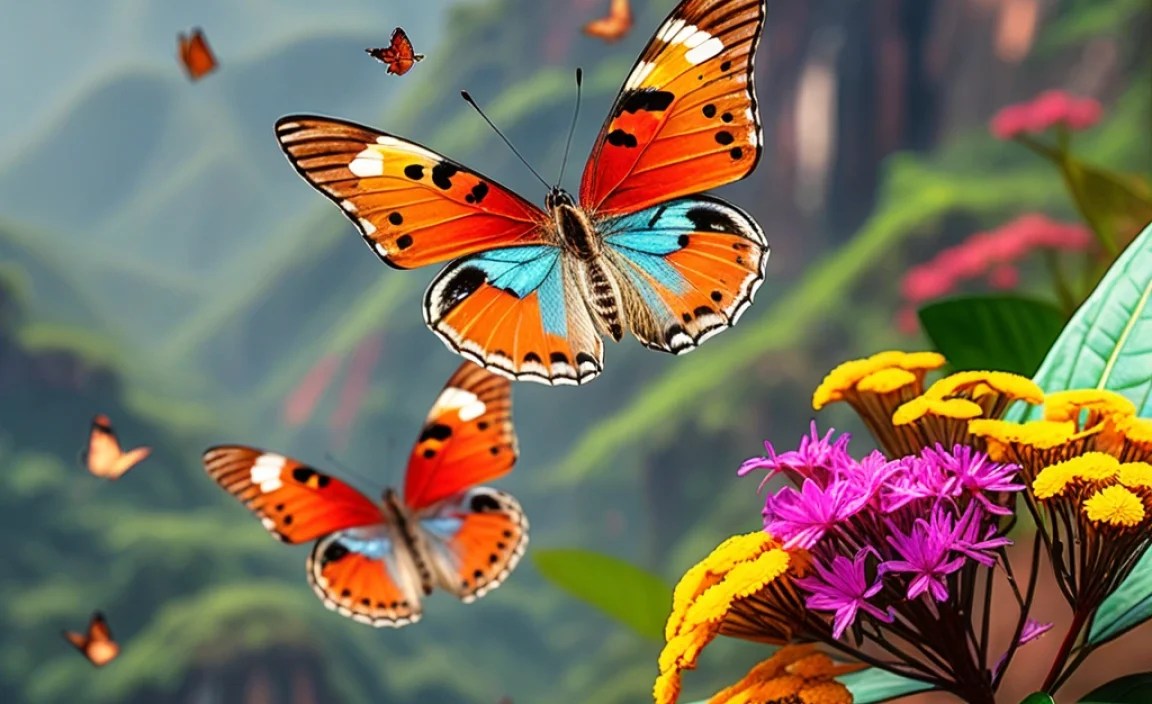
Want to explore the vibrant world of butterflies in the Eastern Ghats? This guide reveals the best spots, times, and tips for spotting these beautiful creatures. Learn about common species, their habitats, and how you can help protect them. Discover the magic of butterfly watching in this biodiversity hotspot!
The Eastern Ghats, a range of hills running along India’s eastern coast, are a treasure trove of natural beauty. Among the many wonders found here, the butterflies stand out with their dazzling colors and graceful flight. But with so many different species and vast landscapes, knowing where to start your butterfly adventure can be a bit overwhelming. Don’t worry! This guide will walk you through everything you need to know, from identifying common species to finding the best butterfly hotspots.
Get ready to discover the secret lives of these amazing insects and learn how you can play a part in protecting their delicate habitats. We’ll cover the best locations, ideal seasons, and essential tips for successful butterfly watching. Let’s dive in and unlock the enchanting world of butterflies in the Eastern Ghats!
Why the Eastern Ghats are a Butterfly Paradise

The Eastern Ghats offer a unique combination of factors that make them a perfect home for a wide variety of butterflies. These hills boast diverse habitats, from dense forests to open grasslands, each supporting different butterfly species. The warm, humid climate and ample rainfall create ideal conditions for lush vegetation, which provides food and shelter for both caterpillars and adult butterflies. The varied altitudes also contribute to the rich biodiversity, allowing different species to thrive at different elevations.
Key Factors Supporting Butterfly Diversity:
- Diverse Habitats: Forests, grasslands, and scrublands offer varied food sources and breeding grounds.
- Warm, Humid Climate: Consistent warmth and rainfall promote lush vegetation and butterfly activity.
- Varied Altitudes: Different elevations support unique microclimates and species.
- Rich Flora: A wide range of flowering plants provides nectar for adult butterflies and food for caterpillars.
These elements come together to create a haven for butterflies, making the Eastern Ghats a must-visit destination for any butterfly enthusiast.
When to Visit: Best Time for Butterfly Watching

Timing is everything when it comes to butterfly watching. The best time to visit the Eastern Ghats for butterfly spotting is during and immediately after the monsoon season, typically from September to March. During these months, the vegetation is lush, and many butterfly species are actively breeding. The weather is also more pleasant, with cooler temperatures and less humidity compared to the peak summer months.
Ideal Butterfly Watching Seasons:
- Post-Monsoon (September – November): Peak butterfly activity as vegetation flourishes after the rains.
- Winter (December – February): Pleasant weather with continued butterfly sightings, though activity may decrease slightly in cooler periods.
- Early Summer (March): Some species are still active before the full heat of summer sets in.
Avoid the peak summer months (April – June) when temperatures can soar, and butterfly activity is significantly reduced. Planning your trip around the monsoon and post-monsoon seasons will greatly increase your chances of witnessing the spectacular diversity of butterflies in the Eastern Ghats.
Top Butterfly Hotspots in the Eastern Ghats

The Eastern Ghats are dotted with numerous locations perfect for butterfly watching. Here are some of the most renowned hotspots:
- Araku Valley, Andhra Pradesh: Known for its scenic beauty and rich biodiversity, Araku Valley is home to many butterfly species.
- Nallamala Hills, Andhra Pradesh: Part of the larger Eastern Ghats range, these hills are known for their diverse flora and fauna, including a variety of butterflies.
- Simlipal National Park, Odisha: This protected area boasts dense forests and diverse habitats, making it a prime location for butterfly sightings.
- Kolli Hills, Tamil Nadu: With its cool climate and lush vegetation, Kolli Hills is a great place to spot butterflies.
- Horsley Hills, Andhra Pradesh: Another popular hill station with diverse butterfly populations.
Each of these locations offers unique landscapes and butterfly species, ensuring a rewarding experience for every butterfly enthusiast.
Essential Gear for Butterfly Watching
Being well-prepared can significantly enhance your butterfly watching experience. Here’s a list of essential gear to bring along:
- Binoculars: A good pair of binoculars will allow you to observe butterflies up close without disturbing them. Look for models with a magnification of 8x or 10x.
- Camera: Capture the beauty of butterflies with a camera. A DSLR or mirrorless camera with a macro lens is ideal, but even a smartphone camera can work well.
- Butterfly Field Guide: A field guide specific to Indian butterflies will help you identify the species you encounter.
- Notebook and Pen: Keep a record of your sightings, including the species, location, and date.
- Comfortable Clothing: Wear lightweight, breathable clothing in neutral colors to blend in with the environment.
- Sturdy Shoes: Comfortable walking shoes or hiking boots are essential for exploring the terrain.
- Water and Snacks: Stay hydrated and energized during your butterfly watching excursions.
- Insect Repellent: Protect yourself from mosquito bites and other insects.
- Sunscreen and Hat: Shield yourself from the sun’s rays.
Having the right gear will not only make your experience more comfortable but also increase your chances of spotting and identifying different butterfly species.
Identifying Common Butterflies in the Eastern Ghats
The Eastern Ghats are home to a diverse array of butterfly species. Here are some of the most common ones you might encounter:
- Common Rose (Pachliopta aristolochiae): A striking butterfly with black wings and bright pink or red markings.
- Lime Butterfly (Papilio demoleus): A common butterfly with black and yellow markings, often found near citrus plants.
- Common Mormon (Papilio polytes): A highly variable species with different forms mimicking other butterflies.
- Plain Tiger (Danaus chrysippus): An orange butterfly with black and white markings, known for its migratory behavior.
- Common Crow (Euploea core): A dark brown butterfly with white spots along the wing margins.
- Tawny Coster (Acraea violae): An orange butterfly with black spots, often found near its host plant, the Passion Flower.
- Blue Tiger (Tirumala limniace): A beautiful butterfly with blue and black stripes, known for its migratory behavior.
Using a butterfly field guide can help you accurately identify these and other species you encounter in the Eastern Ghats.
Butterfly Identification Table
| Butterfly Species | Scientific Name | Appearance | Habitat |
|---|---|---|---|
| Common Rose | Pachliopta aristolochiae | Black wings with pink/red markings | Gardens, forests |
| Lime Butterfly | Papilio demoleus | Black and yellow markings | Citrus groves, gardens |
| Common Mormon | Papilio polytes | Variable, mimicking other butterflies | Forests, gardens |
| Plain Tiger | Danaus chrysippus | Orange with black and white markings | Open areas, grasslands |
| Common Crow | Euploea core | Dark brown with white spots | Forests, gardens |
| Tawny Coster | Acraea violae | Orange with black spots | Near Passion Flower plants |
| Blue Tiger | Tirumala limniace | Blue and black stripes | Forests, hills |
Butterfly Behavior: What to Observe
Butterfly watching is not just about identifying species; it’s also about observing their behavior. Pay attention to the following aspects:
- Feeding: Watch butterflies as they feed on nectar from flowers. Note the types of flowers they prefer.
- Flight Patterns: Observe how butterflies fly – their speed, direction, and any unique movements.
- Mating Behavior: Look for courtship rituals, such as butterflies flying in tandem or displaying their wings.
- Egg-Laying: If you’re lucky, you might witness a female butterfly laying eggs on a host plant.
- Resting: Notice how butterflies rest, whether they bask in the sun with open wings or perch with closed wings.
Understanding butterfly behavior can provide valuable insights into their life cycle and ecological role.
Butterfly Life Cycle
Butterflies undergo a fascinating transformation known as complete metamorphosis. This process consists of four distinct stages:
- Egg: Butterflies lay their eggs on specific host plants, which will serve as food for the emerging caterpillars.
- Larva (Caterpillar): The caterpillar hatches from the egg and spends its time eating and growing. It molts several times as it grows larger.
- Pupa (Chrysalis): Once the caterpillar is fully grown, it forms a pupa or chrysalis. Inside the chrysalis, the caterpillar transforms into a butterfly.
- Adult: The adult butterfly emerges from the chrysalis. It spends its time feeding, mating, and laying eggs, continuing the cycle.
Understanding the butterfly life cycle can deepen your appreciation for these incredible insects.
Attracting Butterflies to Your Garden
You don’t have to travel to the Eastern Ghats to enjoy butterflies. You can attract them to your own garden by providing the right resources:
- Plant Nectar-Rich Flowers: Choose a variety of flowering plants that bloom at different times of the year. Some popular choices include lantana, pentas, zinnia, and butterfly bush (Buddleja davidii).
- Provide Host Plants: Plant the specific plants that caterpillars need to feed on. For example, milkweed is a host plant for monarch butterflies, and citrus trees are host plants for lime butterflies.
- Offer a Water Source: Butterflies need water to stay hydrated. Provide a shallow dish of water with pebbles or marbles for them to land on.
- Avoid Pesticides: Pesticides can harm or kill butterflies and other beneficial insects. Choose organic gardening methods instead.
- Provide Shelter: Plant trees and shrubs to provide shelter from wind and predators.
Creating a butterfly-friendly garden is a rewarding way to support these beautiful creatures and enjoy their presence in your own backyard.
Butterfly Conservation: How You Can Help
Butterflies face numerous threats, including habitat loss, pesticide use, and climate change. Here are some ways you can help protect them:
- Support Conservation Organizations: Donate to or volunteer with organizations that work to protect butterfly habitats. The Xerces Society is a great resource for information and conservation efforts.
- Promote Sustainable Gardening Practices: Avoid using pesticides and herbicides in your garden. Choose organic gardening methods instead.
- Plant Native Plants: Native plants are best suited to the local climate and provide the best food and shelter for butterflies and other wildlife.
- Educate Others: Share your knowledge about butterflies and their importance with friends, family, and your community.
- Reduce Your Carbon Footprint: Climate change is a major threat to butterflies. Reduce your carbon footprint by conserving energy, using public transportation, and making sustainable lifestyle choices.
By taking these actions, you can make a positive impact on butterfly conservation and help ensure that these beautiful creatures continue to thrive for generations to come. Learn more about butterfly conservation from organizations like the Smithsonian.
Photography Tips for Capturing Butterflies
Photographing butterflies can be a rewarding but challenging endeavor. Here are some tips to help you capture stunning images:
- Use a Macro Lens: A macro lens will allow you to capture close-up details of butterflies.
- Shoot in Natural Light: Avoid using flash, which can startle butterflies and create harsh shadows.
- Focus Carefully: Butterflies are often moving, so it’s important to focus carefully on their eyes or other key features.
- Use a Fast Shutter Speed: A fast shutter speed will help you freeze the motion of butterflies.
- Shoot from Different Angles: Experiment with different angles to create interesting compositions.
- Be Patient: Butterflies can be unpredictable, so be patient and wait for the right moment.
- Respect Their Space: Avoid getting too close or disturbing butterflies in their natural habitat.
With practice and patience, you can capture beautiful images of butterflies that showcase their beauty and grace.
Ethical Butterfly Watching Practices
It’s important to practice ethical butterfly watching to minimize your impact on these delicate creatures and their habitats. Here are some guidelines to follow:
- Avoid Disturbing Butterflies: Do not touch or handle butterflies, as this can damage their delicate wings and disrupt their behavior.
- Stay on Marked Trails: Stick to established trails to avoid trampling vegetation and disturbing butterfly habitats.
- Do Not Collect Butterflies: Collecting butterflies can harm local populations and disrupt ecosystems.
- Respect Private Property: Obtain permission before entering private property.
- Leave No Trace: Pack out everything you pack in and avoid leaving any trash behind.
- Observe from a Distance: Use binoculars or a telephoto lens to observe butterflies from a respectful distance.
By following these ethical guidelines, you can enjoy butterfly watching while minimizing your impact on the environment.
Frequently Asked Questions (FAQ)
What is the best time of day to see butterflies?
The best time to see butterflies is typically in the late morning or early afternoon when the sun is shining, and temperatures are warm. Butterflies are cold-blooded and need sunlight to warm their bodies so they can fly.
What should I wear when butterfly watching?
Wear lightweight, breathable clothing in neutral colors to blend in with the environment. Comfortable walking shoes or hiking boots are essential for exploring the terrain. A hat and sunscreen are also recommended to protect yourself from the sun.
How can I identify different butterfly species?
Use a butterfly field guide specific to Indian butterflies. Pay attention to the butterfly’s size, color, wing patterns, and behavior. Observing the host plants it visits can also provide clues to its identity.
Are butterflies important for the environment?
Yes, butterflies play an important role in the environment as pollinators. They help to transfer pollen from one flower to another, which is essential for the reproduction of many plants. They are also an important food source for birds and other animals.
What are some threats to butterfly populations?
Threats to butterfly populations include habitat loss, pesticide use, climate change, and the introduction of invasive species. Protecting butterfly habitats and reducing pesticide use are important steps in conserving these creatures.
How can I create a butterfly-friendly garden?
Plant nectar-rich flowers and host plants, provide a water source, avoid using pesticides, and offer shelter. A butterfly-friendly garden will attract butterflies and provide them with the resources they need to thrive.
Where can I learn more about butterfly conservation?
You can learn more about butterfly conservation from organizations like the Xerces Society, the Smithsonian Institution, and local nature centers. These organizations offer valuable information and resources on butterfly biology, conservation, and how you can help.
Conclusion
Exploring the world of butterflies in the Eastern Ghats is an enchanting experience that offers a glimpse into the beauty and complexity of nature. By understanding their habitats, behaviors, and life cycles, we can better appreciate these delicate creatures and the crucial role they play in our ecosystems. Remember to visit during the ideal seasons, equip yourself with the right gear, and practice ethical butterfly watching to minimize your impact on their environment.
Whether you’re an experienced naturalist or a curious beginner, there’s always something new to discover in the world of butterflies. By creating butterfly-friendly gardens, supporting conservation organizations, and educating others about their importance, we can all contribute to the preservation of these beautiful insects for generations to come. So, grab your binoculars, head out to the Eastern Ghats, or simply step into your garden, and let the magic of butterflies inspire you to connect with nature and become a steward of our planet.


