
Glasswing Biodiversity: Discover the Amazing Secret

Quick Summary: Glasswing biodiversity refers to the variety of glasswing butterfly species and their crucial roles in ecosystems. These butterflies, known for their transparent wings, are found mainly in Central and South American rainforests. Protecting their habitats is essential because they contribute to pollination and serve as indicators of environmental health. Understanding and conserving glasswing biodiversity ensures the survival of these unique insects and the health of their natural environments.
Have you ever wondered about butterflies with see-through wings? Glasswings are among the most fascinating butterflies on Earth! But did you know there are many different kinds, each playing a special role in their forest homes? It can be overwhelming to understand why protecting these delicate creatures matters. Don’t worry; we’ll explore the incredible world of glasswing biodiversity together, step by step. I’ll show you why it’s so important and how you can help!
Understanding Glasswing Biodiversity
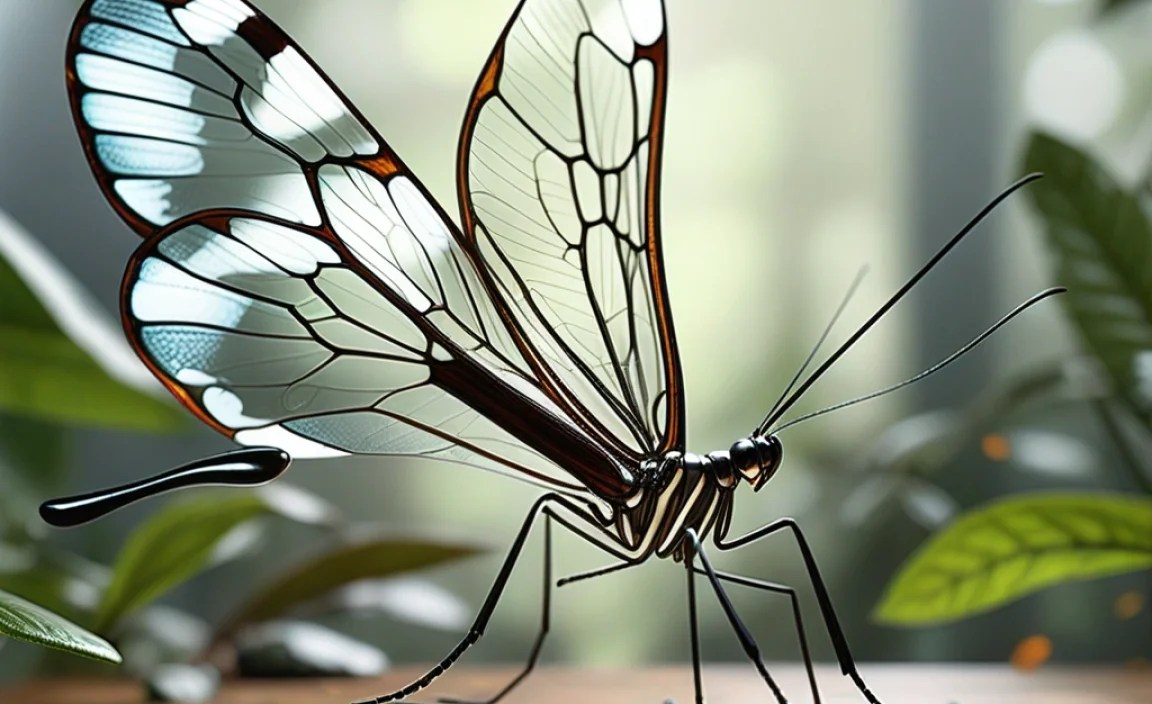
Glasswing biodiversity encompasses the range of different species within the Ithomiini tribe (often referred to as the glasswings) and their unique genetic variations. These butterflies are primarily found in the tropical rainforests of Central and South America. Each species has adapted to specific ecological niches, contributing to the overall health and stability of their environments.
What Makes Glasswings Special?
Glasswing butterflies are renowned for their transparent wings, a rare and remarkable adaptation in the insect world. This transparency is achieved through a unique nanostructure on their wings that minimizes light reflection. This allows them to blend seamlessly into their surroundings, evading predators and navigating complex forest environments. The glasswing’s unique camouflage makes studying their diversity both fascinating and challenging.
- Camouflage: Their transparent wings provide exceptional camouflage, allowing them to avoid predators.
- Habitat Specificity: Different species are adapted to various forest ecosystems, contributing to biodiversity.
- Ecological Roles: They play essential roles in pollination and as indicators of environmental health.
Geographic Distribution of Glasswings
Glasswings are predominantly found in the Neotropical realm, which includes Central and South America. Countries like Costa Rica, Panama, Ecuador, and Brazil boast some of the highest concentrations of glasswing species. Their distribution is closely tied to the availability of host plants for their larvae and suitable habitats for adults.
The following table illustrates the distribution of glasswing butterflies in different regions:
| Region | Common Species | Habitat Characteristics |
|---|---|---|
| Costa Rica | Greta oto | Tropical rainforests, high humidity |
| Panama | Oleria paula | Dense forests, diverse plant life |
| Ecuador | Hyalenna aliphera | Andean cloud forests, specific host plants |
| Brazil | Pteronymia semonis | Amazon rainforest, varied ecosystems |
Why Glasswing Biodiversity Matters

The biodiversity of glasswing butterflies is crucial for maintaining healthy ecosystems. These butterflies contribute to pollination, nutrient cycling, and serve as indicators of environmental changes. Understanding and protecting their diversity is essential for conserving the overall health of tropical rainforests.
Ecological Importance
Glasswings play several vital roles in their ecosystems:
- Pollination: As they feed on nectar, they transfer pollen between plants, aiding in plant reproduction.
- Food Source: They serve as a food source for birds, reptiles, and other insects, contributing to the food web.
- Environmental Indicators: Their presence and health reflect the overall condition of their habitat, making them valuable indicators of environmental change.
Threats to Glasswing Biodiversity
Several factors threaten glasswing biodiversity, including habitat loss, climate change, and pesticide use. Deforestation for agriculture and logging reduces the availability of host plants and suitable habitats. Climate change alters their environments, while pesticides can directly harm or kill them.
Habitat Loss
Deforestation is one of the most significant threats to glasswing butterflies. As forests are cleared for agriculture, logging, and urbanization, glasswings lose their habitats and host plants. This fragmentation of habitats can also isolate populations, reducing genetic diversity and increasing the risk of extinction.
Climate Change
Climate change can alter the timing of plant flowering and insect emergence, disrupting the synchronization between glasswings and their host plants. Changes in temperature and rainfall patterns can also affect their distribution and survival rates. According to the Environmental Protection Agency (EPA), climate change significantly impacts butterfly populations.
Pesticide Use
Pesticides used in agriculture and mosquito control can directly harm glasswing butterflies. These chemicals can contaminate their food sources, leading to poisoning and death. The widespread use of pesticides can also reduce the availability of other insects, disrupting the food web and indirectly affecting glasswings.
Identifying Different Glasswing Species

Identifying glasswing species can be challenging due to their transparent wings and subtle differences in markings. However, careful observation of wing patterns, body coloration, and geographic location can help distinguish between different species.
Key Characteristics to Look For
When identifying glasswing butterflies, consider the following characteristics:
- Wing Shape: Note the shape and size of the wings, as different species may have variations.
- Vein Patterns: Examine the patterns of veins on the wings, as these can differ between species.
- Body Coloration: Observe the color and markings on the body, as these can provide clues to their identity.
- Habitat: Consider the geographic location and habitat type, as some species are specific to certain areas.
Common Glasswing Species
Here are a few common glasswing species and their distinguishing features:
- Greta oto (Glasswinged Butterfly): This is one of the most well-known glasswing species, with completely transparent wings and a dark border.
- Oleria paula: Found in Panama, this species has transparent wings with brown or black markings along the edges.
- Hyalenna aliphera: Native to Ecuador, this species has transparent wings with orange and black markings.
- Pteronymia semonis: This Brazilian species has transparent wings with a distinctive pattern of dark spots.
Tools for Identification
Several resources can help you identify glasswing butterflies:
- Field Guides: Butterfly field guides specific to Central and South America can provide detailed descriptions and images.
- Online Databases: Websites like Butterflies and Moths of North America offer images and information on various butterfly species.
- Butterfly Experts: Consulting with local butterfly experts or entomologists can provide valuable insights and assistance.
Creating a Butterfly-Friendly Habitat

Creating a butterfly-friendly habitat in your garden or community can help support glasswing populations and other pollinators. By providing host plants, nectar sources, and shelter, you can create a welcoming environment for these beautiful insects.
Choosing the Right Plants
Selecting the right plants is crucial for attracting glasswing butterflies. Host plants provide food for larvae, while nectar plants provide energy for adults. Native plants are often the best choice, as they are adapted to local conditions and support a wide range of butterfly species. You can explore native plant options through resources like the National Wildlife Federation’s Native Plant Finder.
Host Plants
Some popular host plants for glasswing butterflies include:
- Cestrum spp. (Jasmine): A favorite of many glasswing larvae.
- Solanum spp. (Nightshade): Provides food for several glasswing species.
- Prestonia spp.: Another important host plant for glasswing caterpillars.
Nectar Plants
Nectar plants provide essential energy for adult glasswing butterflies. Choose a variety of plants that bloom at different times of the year to ensure a continuous food supply.
- Lantana spp.: Offers a rich source of nectar and attracts many butterflies.
- Pentas lanceolata (Egyptian Starcluster): Provides abundant nectar and is easy to grow.
- Salvia spp. (Sage): Attracts a variety of pollinators, including glasswing butterflies.
Providing Shelter and Water
In addition to food, butterflies need shelter and water to thrive. Provide shrubs and trees for shelter from wind and predators, and offer a shallow dish of water with pebbles for them to drink from.
- Shelter: Plant dense shrubs and trees to provide protection from wind and predators.
- Water Source: Place a shallow dish of water with pebbles in your garden for butterflies to drink from.
- Avoid Pesticides: Refrain from using pesticides, as they can harm or kill butterflies and other beneficial insects.
Maintaining a Healthy Habitat
Regular maintenance is essential for keeping your butterfly-friendly habitat healthy and thriving. Remove weeds, prune plants, and provide supplemental watering during dry periods.
The following table outlines essential maintenance tips for a butterfly-friendly habitat:
| Task | Frequency | Description |
|---|---|---|
| Weeding | Weekly | Remove weeds to prevent competition with host and nectar plants. |
| Pruning | Seasonally | Prune plants to encourage healthy growth and flowering. |
| Watering | As needed | Provide supplemental watering during dry periods to keep plants hydrated. |
| Pest Control | As needed | Use natural pest control methods to avoid harming butterflies and other beneficial insects. |
Conservation Efforts
Protecting glasswing biodiversity requires collaborative efforts from individuals, organizations, and governments. By supporting conservation initiatives, raising awareness, and promoting sustainable practices, we can help ensure the survival of these unique butterflies and their habitats.
Supporting Conservation Organizations
Many organizations are working to protect glasswing butterflies and their habitats. Consider supporting these organizations through donations, volunteering, or advocacy.
- The Xerces Society: Focuses on invertebrate conservation, including butterflies and their habitats.
- Rainforest Trust: Acquires and protects rainforest lands to conserve biodiversity.
- World Wildlife Fund (WWF): Works to conserve wildlife and habitats around the world.
Promoting Sustainable Practices
Adopting sustainable practices can help reduce the threats to glasswing biodiversity. Support sustainable agriculture, reduce your carbon footprint, and advocate for policies that protect forests and wildlife.
- Sustainable Agriculture: Support farmers who use sustainable practices that minimize pesticide use and protect habitats.
- Reduce Carbon Footprint: Reduce your carbon footprint by using energy-efficient appliances, driving less, and consuming less meat.
- Advocate for Conservation Policies: Support policies that protect forests, reduce pollution, and promote sustainable development.
Raising Awareness
Educating others about the importance of glasswing biodiversity can help increase awareness and inspire action. Share information with friends, family, and colleagues, and participate in educational events and outreach programs.
- Share Information: Share information about glasswing butterflies and their importance on social media, in schools, and in community groups.
- Participate in Events: Attend butterfly festivals, nature walks, and educational workshops to learn more about glasswings and their habitats.
- Support Research: Support scientific research on glasswing butterflies to better understand their biology, ecology, and conservation needs.
FAQ About Glasswing Biodiversity
Q1: What exactly does “glasswing biodiversity” mean?
A1: It refers to the variety of different glasswing butterfly species and their unique genetic differences. It’s all about how many different types of glasswings exist and how they contribute to their ecosystems.
Q2: Why are glasswing butterflies so special?
A2: Glasswings have transparent wings! This is a rare adaptation that helps them blend in with their surroundings, making it harder for predators to spot them.
Q3: Where can I find glasswing butterflies?
A3: Glasswings are mostly found in the tropical rainforests of Central and South America. Countries like Costa Rica, Panama, and Brazil are home to many different species.
Q4: What are the main threats to glasswing butterflies?
A4: The biggest threats include habitat loss from deforestation, climate change, and the use of harmful pesticides.
Q5: How can I help protect glasswing butterflies?
A5: You can help by supporting conservation organizations, creating butterfly-friendly habitats in your garden, promoting sustainable practices, and raising awareness about their importance.
Q6: What kind of plants attract glasswing butterflies?
A6: Host plants like Cestrum (Jasmine) and nectar plants like Lantana are great for attracting glasswing butterflies to your garden.
Q7: Are glasswing butterflies important for the environment?
A7: Absolutely! They play vital roles in pollination, serve as a food source for other animals, and act as indicators of environmental health.
Conclusion
Understanding and protecting glasswing biodiversity is crucial for the health of our planet. These delicate butterflies play essential roles in their ecosystems, and their survival depends on our collective efforts. By creating butterfly-friendly habitats, supporting conservation organizations, and promoting sustainable practices, we can help ensure that future generations will continue to marvel at the beauty and wonder of glasswing butterflies. Every small action counts, and together, we can make a big difference in preserving these incredible creatures and their natural environments. Let’s continue to explore, learn, and act to protect the biodiversity of our planet!


