
Rare Butterflies in Amazon Rainforest: A Powerful Guide

Have you ever imagined a place filled with colorful wings? Deep in the Amazon rainforest, some of the world’s most amazing creatures live. These are the rare butterflies in Amazon rainforest. Their bright colors and unique patterns make them special.
These butterflies are not just pretty. They are important to the rainforest. They help plants grow by carrying pollen. But many things threaten these rare butterflies in Amazon rainforest. People cutting down trees and changes in the weather can hurt them. We need to learn about them and protect their home.
Imagine flying through the trees with these butterflies. They flutter around bright flowers. They drink nectar and lay their eggs on leaves. Each butterfly has its own job. Some are big and some are small. All of them add beauty to the rare butterflies in Amazon rainforest.
Key Takeaways
- Protecting the rare butterflies in Amazon rainforest helps save the entire ecosystem.
- Many rare butterflies in Amazon rainforest are threatened by habitat loss and climate change.
- The Amazon rainforest is home to a stunning variety of unique butterfly species.
- Butterflies play a vital role in pollination and maintaining plant diversity.
- Learning about these amazing insects helps us appreciate the natural world.
Discovering Rare Butterflies in Amazon Rainforest

The Amazon rainforest is a huge, green world. It is full of amazing animals and plants. Among these are the rare butterflies in Amazon rainforest. These butterflies are not like the ones you see in your backyard. They have colors and patterns you might never believe. Some look like they are made of jewels. Others have wings that look like leaves. Finding these butterflies is like finding hidden treasure. Scientists and explorers travel far to see them. They want to learn about these special creatures. They also want to help protect them. The rare butterflies in Amazon rainforest are a sign of how amazing and important the rainforest is.
- The Amazon has a very high biodiversity.
- Butterflies show the health of the rainforest.
- Many butterflies are only found there.
- Their colors help them hide or warn others.
- Scientists study them to learn about nature.
Seeing a rare butterfly in the Amazon rainforest is like stepping into a dream. These butterflies flutter among the trees. They add splashes of color to the green landscape. Imagine the Blue Morpho, with its bright blue wings that shimmer in the sunlight. Or the Glasswing butterfly, whose wings are see-through. These amazing insects face many dangers. Their homes are being destroyed. The weather is changing. We must help protect them. By learning about these butterflies, we can help save their home. This will keep the rainforest healthy for all.
Fun Fact or Stat: The Amazon rainforest is home to about one-third of all butterfly species in the world!
What Makes Amazon Butterflies Special?
What makes the rare butterflies in Amazon rainforest so special? It is not just their colors or patterns. It is also how they live. These butterflies have adapted to the rainforest. They have found ways to survive in this complex place. Some butterflies eat only certain plants. Others can only live in certain parts of the forest. This makes them very sensitive to changes. If their food disappears or their home is destroyed, they can’t survive. The rare butterflies in Amazon rainforest are like tiny pieces of a puzzle. Each one plays a role in keeping the rainforest healthy. When we protect these butterflies, we protect the whole forest.
Why Are They Important to the Ecosystem?
Have you ever thought about what butterflies do? They are not just pretty to look at. Butterflies are very important for the rainforest. They help plants make seeds. This is called pollination. When a butterfly drinks nectar from a flower, it picks up pollen. It then carries the pollen to another flower. This helps the plant grow fruits and seeds. Many plants in the Amazon need butterflies to survive. Without butterflies, the rainforest would be very different. The rare butterflies in Amazon rainforest help keep the whole ecosystem healthy and balanced. They are small but mighty helpers!
Threats to Butterfly Habitats
Imagine your home being taken away. This is what is happening to many rare butterflies in Amazon rainforest. People are cutting down trees to make farms and roads. This destroys the butterflies’ homes. Climate change is also a big problem. The rainforest is getting hotter and drier. This makes it hard for butterflies to find food and water. Pollution from mines and factories also hurts the butterflies. These threats make it hard for butterflies to survive. We need to find ways to stop these threats. We can help protect the rainforest and the amazing butterflies that live there.
The Stunning Colors of Amazon Butterflies

The rare butterflies in Amazon rainforest are famous for their amazing colors. These colors are not just for show. They help the butterflies survive. Some colors help them hide from predators. Other colors warn predators that they are poisonous. The Blue Morpho butterfly has bright blue wings. These shimmer in the sunlight, making it easy to spot. The Owl butterfly has big spots on its wings that look like eyes. These spots scare away animals that might want to eat it. Each butterfly has its own unique colors and patterns. These help it survive in the rainforest. The colors of the rare butterflies in Amazon rainforest are a beautiful example of how nature works.
- Bright colors can attract mates.
- Camouflage helps them blend in.
- Patterns can confuse predators.
- Some colors warn of poison.
- Colors change with the butterfly’s age.
Have you ever wondered how butterflies get their colors? The colors come from tiny scales on their wings. These scales are like tiny tiles. They reflect light in different ways. Some scales have pigments, which give them color. Other scales have special shapes that create shimmering effects. The colors of the rare butterflies in Amazon rainforest are a result of millions of years of evolution. Each butterfly has developed the perfect colors to help it survive. By understanding how butterflies get their colors, we can appreciate them even more.
Fun Fact or Stat: Some butterfly wings have microscopic structures that create iridescent colors, meaning they change color depending on the angle of light!
How Butterflies Use Color for Survival
The rare butterflies in Amazon rainforest use their colors in clever ways. Some butterflies use camouflage to hide from predators. They blend in with leaves or bark. This makes it hard for birds and other animals to see them. Other butterflies use bright colors to warn predators. These butterflies are poisonous or taste bad. Their bright colors tell predators to stay away. The Monarch butterfly is a good example of this. It is orange and black, which warns predators that it is poisonous. The colors of the rare butterflies in Amazon rainforest are like a secret code. They help the butterflies survive in a dangerous world.
Examples of Butterfly Color Adaptations
Let’s look at some examples of how butterflies use color. The Glasswing butterfly has clear wings. This helps it blend in with its surroundings. The Blue Morpho has bright blue wings. These attract mates and scare away predators. The Owl butterfly has eye spots on its wings. These scare away animals that might want to eat it. The Dead Leaf butterfly looks like a dead leaf when its wings are closed. This helps it hide from predators. These are just a few examples of the amazing color adaptations of the rare butterflies in Amazon rainforest. Each butterfly has found its own way to use color to survive.
The Science Behind Butterfly Wing Colors
The science behind butterfly wing colors is fascinating. Butterfly wings are covered in tiny scales. These scales are made of chitin, a tough material. The scales have different shapes and structures. These structures reflect light in different ways. Some scales contain pigments, which give them color. Other scales have structures that create iridescent colors. Iridescent colors change depending on the angle of light. The colors of the rare butterflies in Amazon rainforest are a result of complex interactions between light and the structure of their wings. Scientists are still learning about how these colors work.
Conserving Butterfly Habitats
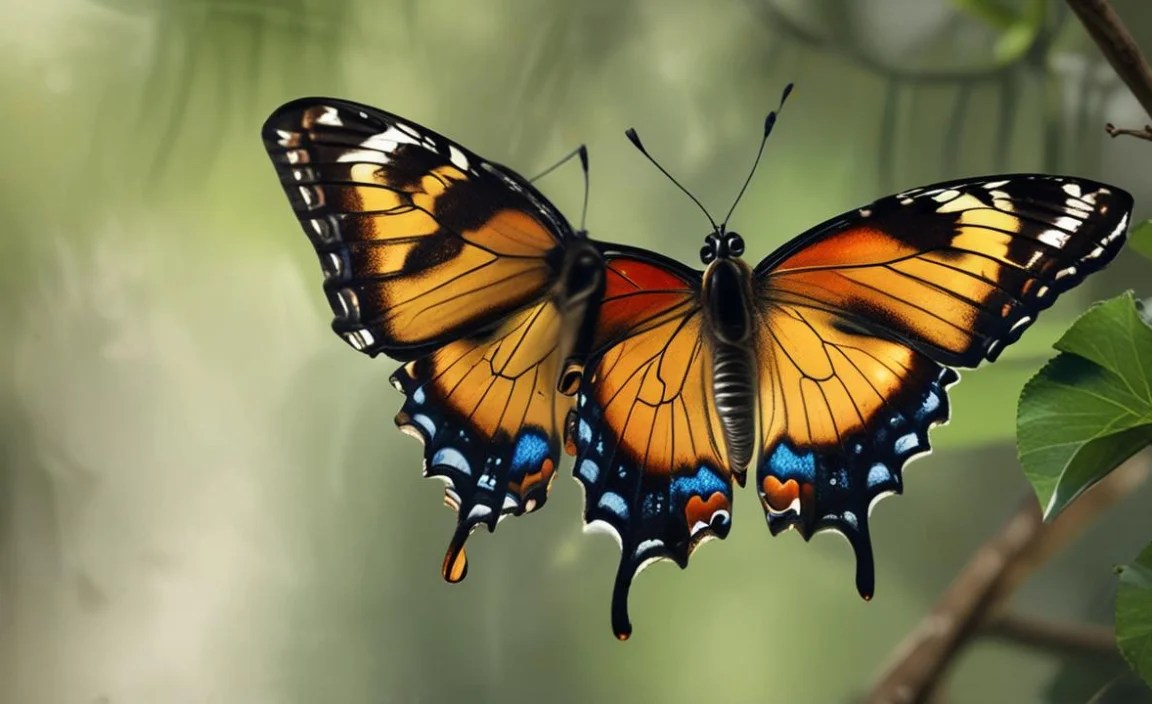
Conserving the habitats of rare butterflies in Amazon rainforest is very important. These butterflies need a healthy rainforest to survive. When we protect the rainforest, we protect the butterflies. There are many things we can do to help. We can support organizations that work to protect the rainforest. We can reduce our use of products that harm the rainforest. We can also educate others about the importance of protecting these butterflies. By working together, we can make a difference. We can help ensure that these amazing creatures will be around for many years to come. Protecting the rare butterflies in Amazon rainforest is protecting a vital part of our planet.
- Support sustainable farming practices.
- Reduce deforestation by using less paper.
- Educate others about conservation.
- Donate to rainforest protection groups.
- Participate in citizen science projects.
Imagine a world without butterflies. It would be a sad and less colorful place. The rare butterflies in Amazon rainforest are a reminder of the beauty and wonder of nature. We have a responsibility to protect them. By conserving their habitats, we can help ensure that they survive. This will also help protect the other animals and plants that live in the rainforest. Conservation is not just about saving butterflies. It is about saving our planet. It is about creating a better future for all.
Fun Fact or Stat: Many organizations offer “adopt-an-acre” programs where you can help protect a piece of the rainforest!
What is Habitat Conservation?
What does it mean to conserve a habitat? Habitat conservation means protecting the natural places where animals and plants live. This includes forests, rivers, and grasslands. When we conserve a habitat, we protect the animals and plants that depend on it. For the rare butterflies in Amazon rainforest, habitat conservation means protecting the rainforest. This includes stopping deforestation, reducing pollution, and managing resources sustainably. Habitat conservation is not just about protecting nature. It is also about protecting our own future. We depend on healthy ecosystems for clean air, clean water, and food.
How Can We Protect Butterfly Habitats?
There are many ways we can protect butterfly habitats. One way is to reduce deforestation. This means using less paper and wood. It also means supporting companies that use sustainable practices. Another way is to reduce pollution. This means using less plastic and avoiding pesticides. We can also support organizations that work to protect the rainforest. These organizations buy land and create protected areas. They also work with local communities to promote sustainable development. By taking these actions, we can help protect the rare butterflies in Amazon rainforest and their homes.
The Role of Protected Areas
Protected areas play a very important role in conservation. These areas are set aside to protect nature. They can be national parks, wildlife refuges, or private reserves. Protected areas provide a safe haven for animals and plants. They also help to maintain biodiversity. In the Amazon rainforest, protected areas are essential for the survival of the rare butterflies in Amazon rainforest. These areas provide a place where butterflies can live and breed without being disturbed. They also help to protect the rainforest from deforestation and other threats. Protected areas are a key tool for conservation.
Threats to Amazon Butterflies
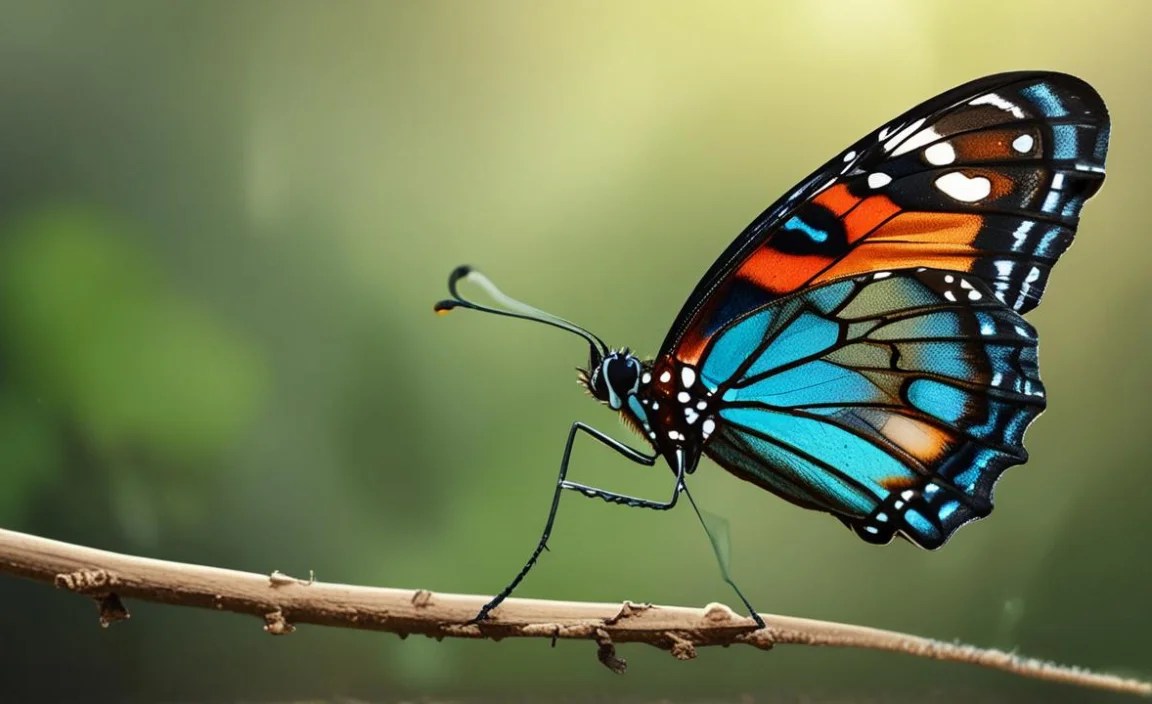
The rare butterflies in Amazon rainforest face many threats. Deforestation is one of the biggest problems. When trees are cut down, butterflies lose their homes and food. Climate change is another threat. Changes in temperature and rainfall can make it hard for butterflies to survive. Pollution from mining and agriculture also harms butterflies. Pesticides can kill butterflies directly. Pollution can also damage their habitats. Invasive species can also be a problem. These are animals and plants that don’t belong in the rainforest. They can compete with butterflies for food and resources. All of these threats make it hard for the rare butterflies in Amazon rainforest to survive.
| Threat | Description | Impact on Butterflies |
|---|---|---|
| Deforestation | Cutting down trees for farms and logging | Loss of habitat and food sources |
| Climate Change | Changes in temperature and rainfall patterns | Disruption of life cycles and food availability |
| Pollution | Chemicals from mining and agriculture | Direct poisoning and habitat degradation |
| Invasive Species | Non-native plants and animals | Competition for resources |
Imagine trying to survive when your home is being destroyed. This is what it is like for the rare butterflies in Amazon rainforest. They are facing many challenges. We need to understand these threats and find ways to address them. By working together, we can help protect these amazing creatures. We can also help protect the rainforest, which is vital for our planet.
Fun Fact or Stat: Some butterfly populations have declined by over 80% in the last few decades due to habitat loss!
Deforestation and Its Impact
Deforestation is a major problem in the Amazon rainforest. Trees are cut down for many reasons. These include farming, logging, and mining. When trees are cut down, the forest is destroyed. This means that animals lose their homes and food. The rare butterflies in Amazon rainforest are especially vulnerable to deforestation. They depend on specific plants for food and shelter. When these plants disappear, the butterflies cannot survive. Deforestation also contributes to climate change. Trees absorb carbon dioxide from the air. When they are cut down, this carbon dioxide is released into the atmosphere. This contributes to global warming.
Climate Change and Butterfly Survival
Climate change is another big threat to the rare butterflies in Amazon rainforest. The Earth is getting warmer. This is causing changes in weather patterns. The Amazon rainforest is becoming hotter and drier. This makes it hard for butterflies to find food and water. It also disrupts their life cycles. Butterflies need specific temperatures and rainfall patterns to breed. When these patterns change, butterflies may not be able to reproduce. Climate change is also causing more extreme weather events. These include droughts, floods, and storms. These events can destroy butterfly habitats and kill butterflies directly.
Pollution and Invasive Species Effects
Pollution and invasive species also pose serious threats. Mining and agriculture release harmful chemicals into the environment. These chemicals can poison butterflies and damage their habitats. Pesticides, which are used to kill insects, can also kill butterflies. Invasive species are animals and plants that don’t belong in the rainforest. They can compete with butterflies for food and resources. For example, some invasive plants can take over butterfly habitats. This makes it hard for butterflies to find the plants they need to survive. Pollution and invasive species are making it even harder for the rare butterflies in Amazon rainforest to survive.
Studying Butterfly Behavior and Ecology
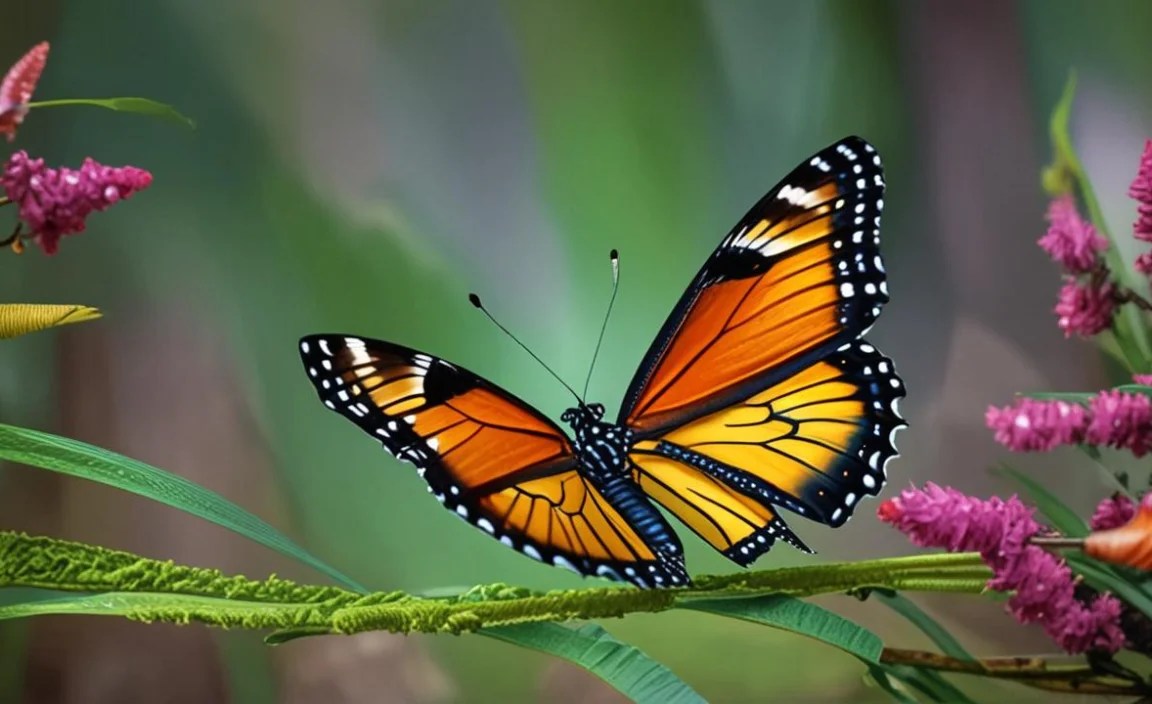
Scientists study the behavior and ecology of the rare butterflies in Amazon rainforest. They want to learn more about these amazing creatures. They study what butterflies eat, how they reproduce, and how they interact with their environment. This information can help us protect butterflies. By understanding their needs, we can create better conservation plans. Scientists use many different methods to study butterflies. They observe butterflies in the wild. They also collect butterflies and study them in the lab. They use DNA to identify different species. Studying butterfly behavior and ecology is essential for their survival.
- Scientists track butterfly movements.
- They study their feeding habits.
- They observe mating behaviors.
- They analyze butterfly DNA.
- They monitor population sizes.
Imagine being a scientist studying butterflies in the Amazon rainforest. You would spend your days hiking through the forest. You would carefully observe butterflies. You would record your observations in a notebook. You would collect butterflies and bring them back to the lab. You would use microscopes and other tools to study them. It would be a challenging but rewarding job. By studying the rare butterflies in Amazon rainforest, you would be helping to protect them for future generations.
Fun Fact or Stat: Some butterflies migrate thousands of miles each year, just like birds!
Research Methods in Butterfly Studies
Scientists use many different research methods to study butterflies. One method is observation. Scientists spend time in the field observing butterflies. They record what they see, such as what butterflies are eating and how they are behaving. Another method is trapping. Scientists use nets to catch butterflies. They then examine the butterflies and release them. This allows them to identify different species and study their physical characteristics. Scientists also use DNA to study butterflies. They collect DNA samples from butterflies and analyze them in the lab. This helps them understand the relationships between different species.
What Can We Learn From Butterfly Behavior?
We can learn a lot from butterfly behavior. Butterflies are very sensitive to changes in their environment. By studying their behavior, we can learn about the health of the rainforest. For example, if butterflies are disappearing from an area, it may be a sign that the habitat is being destroyed. We can also learn about the effects of climate change on butterflies. By studying how butterflies are responding to changes in temperature and rainfall, we can better understand the impacts of climate change. Butterfly behavior can also teach us about the complex relationships between animals and plants.
The Importance of Long-Term Monitoring
Long-term monitoring is very important for studying butterflies. Butterfly populations can change a lot from year to year. By monitoring butterfly populations over many years, scientists can track these changes. This helps them understand the factors that are affecting butterfly populations. Long-term monitoring can also help us detect new threats to butterflies. For example, if a new invasive species appears in the rainforest, long-term monitoring can help us track its spread and its impact on butterflies. Long-term monitoring is essential for protecting the rare butterflies in Amazon rainforest.
Butterfly Conservation Efforts
Many people are working to protect the rare butterflies in Amazon rainforest. Conservation organizations are buying land to create protected areas. They are also working with local communities to promote sustainable development. Scientists are studying butterflies to learn more about their needs. Governments are creating laws to protect butterfly habitats. Individuals can also help by supporting conservation organizations and reducing their impact on the environment. By working together, we can help ensure that these amazing creatures will be around for many years to come. Butterfly conservation is a team effort.
- Establishing protected areas is crucial.
- Supporting sustainable tourism helps.
- Engaging local communities is vital.
- Research informs conservation strategies.
- Raising awareness encourages action.
Imagine a world where butterflies thrive in the Amazon rainforest. This is the goal of butterfly conservation efforts. It requires a lot of hard work and dedication. But it is worth it. The rare butterflies in Amazon rainforest are a valuable part of our planet. They deserve to be protected. By supporting butterfly conservation efforts, you can help make this vision a reality.
Fun Fact or Stat: Some butterfly species are being raised in captivity and then released into the wild to boost their populations!
Role of Conservation Organizations
Conservation organizations play a key role in protecting butterflies. These organizations work to protect butterfly habitats. They buy land and create protected areas. They also work with local communities to promote sustainable development. Conservation organizations also conduct research on butterflies. They study their behavior and ecology. This information helps them develop effective conservation strategies. Some conservation organizations also raise butterflies in captivity and release them into the wild. This helps to boost butterfly populations. Conservation organizations are essential for the survival of the rare butterflies in Amazon rainforest.
Community Involvement in Butterfly Protection
Community involvement is very important for butterfly protection. Local communities live in and around the rainforest. They have a deep understanding of the environment. They can play a key role in protecting butterfly habitats. Conservation organizations work with local communities to promote sustainable development. This means helping them find ways to make a living without harming the rainforest. For example, they can help them develop eco-tourism businesses. They can also teach them about sustainable farming practices. When local communities are involved in butterfly protection, it is more likely to be successful.
Sustainable Practices for Butterfly Conservation
Sustainable practices are essential for butterfly conservation. Sustainable practices are ways of doing things that don’t harm the environment. For example, sustainable farming practices help to protect butterfly habitats. These practices include using less pesticides and planting native trees. Sustainable tourism also helps to protect butterfly habitats. This means visiting the rainforest in a way that doesn’t harm the environment. For example, tourists can stay in eco-lodges and support local businesses. By adopting sustainable practices, we can help protect the rare butterflies in Amazon rainforest and their homes.
Summary
The rare butterflies in Amazon rainforest are beautiful and important creatures. They play a key role in the ecosystem. They face many threats, including deforestation, climate change, and pollution. We can help protect them by supporting conservation organizations, reducing our impact on the environment, and educating others about the importance of these amazing insects. Studying their behavior and ecology helps us understand their needs and develop effective conservation plans. The stunning colors and unique adaptations of these butterflies make them a symbol of the Amazon’s biodiversity.
Conserving the habitats of these butterflies is essential for maintaining the health of the rainforest. Community involvement and sustainable practices are crucial for long-term success. By working together, we can ensure that future generations will be able to enjoy the beauty and wonder of the rare butterflies in Amazon rainforest.
Conclusion
The rare butterflies in Amazon rainforest are a treasure. They show the beauty and complexity of nature. These butterflies face many threats. We must act now to protect them. We need to support conservation efforts. We must also live in a way that is kind to the planet. By doing so, we can help save these amazing creatures. We can also protect the rainforest for future generations. Let’s all do our part to help the rare butterflies in Amazon rainforest thrive.
Frequently Asked Questions
Question No 1: What makes Amazon rainforest butterflies so rare?
Answer: Amazon rainforest butterflies are rare because they often live in very specific areas. They may only eat one type of plant. They might only live in a certain part of the forest. When their habitat is destroyed, they can’t survive. Also, some rare butterflies in Amazon rainforest have very small populations. This means there are not many of them to begin with. Climate change and pollution also make it hard for them to live. All of these factors make these butterflies very special and in need of protection. Losing them would mean losing a unique part of the rainforest.
Question No 2: How do scientists study these butterflies?
Answer: Scientists use many tools to study rare butterflies in Amazon rainforest. They watch them in their natural habitat. They record what they eat and how they behave. Scientists also catch butterflies to study them more closely. They look at their DNA to learn about their relationships. Scientists also track butterfly populations over time. This helps them see if the butterflies are in danger. This work is vital for knowing how to best protect these insects. It helps us understand the needs of these amazing creatures.
Question No 3: What can kids do to help protect these butterflies?
Answer: Kids can do many things to help! You can learn about rare butterflies in Amazon rainforest and tell your friends and family. You can reduce, reuse, and recycle to help the planet. You can support organizations that protect the rainforest. Plant butterfly-friendly flowers in your garden. Ask your parents to buy products that don’t harm the rainforest. Even small actions can make a big difference. Every little bit helps protect these special creatures. You can be a butterfly superhero!
Question No 4: Why is the Amazon rainforest so important for butterflies?
Answer: The Amazon rainforest is like a giant apartment building for butterflies. It has many different levels and rooms. Each one provides a home for different kinds of butterflies. The rainforest has lots of plants that butterflies need for food. It also provides shelter from predators. The warm, wet climate is perfect for butterflies. The rare butterflies in Amazon rainforest have adapted to this special place. Without the rainforest, they cannot survive. That’s why protecting the Amazon is so important for these amazing insects.
Question No 5: What happens if these butterflies disappear?
Answer: If the rare butterflies in Amazon rainforest disappear, it would be a big problem. Butterflies help pollinate plants. This means they help plants make seeds and grow. If butterflies are gone, some plants might disappear. This would affect other animals that eat those plants. The whole ecosystem would be changed. Also, butterflies are a sign of a healthy rainforest. If they disappear, it means something is wrong. It’s like a warning sign that we need to take care of the forest.
Question No 6: Are there any success stories in butterfly conservation?
Answer: Yes, there are some success stories! Some organizations have helped protect butterfly habitats. They have worked with local communities to create sustainable farms. These farms provide food for people and butterflies. Some people raise butterflies in special farms. They then release them into the wild to help populations grow. Education programs have also helped people understand the importance of butterflies. These efforts show that we can make a difference. By working together, we can help the rare butterflies in Amazon rainforest thrive.


