
Rare Alpine Butterflies: Spot Them Now!

Have you ever seen a butterfly flitting by? They are so pretty. Some butterflies are very special. They live high up in the mountains. These are called rare alpine butterflies. Let’s learn all about these amazing insects.
These rare alpine butterflies need our help. They are important to the mountains. What makes them so special? Keep reading to find out!
Key Takeaways
- Rare alpine butterflies are unique insects living in high mountain areas.
- Climate change and habitat loss threaten these fragile butterfly populations.
- These butterflies have special adaptations to survive harsh alpine conditions.
- Conservation efforts are crucial to protect rare alpine butterflies and their homes.
- You can help by learning and spreading awareness about these butterflies.
What Are Rare Alpine Butterflies?
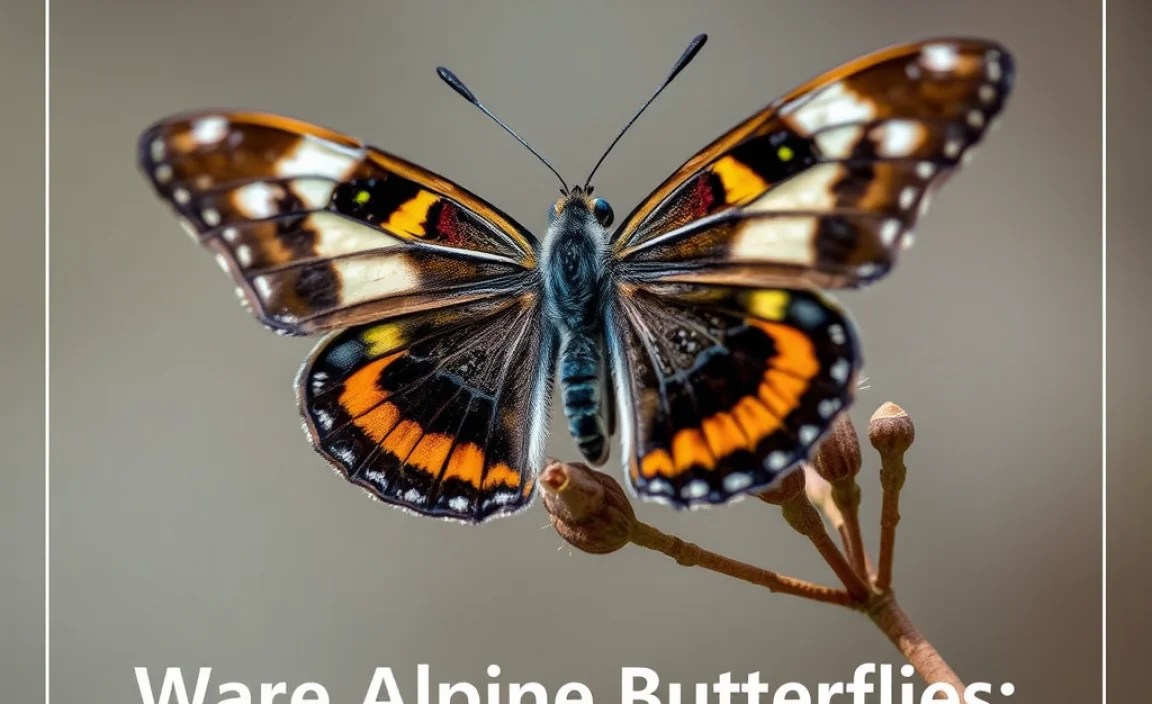
Rare alpine butterflies are special butterflies. They live in the mountains. These mountains are very high up. The air is thin and cold there. Not all butterflies can live there. Alpine butterflies have special ways to stay alive. They are adapted to the cold. They can handle strong winds. They also find food in a tough place. These butterflies are often very colorful. Their colors help them hide. They can blend in with the rocks and plants. Some are small and delicate. Others are bigger and stronger. They are all important to the mountain. They help the plants by spreading pollen. They are also food for other animals. Protecting these butterflies helps the whole mountain.
- They live in high mountains.
- The air is thin and cold.
- They have special adaptations.
- Their colors help them hide.
- They spread pollen for plants.
Imagine you are a little butterfly. You live on a very tall mountain. The wind is always blowing. It is very cold, even in summer. You need to find food. But there are not many flowers. You have to be strong to survive. Rare alpine butterflies are like this. They are tough little creatures. They face many challenges. These challenges make them special. Scientists study these butterflies. They want to learn how they survive. This can help us protect them. It can also help us learn about other animals. The mountains are a special place. The butterflies are part of what makes them special.
Fun Fact or Stat: Some alpine butterflies can only be found on one specific mountain range in the entire world!
Where Do They Live?
Where do rare alpine butterflies make their homes? These butterflies live in high mountain areas. They are found all over the world. You can find them in the Alps of Europe. They also live in the Rocky Mountains of North America. Some live in the Himalayas of Asia. These places have something in common. They are all very high up. The weather is cold and windy. The plants are small and tough. The butterflies need to be able to survive these conditions. They often live near rocky areas. They also live near meadows with wildflowers. These flowers give them food. The butterflies lay their eggs on special plants. The caterpillars eat these plants when they hatch.
What Do They Eat?
Have you ever wondered what rare alpine butterflies eat? These butterflies mostly eat nectar. Nectar is a sweet liquid. It is found in flowers. They use a long, straw-like tongue. This is called a proboscis. They stick it into the flower. Then they suck up the nectar. Caterpillars eat plants. They need to eat a lot to grow. They eat leaves and stems. Some caterpillars only eat one type of plant. This is called their host plant. If the host plant disappears, the caterpillar can’t survive. Butterflies and caterpillars are an important part of the food chain. Birds and other animals eat them. They help to keep the ecosystem healthy.
How Do They Survive the Cold?
How do rare alpine butterflies stay warm in the cold? Living in the mountains is tough. It is very cold. The butterflies have special ways to cope. Some butterflies have dark wings. Dark colors absorb heat from the sun. This helps them warm up quickly. They also bask in the sun. Basking is when they sit with their wings open. This lets them soak up the sun’s rays. Some butterflies have fuzzy bodies. The fuzz helps to insulate them. It keeps them warm like a coat. They also find shelter from the wind. They hide under rocks or in plants. These tricks help them survive the cold mountain weather.
Why Are Rare Alpine Butterflies Special?

Rare alpine butterflies are special for many reasons. They are adapted to a very harsh environment. They can survive in cold and windy conditions. They also play an important role in their ecosystem. They help pollinate plants. This means they help plants make seeds. They are also a food source for other animals. These butterflies are also beautiful. Their colors and patterns are unique. They add beauty to the mountain landscape. Many of these butterflies are rare. This means there are not many of them left. They are threatened by habitat loss and climate change. It is important to protect them. We need to keep these special butterflies around for a long time.
- They live in harsh environments.
- They pollinate plants.
- They are food for other animals.
- Their colors are unique and beautiful.
- Many are rare and threatened.
Imagine finding a tiny, colorful butterfly. It is fluttering around a rocky mountain. It is a rare alpine butterfly. It has survived in this tough place. It has found food and shelter. It has avoided predators. This butterfly is a survivor. It represents the strength of nature. It shows how animals can adapt. But it also shows how fragile they are. These butterflies need our help. We need to protect their homes. We need to stop climate change. We need to make sure they can continue to survive. They are a treasure of the mountains.
Fun Fact or Stat: Some alpine butterflies have life cycles that can last several years, much longer than many other butterfly species!
Their Unique Adaptations
Rare alpine butterflies have amazing adaptations. These help them live in the mountains. They have strong wings. This helps them fly in the wind. Some have dark colors to absorb heat. Others have fuzzy bodies for insulation. They can also change their body temperature. This helps them stay warm or cool. Their caterpillars also have adaptations. Some caterpillars are camouflaged. This helps them hide from predators. Others can survive freezing temperatures. These adaptations are important. They allow the butterflies to thrive. They make them special and unique.
Their Role in the Ecosystem
What role do rare alpine butterflies play? These butterflies are important to the mountain ecosystem. They help pollinate plants. As they fly from flower to flower, they carry pollen. Pollen is needed for plants to make seeds. Without butterflies, some plants would not be able to reproduce. Butterflies are also a food source for other animals. Birds, spiders, and other insects eat them. Caterpillars also eat plants. This helps to control plant growth. The butterflies help keep the ecosystem balanced. If they disappear, it could affect other plants and animals.
Why They Are Important to Protect
Why is it important to protect rare alpine butterflies? These butterflies are a sign of a healthy mountain ecosystem. If they are doing well, it means the environment is healthy. If they are struggling, it could mean there is a problem. Protecting them helps protect the whole mountain. Climate change and habitat loss threaten them. We need to reduce pollution. We also need to protect their homes. By protecting them, we protect the mountains. We also protect other plants and animals. It is our responsibility to care for these special creatures.
Threats to Rare Alpine Butterflies

Rare alpine butterflies face many threats. These threats put them in danger. Climate change is a big problem. As the Earth gets warmer, the mountains change. The butterflies’ habitat shrinks. They can’t live in warmer places. Habitat loss is another threat. People build roads and houses in the mountains. This destroys the butterflies’ homes. Pollution also hurts them. Pesticides can kill them. Air pollution can harm their food plants. Over-collecting is a threat too. Some people collect butterflies. This can reduce their numbers. We need to protect these butterflies from these threats. We need to make sure they can survive.
- Climate change warms their habitat.
- Habitat loss destroys their homes.
- Pollution harms them and their food.
- Over-collecting reduces their numbers.
- These threats endanger their survival.
Imagine a beautiful mountain meadow. It is full of wildflowers. Rare alpine butterflies flutter around. They are happy and healthy. But now imagine the same meadow. It is dry and brown. The wildflowers are gone. The butterflies are nowhere to be seen. This could happen if we don’t protect them. Climate change could make the mountains too warm. Habitat loss could destroy their homes. Pollution could poison them. We need to act now. We need to protect these butterflies. We need to keep the mountains beautiful.
Fun Fact or Stat: Some alpine butterfly populations have declined by as much as 50% in recent years due to habitat loss and climate change!
Climate Change Impacts
How does climate change affect rare alpine butterflies? The Earth is getting warmer. This is changing the mountains. Snow is melting earlier. Flowers are blooming sooner. This can confuse the butterflies. They may hatch too early or too late. They may not be able to find food. The warmer temperatures can also stress them. They may not be able to survive in the heat. Climate change is a serious threat. We need to reduce greenhouse gases. This will help slow down climate change. It will also help protect these butterflies.
Habitat Loss and Fragmentation
What is habitat loss and how does it hurt rare alpine butterflies? Habitat loss is when their homes are destroyed. People build roads, houses, and ski resorts. This destroys the butterflies’ habitat. Fragmentation is when their habitat is broken up into small pieces. This makes it hard for them to move around. They can’t find food or mates. Habitat loss and fragmentation are big problems. We need to protect their habitat. We need to stop building in the mountains. We also need to connect their habitat. This will help them survive.
Pollution and Pesticide Use
How does pollution harm rare alpine butterflies? Pollution can poison them. Pesticides are used to kill insects. But they can also kill butterflies. Air pollution can harm their food plants. This makes it hard for them to find food. Pollution is a serious threat. We need to reduce pollution. We need to stop using pesticides. We also need to clean up the air and water. This will help protect these butterflies.
Where Can You Find Rare Alpine Butterflies?

Do you want to see rare alpine butterflies? You need to go to the mountains. They live in high-altitude areas. Some places to find them include the Alps in Europe. The Rocky Mountains in North America are also good. You can also find them in the Himalayas in Asia. Look for them in meadows with wildflowers. They like to fly around the flowers. They also like rocky areas. Bring a camera and binoculars. Be patient and quiet. You might see one of these special butterflies. Remember to respect their home. Don’t disturb them or their habitat. Enjoy the beauty of the mountains and the butterflies.
- The Alps in Europe are a good place.
- The Rocky Mountains in North America have them.
- The Himalayas in Asia are another spot.
- Look in meadows with wildflowers.
- Be patient and respect their habitat.
Imagine hiking up a tall mountain. The air is crisp and clean. You see wildflowers all around. Suddenly, a colorful butterfly flits by. It is a rare alpine butterfly. It is a magical moment. You feel lucky to see it. This is the kind of experience you can have. But you need to be prepared. Wear good hiking shoes. Bring water and snacks. Check the weather forecast. Be aware of your surroundings. And most importantly, respect the environment. Leave no trace behind. This will help protect the butterflies and their home.
Fun Fact or Stat: Some alpine butterfly species are so localized that they are only found within a few square kilometers!
Specific Mountain Ranges
Which mountain ranges are home to rare alpine butterflies? The Alps are a famous mountain range. They are in Europe. Many different species live there. The Rocky Mountains are in North America. They are also home to many species. The Himalayas are in Asia. They are the highest mountains in the world. Some very rare species live there. Other mountain ranges include the Andes in South America. The Pyrenees in Europe also have them. Each mountain range has its own unique butterflies. This makes them special and important.
Best Times to Visit
When is the best time to see rare alpine butterflies? Summer is usually the best time. The weather is warmer. The flowers are blooming. The butterflies are more active. However, it can also be crowded. Spring and fall can be good too. There are fewer people. But the weather can be unpredictable. It is important to check the weather forecast. Also, be aware that the butterfly season is short. It only lasts a few weeks or months. Plan your trip carefully. This will give you the best chance of seeing them.
What to Bring
What should you bring when looking for rare alpine butterflies? Bring good hiking shoes. The mountains can be steep and rocky. Bring water and snacks. You will need energy for hiking. Bring a camera and binoculars. You will want to take pictures and see them up close. Bring sunscreen and a hat. The sun can be strong at high altitudes. Also, bring a field guide. This will help you identify the butterflies. And most importantly, bring respect for nature. Don’t disturb the butterflies or their habitat.
How Can We Protect Rare Alpine Butterflies?

We can do many things to protect rare alpine butterflies. We can reduce climate change. This means using less energy. We can also protect their habitat. This means stopping development in the mountains. We can also reduce pollution. This means using less pesticides. We can also educate others about these butterflies. This means telling people about them. We can also support conservation organizations. These organizations work to protect them. By working together, we can help them survive. We can keep the mountains beautiful for future generations.
- Reduce climate change by using less energy.
- Protect their habitat from development.
- Reduce pollution by using less pesticides.
- Educate others about these special butterflies.
- Support conservation organizations that protect them.
Imagine a world where rare alpine butterflies thrive. The mountains are healthy. The air is clean. The butterflies flutter around freely. This is the world we can create. But it takes effort. We need to be responsible. We need to make good choices. We need to protect the environment. Every little bit helps. You can start by recycling. You can also save energy. You can also plant flowers for butterflies. You can also tell your friends about them. Together, we can make a difference.
Fun Fact or Stat: Supporting local conservation groups is a great way to directly contribute to the protection of rare alpine butterflies and their habitats!
Supporting Conservation Efforts
How can you support conservation efforts for rare alpine butterflies? You can donate to conservation organizations. These organizations work to protect them. You can also volunteer your time. You can help with habitat restoration. You can also help with butterfly surveys. You can also educate others about these butterflies. You can also support policies that protect them. Every little bit helps. By working together, we can make a difference. We can keep the mountains beautiful for future generations.
Reducing Your Carbon Footprint
How can you reduce your carbon footprint to help rare alpine butterflies? Use less energy at home. Turn off the lights when you leave a room. Unplug electronics when you are not using them. Walk, bike, or take public transportation instead of driving. Eat less meat. Meat production uses a lot of energy. Buy local and sustainable products. These products are better for the environment. Reducing your carbon footprint helps slow down climate change. This protects the butterflies’ habitat.
Creating Butterfly-Friendly Gardens
How can you create a butterfly-friendly garden to help rare alpine butterflies? Plant wildflowers that they like. Native plants are best. Avoid using pesticides. Pesticides can kill them. Provide a source of water. A shallow dish with water and rocks works well. Provide shelter from the wind. Plant shrubs and trees. Let some areas of your garden grow wild. This provides habitat for caterpillars. Creating a butterfly-friendly garden helps them survive. It also makes your garden more beautiful.
Examples of Rare Alpine Butterflies
There are many different kinds of rare alpine butterflies. Each one is unique and special. The Apollo butterfly is a large, white butterfly. It has red spots on its wings. It lives in the mountains of Europe and Asia. The Parnassius butterfly is another beautiful butterfly. It has transparent wings with black markings. It lives in the mountains of North America and Asia. The Erebia butterfly is a small, brown butterfly. It lives in the mountains all over the world. These are just a few examples. There are many more to discover. Each one plays an important role in the mountain ecosystem.
- The Apollo butterfly is large and white.
- The Parnassius has transparent wings.
- The Erebia is small and brown.
- Each plays a role in the ecosystem.
- Many more species exist to discover.
Imagine seeing a butterfly you have never seen before. It is a rare alpine butterfly. It is beautiful and unique. You feel excited and amazed. You want to learn more about it. This is the joy of discovering new things. There are so many different species of butterflies. Each one is special in its own way. They are all part of the amazing diversity of nature. We need to protect them. We need to keep them around for future generations to enjoy.
Fun Fact or Stat: Some rare alpine butterflies are named after the mountains where they were first discovered!
The Apollo Butterfly
The Apollo butterfly is a stunning insect. It has large, white wings. Red spots dot its wings. These spots make it easy to identify. It lives in the high mountains of Europe and Asia. It is a protected species. Its populations have declined due to habitat loss. Conservation efforts are underway to protect it. The Apollo butterfly is a symbol of the beauty and fragility of nature. It reminds us to care for the environment. It is a treasure of the mountains.
The Parnassius Butterfly
The Parnassius butterfly is another beautiful butterfly. It has transparent wings. Black markings decorate its wings. This gives it a delicate and elegant look. It lives in the mountains of North America and Asia. It is adapted to cold and windy conditions. Its caterpillars feed on specific plants. Protecting these plants is important for its survival. The Parnassius butterfly is a fascinating creature. It is a reminder of the wonders of nature.
The Erebia Butterfly
The Erebia butterfly is a small, brown butterfly. It is not as showy as the Apollo or Parnassius. But it is still an important part of the ecosystem. It lives in the mountains all over the world. It is one of the most widespread alpine butterflies. It is adapted to a variety of habitats. Its caterpillars feed on grasses. The Erebia butterfly is a resilient and adaptable creature. It shows us that even the smallest creatures can be important.
Comparing Different Alpine Butterflies
Rare alpine butterflies are diverse. They vary in size, color, and habitat. Some are large and showy. Others are small and camouflaged. Some live in rocky areas. Others live in meadows. Comparing different species helps us understand them better. It also helps us appreciate their unique adaptations. This table shows a comparison of three different species.
| Butterfly Species | Size | Color | Habitat | Conservation Status |
|---|---|---|---|---|
| Apollo | Large (60-80mm) | White with red spots | High-altitude meadows | Vulnerable |
| Parnassius | Medium (50-70mm) | Transparent with black markings | Rocky slopes | Near Threatened |
| Erebia | Small (30-40mm) | Brown | Various alpine habitats | Least Concern |
| Colias | Medium (45-55mm) | Yellow or orange | Alpine meadows and grasslands | Generally stable |
- They vary in size and color.
- Their habitats differ greatly.
- Comparing them helps us understand them.
- Adaptations are unique to each species.
- Conservation status varies by species.
Imagine you are a scientist. You are studying rare alpine butterflies. You want to learn about their differences. You compare their size, color, and habitat. You also study their behavior and diet. You collect data and analyze it. You publish your findings in a scientific journal. This helps other scientists learn about these butterflies. It also helps conservationists protect them. Science is important for understanding and protecting nature.
Fun Fact or Stat: Scientists use DNA analysis to understand the relationships between different species of alpine butterflies!
Size and Appearance
How do rare alpine butterflies differ in size and appearance? Some are large and showy. The Apollo butterfly is a good example. Others are small and camouflaged. The Erebia butterfly is an example of this. Their colors and patterns also vary greatly. Some have bright colors to attract mates. Others have dull colors to blend in with their surroundings. Their size and appearance are adapted to their specific environment.
Habitat Preferences
What kind of habitats do rare alpine butterflies prefer? Some prefer rocky areas. They can find shelter from the wind there. Others prefer meadows with wildflowers. They can find food there. Some live in forests. Others live in grasslands. Their habitat preferences depend on their specific needs. Protecting their habitat is crucial for their survival.
Conservation Status
What is the conservation status of different rare alpine butterflies? Some are endangered. This means they are at risk of extinction. Others are threatened. This means they are likely to become endangered. Some are vulnerable. This means they are at risk of becoming threatened. Others are of least concern. This means they are not currently at risk. But their populations can still decline. It is important to monitor their populations. It is also important to protect their habitat.
Summary
Rare alpine butterflies are special insects. They live in high mountain areas. They have adapted to the cold and windy conditions. They play an important role in the ecosystem. They help pollinate plants. They are also a food source for other animals. However, they face many threats. Climate change, habitat loss, and pollution endanger them. We need to protect them. We can reduce our carbon footprint. We can support conservation efforts. We can also educate others about these butterflies. By working together, we can help them survive. We can keep the mountains beautiful for future generations.
Conclusion
Rare alpine butterflies are treasures of the mountains. They are beautiful and unique. They are also important to the ecosystem. They face many threats. We must protect them. We can all do something to help. Let’s work together. Let’s keep these butterflies flying. They deserve a safe and healthy home. We can make a difference for these rare alpine butterflies.
Frequently Asked Questions
Question No 1: What makes rare alpine butterflies different from other butterflies?
Answer: Rare alpine butterflies are different because they live in very high mountain areas. These areas have cold weather, strong winds, and not many plants. These butterflies have special features to help them survive in these tough conditions. For example, some have dark wings to absorb heat from the sun, and others have fuzzy bodies to keep them warm. They are truly unique creatures adapted to a challenging environment.
Question No 2: Why are rare alpine butterflies important?
Answer: Rare alpine butterflies are important for a few reasons. First, they help pollinate plants in the mountains. When they fly from flower to flower, they carry pollen, which helps the plants make seeds. Second, they are a food source for other animals, like birds and spiders. Third, they are a sign of a healthy mountain environment. If the butterflies are doing well, it means the mountains are also doing well. Protecting these butterflies helps protect the entire mountain ecosystem.
Question No 3: What are the biggest threats to rare alpine butterflies?
Answer: The biggest threats to rare alpine butterflies are climate change, habitat loss, and pollution. Climate change is making the mountains warmer, which can hurt the butterflies and the plants they need to survive. Habitat loss happens when people build roads, houses, and ski resorts in the mountains, destroying the butterflies’ homes. Pollution, especially from pesticides, can poison the butterflies and their food plants. These threats make it hard for the butterflies to survive.
Question No 4: Where can I see rare alpine butterflies?
Answer: You can see rare alpine butterflies in high mountain areas around the world. Some good places to look include the Alps in Europe, the Rocky Mountains in North America, and the Himalayas in Asia. When you visit these places, look for them in meadows with wildflowers and rocky areas. Remember to be patient and quiet, and respect their habitat. Bring a camera and binoculars to get a good look.
Question No 5: How can I help protect rare alpine butterflies?
Answer: There are many things you can do to help protect rare alpine butterflies. You can reduce your carbon footprint by using less energy at home and choosing sustainable transportation options. You can support conservation organizations that work to protect their habitat. You can also educate others about these butterflies and the threats they face. Even small actions can make a big difference in helping them survive.
Question No 6: What are some examples of rare alpine butterflies?
Answer: Some examples of rare alpine butterflies include the Apollo butterfly, which is large and white with red spots; the Parnassius butterfly, which has transparent wings with black markings; and the Erebia butterfly, which is small and brown. Each of these butterflies has its own unique features and plays a special role in the mountain ecosystem. They are all worth protecting.


