
European Butterfly Wing Coloration Meanings: Secret?

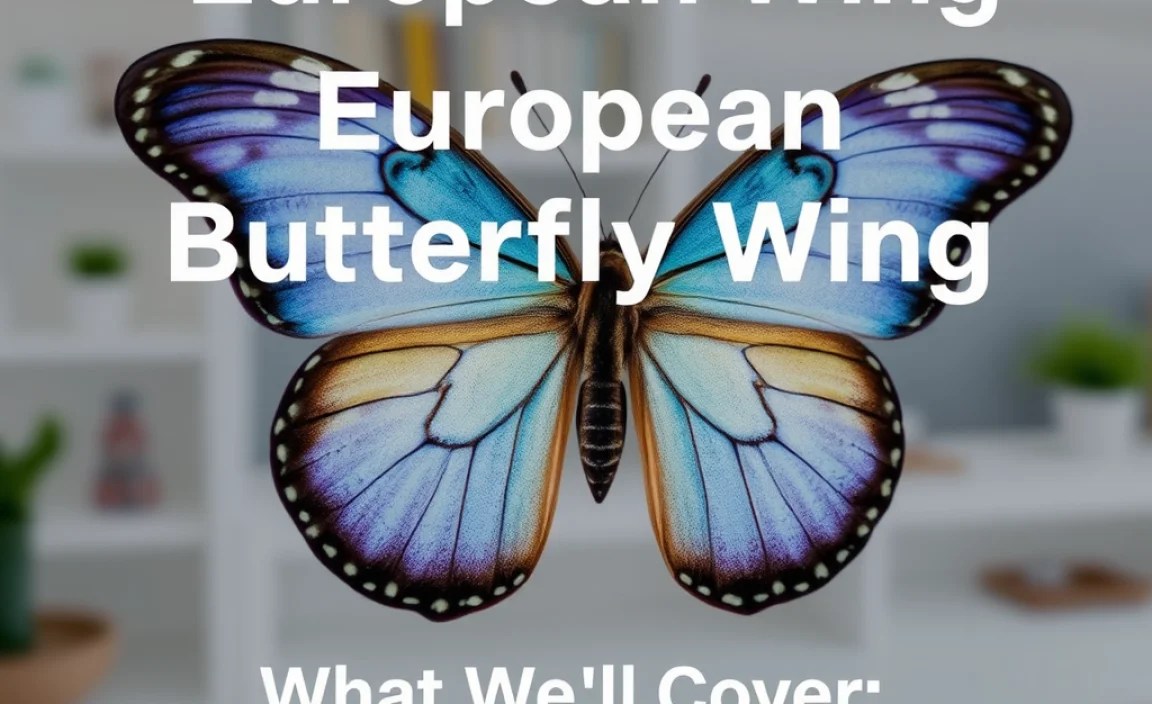
European butterfly wing colors often signal important information! From attracting mates with bright hues to using camouflage for protection and warning predators with toxic signals, a butterfly’s wing patterns are far more than just pretty decorations. Understanding these color meanings can deepen your appreciation for these amazing insects and their vital role in nature.
Have you ever admired a butterfly’s wings and wondered what those colors and patterns really mean? It’s easy to get lost in their beauty, but butterfly wings are like nature’s secret code. They use colors to talk to each other, hide from danger, and even warn predators to stay away. Figuring out this code can unlock a whole new level of understanding and respect for these delicate creatures. Let’s explore the fascinating world of European butterfly wing coloration!
What We’ll Cover:
- Color as camouflage: How butterflies use color to blend in.
- Attracting mates: The role of color in butterfly courtship.
- Warning signals: How bright colors warn predators of toxicity.
- Mimicry: When butterflies imitate other species for protection.
- Regional variations: How color changes across different European environments.
Butterfly Wing Coloration Meanings: A Comprehensive Guide

Butterfly wings aren’t just for flying; they are also canvases displaying a wealth of information. The colors and patterns are vital for survival, playing key roles in camouflage, mate attraction, predator avoidance, and even thermoregulation. Let’s explore these functions in detail.
Camouflage: The Art of Disappearing
For many butterflies, survival depends on their ability to blend seamlessly into their surroundings. Camouflage helps them avoid detection by predators such as birds, lizards, and even other insects. The specific colors and patterns that provide effective camouflage vary depending on the butterfly’s habitat.
- Leaf Mimicry: Some butterflies, like the Willow Emerald (Sombreffe Lesene), have wings that closely resemble dead leaves. Their brown and mottled patterns allow them to disappear against leaf litter on the forest floor.
- Bark Camouflage: Others, such as certain species of Skippers, have dark, mottled wings that help them blend in with tree bark.
- Color Matching: Some butterflies adjust to their environments over generations, with populations in different regions showing slightly different colorations to match local vegetation.
Camouflage is a crucial survival strategy, especially for butterflies during their vulnerable resting stages. By blending into their environment, they significantly reduce the risk of being spotted by predators.
Attracting Mates: The Language of Love
Color plays a vital role in butterfly courtship rituals. Bright, vibrant colors and intricate patterns help butterflies attract potential mates. Males often have more striking colors than females, using their appearance to signal their fitness and genetic quality.
- Visual Signals: Male butterflies often display their bright wings during courtship flights, hoping to catch the attention of females.
- Ultraviolet Patterns: Many butterflies have ultraviolet (UV) patterns on their wings that are invisible to humans but easily seen by butterflies. These UV patterns can act as important signals during mate selection.
- Pheromones and Color: While color is important, it’s often combined with pheromones (chemical signals) to attract mates. The color acts as a visual cue, while the pheromones provide additional information about the butterfly’s species and sex.
The Peacock butterfly (Aglais io), with its distinctive eyespots, is a great example of a species that uses vibrant colors for mate attraction. These striking patterns help males stand out and attract the attention of females.
Warning Signals: “I’m Poisonous!”
Some butterflies use bright, contrasting colors to warn predators that they are toxic or distasteful. This strategy, known as aposematism, relies on the predator learning to associate the bright colors with a negative experience, such as a bad taste or illness.
- Toxicity from Diet: Many toxic butterflies obtain their poisonous compounds from the plants they eat as caterpillars. For example, the Monarch butterfly (Danaus plexippus) feeds on milkweed, which contains toxic cardiac glycosides.
- Bright Colors as a Warning: Butterflies that are toxic often have bright colors like red, orange, and yellow, which are easily visible and memorable to predators.
- Learned Avoidance: Predators that have tried to eat a toxic butterfly and experienced its unpleasant taste or effects are likely to avoid butterflies with similar colors and patterns in the future.
The Cinnabar moth (Tyria jacobaeae), though technically a moth, provides a clear example of aposematism. Its bright red and black coloration warns predators of its toxicity, which it acquires from feeding on ragwort as a caterpillar.
Mimicry: Copying for Survival
Mimicry is a fascinating evolutionary strategy where one species evolves to resemble another. In butterflies, mimicry often involves a palatable species imitating a toxic or unpalatable one, gaining protection from predators in the process.
- Batesian Mimicry: This type of mimicry involves a palatable species (the mimic) resembling an unpalatable species (the model). The mimic benefits because predators avoid it, mistaking it for the toxic model.
- Müllerian Mimicry: In this case, multiple unpalatable species resemble each other. This benefits all species involved because predators learn to avoid the shared warning pattern more quickly.
A classic example of Batesian mimicry is the Viceroy butterfly (Limenitis archippus), which mimics the Monarch butterfly. While the Viceroy is not as toxic as the Monarch, predators often avoid it because of its resemblance to the Monarch’s warning coloration.
Regional Variations: Adapting to Local Environments
Butterfly wing coloration can vary significantly across different regions, reflecting adaptations to local environmental conditions. These variations can be influenced by factors such as climate, vegetation, and the presence of specific predators.
- Climate and Color: In colder regions, butterflies may have darker wings to absorb more heat from the sun. In warmer regions, lighter colors may help reflect sunlight and prevent overheating.
- Vegetation and Camouflage: Butterfly populations in different regions may evolve different camouflage patterns to match the local vegetation.
- Predator Pressure: The presence of specific predators can also drive regional variations in wing coloration, as butterflies adapt to avoid being detected.
For example, the Comma butterfly (Polygonia c-album) exhibits significant regional variation in its wing coloration. Butterflies in northern regions tend to be darker, while those in southern regions are often lighter and more brightly colored.
Examples of Butterfly Wing Coloration Meanings

Let’s look at specific examples of European butterflies and the meanings behind their wing colors:
| Butterfly Species | Wing Coloration | Meaning/Function |
|---|---|---|
| Peacock Butterfly (Aglais io) | Bright, iridescent eyespots on a reddish-brown background | Mate attraction, startling predators |
| Brimstone Butterfly (Gonepteryx rhamni) | Bright yellow (male), pale green (female) | Camouflage (female), mate attraction (male) |
| Orange-tip Butterfly (Anthocharis cardamines) | White with orange tips (male), mottled green underside | Mate attraction (male), camouflage (both) |
| Comma Butterfly (Polygonia c-album) | Orange and brown with jagged edges | Camouflage, regional variation |
| Adonis Blue Butterfly (Polyommatus bellargus) | Bright blue (male), brown with orange spots (female) | Mate attraction (male), camouflage (female) |
| Red Admiral (Vanessa atalanta) | Black with red bands and white spots | Warning coloration, territorial displays |
These examples illustrate the diversity of wing coloration meanings and how butterflies use color to survive and reproduce in their specific environments.
Attracting Butterflies to Your Garden

Want to see these colorful creatures up close? Attracting butterflies to your garden is easier than you might think! By providing the right resources, you can create a butterfly-friendly habitat that supports these beautiful insects.
Planting the Right Flowers
Butterflies need nectar-rich flowers to fuel their activities. Choose a variety of plants that bloom at different times of the year to provide a continuous food source.
- Good Choices: Buddleja (butterfly bush), lavender, sedum, echinacea, and verbena.
- Native Plants: Prioritize native plants, as they are often the best food source for local butterfly species.
- Color Variety: Plant flowers of different colors to attract a wider range of butterflies.
Providing Host Plants
Butterflies also need host plants for their caterpillars to feed on. These are specific plants that the female butterfly will lay her eggs on. Without these plants, the caterpillars won’t be able to survive.
- Monarchs and Milkweed: Monarch caterpillars feed exclusively on milkweed.
- Swallowtails and Parsley: Swallowtail caterpillars often feed on plants in the parsley family, such as dill, fennel, and parsley.
- Specific Needs: Research which butterflies are common in your area and provide the appropriate host plants for their caterpillars.
Creating a Butterfly-Friendly Habitat
In addition to food sources, butterflies need shelter, water, and basking spots.
- Shelter: Provide shrubs and trees for butterflies to take refuge from wind and rain.
- Water: Create a shallow puddle or dish of water with pebbles for butterflies to land on and drink.
- Basking Spots: Butterflies need to bask in the sun to warm up their flight muscles. Provide flat stones or rocks in sunny locations for them to use.
- Avoid Pesticides: Pesticides can be harmful to butterflies and other beneficial insects. Avoid using them in your garden.
By creating a butterfly-friendly garden, you can enjoy the beauty of these colorful creatures while also supporting their conservation.
Conservation Efforts: Protecting Butterfly Populations
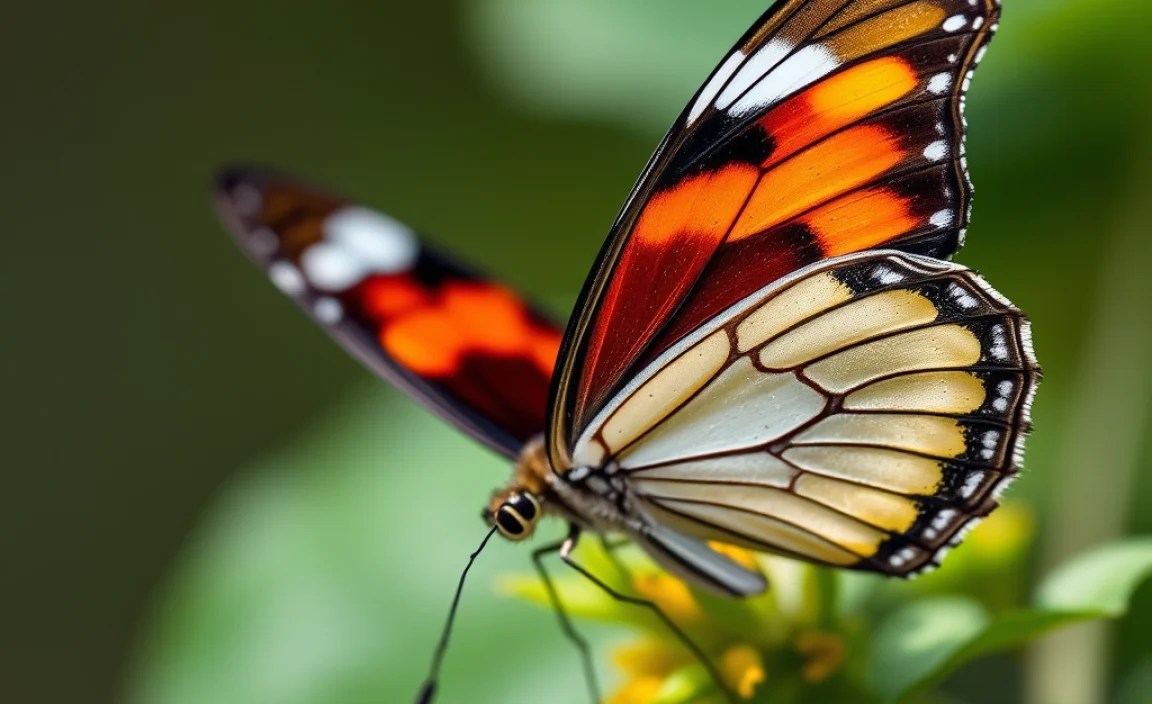
Butterfly populations are declining in many parts of the world due to habitat loss, pesticide use, and climate change. It’s important to support conservation efforts to protect these vital insects.
Habitat Preservation
Protecting and restoring butterfly habitats is crucial for their survival. This includes preserving natural areas, creating butterfly-friendly gardens, and promoting sustainable land management practices.
Reducing Pesticide Use
Pesticides can have devastating effects on butterfly populations. Reducing pesticide use in agriculture, gardens, and public spaces is essential for protecting these insects.
Supporting Conservation Organizations
Many organizations are working to protect butterflies and their habitats. Supporting these organizations through donations, volunteering, or advocacy can make a real difference.
Here are some organizations that focus on butterfly conservation:
- The Xerces Society: A non-profit organization that protects wildlife through the conservation of invertebrates and their habitats.
- Butterfly Conservation: A UK-based organization dedicated to saving butterflies, moths, and their habitats.
Citizen Science
Participating in citizen science projects can help researchers monitor butterfly populations and track their movements. This data is valuable for understanding butterfly ecology and developing effective conservation strategies.
By taking action to protect butterflies, we can help ensure that these beautiful and important insects continue to thrive for generations to come.
FAQ: Butterfly Wing Coloration Meanings
Here are some frequently asked questions about butterfly wing coloration meanings:
1. Why are some butterfly wings so colorful?
Butterfly wings are colorful for several reasons, including attracting mates, warning predators of toxicity (aposematism), and camouflage. The specific colors and patterns serve different functions depending on the species and its environment.
2. Do butterflies see the same colors we do?
No, butterflies can see a wider range of colors than humans, including ultraviolet (UV) light. Many butterflies have UV patterns on their wings that are invisible to humans but play a role in mate attraction and species recognition.
3. How do butterflies get their colors?
Butterfly wings get their colors from pigments and structural coloration. Pigments are chemical compounds that absorb certain wavelengths of light and reflect others, creating color. Structural coloration is produced by the microscopic structure of the wing scales, which can reflect light in different ways to create iridescent or metallic colors.
4. What is the difference between camouflage and mimicry?
Camouflage is when a butterfly blends in with its environment to avoid detection by predators. Mimicry is when a butterfly resembles another species, usually to gain protection from predators. In Batesian mimicry, a palatable species mimics a toxic one, while in Müllerian mimicry, multiple toxic species resemble each other.
5. Are all brightly colored butterflies poisonous?
No, not all brightly colored butterflies are poisonous. Some brightly colored butterflies are indeed toxic and use their colors as a warning signal (aposematism). However, others are palatable and mimic toxic species to gain protection from predators (Batesian mimicry).
6. How can I tell if a butterfly is poisonous?
It can be difficult to tell if a butterfly is poisonous just by looking at it. Generally, butterflies with very bright and contrasting colors (e.g., red, orange, yellow, black) are more likely to be toxic. However, the best way to determine if a butterfly is poisonous is to research the species and its known toxicity levels.
7. Why do butterfly wing colors vary by region?
Butterfly wing colors can vary by region due to adaptations to local environmental conditions. Factors such as climate, vegetation, and the presence of specific predators can influence the evolution of wing coloration. For example, butterflies in colder regions may have darker wings to absorb more heat, while those in warmer regions may have lighter colors to reflect sunlight.
Conclusion
As you can see, the world of {European butterfly wing coloration meanings} is much more than just beauty; it’s a complex language of survival, attraction, and adaptation. By understanding the roles that color plays in a butterfly’s life, we can gain a deeper appreciation for these incredible creatures and the vital role they play in our ecosystems. Whether it’s the clever camouflage that helps them hide, the vibrant hues that attract a mate, or the bold warnings that deter predators, each color and pattern tells a story. I hope this guide has inspired you to look more closely at the butterflies around you and to consider how you can help protect them and their habitats for generations to come. Happy butterfly watching!


