Swallowtail Butterfly Climate Change Impact: Powerful Future?

Climate change significantly impacts swallowtail butterflies. Warmer temperatures can disrupt their life cycles, causing mismatches with food sources. Habitat loss due to changing weather patterns and extreme events like droughts and floods also threatens their survival. Conservation efforts are crucial to help these beautiful creatures adapt to a rapidly changing world.
Have you noticed changes in the butterflies fluttering around your garden? Maybe fewer swallowtails than you remember? It’s not just your imagination. Climate change is impacting these delicate creatures, and the effects can be quite profound. Understanding these impacts is the first step in helping these beautiful insects thrive.
In this article, we’ll explore how climate change affects swallowtail butterflies, from altered life cycles to habitat loss. We’ll also discuss what you can do to help protect these vital pollinators. Get ready to dive into the fascinating world of swallowtails and discover how we can make a difference!
Frequently Asked Questions About Swallowtail Butterflies and Climate Change
What are the main threats to swallowtail butterflies from climate change?
The main threats include disruption of their life cycles due to warmer temperatures, habitat loss from changing weather patterns, and increased frequency of extreme weather events.
How does climate change affect swallowtail migration?
Climate change can alter migration patterns, causing butterflies to emerge earlier or shift their ranges in search of suitable habitats and food sources. This can lead to mismatches with the availability of host plants.
Can swallowtail butterflies adapt to climate change?
Some swallowtail populations may adapt to changing conditions over time through genetic changes or behavioral shifts, but the rate of climate change may exceed their ability to adapt quickly enough.
What can I do to help swallowtail butterflies in my garden?
You can plant native host plants and nectar sources, avoid using pesticides, provide a water source, and create a sheltered environment to help swallowtails thrive.
Are all swallowtail species equally affected by climate change?
No, different swallowtail species have varying sensitivities to climate change depending on their specific habitat requirements, food sources, and adaptive capacities.
How does habitat loss impact swallowtail butterflies?
Habitat loss reduces the availability of host plants for larvae and nectar sources for adults, leading to decreased populations and increased vulnerability to other threats.
What conservation efforts are in place to protect swallowtail butterflies?
Conservation efforts include habitat restoration, captive breeding programs, monitoring populations, and implementing policies to reduce greenhouse gas emissions and mitigate climate change.
Understanding Swallowtail Butterflies
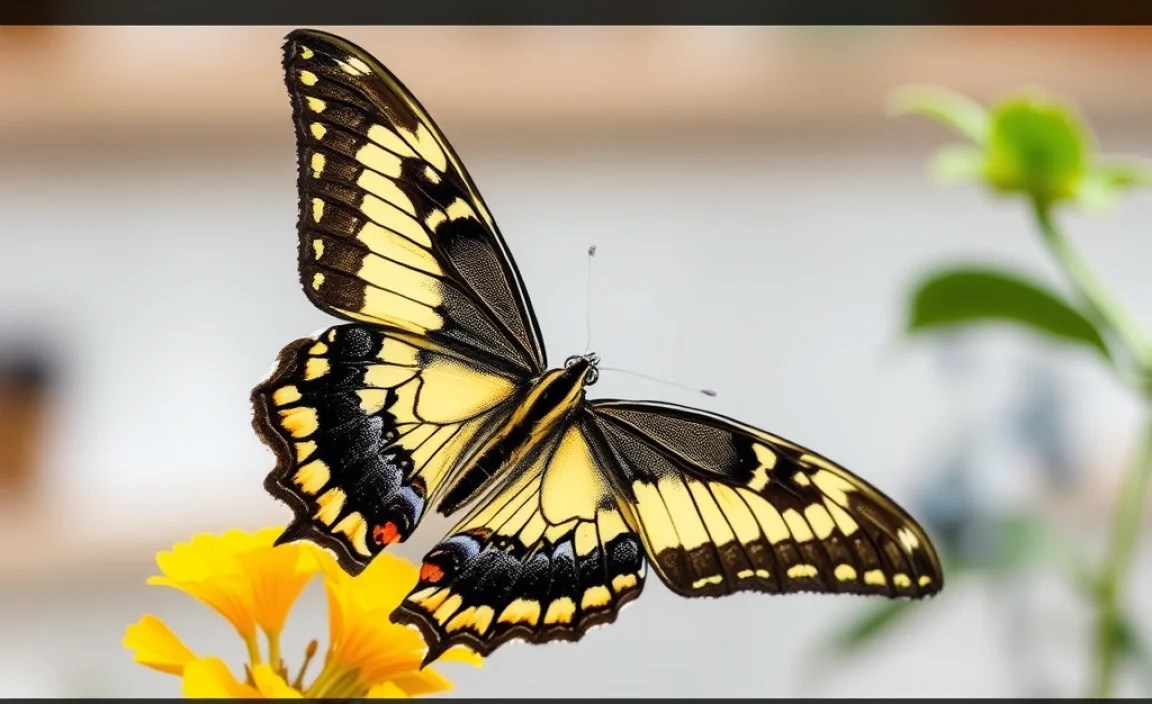
Before we delve into the impacts of climate change, let’s appreciate these fascinating insects. Swallowtail butterflies belong to the family Papilionidae, known for their large size, vibrant colors, and distinctive “tails” on their hindwings. They are found worldwide, with many species in North America, Europe, Asia, and Australia.
Swallowtails play a vital role in their ecosystems as pollinators. They feed on nectar from flowers, transferring pollen and helping plants reproduce. As caterpillars, they feed on specific host plants, contributing to the balance of plant communities. Their presence indicates a healthy ecosystem, making them important indicators of environmental change.
Here’s a quick overview of their life cycle:
- Egg: Laid on host plants.
- Larva (Caterpillar): Feeds and grows, molting several times.
- Pupa (Chrysalis): Transforms inside a protective shell.
- Adult Butterfly: Emerges to reproduce and pollinate.
The Impacts of Climate Change on Swallowtail Butterflies

Climate change is altering ecosystems worldwide, and swallowtail butterflies are not immune. Here are some key ways climate change affects these beautiful creatures:
Disrupted Life Cycles
Warmer temperatures can cause swallowtail butterflies to emerge earlier in the spring. This can lead to a mismatch with the availability of their host plants. If the caterpillars emerge before the plants have fully leafed out, they may starve. Similarly, if adult butterflies emerge before nectar sources are abundant, they may struggle to find food.
According to a study by the Nature Conservancy, the timing of butterfly emergence is highly sensitive to temperature changes. Even small shifts in temperature can have significant impacts on their survival rates.
Habitat Loss and Alteration
Climate change leads to changes in weather patterns, including more frequent and intense droughts, floods, and heatwaves. These extreme events can damage or destroy the habitats that swallowtail butterflies rely on. For example, prolonged droughts can kill off host plants, leaving caterpillars without a food source. Floods can wash away eggs and larvae.
Rising sea levels also threaten coastal habitats, which are home to some swallowtail species. As these habitats disappear, the butterflies lose their breeding grounds and food sources.
Range Shifts
As temperatures rise, some swallowtail species are shifting their ranges northward or to higher altitudes in search of cooler climates. While this may allow them to survive in the short term, it can lead to new challenges. They may encounter unfamiliar predators or competitors, or they may struggle to find suitable host plants in their new habitats.
A report by the National Wildlife Federation highlights that many butterfly species are already shifting their ranges in response to climate change, but the long-term consequences of these shifts are not yet fully understood.
Increased Exposure to Pests and Diseases
Climate change can also increase the vulnerability of swallowtail butterflies to pests and diseases. Warmer temperatures can favor the spread of certain pathogens, while stressed butterflies may be less able to resist infection. Changes in humidity and rainfall patterns can also create conditions that are more favorable for pests like aphids and mites, which can damage host plants.
Changes in Host Plant Availability
Swallowtail caterpillars are highly dependent on specific host plants for food. Climate change can affect the distribution and abundance of these plants. Some host plants may become less common in certain areas due to changing temperature and rainfall patterns, while others may shift their ranges. This can create challenges for swallowtail butterflies, especially those that are highly specialized feeders.
Here’s a table summarizing the key impacts:
| Impact | Description | Consequences |
|---|---|---|
| Disrupted Life Cycles | Warmer temperatures cause earlier emergence. | Mismatch with host plant availability, starvation. |
| Habitat Loss | Extreme weather events destroy habitats. | Loss of breeding grounds and food sources. |
| Range Shifts | Butterflies move to cooler areas. | Encounter unfamiliar predators and competitors. |
| Increased Pests/Diseases | Warmer temperatures favor pathogen spread. | Weakened butterflies, increased infection rates. |
| Host Plant Changes | Shifts in host plant distribution. | Food scarcity for caterpillars. |
Specific Examples of Climate Change Impacts on Swallowtail Species

To illustrate the impacts of climate change, let’s look at a few specific examples of swallowtail species:
Eastern Tiger Swallowtail (Papilio glaucus)
The Eastern Tiger Swallowtail is one of the most recognizable butterflies in North America. Climate change is affecting this species by altering the timing of its emergence. Warmer springs can cause them to emerge earlier, potentially leading to a mismatch with the availability of their host plants, which include tulip trees, wild cherry, and ash.
Additionally, changes in habitat due to deforestation and urbanization are further stressing these butterflies. Protecting and restoring their natural habitats is crucial for their survival.
Black Swallowtail (Papilio polyxenes)
The Black Swallowtail is another common species found throughout North America. Its caterpillars feed on plants in the parsley family, such as dill, fennel, and parsley. Climate change is impacting this species through changes in rainfall patterns. Increased drought can reduce the availability of these host plants, while heavy rainfall can wash away eggs and larvae.
Gardeners can help by planting these host plants in their gardens, providing a reliable food source for the caterpillars.
Pipevine Swallowtail (Battus philenor)
The Pipevine Swallowtail is known for its iridescent blue wings and its dependence on pipevine plants as a host. Climate change is affecting this species by altering the distribution of pipevine. As temperatures rise, pipevine plants may shift their ranges northward, potentially leaving populations of Pipevine Swallowtails behind.
Conserving and expanding pipevine habitats is essential for ensuring the survival of this beautiful butterfly.
Anise Swallowtail (Papilio zelicaon)
The Anise Swallowtail is commonly found in western North America. Its caterpillars feed on plants like anise, fennel, and other members of the carrot family. Changes in temperature and precipitation patterns due to climate change can affect the availability of these host plants, impacting the butterfly’s lifecycle.
Queen Alexandra’s Birdwing (Ornithoptera alexandrae)
This species, native to Papua New Guinea, is the largest butterfly in the world. It is critically endangered, and climate change exacerbates its precarious situation. Changes in rainfall patterns and increasing temperatures threaten its limited habitat, which is already under pressure from deforestation and agriculture. Conservation efforts are crucial to protect this iconic species from extinction.
What You Can Do to Help Swallowtail Butterflies
While the impacts of climate change may seem daunting, there are many things you can do to help swallowtail butterflies thrive. Here are some practical steps you can take:
Plant Native Host Plants
One of the most effective ways to help swallowtail butterflies is to plant their native host plants in your garden or community. This provides a reliable food source for the caterpillars. Some popular host plants include:
- Eastern Tiger Swallowtail: Tulip tree, wild cherry, ash
- Black Swallowtail: Dill, fennel, parsley
- Pipevine Swallowtail: Pipevine
- Anise Swallowtail: Anise, fennel, carrot
By planting these plants, you can create a welcoming habitat for swallowtail butterflies and support their life cycle.
Provide Nectar Sources
Adult swallowtail butterflies feed on nectar from flowers. Planting a variety of nectar-rich flowers in your garden can provide them with the energy they need to fly, reproduce, and pollinate. Some good nectar sources include:
- Butterfly bush (Buddleja davidii)
- Zinnia
- Coneflower (Echinacea)
- Salvia
- Lantana
Choose a mix of colors and flower shapes to attract a variety of butterfly species.
Avoid Pesticides
Pesticides can be harmful to butterflies, both directly and indirectly. They can kill caterpillars and adult butterflies, and they can also contaminate host plants and nectar sources. Avoid using pesticides in your garden, and opt for natural pest control methods instead. Some alternatives include:
- Hand-picking pests
- Using insecticidal soap
- Attracting beneficial insects like ladybugs
Create a Butterfly-Friendly Habitat
In addition to providing food sources, you can create a butterfly-friendly habitat by providing shelter and water. Butterflies need shelter from wind and rain, so plant trees and shrubs to create protected areas. You can also provide a shallow dish of water with pebbles or stones for butterflies to drink from.
Support Conservation Organizations
Many organizations are working to protect butterflies and their habitats. Support their efforts by donating, volunteering, or spreading awareness about their work. Some reputable organizations include:
Reduce Your Carbon Footprint
Climate change is a global problem that requires global solutions. Reduce your carbon footprint by making sustainable choices in your daily life. Some simple steps you can take include:
- Conserving energy at home
- Using public transportation or biking
- Eating less meat
- Recycling and reducing waste
Educate Others
Spread awareness about the importance of butterflies and the threats they face from climate change. Talk to your friends, family, and neighbors about what they can do to help. Share information on social media and participate in community events.
Here’s a table of actions you can take:
| Action | Description | Benefits |
|---|---|---|
| Plant Native Host Plants | Provide food for caterpillars. | Supports butterfly life cycle. |
| Provide Nectar Sources | Offer energy for adult butterflies. | Attracts a variety of species. |
| Avoid Pesticides | Protect butterflies from harm. | Maintains a healthy ecosystem. |
| Create a Butterfly Habitat | Offer shelter and water. | Provides safe environment. |
| Support Conservation Orgs | Donate, volunteer, spread awareness. | Boosts conservation efforts. |
| Reduce Carbon Footprint | Conserve energy, use public transport. | Mitigates climate change. |
| Educate Others | Share information and encourage action. | Increases community involvement. |
The Future of Swallowtail Butterflies in a Changing Climate
The future of swallowtail butterflies in a changing climate depends on our collective actions. While the challenges are significant, there is still hope. By understanding the impacts of climate change and taking steps to mitigate them, we can help these beautiful creatures thrive for generations to come.
Conservation efforts must focus on protecting and restoring habitats, reducing greenhouse gas emissions, and promoting sustainable practices. Individual actions, such as planting native plants and avoiding pesticides, can also make a difference. By working together, we can create a world where swallowtail butterflies continue to grace our gardens and ecosystems.
Remember, even small actions can contribute to a larger positive impact. Every flower planted, every pesticide avoided, and every conversation started can help create a brighter future for swallowtail butterflies and the planet.
Conclusion
Climate change poses a significant threat to swallowtail butterflies, impacting their life cycles, habitats, and overall survival. As we’ve explored, warmer temperatures, habitat loss, and increased exposure to pests and diseases are just some of the challenges these delicate creatures face. However, it’s not all doom and gloom! There are many steps we can take to help them adapt and thrive.
By planting native host plants and nectar sources, avoiding pesticides, creating butterfly-friendly habitats, supporting conservation organizations, reducing our carbon footprint, and educating others, we can make a real difference. Each action, no matter how small, contributes to a larger effort to protect these vital pollinators. Let’s work together to ensure that future generations can enjoy the beauty and ecological benefits of swallowtail butterflies. Let’s make a difference, one butterfly at a time!