
Glasswing Butterfly DNA Study: Amazing Secrets!

The glasswing butterfly’s incredible transparency is due to unique nanostructures on its wings. Recent DNA studies are helping us understand the specific genes responsible for this remarkable adaptation and how they evolved. This research has implications for biomimicry and materials science, potentially leading to new transparent materials.
Have you ever marveled at the magic of nature, like how a butterfly can seemingly disappear right before your eyes? The glasswing butterfly is a perfect example! It’s not just beautiful; it’s also a fascinating puzzle for scientists. Understanding how this butterfly achieves its transparency is like unlocking a secret code. We’ll explore the recent DNA studies that are helping us unravel the mystery of the glasswing butterfly’s see-through wings. It’s a journey into genetics, evolution, and the sheer brilliance of the natural world. So, get ready to spread your wings and learn something new!
Understanding the Glasswing Butterfly’s Transparency

The glasswing butterfly (Greta oto) is famous for its transparent wings. Unlike most butterflies with colorful, scaled wings, the glasswing has evolved a unique adaptation. Its wings lack the dense scales that scatter light, allowing it to blend seamlessly into its environment. This camouflage is crucial for avoiding predators in the rainforests of Central and South America.
The Science Behind the See-Through Wings
The transparency isn’t just a simple lack of scales. It’s an intricate design at the nanoscale. The wings are covered in tiny pillars that are randomly arranged and vary in height. This arrangement minimizes light reflection, allowing light to pass through the wing instead of bouncing off it. This reduces glare, making the butterfly nearly invisible.
Here’s a breakdown of what makes the glasswing butterfly’s wings so special:
- Nanostructures: Irregularly spaced nanopillars on the wing surface.
- Reduced Light Reflection: Pillars minimize light scattering, enhancing transparency.
- Camouflage: Transparency helps the butterfly blend into its habitat, avoiding predators.
The Role of DNA Studies

Recent DNA studies are diving deep into the genetic makeup of the glasswing butterfly. Scientists are trying to pinpoint the specific genes responsible for the development of these unique nanostructures. By comparing the glasswing’s genome to those of other butterflies, they can identify the genes that are unique or expressed differently in the glasswing. This is like finding the specific ingredients in a recipe that make a dish special.
Identifying Key Genes
Researchers use advanced techniques like genome sequencing and transcriptomics to study the glasswing’s DNA. Genome sequencing maps out the entire genetic code, while transcriptomics measures the activity of different genes. By analyzing this data, scientists can identify genes that are highly active during wing development. These genes are likely involved in creating the nanostructures that give the glasswing its transparency.
The process involves:
- Genome Sequencing: Mapping the entire DNA of the glasswing butterfly.
- Transcriptomics: Measuring gene activity during wing development.
- Comparative Analysis: Comparing the glasswing’s genome to other butterfly species.
- Gene Identification: Pinpointing genes responsible for wing transparency.
Key Findings from DNA Studies
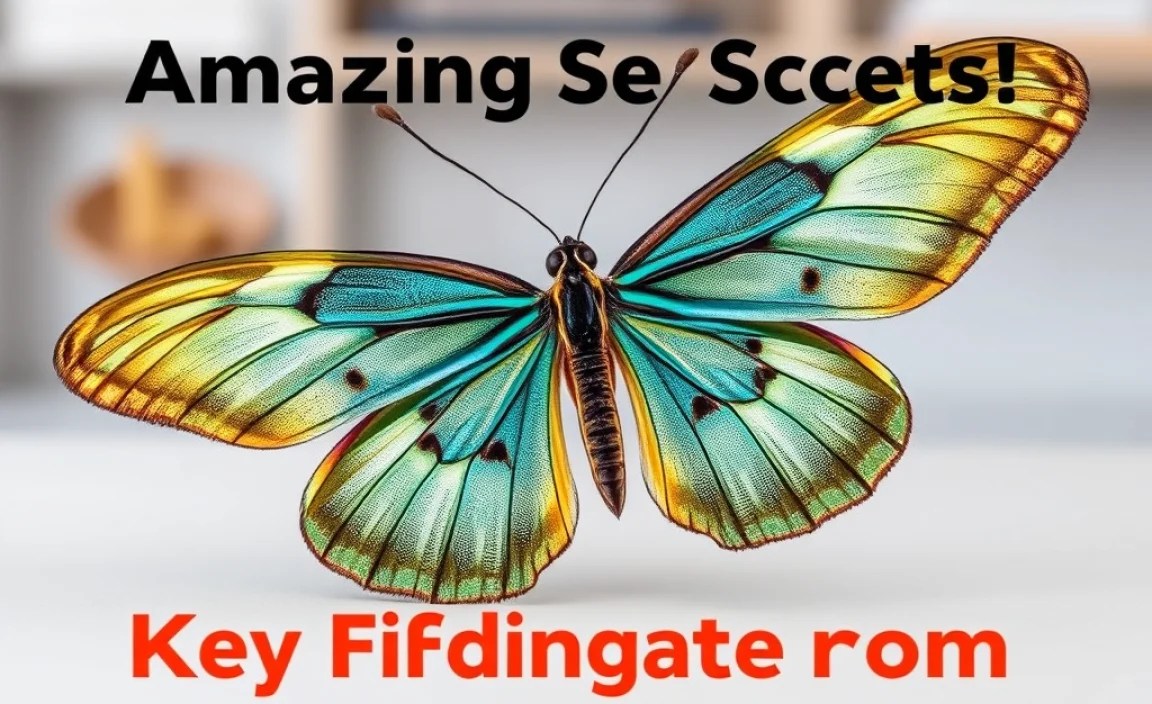
Several key findings have emerged from these DNA studies, shedding light on the genetic basis of wing transparency.
Specific Genes Linked to Transparency
Scientists have identified several genes that appear to play a crucial role in the development of the wing nanostructures. These genes are involved in the production of chitin, the main component of the butterfly’s exoskeleton. Variations in these genes may affect the size, shape, and arrangement of the nanopillars, ultimately influencing the wing’s transparency. Researchers at the California Institute of Technology have published significant findings on the genetic mechanisms behind wing structure, highlighting the importance of chitin-related genes (Caltech).
Evolutionary Insights
DNA studies also provide insights into the evolution of wing transparency. By comparing the genomes of different butterfly species, scientists can trace the evolutionary history of the genes involved in transparency. This can help us understand how and why the glasswing butterfly evolved its unique adaptation. It’s like piecing together a family tree to see how different traits evolved over time.
Potential for Biomimicry
The glasswing butterfly’s transparency has inspired scientists and engineers to develop new materials with similar properties. This field, known as biomimicry, involves mimicking nature’s designs to create innovative technologies. By understanding the genetic and structural basis of wing transparency, researchers can develop new transparent coatings and materials for various applications.
Implications and Applications
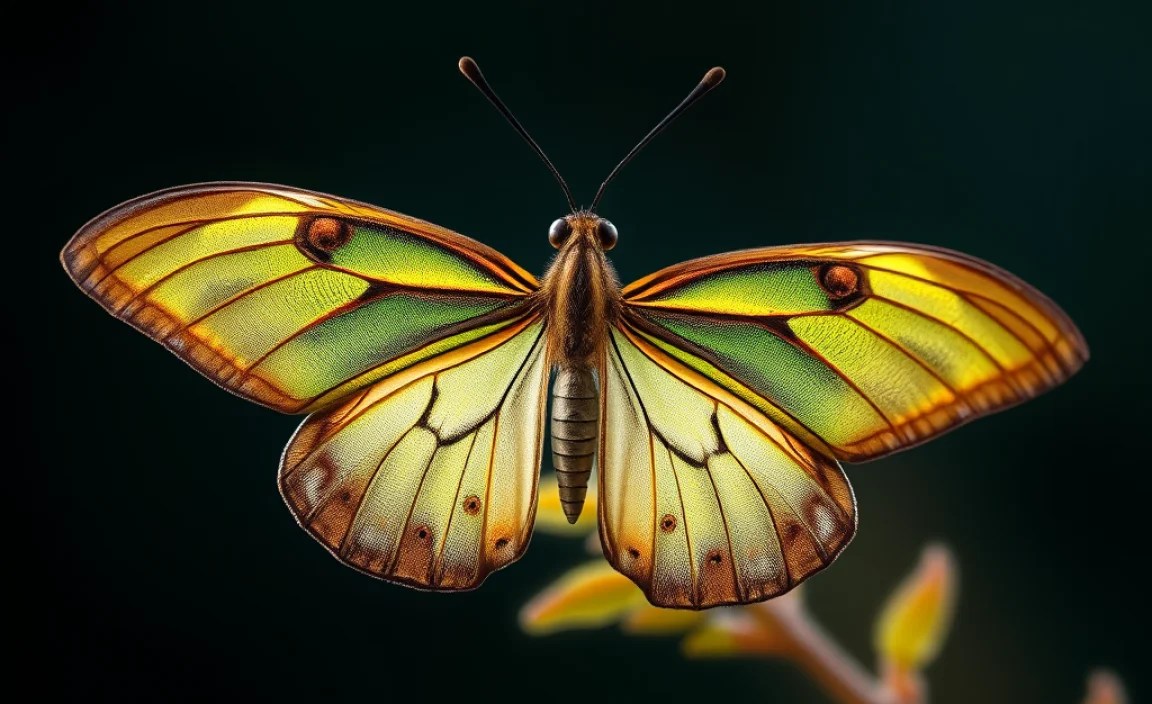
The findings from glasswing butterfly DNA studies have far-reaching implications, from basic science to technological innovation.
Advancements in Materials Science
One of the most exciting applications is the development of new transparent materials. By mimicking the nanostructures of the glasswing’s wings, scientists can create coatings that reduce glare and reflection. These coatings could be used on windows, screens, and other surfaces to improve visibility and energy efficiency. Imagine windows that let in more light without the annoying glare!
Conservation Efforts
Understanding the genetic makeup of the glasswing butterfly can also aid in conservation efforts. By studying the genetic diversity of different populations, scientists can identify those that are most vulnerable to habitat loss and climate change. This information can be used to develop targeted conservation strategies to protect this unique species.
Biomedical Applications
The principles behind the glasswing’s transparency could also be applied in biomedical imaging. Transparent materials based on the wing’s nanostructures could be used to create clearer and more detailed images of tissues and organs. This could lead to earlier and more accurate diagnoses of diseases.
How the Glasswing Butterfly Achieves Transparency: A Detailed Look

Let’s delve deeper into the mechanisms that enable the glasswing butterfly to achieve its remarkable transparency.
Nanopillar Structure
The key to the glasswing’s transparency lies in the unique structure of its wings at the nanoscale. Instead of the flat, overlapping scales found on most butterfly wings, the glasswing’s wings are covered in tiny, upright pillars. These nanopillars are arranged randomly and vary in height and width. This irregular arrangement is crucial for reducing light reflection.
Here’s a table summarizing the key features of the wing structure:
| Feature | Description | Function |
|---|---|---|
| Nanopillars | Tiny, upright pillars on the wing surface | Reduce light reflection |
| Random Arrangement | Irregular spacing and height of nanopillars | Minimizes glare and scattering |
| Chitin Composition | Made of chitin, a strong and transparent material | Provides structural support and transparency |
Refractive Index Matching
Another important factor is the refractive index of the wing material. The refractive index is a measure of how much light bends when it passes through a material. The glasswing’s wings have a refractive index that is similar to that of air. This minimizes the amount of light that is reflected at the wing surface, further enhancing transparency. Think of it like trying to see through a perfectly clear glass window – the closer the glass is to the air around it, the easier it is to see through.
The Role of Chitin
Chitin is the main component of the butterfly’s exoskeleton, including its wings. It is a strong and transparent material that provides structural support while allowing light to pass through. The glasswing butterfly has evolved a unique form of chitin that is optimized for transparency.
Conservation Status and Threats
While the glasswing butterfly is not currently listed as endangered, it faces several threats that could impact its long-term survival.
Habitat Loss
The primary threat to the glasswing butterfly is habitat loss. As rainforests are cleared for agriculture and development, the butterfly loses its natural habitat. This reduces its ability to find food, reproduce, and avoid predators. Deforestation in Central and South America is a major concern, as it directly impacts the glasswing’s survival (World Wildlife Fund).
Climate Change
Climate change is another growing threat. Changes in temperature and rainfall patterns can disrupt the butterfly’s life cycle and alter its habitat. Extreme weather events, such as droughts and floods, can also damage the butterfly’s habitat and reduce its populations.
Pesticide Use
Pesticide use in agriculture can also harm the glasswing butterfly. Pesticides can kill the butterfly directly or indirectly by poisoning its food sources. This is particularly concerning in areas where agriculture is expanding into rainforest habitats.
Conservation Strategies
To protect the glasswing butterfly, several conservation strategies are needed.
- Habitat Protection: Protecting and restoring rainforest habitats is crucial. This can involve establishing protected areas, promoting sustainable forestry practices, and supporting local communities in their conservation efforts.
- Climate Change Mitigation: Reducing greenhouse gas emissions is essential to mitigate the impacts of climate change on the glasswing butterfly and its habitat.
- Sustainable Agriculture: Promoting sustainable agricultural practices that minimize pesticide use and protect rainforest habitats is important.
- Education and Awareness: Raising awareness about the importance of the glasswing butterfly and its habitat can help garner support for conservation efforts.
How You Can Help
Even if you don’t live in the rainforest, there are still things you can do to help protect the glasswing butterfly and other species.
Support Conservation Organizations
One of the most effective ways to help is to support conservation organizations that are working to protect rainforest habitats. These organizations often have programs that involve local communities in conservation efforts.
Reduce Your Carbon Footprint
Reducing your carbon footprint can help mitigate the impacts of climate change on the glasswing butterfly and its habitat. This can involve reducing your energy consumption, using public transportation, and eating locally sourced food.
Buy Sustainable Products
When you shop, choose products that are sustainably sourced and produced. This can help reduce the demand for products that contribute to deforestation and habitat loss.
Educate Others
Share what you’ve learned about the glasswing butterfly and the importance of rainforest conservation with your friends and family. The more people who are aware of the issue, the more likely we are to take action.
FAQ About Glasswing Butterfly DNA Study
What is the main focus of glasswing butterfly DNA studies?
The main focus is to understand the genetic basis of the butterfly’s transparent wings. Scientists are trying to identify the specific genes responsible for the unique nanostructures that allow light to pass through.
How do DNA studies help in understanding the glasswing butterfly’s transparency?
DNA studies help by pinpointing the genes that are active during wing development. By comparing the glasswing’s genome to other butterflies, researchers can identify genes unique to the glasswing that contribute to its transparency.
What are the potential applications of these DNA studies?
The findings can be used to develop new transparent materials, improve biomedical imaging, and aid in conservation efforts by understanding the genetic diversity of glasswing butterfly populations.
Are glasswing butterflies endangered?
No, glasswing butterflies are not currently listed as endangered, but they face threats from habitat loss, climate change, and pesticide use.
How can I help protect glasswing butterflies?
You can support conservation organizations, reduce your carbon footprint, buy sustainable products, and educate others about the importance of rainforest conservation.
What is biomimicry, and how does it relate to glasswing butterflies?
Biomimicry is the practice of mimicking nature’s designs to create innovative technologies. The glasswing butterfly’s transparent wings have inspired scientists to develop new transparent coatings and materials.
What are nanostructures, and why are they important for the glasswing butterfly?
Nanostructures are tiny, upright pillars on the butterfly’s wings that are arranged randomly. This arrangement minimizes light reflection, allowing the wings to be transparent and helping the butterfly blend into its environment.
Conclusion
The glasswing butterfly is more than just a pretty face; it’s a testament to the power of evolution and adaptation. DNA studies are helping us unravel the secrets of its transparency, providing valuable insights into genetics, materials science, and conservation. By understanding the genetic basis of wing transparency, we can develop new technologies and better protect this incredible species and its habitat. The journey into the glasswing butterfly’s DNA is a reminder of the beauty and complexity of the natural world, and the importance of preserving it for future generations. So, next time you see a butterfly, remember the hidden wonders it holds and the incredible science behind its existence.


