
Glasswing Butterfly Biology Class: A Clear Advantage

The glasswing butterfly (Greta oto) is famous for its transparent wings, a rare and beautiful adaptation. In a biology class, studying this butterfly involves understanding its unique anatomy, life cycle, habitat, and ecological role. You’ll learn about its transparent wings, feeding habits, and how it uses camouflage to survive!
Ever wondered how a butterfly could have see-through wings? The glasswing butterfly is a fascinating creature, and learning about it can feel like unlocking a secret of nature. But understanding its biology can seem daunting. Don’t worry! This guide will walk you through everything you need to know about the glasswing butterfly, step by step. We’ll explore its amazing wings, its life cycle, and where it lives. Get ready to discover the wonders of this transparent beauty!
The Amazing Glasswing Butterfly: A Biology Class Guide

Hello, butterfly lovers! Frances O’Brien here, from ButterflyAsk.com. Today, we’re diving into the captivating world of the glasswing butterfly (Greta oto). Whether you’re a student, a gardener, or simply a nature enthusiast, this guide will provide a clear and comprehensive look at this incredible insect.
What Makes the Glasswing Butterfly Special?

The glasswing butterfly isn’t just another pretty face. Its transparent wings are a marvel of natural engineering. But there’s much more to this butterfly than meets the eye! Let’s start with the basics.
Basic Facts About the Glasswing Butterfly
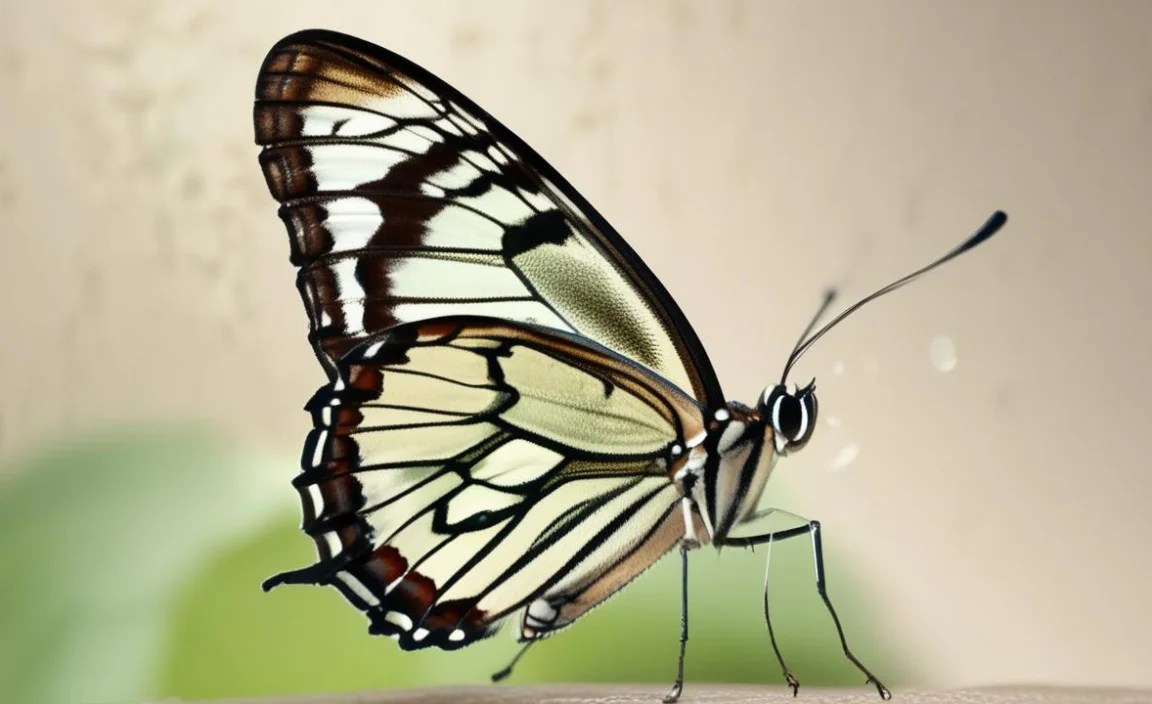
- Scientific Name: Greta oto
- Family: Nymphalidae (Brush-footed butterflies)
- Wingspan: 5.5 to 6 cm (2.2 to 2.4 inches)
- Habitat: Rainforests of Central and South America
- Diet: Nectar from various flowers
- Lifespan: Approximately 2-3 months
Understanding the Transparent Wings
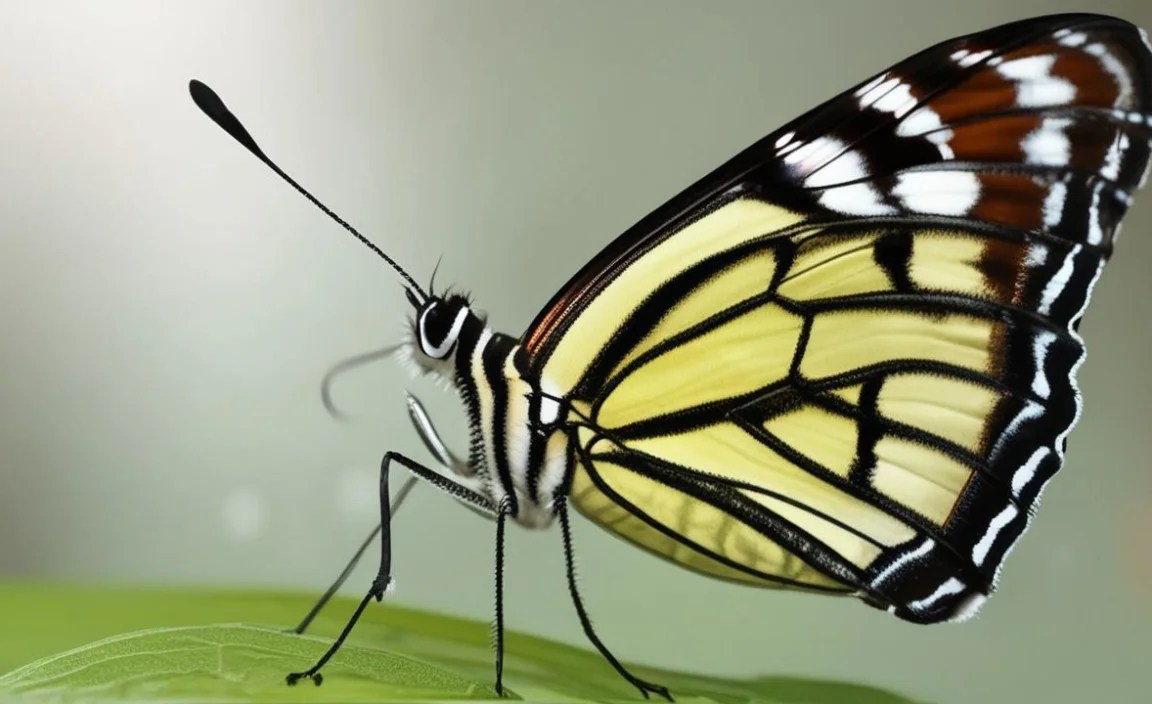
The most striking feature of the glasswing butterfly is, of course, its transparent wings. But how do they achieve this incredible feat of nature?
The Science Behind Transparency
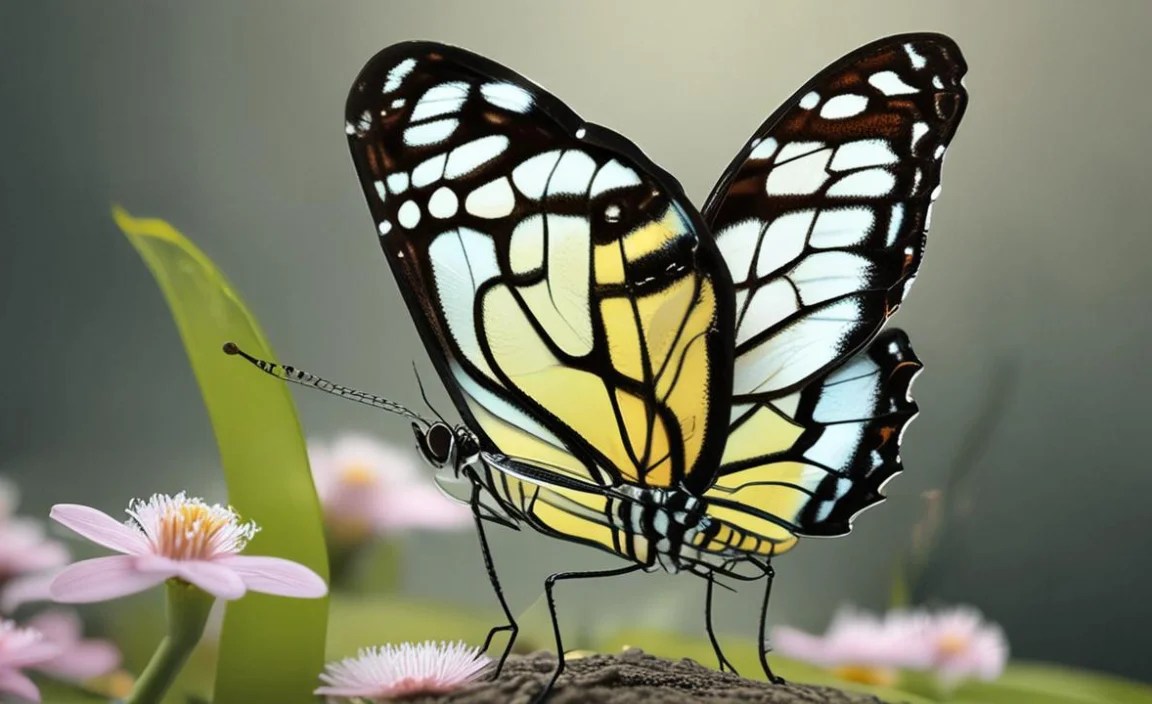
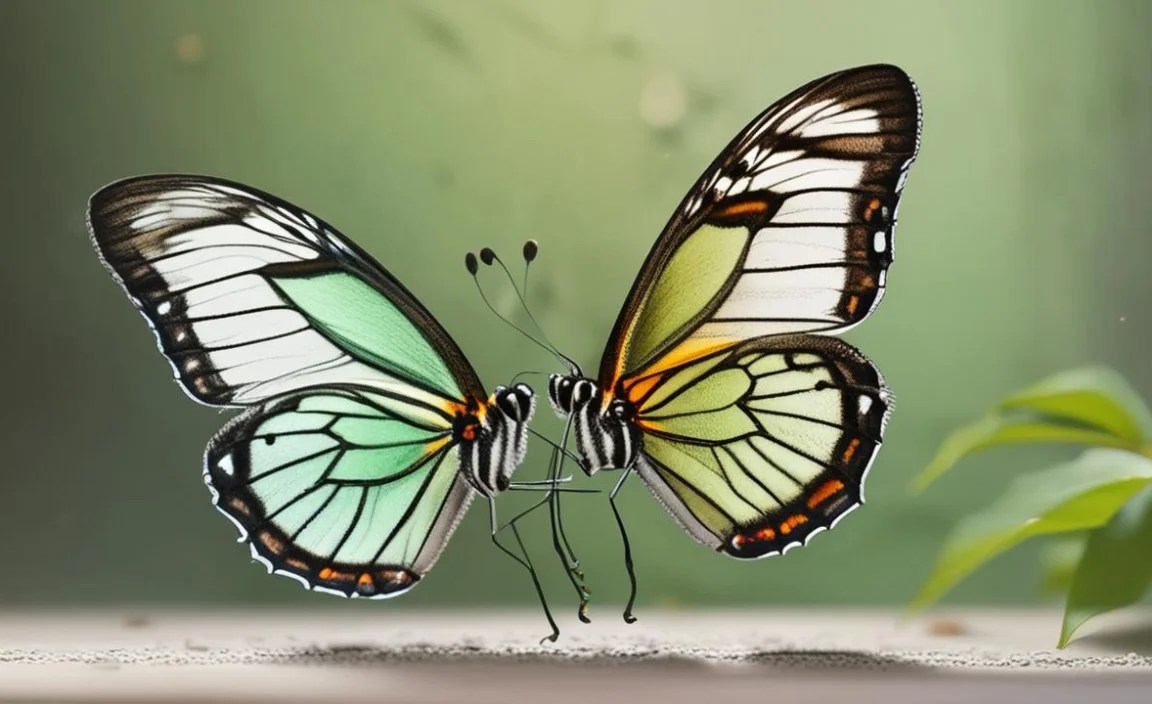
Unlike most butterflies, the glasswing butterfly’s wings lack the dense scales that give other butterflies their color. Instead, they have specialized structures that minimize light reflection and scattering. These structures, called nanopillars, are tiny, waxy bumps on the wing surface. These nanopillars are arranged irregularly, which helps to reduce reflection over a broad spectrum of light wavelengths. This is similar to anti-reflective coatings used on glasses and screens. By minimizing reflection, the wings appear transparent, allowing light to pass through. This remarkable adaptation helps the butterfly camouflage itself in its natural habitat, making it less visible to predators.
The wings also possess a low refractive index, meaning that light passes through them with minimal bending. This is due to the specific arrangement of the chitin (a structural polysaccharide) and other materials in the wing membrane. As a result, the wings are nearly invisible against the backdrop of the rainforest foliage.
For more information on the science of transparent wings, resources such as the Smithsonian Institution offer detailed research and educational materials.
Advantages of Transparent Wings

- Camouflage: The transparency helps the butterfly blend into its environment, making it harder for predators to spot.
- Predator Avoidance: By being less visible, the butterfly reduces its chances of being eaten.
- Thermoregulation: Transparent wings may also play a role in regulating the butterfly’s body temperature.
Life Cycle of the Glasswing Butterfly

Like all butterflies, the glasswing butterfly undergoes a complete metamorphosis. Let’s explore each stage of its life cycle.
Egg Stage
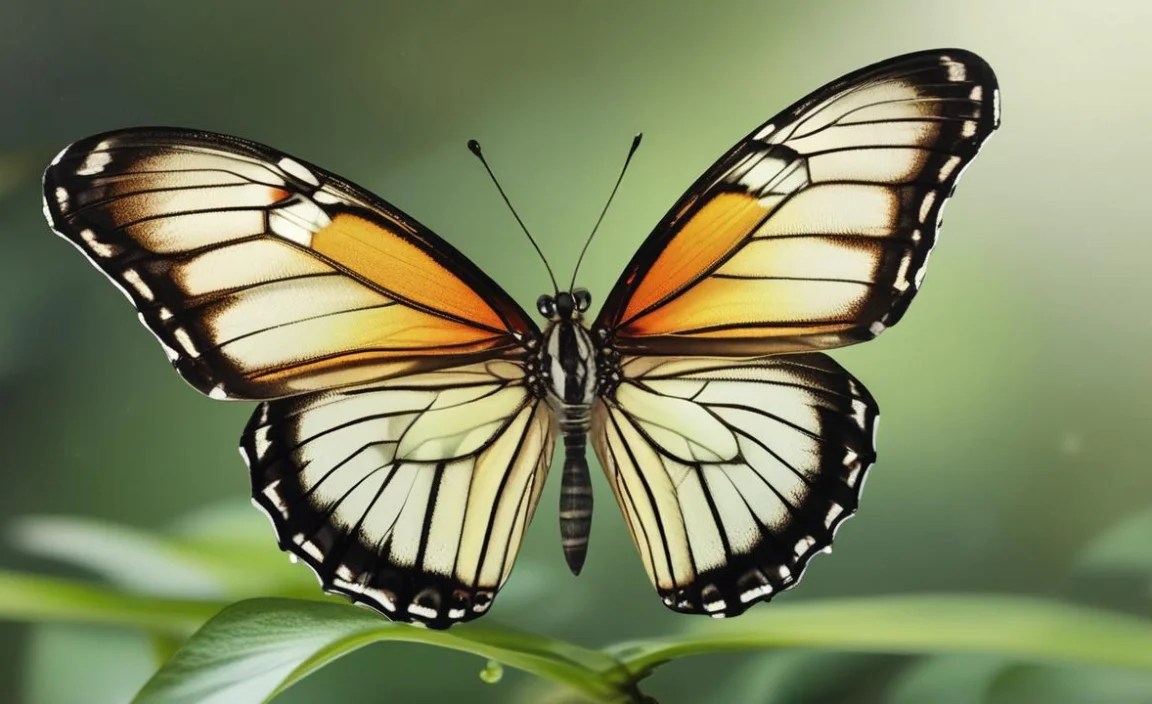
The life cycle begins with the egg. Female glasswing butterflies lay their eggs on host plants, typically of the genus Cestrum. These plants contain toxic alkaloids that the caterpillars ingest, making them unpalatable to predators.
- Appearance: Small, round, and often laid in clusters.
- Location: Underside of host plant leaves.
- Duration: A few days to a week.
Larval Stage (Caterpillar)
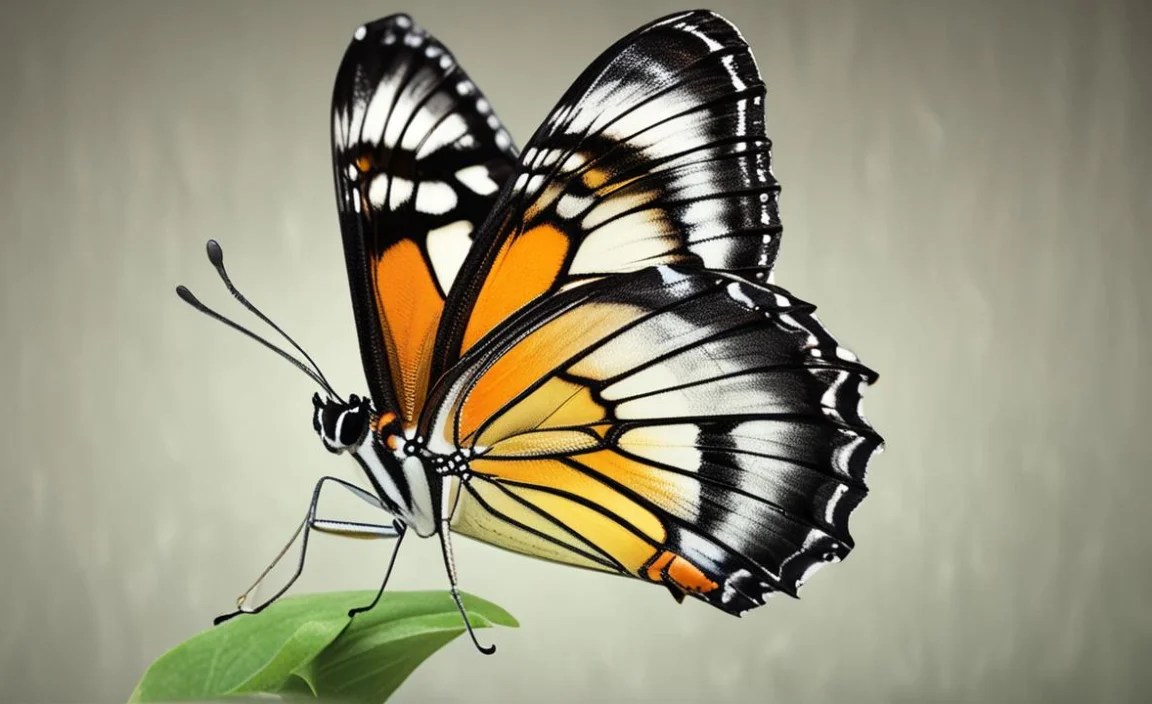
Once the eggs hatch, the larval stage begins. The caterpillar is the feeding stage, where the butterfly grows and accumulates energy for its transformation.
- Appearance: Colorful with long, spiky filaments.
- Diet: Exclusively leaves of Cestrum plants.
- Defense Mechanism: Consumes toxins from the host plant, making it poisonous to predators.
- Molting: The caterpillar sheds its skin several times as it grows.
Pupal Stage (Chrysalis)
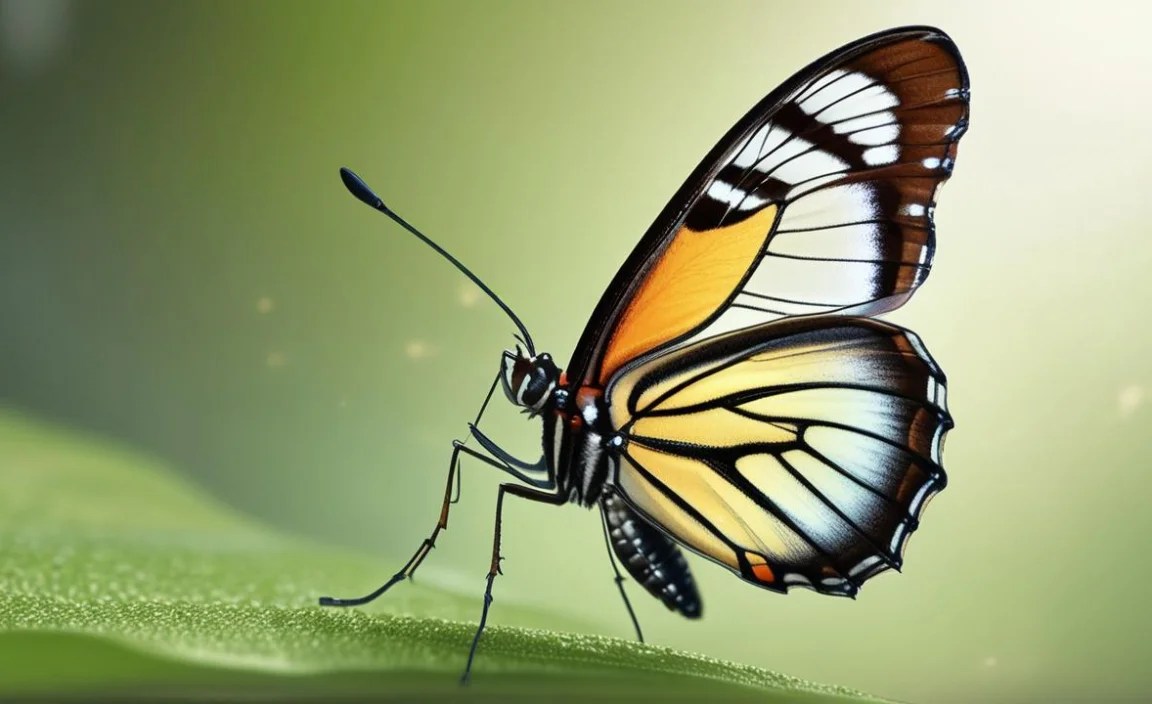
After the caterpillar reaches its full size, it enters the pupal stage, forming a chrysalis. This is a transitional phase where the caterpillar transforms into a butterfly.
- Appearance: Translucent, often silvery or golden in color.
- Location: Attached to a stem or leaf of the host plant.
- Duration: About two weeks.
- Transformation: Inside the chrysalis, the caterpillar’s body breaks down and reorganizes into the adult butterfly form.
Adult Stage (Butterfly)

Finally, the adult butterfly emerges from the chrysalis. This is the reproductive stage, where the butterfly seeks nectar for energy and mates to produce offspring.
- Appearance: Transparent wings with dark borders.
- Diet: Nectar from various flowers.
- Reproduction: Females lay eggs on host plants to start the cycle anew.
- Lifespan: Approximately 2-3 months.
Habitat and Distribution
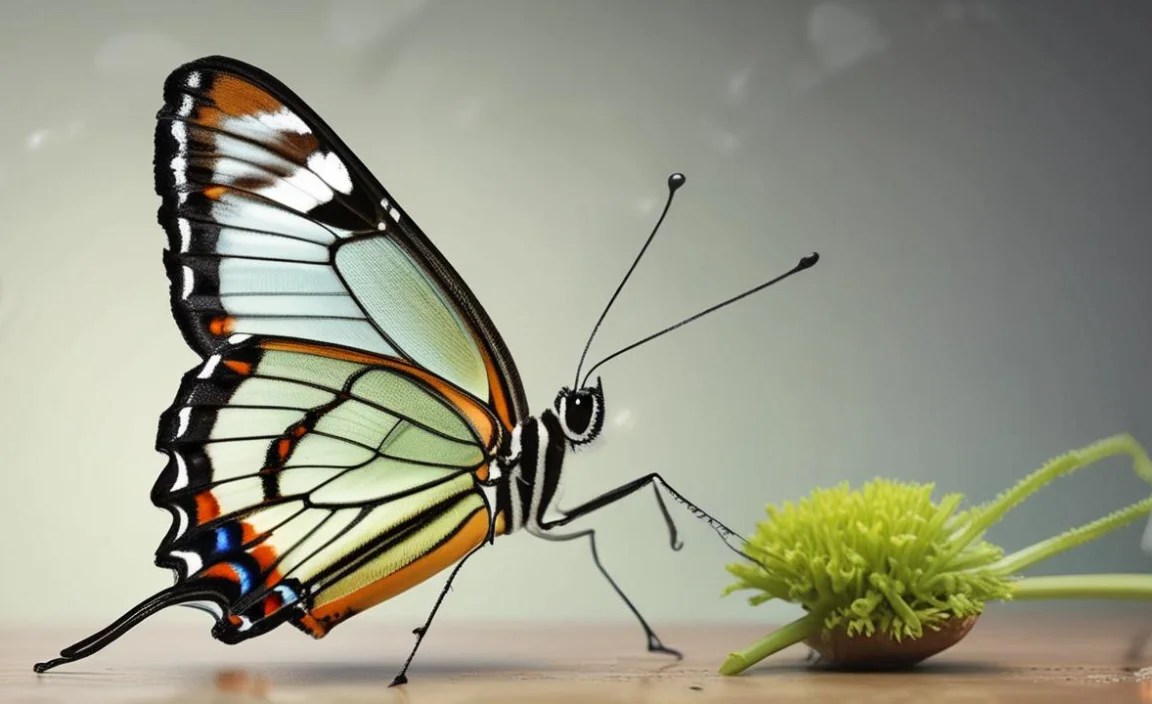
The glasswing butterfly is native to the rainforests of Central and South America. Understanding its habitat is crucial to appreciating its ecological role.
Geographical Range
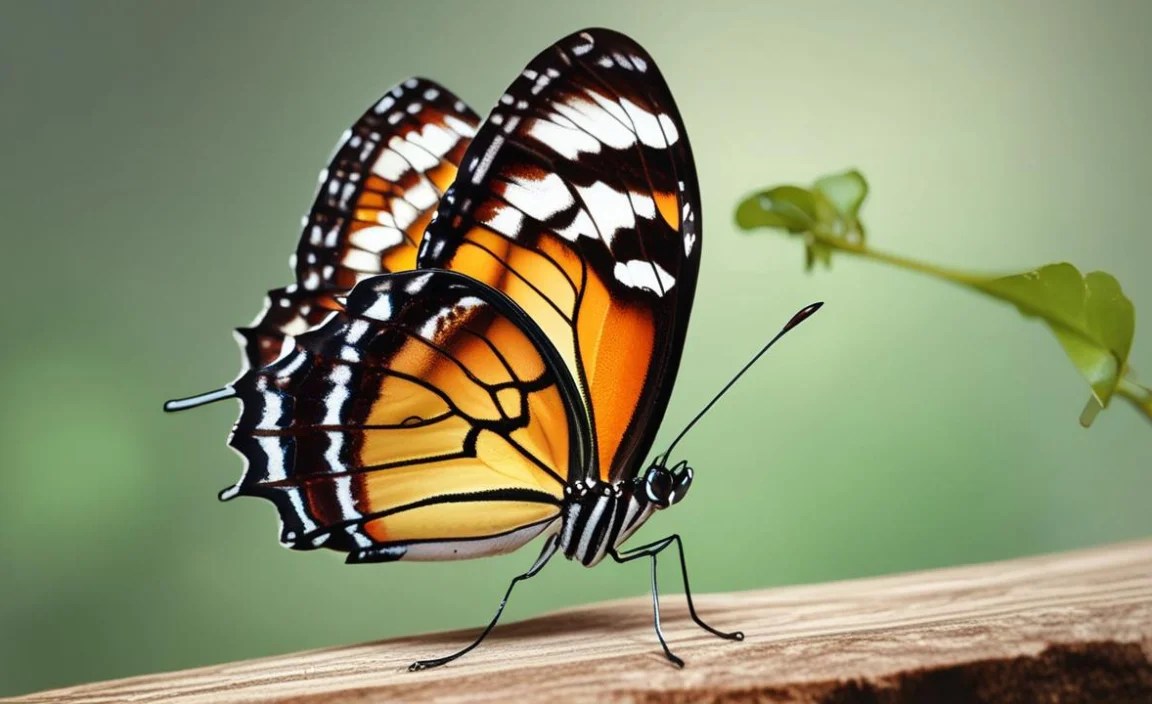
Glasswing butterflies are found in countries such as Mexico, Panama, Costa Rica, Colombia, and Venezuela. They thrive in humid, tropical environments with abundant host plants and nectar sources.
Ecological Niche
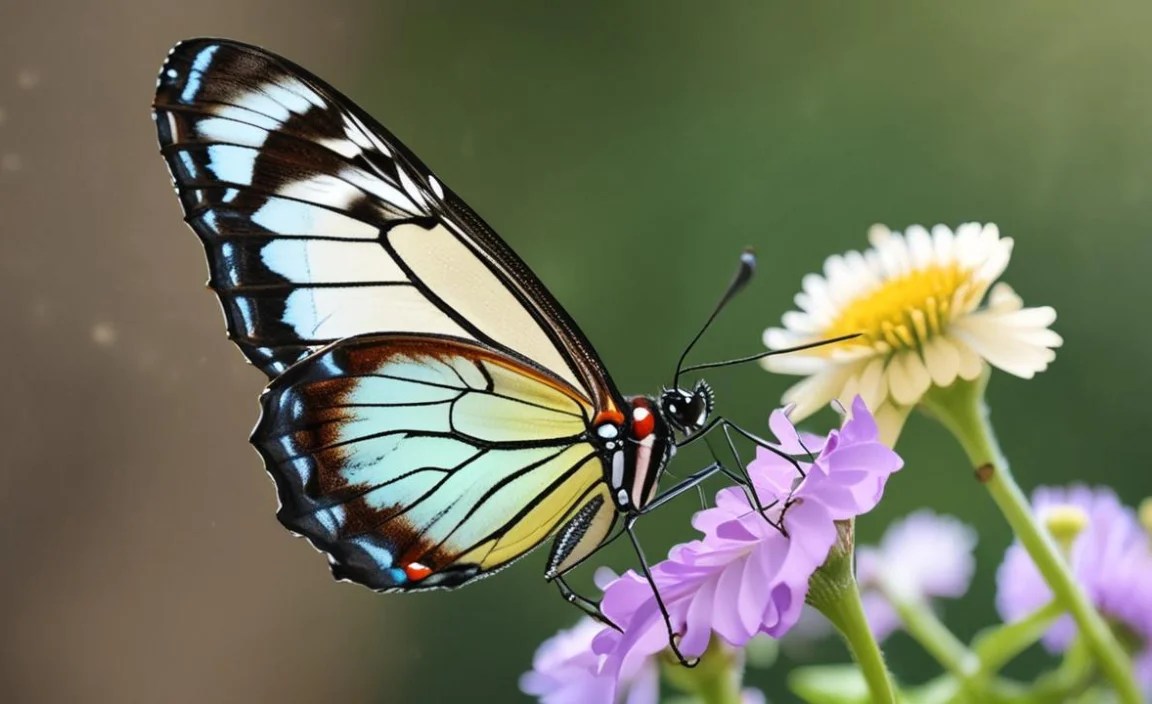
These butterflies play an important role in their ecosystem. They are pollinators, helping to transfer pollen between flowers as they feed on nectar. Their presence also indicates the health of the rainforest ecosystem. Because they are sensitive to environmental changes, their population can serve as an indicator of habitat quality.
Diet and Feeding Habits
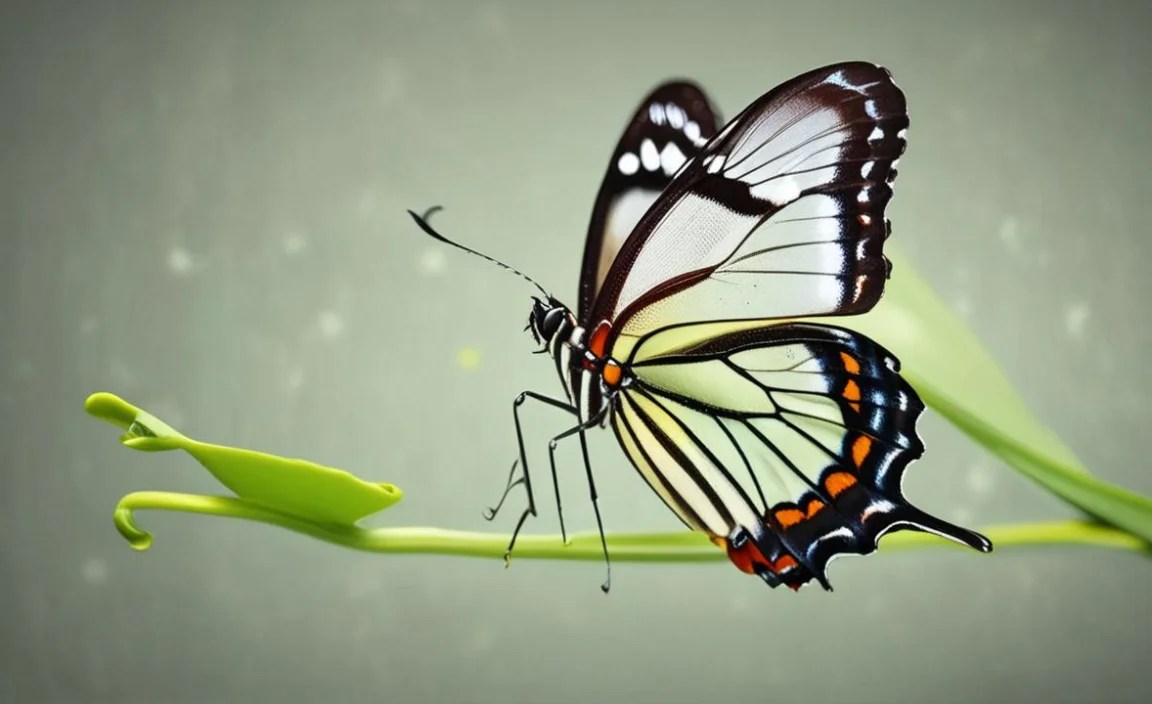
The glasswing butterfly’s diet is essential for its survival and reproduction. Let’s explore what it eats and how it obtains its food.
Nectar Sources
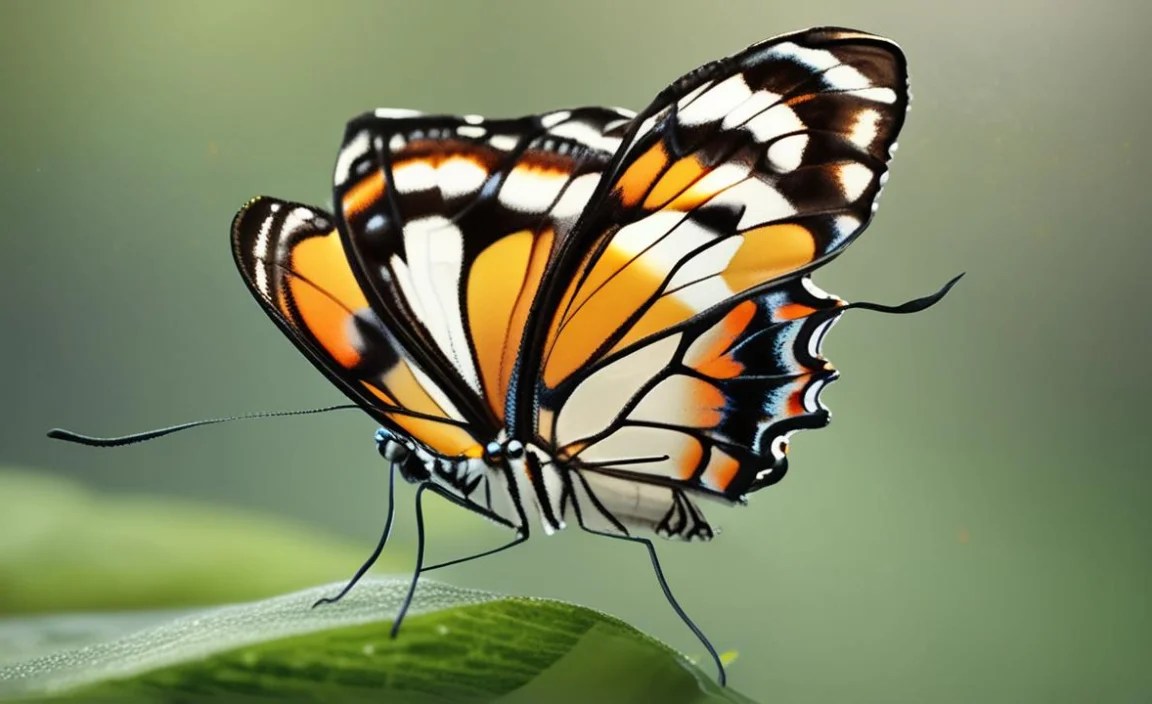
Adult glasswing butterflies primarily feed on nectar from a variety of flowers. They use their long proboscis to suck nectar from blossoms. Their preferences often include flowers with vibrant colors and accessible nectar sources.
Nutrient Acquisition
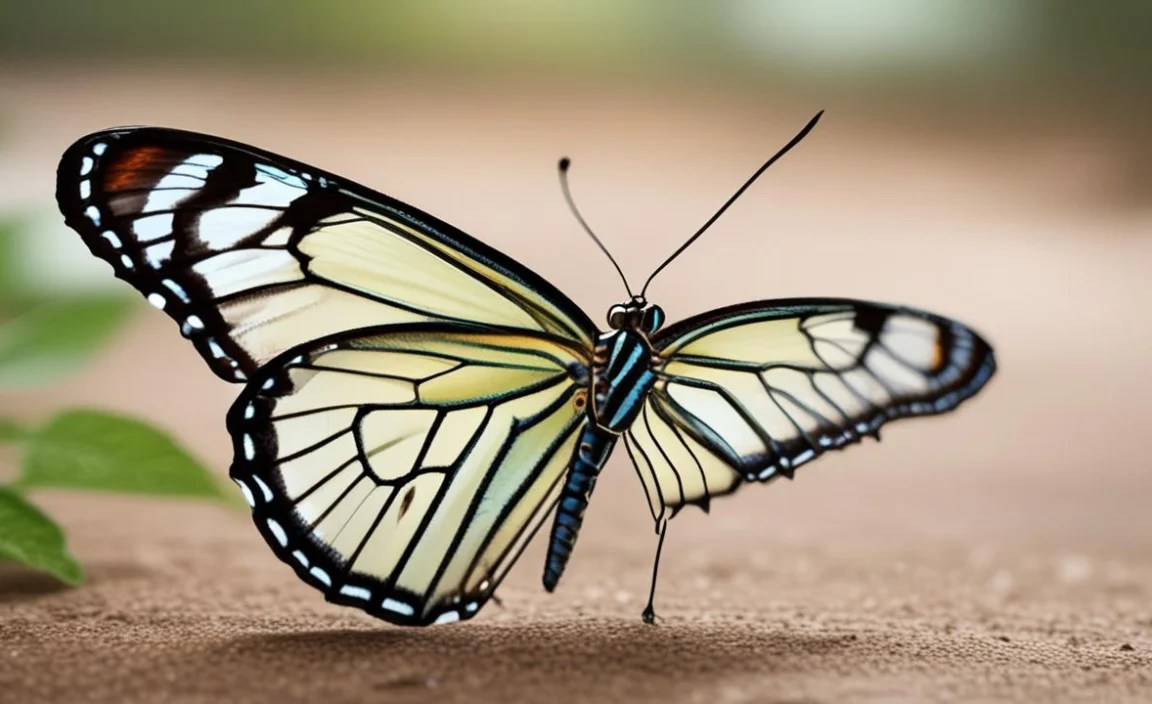
In addition to nectar, glasswing butterflies also obtain essential nutrients from other sources. Male butterflies, in particular, are known to feed on the nectar of certain flowers that contain pyrrolizidine alkaloids. These alkaloids are not only used as a defense against predators but also converted into pheromones used during mating. This unique behavior is crucial for their reproductive success.
Here’s a table summarizing the diet and feeding habits:
| Stage | Diet | Source | Purpose |
|---|---|---|---|
| Caterpillar | Leaves | Cestrum plants | Growth and toxin accumulation |
| Adult Butterfly | Nectar | Various flowers | Energy |
| Male Butterfly | Pyrrolizidine alkaloids | Specific flowers | Defense and pheromone production |
Predators and Defense Mechanisms
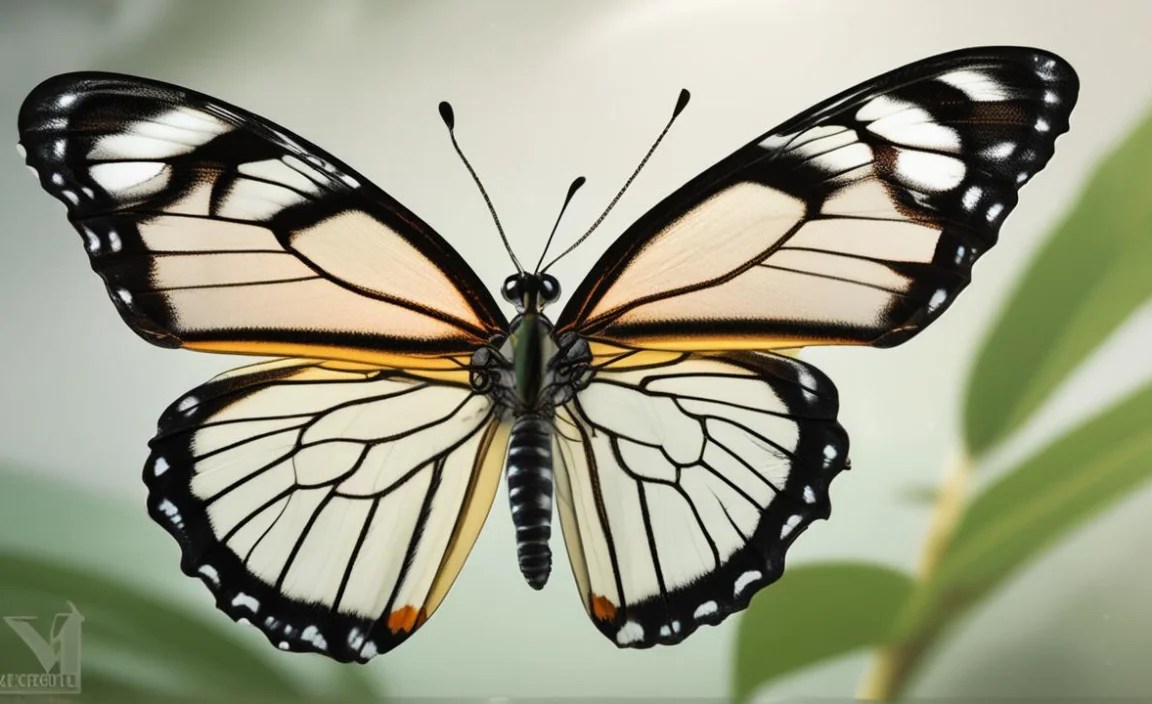
Despite their delicate appearance, glasswing butterflies have developed several strategies to avoid predators. Let’s take a closer look.
Natural Predators
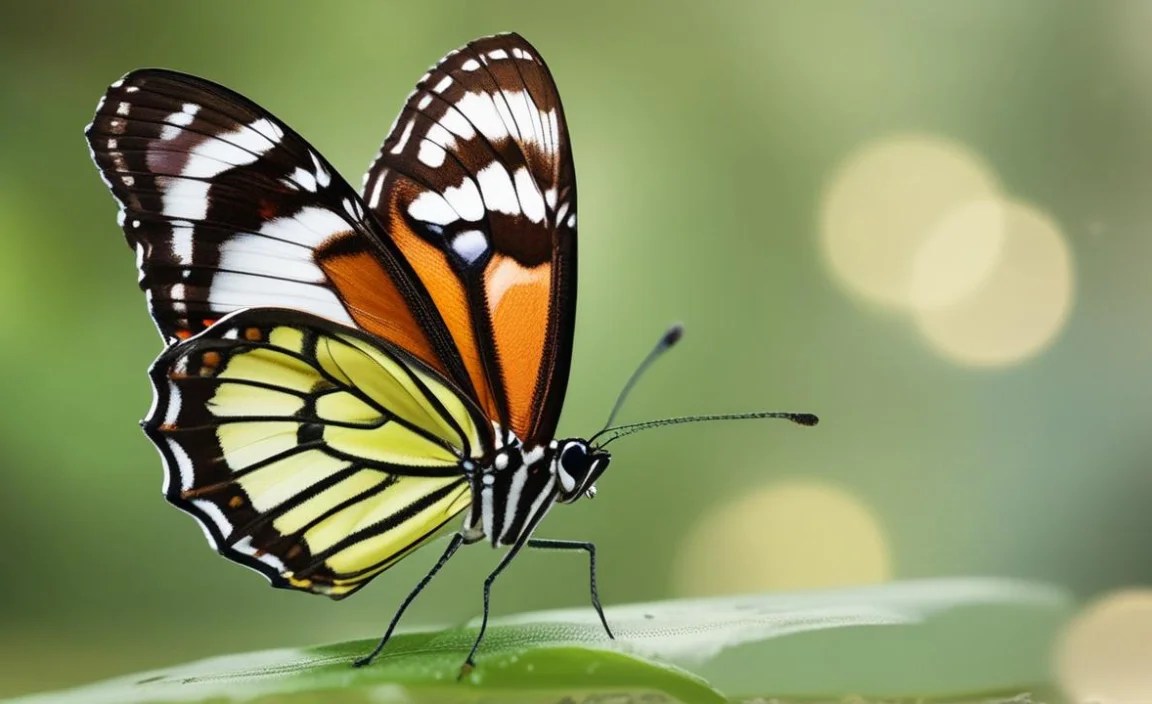
Glasswing butterflies face threats from various predators, including birds, lizards, spiders, and insects. These predators rely on sight and movement to detect their prey, making the butterfly’s camouflage essential for survival.
Defense Strategies
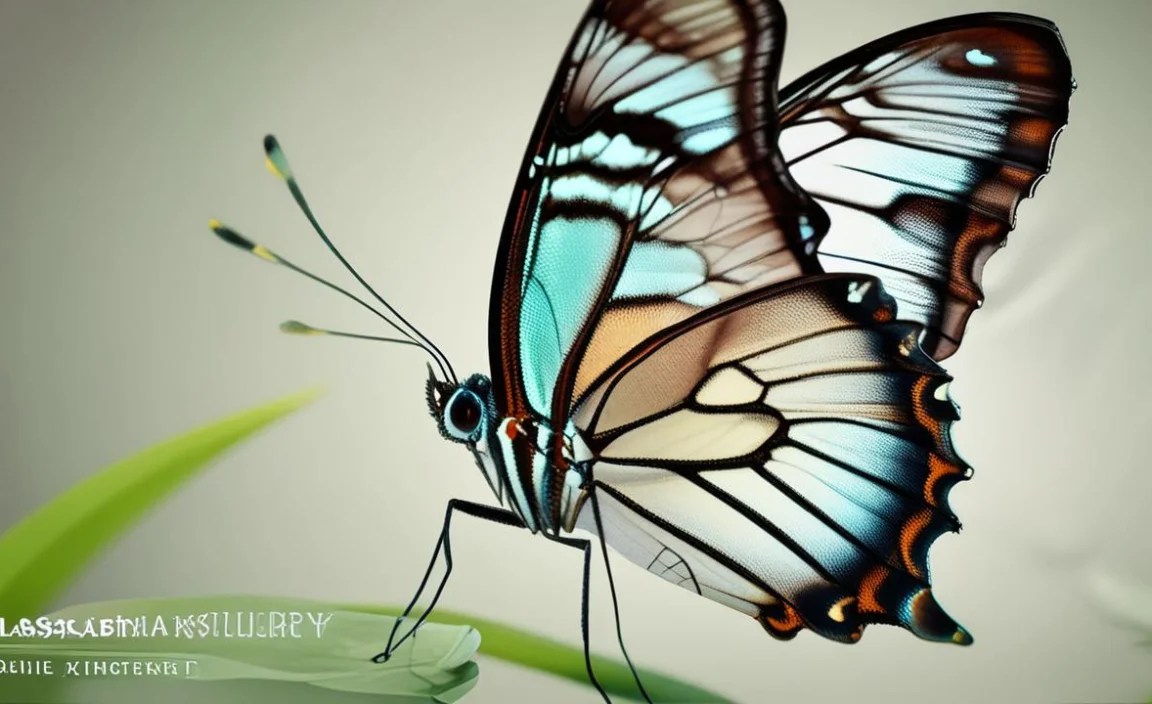
- Camouflage: The transparent wings help the butterfly blend into its surroundings, making it harder to spot.
- Toxicity: As caterpillars, they consume toxic compounds from their host plants, making them unpalatable to predators.
- Flight Behavior: Their erratic and unpredictable flight patterns can make it difficult for predators to catch them.
Conservation Status and Efforts
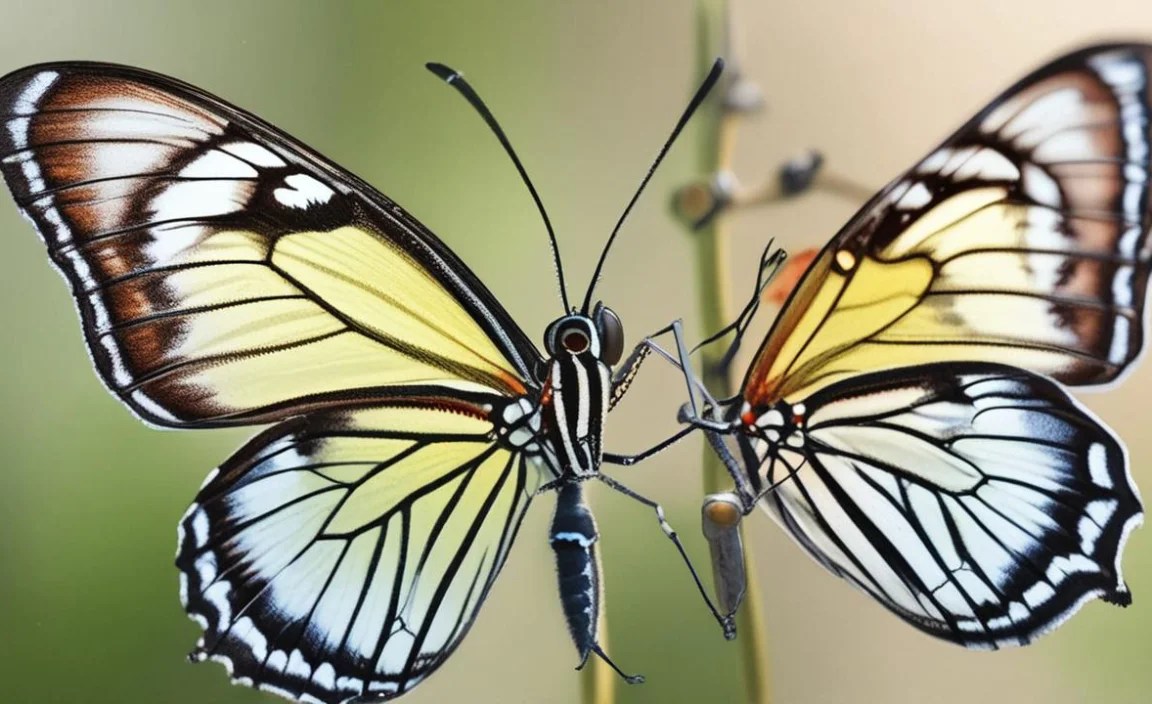
Understanding the conservation status of the glasswing butterfly is essential for protecting this beautiful species and its habitat.
Current Status
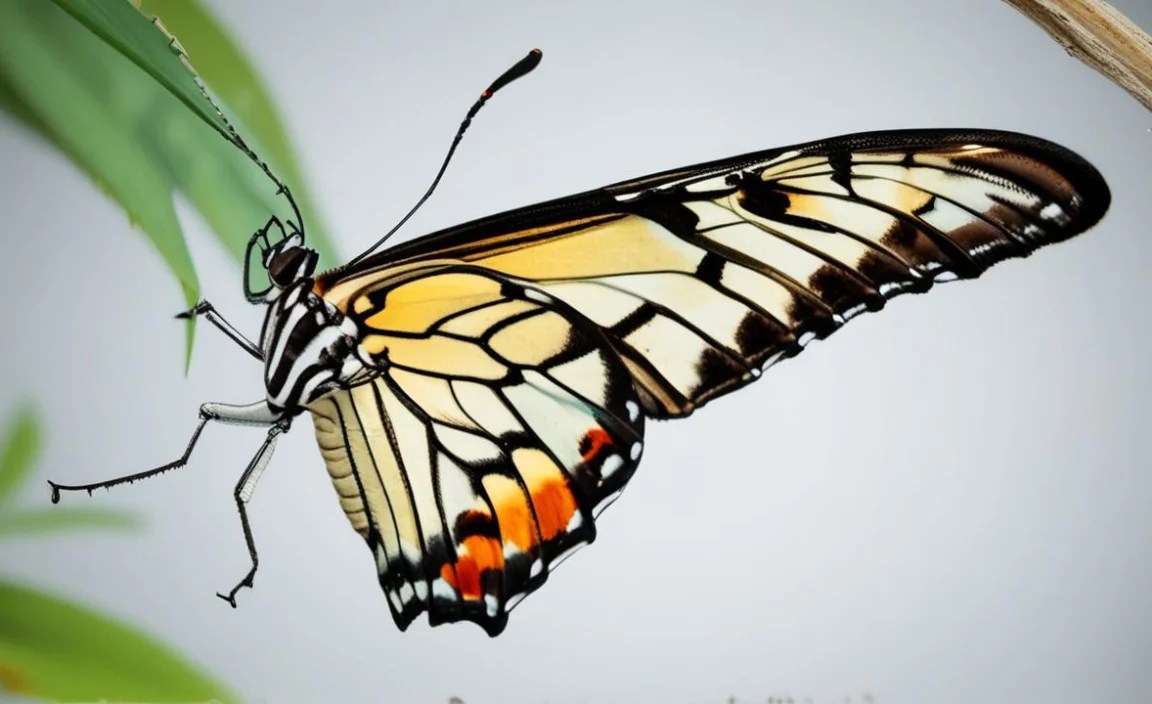
The glasswing butterfly is not currently listed as endangered or threatened. However, its population is vulnerable to habitat loss and degradation. Deforestation, agriculture, and urbanization pose significant threats to its rainforest habitat.
Conservation Efforts
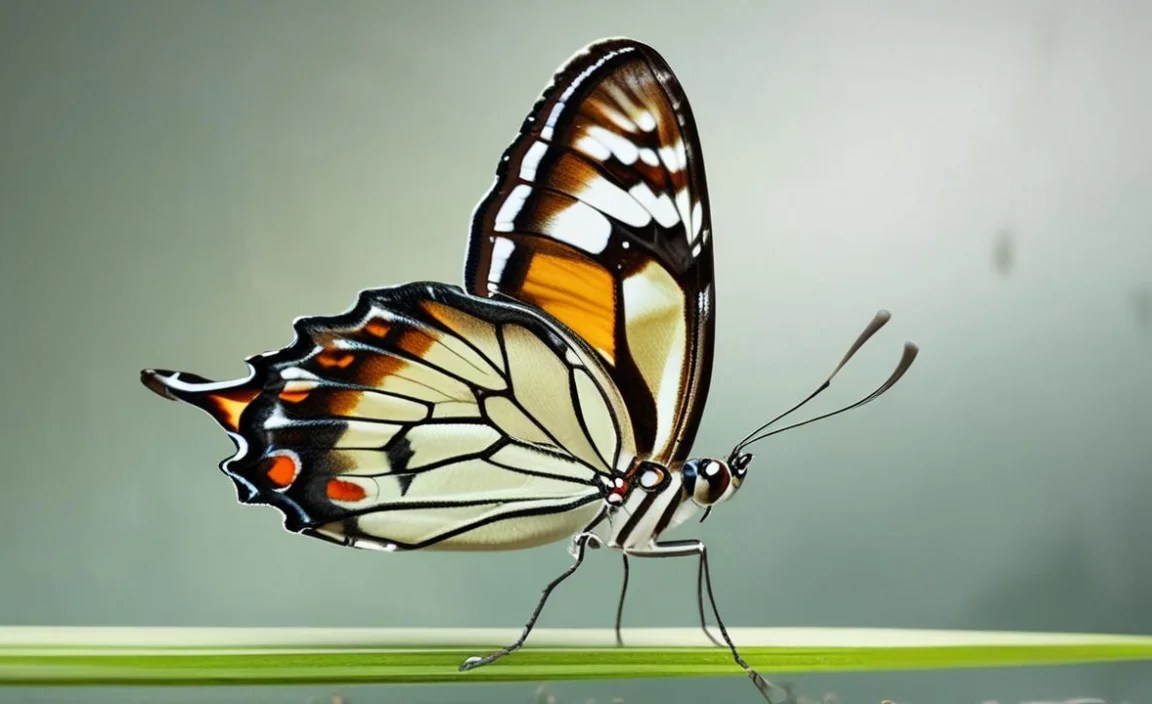
Several organizations are working to protect the glasswing butterfly and its habitat. These efforts include:
- Habitat Preservation: Protecting and restoring rainforest habitats.
- Sustainable Agriculture: Promoting farming practices that minimize deforestation and pesticide use.
- Education and Awareness: Raising awareness about the importance of rainforest conservation.
- Ecotourism: Supporting local communities through sustainable tourism that benefits both people and the environment.
Organizations like the World Wildlife Fund (WWF) and the Rainforest Alliance are actively involved in these conservation efforts.
How to Study Glasswing Butterflies in the Classroom

Bringing the wonder of glasswing butterflies into the classroom can be an enriching experience. Here are some ideas for activities and projects.
Classroom Activities
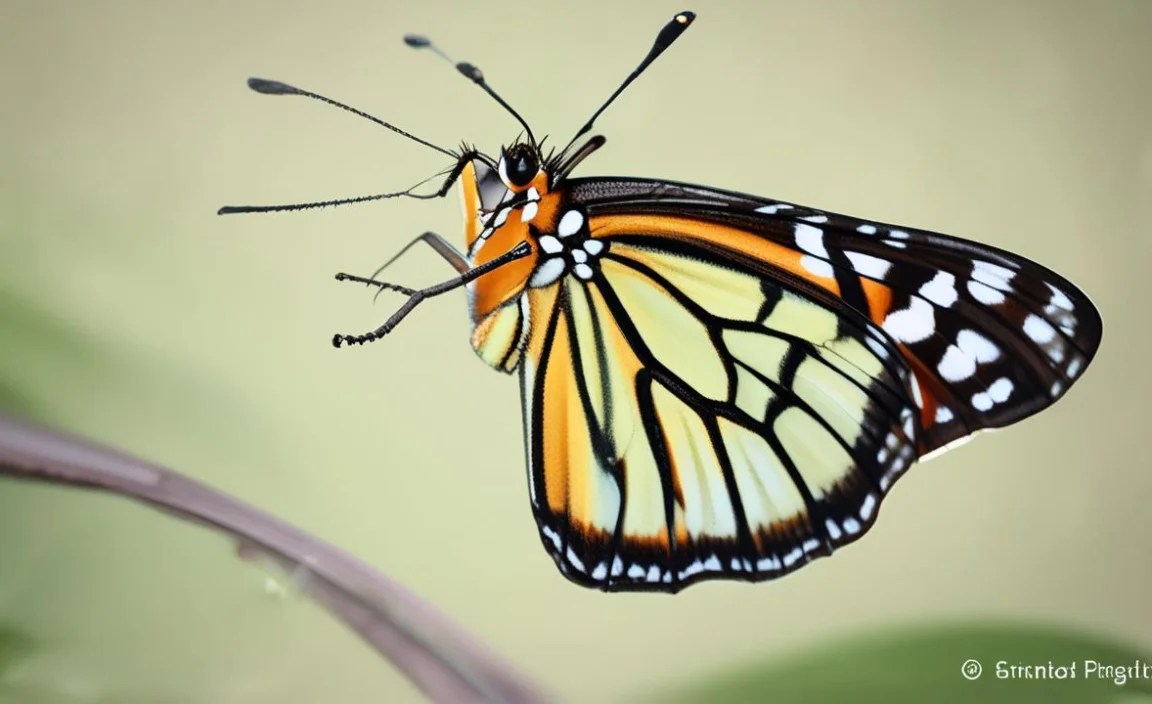
- Research Projects: Assign students to research different aspects of the glasswing butterfly, such as its anatomy, life cycle, or conservation status.
- Presentations: Have students present their findings to the class, sharing what they’ve learned about this fascinating insect.
- Art Projects: Encourage students to create artwork inspired by the glasswing butterfly, such as drawings, paintings, or sculptures.
- Butterfly Garden: Plant a butterfly garden with host plants and nectar sources to attract butterflies to your schoolyard.
- Virtual Field Trips: Use online resources to take virtual field trips to rainforests where glasswing butterflies live.
Hands-On Projects
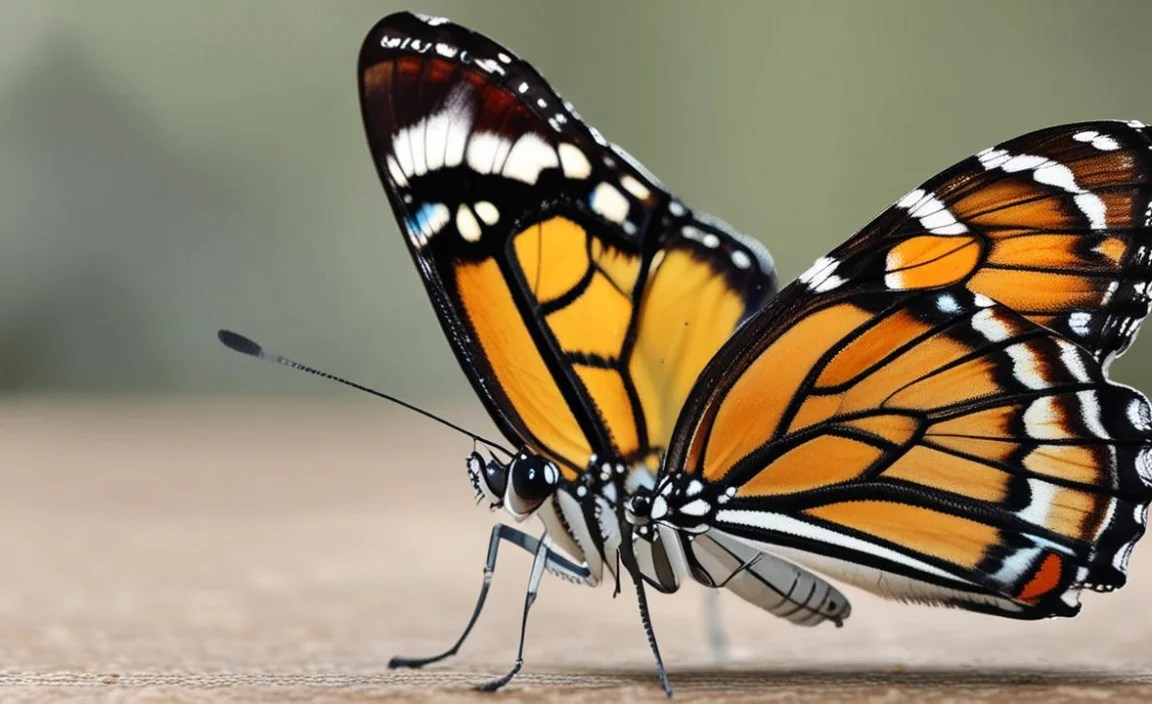
Engage students with hands-on projects that bring the glasswing butterfly to life:
- Create a Model: Have students build a model of the glasswing butterfly using craft materials, focusing on the transparent wings.
- Life Cycle Display: Create a display showing the different stages of the butterfly’s life cycle, from egg to adult.
- Host Plant Experiment: If possible, grow Cestrum plants and observe the caterpillars feeding on them.
- Data Collection: If you have access to a butterfly garden, collect data on butterfly sightings and behavior.
Resources for Further Learning
To deepen your understanding of glasswing butterflies, here are some valuable resources:
- Books: Look for books on butterflies and rainforest ecology.
- Websites: Explore websites like ButterflyAsk.com, the Xerces Society, and the National Geographic website.
- Documentaries: Watch documentaries about rainforests and butterflies.
- Museums: Visit natural history museums to see butterfly collections and exhibits.
By exploring these resources, you can expand your knowledge and appreciation of the glasswing butterfly and its role in the natural world.
Glasswing Butterfly Biology Class: FAQs
Here are some frequently asked questions about the glasswing butterfly, perfect for a biology class:
What makes the glasswing butterfly’s wings transparent?

The wings lack the dense scales found in other butterflies. They have tiny structures called nanopillars that minimize light reflection, making them appear transparent.
What do glasswing butterfly caterpillars eat?

Glasswing butterfly caterpillars exclusively eat the leaves of plants in the genus Cestrum. These plants contain toxins that make the caterpillars unpalatable to predators.
Where do glasswing butterflies live?

Glasswing butterflies are native to the rainforests of Central and South America, including countries like Mexico, Panama, Costa Rica, and Colombia.
How long do glasswing butterflies live?
Adult glasswing butterflies typically live for about 2-3 months.
Are glasswing butterflies endangered?
No, glasswing butterflies are not currently listed as endangered. However, their populations are vulnerable to habitat loss and degradation.
How do glasswing butterflies defend themselves from predators?
They use camouflage, toxicity (from eating host plants), and erratic flight patterns to avoid predators.
What is the role of glasswing butterflies in their ecosystem?
Glasswing butterflies are pollinators, helping to transfer pollen between flowers as they feed on nectar. They also serve as indicators of rainforest health.
Conclusion
The glasswing butterfly is a remarkable creature that offers a unique glimpse into the wonders of nature. From its transparent wings to its fascinating life cycle and ecological role, there’s so much to learn and appreciate about this beautiful insect. Whether you’re studying it in a biology class, admiring it in a butterfly garden, or simply curious about the natural world, the glasswing butterfly is sure to inspire awe and wonder. By understanding its biology and conservation needs, we can help protect this species and its habitat for future generations. Keep exploring, keep learning, and keep admiring the incredible beauty of the natural world!


