
Climate Change Effect on Butterflies: See How

Climate change is harming European butterflies by changing their habitats and food sources. Many species are shifting their ranges northward or to higher elevations to find suitable conditions. Some are struggling to adapt, leading to population declines. Protecting butterfly habitats and reducing carbon emissions can help these beautiful creatures survive.
Butterflies are more than just pretty insects flitting through our gardens. They are vital parts of our ecosystems, acting as pollinators and indicators of environmental health. But these delicate creatures are facing a serious threat: climate change. You might be wondering how rising temperatures and changing weather patterns affect these beautiful insects. Don’t worry, we’ll explore the specific ways climate change is impacting European butterflies, and what we can do to help them.
Understanding the Climate Change Effect on European Butterflies

Climate change is altering the world around us, and butterflies are particularly sensitive to these changes. As temperatures rise and weather patterns become more unpredictable, European butterflies face a range of challenges that affect their survival and distribution.
Habitat Loss and Fragmentation
One of the biggest threats to butterflies is the loss and fragmentation of their habitats. Climate change can exacerbate this problem by altering vegetation patterns and creating unsuitable conditions for butterfly host plants and nectar sources. According to a study by the European Environment Agency, habitat loss is a major driver of biodiversity decline in Europe, and butterflies are particularly vulnerable.
- Changes in Vegetation: Rising temperatures and altered rainfall patterns can change the types of plants that grow in an area. This can lead to the disappearance of specific host plants that butterfly larvae depend on for food.
- Habitat Fragmentation: As suitable habitats become smaller and more isolated, butterflies struggle to move between them, reducing genetic diversity and increasing the risk of local extinctions.
Changes in Butterfly Distribution and Range
Many European butterfly species are shifting their ranges northward or to higher elevations in response to rising temperatures. This is because they are trying to find areas with cooler climates that are more suitable for their survival. However, this shift can have significant consequences for ecosystems and other species.
- Northward Shift: Species like the Silver-washed Fritillary are expanding their ranges northward as southern areas become too hot.
- Altitude Shift: Mountain species like the Apollo butterfly are moving to higher elevations to escape warmer temperatures, reducing their available habitat.
Impact on Butterfly Life Cycle
Climate change can disrupt the delicate balance of a butterfly’s life cycle. Temperature and rainfall patterns play a crucial role in triggering key events such as emergence from pupae, mating, and egg-laying. Changes in these patterns can lead to mismatches between butterfly life cycles and the availability of resources.
- Phenological Mismatches: Butterflies may emerge too early or too late in the season, missing the peak availability of nectar sources or host plants.
- Altered Development Rates: Warmer temperatures can speed up the development of butterfly larvae, potentially leading to smaller adults with reduced reproductive success.
Extreme Weather Events
Climate change is increasing the frequency and intensity of extreme weather events such as heatwaves, droughts, and floods. These events can have devastating impacts on butterfly populations, especially during vulnerable life stages.
- Heatwaves: High temperatures can directly kill butterflies or reduce their reproductive capacity.
- Droughts: Dry conditions can reduce the availability of nectar sources and host plants, leading to starvation and population declines.
- Floods: Heavy rainfall and flooding can destroy butterfly habitats and wash away larvae and pupae.
Specific Examples of Climate Change Impact on European Butterflies

To better understand the effects of climate change on European butterflies, let’s look at some specific examples of species that are being affected.
The Monarch Butterfly
The Monarch butterfly is famous for its long-distance migration. Climate change is affecting the availability of milkweed, the only food source for Monarch caterpillars, and disrupting their migration patterns. Extreme weather events can also kill large numbers of Monarchs during their overwintering in Mexico.
The Apollo Butterfly
The Apollo butterfly is a mountain species that is highly vulnerable to climate change. As temperatures rise, it is moving to higher elevations, reducing its available habitat. Changes in snowmelt patterns can also affect the availability of its host plant, the stonecrop.
The Silver-washed Fritillary
The Silver-washed Fritillary is expanding its range northward as southern areas become too hot. However, this expansion may be limited by the availability of suitable woodland habitats and the presence of its host plant, the violet.
The Large Blue Butterfly
The Large Blue butterfly has a complex life cycle that depends on specific ant species. Climate change can disrupt the synchronization between the butterfly and the ant, leading to population declines. Changes in grazing practices can also affect the availability of its habitat.
How to Help European Butterflies Affected by Climate Change
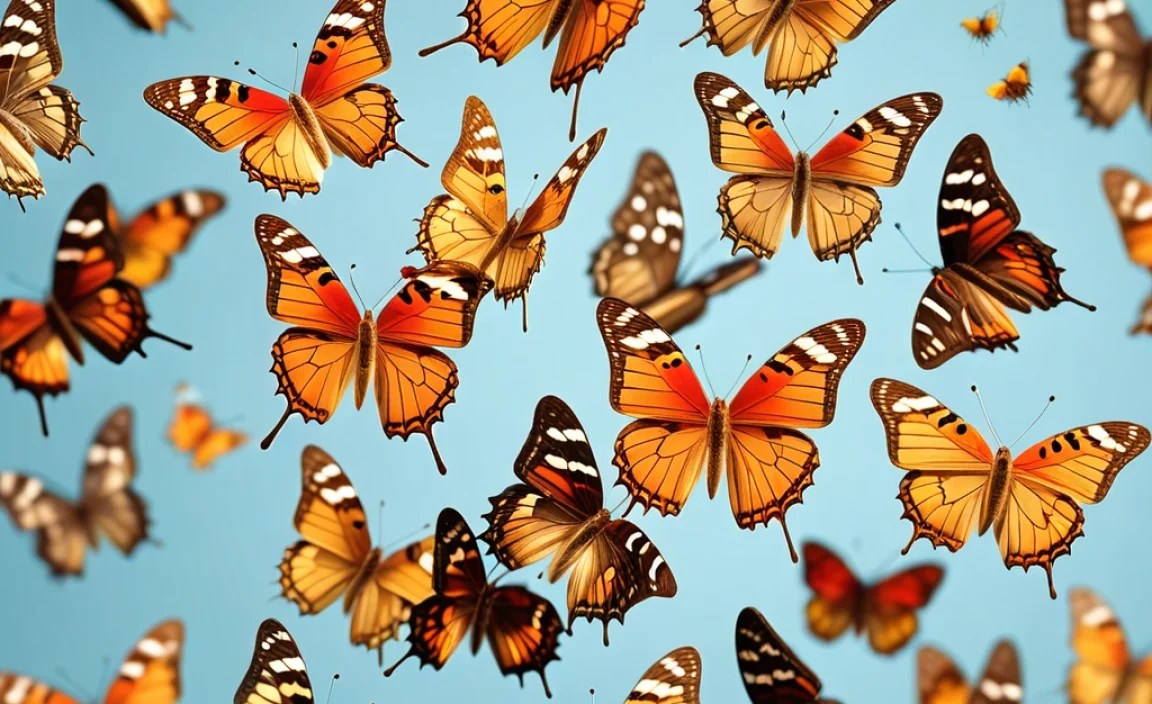
While the challenges facing European butterflies are significant, there are many things we can do to help them adapt and survive. Here are some practical steps you can take to make a difference.
Create Butterfly-Friendly Habitats
One of the most effective ways to help butterflies is to create and maintain butterfly-friendly habitats in your garden, school, or community.
- Plant Native Host Plants: Provide food for butterfly larvae by planting native host plants such as milkweed for Monarchs, violets for fritillaries, and stonecrop for Apollo butterflies.
- Provide Nectar Sources: Plant a variety of nectar-rich flowers that bloom throughout the butterfly season, such as lavender, buddleja, and echinacea.
- Provide Shelter: Create sheltered areas with shrubs and trees where butterflies can escape from strong winds and predators.
- Provide Water: Place a shallow dish of water with pebbles or sand for butterflies to drink from.
- Avoid Pesticides: Pesticides can harm or kill butterflies and other beneficial insects. Use natural pest control methods instead.
Support Butterfly Conservation Organizations
Many organizations are working to protect butterflies and their habitats. By supporting these organizations, you can help fund research, conservation projects, and education programs.
- Donate: Donate to butterfly conservation organizations such as Butterfly Conservation Europe or the Xerces Society.
- Volunteer: Volunteer your time to help with butterfly surveys, habitat restoration projects, or educational events.
- Advocate: Advocate for policies that protect butterflies and their habitats, such as stronger environmental regulations and increased funding for conservation.
Reduce Your Carbon Footprint
Climate change is driven by greenhouse gas emissions, so reducing your carbon footprint is an important way to help butterflies and other wildlife.
- Use Public Transportation: Reduce your reliance on cars by using public transportation, cycling, or walking.
- Conserve Energy: Save energy by turning off lights when you leave a room, using energy-efficient appliances, and insulating your home.
- Eat Local and Sustainable Food: Reduce the carbon footprint of your food by eating local and sustainable products.
- Reduce Waste: Reduce waste by recycling, composting, and avoiding single-use plastics.
Educate Others
Raising awareness about the threats facing butterflies and the importance of conservation is crucial. Share your knowledge with friends, family, and community members.
- Share Information: Share information about butterflies and climate change on social media, in newsletters, or at community events.
- Organize Events: Organize butterfly walks, workshops, or presentations to educate others about butterflies and their conservation.
- Support Education Programs: Support education programs that teach children about butterflies and the importance of protecting the environment.
Butterfly-Friendly Gardening Practices

Creating a butterfly garden involves more than just planting flowers. It requires a thoughtful approach that considers the needs of butterflies at all stages of their life cycle. Here are some specific gardening practices that can help you create a thriving butterfly habitat.
Choosing the Right Plants
Selecting the right plants is essential for attracting butterflies to your garden. Native plants are generally the best choice, as they are adapted to the local climate and provide the specific nutrients that butterflies need.
- Host Plants: Choose host plants that are specific to the butterfly species you want to attract. For example, milkweed is the host plant for Monarch butterflies, while violets are the host plant for fritillaries.
- Nectar Plants: Select a variety of nectar-rich flowers that bloom throughout the butterfly season. Choose flowers with different colors, shapes, and bloom times to provide a continuous source of nectar.
- Plant in Clusters: Plant flowers in clusters to make it easier for butterflies to find them. Butterflies are more attracted to large patches of color than to individual flowers.
Creating a Butterfly Garden Layout
The layout of your butterfly garden can also affect its attractiveness to butterflies. Consider the following factors when designing your garden.
- Sunlight: Butterflies need sunlight to warm their bodies, so choose a sunny location for your garden.
- Shelter: Provide sheltered areas with shrubs and trees where butterflies can escape from strong winds and predators.
- Water: Place a shallow dish of water with pebbles or sand for butterflies to drink from.
- Avoid Pesticides: Pesticides can harm or kill butterflies and other beneficial insects. Use natural pest control methods instead.
Maintaining Your Butterfly Garden
Regular maintenance is essential for keeping your butterfly garden healthy and attractive to butterflies.
- Watering: Water your plants regularly, especially during dry periods.
- Weeding: Remove weeds that can compete with your butterfly plants for resources.
- Deadheading: Deadhead spent flowers to encourage more blooms.
- Pruning: Prune shrubs and trees to maintain their shape and health.
Table: Climate Change Effects on Specific European Butterflies
| Butterfly Species | Climate Change Effect | Conservation Action |
|---|---|---|
| Monarch Butterfly | Disruption of migration patterns, loss of milkweed | Plant milkweed, protect overwintering habitats |
| Apollo Butterfly | Habitat loss due to rising temperatures | Protect mountain habitats, reduce carbon emissions |
| Silver-washed Fritillary | Northward range expansion | Protect woodland habitats, plant violets |
| Large Blue Butterfly | Disruption of synchronization with ant species | Manage grazing practices, protect ant habitats |
Table: Butterfly-Friendly Plants for European Gardens
| Plant Type | Plant Name | Butterfly Species Attracted |
|---|---|---|
| Host Plant | Milkweed | Monarch Butterfly |
| Host Plant | Violets | Fritillaries |
| Host Plant | Stonecrop | Apollo Butterfly |
| Nectar Plant | Lavender | Various Butterfly Species |
| Nectar Plant | Buddleja (Butterfly Bush) | Various Butterfly Species |
| Nectar Plant | Echinacea (Coneflower) | Various Butterfly Species |
FAQ: Climate Change and European Butterflies
What is climate change?
Climate change refers to long-term shifts in temperatures and weather patterns. These shifts are mainly caused by human activities, especially the burning of fossil fuels, which release greenhouse gases into the atmosphere.
How does climate change affect butterflies?
Climate change affects butterflies by altering their habitats, disrupting their life cycles, and increasing the frequency of extreme weather events. These changes can lead to population declines and range shifts.
What is a host plant?
A host plant is a specific type of plant that butterfly larvae (caterpillars) depend on for food. Each butterfly species has its own preferred host plant.
What is a nectar plant?
A nectar plant is a flowering plant that provides nectar, a sugary liquid that adult butterflies feed on. Nectar is an important source of energy for butterflies.
How can I create a butterfly-friendly garden?
You can create a butterfly-friendly garden by planting native host plants and nectar plants, providing shelter and water, and avoiding the use of pesticides.
What are some butterfly conservation organizations?
Some butterfly conservation organizations include Butterfly Conservation Europe and the Xerces Society. These organizations work to protect butterflies and their habitats through research, conservation projects, and education programs.
How can I reduce my carbon footprint?
You can reduce your carbon footprint by using public transportation, conserving energy, eating local and sustainable food, and reducing waste.
Conclusion
The climate change effect on European butterflies is a serious issue, but it’s not too late to take action. By understanding the challenges these delicate creatures face, we can all play a part in helping them adapt and survive. Whether it’s creating butterfly-friendly habitats in our gardens, supporting conservation organizations, or reducing our carbon footprint, every effort counts. Let’s work together to protect these beautiful insects and ensure that future generations can enjoy their presence in our world. As naturalist John Muir once said, “In every walk with nature one receives far more than he seeks.” Let’s seek to protect nature’s delicate beauty, one butterfly at a time.


