
Queen Alexandra Birdwing Facts: The Ultimate Guide

Have you ever seen a butterfly as big as a bird? Some butterflies are truly huge! Today, we will learn some amazing {Queen Alexandra birdwing facts}. These butterflies are the biggest in the world. They are so special and live in only one place.
Imagine a butterfly with wings wider than your face! That’s the Queen Alexandra’s birdwing. Learning about them is like stepping into a magical world. Let’s explore these incredible creatures together!
Key Takeaways
- The Queen Alexandra’s birdwing is the largest butterfly on Earth.
- These amazing insects are only found in Papua New Guinea.
- Their wingspan can reach up to nearly a foot wide!
- {Queen Alexandra birdwing facts} include their endangered status.
- Protecting their habitat is key to their survival.
Amazing Queen Alexandra Birdwing Facts

The Queen Alexandra’s birdwing is truly amazing. It is the largest butterfly in the world. These butterflies are only found in Papua New Guinea. They live in a small rainforest area. These butterflies are named after Queen Alexandra of England. Their wingspan can reach almost one foot. The females are larger than the males. The females have brown and cream-colored wings. The males have bright green and blue wings. These colors help them attract mates. Sadly, these butterflies are endangered. Their habitat is being destroyed. We need to protect them. Learning about them is the first step. Let’s find out even more about this amazing species and explore some {Queen Alexandra birdwing facts}.
- They are the largest butterflies.
- They live in Papua New Guinea.
- Females are bigger than males.
- Males have bright colors.
- They are an endangered species.
- Habitat loss is a big threat.
These butterflies face many challenges. Their homes are disappearing because of logging and farming. People cut down the trees where they live. This makes it hard for them to find food and places to lay their eggs. Climate change also affects them. Changes in temperature and rainfall can harm their habitat. Conservation efforts are very important. These efforts help protect the butterflies and their homes. Scientists and local communities are working together. They are trying to save these amazing creatures. We can all help by learning more and spreading the word. We must protect these butterflies for future generations. Knowing {Queen Alexandra birdwing facts} helps us appreciate them more.
Fun Fact or Stat: The Queen Alexandra’s birdwing was first discovered in 1906!
What Makes Them So Big?
Have you ever wondered why some butterflies are so big? Size can depend on many things. The Queen Alexandra’s birdwing has a large body. It has huge wings. These features help it fly through the rainforest. The type of food it eats as a caterpillar also matters. These caterpillars eat a special kind of plant. This plant gives them the nutrients they need to grow big. The rainforest environment is also important. The warm, humid climate helps them thrive. They have adapted to this environment over many years. It’s a perfect place for them to grow and reproduce. So, food, environment, and adaptation all play a role in their size. They are truly a marvel of nature. Understanding this {Queen Alexandra birdwing fact} is very important for their conservation.
How Do They Survive?
Imagine living in a rainforest full of dangers. The Queen Alexandra’s birdwing has special ways to survive. Their bright colors help them attract mates. But they can also attract predators. So, they have to be careful. The caterpillars are poisonous. They eat toxic plants. This makes them taste bad to birds and other animals. The butterflies also have strong wings. They can fly fast and escape from danger. They also have good eyesight. This helps them find food and avoid obstacles. Their survival depends on these adaptations. It also depends on a healthy environment. We need to protect their rainforest home. That way, they can continue to thrive. These {Queen Alexandra birdwing facts} are crucial for understanding their survival.
Why Are They Endangered?
Why is such an amazing creature in danger? The main reason is habitat loss. People are cutting down the rainforest. They need land for farming and logging. This destroys the butterflies’ homes. They can’t find food or places to lay eggs. Another reason is illegal collecting. Some people want to catch and sell these butterflies. This can reduce their numbers. Climate change is also a threat. Changes in temperature and rainfall can harm their habitat. These factors make it hard for them to survive. We need to take action to protect them. We can support conservation efforts. We can also educate others about the importance of saving these butterflies. Knowing these {Queen Alexandra birdwing facts} is the first step in helping them.
Queen Alexandra Birdwing Habitat
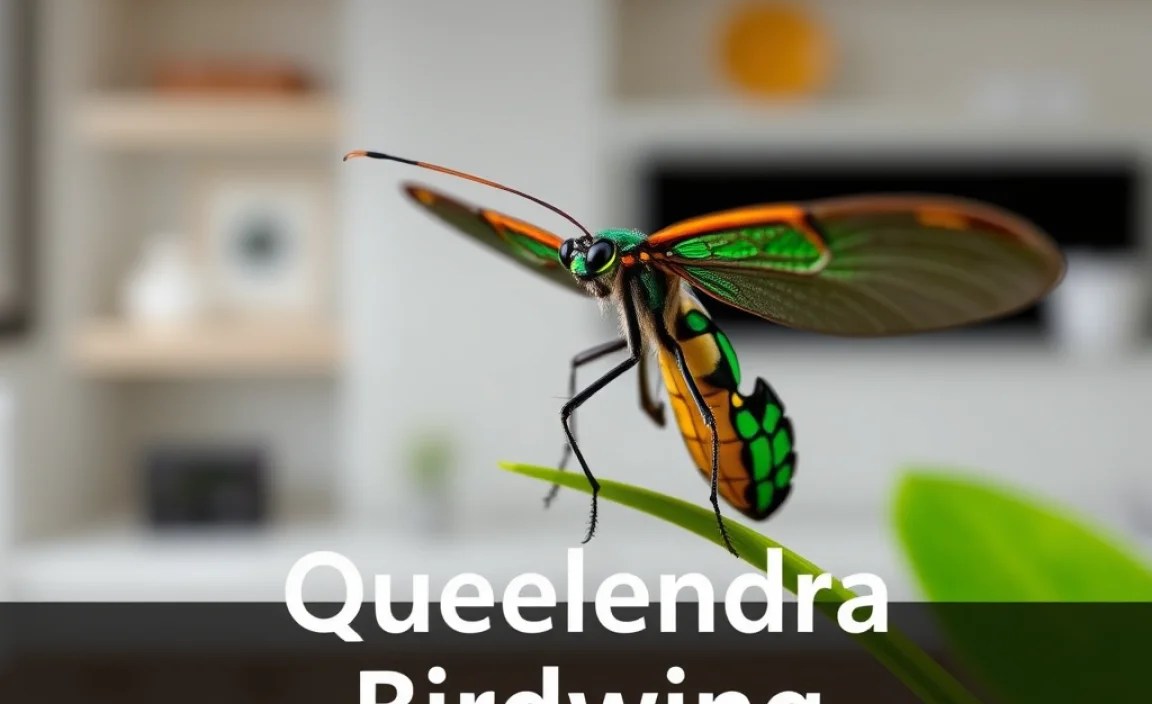
The Queen Alexandra’s birdwing lives in a very special place. They are only found in a small area of rainforest in Papua New Guinea. This rainforest is their home. It provides everything they need to survive. The rainforest has tall trees and lots of plants. It is warm and humid. This climate is perfect for these butterflies. The trees give them shelter. The plants provide food for the caterpillars. The butterflies need this specific habitat. They cannot survive anywhere else. Protecting their habitat is very important. If we lose the rainforest, we lose the butterflies. We must work together to conserve this special place. This is a key {Queen Alexandra birdwing facts} to remember.
- They live in a rainforest.
- The rainforest is in Papua New Guinea.
- It is warm and humid there.
- The trees give them shelter.
- Plants provide food.
- Habitat loss is a big threat.
Imagine the rainforest as a big, green house. It’s full of life. The Queen Alexandra’s birdwing is just one part of this amazing ecosystem. Every plant and animal plays a role. When we destroy the rainforest, we harm everything that lives there. This includes the butterflies. We need to find ways to protect the rainforest. We can support sustainable farming practices. These practices help protect the environment. We can also reduce our use of wood and paper. This helps save the trees. By working together, we can protect the Queen Alexandra’s birdwing and its habitat. We must spread awareness of these {Queen Alexandra birdwing facts} to inspire action.
Fun Fact or Stat: The Queen Alexandra’s birdwing habitat is less than 100 square kilometers!
What Plants Do They Need?
The Queen Alexandra’s birdwing caterpillars are picky eaters. They only eat one type of plant. This plant is called the Aristolochia vine. The caterpillars need this vine to survive. It provides them with all the nutrients they need. The female butterflies lay their eggs on this vine. When the eggs hatch, the caterpillars start eating the leaves. The vine is also poisonous. This makes the caterpillars toxic to predators. Without the Aristolochia vine, the butterflies cannot survive. Protecting this plant is very important. Conservation efforts focus on planting and protecting these vines. This helps ensure the butterflies have enough food. These {Queen Alexandra birdwing facts} highlight the importance of specific plants.
How Does Climate Affect Them?
Climate change is a big problem for the Queen Alexandra’s birdwing. Changes in temperature and rainfall can harm their habitat. The rainforest needs a stable climate to thrive. If it gets too hot or too dry, the plants can die. This includes the Aristolochia vine. If the vine dies, the caterpillars will have nothing to eat. Climate change can also cause more storms and floods. These events can destroy the butterflies’ habitat. We need to reduce our carbon footprint. This will help slow down climate change. We can also support conservation efforts that protect the rainforest. By working together, we can help the butterflies survive. Understanding these {Queen Alexandra birdwing facts} is crucial for addressing climate change.
What Other Animals Live There?
The rainforest is home to many other animals. There are birds, monkeys, snakes, and insects. These animals all live together in a complex ecosystem. The Queen Alexandra’s birdwing is part of this ecosystem. They interact with other animals in different ways. Some animals eat the butterflies. Others help pollinate the plants. The rainforest needs all these animals to be healthy. When one animal disappears, it can affect the whole ecosystem. Protecting the rainforest protects all the animals that live there. This includes the Queen Alexandra’s birdwing. We must remember that {Queen Alexandra birdwing facts} are connected to the entire ecosystem.
Life Cycle of the Birdwing Butterfly

The Queen Alexandra’s birdwing goes through four stages. These stages are egg, larva (caterpillar), pupa (chrysalis), and adult. The female butterfly lays her eggs on the Aristolochia vine. The eggs are small and round. After a few days, the eggs hatch into caterpillars. The caterpillars eat the leaves of the vine. They grow bigger and bigger. After a few weeks, the caterpillar turns into a pupa. The pupa is also called a chrysalis. It hangs from a branch. Inside the pupa, the caterpillar changes into a butterfly. After a few weeks, the pupa opens. A beautiful butterfly emerges. The butterfly flies away to find a mate and lay eggs. Understanding this life cycle helps us appreciate these amazing creatures. Studying the life cycle reveals important {Queen Alexandra birdwing facts}.
- They have four life stages.
- Egg, larva, pupa, and adult.
- Eggs are laid on the Aristolochia vine.
- Caterpillars eat the vine’s leaves.
- Pupa is also called a chrysalis.
- Butterfly emerges from the pupa.
| Life Stage | Description | Duration | Key Features |
|---|---|---|---|
| Egg | Small, round eggs laid on Aristolochia vine | Few days | Hatch into caterpillars |
| Larva (Caterpillar) | Eats leaves, grows bigger | Few weeks | Poisonous due to diet |
| Pupa (Chrysalis) | Hangs from branch, transforms | Few weeks | Butterfly develops inside |
| Adult | Butterfly emerges, flies away | Several weeks | Reproduces, lays eggs |
The life cycle of the Queen Alexandra’s birdwing is a delicate process. Each stage is important for their survival. The caterpillars need a healthy supply of Aristolochia vines. The pupae need a safe place to transform. The adult butterflies need a healthy habitat to find mates and lay eggs. Disruptions to any of these stages can harm the population. That’s why it’s so important to protect their habitat. By protecting the rainforest, we can help ensure they continue to thrive. Knowing these {Queen Alexandra birdwing facts} helps us protect their life cycle.
Fun Fact or Stat: The caterpillar stage can last for several months!
What Do Caterpillars Eat?
The Queen Alexandra’s birdwing caterpillars are very picky. They only eat the leaves of the Aristolochia vine. This vine is their main source of food. It provides them with all the nutrients they need to grow. The caterpillars eat a lot of leaves. They grow very quickly. As they eat, they also become poisonous. The vine contains toxins. These toxins make the caterpillars taste bad to predators. This helps protect them from being eaten. Without the Aristolochia vine, the caterpillars cannot survive. Protecting this plant is essential for the survival of the butterflies. These {Queen Alexandra birdwing facts} emphasize the importance of the vine.
How Long Do They Live?
The Queen Alexandra’s birdwing has a relatively short lifespan. As adults, they only live for a few weeks or months. During this time, they need to find a mate and reproduce. The females lay their eggs on the Aristolochia vine. The cycle starts all over again. The caterpillars spend much longer growing and developing. The pupa stage also takes several weeks. The entire life cycle can take several months. But the adult stage is the shortest. This makes it even more important to protect them. We need to ensure they have enough time to reproduce. Understanding their lifespan is a key {Queen Alexandra birdwing fact}.
What Happens in the Pupa Stage?
The pupa stage is a time of great change. Inside the pupa, the caterpillar transforms into a butterfly. This is a complex process. The caterpillar’s body breaks down. It then rebuilds itself into a new form. The pupa is protected by a hard shell. It hangs from a branch. During this time, the pupa is vulnerable. It needs to be protected from predators and the elements. After several weeks, the butterfly is ready to emerge. The pupa splits open. The butterfly crawls out. It unfolds its wings and flies away. This transformation is truly amazing. Knowing this {Queen Alexandra birdwing fact} helps us appreciate the process.
Threats to Queen Alexandra Birdwing

The Queen Alexandra’s birdwing faces many threats. These threats make it hard for them to survive. The biggest threat is habitat loss. People are cutting down the rainforest. They need land for farming, logging, and mining. This destroys the butterflies’ homes. They can’t find food or places to lay eggs. Another threat is illegal collecting. Some people want to catch and sell these butterflies. This reduces their numbers. Climate change is also a threat. Changes in temperature and rainfall can harm their habitat. We need to address these threats to protect the butterflies. Learning about these threats is a key {Queen Alexandra birdwing fact}.
- Habitat loss is a big threat.
- Illegal collecting is also harmful.
- Climate change affects their habitat.
- Deforestation destroys their homes.
- Farming reduces their food supply.
- Mining pollutes their environment.
Imagine the rainforest slowly disappearing. This is what’s happening to the Queen Alexandra’s birdwing’s home. Every year, more and more trees are cut down. This leaves the butterflies with nowhere to live. They struggle to find food and mates. Their numbers are dwindling. We need to stop this destruction. We can support sustainable farming practices. We can also reduce our consumption of wood and paper. We can also support conservation organizations. These organizations are working to protect the rainforest. By working together, we can help save the Queen Alexandra’s birdwing. Spreading awareness of these {Queen Alexandra birdwing facts} is very important.
Fun Fact or Stat: The Queen Alexandra’s birdwing is listed as “Endangered” by the IUCN!
How Does Deforestation Affect Them?
Deforestation is a major problem for the Queen Alexandra’s birdwing. When trees are cut down, the butterflies lose their homes. They also lose their food supply. The Aristolochia vine grows in the rainforest. When the trees are cut down, the vine can die. This leaves the caterpillars with nothing to eat. Deforestation also disrupts the ecosystem. It can lead to soil erosion and water pollution. These problems can further harm the butterflies. We need to stop deforestation to protect these amazing creatures. Understanding this {Queen Alexandra birdwing fact} is vital for conservation.
Why Is Illegal Collecting a Problem?
Illegal collecting is a serious threat. Some people want to catch and sell the Queen Alexandra’s birdwing. These butterflies are very rare and valuable. Collectors are willing to pay a lot of money for them. This encourages people to catch them illegally. Illegal collecting reduces the butterfly population. It can also disrupt their breeding cycle. We need to stop this illegal activity. We can support laws that protect the butterflies. We can also report any suspected illegal collecting. By working together, we can protect these amazing creatures. Recognizing this {Queen Alexandra birdwing fact} is important for stopping illegal activities.
What Can Be Done to Help?
There are many things we can do to help the Queen Alexandra’s birdwing. We can support conservation organizations. These organizations are working to protect the rainforest. They are also working to stop illegal collecting. We can also reduce our carbon footprint. This will help slow down climate change. We can also educate others about the importance of saving these butterflies. By working together, we can make a difference. Every little bit helps. We can all play a role in protecting these amazing creatures. Spreading awareness about {Queen Alexandra birdwing facts} is key to conservation.
Queen Alexandra Birdwing Conservation
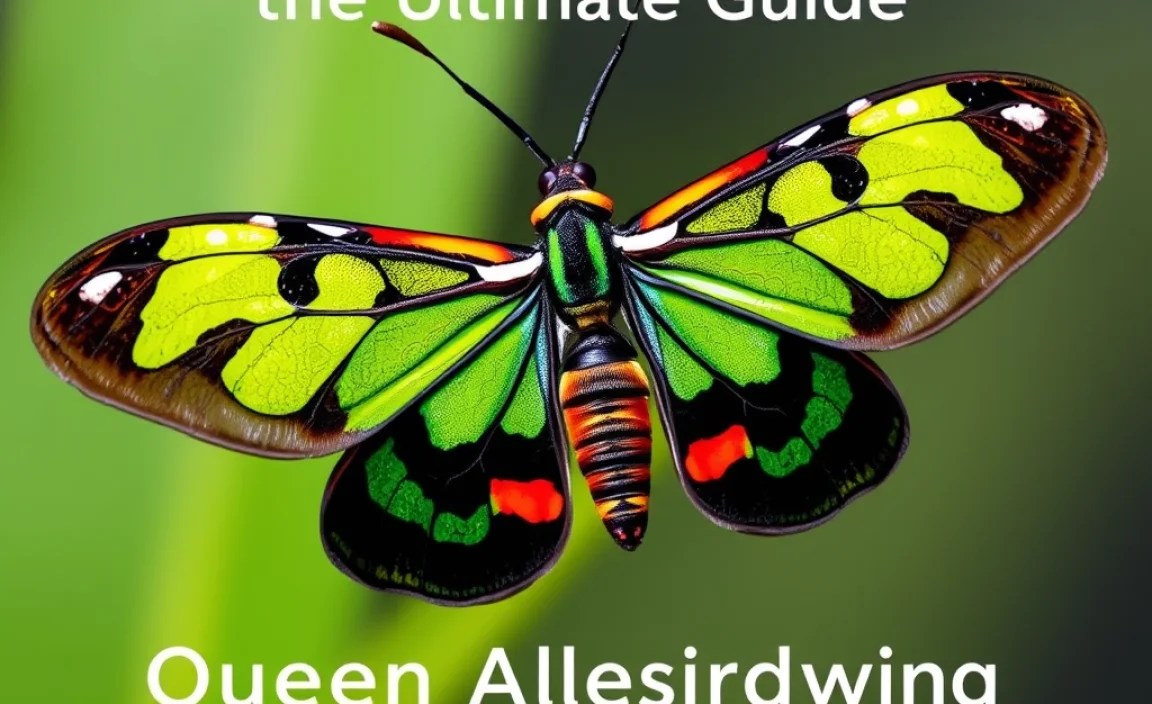
Conservation efforts are very important for the Queen Alexandra’s birdwing. These butterflies are endangered. They need our help to survive. There are many organizations working to protect them. These organizations are protecting their habitat. They are also stopping illegal collecting. They are also educating people about the importance of saving these butterflies. We can support these efforts. We can donate money or volunteer our time. We can also spread the word. The more people who know about these butterflies, the better. Understanding conservation is a key {Queen Alexandra birdwing fact}.
- Protecting their habitat is vital.
- Stopping illegal collecting is important.
- Educating people raises awareness.
- Supporting conservation groups helps.
- Donating money can make a difference.
- Volunteering time is valuable.
Imagine a world without the Queen Alexandra’s birdwing. It would be a sad loss. These butterflies are a part of our planet’s biodiversity. They are also a symbol of the beauty and wonder of nature. We need to protect them for future generations. Our children and grandchildren should have the opportunity to see these amazing creatures. We can all make a difference. By supporting conservation efforts, we can help ensure their survival. Let’s work together to save the Queen Alexandra’s birdwing. We must act on these {Queen Alexandra birdwing facts} to protect them.
Fun Fact or Stat: Conservation efforts include planting more Aristolochia vines!
What Organizations Are Helping?
Many organizations are working to protect the Queen Alexandra’s birdwing. These organizations are dedicated to conservation. They work with local communities. They conduct research. They also advocate for policies that protect the butterflies. Some of these organizations include WWF, Conservation International, and the Wildlife Conservation Society. These organizations need our support. We can donate money or volunteer our time. We can also spread the word about their work. By supporting these organizations, we can help save the Queen Alexandra’s birdwing. Knowing this {Queen Alexandra birdwing fact} can guide our support.
How Can Local Communities Help?
Local communities play a crucial role in conservation. They live near the butterflies’ habitat. They can help protect it. They can also participate in conservation efforts. They can plant Aristolochia vines. They can also monitor the butterfly population. They can also report any illegal activities. By involving local communities, we can ensure the long-term success of conservation efforts. Supporting local communities is essential. We can help them develop sustainable livelihoods. This will reduce their dependence on activities that harm the environment. Recognizing this {Queen Alexandra birdwing fact} empowers communities.
What Laws Protect Them?
Laws are important for protecting the Queen Alexandra’s birdwing. These laws prohibit illegal collecting. They also protect their habitat. Papua New Guinea has laws that protect these butterflies. International agreements also help. These agreements regulate the trade of endangered species. These laws are not always enough. They need to be enforced effectively. We can support efforts to strengthen these laws. We can also advocate for better enforcement. By supporting these laws, we can help protect these amazing creatures. Understanding this {Queen Alexandra birdwing fact} is crucial for advocacy.
Summary
The Queen Alexandra’s birdwing is the world’s largest butterfly. It lives only in a small area of Papua New Guinea. These amazing butterflies are endangered. Habitat loss, illegal collecting, and climate change threaten them. Their caterpillars eat only the Aristolochia vine. Conservation efforts are crucial for their survival. Protecting their habitat and stopping illegal collecting are key. Educating people about these butterflies is also important. We can all help by supporting conservation organizations. We can also reduce our carbon footprint. Every little bit helps to protect these amazing creatures. Remember these {Queen Alexandra birdwing facts} and spread the word!
Conclusion
The Queen Alexandra’s birdwing is a truly remarkable creature. It is the largest butterfly in the world. It faces many threats. We must act to protect it. Conservation efforts are vital for its survival. We can support these efforts in many ways. We can donate, volunteer, or spread the word. By working together, we can help ensure this amazing butterfly thrives for generations to come. Let’s make a difference and protect this incredible species. Protecting this species means remembering important {Queen Alexandra birdwing facts}.
Frequently Asked Questions
Question No 1: Where does the Queen Alexandra’s birdwing live?
Answer: The Queen Alexandra’s birdwing lives in a very specific location. It is only found in a small area of the rainforest in Papua New Guinea. This rainforest provides the perfect conditions for these butterflies to thrive. The warm, humid climate and the presence of the Aristolochia vine are essential for their survival. This limited range makes them particularly vulnerable to habitat loss and other threats. Protecting their habitat is crucial for their survival. Understanding this {Queen Alexandra birdwing fact} is essential for conservation efforts.
Question No 2: Why is the Queen Alexandra’s birdwing endangered?
Answer: The Queen Alexandra’s birdwing is endangered for several reasons. The biggest reason is habitat loss. People are cutting down the rainforest for farming, logging, and mining. This destroys the butterflies’ homes and food sources. Illegal collecting is also a threat. Some people want to catch and sell these butterflies for profit. Climate change also affects their habitat. Changes in temperature and rainfall can harm the Aristolochia vine. Addressing these threats is crucial for their survival. Knowing these {Queen Alexandra birdwing facts} helps us understand the challenges they face.
Question No 3: What do Queen Alexandra’s birdwing caterpillars eat?
Answer: The Queen Alexandra’s birdwing caterpillars have a very specific diet. They only eat the leaves of the Aristolochia vine. This vine is their sole source of food. It provides them with all the nutrients they need to grow and develop. The vine also contains toxins that make the caterpillars poisonous to predators. Without the Aristolochia vine, the caterpillars cannot survive. Protecting this vine is essential for the survival of the butterflies. This {Queen Alexandra birdwing fact} highlights the importance of specific plants in their ecosystem.
Question No 4: How big is the Queen Alexandra’s birdwing?
Answer: The Queen Alexandra’s birdwing is the largest butterfly in the world. The females are larger than the males. Their wingspan can reach up to nearly one foot (30 centimeters). This makes them truly impressive creatures. Their large size is due to a combination of factors. These factors include their diet, their environment, and their genetics. Seeing one of these butterflies in flight is an unforgettable experience. They are truly giants among butterflies. Remembering {Queen Alexandra birdwing facts} helps us appreciate their size.
Question No 5: What can I do to help protect the Queen Alexandra’s birdwing?
Answer: There are many things you can do to help protect the Queen Alexandra’s birdwing. You can support conservation organizations that are working to protect their habitat. You can also reduce your carbon footprint by conserving energy and reducing waste. Educating others about these butterflies is also important. Spread the word about their plight and encourage others to take action. Every little bit helps. By working together, we can make a difference. Supporting conservation is a key {Queen Alexandra birdwing fact} to remember.
Question No 6: What is the life cycle of the Queen Alexandra’s birdwing?
Answer: The Queen Alexandra’s birdwing goes through four stages in its life cycle. These stages are egg, larva (caterpillar), pupa (chrysalis), and adult. The female butterfly lays her eggs on the Aristolochia vine. The eggs hatch into caterpillars. The caterpillars eat the leaves of the vine and grow. The caterpillar then turns into a pupa. The pupa transforms into a butterfly. The butterfly emerges and flies away to reproduce. Understanding this life cycle is important for conservation. Knowing these {Queen Alexandra birdwing facts} helps us protect each stage of their life.


