
Asian Butterfly Egg Laying: Ultimate Guide!

Have you ever seen a butterfly flutter by? These colorful insects start as tiny eggs. The way butterflies lay their eggs is fascinating. Especially when we talk about Asian butterfly egg laying. Where do these butterflies lay their eggs? What do the eggs look like? Let’s find out!
Butterflies are important. They help flowers make seeds. They are also pretty to watch. Asian butterfly egg laying is a key part of their life cycle. Learning about it can help us understand nature better.
Have you ever wondered where butterflies come from? They don’t just appear! They start as small eggs. Then they grow into caterpillars. Finally, they turn into beautiful butterflies. The process of Asian butterfly egg laying is very interesting. Each type of butterfly has its own special way of doing it.
Key Takeaways
- Asian butterfly egg laying habits vary among species, some laying single eggs.
- Butterfly eggs come in different shapes, sizes, and colors to protect them.
- Host plants are crucial because caterpillars eat them after hatching.
- Environmental factors like temperature affect egg development and hatching.
- Observing Asian butterfly egg laying helps with butterfly conservation efforts.
Understanding Asian Butterfly Egg Laying
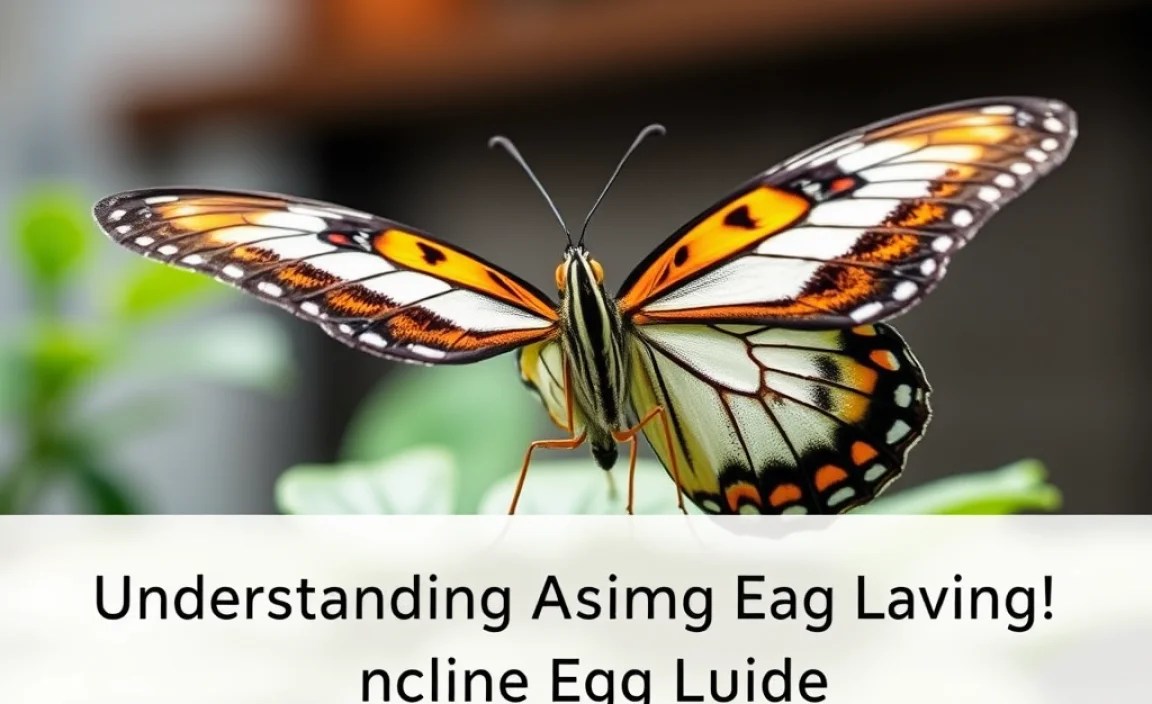
Asian butterfly egg laying is a fascinating process. It starts with the female butterfly finding the right plant. This plant will be food for her babies. She looks for specific types of leaves. These leaves must be healthy and safe. The mother butterfly uses her senses. She smells and tastes the leaves. This helps her decide if it’s the right place. She wants to make sure her babies have the best chance to grow. The Asian butterfly egg laying process is a very important job. She needs to choose wisely. A good choice means her caterpillars will have plenty to eat. A bad choice means her babies might not survive. This is why the mother butterfly is so careful.
- Butterflies choose specific plants.
- They use their senses to find them.
- The plant must be healthy for the babies.
- Some butterflies lay many eggs together.
- Others lay their eggs alone.
The process of Asian butterfly egg laying is complex. Butterflies have special sensors on their feet. These sensors help them taste the leaves. They can tell if the plant has the right nutrients. They can also tell if the plant is poisonous. Some butterflies lay their eggs in groups. Others lay them one at a time. The way they lay their eggs depends on the type of butterfly. Some butterflies even protect their eggs. They cover them with hairs or other materials. This helps keep the eggs safe from predators. Asian butterfly egg laying is a vital part of the butterfly’s life cycle. It ensures the next generation of butterflies will thrive.
Why Do Butterflies Choose Specific Plants?
Have you ever wondered why butterflies are so picky? They don’t just lay their eggs on any plant. They choose specific plants for a very important reason. Caterpillars need to eat certain types of leaves to grow. These plants are called “host plants.” The mother butterfly knows which plants are best for her babies. She has an instinct that guides her. For example, the monarch butterfly only lays eggs on milkweed plants. The caterpillar can eat milkweed leaves, but the leaves are poisonous to many other animals. This protects the monarch caterpillar from being eaten. Asian butterfly egg laying relies on the right host plants. Without them, the caterpillars would not survive. So, the mother butterfly’s choice is very important.
How Do Butterflies Find the Right Plants?
Imagine you are trying to find your favorite snack in a big store. You would use your eyes and your nose to find it. Butterflies do something similar! They use their senses to find the right plants. They can see colors and patterns that we can’t. They can also smell the chemicals in the leaves. Some butterflies even taste the leaves with their feet! This helps them know if the plant is the right one for their babies. The process of finding the right plant for Asian butterfly egg laying is complex. It involves a combination of sight, smell, and taste. The mother butterfly uses all her senses to make the best choice.
What Happens if a Butterfly Chooses the Wrong Plant?
Choosing the wrong plant can be a big problem for butterfly eggs. If the caterpillar hatches and can’t eat the leaves, it will starve. This is why mother butterflies are so careful. They want to make sure their babies have the best chance to survive. Sometimes, a butterfly might make a mistake. Maybe the plant looked healthy but it wasn’t. Or maybe the butterfly was confused by something. When this happens, the caterpillar might not live very long. The success of Asian butterfly egg laying depends on choosing the right host plant. This is a crucial step in the butterfly’s life cycle. The mother butterfly’s instincts usually guide her to the right choice.
Fun Fact or Stat: Some Asian butterfly species lay over 200 eggs in their lifetime, ensuring the survival of their species!
Types of Asian Butterfly Eggs

Butterfly eggs are not all the same. They come in different shapes, sizes, and colors. Some are round like tiny balls. Others are long and thin like little sticks. Some are smooth, while others have ridges or bumps. The color of the egg can also vary. Some are white or yellow, while others are green or brown. The type of egg depends on the type of butterfly. Each type of egg is designed to protect the baby butterfly inside. The shell of the egg is like a tiny house. It keeps the caterpillar safe from the weather and from predators. Asian butterfly egg laying results in a wide variety of egg types. Each type is perfectly suited to its environment and the needs of the developing caterpillar.
- Eggs vary in shape and size.
- Colors can be white, yellow, green, or brown.
- The shell protects the caterpillar.
- Some eggs have special patterns.
- These patterns help them blend in.
- Different species lay different eggs.
The size of a butterfly egg is very small. Most are only about the size of a pinhead. But even though they are small, they are very important. Inside each egg, a tiny caterpillar is growing. The egg provides all the nutrients the caterpillar needs to start its life. The color of the egg can also be important. Some eggs are colored to blend in with the leaves. This helps them hide from predators. Other eggs are brightly colored to warn predators that they are poisonous. The process of Asian butterfly egg laying produces a wide range of egg types. Each one is adapted to its specific environment. This helps the butterflies survive and thrive.
Why Are Butterfly Eggs Different Colors?
Have you ever noticed how colorful butterfly wings are? Well, their eggs can be colorful too! The colors of butterfly eggs are not just for show. They serve a very important purpose. Some colors help the eggs blend in with their surroundings. This makes it harder for predators to find them. Other colors warn predators that the eggs are poisonous or taste bad. For example, monarch butterfly eggs are often yellow or white. This helps them stand out against the green leaves. But these eggs are also poisonous, so predators learn to avoid them. The colors of Asian butterfly egg laying reflect the environment. They help the eggs survive.
Do Butterfly Eggs Change Color?
Imagine a chameleon changing its colors to blend in. Butterfly eggs can also change color! As the caterpillar grows inside the egg, the egg might change color. This is because you can start to see the caterpillar through the shell. For example, a green egg might turn darker as the caterpillar inside gets bigger. The color change can also tell you when the egg is about to hatch. If the egg turns clear, it means the caterpillar is almost ready to come out. Observing the color of Asian butterfly egg laying can help you monitor the development of the eggs. It’s like watching a tiny miracle happen before your eyes!
How Do Butterfly Eggs Stay Safe?
Butterfly eggs are very small and delicate. They need to be protected from all sorts of dangers. The shell of the egg is the first line of defense. It keeps the caterpillar safe from the weather and from predators. Some butterflies also lay their eggs in hidden places. They might put them under leaves or in cracks in the bark. This helps keep them out of sight. Some butterflies even cover their eggs with special substances. These substances can make the eggs taste bad or be poisonous to predators. Asian butterfly egg laying involves many strategies to keep the eggs safe. These strategies help ensure that the caterpillars will hatch and grow into beautiful butterflies.
Fun Fact or Stat: Some butterfly eggs have tiny holes called micropyles, which allow sperm to enter and fertilize the egg!
Where Asian Butterflies Lay Eggs

Where a butterfly lays its eggs is very important. Butterflies often lay their eggs on the underside of leaves. This protects the eggs from the sun and rain. It also hides them from predators that might be looking for a tasty snack. Some butterflies lay their eggs on stems or flowers. Others lay them on the ground near the host plant. The location depends on the type of butterfly and the type of plant. The mother butterfly knows where the best place is to lay her eggs. She has an instinct that guides her to the perfect spot. Asian butterfly egg laying is a careful process. The location is key to the survival of the eggs.
- Underside of leaves is common.
- It offers protection from sun and rain.
- Some lay on stems or flowers.
- Others lay eggs on the ground.
- Location depends on the butterfly.
- Instinct guides the mother.
The choice of location is crucial for the survival of the caterpillar. If the egg is laid in a place that is too hot or too cold, the caterpillar might not hatch. If the egg is laid in a place that is too dry, the caterpillar might dry out. If the egg is laid in a place where predators can easily find it, the caterpillar might get eaten. The mother butterfly takes all of these things into consideration when she chooses a location. She wants to make sure her babies have the best chance to survive. Asian butterfly egg laying is a delicate balance. The location of the egg is a vital part of that balance.
Why Do Butterflies Lay Eggs Under Leaves?
Imagine you are trying to hide from the sun on a hot day. Where would you go? You would probably go under a tree or an umbrella. Butterflies do something similar when they lay their eggs. They often lay them under leaves to protect them from the sun. The sun can dry out the eggs and make them too hot. The leaves provide shade and keep the eggs cool and moist. Laying eggs under leaves also helps hide them from predators. Birds and other animals are less likely to see the eggs if they are hidden under the leaves. The choice of location for Asian butterfly egg laying is very important. It helps ensure the survival of the eggs.
Do Butterflies Ever Lay Eggs on Other Things?
While leaves are a popular spot, butterflies sometimes lay eggs in other places too. Some butterflies lay their eggs on the stems of plants. This can be a good choice if the stems are close to the leaves. The caterpillars can easily crawl to the leaves when they hatch. Other butterflies lay their eggs on flowers. This is a good choice if the caterpillars eat the flowers. Some butterflies even lay their eggs on rocks or fences. This is less common, but it can happen if the butterfly can’t find a suitable plant. The adaptability of Asian butterfly egg laying ensures species can survive. They can lay eggs even when conditions are not ideal.
How Do Butterflies Choose the Best Location?
Have you ever wondered how butterflies know where to lay their eggs? They don’t have a map or a guidebook! They rely on their instincts and their senses. The mother butterfly uses her eyes to find a suitable plant. She looks for healthy leaves that are the right color and shape. She uses her antennae to smell the plant. She can smell the chemicals in the leaves and tell if they are good for her babies. Some butterflies even taste the leaves with their feet! This helps them know if the plant is the right one. The choice of location for Asian butterfly egg laying depends on a combination of instinct and sensory information. The mother butterfly uses all her tools to make the best decision.
Fun Fact or Stat: Some butterfly species lay their eggs in groups, while others lay them individually!
Host Plants and Asian Butterfly Egg Laying

Host plants are super important for butterflies. A host plant is the specific plant that a butterfly caterpillar eats. Each type of butterfly has its own favorite host plant. Monarch caterpillars only eat milkweed. Black swallowtail caterpillars eat plants in the parsley family. The mother butterfly knows which plant her caterpillars need. She will only lay her eggs on that specific plant. This ensures that her babies have the food they need to grow. Asian butterfly egg laying is closely tied to the availability of host plants. Without the right host plants, butterflies cannot reproduce.
- Host plants are food for caterpillars.
- Each butterfly has a favorite.
- Monarchs eat only milkweed.
- Black swallowtails eat parsley.
- Mothers lay eggs on the right plant.
- This gives babies food.
The relationship between butterflies and host plants is very special. The plants provide food for the caterpillars. The caterpillars help the plants by pollinating them. Pollination is when a plant gets pollen from another plant, so that it can make seeds. Butterflies carry pollen from flower to flower as they fly. This helps the plants reproduce. Asian butterfly egg laying and host plants are a team. They help each other survive. Protecting host plants is important for protecting butterflies. If we lose the host plants, we will lose the butterflies too.
| Butterfly Species | Host Plant | Egg Color | Egg Shape |
|---|---|---|---|
| Monarch | Milkweed | Creamy White | Oval |
| Black Swallowtail | Parsley, Dill | Yellow | Round |
| Cabbage White | Cabbage, Broccoli | Pale Yellow | Spindle-shaped |
| Gulf Fritillary | Passionflower Vine | Orange-Yellow | Elongated |
| Spicebush Swallowtail | Spicebush, Sassafras | Green | Round |
What Happens if There Are No Host Plants?
Imagine you went to your favorite restaurant and they were out of your favorite food. You would be very sad! The same thing happens to butterfly caterpillars when there are no host plants. If the mother butterfly can’t find the right plant, she might not lay her eggs at all. Or she might lay her eggs on the wrong plant. If the caterpillar hatches and can’t find the right food, it will starve. This is why it’s so important to protect host plants. The survival of Asian butterfly egg laying depends on it. We can help by planting host plants in our gardens and in our communities.
How Can We Help Butterflies Find Host Plants?
We can all be butterfly helpers! One of the best ways to help butterflies is to plant host plants in our gardens. This gives the mother butterflies a place to lay their eggs. It also gives the caterpillars a place to eat. When choosing host plants, it’s important to pick plants that are native to your area. Native plants are plants that naturally grow in your region. They are the best food for local butterflies. You can also avoid using pesticides on your plants. Pesticides can harm caterpillars and other insects. By planting host plants and avoiding pesticides, we can help Asian butterfly egg laying thrive.
Why Are Host Plants Important for Conservation?
Conservation means protecting plants and animals. Host plants are a key part of butterfly conservation. If we want to protect butterflies, we need to protect their host plants. Habitat loss is a big threat to butterflies. Habitat loss is when places where butterflies live are destroyed. This can happen when forests are cut down or when land is developed for houses or businesses. By protecting host plants, we can help provide habitat for butterflies. We can also help them survive in a changing world. The conservation of Asian butterfly egg laying is linked to the preservation of host plant habitats. Protecting these plants is essential for ensuring the future of butterflies.
Fun Fact or Stat: Some butterflies only lay their eggs on one specific type of host plant!
Environmental Factors Affecting Egg Laying

The environment plays a big role in Asian butterfly egg laying. Things like temperature, sunlight, and rain can all affect where and when a butterfly lays its eggs. For example, some butterflies only lay eggs when it’s warm and sunny. Others can lay eggs even when it’s cloudy or raining. The temperature can also affect how quickly the eggs hatch. If it’s too cold, the eggs might take longer to hatch. If it’s too hot, the eggs might dry out. The mother butterfly takes all of these things into consideration when she chooses a place to lay her eggs. She wants to make sure her babies have the best chance to survive.
- Temperature affects egg laying.
- Sunlight is also important.
- Rain can affect egg survival.
- Eggs hatch faster in warm weather.
- Eggs can dry out if it’s too hot.
- Butterflies choose safe spots.
Climate change is also affecting butterfly egg laying. As the climate changes, temperatures are getting warmer. This can cause butterflies to lay their eggs earlier in the year. It can also cause them to move to new areas. This can be a problem if the host plants are not available in those areas. Changes in rainfall patterns can also affect butterflies. If there is too much rain, the eggs might get washed away. If there is not enough rain, the host plants might dry out. The process of Asian butterfly egg laying is sensitive to environmental changes. Protecting the environment is important for protecting butterflies and their eggs.
How Does Temperature Affect Egg Development?
Imagine you are baking a cake. You need to set the oven to the right temperature. If the oven is too cold, the cake won’t bake properly. If the oven is too hot, the cake will burn. The same thing happens with butterfly eggs. Temperature plays a big role in how quickly the eggs develop. If it’s too cold, the eggs will develop very slowly. They might even freeze and die. If it’s too hot, the eggs might develop too quickly. This can cause problems with the caterpillar’s growth. The ideal temperature for Asian butterfly egg laying depends on the type of butterfly. But in general, warm temperatures are best for egg development.
What Role Does Sunlight Play?
Sunlight is important for all living things, including butterflies and their eggs. Sunlight helps plants grow, which provides food for caterpillars. Sunlight also helps keep the eggs warm. Warmth is important for egg development. Some butterflies even lay their eggs in sunny spots. This helps the eggs hatch faster. However, too much sunlight can be harmful. It can dry out the eggs and make them too hot. The mother butterfly needs to find a balance. She needs to find a spot that gets enough sunlight, but not too much. The careful selection related to Asian butterfly egg laying demonstrates this balance.
Can Pollution Affect Butterfly Eggs?
Pollution is a big problem for the environment, and it can also affect butterfly eggs. Air pollution can damage the leaves of host plants. This makes it harder for caterpillars to find food. Water pollution can contaminate the water that butterflies drink. It can also harm the eggs if they are laid near polluted water. Pesticides are also a type of pollution. They are used to kill insects, but they can also harm butterflies and their eggs. It’s important to reduce pollution to protect butterflies and other wildlife. The vulnerability of Asian butterfly egg laying to pollution underscores the need for environmental protection.
Fun Fact or Stat: Some butterfly eggs can survive freezing temperatures!
Observing Asian Butterfly Egg Laying
Watching butterflies lay eggs is a special experience. You can learn a lot about these amazing creatures. The best time to observe Asian butterfly egg laying is during the warmer months. This is when butterflies are most active. Look for butterflies fluttering around host plants. Watch closely to see if they land and lay eggs. Bring a notebook and a pen. Write down what you see. You can also take pictures or draw sketches. Be patient and respectful. Don’t disturb the butterflies or their eggs. Just observe from a distance. With a little practice, you can become a butterfly egg expert!
- Observe during warmer months.
- Look for butterflies near plants.
- Watch them closely for egg laying.
- Bring a notebook and pen.
- Take pictures or draw sketches.
- Be patient and respectful.
- Observe from a distance.
When you observe Asian butterfly egg laying, pay attention to the details. Notice what type of plant the butterfly is laying its eggs on. Look at the shape, size, and color of the eggs. See where the butterfly is placing the eggs. Is it on the top of the leaf, the bottom of the leaf, or on the stem? Also, notice the behavior of the butterfly. Is it laying the eggs quickly or slowly? Is it laying them in a group or one at a time? All of these details can help you learn more about butterfly egg laying and the life cycle of these beautiful insects.
What Tools Do You Need for Observation?
Observing butterflies doesn’t require a lot of fancy equipment. But there are a few things that can make it easier. A good pair of binoculars can help you see the butterflies up close. A magnifying glass can help you see the eggs in detail. A field guide to butterflies can help you identify the different species. A notebook and pen are essential for recording your observations. A camera can help you capture pictures of the butterflies and their eggs. And of course, a good dose of patience is always helpful! The observation of Asian butterfly egg laying is possible with just a few simple tools. The most important thing is your curiosity and your willingness to learn.
How Can You Attract Butterflies to Your Garden?
If you want to observe butterflies in your garden, you need to attract them. One of the best ways to do this is to plant host plants. This gives the butterflies a place to lay their eggs. It also gives the caterpillars a place to eat. You can also plant nectar plants. Nectar plants provide food for adult butterflies. Choose plants that are native to your area. Native plants are the best food for local butterflies. Avoid using pesticides on your plants. Pesticides can harm butterflies and other insects. By creating a butterfly-friendly garden, you can attract butterflies and observe Asian butterfly egg laying up close.
What Ethical Considerations Should You Keep in Mind?
When observing butterflies, it’s important to be respectful of the environment and the animals. Don’t disturb the butterflies or their eggs. Don’t touch the eggs or try to move them. Don’t collect butterflies or caterpillars. Just observe from a distance. If you take pictures, don’t use a flash. The flash can scare the butterflies. Be careful not to step on plants or damage the habitat. Remember, you are a guest in the butterfly’s home. Treat it with respect. The ethical observation of Asian butterfly egg laying ensures minimal impact on the environment. We must protect these beautiful creatures and their habitat.
Fun Fact or Stat: Some butterfly species lay their eggs only at specific times of the day!
Conservation and Protecting Butterfly Eggs
Protecting butterfly eggs is very important. Butterflies are facing many threats. These threats include habitat loss, pollution, and climate change. By protecting butterfly eggs, we can help ensure that these beautiful creatures survive. There are many things we can do to help. We can plant host plants in our gardens. We can avoid using pesticides. We can support organizations that are working to protect butterfly habitat. Every little bit helps. The conservation of Asian butterfly egg laying is a shared responsibility. We all have a role to play in protecting these amazing insects.
- Protecting eggs is important.
- Butterflies face many threats.
- Habitat loss is a big problem.
- Pollution harms butterflies.
- Climate change is a threat.
- We can plant host plants.
- Avoid using pesticides.
One of the most important things we can do is to educate others. Tell your friends and family about the importance of butterflies. Share what you have learned about Asian butterfly egg laying. Encourage them to take action to protect butterflies. Together, we can make a difference. By working together, we can create a world where butterflies thrive. We can ensure that future generations will be able to enjoy the beauty of these amazing insects. The future of butterflies depends on our actions today.
How Does Habitat Loss Affect Butterfly Eggs?
Imagine your home being destroyed. Where would you go? What would you do? Habitat loss is like that for butterflies. When their habitat is destroyed, they have nowhere to lay their eggs. They have nowhere to find food. Habitat loss is a major threat to butterflies around the world. It’s caused by things like deforestation, urbanization, and agriculture. We can help by protecting butterfly habitat. We can also create new habitat by planting host plants and nectar plants in our gardens. The survival of Asian butterfly egg laying relies on the availability of suitable habitats. Protecting these habitats is essential for the survival of butterflies.
What Role Do Pesticides Play in Egg Mortality?
Pesticides are chemicals that are used to kill insects. But they can also harm butterflies and their eggs. Pesticides can kill caterpillars directly. They can also contaminate host plants, making them poisonous to caterpillars. Even small amounts of pesticides can be harmful. It’s important to avoid using pesticides in your garden. There are many natural ways to control pests. You can use beneficial insects, like ladybugs, to eat the pests. You can also use organic gardening techniques. By avoiding pesticides, you can help protect butterflies and their eggs. The dangers of pesticides to Asian butterfly egg laying highlight the importance of sustainable gardening practices.
How Can Citizen Science Help Protect Butterfly Eggs?
Citizen science is when regular people help scientists collect data. There are many citizen science projects that focus on butterflies. You can participate in these projects by observing butterflies in your area. You can record what types of butterflies you see, where you see them, and what they are doing. You can also record data on butterfly eggs. This data can help scientists track butterfly populations and identify threats to their survival. Citizen science is a great way to get involved in butterfly conservation. The participation in Asian butterfly egg laying research through citizen science can provide valuable data. It empowers individuals to contribute to conservation efforts.
Fun Fact or Stat: Some conservation efforts focus on creating butterfly gardens to provide safe habitats for egg laying!
Summary
Asian butterfly egg laying is a fascinating and important process. Butterflies carefully select host plants for their eggs. The eggs come in different shapes, sizes, and colors. They are laid in specific locations to protect them from the environment and predators. Environmental factors, such as temperature and sunlight, play a role in egg development. Observing butterfly egg laying can teach us a lot about these amazing creatures. By protecting host plants and avoiding pesticides, we can help conserve butterflies and their eggs. We should continue to study and protect the processes of Asian butterfly egg laying.
Conclusion
Butterflies are beautiful and important creatures. They play a vital role in our ecosystem. Learning about Asian butterfly egg laying helps us understand their life cycle. We can all do our part to protect them. Plant host plants, avoid pesticides, and educate others. Together, we can ensure that butterflies thrive for generations to come. Let’s help these amazing insects continue their journey. We must work to preserve the delicate process of Asian butterfly egg laying.
Frequently Asked Questions
Question No 1: What is a host plant?
Answer: A host plant is a specific type of plant that a butterfly caterpillar eats. Each type of butterfly has its own favorite host plant. For example, monarch caterpillars only eat milkweed. Black swallowtail caterpillars eat plants in the parsley family. The mother butterfly knows which plant her caterpillars need. She will only lay her eggs on that specific plant. This ensures that her babies have the food they need to grow. That is why the choice of the right host plant is so important for the Asian butterfly egg laying process to be successful.
Question No 2: How can I attract butterflies to my garden?
Answer: You can attract butterflies to your garden by planting host plants and nectar plants. Host plants provide food for caterpillars. Nectar plants provide food for adult butterflies. Choose plants that are native to your area. Native plants are the best food for local butterflies. Avoid using pesticides on your plants. Pesticides can harm butterflies and other insects. By creating a butterfly-friendly garden, you can attract butterflies and observe Asian butterfly egg laying up close. A pesticide-free environment with host plants is best.
Question No 3: What do butterfly eggs look like?
Answer: Butterfly eggs come in different shapes, sizes, and colors. Some are round like tiny balls. Others are long and thin like little sticks. Some are smooth, while others have ridges or bumps. The color of the egg can also vary. Some are white or yellow, while others are green or brown. The type of egg depends on the type of butterfly. Each type of egg is designed to protect the baby butterfly inside. The variety of shapes and sizes related to Asian butterfly egg laying is quite impressive.
Question No 4: Where do butterflies lay their eggs?
Answer: Butterflies often lay their eggs on the underside of leaves. This protects the eggs from the sun and rain. It also hides them from predators that might be looking for a tasty snack. Some butterflies lay their eggs on stems or flowers. Others lay them on the ground near the host plant. The location depends on the type of butterfly and the type of plant. These choices depend on the type of butterfly. They also depend on the type of plant. The success of Asian butterfly egg laying depends on the location of the eggs.
Question No 5: How long does it take for butterfly eggs to hatch?
Answer: The amount of time it takes for butterfly eggs to hatch depends on the type of butterfly and the environmental conditions. In general, butterfly eggs hatch in about 3 to 7 days. However, some eggs can take longer to hatch if the weather is cold. The eggs of some butterfly species can even overwinter, meaning they stay dormant through the winter and hatch in the spring. Temperature and humidity are major factors for Asian butterfly egg laying and hatching times.
Question No 6: What can I do to help protect butterfly eggs?
Answer: There are many things you can do to help protect butterfly eggs. You can plant host plants in your garden. This gives the butterflies a place to lay their eggs and provides food for the caterpillars. You can also avoid using pesticides. Pesticides can harm butterflies and other insects. You can also support organizations that are working to protect butterfly habitat. By taking these steps, you can help ensure that butterfly eggs have a safe place to develop. Protecting the environment is key for successful Asian butterfly egg laying.


