
Painted Lady Butterfly Habitat Facts for School: FREE Guide

Have you ever seen a butterfly flutter by? Did you know some butterflies travel far? The painted lady butterfly is one of these travelers. We can learn many painted lady butterfly habitat facts for school. These facts will help us understand where they live. We will also learn what they need to survive.
Butterflies are important. They help plants grow. Learning about them is fun. Are you ready to learn more about these amazing insects? Let’s explore the world of the painted lady butterfly.
Painted lady butterflies are beautiful. They have orange, brown, and white colors. They are found all over the world. That makes them very special. Let’s discover their homes and habits.
Key Takeaways
- Painted lady butterflies live almost everywhere, showing they are very adaptable insects.
- Their habitats include gardens, fields, and other open spaces with host plants.
- Painted lady butterfly habitat facts for school include understanding their need for nectar.
- These butterflies migrate long distances to find food and breeding grounds.
- Protecting their habitats helps these butterflies to thrive in our world.
Painted Lady Butterfly Habitat: Basic Facts
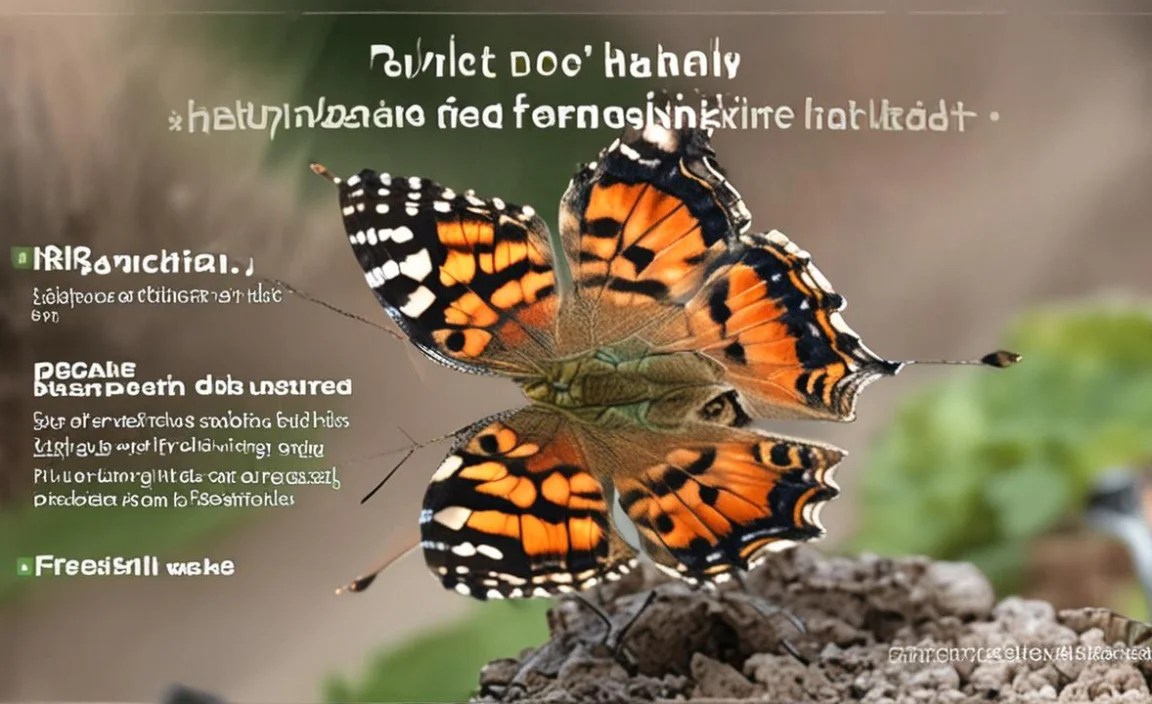
The painted lady butterfly is a world traveler. It lives on almost every continent. You can find them in North America and Europe. They also live in Asia and Africa. These butterflies are very adaptable. They live in many different places. They like open areas with lots of flowers. Gardens, fields, and meadows are perfect homes. They need plants for food and shelter. Understanding painted lady butterfly habitat facts for school helps us protect them.
- They live in many different climates.
- Gardens provide nectar and host plants.
- Fields offer open space for flying.
- Meadows have wildflowers for food.
- Open areas give them sunlight.
Painted ladies are not picky eaters. They like nectar from many flowers. Thistles, asters, and sunflowers are some favorites. These butterflies lay their eggs on host plants. Thistle plants are common host plants. The caterpillars eat the leaves. This helps them grow big and strong. Protecting these habitats is important. We need to keep the butterflies healthy. Learning about their habitat is the first step. We can all help these amazing creatures.
Fun Fact or Stat: The painted lady butterfly can fly up to 100 miles in a single day during its migration!
What Makes a Good Butterfly Home?
Have you ever thought about what a butterfly needs? A good butterfly home has food. It also has shelter from the weather. Painted lady butterflies need both nectar and host plants. Nectar gives them energy to fly. Host plants are for their caterpillars to eat. Without these things, they cannot survive. Think about your own home. You need food and shelter too. Butterflies are not so different from us. They just need a smaller version of the same things.
Why Are Flowers So Important?
Flowers are like a butterfly’s dinner plate. They provide the sweet nectar that butterflies love. Different flowers bloom at different times. This is important for painted lady butterflies. They need a steady supply of food throughout the year. Some flowers are better than others. Butterflies prefer bright colors and sweet smells. Planting a variety of flowers can help butterflies. It also makes your garden look beautiful. What are your favorite flowers to see?
How Can We Help Butterflies?
We can do many things to help butterflies. One way is to plant butterfly gardens. These gardens have nectar and host plants. Avoid using pesticides. Pesticides can harm butterflies and other insects. Provide a water source for them. A shallow dish of water with pebbles works well. Educate others about the importance of butterflies. Every little bit helps. Together, we can make a big difference. We can protect these amazing creatures for years to come.
Nectar Sources for Painted Lady Butterflies

Nectar is the main food for painted lady butterflies. They sip it from flowers using a long, straw-like tongue. This is called a proboscis. The best nectar sources have lots of sugar. They also have the right shape for butterflies to reach. Some favorite nectar plants include thistles and asters. Sunflowers and zinnias are also popular. These flowers provide energy for flying and breeding. Understanding the best nectar sources is part of painted lady butterfly habitat facts for school. Knowing what to plant can help them thrive.
- Thistles are a favorite nectar source.
- Asters bloom in the fall.
- Sunflowers offer lots of nectar.
- Zinnias come in many colors.
- Milkweed attracts many butterflies.
- Clover is a common nectar source.
Planting a variety of nectar plants is important. This provides food throughout the butterfly season. Consider the bloom times of different flowers. Choose plants that bloom from spring to fall. Native plants are often the best choice. They are adapted to the local climate. They also provide the best food for local butterflies. Avoid hybrid flowers. These may not have as much nectar. Always choose open-pollinated varieties. These are better for butterflies and other pollinators.
Fun Fact or Stat: A butterfly’s proboscis is usually curled up. It uncurls to sip nectar, like a tiny drinking straw!
Why Do Butterflies Need Nectar?
Nectar is like fuel for butterflies. It gives them the energy they need to fly. Butterflies use this energy to find mates. They also use it to lay eggs. Without nectar, they cannot survive. Think of nectar as a butterfly’s breakfast, lunch, and dinner. It is their main source of food. Just like we need food to live, butterflies need nectar. The more nectar they have, the healthier they are.
What Happens if There is No Nectar?
If there is no nectar, butterflies will struggle. They may not have enough energy to fly. They may not be able to find mates. They may not be able to lay eggs. This can lead to a decline in the butterfly population. Habitat loss is a big threat to butterflies. When we destroy their habitats, we take away their food source. This is why it is important to protect their homes. We need to make sure they have enough nectar to survive.
How Can We Attract Butterflies With Nectar?
We can attract butterflies by planting nectar-rich flowers. Choose flowers that bloom at different times of the year. This will provide a steady supply of nectar. Plant flowers in sunny areas. Butterflies like to bask in the sun. Avoid using pesticides. These can harm butterflies and other pollinators. Provide a water source for them. A shallow dish of water with pebbles works well. By following these tips, you can create a butterfly-friendly garden.
Host Plants for Painted Lady Caterpillars

Host plants are very important for painted lady butterflies. These are the plants that caterpillars eat. Painted lady caterpillars love thistles. They also eat mallows and other leafy plants. The mother butterfly lays her eggs on these plants. When the eggs hatch, the caterpillars start eating. They grow quickly and shed their skin several times. Providing host plants is key. It’s a critical part of understanding painted lady butterfly habitat facts for school. Without host plants, there would be no new butterflies.
- Thistles are the most common host plant.
- Mallows are also a good choice.
- Caterpillars eat the leaves.
- Eggs are laid on the host plant.
- The caterpillars grow quickly.
- They shed their skin many times.
Choosing the right host plants is important. Native plants are often the best choice. They are adapted to the local climate. They also provide the best food for the caterpillars. Avoid using pesticides on host plants. These can harm or kill the caterpillars. Plant host plants in sunny areas. Caterpillars need sunlight to grow. Make sure the plants have enough water. Healthy plants provide the best food. Providing host plants helps the butterflies thrive.
Fun Fact or Stat: A caterpillar can increase its weight by over 1,000 times before it becomes a butterfly!
Why Are Host Plants Necessary?
Host plants are necessary for the survival of painted lady butterflies. Caterpillars cannot eat just any plant. They need specific plants that provide the right nutrients. Without these nutrients, they cannot grow and develop properly. Host plants are like a baby’s milk. They provide everything the caterpillar needs to become a butterfly. Protecting host plants is important for butterfly conservation.
What Happens if There Are No Host Plants?
If there are no host plants, the caterpillars will starve. They will not be able to grow and develop into butterflies. This can lead to a decline in the butterfly population. Habitat loss is a major threat to host plants. When we destroy habitats, we take away the caterpillars’ food source. This is why it is important to protect and restore these areas. We need to ensure that caterpillars have enough to eat.
How Can We Protect Host Plants?
We can protect host plants in several ways. One way is to plant them in our gardens. This provides a food source for caterpillars. Avoid using pesticides on these plants. Pesticides can harm or kill the caterpillars. Educate others about the importance of host plants. Encourage them to plant these plants in their own gardens. By working together, we can protect these important resources. We can help ensure the survival of painted lady butterflies.
Migration Patterns of Painted Lady Butterflies

Painted lady butterflies are famous for their long migrations. They travel thousands of miles each year. These butterflies move to find food and breeding grounds. They fly north in the spring and summer. Then, they fly south in the fall. This helps them avoid cold winters. Migration is a long and difficult journey. Many butterflies do not survive. Understanding these patterns is part of painted lady butterfly habitat facts for school. It helps us protect them during their travels.
- They migrate long distances.
- They travel to find food.
- They seek breeding grounds.
- They fly north in spring.
- They fly south in fall.
- Migration is very difficult.
The exact routes of migration can vary. Weather patterns and food availability play a role. Some years, there are large numbers of butterflies. Other years, there are fewer. Scientists study these migrations. They use tracking devices and citizen science projects. This helps them understand the butterflies’ movements. Protecting habitats along the migration routes is important. This provides food and shelter for the butterflies. We can all help by planting butterfly gardens.
Fun Fact or Stat: Painted lady butterflies can travel over 2,500 miles during their migration!
Why Do Butterflies Migrate?
Butterflies migrate to find better living conditions. They seek warmer climates in the winter. They also look for fresh food sources. Migration is a way for them to survive. They move to areas where they can breed and lay eggs. Without migration, they would not be able to thrive. The journey is dangerous, but it is necessary for their survival. Migration is an amazing feat of nature.
How Do Butterflies Know Where to Go?
Scientists are still learning how butterflies navigate. They believe butterflies use several cues. The sun and the Earth’s magnetic field may help. They may also use landmarks to find their way. Some butterflies rely on instinct. They are born with the knowledge of where to go. Others learn from older butterflies. The mystery of butterfly navigation is fascinating. There is still much to discover.
What Challenges Do They Face During Migration?
Butterflies face many challenges during migration. Weather conditions can be harsh. They may encounter strong winds and storms. Food can be scarce along the way. They may have to fly long distances without eating. Predators also pose a threat. Birds and other animals prey on butterflies. Habitat loss is another challenge. As their habitats disappear, it becomes harder to find food and shelter. Despite these challenges, many butterflies complete their journey.
Threats to Painted Lady Butterfly Habitats

Painted lady butterflies face many threats to their habitats. Habitat loss is a big problem. This happens when land is developed for homes and businesses. Pesticides also harm butterflies. They kill the plants that butterflies need. Climate change is another threat. It can change the timing of flower blooms. This makes it harder for butterflies to find food. Pollution can also harm butterflies. Understanding these threats is part of painted lady butterfly habitat facts for school. We can work to protect their homes.
| Threat | Description | Impact on Butterflies |
|---|---|---|
| Habitat Loss | Destruction of natural areas for development | Reduces food sources and breeding grounds |
| Pesticides | Chemicals used to kill insects | Poisons butterflies and harms their food plants |
| Climate Change | Changes in weather patterns and temperatures | Alters flower bloom times and migration patterns |
| Pollution | Contamination of air, water, and soil | Harms butterfly health and reduces food quality |
| Invasive Species | Non-native plants and animals | Compete with native plants and disrupt ecosystems |
Protecting butterfly habitats is very important. We can plant butterfly gardens with native plants. We can also reduce our use of pesticides. Supporting organizations that protect habitats helps. Educating others about these threats is also important. Every little bit helps. Together, we can make a big difference. We can help ensure that these beautiful butterflies thrive.
Fun Fact or Stat: Over 35% of butterfly species are threatened with extinction due to habitat loss and climate change.
How Does Habitat Loss Affect Butterflies?
Habitat loss is a major threat to butterflies. When their habitats are destroyed, they lose their food and shelter. They also lose their breeding grounds. This makes it harder for them to survive. Habitat loss can lead to a decline in the butterfly population. It can even lead to extinction. Protecting butterfly habitats is crucial for their survival. We need to conserve and restore these areas.
Why Are Pesticides Harmful to Butterflies?
Pesticides are harmful to butterflies because they are poisons. They can kill butterflies directly. They can also kill the plants that butterflies need to survive. Pesticides can contaminate the environment. This can harm other insects and animals as well. Reducing our use of pesticides is important. We can use natural methods to control pests in our gardens. This will help protect butterflies and other pollinators.
What Can We Do About Climate Change?
Climate change is a complex problem. It requires action at all levels. We can reduce our carbon footprint by using less energy. We can also support policies that promote clean energy. Planting trees can help absorb carbon dioxide from the atmosphere. Educating others about climate change is also important. We need to work together to address this global challenge. We can protect butterflies and other wildlife from the effects of climate change.
Creating a Butterfly Garden for Painted Ladies
Creating a butterfly garden is a great way to help painted lady butterflies. Choose a sunny spot in your yard. Plant nectar-rich flowers and host plants. Provide a water source for the butterflies. Avoid using pesticides in your garden. Add rocks for butterflies to bask on. A butterfly garden can be a beautiful and beneficial addition. It supports butterflies and other pollinators. Knowing how to make these gardens is a key painted lady butterfly habitat facts for school lesson. These gardens help butterflies thrive in our neighborhoods.
- Choose a sunny location.
- Plant nectar-rich flowers.
- Include host plants for caterpillars.
- Provide a shallow dish of water.
- Avoid using pesticides.
- Add rocks for basking.
- Enjoy the butterflies!
When choosing plants, consider native species. Native plants are adapted to the local climate. They also provide the best food for butterflies. Plant a variety of flowers that bloom at different times. This will provide a steady supply of nectar. Group plants together to make it easier for butterflies to find them. Add a layer of mulch to help retain moisture in the soil. Water your garden regularly, especially during dry periods. Watch your garden come alive with butterflies.
Fun Fact or Stat: Butterfly gardens can increase local butterfly populations by up to 50%!
What Flowers Attract Butterflies?
Many flowers attract butterflies with their bright colors and sweet nectar. Some popular choices include zinnias, sunflowers, and asters. Butterfly bush is also a favorite. These flowers provide a rich source of nectar. They are easy to grow in most gardens. Choose flowers that bloom at different times of the year. This will provide a steady supply of food for butterflies. Plant these flowers in sunny areas for the best results.
What Host Plants Should I Include?
To attract painted lady butterflies, include thistles and mallows. These are the host plants for their caterpillars. Plant these plants in a sunny area of your garden. Make sure they have enough water. Avoid using pesticides on these plants. The caterpillars will eat the leaves. This will help them grow into beautiful butterflies. Providing host plants is essential for butterfly conservation.
How Do I Maintain a Butterfly Garden?
Maintaining a butterfly garden is easy. Water your plants regularly, especially during dry periods. Remove any weeds that may compete with your plants. Deadhead spent flowers to encourage more blooms. Avoid using pesticides in your garden. These can harm butterflies and other pollinators. Add compost to the soil each year to improve its fertility. By following these tips, you can keep your butterfly garden healthy and thriving.
The Life Cycle and Habitat Connection
The life cycle of the painted lady butterfly is closely linked to its habitat. The butterfly lays its eggs on host plants. The caterpillars hatch and eat the leaves. They grow and shed their skin several times. Then, they form a chrysalis. Inside the chrysalis, they transform into butterflies. The butterflies emerge and fly away. They need nectar to survive and reproduce. This whole process depends on a healthy habitat. Understanding this cycle is part of painted lady butterfly habitat facts for school. It shows how important it is to protect their homes.
- Eggs are laid on host plants.
- Caterpillars hatch and eat.
- They grow and shed their skin.
- They form a chrysalis.
- Butterflies emerge and fly.
- Nectar is needed for survival.
- Healthy habitats are essential.
Each stage of the life cycle has specific needs. The caterpillars need host plants to eat. The butterflies need nectar for energy. They also need shelter from the weather. Protecting each stage is important for the butterfly’s survival. We can do this by providing the right habitat. This includes host plants, nectar sources, and shelter. By understanding the life cycle, we can better protect these amazing creatures.
Fun Fact or Stat: The entire life cycle of a painted lady butterfly, from egg to adult, takes only about a month!
What Do Caterpillars Eat?
Caterpillars eat the leaves of host plants. Painted lady butterfly caterpillars prefer thistles and mallows. They munch on the leaves to grow big and strong. Caterpillars have strong jaws that help them eat. They can consume a lot of leaves in a short amount of time. Providing host plants is essential for their survival. Without these plants, they cannot complete their life cycle.
What Happens Inside the Chrysalis?
Inside the chrysalis, the caterpillar undergoes a remarkable transformation. It changes from a caterpillar into a butterfly. This process is called metamorphosis. The caterpillar’s body breaks down and reorganizes. New structures form, such as wings and antennae. The chrysalis provides protection during this transformation. When the butterfly is ready, it emerges from the chrysalis. This is one of the most amazing events in nature.
How Do Butterflies Reproduce?
Butterflies reproduce by laying eggs. The female butterfly finds a suitable host plant. She lays her eggs on the leaves of the plant. The eggs are small and often colorful. They hatch into caterpillars after a few days. The caterpillars eat and grow. They eventually transform into butterflies. The cycle then repeats itself. Reproduction is essential for the survival of the species.
Summary
The painted lady butterfly is a fascinating creature. It lives almost everywhere in the world. These butterflies migrate long distances. They travel to find food and breeding grounds. Understanding their habitat needs is very important. This includes knowing what plants they need. It also includes knowing how to protect their homes. Learning painted lady butterfly habitat facts for school can help us protect these butterflies. We can all play a role in helping them thrive. By planting butterfly gardens, we provide food and shelter. We can also reduce our use of pesticides. Every little bit helps to ensure their survival.
Conclusion
Painted lady butterflies are beautiful and important. They play a role in our ecosystem. They need our help to survive. By understanding their habitat needs, we can make a difference. We can plant butterfly gardens. We can protect their habitats. We can educate others about these amazing creatures. Learning painted lady butterfly habitat facts for school is the first step. Let’s work together to protect these butterflies for future generations.
Frequently Asked Questions
Question No 1: Where do painted lady butterflies live?
Answer: Painted lady butterflies live almost everywhere in the world. You can find them on most continents. They are very adaptable. They can live in many different climates. They prefer open areas with lots of flowers. Gardens, fields, and meadows are good homes for them. They need plants for food and shelter. That is a key element of painted lady butterfly habitat facts for school. They are truly world travelers.
Question No 2: What do painted lady caterpillars eat?
Answer: Painted lady caterpillars mainly eat thistles. They also eat mallows and other leafy plants. The mother butterfly lays her eggs on these plants. When the eggs hatch, the caterpillars start eating the leaves. They grow quickly. They shed their skin several times. Providing these host plants is important. It ensures the caterpillars have enough food. This is critical for their development into butterflies. Knowing this is vital when learning painted lady butterfly habitat facts for school.
Question No 3: Why are flowers important for painted lady butterflies?
Answer: Flowers are like a butterfly’s dinner plate. They provide the sweet nectar that butterflies love. Nectar gives them energy to fly. Butterflies use this energy to find mates and lay eggs. Different flowers bloom at different times. This is important for painted lady butterflies. They need a steady supply of food throughout the year. Planting a variety of flowers can help butterflies. It also makes your garden look beautiful.
Question No 4: How can I create a butterfly garden for painted ladies?
Answer: You can create a butterfly garden by choosing a sunny spot. Plant nectar-rich flowers and host plants. Provide a water source for the butterflies. Avoid using pesticides in your garden. Add rocks for butterflies to bask on. A butterfly garden can be a beautiful and beneficial addition. It supports butterflies and other pollinators. Painted lady butterfly habitat facts for school includes how vital these gardens are. They help butterflies thrive in our neighborhoods.
Question No 5: What are some threats to painted lady butterfly habitats?
Answer: There are many threats to painted lady butterfly habitats. Habitat loss is a big problem. This happens when land is developed for homes and businesses. Pesticides also harm butterflies. They kill the plants that butterflies need. Climate change is another threat. It can change the timing of flower blooms. This makes it harder for butterflies to find food. Pollution can also harm butterflies. These are key painted lady butterfly habitat facts for school to understand.
Question No 6: How far can painted lady butterflies migrate?
Answer: Painted lady butterflies are known for their long migrations. They can travel over 2,500 miles during their migration. These butterflies move to find food and breeding grounds. They fly north in the spring and summer. Then, they fly south in the fall. This helps them avoid cold winters. Migration is a long and difficult journey. Many butterflies do not survive. Understanding this is important when learning painted lady butterfly habitat facts for school.


