
Papua New Guinea Rare Butterflies: Discover Beauty!

Did you know some butterflies are super rare? Some only live in one place. Imagine finding a butterfly no one else has seen! Let’s explore the world of Papua New Guinea rare butterflies. It’s a place full of amazing insects.
Papua New Guinea is an island nation. It has lush rainforests and tall mountains. These places are perfect for unique butterflies. Some are as big as your hand! Others have colors you’ve never seen. Are you ready to learn more?
Key Takeaways
- Discover the unique biodiversity that makes Papua New Guinea a butterfly hotspot.
- Papua New Guinea rare butterflies face threats such as habitat loss and climate change.
- Learn about conservation efforts to protect these amazing insects.
- Explore some of the most spectacular and elusive butterfly species.
- Understand why these butterflies are important to the ecosystem.
Discovering Papua New Guinea Rare Butterflies

Papua New Guinea is a special place. It is home to many amazing animals and plants. Among these are some very rare butterflies. These butterflies are not found anywhere else in the world. They live in the island’s rainforests and mountains. The country’s unique geography helps them thrive. It keeps them safe from outside changes. These rare butterflies are important to the ecosystem. They help pollinate plants and flowers. They also show us how healthy the environment is. Scientists and nature lovers come to Papua New Guinea. They want to see these beautiful insects for themselves.
- Papua New Guinea has a great variety of habitats.
- These habitats support many butterfly species.
- Some butterflies are only found on specific mountains.
- The rainforests are full of colorful butterflies.
- Protecting these habitats is very important.
Many things threaten these butterflies. Forests are cut down for farming. Climate change also affects their homes. This makes it hard for them to survive. People are working hard to protect these butterflies. They are creating parks and reserves. They also teach people about the importance of conservation. By working together, we can help these amazing creatures. We can make sure they are around for many years to come. It’s important to remember that every small action counts. Even planting a butterfly garden can make a difference.
Fun Fact or Stat: Papua New Guinea has over 750 species of butterflies, many of which are found nowhere else on Earth!
Why Are Butterflies So Special?
Have you ever wondered why butterflies are so special? They are not just pretty to look at. Butterflies play a big role in nature. They help flowers make seeds. This is called pollination. When butterflies fly from flower to flower, they carry pollen. Pollen helps the flowers grow new plants. Without butterflies, many plants would disappear. Butterflies are also food for other animals. Birds and lizards eat them. Butterflies show us if an environment is healthy. If there are many butterflies, it means the area is doing well. If they start to disappear, it could mean something is wrong. So, butterflies are important helpers in nature’s big plan.
The Importance of Butterfly Habitats
Imagine your home being destroyed. You would have nowhere to live. Butterflies need their homes too. These homes are called habitats. Habitats include forests, meadows, and gardens. These places give butterflies food and shelter. When we destroy these habitats, butterflies suffer. They can’t find food or places to lay their eggs. This is why it’s important to protect their habitats. We can plant trees and flowers. We can also create butterfly gardens. These actions help butterflies thrive. Protecting their homes means protecting the butterflies themselves. It also helps other animals that depend on these habitats.
What Makes a Butterfly Rare?
What does it mean for a butterfly to be rare? It means there are not many of them. They might only live in a small area. Or they might need very specific plants to survive. Sometimes, human activities make butterflies rare. Cutting down forests or using pesticides can hurt them. Climate change can also make them rare. When the weather changes, their habitats might become unsuitable. Protecting rare butterflies is important. It helps keep the ecosystem healthy. It also makes sure future generations can enjoy their beauty. We can support organizations that work to protect these special creatures.
Exploring Butterfly Diversity in Papua New Guinea

Papua New Guinea is known for its amazing biodiversity. This means it has a wide variety of plants and animals. Among these are many different kinds of butterflies. Some are big and colorful. Others are small and delicate. Each type has its own special look and habits. The diversity of butterflies is due to the island’s unique geography. It has mountains, rainforests, and coastlines. Each area has its own set of conditions. This allows different species to thrive. Scientists are still discovering new types of butterflies in Papua New Guinea. This shows how much there is still to learn about this amazing place.
- Papua New Guinea has diverse ecosystems.
- Different ecosystems support different butterflies.
- Some butterflies mimic leaves for camouflage.
- Others have bright colors to attract mates.
- Butterfly diversity reflects a healthy environment.
- New butterfly species are still being discovered.
Understanding butterfly diversity helps us protect these insects. By knowing what kinds of butterflies live in Papua New Guinea, we can better understand their needs. We can create conservation plans that target specific species. For example, if a butterfly only eats one type of plant, we can protect that plant. This will help the butterfly survive. We can also educate people about the importance of butterfly diversity. When people understand why these insects are important, they are more likely to support conservation efforts. Protecting butterfly diversity is essential for a healthy planet.
Fun Fact or Stat: Some butterflies in Papua New Guinea have wingspans of up to 12 inches, making them some of the largest butterflies in the world!
What is Biodiversity?
Biodiversity means the variety of life on Earth. It includes all the different plants, animals, and insects. It also includes the places where they live. Papua New Guinea has a lot of biodiversity. This is because it has many different environments. These include rainforests, mountains, and coral reefs. Each environment supports different kinds of life. Biodiversity is important because it keeps the planet healthy. Different species depend on each other. When one species disappears, it can affect others. Protecting biodiversity helps keep the Earth in balance. It also provides us with important resources, like food and medicine.
Butterflies as Indicators of Ecosystem Health
Imagine butterflies as tiny health checkers for the environment. They are very sensitive to changes in their surroundings. If the air is polluted or their habitat is destroyed, they will disappear. Scientists use butterflies to see how healthy an ecosystem is. If there are many butterflies, it means the area is doing well. If there are few butterflies, it could mean something is wrong. This is why butterflies are called “indicator species.” By studying butterflies, we can learn about the health of the planet. We can also take steps to protect the environment and keep it healthy for everyone.
The Role of Geography in Butterfly Diversity
Have you ever thought about how geography affects butterflies? Geography means the shape and features of the land. Papua New Guinea has a very diverse geography. It has high mountains, deep valleys, and dense rainforests. These different landscapes create different environments. Some butterflies like the cool mountain air. Others prefer the warm, humid rainforest. Because Papua New Guinea has so many different environments, it has many different kinds of butterflies. The geography helps create and maintain butterfly diversity. It’s like a puzzle where each piece (landscape) helps support a different butterfly.
Identifying Rare Butterfly Species
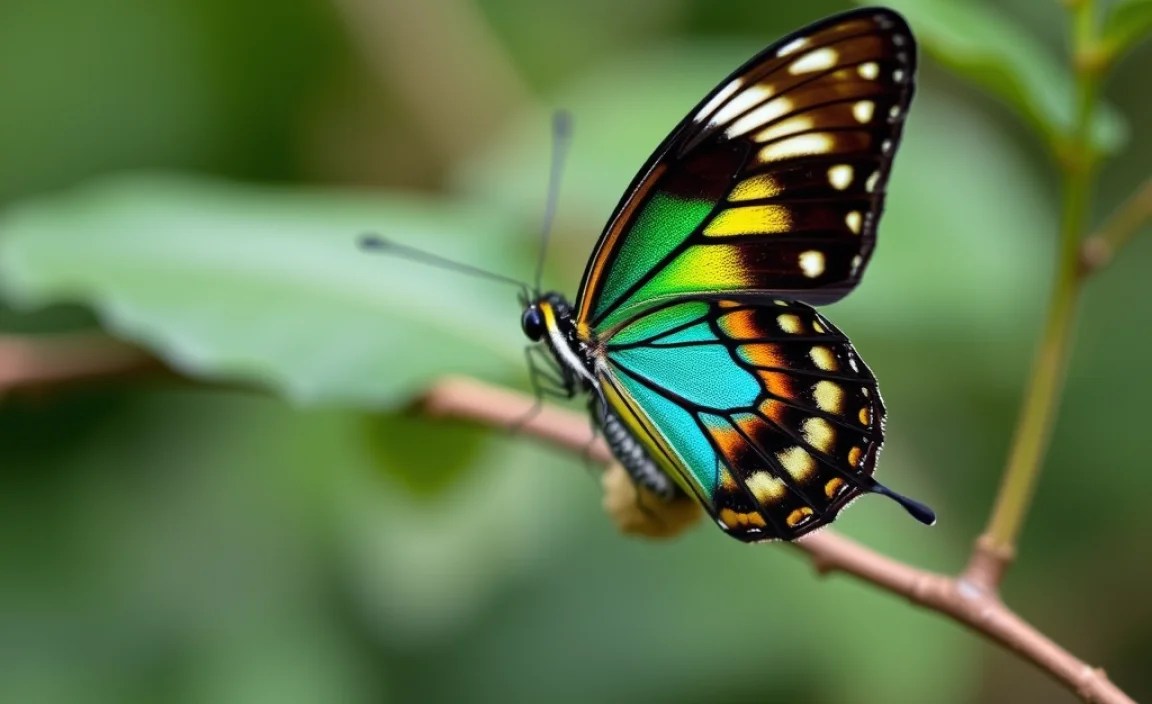
Identifying rare butterfly species can be tricky. These butterflies often look similar to common ones. But there are some key differences. Experts look at the size, color, and patterns on the wings. They also study where the butterfly lives and what it eats. Some rare butterflies have unique markings. These markings help them stand out. Others are very small and hard to spot. Scientists use special tools to study these butterflies. They take photos and collect samples. This helps them identify the species correctly. Knowing which butterflies are rare is important for conservation. It helps us focus our efforts on protecting the most vulnerable species.
- Wing patterns are key to identification.
- Size and color can also help.
- Habitat and food sources matter.
- Some butterflies have unique markings.
- Scientists use special tools to study them.
One of the biggest challenges is finding these rare butterflies. They often live in remote areas. These areas are hard to reach. Scientists must hike through dense forests. They must climb steep mountains. They need special permits to collect butterflies. Despite these challenges, scientists are dedicated to their work. They know that identifying and protecting these butterflies is important. It helps preserve the biodiversity of Papua New Guinea. It also helps us understand the natural world better. The work they do is crucial for future generations.
Fun Fact or Stat: The Queen Alexandra’s Birdwing is the largest butterfly in the world, and it is found in Papua New Guinea!
Using Wing Patterns for Identification
Imagine butterfly wings as tiny works of art. Each butterfly has its own unique pattern. These patterns are like fingerprints. They help us tell one butterfly from another. Scientists use these patterns to identify different species. They look at the colors, shapes, and lines on the wings. Some butterflies have spots, while others have stripes. Some have intricate designs, while others are simple. By studying these patterns, scientists can learn a lot about butterflies. They can also track how butterflies change over time. Wing patterns are an important tool for understanding and protecting these amazing insects.
The Role of Experts in Butterfly Identification
Identifying butterflies can be like solving a puzzle. It takes a lot of knowledge and skill. That’s where experts come in. These experts are trained to identify different butterfly species. They know what to look for. They have studied butterflies for many years. Experts use special tools, like microscopes and field guides. They also work with local communities. Local people often have valuable knowledge about butterflies. By working together, experts and local people can identify and protect these insects. Their work is essential for understanding and conserving butterfly biodiversity.
Challenges in Identifying Rare Species
Finding and identifying rare butterflies is not always easy. These butterflies can be very elusive. They might only live in small, remote areas. They might only be active for a short time each year. This makes it hard to find them. Sometimes, rare butterflies look very similar to common ones. It takes a trained eye to spot the differences. Climate change and habitat loss also make it harder to find them. These factors can cause butterfly populations to decline. Despite these challenges, scientists continue to search for rare butterflies. They know that their work is important for protecting these special creatures.
Threats to Papua New Guinea Rare Butterflies

Papua New Guinea rare butterflies face many threats. One of the biggest threats is habitat loss. This happens when forests are cut down for farming or logging. Without their forest homes, butterflies can’t survive. Climate change is another big problem. It changes the weather patterns that butterflies depend on. Pollution can also harm butterflies. Pesticides used in farming can poison them. Invasive species can compete with butterflies for food. All these threats make it hard for rare butterflies to survive. It’s important to address these issues to protect these amazing insects.
| Threat | Description | Impact on Butterflies |
|---|---|---|
| Habitat Loss | Deforestation for agriculture and logging | Loss of food sources and breeding grounds |
| Climate Change | Changes in weather patterns and temperatures | Disruption of life cycles and migration patterns |
| Pollution | Pesticides and other chemicals | Poisoning and reduced reproductive success |
| Invasive Species | Non-native plants and animals | Competition for resources |
| Illegal Collecting | Collecting butterflies for trade | Reduces population numbers and genetic diversity |
- Habitat loss is a major threat.
- Climate change affects butterfly habitats.
- Pollution can poison butterflies.
- Invasive species compete for resources.
- Illegal collecting reduces butterfly populations.
Protecting Papua New Guinea rare butterflies requires action. We need to protect their habitats. This means stopping deforestation and promoting sustainable farming. We also need to address climate change. This means reducing our carbon footprint. We can also reduce pollution by using fewer pesticides. We can prevent the spread of invasive species. Finally, we need to stop illegal collecting. By working together, we can help these butterflies survive. We can ensure that future generations can enjoy their beauty.
Fun Fact or Stat: Some butterfly species are now extinct due to habitat loss, highlighting the urgency of conservation efforts.
The Impact of Deforestation
Imagine someone taking away your home and all your food. That’s what deforestation does to butterflies. Deforestation is when forests are cut down. This destroys the butterflies’ habitats. They lose their food sources and places to lay eggs. Deforestation is often done for farming or logging. This can have a devastating impact on butterfly populations. Many rare butterflies are only found in specific forests. When those forests are destroyed, the butterflies disappear. Protecting forests is crucial for protecting these insects. We can support organizations that work to stop deforestation.
How Climate Change Affects Butterflies
Climate change is like a puzzle with pieces that don’t fit. It changes the weather patterns that butterflies depend on. Some butterflies need specific temperatures to survive. If the weather gets too hot or too cold, they can’t reproduce. Climate change can also affect the plants that butterflies eat. If the plants disappear, the butterflies will too. Climate change is a serious threat to rare butterflies. We need to reduce our carbon footprint to help them. We can also support efforts to protect their habitats from climate change.
The Role of Pollution and Pesticides
Pollution and pesticides are like poison for butterflies. Pesticides are chemicals used to kill insects on farms. But they can also harm butterflies. Pollution from factories and cars can also damage butterfly habitats. These pollutants can make it hard for butterflies to breathe and find food. Protecting butterflies means reducing pollution and pesticide use. We can support organic farming. Organic farms don’t use harmful pesticides. We can also reduce our reliance on cars and other polluting activities. By making these changes, we can help butterflies thrive.
Conservation Efforts for Butterflies

People are working hard to protect Papua New Guinea rare butterflies. These efforts include creating protected areas. These areas provide safe havens for butterflies. Scientists are also studying butterfly populations. This helps them understand what the butterflies need. Local communities are involved in conservation. They help protect butterfly habitats. Education is also important. Teaching people about butterflies helps them understand why they are important. By working together, we can help these amazing insects survive.
- Creating protected areas helps butterflies.
- Scientists study butterfly populations.
- Local communities help with conservation.
- Education raises awareness.
- Sustainable practices protect habitats.
- Captive breeding programs help increase populations.
One important part of conservation is sustainable development. This means finding ways to use resources without harming the environment. Sustainable farming practices can help protect butterfly habitats. Ecotourism can also help. This is when people visit natural areas in a responsible way. Ecotourism can provide income for local communities. This gives them an incentive to protect butterflies. By supporting sustainable practices, we can help ensure that butterflies have a future. Every small action counts towards protecting these beautiful creatures.
Fun Fact or Stat: Some conservation organizations use trained dogs to sniff out butterfly larvae, helping them monitor populations and identify critical habitats.
Creating Protected Areas for Butterflies
Imagine creating a safe zone just for butterflies. That’s what protected areas do. These areas are set aside for conservation. They protect butterfly habitats from being destroyed. Protected areas can include national parks and reserves. These areas have rules to protect the environment. People can visit these areas, but they must follow the rules. This helps ensure that butterflies have a safe place to live. Creating protected areas is a key part of butterfly conservation. It helps protect these insects from the many threats they face.
The Role of Local Communities in Conservation
Local communities are like the guardians of the butterflies. They live near butterfly habitats. They know the land and the butterflies well. Their knowledge is very valuable for conservation. Local communities can help protect butterfly habitats. They can also monitor butterfly populations. They can educate others about the importance of butterflies. Involving local communities in conservation is essential. It helps ensure that conservation efforts are effective. It also empowers local people to protect their environment.
Education and Awareness Programs
Imagine teaching everyone about the magic of butterflies. That’s what education and awareness programs do. These programs teach people about butterflies. They explain why butterflies are important. They also show people how to protect butterflies. Education programs can take many forms. They can include school visits, workshops, and public events. These programs help raise awareness about butterfly conservation. They inspire people to take action. By educating others, we can create a community of butterfly protectors.
The Importance of Butterfly Pollination
Butterflies are important pollinators. Pollinators help plants make seeds. They carry pollen from one flower to another. This allows the plants to reproduce. Butterflies are not as efficient as bees. But they still play an important role. They visit many different types of flowers. This helps ensure that a variety of plants get pollinated. Without butterflies, some plants would disappear. This would affect the entire ecosystem. Protecting butterflies means protecting pollination. It helps keep the environment healthy.
- Butterflies help pollinate plants.
- Pollination is important for plant reproduction.
- Butterflies visit many types of flowers.
- They help maintain ecosystem health.
- Protecting butterflies protects pollination.
Papua New Guinea rare butterflies are especially important for pollination. They may be the only pollinators for some plants. These plants may be found nowhere else in the world. Losing these butterflies would be devastating. It would mean losing these unique plants as well. Conservation efforts must focus on protecting butterfly pollination. This means protecting their habitats and food sources. It also means reducing threats like pesticides and climate change. By protecting these butterflies, we can protect the plants that depend on them.
Fun Fact or Stat: Butterflies can pollinate over 100 different species of plants, contributing significantly to biodiversity.
How Pollination Works
Pollination is like a flower giving a gift to another flower. Pollen is a yellow powder that flowers make. It contains the plant’s genetic material. To make seeds, pollen must be transferred from one flower to another. This is where pollinators come in. Pollinators, like butterflies, carry pollen from flower to flower. When a butterfly lands on a flower, pollen sticks to its body. As it flies to another flower, some of the pollen rubs off. This pollinates the second flower. The flower can then make seeds. These seeds can grow into new plants.
Butterflies Versus Bees: Who are Better Pollinators?
Butterflies and bees are both important pollinators. But they have different strengths. Bees are very efficient pollinators. They collect a lot of pollen and carry it to other flowers. They also have special structures for carrying pollen. Butterflies are not as efficient. They don’t carry as much pollen. But they visit a wider variety of flowers. This means they can pollinate plants that bees don’t visit. Both butterflies and bees play important roles in pollination. We need both of them to keep the environment healthy.
The Impact of Pollinator Loss
Imagine a world without flowers or fruits. That’s what could happen if we lose our pollinators. Pollinators are essential for plant reproduction. Without them, many plants would disappear. This would have a huge impact on the ecosystem. Animals that eat those plants would also suffer. We would also lose many of the foods we eat. Protecting pollinators is crucial for our food supply and the health of the planet. We need to take action to protect these important creatures.
Butterfly Ecotourism Opportunities
Ecotourism is a way to travel and help the environment at the same time. Visiting Papua New Guinea to see rare butterflies can be a great ecotourism opportunity. It helps local communities by bringing in money. It also raises awareness about butterfly conservation. Tourists can visit butterfly farms and reserves. They can learn about the different species. They can also support local businesses that are committed to sustainability. Ecotourism can be a win-win situation. It helps both the environment and the local economy.
- Ecotourism supports local communities.
- It raises awareness about conservation.
- Tourists can visit butterfly farms.
- They can support sustainable businesses.
- Ecotourism benefits the environment.
To make ecotourism successful, it must be done responsibly. This means minimizing the impact on the environment. It also means respecting local cultures. Tourists should follow guidelines to protect butterfly habitats. They should not disturb the butterflies or their food sources. They should also support local businesses that are committed to sustainability. By traveling responsibly, tourists can help ensure that ecotourism benefits both the environment and the local community. Every small action makes a big difference in protecting these amazing creatures.
Fun Fact or Stat: Butterfly ecotourism generates millions of dollars annually in some regions, providing significant economic benefits to local communities.
What is Ecotourism?
Ecotourism is like being a nature detective on vacation. It’s a way to travel that helps protect the environment and support local communities. When you go on an ecotour, you visit natural areas. You learn about the local plants, animals, and cultures. You also try to minimize your impact on the environment. This means following guidelines to protect habitats and wildlife. It also means supporting local businesses that are committed to sustainability. Ecotourism is a way to travel with a purpose. It’s a way to make a positive impact on the world.
Benefits of Butterfly Ecotourism for Local Communities
Imagine butterflies bringing money to local villages. That’s what butterfly ecotourism can do. When tourists visit to see butterflies, they spend money on local businesses. This can provide income for families and communities. It can also create jobs. The money can be used to improve schools, hospitals, and other services. Butterfly ecotourism can also empower local communities. It gives them an incentive to protect butterfly habitats. It also helps them preserve their culture and traditions. Butterfly ecotourism can be a powerful tool for sustainable development.
Responsible Ecotourism Practices
Being a responsible ecotourist is like being a guest in someone’s home. You want to be respectful and minimize your impact. This means following guidelines to protect butterfly habitats. Don’t disturb the butterflies or their food sources. Stay on marked trails. Don’t litter. Support local businesses that are committed to sustainability. Buy local products. Eat at local restaurants. Learn about the local culture and traditions. By following these practices, you can help ensure that ecotourism benefits both the environment and the local community.
Summary
Papua New Guinea rare butterflies are a treasure. They are found nowhere else on Earth. These butterflies face many threats. Habitat loss and climate change are major concerns. Conservation efforts are underway to protect them. These efforts include creating protected areas. They also involve local communities. Ecotourism can also play a role. It can bring money to local communities. It can also raise awareness about conservation. Protecting these butterflies is important for the environment. It is also important for future generations.
Conclusion
Papua New Guinea rare butterflies are a vital part of the island’s ecosystem. They face many challenges, but there is hope. Conservation efforts and responsible ecotourism can help. We must work together to protect these amazing creatures. By doing so, we can ensure that they continue to thrive. Let’s all do our part to protect these beautiful butterflies for years to come.
Frequently Asked Questions
Question No 1: Why are Papua New Guinea butterflies so special?
Answer: Papua New Guinea butterflies are special because many of them are found nowhere else in the world. The island’s unique geography and diverse ecosystems create perfect habitats for these insects to evolve and thrive. Some of these rare butterflies have adapted to specific environments, like high-altitude mountains or dense rainforests. This isolation has led to the development of unique species with striking colors and patterns. They play a vital role in the ecosystem by helping to pollinate native plants. Their existence contributes to the overall biodiversity of the region. It is very important to protect them.
Question No 2: What are the biggest threats to these butterflies?
Answer: The biggest threats to Papua New Guinea rare butterflies include habitat loss, climate change, and pollution. Habitat loss occurs when forests are cut down for farming, logging, and development. This destroys the butterflies’ homes and food sources. Climate change alters weather patterns, making it difficult for them to survive. Pollution from pesticides and other chemicals can poison butterflies and damage their habitats. Invasive species can also compete with butterflies for resources. All these factors contribute to the decline of butterfly populations. They also threaten their long-term survival. Addressing these threats requires a multi-faceted approach.
Question No 3: How can people help protect these butterflies?
Answer: People can help protect Papua New Guinea rare butterflies in many ways. Supporting conservation organizations that work to protect their habitats is a great start. You can also reduce your carbon footprint to help combat climate change. This can be done by using less energy, driving less, and eating locally. Avoiding the use of pesticides in your garden can also help protect butterflies. Educating others about the importance of butterfly conservation is another way to make a difference. Spreading awareness can inspire others to take action. Even small actions can have a big impact.
Question No 4: What is ecotourism and how does it help?
Answer: Ecotourism is a form of travel that focuses on visiting natural areas in a responsible way. It aims to minimize the impact on the environment and support local communities. In the context of Papua New Guinea rare butterflies, ecotourism can help by bringing income to local communities. This gives them an incentive to protect butterfly habitats. Tourists can visit butterfly farms and reserves, learning about the different species and supporting local businesses. Responsible ecotourism practices ensure that tourism benefits both the environment and the local economy. It promotes conservation and sustainable development.
Question No 5: Are there any butterfly farms in Papua New Guinea?
Answer: Yes, there are butterfly farms in Papua New Guinea. These farms raise butterflies for sale to collectors and researchers. They also play a role in conservation. By raising butterflies in captivity, they can help reduce the pressure on wild populations. Butterfly farms can also provide income for local communities. They offer a sustainable alternative to logging or farming. Some butterfly farms also focus on education, teaching visitors about the importance of butterfly conservation. These farms contribute to the overall effort to protect rare butterflies.
Question No 6: What other animals live in Papua New Guinea?
Answer: Papua New Guinea is home to a wide variety of animals. These include birds of paradise, tree kangaroos, and cuscus. The island also has many different species of reptiles and amphibians. There are also numerous types of fish and marine life. The country’s diverse ecosystems support this amazing array of wildlife. Many of these animals are found nowhere else on Earth. Protecting these animals and their habitats is essential for maintaining the biodiversity of Papua New Guinea, in addition to the rare butterflies that call it home.


