
Painted Lady Butterfly Common Names: The Ultimate Guide

Do you know a butterfly that travels far? Have you ever seen one with orange and brown wings? It might be a painted lady butterfly! These butterflies have many names. What are some of the {painted lady butterfly common names}? Let’s find out more about these amazing insects.
They are found all over the world. They love to eat nectar from flowers. They fly very long distances to find food. Learning about them is super fun.
These butterflies are not just pretty. They are also important. They help pollinate flowers as they fly. This helps plants make seeds. So, painted ladies are good for the environment too! Let’s explore their different names and habits.
Key Takeaways
* The painted lady butterfly is also known as the cosmopolitan butterfly because it lives almost everywhere.
* These butterflies are famous for their long migrations, traveling thousands of miles each year.
* Painted ladies feed on nectar from many different flowers, aiding in pollination as they travel.
* {Painted lady butterfly common names} include terms that reflect their widespread presence and colorful patterns.
* You can attract painted lady butterflies to your garden by planting their favorite nectar-rich flowers.
Exploring the Painted Lady Butterfly’s Names
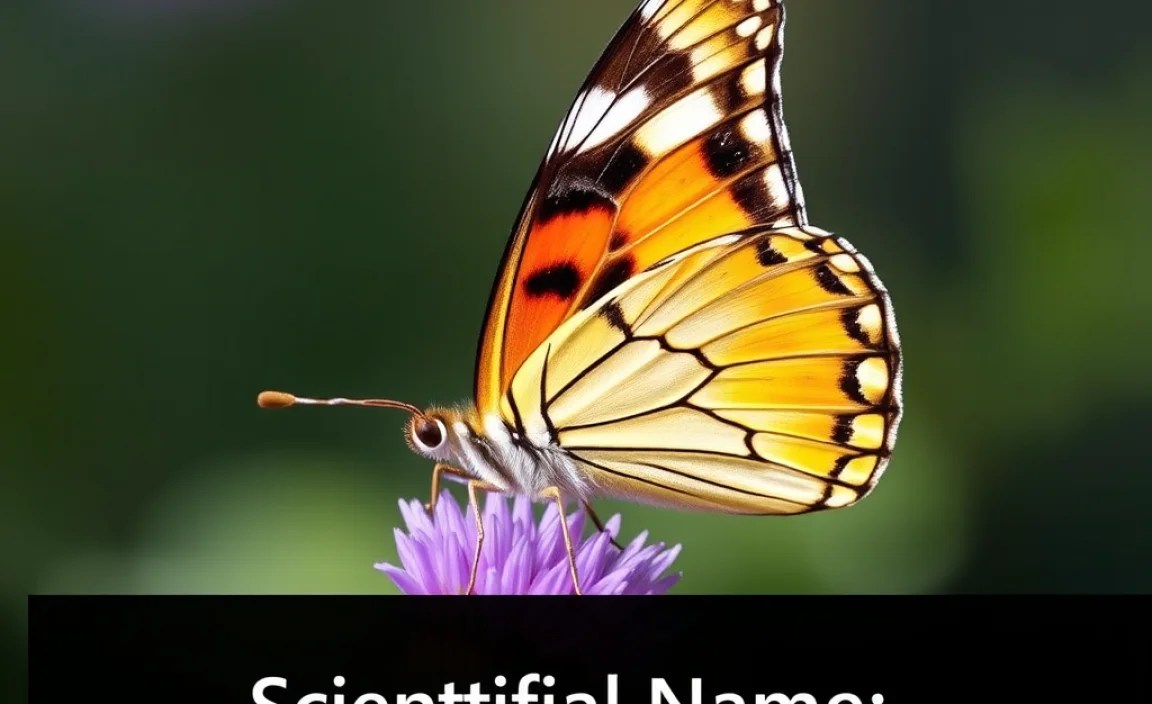
The painted lady butterfly is a very common butterfly. It lives on almost every continent. This is why it has so many names! One of the most common {painted lady butterfly common names} is “cosmopolitan.” This means it is found all over the world. People in different countries have different names for it.
The name “painted lady” comes from its beautiful colors. Its wings look like they have been painted with orange, brown, and white. Some people call it the “thistle butterfly” because it likes to eat thistle plants. No matter what you call it, this butterfly is a joy to see. Each name tells a bit about where it lives or what it likes to do.
* Painted lady refers to the colorful patterns on its wings.
* Cosmopolitan highlights its global distribution across continents.
* “Thistle butterfly” is used because they often feed on thistle plants.
* Local names vary by region and language.
* Scientists use the name Vanessa cardui to identify them.
The painted lady butterfly is a fascinating insect. Its many names show just how widespread and loved it is. Imagine traveling across the world and seeing the same butterfly in different places. Each culture might have its own special name for it. This shows how connected we are to nature, no matter where we live. Learning about these different names helps us appreciate this amazing butterfly even more. It is a reminder that nature is all around us, and we can find beauty in the smallest things.
Why “Painted Lady” is Popular?
Have you ever wondered why the name “painted lady” is so popular? It is because of the butterfly’s beautiful wings. The colors look like they have been carefully painted on. The name is easy to remember and it describes the butterfly well. Many people find the name charming. It sounds gentle and pretty. This makes it a favorite name for this butterfly.
The name “painted lady” is a great example of how we use words to describe the world around us. When people first saw this butterfly, they were struck by its colors. The name stuck because it was so fitting. It also helps that the name is easy for children to say and remember. This makes it a popular choice in books and stories about butterflies. The name also highlights the beauty of nature. It reminds us to look closely at the details and appreciate the small wonders around us.
How Did It Get the Name Cosmopolitan?
Do you know what “cosmopolitan” means? It means something is found all over the world. The painted lady butterfly is found on almost every continent. This is why it is called the “cosmopolitan butterfly.” It can live in many different places. This makes it different from other butterflies. Most butterflies only live in one area. The painted lady is a world traveler!
The term “cosmopolitan” is usually used to describe people or places that are familiar with many different cultures. In the case of the painted lady butterfly, it refers to its wide distribution across the globe. It can survive in many different climates and habitats. This adaptability is what makes it so successful. Scientists study its ability to live in so many places. They want to learn how other species can adapt to different environments. The name “cosmopolitan” reflects its unique ability to thrive almost anywhere.
What Does “Thistle Butterfly” Mean?
Have you ever heard of a thistle plant? It is a prickly plant with purple flowers. Painted lady butterflies love to eat thistle plants. They lay their eggs on these plants. The caterpillars eat the leaves. This is why some people call it the “thistle butterfly.” The name tells us something about what the butterfly eats. It helps us understand its life cycle.
The “thistle butterfly” name is more common in areas where thistle plants are abundant. These plants provide a vital food source for the painted lady caterpillars. The caterpillars eat the leaves to grow big and strong. Without thistle plants, the painted lady population might struggle in some regions. This shows how important plants are to the survival of butterflies. It is also a great example of how names can tell us about the relationship between animals and plants. The painted lady depends on the thistle for its survival.
Fun Fact or Stat: The painted lady butterfly can fly up to 100 miles in a single day during its migration!
Scientific Name: Vanessa Cardui Explained

Scientists have a special name for every plant and animal. The scientific name for the painted lady butterfly is Vanessa cardui. Vanessa is the name of the group of butterflies it belongs to. Cardui refers to the thistle plant. Remember, they like to eat thistles! Using scientific names helps scientists all over the world know they are talking about the same butterfly. It is like a secret code for scientists.
Scientific names are always written in Latin. This is an old language that scientists used for many years. The first name, Vanessa, is the genus. The second name, cardui, is the species. Together, they give the unique name of the painted lady butterfly. This system helps avoid confusion when different countries have different {painted lady butterfly common names}. It makes sure everyone is on the same page.
* Vanessa is the genus of the butterfly.
* Cardui refers to the thistle plant.
* Scientific names are in Latin.
* The name helps scientists worldwide.
* It avoids confusion with common names.
* The system is used for all plants and animals.
Learning about the scientific name of the painted lady butterfly can be fun. It helps you understand how scientists organize and classify living things. The scientific name tells us something about the butterfly’s characteristics and its relationship with its environment. It also highlights the importance of having a universal system for naming species. This makes it easier for scientists to share information and collaborate on research. So, the next time you see a painted lady butterfly, remember its scientific name: Vanessa cardui.
What Does Genus Mean in Science?
Have you ever heard the word “genus” in science? It is a way to group similar animals or plants. Think of it like a family name. The genus name for the painted lady butterfly is Vanessa. This means it is related to other butterflies in the Vanessa group. They share some of the same features. Understanding genus helps us organize living things.
The genus is a broader category than the species. For example, lions and tigers are both in the genus Panthera. This means they are closely related, even though they are different species. The genus name is always capitalized and written in italics. It is an important part of the scientific naming system. It helps scientists understand the relationships between different organisms. Learning about genus can help you understand how living things are classified.
Why Use Latin for Scientific Names?
Why do scientists use Latin for scientific names? Latin is an old language that is not used much anymore. This means it does not change. Modern languages change all the time. Using Latin makes scientific names stay the same. This is important for scientists all over the world. They can all use the same name, no matter what language they speak.
Latin was the language of science and scholarship for many centuries. It was used in Europe and beyond. This is why it became the standard for scientific names. Using Latin also helps avoid confusion. Common names for plants and animals can vary from place to place. But the scientific name is always the same. This makes communication among scientists much easier. It ensures that everyone is talking about the same organism.
What is the Species Name?
The species name is the second part of the scientific name. For the painted lady butterfly, the species name is cardui. This tells us more about the specific type of butterfly. It helps to separate it from other butterflies in the Vanessa genus. The species name is always written in lowercase and italics. Together, the genus and species names give us the full scientific name.
The species name often describes a unique characteristic of the organism. In the case of Vanessa cardui, it refers to the thistle plant. This tells us something about the butterfly’s habitat or food source. The species name is important for identifying and classifying different organisms. It helps scientists to communicate clearly and accurately about the natural world. Learning about species names can help you understand the diversity of life on Earth.
Fun Fact or Stat: There are over 20,000 different species of butterflies in the world!
Habitats and Locations of Painted Lady Butterflies

Painted lady butterflies live in many different places. They can be found in gardens, fields, and even deserts. They are very adaptable. They can survive in different climates. This is why they are found all over the world. They like open areas with lots of flowers. These flowers give them the nectar they need to eat. Their ability to live in diverse habitats contributes to their various {painted lady butterfly common names}.
They are especially common in North America, Europe, and Asia. They migrate long distances to find food and places to breed. In the spring, they fly north. In the fall, they fly south. This helps them avoid cold weather. They are true world travelers! Their ability to thrive in various locations makes them a fascinating species to study.
* They live in gardens, fields, and deserts.
* They are found on almost every continent.
* They migrate long distances for food.
* They prefer open areas with flowers.
* They can survive in different climates.
* They are common in North America, Europe, and Asia.
The painted lady butterfly‘s ability to live in so many different places is amazing. It shows how resilient nature can be. These butterflies have adapted to survive in a wide range of environments. This makes them one of the most successful butterfly species in the world. Their widespread distribution also means that people all over the world can enjoy their beauty. It is a reminder that nature is all around us, even in unexpected places.
Where Do They Live in North America?
Do you want to see a painted lady butterfly in North America? You can find them almost everywhere! They live in Canada, the United States, and Mexico. They are very common in California. They like to live in gardens and parks. Look for them near flowers. They are especially fond of thistle plants. Keep an eye out for these beautiful butterflies!
In North America, the painted lady butterfly is a familiar sight. It can be found in both urban and rural areas. It is adaptable to different climates and habitats. This makes it one of the most widespread butterfly species on the continent. Whether you live in a big city or a small town, you have a good chance of seeing a painted lady butterfly. Just remember to look for them near flowers and open spaces.
What Kind of Climates Do They Prefer?
Painted lady butterflies are not picky about the weather. They can live in warm and cold climates. They can handle dry and wet conditions. This is why they live in so many places. They are very adaptable. They can adjust to different temperatures. This helps them survive in different parts of the world. They are truly amazing butterflies!
The ability to tolerate a wide range of climates is one of the reasons why the painted lady butterfly is so successful. It can survive in hot deserts and cool mountain regions. This adaptability allows it to migrate long distances and colonize new areas. Scientists are studying its ability to adapt to different climates. They want to learn how other species can survive in changing environments.
How Do They Survive in Deserts?
Deserts are hot and dry. How can a butterfly survive there? Painted lady butterflies have special ways to stay alive. They can fly long distances to find water. They can also find nectar in desert flowers. They rest in the shade to stay cool. They are very good at finding what they need to survive. This helps them live in even the harshest environments.
In desert environments, the painted lady butterfly relies on its ability to fly long distances to find resources. It can travel many miles in search of water and nectar. It also uses its wings to regulate its body temperature. By fluttering its wings, it can create a breeze that helps it stay cool. These adaptations allow it to thrive in the challenging conditions of the desert. It is a testament to the resilience of nature.
Fun Fact or Stat: Painted lady butterflies have been recorded at elevations as high as 10,000 feet!
Life Cycle Stages of the Painted Lady

The painted lady butterfly goes through four stages of life. These stages are called the life cycle. First, it starts as an egg. Then, it becomes a caterpillar. Next, it turns into a pupa. Finally, it emerges as a beautiful butterfly. Each stage is important. Each stage helps the butterfly grow and change. Understanding the life cycle helps us appreciate these amazing insects.
The egg is usually laid on a thistle plant. The caterpillar eats the leaves. It grows bigger and bigger. When it is ready, it forms a pupa. The pupa is also called a chrysalis. Inside the pupa, the caterpillar changes into a butterfly. This process is called metamorphosis. It is one of the most amazing transformations in nature.
* Egg: The first stage of life.
* Caterpillar: Eats and grows.
* Pupa: Changes into a butterfly.
* Butterfly: Emerges from the pupa.
* Metamorphosis: The process of change.
Learning about the life cycle of the painted lady butterfly is fascinating. It shows how much an animal can change during its life. Each stage is important for the butterfly’s survival. The egg needs the right conditions to hatch. The caterpillar needs plenty of food to grow. The pupa needs to be protected while it changes. And the butterfly needs to be able to fly and find food. It is a complex and beautiful process.
What Does the Egg Look Like?
The egg of a painted lady butterfly is very small. It is usually green or white. It is shaped like a tiny barrel. The egg is laid on a leaf. It is often on a thistle plant. The egg is very delicate. It needs the right temperature and humidity to hatch. The egg is the start of the butterfly’s life.
The egg stage is a crucial part of the painted lady butterfly‘s life cycle. The female butterfly carefully selects a plant to lay her eggs on. She chooses a plant that will provide food for the caterpillar when it hatches. The egg is covered in a protective coating. This helps it survive until it is ready to hatch. The egg stage can last for several days or even weeks, depending on the weather.
What Does the Caterpillar Eat?
The caterpillar of a painted lady butterfly is a hungry creature. It eats a lot of leaves. It likes to eat thistle plants. It also eats other plants like mallow. The caterpillar needs to eat a lot to grow. It sheds its skin several times as it gets bigger. Each time it sheds its skin, it is called molting. The caterpillar is a eating machine!
The caterpillar stage is all about eating and growing. The caterpillar spends most of its time munching on leaves. It needs to eat a lot to store up energy for the pupa stage. The caterpillar grows very quickly. It sheds its skin several times as it gets bigger. Each time it molts, it reveals a new, larger layer of skin. The caterpillar is a master of transformation.
How Long Does the Pupa Stage Last?
The pupa stage is a time of great change. The caterpillar turns into a butterfly inside the pupa. This stage usually lasts for about one to two weeks. The pupa is also called a chrysalis. It can be green or brown. It hangs upside down from a plant. Inside the pupa, the caterpillar’s body is changing. It is becoming a butterfly.
The pupa stage is a time of intense transformation. The caterpillar’s body is broken down and rebuilt into the body of a butterfly. This process is called metamorphosis. It is one of the most amazing transformations in nature. The pupa is a safe haven where the caterpillar can change into a butterfly. When the butterfly is ready, it will emerge from the pupa and fly away.
Fun Fact or Stat: The entire life cycle of a painted lady butterfly can take as little as one month!
Migration Patterns of Painted Lady Butterflies
Painted lady butterflies are famous for their long migrations. They travel thousands of miles each year. They fly from North Africa to Europe. They fly from the southern United States to Canada. They are one of the few butterfly species that migrate. They migrate to find food and places to breed. Their migration patterns are amazing.
They fly in large groups. These groups are called swarms. The swarms can contain millions of butterflies. They fly during the day. They use the sun to guide them. They can fly up to 100 miles in a day. They are strong and determined fliers. Their ability to migrate contributes to their {painted lady butterfly common names} reflecting their widespread presence.
* They migrate thousands of miles each year.
* They fly from North Africa to Europe.
* They fly from the US to Canada.
* They fly in large groups called swarms.
* They use the sun to guide them.
* They can fly up to 100 miles a day.
The migration of painted lady butterflies is one of the most impressive feats in the insect world. These tiny creatures travel vast distances to find food and suitable breeding grounds. Their migration patterns are influenced by weather patterns and food availability. Scientists are still studying their migration patterns. They want to learn more about how these butterflies navigate and survive on their long journeys.
Why Do They Migrate So Far?
Why do painted lady butterflies travel so far? They migrate to find food. They also migrate to find places to lay their eggs. They cannot survive in cold weather. So, they fly to warmer places. They are always looking for the best conditions. This is why they travel such long distances.
Migration is a survival strategy for the painted lady butterfly. By migrating, they can avoid harsh weather conditions and find abundant food sources. This allows them to reproduce and continue their life cycle. Migration is a complex behavior that is influenced by many factors. These factors include weather, food availability, and genetics. The painted lady butterfly is a master of migration.
How Do They Navigate?
How do painted lady butterflies know where to go? They use the sun to guide them. They also use the Earth’s magnetic field. They have a special sense of direction. They can sense which way is north and south. This helps them stay on course. They are amazing navigators!
The navigation skills of the painted lady butterfly are truly remarkable. Scientists believe that they use a combination of cues to find their way. These cues include the sun, the Earth’s magnetic field, and visual landmarks. They may also use their sense of smell to detect food sources and breeding grounds. The exact mechanisms of their navigation are still being studied.
What Challenges Do They Face During Migration?
Migrating is not easy for painted lady butterflies. They face many challenges. They have to fly long distances. They have to avoid predators. They have to find food and water. They have to deal with bad weather. They are very strong and resilient. They can overcome many obstacles.
The migration of the painted lady butterfly is a perilous journey. They face many dangers along the way. These dangers include predators, lack of food and water, and harsh weather conditions. Many butterflies die during the migration. But the ones that survive are able to reproduce and continue the cycle of life. The migration is a testament to the resilience of nature.
Fun Fact or Stat: Some painted lady butterfly migrations can cover over 7,500 miles!
Attracting Painted Lady Butterflies to Your Garden
Do you want to see painted lady butterflies in your garden? You can attract them by planting their favorite flowers. They love nectar-rich flowers. Some good choices are thistle, butterfly bush, and zinnias. Make sure to have a sunny spot in your garden. Provide a water source. A shallow dish of water with pebbles will do. Avoid using pesticides. These can harm the butterflies.
You can also provide food for the caterpillars. Plant thistle or mallow. These are the caterpillars’ favorite foods. Watch out for their eggs and caterpillars on these plants. Remember that butterflies need our help. By creating a butterfly-friendly garden, you can help them thrive.
* Plant nectar-rich flowers like thistle and zinnias.
* Provide a sunny spot in your garden.
* Offer a shallow dish of water.
* Avoid using pesticides.
* Plant thistle or mallow for caterpillars.
* Watch for eggs and caterpillars.
Creating a butterfly garden is a rewarding experience. It allows you to connect with nature and support these beautiful creatures. By providing food, water, and shelter, you can create a haven for butterflies in your own backyard. You will be rewarded with the sight of these colorful insects flitting among your flowers. It is a great way to learn about nature and help the environment.
What Flowers Do They Like Best?
What flowers do painted lady butterflies like best? They love flowers with lots of nectar. Some of their favorites include butterfly bush, zinnias, and asters. They also like thistle flowers. Plant these flowers in your garden. You will attract many painted lady butterflies. They will thank you by pollinating your plants.
When choosing flowers for your butterfly garden, consider the bloom time. Plant flowers that bloom at different times of the year. This will provide a continuous source of nectar for the butterflies. Also, choose a variety of colors and shapes. This will attract a wider range of butterflies. Remember to plant your flowers in a sunny spot. Butterflies need sunlight to warm their bodies.
How Can You Provide Water for Them?
Butterflies need water to survive. How can you provide water for them in your garden? A shallow dish of water with pebbles is perfect. The pebbles give them a place to land. They can drink the water without falling in. Change the water regularly. This will keep it clean and fresh.
Providing water for butterflies is easy and important. You can also use a birdbath. Just make sure the water is shallow enough for the butterflies to reach. Another option is to create a mud puddle. Butterflies can get minerals from the mud. This is especially important for male butterflies. They use the minerals to produce sperm.
Why Avoid Using Pesticides?
Pesticides are harmful to butterflies. They can kill butterflies and other insects. They can also harm the caterpillars. Even organic pesticides can be harmful. It is best to avoid using pesticides in your garden. Let nature take its course. The butterflies will help control pests naturally.
Pesticides can have a devastating impact on butterfly populations. They can kill butterflies directly or indirectly. They can also harm the plants that butterflies rely on for food and shelter. By avoiding pesticides, you can create a safe and healthy environment for butterflies. You can also encourage other beneficial insects to visit your garden. These insects can help control pests naturally.
Fun Fact or Stat: Butterflies taste with their feet!
Comparing Painted Lady to Monarch Butterflies
Painted lady butterflies and monarch butterflies are both beautiful. They both migrate long distances. But they are also different. Monarchs are orange and black. Painted ladies are orange, brown, and white. Monarchs eat milkweed. Painted ladies eat many different plants. Monarchs migrate to specific locations. Painted ladies migrate more randomly.
Here is a table to compare the two butterflies:
| Feature | Painted Lady | Monarch |
| —————- | ——————————— | —————————- |
| Colors | Orange, brown, white | Orange and black |
| Food (Caterpillar) | Thistle, mallow, many plants | Milkweed |
| Migration | Long, less specific destinations | Long, specific destinations |
| Size | Medium | Larger |
| Distribution | Worldwide | North America, some others |
Both butterflies are important for the environment. They both help pollinate flowers. They both add beauty to our world. Learning about their differences helps us appreciate them even more.
* Monarchs are orange and black; painted ladies are orange, brown, and white.
* Monarch caterpillars eat milkweed; painted lady caterpillars eat many plants.
* Monarchs migrate to specific locations; painted ladies migrate more randomly.
* Monarchs are larger than painted ladies.
* Monarchs are mainly in North America; painted ladies are worldwide.
Comparing the painted lady butterfly to the monarch butterfly highlights the diversity of the butterfly world. Both species are fascinating and important. But they have different characteristics and behaviors. Understanding these differences helps us appreciate the unique adaptations of each species. It also shows us how much there is to learn about the natural world.
What Do Monarch Caterpillars Eat?
Monarch caterpillars only eat one type of plant. They eat milkweed. Milkweed is poisonous to many animals. But monarchs have adapted to eat it. The milkweed makes them poisonous too. This protects them from predators. Milkweed is essential for monarch survival.
Milkweed is not only a food source for monarch caterpillars. It is also a habitat. The caterpillars live on the milkweed plants and feed on their leaves. The milkweed provides them with everything they need to grow and develop. Without milkweed, monarch butterflies would not be able to survive. This is why it is so important to protect milkweed plants.
Where Do Monarchs Migrate?
Monarchs migrate to specific locations each year. They fly to Mexico and California. They spend the winter in these warm places. They gather in large groups. They roost in trees. In the spring, they fly north again. Their migration is a spectacular event.
The monarch migration is one of the most amazing natural phenomena in the world. Millions of monarchs travel thousands of miles to reach their overwintering sites. They face many challenges along the way. These challenges include habitat loss, climate change, and pesticides. It is important to protect their migration routes and overwintering sites.
How Are Their Migration Patterns Different?
Monarchs and painted ladies both migrate. But their migration patterns are different. Monarchs migrate to specific locations. They follow the same routes each year. Painted ladies migrate more randomly. They go wherever they can find food. Their migration is less predictable.
The different migration patterns of monarchs and painted ladies reflect their different ecological strategies. Monarchs rely on specific overwintering sites to survive the winter. Painted ladies are more adaptable and can survive in a wider range of environments. Their migration patterns are more flexible and opportunistic. Both strategies have their advantages and disadvantages.
Fun Fact or Stat: Monarch butterflies can travel up to 3,000 miles during their migration!
Summary
The painted lady butterfly is a remarkable insect. It is known by many {painted lady butterfly common names}, such as the cosmopolitan. This name shows how widespread it is. It lives on almost every continent. Its scientific name is Vanessa cardui. It goes through four life cycle stages: egg, caterpillar, pupa, and butterfly. The caterpillars eat thistle plants.
These butterflies are famous for their long migrations. They fly thousands of miles each year. They face many challenges during their journey. You can attract them to your garden by planting their favorite flowers. They love nectar-rich flowers like zinnias and butterfly bush. It is also important to avoid using pesticides. Painted ladies are different from monarch butterflies. They have different colors and migration patterns.
Conclusion
The painted lady butterfly is a fascinating creature. It has adapted to live in many different environments. It migrates long distances to find food and places to breed. It is a beautiful and important part of our ecosystem. By learning about its life cycle, migration patterns, and {painted lady butterfly common names}, we can better appreciate this amazing insect. We can also take steps to protect it and its habitat.
Frequently Asked Questions
Question No 1: What are some common names for the painted lady butterfly?
Answer: The painted lady butterfly has several {painted lady butterfly common names}. It is also called the cosmopolitan butterfly. This is because it is found almost everywhere in the world. Some people also call it the thistle butterfly because its caterpillars often eat thistle plants. These names reflect its widespread distribution and feeding habits.
Question No 2: How far can painted lady butterflies migrate?
Answer: Painted lady butterflies are known for their impressive migrations. They can travel thousands of miles each year. Some migrations have been recorded to cover over 7,500 miles. These butterflies fly long distances to find food and suitable breeding grounds. Their migration patterns are influenced by weather and food availability. This makes them one of the most migratory butterfly species in the world.
Question No 3: What do painted lady caterpillars eat?
Answer: Painted lady caterpillars are not very picky eaters. They eat a variety of plants. Their favorite food is thistle. They also eat mallow, sunflower, and other leafy plants. These plants provide the nutrients they need to grow and develop. Gardeners can attract painted lady butterflies by planting these food sources. This provides food for both the caterpillars and the adult butterflies.
Question No 4: How can I attract painted lady butterflies to my garden?
Answer: You can attract painted lady butterflies to your garden by planting their favorite flowers. They love nectar-rich flowers like zinnias, butterfly bush, and asters. You can also plant thistle and mallow to provide food for the caterpillars. Make sure to provide a sunny spot and a shallow dish of water. Avoid using pesticides. This will help create a safe and welcoming environment for these beautiful butterflies. This will ensure they keep returning to your garden.
Question No 5: What is the scientific name for the painted lady butterfly?
Answer: The scientific name for the painted lady butterfly is Vanessa cardui. Vanessa is the genus, and cardui is the species. This name is used by scientists all over the world to identify this particular butterfly. The name cardui refers to the thistle plant. This is because painted lady caterpillars often feed on thistle leaves. This scientific name helps avoid confusion caused by the various {painted lady butterfly common names}.
Question No 6: How long does the life cycle of a painted lady butterfly take?
Answer: The life cycle of a painted lady butterfly is relatively short. It usually takes about one month to complete. The egg stage lasts for a few days. The caterpillar stage lasts for about two weeks. The pupa stage lasts for about one to two weeks. Finally, the adult butterfly lives for about two to four weeks. The exact duration of each stage depends on the weather and food availability.


