
Butterflies of Central America Region: A Colorful Guide

Quick Summary: Central America is a butterfly paradise! This region boasts incredible biodiversity, home to dazzling species like the Blue Morpho, Swallowtails, and Monarchs. From rainforests to cloud forests, these butterflies play vital roles in pollination and ecosystem health. Learn how to identify them, discover their habitats, and support their conservation in this vibrant corner of the world.
Have you ever dreamt of wandering through a rainforest, surrounded by flitting, colorful wings? Central America is a real-life wonderland for butterfly lovers! Identifying these delicate creatures can feel overwhelming, but don’t worry. This guide will take you on a journey to explore the amazing diversity of butterflies in Central America, from their favorite habitats to their unique behaviors.
We’ll cover some of the most iconic species, explain where to find them, and offer tips on how you can help protect these vital pollinators. Get ready to discover the magic of Central American butterflies!
Discovering the Butterfly Diversity of Central America

Central America, a land bridge connecting North and South America, is a biodiversity hotspot. This region’s varied climates and landscapes create a perfect haven for an astounding array of butterfly species. Let’s explore some of the most captivating families and their unique characteristics:
Nymphalidae: The Brush-Footed Butterflies
Nymphalidae is one of the largest butterfly families, known for their reduced forelegs, which they use for tasting rather than walking. This gives them the appearance of having only four legs, hence the name “brush-footed.”
- Blue Morpho (Morpho peleides): The Blue Morpho is arguably the most iconic butterfly of Central America. Its iridescent blue wings shimmer in the sunlight, making it a breathtaking sight. They prefer rainforests and are often seen near streams.
- Owl Butterfly (Caligo memnon): These large butterflies have distinctive eyespots on their hindwings, resembling owl eyes. This adaptation helps to startle predators. They are crepuscular, meaning they are most active at dawn and dusk.
- Monarch (Danaus plexippus): Although famous for its North American migrations, the Monarch butterfly also has populations in Central America. These populations may not migrate as extensively, but they still rely on milkweed plants as their larval food source.
Papilionidae: The Swallowtail Butterflies
Swallowtails are easily recognized by their elegant tails on their hindwings. They are often large and brightly colored, making them a favorite among butterfly enthusiasts.
- Giant Swallowtail (Papilio cresphontes): As the name suggests, this is a large butterfly with striking black and yellow markings. It’s a common sight in gardens and citrus groves.
- Zebra Swallowtail (Eurytides marcellus): This beautiful butterfly has black and white stripes reminiscent of a zebra. It’s found in wooded areas and near pawpaw trees, which are its larval food source.
Pieridae: The Whites and Sulphurs
Pieridae butterflies are typically white, yellow, or orange, often with black markings. They are commonly seen flying in open fields and gardens.
- Great Southern White (Ascia monuste): This butterfly is pure white with a delicate appearance. It’s a common sight along coastlines.
- Cloudless Sulphur (Phoebis sennae): This bright yellow butterfly is a frequent visitor to gardens, feeding on nectar from various flowers.
Lycaenidae: The Gossamer-Winged Butterflies
Lycaenids are small, often brightly colored butterflies. Many species have intricate patterns and iridescent scales.
- Ceraunus Blue (Hemiargus ceraunus): This tiny blue butterfly is common in grassy areas and gardens. It’s often overlooked due to its small size, but it’s a beautiful gem up close.
Where to Find Butterflies in Central America

Central America’s diverse habitats offer a wide range of locations to observe butterflies. Here are some prime spots:
- Rainforests: The dense rainforests of Costa Rica, Panama, and Belize are teeming with butterfly life. Look for butterflies along trails, near rivers, and in forest clearings.
- Cloud Forests: The misty cloud forests of Guatemala and Honduras are home to unique butterfly species adapted to the cool, humid conditions.
- Gardens: Botanical gardens and butterfly farms throughout Central America provide excellent opportunities to see a variety of species up close.
- National Parks: Parks like Manuel Antonio National Park in Costa Rica and Tikal National Park in Guatemala offer protected habitats for butterflies and other wildlife.
Butterfly Habitats and Their Importance

Butterflies are sensitive to environmental changes, making them excellent indicators of ecosystem health. Protecting their habitats is crucial for their survival and the well-being of the entire ecosystem.
Rainforests
Rainforests are the most biodiverse terrestrial ecosystems on Earth, providing habitat for a vast array of butterfly species. The dense vegetation offers shelter, food, and breeding sites. Deforestation and habitat fragmentation pose significant threats to rainforest butterflies. According to the Rainforest Alliance, sustainable agriculture and responsible forestry practices are essential for conserving these vital habitats.
Cloud Forests
Cloud forests are characterized by persistent cloud cover, resulting in high humidity and unique plant life. These forests are home to specialized butterfly species adapted to these conditions. Climate change and deforestation are major threats to cloud forests and the butterflies that depend on them. Conservation efforts should focus on protecting and restoring these fragile ecosystems.
Gardens and Urban Areas
Even in urban environments, gardens can provide important habitat for butterflies. Planting native flowers and providing larval food sources can attract butterflies to your backyard. Avoiding pesticides and herbicides is crucial for protecting butterflies and other pollinators. The Xerces Society offers excellent resources on creating butterfly-friendly gardens.
Identifying Common Central American Butterflies: A Visual Guide
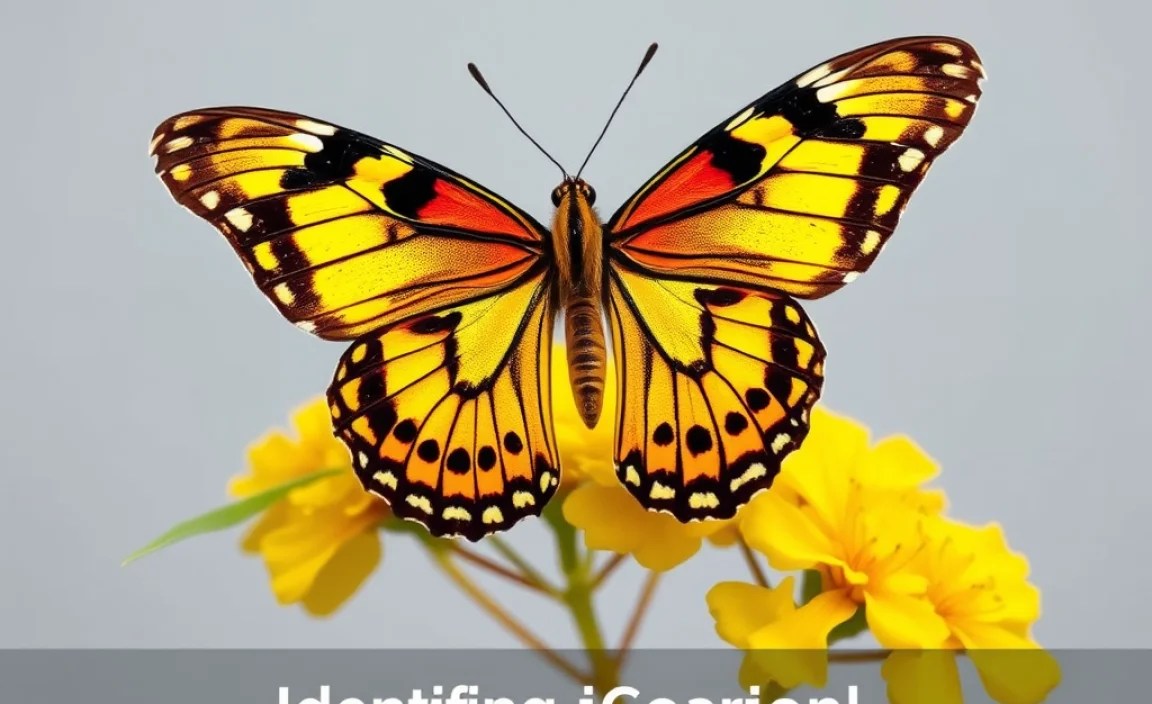
Identifying butterflies can be challenging, but with practice and a good field guide, you’ll be able to recognize many common species. Here’s a table to help you get started:
| Butterfly Species | Description | Habitat | Image |
|---|---|---|---|
| Blue Morpho (Morpho peleides) | Iridescent blue wings, large size | Rainforests, near streams | [Insert Image of Blue Morpho] |
| Owl Butterfly (Caligo memnon) | Large eyespots on hindwings, brown color | Rainforests, active at dawn and dusk | [Insert Image of Owl Butterfly] |
| Monarch (Danaus plexippus) | Orange and black wings with white spots | Fields, gardens, near milkweed | [Insert Image of Monarch Butterfly] |
| Giant Swallowtail (Papilio cresphontes) | Black and yellow markings, large size | Gardens, citrus groves | [Insert Image of Giant Swallowtail] |
| Cloudless Sulphur (Phoebis sennae) | Bright yellow wings | Gardens, open fields | [Insert Image of Cloudless Sulphur] |
The Life Cycle of a Butterfly: A Closer Look

Butterflies undergo a complete metamorphosis, transforming from an egg to a larva (caterpillar) to a pupa (chrysalis) and finally to an adult butterfly. Understanding this life cycle is essential for appreciating the intricate biology of these creatures.
- Egg: Butterflies lay their eggs on specific host plants, which will serve as food for the developing larvae.
- Larva (Caterpillar): The caterpillar’s primary function is to eat and grow. It molts its skin several times as it increases in size.
- Pupa (Chrysalis): The caterpillar transforms into a pupa, forming a protective chrysalis. Inside the chrysalis, the caterpillar undergoes a complete metamorphosis.
- Adult Butterfly: The adult butterfly emerges from the chrysalis, its wings crumpled and wet. It takes some time for the wings to expand and dry before the butterfly can fly.
Each stage of the butterfly’s life cycle is crucial for its survival. Protecting host plants and providing a safe environment for caterpillars are essential for butterfly conservation.
Butterfly Migration in Central America
While not as well-known as the Monarch migration in North America, some Central American butterflies also undertake migratory journeys. These migrations are often driven by seasonal changes in food availability and climate.
Monarch Migration
Some Monarch populations in Central America exhibit migratory behavior, although it may not be as extensive as the North American migration. These butterflies travel to warmer areas during the dry season and return to breeding grounds during the rainy season. Protecting overwintering sites and maintaining milkweed populations are crucial for supporting Monarch migration.
Other Migratory Species
Other butterfly species in Central America may also undertake local migrations in response to changing environmental conditions. These migrations are often less predictable and more difficult to study than the Monarch migration. Further research is needed to understand the patterns and drivers of butterfly migration in Central America.
Butterfly Conservation: How You Can Help
Butterflies face numerous threats, including habitat loss, pesticide use, and climate change. Here are some ways you can help protect these beautiful creatures:
- Plant a Butterfly Garden: Plant native flowers and host plants to provide food and shelter for butterflies.
- Avoid Pesticides: Pesticides can harm or kill butterflies and other beneficial insects. Use organic gardening methods instead.
- Support Conservation Organizations: Donate to or volunteer with organizations that work to protect butterfly habitats. The Smithsonian Tropical Research Institute conducts important research on butterfly conservation in Panama.
- Educate Others: Share your knowledge about butterflies with friends, family, and your community.
- Reduce Your Carbon Footprint: Climate change poses a significant threat to butterflies and their habitats. Take steps to reduce your carbon footprint, such as using public transportation, conserving energy, and supporting sustainable practices.
The Symbolism and Cultural Significance of Butterflies
Butterflies have long held symbolic meaning in various cultures around the world. They often represent transformation, beauty, and hope.
- Transformation: The butterfly’s metamorphosis from a caterpillar to a beautiful winged creature is a powerful symbol of transformation and rebirth.
- Beauty: Butterflies are admired for their vibrant colors and delicate wings, representing beauty and grace.
- Hope: In some cultures, butterflies are seen as messengers of hope and good fortune.
- Spirituality: Butterflies are sometimes associated with the human soul and the afterlife.
In Central American cultures, butterflies often feature in traditional art, folklore, and religious ceremonies. Their vibrant colors and delicate beauty inspire artists and storytellers.
Frequently Asked Questions (FAQ)
What is the most famous butterfly in Central America?
The Blue Morpho (Morpho peleides) is arguably the most famous butterfly in Central America, known for its stunning iridescent blue wings.
Where can I see lots of butterflies in Central America?
You can see lots of butterflies in rainforests, cloud forests, botanical gardens, and national parks throughout Central America, especially in Costa Rica, Panama, and Belize.
What do Central American butterflies eat?
Adult butterflies primarily feed on nectar from flowers. Caterpillars eat the leaves of specific host plants, which vary depending on the butterfly species.
How can I attract butterflies to my garden in Central America?
Plant native flowers and host plants that provide food and shelter for butterflies. Avoid using pesticides and herbicides, and provide a source of water.
Are Central American butterflies endangered?
Some Central American butterfly species are threatened or endangered due to habitat loss, pesticide use, and climate change. Conservation efforts are crucial to protect these vulnerable species.
Do butterflies migrate in Central America?
Yes, some butterflies, including Monarchs, migrate in Central America, although the migrations may not be as extensive as in North America.
What is the lifespan of a butterfly?
The lifespan of a butterfly varies depending on the species. Some butterflies live only a few weeks, while others can live for several months.
Conclusion
The butterflies of Central America are a testament to the region’s incredible biodiversity. From the shimmering Blue Morpho to the elegant Swallowtails, these creatures captivate our imagination and play a vital role in the ecosystem. By understanding their habitats, life cycles, and the threats they face, we can all contribute to their conservation. So, the next time you find yourself in Central America, take a moment to appreciate the beauty and wonder of these delicate winged jewels. Plant a butterfly garden, support conservation organizations, and spread the word about the importance of protecting these amazing creatures for generations to come. Happy butterflying!


