Butterfly Species in Florida Identification: Your Easy Guide

Have you ever seen a colorful butterfly? Florida is home to many kinds of butterflies. It is fun to learn about them. We can discover their names and how they live. This article will help with butterfly species in florida identification.
Key Takeaways
- Butterfly species in florida identification is easier with guides and pictures.
- Many Florida butterflies have bright colors and unique patterns.
- Some butterflies migrate to Florida during certain seasons.
- You can attract butterflies to your yard with special plants.
- Learning about butterflies helps us protect their habitats.
Easy Butterfly Identification In Florida
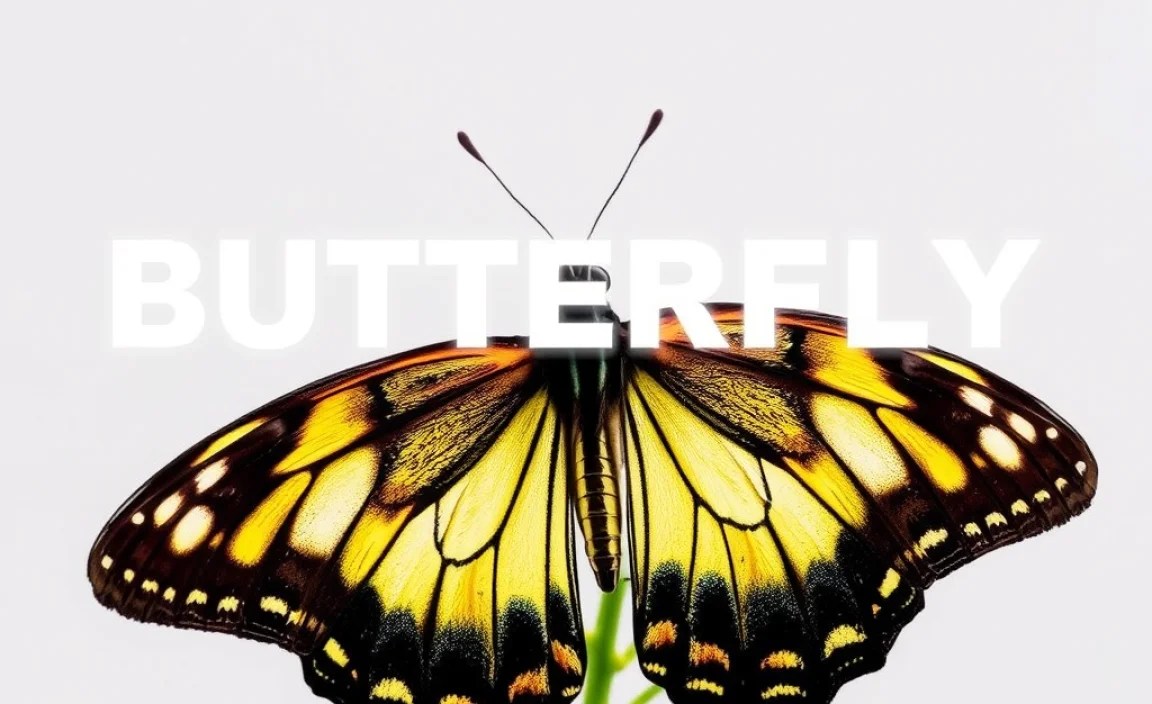
Identifying butterflies in Florida can be a fun adventure. Florida has over 160 different types of butterflies. Each one has its own special look. Some are big and bright. Others are small and blend in with leaves. To start, you can use a butterfly field guide. These guides have pictures and descriptions. They help you match the butterfly you see with its name. Pay attention to the colors on the wings. Notice any patterns or spots. Look at the size of the butterfly too. All these things help you figure out what kind of butterfly you found. Watching butterflies in your backyard can be a relaxing hobby. Remember to be gentle and respect their home.
- Use a butterfly field guide for pictures.
- Notice the colors on the butterfly’s wings.
- Look for patterns like spots or stripes.
- Check the size of the butterfly.
- Watch butterflies in your backyard.
Learning about butterfly species in florida identification is like becoming a nature detective. You gather clues to solve a mystery. The clues are the butterfly’s colors, patterns, and size. The solution is knowing its name. You can even join a butterfly club. There, you can meet other people who love butterflies. You can share what you have learned. You can also learn from others. Remember, butterflies are important. They help plants make seeds. They are also food for birds and other animals. So, let’s protect these beautiful creatures.
Fun Fact or Stat: The Zebra Longwing is Florida’s state butterfly!
What Makes Butterflies Unique?
Have you ever wondered what makes each butterfly special? It’s like how every person has their own face and personality. Butterflies have unique wing patterns and colors. These patterns help them hide from predators. They also help them attract mates. Some butterflies have bright colors to warn predators that they taste bad. Others have patterns that look like leaves to blend in. The shape of their wings can also be different. Some have long, narrow wings. Others have broad, round wings. All these things make each butterfly species unique and beautiful.
Where Do Butterflies Live?
Imagine butterflies choosing their homes. Where would they go? Butterflies live in many different places. Some like sunny meadows with lots of flowers. Others prefer shady forests. You can find butterflies in your backyard, in parks, and even in cities. They need places with plants that their caterpillars can eat. They also need places to lay their eggs. Some butterflies migrate, which means they travel long distances. They might fly south for the winter. When looking at butterfly species in florida identification, consider where you saw it.
How Do Butterflies Eat?
Ever wonder how a butterfly eats? They don’t have mouths like us! Butterflies have a long, straw-like tongue called a proboscis. They use it to sip nectar from flowers. When they are not eating, they roll it up. It’s like a built-in straw. Butterflies need nectar for energy. They also get minerals and water from it. Some butterflies also drink from puddles or damp soil. They even drink from rotting fruit! This helps them get the nutrients they need to stay healthy. It’s amazing how they can get everything they need from such simple sources.
Florida Butterfly Identification By Color
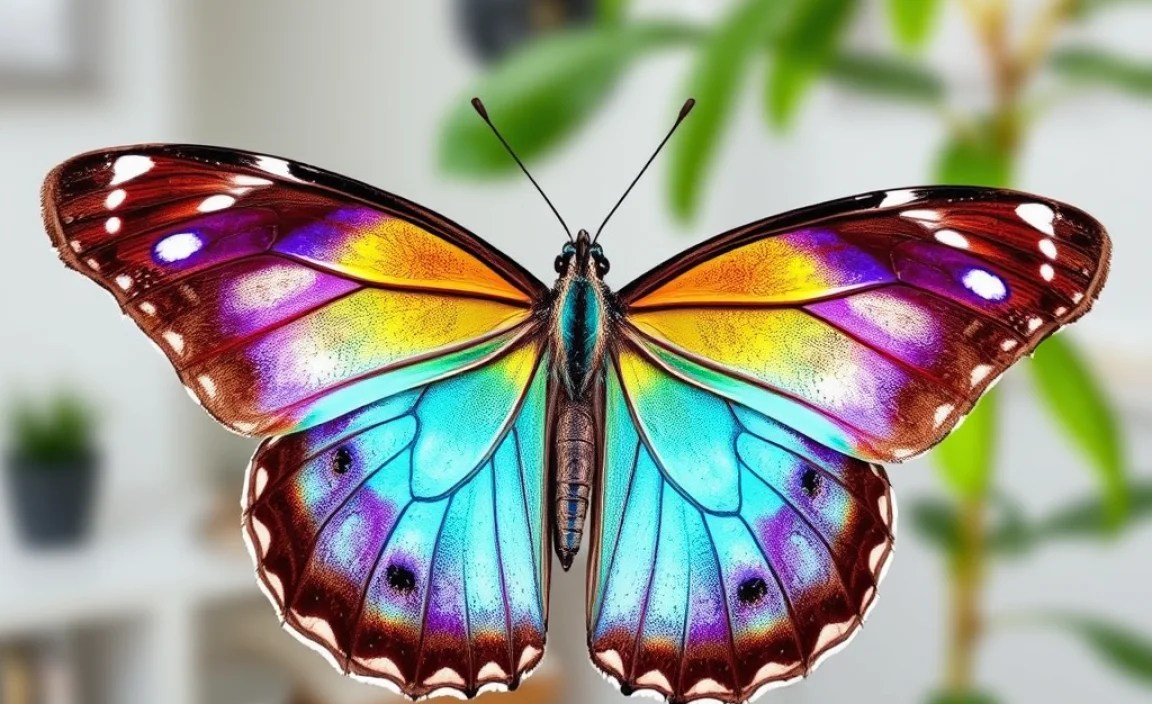
Florida butterflies come in many colors. These colors are like clues for butterfly species in florida identification. Some butterflies are bright blue, like the Ulysses butterfly. Others are a sunny yellow, like the Cloudless Sulphur. You can also find orange butterflies, such as the Monarch. Red butterflies, like the Scarlet Swallowtail, are rare. Green butterflies, like the Emerald Swallowtail, are also special. Brown butterflies, like the Hackberry Emperor, blend in well with trees. Black butterflies, like the Pipevine Swallowtail, often have colorful markings. These colors help you tell the butterflies apart.
- Blue butterflies: Ulysses.
- Yellow butterflies: Cloudless Sulphur.
- Orange butterflies: Monarch.
- Red butterflies: Scarlet Swallowtail.
- Green butterflies: Emerald Swallowtail.
Imagine you are painting with butterflies. You have all these beautiful colors to choose from. Each color tells a story. The bright colors warn predators. The dull colors help butterflies hide. Some butterflies even change color as they age. This can make identification tricky. But it also makes it more interesting. Learning about butterfly colors is a fun way to connect with nature. You can create your own butterfly garden. Choose plants that attract butterflies of different colors. This will bring even more beauty to your yard.
Fun Fact or Stat: Some butterflies can see colors that humans cannot!
Why Are Colors Important?
Have you ever wondered why butterflies are so colorful? Colors are very important to butterflies. They use colors to attract mates. The males and females recognize each other by their colors. Colors also help butterflies to warn predators. Bright colors can signal that a butterfly is poisonous. This helps the butterfly to survive. Some butterflies use colors to blend in with their surroundings. This helps them hide from predators. So, color is a very important part of a butterfly’s life.
What Colors Attract Butterflies?
Have you ever thought about what colors butterflies like best? Butterflies are attracted to certain colors. They are drawn to bright colors like red, orange, yellow, and purple. These colors are easy for them to see. They often mean that a flower has lots of nectar. Planting flowers of these colors in your garden can attract butterflies. It’s like sending them an invitation to come and visit. So, if you want to see more butterflies, plant colorful flowers!
Do Colors Change Over Time?
Imagine a butterfly changing its colors like a chameleon! Some butterflies do change color over time. This can happen as they age. It can also happen depending on the temperature. For example, some butterflies are darker in the winter. This helps them absorb more heat. Others are lighter in the summer. This helps them stay cool. These changes can make butterfly species in florida identification more challenging. But they also make it more interesting. It’s like the butterfly is telling a story with its changing colors.
Common Florida Butterflies And How To Know Them
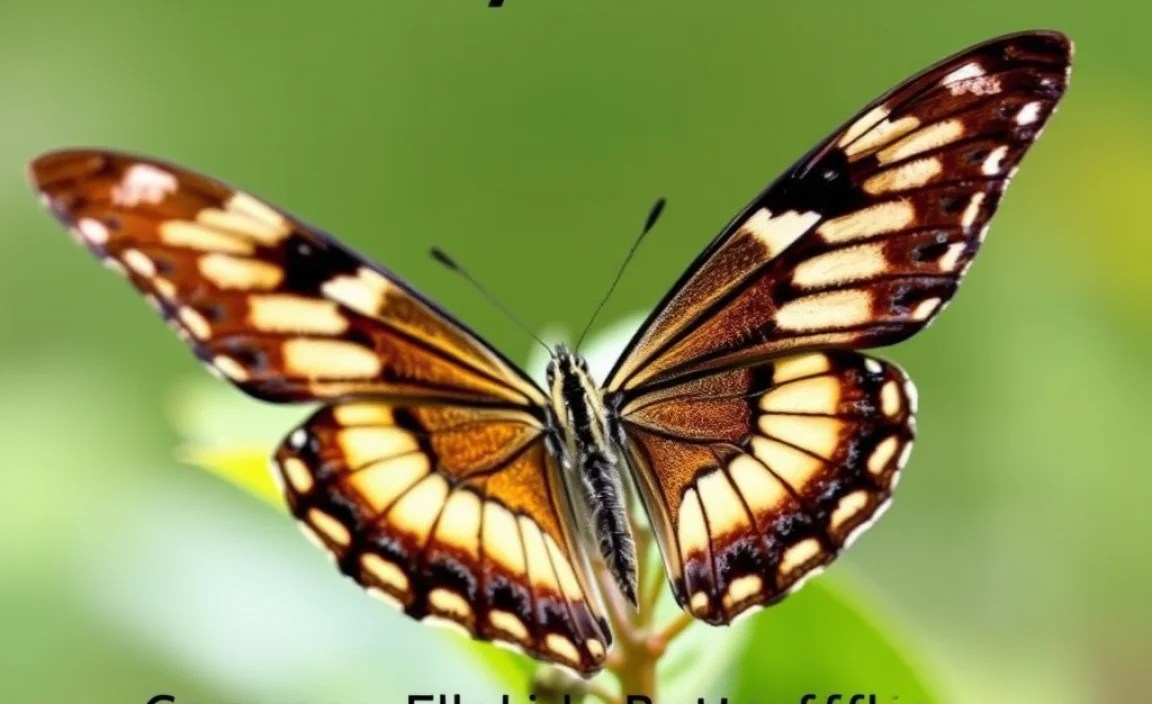
Florida has many common butterflies. Learning about them is the next step in butterfly species in florida identification. The Monarch is orange with black lines. The Gulf Fritillary is bright orange with silver spots. The Zebra Longwing has black and white stripes. The Swallowtail is big and black with yellow markings. The Cloudless Sulphur is yellow and flies quickly. These butterflies are often seen in gardens and parks. You can learn to identify them by their colors and patterns. Knowing these common butterflies is a great start.
- Monarch: Orange with black lines.
- Gulf Fritillary: Orange with silver spots.
- Zebra Longwing: Black and white stripes.
- Swallowtail: Big and black with yellow.
- Cloudless Sulphur: Yellow and fast.
Think of each butterfly as a friend you are getting to know. The more you see them, the easier it is to remember them. You can even take pictures of the butterflies you see. Then, you can compare them to pictures in a field guide. This will help you confirm your identification. Remember, patience is key. It takes time to learn all the different butterflies. But it is a rewarding experience. You will start to notice things you never saw before. You will also appreciate the beauty of nature even more.
Fun Fact or Stat: The Monarch butterfly can travel over 2,000 miles during migration!
How Big Are They?
Have you ever noticed how butterflies come in different sizes? Some are tiny, like the Little Metalmark. Others are big, like the Giant Swallowtail. The size of a butterfly can help you identify it. Small butterflies are often harder to see. Big butterflies are easier to spot. The size of the butterfly is measured by its wingspan. This is the distance from the tip of one wing to the tip of the other. Knowing the size of a butterfly can help you narrow down your search.
What Plants Do They Like?
Imagine you are planning a party for butterflies. What food would you serve? Butterflies are attracted to certain plants. They like plants that have lots of nectar. Some of their favorite plants include milkweed, lantana, and pentas. These plants provide them with the energy they need to fly. They also provide food for their caterpillars. Planting these plants in your garden will attract butterflies. It’s like setting up a buffet for them.
Are They Always Around?
Have you ever wondered if butterflies are around all year? Some butterflies are only seen during certain times of the year. This is because they migrate. They fly south for the winter. Other butterflies stay in Florida all year. But they might be harder to see during the colder months. Knowing when a butterfly is active can help you identify it. It can also help you plan your butterfly watching trips. So, keep an eye out for butterflies throughout the year.
Tools For Butterfly Species In Florida Identification

To become a butterfly expert, you need the right tools for butterfly species in florida identification. A good field guide is essential. It has pictures and descriptions of different butterflies. A pair of binoculars can help you see butterflies up close. A camera lets you take pictures for later identification. A notebook and pencil are useful for taking notes. Online resources can also be helpful. These tools will make your butterfly watching experience more fun and successful.
- Field guide with pictures.
- Binoculars for close-up views.
- Camera for taking pictures.
- Notebook and pencil for notes.
- Online resources for more help.
Think of these tools as your detective kit. The field guide is your map. The binoculars are your magnifying glass. The camera is your way of collecting evidence. The notebook is where you record your findings. The online resources are your expert consultants. With these tools, you will be able to solve the mystery of butterfly identification. You will also learn a lot about these amazing creatures. Remember to use your tools responsibly. Respect the butterflies and their habitat.
Fun Fact or Stat: Some butterfly field guides include information on caterpillar identification too!
How To Use A Field Guide?
Have you ever tried using a field guide to identify a butterfly? A field guide is like a cheat sheet for butterfly identification. It has pictures and descriptions of different butterflies. To use a field guide, first look at the butterfly. Notice its colors, patterns, and size. Then, flip through the field guide until you find a butterfly that looks similar. Read the description to see if it matches the butterfly you saw. If it does, you have probably identified the butterfly.
What Apps Can Help?
Imagine having a butterfly expert in your pocket! There are many apps that can help you identify butterflies. These apps use your phone’s camera to take a picture of the butterfly. Then, they compare the picture to a database of butterfly images. The app will then suggest the most likely identification. Some apps also have information about butterfly habitats and food. These apps are a great way to learn about butterflies on the go.
Where To Find Online Resources?
Have you ever needed to find information about butterflies online? There are many great online resources for butterfly identification. Websites like the Florida Museum of Natural History have information about Florida butterflies. You can also find online forums where butterfly enthusiasts share their knowledge. These resources can help you learn more about butterflies. They can also help you connect with other butterfly lovers. Just be sure to use reliable sources.
Butterfly Habitats In Florida And Identification

Butterflies live in different places. These places are called habitats. Knowing the habitat can help with butterfly species in florida identification. Some butterflies live in forests. Others live in meadows. Some live in swamps. Others live in gardens. Each habitat has different plants and conditions. These plants and conditions support different types of butterflies. For example, the Zebra Longwing likes hammocks. The Monarch likes open fields. The more you know about habitats, the better you will be at identifying butterflies.
- Forests: Shady areas with trees.
- Meadows: Sunny areas with flowers.
- Swamps: Wet areas with water.
- Gardens: Areas with planted flowers.
- Hammocks: Wooded areas with trees.
Think of each habitat as a neighborhood for butterflies. Just like people live in different neighborhoods, butterflies live in different habitats. Some neighborhoods are quiet and peaceful. Others are busy and bustling. The same is true for butterfly habitats. Some habitats are full of flowers and sunshine. Others are shady and cool. The butterflies that live in these habitats are adapted to these conditions. So, when you are trying to identify a butterfly, think about where you saw it. This can give you a clue about its identity.
Fun Fact or Stat: Florida has many unique habitats, making it a butterfly diversity hotspot!
What Is A Butterfly Garden?
Have you ever dreamed of creating a butterfly paradise? A butterfly garden is a garden that is designed to attract butterflies. It has plants that provide nectar for butterflies. It also has plants that provide food for caterpillars. A good butterfly garden will have a variety of plants. This will attract a variety of butterflies. A butterfly garden can be a beautiful and rewarding addition to your yard.
Why Are Habitats Important?
Imagine if all the houses in your town disappeared. Where would you live? Habitats are important because they provide butterflies with everything they need to survive. They provide food, shelter, and places to lay their eggs. Without habitats, butterflies cannot survive. That is why it is important to protect butterfly habitats. We can do this by planting native plants. We can also avoid using pesticides.
How Can We Protect Habitats?
Have you ever wondered how you can help butterflies? There are many things we can do to protect butterfly habitats. We can plant native plants. Native plants are plants that naturally grow in our area. They provide the best food and shelter for butterflies. We can also avoid using pesticides. Pesticides can harm butterflies and other insects. We can also support organizations that protect butterfly habitats.
Butterfly Migration Patterns In Florida: Identification Tips
Some butterflies travel long distances. This is called migration. Understanding migration helps with butterfly species in florida identification. The Monarch is famous for its long migration. It flies south for the winter. Other butterflies also migrate to Florida. They come from the north. They stay for a while. Then, they fly back. Knowing when butterflies migrate can help you identify them. You might see butterflies that you don’t usually see. These could be migrants.
| Butterfly Species | Migration Pattern | Best Time to See | Identification Markings |
|---|---|---|---|
| Monarch | South in winter | October-November | Orange with black lines |
| Gulf Fritillary | Non-migratory | Year-round | Bright orange with silver spots |
| Zebra Longwing | Non-migratory | Year-round | Black and white stripes |
| Cloudless Sulphur | Variable | Spring-Fall | Yellow, sometimes migrates |
Think of migration as a butterfly’s vacation. They are escaping the cold weather. They are looking for food and warmth. Just like people visit Florida for vacation, so do butterflies. When you see a butterfly that you don’t recognize, it might be a visitor. Check your field guide for butterflies that migrate to Florida. You might be surprised at what you find. Remember, migration is a natural part of a butterfly’s life cycle. It is important to protect their migration routes.
Fun Fact or Stat: Monarch butterflies travel thousands of miles each year!
Why Do Butterflies Migrate?
Have you ever wondered why butterflies travel so far? Butterflies migrate to find warmer weather. They also migrate to find food. Cold weather can kill butterflies. A lack of food can also kill them. By migrating, butterflies can survive the winter. They can also find new sources of food. Migration is a risky journey. But it is necessary for their survival.
How Do They Know Where To Go?
Imagine having a built-in GPS! Butterflies have a remarkable ability to navigate. They use the sun and the Earth’s magnetic field to find their way. They also use landmarks like mountains and rivers. Scientists are still learning about how butterflies navigate. But it is clear that they have a very sophisticated system. It’s like they have a map in their head.
What Challenges Do They Face?
Have you ever tried to travel a long distance? It can be tough! Butterflies face many challenges during migration. They have to fly long distances. They have to avoid predators. They have to find food and water. They also have to deal with changing weather conditions. Many butterflies die during migration. But the ones that survive are able to reproduce.
Caterpillar Identification: A Key To Butterfly Species In Florida Identification
Before butterflies, there are caterpillars. Knowing caterpillars helps with butterfly species in florida identification. Each butterfly has a special caterpillar. Some caterpillars are green. Others are colorful. Some are smooth. Others are spiky. The food they eat can help you identify them. Monarch caterpillars eat milkweed. Swallowtail caterpillars eat citrus leaves. Learning about caterpillars is like learning about baby butterflies. It is a fun way to expand your butterfly knowledge.
- Monarch caterpillars eat milkweed.
- Swallowtail caterpillars eat citrus.
- Some caterpillars are green.
- Some caterpillars are colorful.
- Caterpillars turn into butterflies.
Think of caterpillars as the secret identity of butterflies. They are the hidden clue that leads to the butterfly’s name. Just like detectives look for clues, you can look for caterpillars. When you find a caterpillar, try to identify the plant it is eating. Then, look up what butterfly eats that plant. This will give you a clue about the caterpillar’s identity. You can also look for pictures of caterpillars online. This will help you match the caterpillar you found with its name.
Fun Fact or Stat: Caterpillars grow very fast, shedding their skin multiple times!
What Do Caterpillars Eat?
Have you ever wondered what caterpillars eat? Caterpillars eat a lot! They need to eat to grow. They eat leaves, flowers, and even fruit. Each type of caterpillar eats different things. Some are very picky. They only eat one type of plant. Others are less picky. They eat many different types of plants. Knowing what a caterpillar eats can help you identify it.
How Do Caterpillars Change?
Imagine turning into something completely different! Caterpillars go through a big change called metamorphosis. They start as tiny eggs. Then, they hatch into caterpillars. The caterpillars eat and grow. Then, they turn into pupae. The pupa is like a sleeping bag. Inside the pupa, the caterpillar changes into a butterfly. Then, the butterfly emerges from the pupa. It’s an amazing transformation.
Why Are Caterpillars Important?
Have you ever thought about why caterpillars are important? Caterpillars are important because they turn into butterflies. Butterflies are important pollinators. They help plants make seeds. Caterpillars are also food for birds and other animals. So, caterpillars are an important part of the ecosystem. We need to protect them.
Summary
Butterfly species in florida identification can be fun and rewarding. Florida is home to many beautiful butterflies. Each has its own unique colors and patterns. By using field guides and online resources, you can learn to identify them. Pay attention to their colors, patterns, and size. Also, consider their habitat and migration patterns. Don’t forget to look for caterpillars too! Learning about butterflies helps us appreciate the beauty of nature. It also helps us protect their habitats.
Conclusion
Learning about butterflies is a journey. There are many different types. Each one is special. You can use guides and tools. These will help you learn. You can watch them in your garden. You can visit parks and nature centers. The more you learn, the more you will appreciate these beautiful creatures. Enjoy your butterfly species in florida identification adventures!
Frequently Asked Questions
Question No 1:
What is the best way to start learning about butterfly species in florida identification?
Answer: The best way to start is by getting a good field guide to Florida butterflies. Look for one with clear pictures and descriptions. Start by focusing on the most common butterflies in your area. Visit local parks or gardens and try to identify the butterflies you see. You can also join a local butterfly club or online forum to learn from other enthusiasts. Remember, practice makes perfect! The more you observe and compare, the better you will become at identifying butterflies.
Question No 2:
Are there any poisonous butterflies in Florida?
Answer: Yes, some butterflies in Florida are poisonous. The most well-known example is the Monarch butterfly. Monarch caterpillars feed on milkweed plants, which contain toxins. These toxins stay in the butterfly even after it transforms. When a bird eats a Monarch butterfly, it gets sick. This teaches the bird to avoid eating Monarchs in the future. Other butterflies, like the Pipevine Swallowtail, also have toxins. These butterflies often have bright colors to warn predators. So, it’s best to admire butterflies from a distance.
Question No 3:
How can I attract more butterflies to my garden?
Answer: You can attract butterflies to your garden by planting flowers that they like. Butterflies need nectar for food. Plant flowers that are rich in nectar, such as milkweed, lantana, and pentas. Also, provide host plants for caterpillars. These are plants that caterpillars eat. For example, Monarch caterpillars eat milkweed. Swallowtail caterpillars eat citrus. Provide a water source for butterflies. A shallow dish of water with pebbles is perfect. Avoid using pesticides, as they can harm butterflies.
Question No 4:
What is the difference between a butterfly and a moth?
Answer: Butterflies and moths are both insects. But they have some key differences. Butterflies are usually active during the day. Moths are usually active at night. Butterflies have thin antennae with a club at the end. Moths have feathery or comb-like antennae. Butterflies usually hold their wings upright when resting. Moths usually hold their wings flat. Butterflies are often brightly colored. Moths are often dull-colored. These differences can help you tell them apart.
Question No 5:
How does migration affect butterfly species in florida identification?
Answer: Migration can make butterfly species in florida identification more challenging. During migration, you might see butterflies that you don’t usually see in your area. These butterflies are traveling from other places. They might only be in your area for a short time. So, it’s important to know which butterflies are migratory. This will help you avoid misidentifying them. Use a field guide to check for migratory butterflies.
Question No 6:
Where can I go to see a lot of different butterfly species in florida?
Answer: Florida has many great places to see butterflies. Some popular spots include state parks, botanical gardens, and nature centers. The Florida Museum of Natural History in Gainesville has a butterfly rainforest exhibit. This is a great place to see many different species. Local butterfly gardens can also be good places to visit. Check with your local parks and recreation department for information on butterfly viewing areas. Remember to bring your field guide and binoculars!