
Swallowtail Butterfly Tail Shape Types: Ultimate Guide

Swallowtail butterflies get their name from the distinctive tails on their hindwings, which resemble the forked tails of swallow birds. These “tails” actually come in a fascinating variety of shapes and sizes, helping us identify different species. From long, elegant streamers to subtle, rounded nubs, understanding these tail shapes unlocks a new level of butterfly appreciation.
Have you ever admired a swallowtail butterfly and wondered about the different shapes of its tails? It’s a common curiosity! The variations can be subtle, making identification tricky. But don’t worry, it’s easier than you think. This guide will walk you through the common swallowtail tail shape types with clear descriptions and helpful tips. Get ready to discover the beautiful diversity hidden in these elegant wings!
Understanding Swallowtail Butterfly Tail Shapes
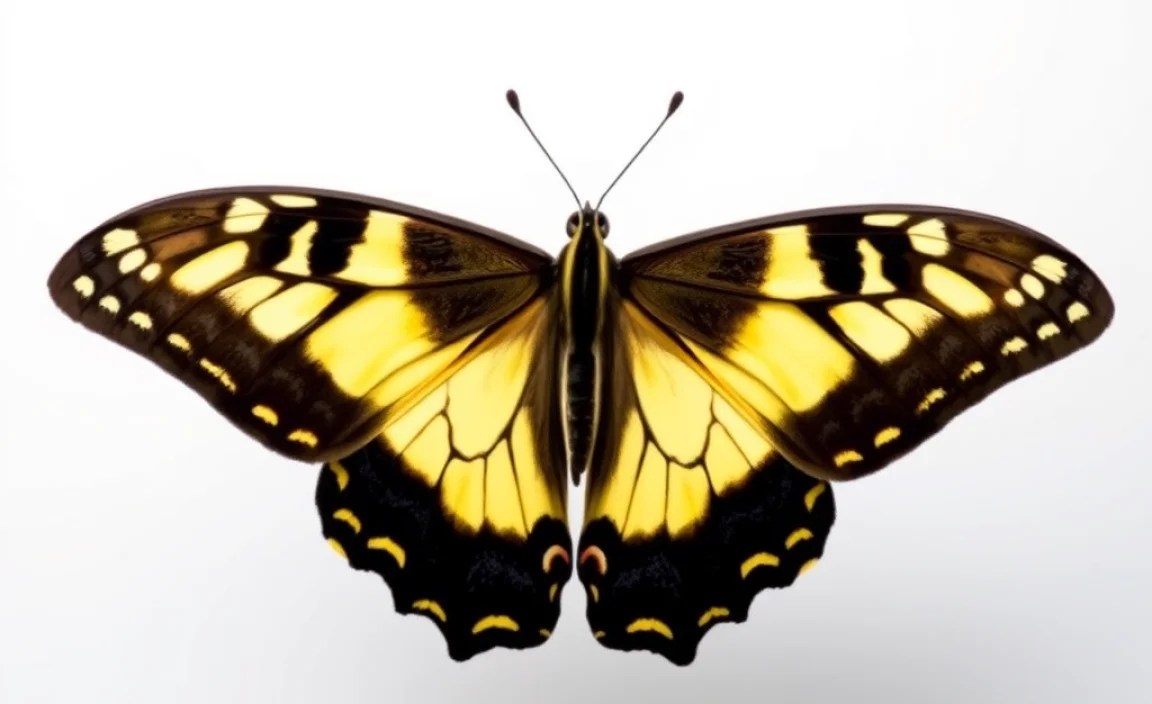
Swallowtail butterflies belong to the family Papilionidae, and one of their defining features is the presence of “tails” on their hindwings. These tails are extensions of the wing membrane and come in a variety of shapes and sizes, depending on the species. Recognizing these tail shapes is a crucial step in identifying different swallowtail butterflies.
Why Do Swallowtails Have Tails?
While the exact function of swallowtail tails is still debated among scientists, several theories exist:
- Predator distraction: The tails may serve as a decoy, drawing a predator’s attention away from the butterfly’s body. A bird might target the tail, allowing the butterfly to escape with minor wing damage.
- Flight maneuverability: The tails could potentially aid in flight stability or maneuverability, acting as rudders during flight.
- Mate recognition: Tail shape and size might play a role in species recognition during mating rituals.
Common Swallowtail Tail Shape Types
Here’s a breakdown of the most common tail shapes you’ll encounter when identifying swallowtail butterflies:
- Long Tails: These are perhaps the most recognizable, extending significantly from the hindwing.
- Short Tails: These tails are noticeably shorter and stubbier compared to the long tails.
- Rounded Tails: Instead of a pointed extension, these tails have a smooth, rounded shape.
- Absent Tails: Some swallowtail species lack tails altogether.
- Spoon-Shaped Tails: These tails have a distinctive widening at the tip, resembling a spoon.
Identifying Swallowtail Butterflies by Tail Shape: A Step-by-Step Guide
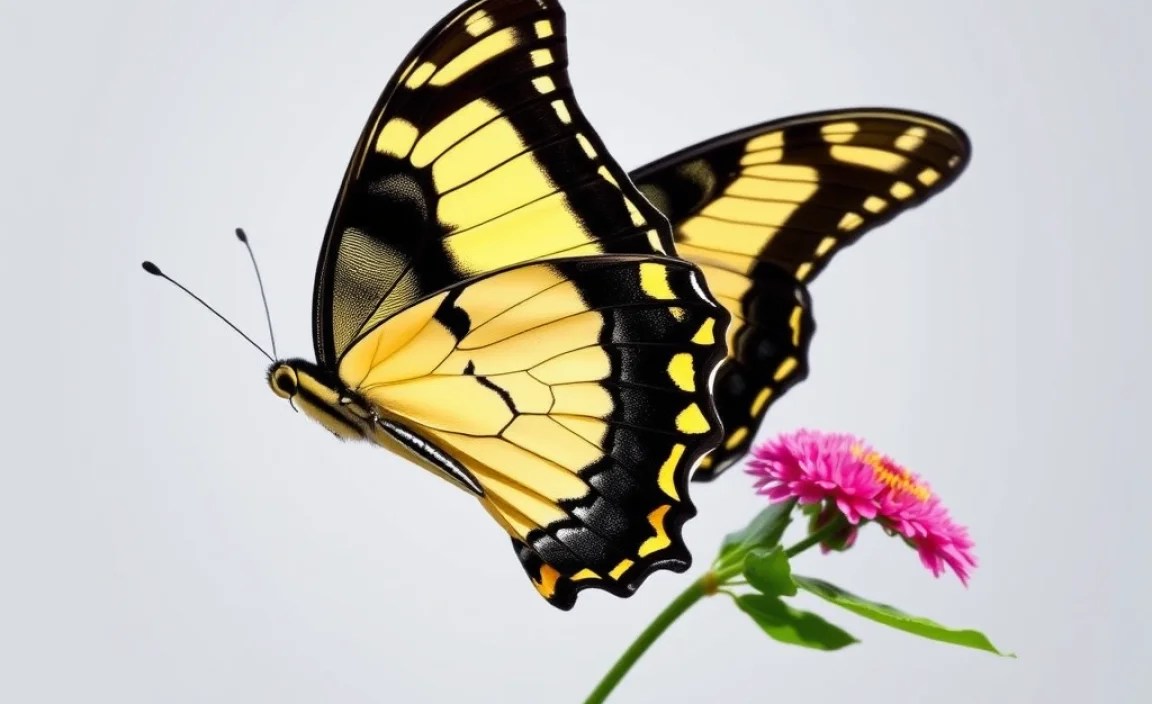
Let’s dive deeper into each tail shape type with examples and identification tips.
Step 1: Recognizing Long Tails
Long tails are the classic swallowtail feature. These tails are elongated and pointed, often extending a considerable distance from the edge of the hindwing. They are elegant and easy to spot. Here’s what to look for:
- Length: Tails are significantly longer than they are wide at the base.
- Shape: Typically pointed, tapering to a sharp tip.
- Examples: Eastern Tiger Swallowtail (Papilio glaucus), Canadian Tiger Swallowtail (Papilio canadensis).
Eastern Tiger Swallowtail
The Eastern Tiger Swallowtail is a familiar sight in North American gardens and woodlands. The females often exhibit two forms: a yellow form that looks like the males, and a dark form that is almost black. Both forms have long tails.
| Feature | Description |
|---|---|
| Tail Length | Long and prominent |
| Tail Shape | Pointed, tapering |
| Wing Color (Male) | Yellow with black stripes |
| Wing Color (Female) | Yellow or dark form, both with black stripes |
| Habitat | Deciduous woodlands, gardens |
Canadian Tiger Swallowtail
Similar to the Eastern Tiger Swallowtail, the Canadian Tiger Swallowtail has long tails, but it is typically found in more northern regions. It’s smaller than its southern cousin and has bolder black stripes.
| Feature | Description |
|---|---|
| Tail Length | Long and prominent |
| Tail Shape | Pointed, tapering |
| Wing Color | Yellow with bold black stripes |
| Habitat | Boreal forests, northern woodlands |
Step 2: Identifying Short Tails
Short tails are, as the name suggests, shorter than the long-tailed varieties. They may appear stubby or less pronounced. Pay close attention to their length relative to the wing size to distinguish them from other types.
- Length: Tails are shorter than they are wide at the base.
- Shape: Often more rounded or blunt compared to the pointed long tails.
- Examples: Two-tailed Swallowtail (Papilio multicaudata), Spicebush Swallowtail (Papilio troilus).
Two-Tailed Swallowtail
The Two-Tailed Swallowtail is easily identified by its, well, two tails on each hindwing! These tails are shorter than those of the Tiger Swallowtails, adding to its unique appearance.
| Feature | Description |
|---|---|
| Tail Length | Short, two tails per hindwing |
| Tail Shape | Pointed or slightly rounded |
| Wing Color | Yellow with black markings |
| Habitat | Western North America, open woodlands |
Spicebush Swallowtail
The Spicebush Swallowtail is a beautiful, dark butterfly with iridescent blue or green scales on its hindwings. Its short tails are a key identifying feature.
| Feature | Description |
|---|---|
| Tail Length | Short |
| Tail Shape | Rounded or slightly pointed |
| Wing Color | Black with iridescent blue or green |
| Habitat | Eastern North America, woodlands near spicebush |
Step 3: Spotting Rounded Tails
Rounded tails lack the pointed extension seen in other swallowtails. Instead, the hindwing edge curves smoothly into a rounded shape. These can be subtle, so look closely!
- Shape: The tail edge is curved and smooth, without a pointed tip.
- Examples: Pipevine Swallowtail (Battus philenor).
Pipevine Swallowtail
The Pipevine Swallowtail is a striking butterfly with iridescent blue-black wings and rounded tails. It’s often found near its host plant, the pipevine.
| Feature | Description |
|---|---|
| Tail Length | Short to medium |
| Tail Shape | Rounded |
| Wing Color | Iridescent blue-black |
| Habitat | North America, near pipevine plants |
Step 4: Recognizing Absent Tails
Some swallowtail species lack tails altogether. This might seem counterintuitive, but it’s a defining characteristic for these butterflies. These species show a smooth, continuous hindwing margin without any extensions.
- Shape: Hindwing edge is smooth and continuous.
- Examples: Apollos (Parnassius species).
Apollo Butterfly
Apollo butterflies are a group of striking, often high-altitude swallowtails found in Europe and Asia. They lack tails and have distinctive red spots on their wings.
| Feature | Description |
|---|---|
| Tail | Absent |
| Wing Color | White or cream with black and red markings |
| Habitat | High-altitude meadows and rocky slopes |
Step 5: Identifying Spoon-Shaped Tails
Spoon-shaped tails are unique because they widen at the tip, resembling a spoon or paddle. This distinctive shape makes them relatively easy to identify.
- Shape: The tail widens noticeably at the tip.
- Examples: Some varieties of Kite Swallowtails (Eurytides species).
Kite Swallowtail
Kite Swallowtails, found in South America, exhibit this spoon-shaped tail. The slight widening at the end of the tail is the key to identifying these butterflies.
| Feature | Description |
|---|---|
| Tail Length | Medium to long |
| Tail Shape | Widens at the tip, spoon-shaped |
| Wing Color | Varies, often with green or blue markings |
| Habitat | South America, tropical forests |
Tips for Accurate Identification
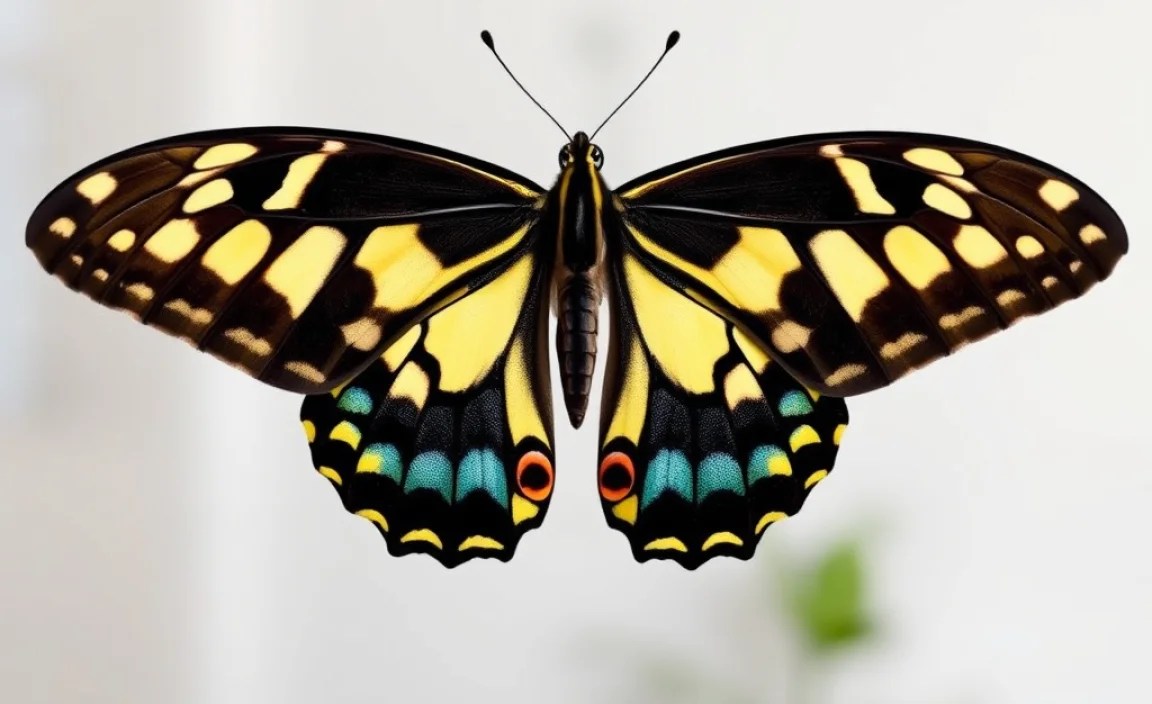
Butterfly identification can be challenging, but here are some tips to improve your accuracy:
- Observe the butterfly in its natural habitat: Knowing the butterfly’s location can narrow down the possibilities.
- Take clear photographs: Capture multiple angles, including the wings (both upper and lower sides) and body.
- Use a butterfly field guide: These guides provide detailed descriptions and illustrations. The US Forest Service pollinator field guide is a great resource.
- Compare with multiple sources: Cross-reference your observations with different field guides and online resources like the Butterflies and Moths of North America website.
- Consider other features: Wing patterns, colors, size, and behavior can all help with identification.
Swallowtail Butterfly Conservation
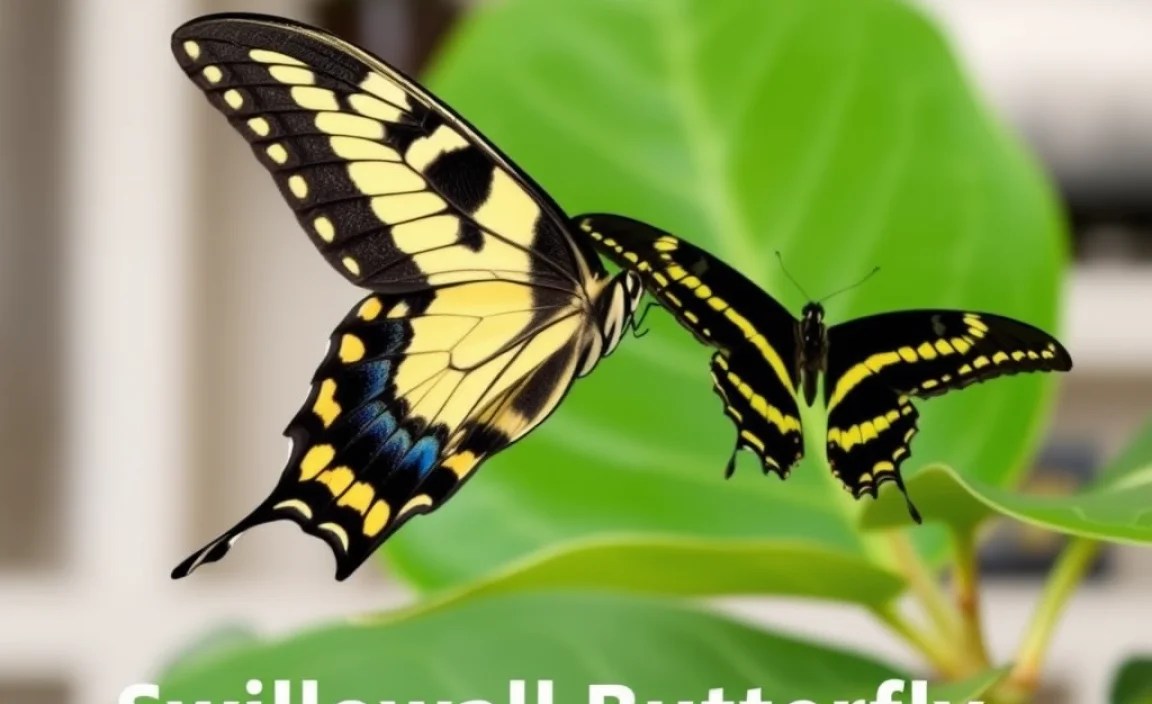
Many swallowtail butterfly populations are facing threats due to habitat loss, pesticide use, and climate change. Here’s how you can help:
- Plant native host plants: Swallowtail caterpillars can only feed on specific plants. For example, Spicebush Swallowtails need spicebush, and Pipevine Swallowtails need pipevine.
- Create a butterfly garden: Provide nectar sources for adult butterflies and host plants for caterpillars.
- Avoid pesticide use: Pesticides can harm or kill butterflies and other beneficial insects.
- Support conservation organizations: Donate to or volunteer with organizations dedicated to butterfly conservation, such as the Xerces Society.
- Educate others: Share your knowledge and passion for butterflies with friends, family, and your community.
FAQ: Swallowtail Butterfly Tail Shapes
Here are some frequently asked questions about swallowtail butterfly tail shapes:
What is the purpose of the tails on swallowtail butterflies?
The tails on swallowtail butterflies are thought to serve several purposes, including predator distraction, flight maneuverability, and mate recognition. The exact function may vary depending on the species.
Do all swallowtail butterflies have tails?
No, not all swallowtail butterflies have tails. Some species, like the Apollo butterflies (Parnassius species), lack tails altogether.
How can I tell the difference between a male and female swallowtail?
In some species, males and females have different wing patterns or colors. For example, female Eastern Tiger Swallowtails can have a dark form that males do not. However, tail shape is generally not a reliable indicator of sex.
What is the best way to attract swallowtail butterflies to my garden?
Planting native host plants for swallowtail caterpillars and providing nectar sources for adult butterflies are the best ways to attract them. Avoid pesticide use and provide a water source.
Are swallowtail butterflies endangered?
Some swallowtail butterfly species are endangered or threatened due to habitat loss, pesticide use, and climate change. Supporting conservation efforts is crucial to protect these beautiful creatures.
Can the tail shape of a swallowtail butterfly vary within the same species?
While the general tail shape is consistent within a species, there can be slight variations in size and appearance. This is why it’s important to consider other factors, such as wing patterns and colors, when identifying butterflies.
What should I do if I find an injured swallowtail butterfly?
If you find an injured swallowtail butterfly, you can try to help it by providing a sugar-water solution (one part sugar to four parts water) on a cotton ball. Place the cotton ball near the butterfly so it can feed. If the injury is severe, it may be best to let nature take its course.
Conclusion
Understanding the different tail shapes of swallowtail butterflies opens up a fascinating window into the diversity and beauty of the natural world. By learning to identify these subtle differences, you can deepen your appreciation for these amazing creatures and contribute to their conservation. So, grab your field guide, head outside, and start exploring the wonderful world of swallowtail butterflies!


