
Swallowtail Butterfly Tail Lost Regeneration: Secret REVEALED!

Quick Summary: Unfortunately, swallowtail butterflies can’t regenerate their tails if they’re lost due to predator attacks or accidents. While they can sometimes survive with a damaged tail, the lost portion will not grow back. This can affect their flight and ability to attract mates, highlighting the importance of protecting these beautiful creatures from harm.
Seeing a swallowtail butterfly with a torn or missing tail can be concerning. You might wonder if it will grow back, like a lizard’s tail. It’s natural to want these beautiful creatures to be whole and healthy. Sadly, unlike some animals, butterflies don’t have the ability to regenerate lost body parts. But don’t worry! We’ll explore what happens when a swallowtail loses its tail, how it affects them, and what you can do to help these delicate insects thrive.
Can Swallowtail Butterflies Regenerate Lost Tails?

No, swallowtail butterflies cannot regenerate their tails. Once a portion of their tail is lost, it is gone permanently. This is different from some other animals, like lizards, that can regrow their tails. In butterflies, the wings and tails are fully formed during the pupa stage (chrysalis) and cannot be significantly altered or regrown in adulthood.
Why Can’t Butterflies Regenerate Their Tails?
The inability to regenerate tails comes down to the complex biological processes involved in metamorphosis and the structure of butterfly wings and tails:
- Cell Differentiation: During the pupa stage, cells differentiate to form specific structures. Once these structures are formed, the cells lose the ability to transform into other types of cells needed for regeneration.
- Wing Structure: Butterfly wings and tails are made of a thin membrane supported by veins. These veins carry hemolymph (butterfly blood) and provide structure. Once damaged, the veins cannot simply reconnect and regrow.
- Energy Allocation: Adult butterflies primarily focus on reproduction. They don’t invest energy into regeneration. The energy needed for regeneration would likely compromise their ability to find mates and lay eggs.
What Happens When a Swallowtail Loses Its Tail?
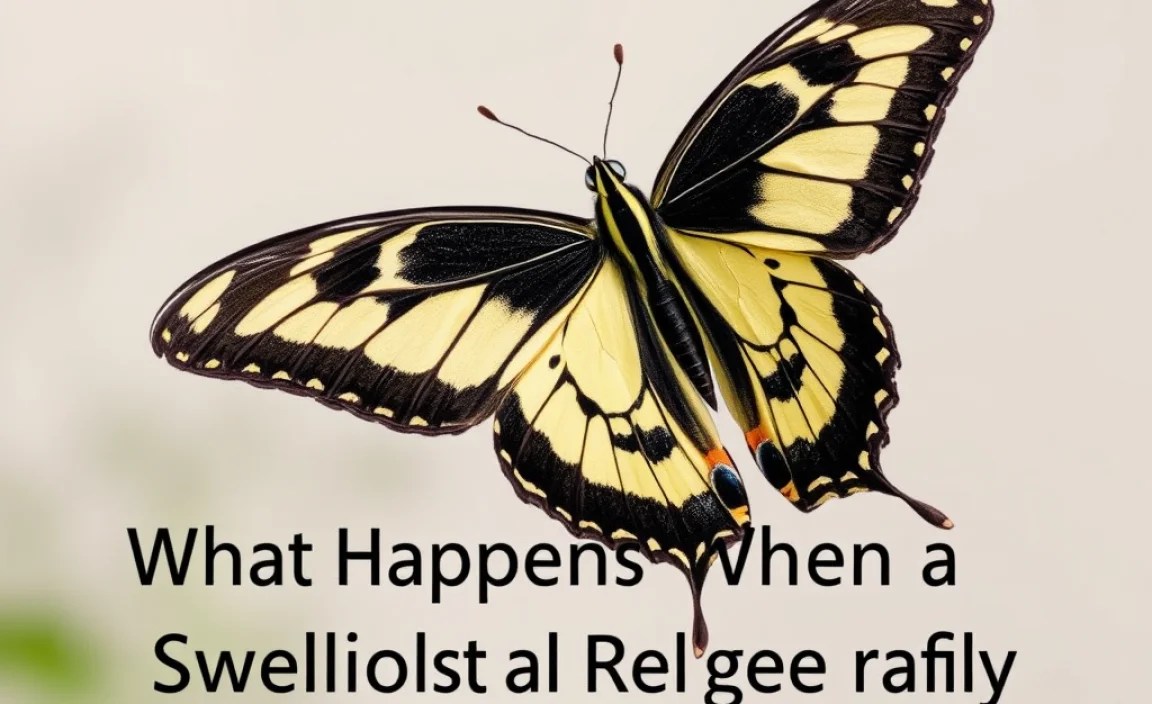
Losing a tail can have several consequences for a swallowtail butterfly:
- Flight Impairment: The tails help with balance and maneuverability during flight. A damaged or missing tail can make it harder for the butterfly to fly efficiently, escape predators, or navigate to food sources.
- Increased Vulnerability: Impaired flight makes the butterfly more vulnerable to predators like birds, lizards, and even larger insects.
- Mating Difficulties: The tails play a role in attracting mates, especially in some swallowtail species where the tail patterns are part of courtship displays. A damaged tail might make a butterfly less attractive to potential partners.
- Reduced Lifespan: While not always the case, the combination of flight impairment and increased vulnerability can lead to a reduced lifespan.
Survival Rates
A swallowtail butterfly can sometimes survive with a damaged or missing tail, especially if the damage is minimal. However, its quality of life and lifespan may be affected. Butterflies with significant tail damage may struggle to find food, avoid predators, and reproduce successfully.
Causes of Tail Loss in Swallowtail Butterflies

Several factors can lead to tail loss in swallowtail butterflies:
- Predator Attacks: Birds, lizards, spiders, and other insects prey on butterflies. The tails are often the first part to be grabbed by a predator.
- Accidents: Butterflies can damage their tails by flying into objects like branches, fences, or even windows.
- Weather: Strong winds and storms can tear or damage butterfly wings and tails.
- Human Interference: Handling butterflies roughly can damage their delicate wings and tails. It’s best to observe them without touching them.
- Disease and Parasites: Certain diseases and parasites can weaken a butterfly’s wings and tails, making them more prone to damage.
Identifying Swallowtail Butterflies
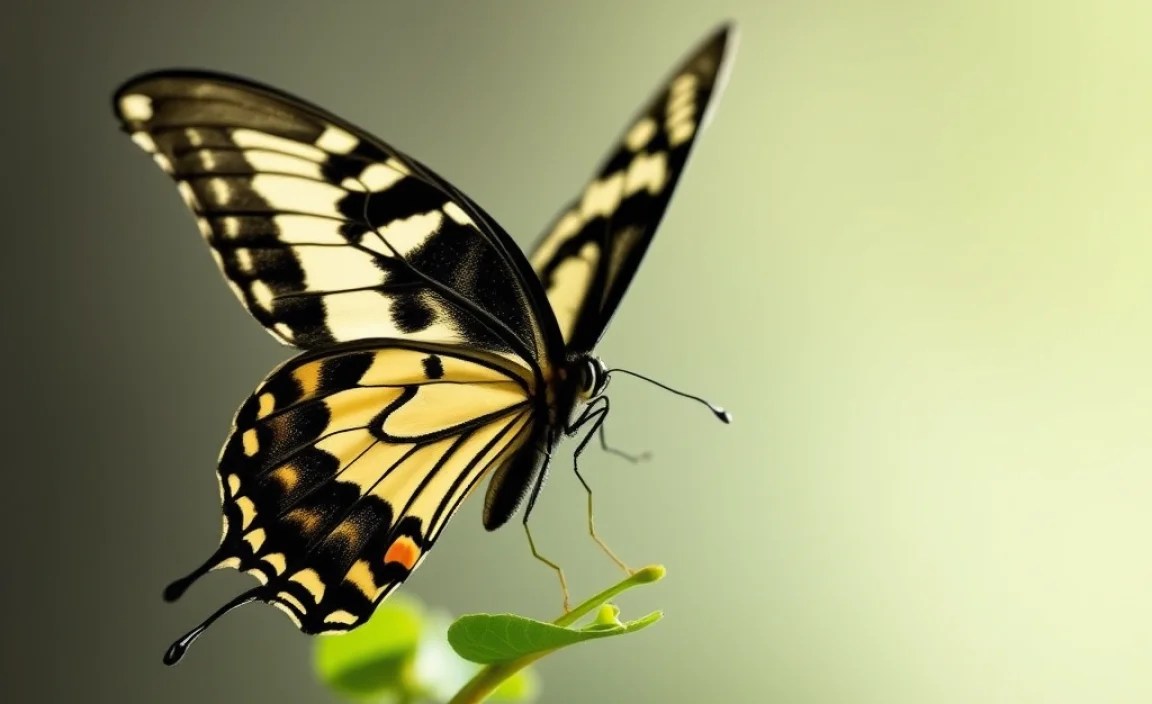
Swallowtail butterflies are among the most beautiful and recognizable butterflies. Here’s a table to help you identify some common species.
| Species | Appearance | Habitat | Notes |
|---|---|---|---|
| Eastern Tiger Swallowtail (Papilio glaucus) | Yellow with black stripes; females can be yellow or black. | Eastern North America | One of the most common and recognizable swallowtails. |
| Black Swallowtail (Papilio polyxenes) | Black with yellow spots; females have more blue markings. | North America | Larvae feed on plants in the carrot family. |
| Giant Swallowtail (Papilio cresphontes) | Large; brown with yellow markings. | North America | The largest swallowtail in North America. |
| Spicebush Swallowtail (Papilio troilus) | Black with green or blue sheen; orange spots on hindwings. | Eastern North America | Larvae feed on spicebush and sassafras. |
| Pipevine Swallowtail (Battus philenor) | Black with iridescent blue hindwings; red spots on underside. | North America | Larvae feed on pipevine, which makes them toxic to predators. |
How to Help Swallowtail Butterflies
While you can’t fix a damaged tail, you can take several steps to help swallowtail butterflies thrive in your area:
- Plant Host Plants: Swallowtail caterpillars are picky eaters. Plant the specific host plants they need to lay their eggs and feed their young. For example, Black Swallowtails love plants in the carrot family like dill, parsley, and fennel. Spicebush Swallowtails need spicebush or sassafras.
- Provide Nectar Sources: Adult butterflies need nectar for energy. Plant a variety of flowering plants that bloom at different times of the year to provide a continuous food source. Some favorites include butterfly bush, zinnias, coneflowers, and milkweed.
- Avoid Pesticides: Pesticides can harm or kill butterflies and caterpillars. Use organic gardening methods and avoid spraying insecticides.
- Create a Butterfly Garden: Designate a section of your yard as a butterfly garden. Include host plants, nectar sources, a water source (like a shallow dish of water with pebbles), and shelter from the wind.
- Protect Natural Habitats: Support local conservation efforts to protect natural habitats where butterflies live and breed.
Creating a Butterfly-Friendly Habitat
Here’s a table to guide you in creating the perfect habitat for swallowtail butterflies:
| Element | Description | Benefits |
|---|---|---|
| Host Plants | Specific plants that caterpillars feed on (e.g., dill for Black Swallowtails). | Provides food for caterpillars, ensuring the next generation. |
| Nectar Plants | Flowering plants that provide nectar for adult butterflies (e.g., butterfly bush, zinnias). | Provides energy for adult butterflies, supporting their activities. |
| Water Source | Shallow dish of water with pebbles for butterflies to land on and drink. | Keeps butterflies hydrated, especially during hot weather. |
| Shelter | Trees, shrubs, and tall grasses that provide protection from wind and predators. | Offers safe resting spots and protection from harsh weather. |
| Sunlight | Butterflies need sunlight to warm their bodies and fly. | Ensures butterflies can regulate their body temperature and stay active. |
| No Pesticides | Avoid using pesticides that can harm or kill butterflies and caterpillars. | Protects butterflies and other beneficial insects from harmful chemicals. |
Observing Swallowtail Butterflies Responsibly
When observing swallowtail butterflies, remember to be respectful and avoid causing harm:
- Observe from a Distance: Avoid getting too close or disturbing them.
- Do Not Touch: Resist the urge to touch their wings, as this can damage them.
- Photograph Responsibly: Use a telephoto lens to take pictures without getting too close.
- Educate Others: Share your knowledge and passion for butterflies with others to promote conservation.
Butterfly Photography Tips
If you’re interested in photographing butterflies, here are some tips:
- Use a Macro Lens: A macro lens allows you to capture close-up details.
- Shoot in Natural Light: Avoid using flash, which can scare the butterflies and wash out the colors.
- Be Patient: Butterflies are constantly moving, so be patient and wait for the right moment.
- Focus on the Eyes: Sharp focus on the butterfly’s eyes will make the photo more engaging.
- Capture the Habitat: Include elements of the butterfly’s habitat in your photos to tell a story.
Swallowtail Butterfly Conservation
Many swallowtail butterfly species are facing threats due to habitat loss, pesticide use, and climate change. Supporting conservation efforts is crucial to protect these beautiful creatures for future generations.
How to Support Butterfly Conservation
- Donate to Conservation Organizations: Support organizations like the Xerces Society that work to protect butterflies and their habitats.
- Participate in Citizen Science Projects: Contribute to butterfly monitoring programs by recording your observations.
- Advocate for Conservation Policies: Contact your elected officials and urge them to support policies that protect butterfly habitats and reduce pesticide use.
- Educate Your Community: Share your knowledge about butterflies and their importance with your friends, family, and neighbors.
Swallowtail Butterfly Symbolism and Cultural Significance
Butterflies, including swallowtails, hold deep symbolic meanings in many cultures:
- Transformation: Butterflies are often seen as symbols of transformation and change, representing the journey from caterpillar to butterfly.
- Hope and Rebirth: In some cultures, butterflies symbolize hope, rebirth, and new beginnings.
- Soul and Spirit: Butterflies are sometimes associated with the human soul or spirit.
- Beauty and Grace: Their delicate wings and graceful flight make them symbols of beauty and elegance.
Understanding the cultural significance of butterflies can deepen your appreciation for these amazing creatures.
FAQ About Swallowtail Butterflies and Tail Loss
Here are some frequently asked questions about swallowtail butterflies and tail loss:
- Can a butterfly fly without a tail?
- Yes, a butterfly can still fly without a tail, but its flight might be less efficient and it could be more vulnerable to predators.
- Do butterflies feel pain when they lose their tail?
- Butterflies have a simple nervous system, so it’s unlikely they experience pain in the same way humans do. However, they likely sense the loss of a body part.
- How long do swallowtail butterflies live?
- The lifespan of a swallowtail butterfly varies by species, but most live for about 2 weeks after emerging from their chrysalis.
- What do swallowtail caterpillars eat?
- Swallowtail caterpillars are very specific about their food. Each species has specific host plants they rely on, such as dill for Black Swallowtails or spicebush for Spicebush Swallowtails.
- How can I attract swallowtail butterflies to my garden?
- Plant host plants for the caterpillars and nectar-rich flowers for the adults. Also, avoid using pesticides and provide a water source.
- Are swallowtail butterflies endangered?
- Some swallowtail species are threatened or endangered due to habitat loss and other factors. Supporting conservation efforts can help protect them.
- What is the best time of day to see butterflies?
- Butterflies are most active on warm, sunny days, especially in the mid-morning and early afternoon.
Conclusion
While the inability of swallowtail butterflies to regenerate their tails might seem like a disadvantage, it highlights the delicate balance of nature and the importance of protecting these creatures from harm. By creating butterfly-friendly habitats, avoiding pesticides, and supporting conservation efforts, we can help ensure that swallowtail butterflies continue to grace our gardens and landscapes for generations to come. Every small action contributes to a brighter future for these winged jewels. Let’s continue to learn, appreciate, and protect the beautiful world of butterflies!


