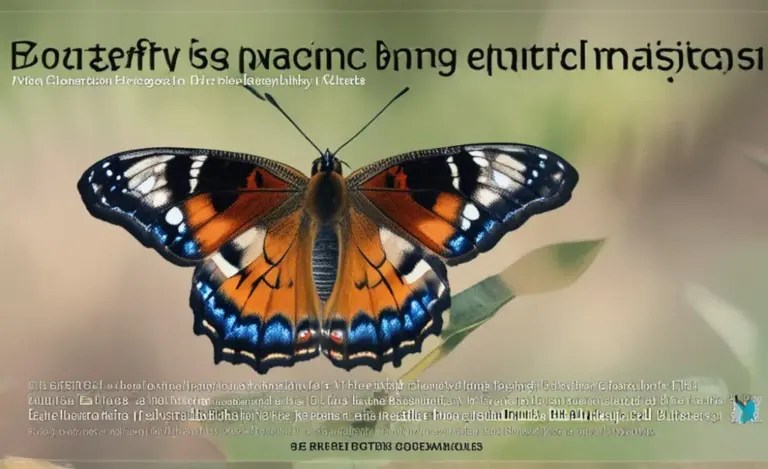
Invasive Butterfly Species: The Powerful Guide

Quick Summary: Invasive butterfly species can disrupt local ecosystems by outcompeting native butterflies for resources, introducing diseases, or preying on vulnerable species. Monitoring and preventing their spread is crucial for protecting biodiversity and maintaining healthy butterfly populations. Understanding their impact helps in implementing effective conservation strategies.
Have you ever wondered what happens when a butterfly species from one part of the world suddenly appears in another? It sounds magical, but sometimes these new arrivals can cause big problems for our local butterflies and the plants they depend on. Identifying and managing these invaders is vital to keeping our gardens and wild spaces healthy. Let’s explore how to spot these butterflies and what we can do to help our native species thrive.
What Are Invasive Butterfly Species?

Invasive butterfly species are those that have been introduced to a new environment, either intentionally or accidentally, and cause harm to the local ecosystem. These butterflies can outcompete native species for food, spread diseases, or even prey on other insects. Their presence can disrupt the delicate balance of nature.
Why Are Invasive Species a Problem?
Invasive species can have several negative effects:
- Competition: They compete with native butterflies for nectar sources and host plants.
- Disease: They can introduce new diseases that native butterflies are not equipped to handle.
- Predation: Some invasive species prey on native caterpillars or butterflies.
- Habitat Disruption: They can alter habitats by affecting the plants that native butterflies rely on.
Identifying Common Invasive Butterfly Species

Recognizing invasive butterfly species is the first step in managing their impact. Here are some of the most common culprits:
The Cabbage White Butterfly (Pieris rapae)
The Cabbage White Butterfly is one of the most widespread invasive species in North America. Originally from Europe, it’s now found across the continent.
Identifying Features:
- Color: White with small black spots on the wings.
- Size: Small to medium, with a wingspan of about 1.5 to 2 inches.
- Habitat: Commonly found in gardens, fields, and open areas.
- Host Plants: Prefers cabbage, broccoli, and other cruciferous vegetables.
Impact:
Cabbage White caterpillars are notorious for damaging vegetable crops, particularly those in the cabbage family. They can cause significant economic losses for farmers and gardeners.
The European Skipper (Thymelicus lineola)
The European Skipper, another European native, has become a common sight in North America. It was first detected in Ontario, Canada, in 1910 and has since spread across much of the continent.
Identifying Features:
- Color: Orange with dark brown borders.
- Size: Small, with a wingspan of about 1 inch.
- Habitat: Grassy fields and meadows.
- Host Plants: Prefers various grasses.
Impact:
European Skippers can be a nuisance in hayfields, where their caterpillars feed on grasses, reducing the quality and yield of hay crops. While not as destructive as some other invasive species, their sheer numbers can make them a problem.
The Painted Lady (Vanessa cardui) – A Special Case
While the Painted Lady is a widespread butterfly found on nearly every continent, its migratory behavior can sometimes lead to it being mistaken for an invasive species in certain regions. It’s important to understand the difference.
Identifying Features:
- Color: Orange and brown with black and white spots.
- Size: Medium, with a wingspan of about 2 to 2.5 inches.
- Habitat: Found in a wide variety of habitats, including gardens, fields, and deserts.
- Host Plants: Prefers thistles, mallows, and other weedy plants.
Why It’s Not Always Invasive:
Painted Ladies are strong fliers and undertake long-distance migrations, often moving from North Africa and the Middle East to Europe. While they may appear suddenly in large numbers, they are usually just passing through and do not establish permanent, damaging populations in most areas.
Other Potential Invasive Species to Watch For
While the Cabbage White and European Skipper are well-established, other species could potentially become invasive. Keep an eye out for any unusual butterflies in your area and report any sightings to your local agricultural extension office or butterfly monitoring program.
How to Prevent the Spread of Invasive Butterflies

Preventing the spread of invasive butterflies requires a multi-faceted approach, including careful monitoring, responsible gardening practices, and public awareness.
1. Monitoring and Early Detection
Regular monitoring of butterfly populations can help detect new invasive species early, before they become widespread. Participate in citizen science projects or simply keep an eye on the butterflies in your garden and local parks.
- Join a butterfly monitoring program: Organizations like the North American Butterfly Association (NABA) coordinate monitoring programs that track butterfly populations and distributions.
- Report unusual sightings: If you see a butterfly that you don’t recognize, take a photo and report it to your local agricultural extension office or a butterfly expert.
2. Responsible Gardening Practices
Gardeners can play a significant role in preventing the spread of invasive species by choosing native plants and avoiding the introduction of potentially invasive butterfly species.
- Plant native host plants: Native host plants support native butterfly populations and reduce the likelihood of invasive species becoming established.
- Avoid importing butterflies: Releasing commercially raised butterflies can introduce diseases and disrupt local ecosystems.
- Inspect new plants: Before planting new plants in your garden, inspect them for caterpillars or eggs of invasive species.
3. Public Awareness and Education
Educating the public about the risks of invasive species is crucial for preventing their spread. Share information with friends, family, and neighbors, and support educational programs in your community.
- Share information on social media: Use social media to raise awareness about invasive butterfly species and the importance of protecting native butterflies.
- Support local conservation organizations: Donate to or volunteer with organizations that work to protect butterfly habitats and control invasive species.
Step-by-Step Guide to Managing Cabbage White Butterflies in Your Garden

Cabbage White Butterflies can be a major problem for gardeners. Here’s a step-by-step guide to managing them effectively:
Step 1: Identify the Problem
Look for small, white butterflies fluttering around your cabbage, broccoli, and other cruciferous plants. Check the undersides of the leaves for small, green caterpillars.
Step 2: Handpick Caterpillars
One of the most effective ways to control Cabbage White caterpillars is to handpick them off your plants. Do this regularly, especially in the early morning or late evening when they are most active. Drop the caterpillars into a bucket of soapy water to kill them.
Step 3: Use Row Covers
Cover your plants with row covers to prevent Cabbage White Butterflies from laying their eggs on the leaves. Make sure the covers are securely fastened to the ground to prevent butterflies from getting underneath.
Step 4: Apply Bacillus Thuringiensis (Bt)
Bacillus thuringiensis (Bt) is a naturally occurring bacterium that is toxic to caterpillars. Apply Bt to your plants according to the instructions on the product label. Bt is safe for humans, pets, and beneficial insects.
Step 5: Encourage Natural Predators
Attract natural predators of Cabbage White caterpillars to your garden, such as parasitic wasps and lacewings. Plant flowers that provide nectar and pollen for these beneficial insects.
Step 6: Crop Rotation
Practice crop rotation to prevent Cabbage White Butterflies from building up in your garden. Avoid planting cruciferous vegetables in the same location year after year.
The Impact of Climate Change on Invasive Butterfly Species

Climate change is altering ecosystems around the world, and these changes can have a significant impact on the distribution and spread of invasive butterfly species. As temperatures rise and habitats shift, some invasive species may be able to expand their range, while others may become more vulnerable to native predators and diseases.
Changes in Distribution
Rising temperatures may allow some invasive butterfly species to expand their range into new areas that were previously too cold for them to survive. This could lead to increased competition with native butterflies and further disruption of local ecosystems.
Changes in Phenology
Climate change can also affect the timing of butterfly life cycles, such as when they emerge from their pupae or when they migrate. These changes in phenology can disrupt the synchrony between butterflies and their host plants, making it more difficult for native butterflies to find food and reproduce.
Increased Vulnerability
On the other hand, climate change may also make some invasive butterfly species more vulnerable to native predators and diseases. As ecosystems become more stressed, native species may become more competitive and better able to resist the spread of invasive species.
Case Studies of Successful Invasive Butterfly Management
While the challenge of managing invasive butterfly species can seem daunting, there have been some successful case studies that demonstrate the effectiveness of targeted interventions.
The Variegated Fritillary in New Zealand
The Variegated Fritillary (Euptoieta claudia) became established in New Zealand in the 1960s and quickly spread throughout the country. It fed on native violets, threatening several rare and endangered species. A combination of habitat restoration, biological control, and public education helped to reduce the impact of the Variegated Fritillary and protect native violet populations.
The Cabbage White Butterfly in Australia
The Cabbage White Butterfly has been a pest in Australia for over a century. A combination of cultural practices, such as crop rotation and the use of row covers, along with biological control using parasitic wasps, has helped to reduce the impact of this invasive species on vegetable crops.
Resources for Further Learning
Want to learn more about invasive butterfly species and how to protect native butterflies? Here are some helpful resources:
- The Xerces Society: A non-profit organization that works to protect invertebrates and their habitats. Xerces Society
- The North American Butterfly Association (NABA): An organization dedicated to the study and conservation of North American butterflies. NABA
- Your local agricultural extension office: Provides information and resources on managing pests and diseases in your area.
- Butterfly identification guides: Field guides can help you identify butterflies in your area and learn about their habits and habitats.
Tools and Equipment
Here’s a table of tools and equipment that can help you manage invasive butterfly species in your garden or local area:
| Tool/Equipment | Description | Use |
|---|---|---|
| Butterfly Net | A net with a long handle used to capture butterflies for identification or removal. | Catching and identifying butterflies. |
| Magnifying Glass | A handheld lens used to magnify small objects, such as butterfly eggs or caterpillars. | Inspecting plants for pests. |
| Row Covers | Lightweight fabric covers used to protect plants from pests. | Preventing butterflies from laying eggs on plants. |
| Bacillus Thuringiensis (Bt) | A biological insecticide that is toxic to caterpillars. | Controlling caterpillar populations. |
| Spray Bottle | A bottle with a nozzle used to spray liquids, such as Bt, on plants. | Applying insecticides. |
| Gardening Gloves | Protective gloves worn while gardening. | Protecting hands from pests and irritants. |
Understanding the Butterfly Life Cycle
Understanding the butterfly life cycle is essential for effective management of invasive species. Butterflies undergo complete metamorphosis, which includes four stages: egg, larva (caterpillar), pupa (chrysalis), and adult.
- Egg: Butterflies lay their eggs on or near their host plants. The eggs can be laid singly or in clusters, depending on the species.
- Larva (Caterpillar): The caterpillar hatches from the egg and feeds on the host plant. It molts several times as it grows.
- Pupa (Chrysalis): The caterpillar transforms into a pupa, or chrysalis. This is a resting stage during which the caterpillar undergoes metamorphosis.
- Adult: The adult butterfly emerges from the chrysalis. It feeds on nectar and reproduces, starting the cycle all over again.
Knowing the life cycle of invasive butterfly species can help you target your management efforts more effectively. For example, you can focus on removing eggs or caterpillars from host plants or preventing adults from laying eggs in your garden.
FAQ About Invasive Butterfly Species
Here are some frequently asked questions about invasive butterfly species:
What makes a butterfly species “invasive”?
A butterfly species is considered invasive when it’s introduced to a new environment, spreads rapidly, and causes harm to the local ecosystem by outcompeting native species or disrupting habitats.
How do invasive butterflies affect native butterflies?
Invasive butterflies can outcompete native species for food and host plants, introduce diseases, and even prey on native caterpillars, leading to declines in native butterfly populations.
Can climate change influence the spread of invasive butterflies?
Yes, climate change can alter habitats and temperatures, allowing invasive butterfly species to expand their range into new areas and potentially disrupt the synchrony between butterflies and their host plants.
What can gardeners do to prevent the spread of invasive butterflies?
Gardeners can plant native host plants, avoid importing butterflies, inspect new plants for pests, and use row covers to protect their crops from invasive species.
Are there any natural predators that help control invasive butterfly populations?
Yes, natural predators such as parasitic wasps, lacewings, and birds can help control invasive butterfly populations by preying on their eggs, caterpillars, or adult butterflies.
How can I report a sighting of a potential invasive butterfly species?
You can report unusual butterfly sightings to your local agricultural extension office, a butterfly expert, or through a butterfly monitoring program like the North American Butterfly Association (NABA).
Is it always easy to identify an invasive butterfly species?
Not always. Some invasive species closely resemble native butterflies, making identification challenging. Using field guides, consulting experts, and participating in monitoring programs can help.
Conclusion
Understanding and managing invasive butterfly species is crucial for protecting the biodiversity of our ecosystems. By learning to identify these invaders, adopting responsible gardening practices, and supporting conservation efforts, we can help ensure that native butterflies continue to thrive. Every action, no matter how small, contributes to a healthier environment for these beautiful creatures and the world around us. Let’s work together to keep our gardens and wild spaces safe for all butterflies!