
Butterfly Park Guidebook: Your Ultimate Adventure

Butterfly Park Guidebook: Your Complete Guide to Butterfly Parks

Want to explore the enchanting world of butterflies? This guidebook will help you plan your visit to a butterfly park, explaining what to expect, what to look for, and how to make the most of your experience. We’ll cover everything from butterfly identification to understanding the park’s conservation efforts. Get ready to discover the beauty and wonder of these delicate creatures!
Butterfly parks are magical places. They bring us face-to-face with some of nature’s most beautiful creatures. But visiting a butterfly park is more than just a pretty experience. It’s a chance to learn about butterfly life cycles, behaviors, and the important role they play in our ecosystem. This guide will equip you with the knowledge you need to fully appreciate your visit. Let’s flutter into the details!
What is a Butterfly Park?

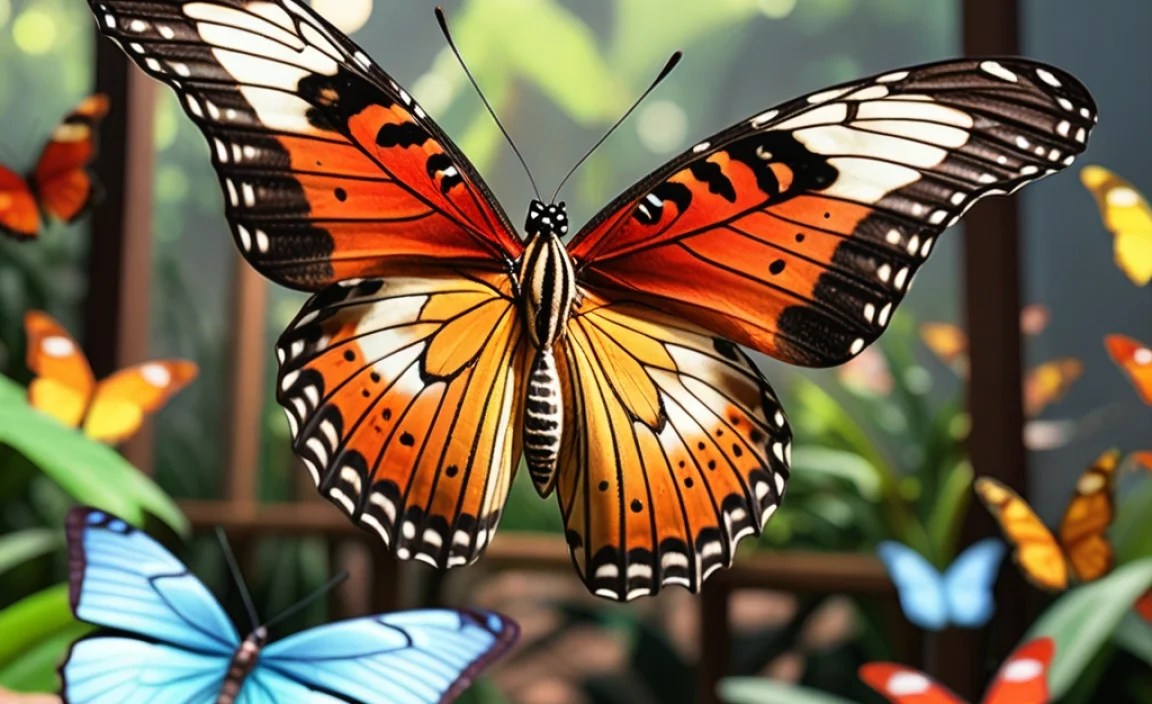
A butterfly park, also known as a butterfly garden or conservatory, is an enclosed environment designed to house and display a variety of butterfly species. These parks often recreate tropical or subtropical habitats, providing the butterflies with the plants they need for food and reproduction.
Butterfly parks serve several important purposes:
- Conservation: They help protect endangered butterfly species by providing a safe breeding environment.
- Education: They offer visitors a chance to learn about butterfly biology, ecology, and conservation.
- Research: They provide opportunities for scientists to study butterfly behavior and develop conservation strategies.
- Tourism: They attract visitors from around the world, boosting local economies.
Planning Your Visit
Before you head to a butterfly park, a little planning can go a long way. Here’s what you need to consider:
1. Research the Park
Not all butterfly parks are created equal. Some are small and focus on local species, while others are large and feature exotic butterflies from around the world. Look into:
- Species: What types of butterflies can you expect to see?
- Size: How large is the enclosure?
- Amenities: Does the park have restrooms, cafes, or gift shops?
- Accessibility: Is the park wheelchair accessible?
- Reviews: What do other visitors say about their experience?
Websites like TripAdvisor or Yelp can provide valuable insights.
2. Check the Season
Butterfly activity varies depending on the season. Butterflies are most active in warm, sunny weather. During cooler months, you may see fewer butterflies or find that some species are less active. Spring and summer are generally the best times to visit. Many parks will update their websites or social media with the current butterfly activity levels.
3. What to Wear
Dress comfortably and appropriately for the climate inside the butterfly park.
- Light Clothing: Butterfly parks are often humid, so wear lightweight, breathable fabrics.
- Comfortable Shoes: You’ll be doing a lot of walking, so wear comfortable shoes.
- Bright Colors: Butterflies are attracted to bright colors, so wearing colorful clothing may encourage them to land on you!
4. What to Bring
Here’s a list of essential items to bring with you:
- Camera: Capture the beauty of the butterflies and the surrounding environment.
- Water Bottle: Stay hydrated, especially in humid conditions.
- Sunscreen: Even though you’re indoors, some parks have open-air sections.
- Insect Repellent: Mosquitoes and other insects may be present.
- Notebook and Pen: To jot down notes about the species you see.
5. Purchase Tickets in Advance
Many butterfly parks offer online ticket sales. Buying your tickets in advance can save you time and ensure you get in, especially during peak season.
Inside the Butterfly Park: What to Expect

Once you step inside a butterfly park, you’ll be transported to a world of vibrant colors and delicate beauty. Here’s what you can expect to see and do:
1. The Environment
Butterfly parks typically recreate tropical or subtropical habitats, with lush vegetation, flowing water, and warm, humid air. The temperature is usually maintained between 80-85°F (27-29°C) with high humidity levels.
2. Butterfly Species
You’ll encounter a wide variety of butterfly species, from common species to rare and exotic ones. Some popular species you might see include:
- Monarch Butterfly (Danaus plexippus): Known for its orange and black wings and long migration.
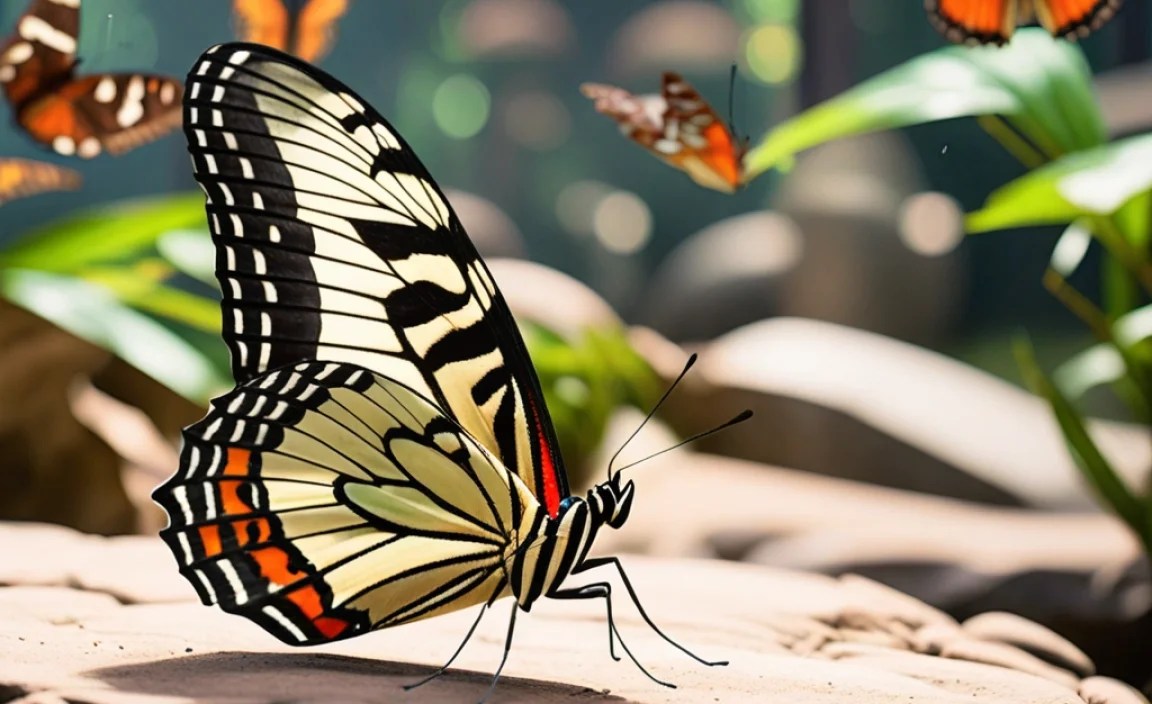
- Swallowtail Butterfly (Papilio spp.): Large and colorful, with distinctive “tails” on their hindwings.
- Morpho Butterfly (Morpho spp.): Famous for their iridescent blue wings.
- Painted Lady (Vanessa cardui): A widely distributed species with intricate patterns on its wings.
- Owl Butterfly (Caligo spp.): Named for the large, owl-like eyespots on their wings.
3. Butterfly Behavior
Observe the butterflies as they flutter around, feed on nectar, and interact with each other. You might see them:
- Nectaring: Sipping nectar from flowers using their long proboscis.
- Basking: Spreading their wings to absorb sunlight and warm up.
- Mating: Engaging in courtship rituals and mating behaviors.
- Laying Eggs: Females depositing eggs on host plants.
4. Educational Exhibits
Most butterfly parks have educational exhibits that provide information about butterfly biology, life cycles, and conservation. Look for:
- Life Cycle Displays: Showing the stages of butterfly development from egg to larva (caterpillar) to pupa (chrysalis) to adult.
- Identification Charts: Helping you identify different butterfly species.
- Conservation Information: Explaining the threats to butterfly populations and what you can do to help.
5. Photography Opportunities
Butterfly parks are a photographer’s paradise. Bring your camera and capture the beauty of these delicate creatures. Here are some tips for taking great butterfly photos:
- Use Natural Light: Avoid using flash, which can startle the butterflies and wash out the colors.
- Get Close: Use a macro lens or zoom in to capture the intricate details of the butterflies’ wings.
- Be Patient: Wait for the butterflies to land and pose.
- Focus Carefully: Make sure your focus is sharp, especially on the eyes or wings.
Identifying Butterflies
One of the most rewarding aspects of visiting a butterfly park is learning to identify different butterfly species. Here are some tips to help you get started:
1. Observe Key Features
Pay attention to the following features:
- Size: How large is the butterfly?
- Color: What are the dominant colors on the wings?
- Patterns: Are there any distinctive patterns, such as spots, stripes, or eyespots?
- Wing Shape: What is the shape of the wings? Are they rounded, pointed, or elongated?
- Flight Pattern: How does the butterfly fly? Is it fast and erratic, or slow and graceful?
2. Use a Field Guide
Bring a butterfly field guide with you or download a butterfly identification app on your smartphone. These resources provide detailed descriptions and images of different butterfly species.
3. Consult Park Staff
Park staff are often knowledgeable about the butterflies in the park and can help you identify species you’re unfamiliar with. Don’t hesitate to ask for their assistance.
4. Take Notes and Photos
If you’re unsure about a butterfly’s identity, take notes and photos to help you identify it later. Note the date, time, and location where you saw the butterfly.
5. Butterfly Identification Table
| Butterfly Species | Size | Color | Patterns | Wing Shape |
|---|---|---|---|---|
| Monarch (Danaus plexippus) | Large (3.5-4 inches) | Orange with black borders | Black veins and white spots along the borders | Rounded |
| Swallowtail (Papilio spp.) | Large (4-6 inches) | Variable, often black and yellow | Distinctive “tails” on hindwings | Elongated with tails |
| Morpho (Morpho spp.) | Large (5-8 inches) | Iridescent blue (upper wings) | Brown with eyespots (underside) | Rounded |
| Painted Lady (Vanessa cardui) | Medium (2-2.5 inches) | Orange, brown, and black | Intricate patterns with white spots | Rounded |
| Owl Butterfly (Caligo spp.) | Large (5-6 inches) | Brown and tan | Large, owl-like eyespots on hindwings | Rounded |
Butterfly Park Etiquette
To ensure a pleasant experience for everyone, follow these guidelines:
- Do Not Touch the Butterflies: Butterflies are delicate creatures, and handling them can damage their wings or harm them in other ways.
- Stay on Designated Paths: Avoid trampling plants or disturbing the habitat.
- Do Not Bring Food or Drinks Inside: Food and drinks can attract pests and harm the butterflies.
- Supervise Children: Make sure children understand the rules and respect the butterflies and their environment.
- Be Quiet: Loud noises can disturb the butterflies.
- Respect Photography Restrictions: Some parks may have restrictions on the use of flash photography.
Attracting Butterflies to Your Own Garden
Inspired by your visit to a butterfly park? You can create your own butterfly garden at home! Here’s how:
1. Plant Host Plants
Host plants are plants that butterflies lay their eggs on and that caterpillars feed on. Some popular host plants include:
- Milkweed (Asclepias spp.): Host plant for Monarch butterflies.
- Dill, Fennel, and Parsley: Host plants for Swallowtail butterflies.
- Passionflower (Passiflora spp.): Host plant for Gulf Fritillary butterflies.
2. Plant Nectar Plants
Nectar plants provide butterflies with the energy they need to fly and reproduce. Some popular nectar plants include:
- Butterfly Bush (Buddleja davidii): A popular choice for attracting a variety of butterflies.
- Zinnia (Zinnia elegans): Brightly colored flowers that attract butterflies and hummingbirds.
- Lantana (Lantana spp.): Clusters of colorful flowers that bloom throughout the summer.
- Salvia (Salvia spp.): Attracts butterflies and hummingbirds with its tubular flowers.
3. Provide a Water Source
Butterflies need water to stay hydrated. Provide a shallow dish of water with pebbles or stones for them to land on.
4. Provide Shelter
Butterflies need shelter from wind and rain. Plant trees and shrubs to provide them with a safe haven.
5. Avoid Pesticides
Pesticides can harm or kill butterflies and other beneficial insects. Avoid using pesticides in your garden.
6. Butterfly Garden Planting Guide
| Plant Type | Plant Name | Butterfly Attracted | Growing Conditions |
|---|---|---|---|
| Host Plant | Milkweed (Asclepias spp.) | Monarch | Full sun, well-drained soil |
| Host Plant | Dill (Anethum graveolens) | Swallowtail | Full sun, well-drained soil |
| Nectar Plant | Butterfly Bush (Buddleja davidii) | Various butterflies | Full sun, well-drained soil |
| Nectar Plant | Zinnia (Zinnia elegans) | Various butterflies | Full sun, well-drained soil |
| Nectar Plant | Lantana (Lantana spp.) | Various butterflies | Full sun, well-drained soil |
The Importance of Butterfly Conservation
Butterflies are an important part of our ecosystem. They pollinate plants, serve as food for other animals, and are indicators of environmental health. Unfortunately, many butterfly species are threatened by habitat loss, climate change, and pesticide use. By supporting butterfly parks and creating butterfly-friendly habitats, we can help protect these beautiful creatures for future generations.
FAQ About Butterfly Parks
1. What is the best time of year to visit a butterfly park?
Spring and summer are generally the best times to visit. Butterflies are most active in warm, sunny weather.
2. Can I touch the butterflies in a butterfly park?
No, it’s generally not allowed. Butterflies are delicate, and touching them can harm their wings.
3. What should I wear to a butterfly park?
Wear light, comfortable clothing and shoes. Bright colors may attract butterflies.
4. Are butterfly parks wheelchair accessible?
Many butterfly parks are wheelchair accessible, but it’s best to check with the specific park before your visit.
5. Can I bring food and drinks into a butterfly park?
No, food and drinks are usually not allowed inside butterfly parks.
6. What can I do to help butterfly conservation?
You can support butterfly parks, create a butterfly-friendly garden, and avoid using pesticides.
7. How long should I plan to spend at a butterfly park?
Plan to spend at least 1-2 hours at a butterfly park to fully enjoy the experience.
Conclusion
Visiting a butterfly park is a wonderful way to connect with nature and learn about these fascinating creatures. By following this guidebook, you’ll be well-prepared to make the most of your visit and appreciate the beauty and importance of butterflies. Whether you’re a seasoned naturalist or a curious beginner, a butterfly park offers something for everyone. So, get ready to immerse yourself in a world of vibrant colors, delicate wings, and fluttering beauty. Happy butterfly watching!


