Skipper Butterfly Identification: The Ultimate Guide

Skipper Butterfly Identification: A Beginner’s Guide
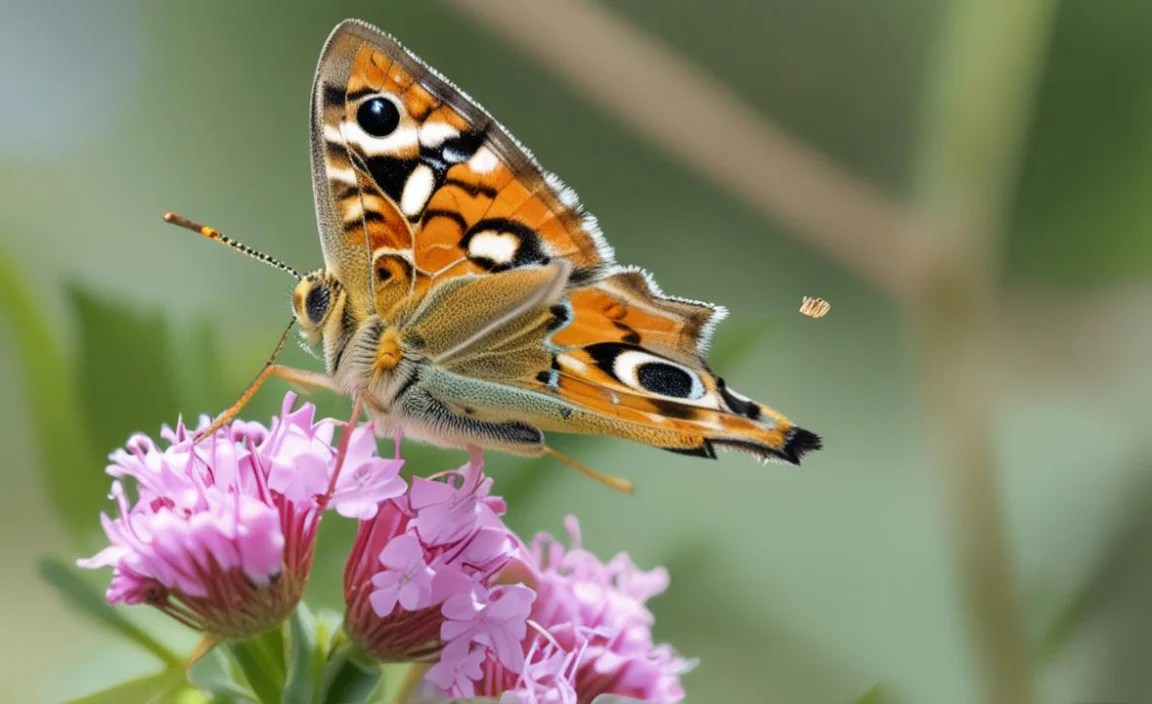
Quick Summary: Skipper butterflies can be tricky to identify! Look for their hooked antennae, stout bodies, and rapid, skipping flight. Observe the size, color patterns (especially on the wings’ undersides), and habitat. Note any unique markings or behaviors. Using field guides, online resources, and comparison to known species will help you accurately identify these fast-flying beauties.
Have you ever spotted a small, fast-flying butterfly that just doesn’t quite look like the others? It might be a skipper! Skippers are a fascinating group of butterflies, but they can be challenging to identify. Their rapid flight and subtle differences make them a puzzle for many butterfly enthusiasts. But don’t worry! With a few key observations and helpful resources, you can confidently identify these captivating creatures. This guide will walk you through the process, step by step, making skipper identification easier and more enjoyable.
What Makes Skippers Unique?
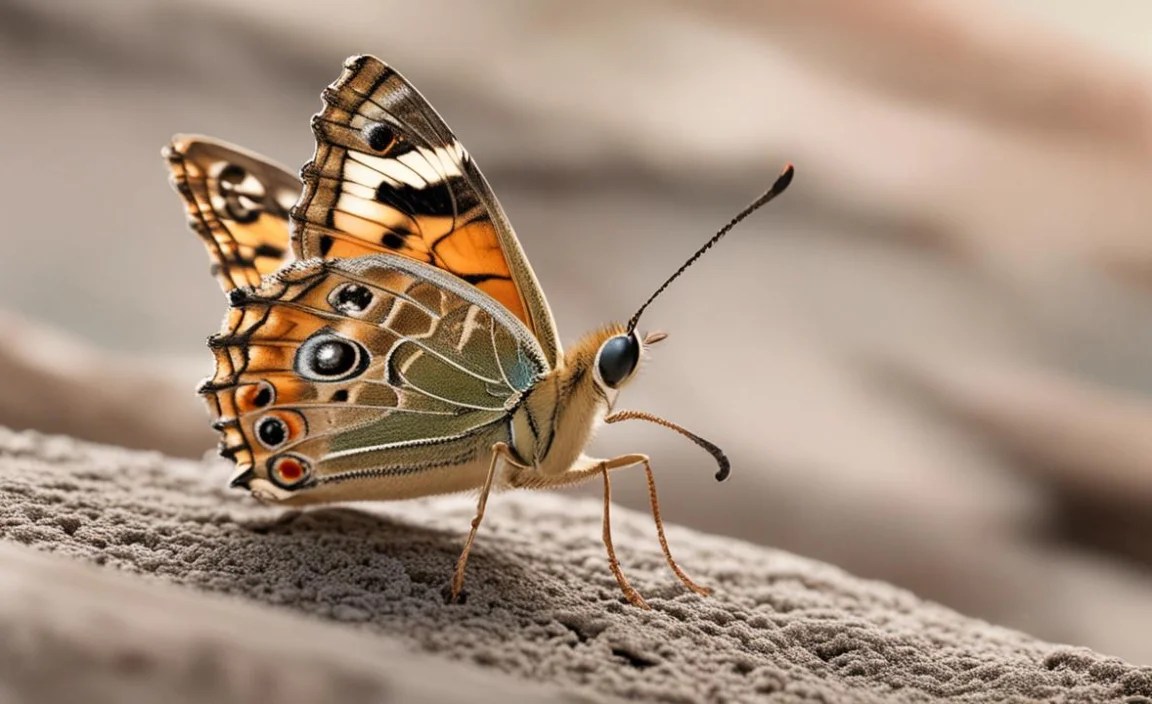
Skippers belong to the family Hesperiidae, which sets them apart from other butterflies in the Papilionoidea superfamily. Here’s what distinguishes them:
- Antennae: Skippers have hooked or clubbed antennae, often with a pointed tip. This is a key characteristic that differentiates them from other butterfly families.
- Body Shape: Their bodies are generally stouter and more moth-like than other butterflies. This robust build helps them power their fast, erratic flight.
- Wing Position: At rest, skippers often hold their wings in a distinctive position – either open flat, partially open, or with the hindwings held horizontally and the forewings angled upwards.
- Flight Pattern: As their name suggests, skippers have a characteristic “skipping” flight, moving rapidly and erratically.
Step-by-Step Guide to Skipper Butterfly Identification
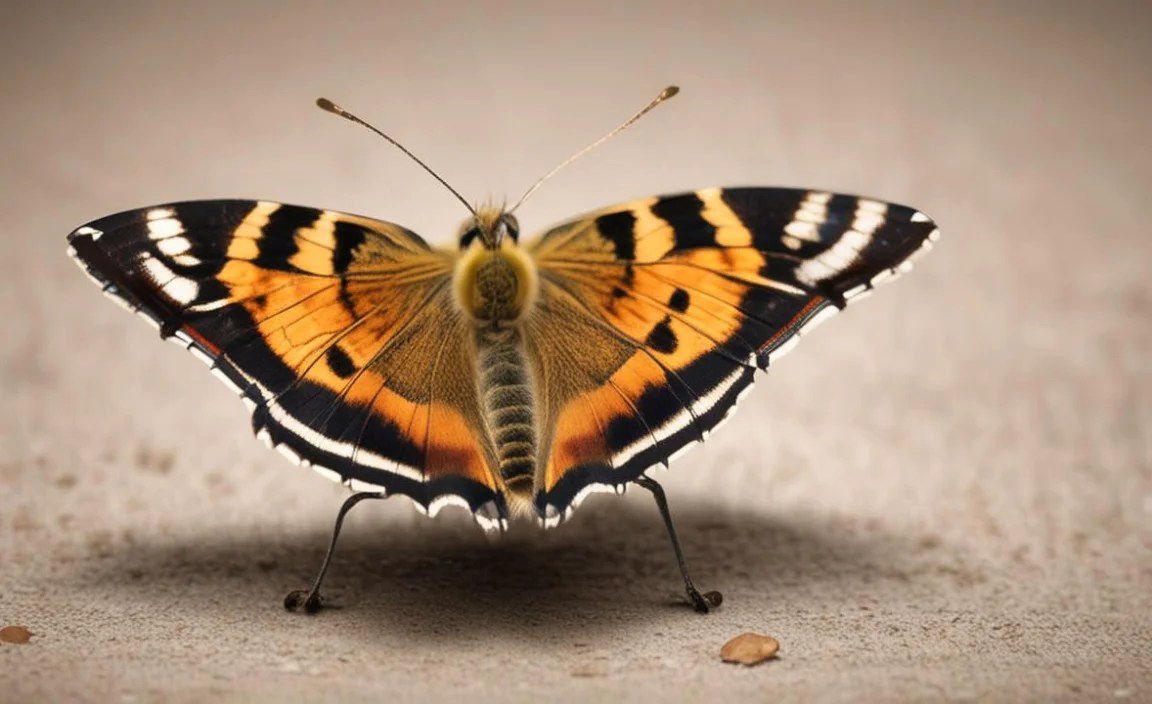
Ready to dive in? Follow these steps to identify skipper butterflies you encounter in your garden or on your nature walks:
Step 1: Observe the Size and Shape
Start by noting the overall size and shape of the skipper. Is it small, medium, or large? Is its body slender or stout? These initial observations will help narrow down the possibilities.
Here’s a general size comparison:
| Size Category | Wingspan (approximate) | Common Examples |
|---|---|---|
| Small | Under 1 inch | Least Skipper, Pygmy Skipper |
| Medium | 1 to 1.5 inches | Tawny-edged Skipper, Sachem |
| Large | Over 1.5 inches | Silver-spotted Skipper, Long-tailed Skipper |
Step 2: Examine the Wing Color and Patterns
Wing color and patterns are crucial for identification. Pay close attention to both the upper and undersides of the wings. The underside patterns are often more distinctive.
- Color: Note the base color (e.g., brown, orange, yellow, black). Are there any iridescent patches?
- Spots and Markings: Look for spots, bands, or other markings. Are they symmetrical? What color are they? How are they arranged?
- Wing Borders: Observe the edges of the wings. Are they smooth, scalloped, or fringed? Is there a border of a different color?
Step 3: Analyze the Antennae
The antennae are a key identifying feature for skippers. Observe the shape of the club or hook at the end. Is it long and slender, or short and stout? Is it curved or sharply hooked? Are there any distinct markings on the club?
Step 4: Consider the Habitat and Location
The habitat where you find the skipper can provide valuable clues. Different skipper species are found in different habitats. Note the type of environment (e.g., grassland, woodland, marsh) and the plants that are present.
Also, consider your geographic location. Different skipper species are found in different regions. Consult regional field guides or online resources to see which species are likely to occur in your area. Resources like the Butterflies and Moths of North America website (BAMONA, butterfliesandmoths.org) are excellent for this.
Step 5: Observe Behavior
Skipper behavior can also offer clues to their identity. Note how the skipper holds its wings when at rest. Does it bask in the sun with its wings open or closed? What types of flowers does it visit for nectar? Does it have a rapid, erratic flight pattern?
Step 6: Use Field Guides and Online Resources
Field guides and online resources are essential tools for skipper identification. Here are a few recommended resources:
- National Audubon Society Field Guide to North American Butterflies
- Butterflies of North America: A Natural History and Field Guide by Jim P. Brock and Kenn Kaufman
- Butterflies and Moths of North America (BAMONA): butterfliesandmoths.org
- iNaturalist: inaturalist.org (a great platform for sharing observations and getting identifications from experts)
When using a field guide or online resource, start by looking at the skipper species that are known to occur in your region. Compare your observations to the photos and descriptions in the guide. Pay close attention to the key identifying features for each species.
Step 7: Compare to Known Species
Once you have gathered your observations and consulted your resources, start comparing the skipper to known species. Look for species that match the size, shape, color patterns, antennae, habitat, and behavior of the skipper you observed. Don’t be afraid to consult multiple sources and compare different species.
Common Skipper Butterfly Characteristics
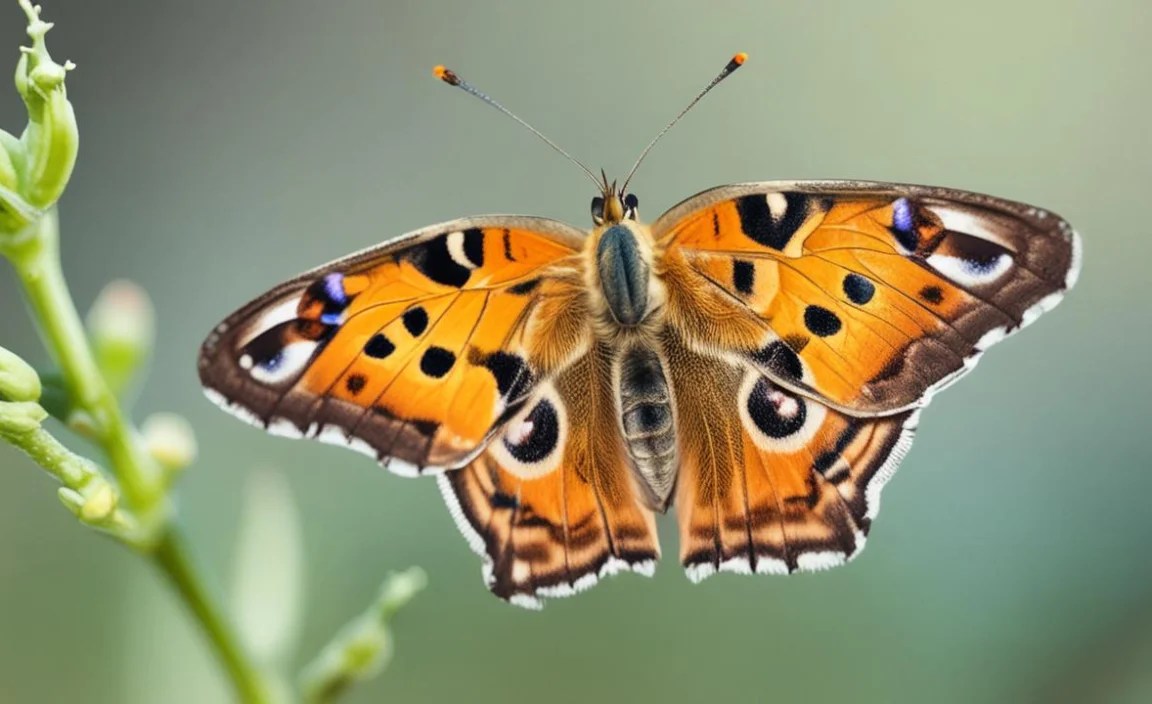
To help you further, here’s a breakdown of characteristics you can use to narrow down your search:
| Characteristic | Description | Examples |
|---|---|---|
| Wing Color | Dominant color of the wings | Brown, orange, yellow, black, gray |
| Wing Markings | Spots, bands, lines, or other patterns on the wings | Spots (round, square, irregular), bands (horizontal, vertical), lines (thin, thick) |
| Antennae Shape | Shape of the club or hook at the end of the antennae | Hooked, curved, clubbed, pointed |
| Body Shape | Overall shape of the body | Stout, slender, hairy, smooth |
| Habitat | Type of environment where the skipper is found | Grassland, woodland, marsh, garden |
| Behavior | How the skipper behaves | Flight pattern (fast, slow, erratic), wing position at rest (open, closed), nectar source (specific flowers) |
Tips for Successful Skipper Identification
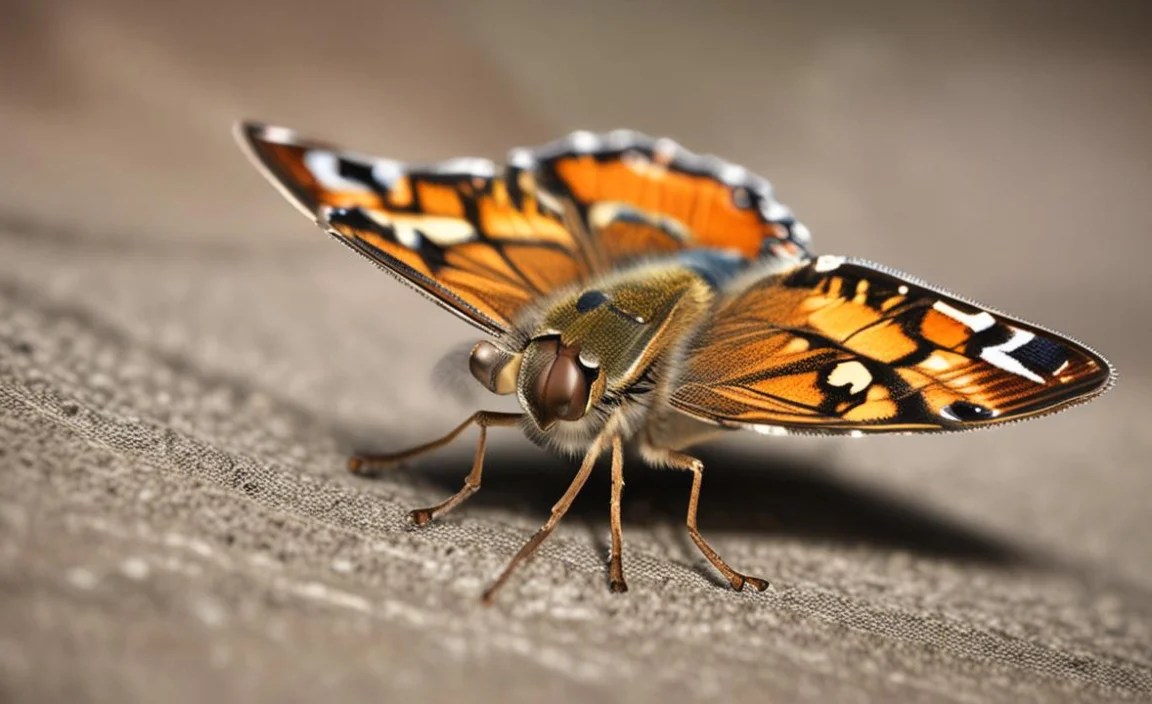
Identifying skippers can be challenging, but here are a few tips to increase your success:
- Take Photos: Capture clear photos of the skipper from multiple angles, including the upper and undersides of the wings, and the antennae.
- Use a Magnifying Glass: A magnifying glass can help you see small details that might be missed with the naked eye.
- Be Patient: Skipper identification takes time and practice. Don’t get discouraged if you don’t identify a skipper right away. Keep practicing and learning, and you’ll eventually become more proficient.
- Join a Butterfly Group: Connect with other butterfly enthusiasts in your area. They can provide valuable insights and help you identify difficult skippers.
Common Skipper Butterfly Species
Here’s a brief overview of some common skipper butterfly species you might encounter:
Silver-spotted Skipper (Epargyreus clarus)
The Silver-spotted Skipper is a large, striking skipper with a prominent silver spot on the underside of its hindwing. It is found throughout North America and is a common visitor to gardens and meadows. The host plants for its caterpillars are black locust, honey locust, and wisteria.
Tawny-edged Skipper (Polites themistocles)
The Tawny-edged Skipper is a small to medium-sized skipper with a distinctive tawny (orange-brown) border on the edges of its wings. It is found throughout eastern North America and is common in grasslands and meadows. Caterpillars feed on various grasses.
Least Skipper (Ancyloxypha numitor)
The Least Skipper is one of the smallest skippers in North America. It is a bright orange color with dark borders on its wings. It is found throughout eastern North America and is common in marshes and wet meadows. Its caterpillars feed on grasses and sedges.
Sachem (Atalopedes campestris)
The Sachem is a medium-sized skipper with a mottled brown and orange pattern on its wings. Males have a distinctive black stigma (a patch of scent scales) on their forewings. It is found throughout North America and is common in gardens and grasslands. The caterpillars feed on various grasses, including Bermuda grass.
Fiery Skipper (Hylephila phyleus)
The Fiery Skipper is a bright orange skipper with black markings on its wings. Males have a distinctive black stigma on their forewings. It is found throughout the southern United States and is common in gardens and lawns. The caterpillars feed on various grasses, including Bermuda grass.
The Importance of Skipper Butterflies
Skipper butterflies play an important role in the ecosystem. As pollinators, they help to fertilize plants, contributing to the health and diversity of plant communities. They also serve as a food source for birds, reptiles, and other animals. By learning to identify and appreciate skipper butterflies, we can better understand and protect these valuable creatures.
The Xerces Society (xerces.org) is an excellent resource for learning about butterfly conservation and how you can help protect these important pollinators.
FAQ: Skipper Butterfly Identification
Q: What is the best way to attract skippers to my garden?
A: Plant native grasses and wildflowers that serve as both nectar sources for adult skippers and host plants for their caterpillars. Avoid using pesticides, which can harm or kill skippers.
Q: How can I tell the difference between a skipper and a moth?
A: Skippers have clubbed antennae with a hooked tip, while moths have feathery or thread-like antennae. Skippers also have stouter bodies and a more rapid, erratic flight than most moths.
Q: What do skipper caterpillars eat?
A: Skipper caterpillars primarily eat grasses, sedges, and legumes. The specific host plant varies depending on the skipper species.
Q: Are skipper butterflies endangered?
A: Some skipper butterfly species are endangered or threatened due to habitat loss, pesticide use, and climate change. Conservation efforts are needed to protect these vulnerable species.
Q: What is the best time of year to see skipper butterflies?
A: The best time of year to see skipper butterflies varies depending on the species and location. In general, most skipper species are active during the warmer months, from spring to fall.
Q: What does it mean when a skipper holds its wings at a 45-degree angle?
A: Many skippers hold their forewings at a 45-degree angle while keeping their hindwings open flat. This is a characteristic pose that helps distinguish them from other butterflies.
Q: I’m new to butterfly identification. Are skippers a good place to start?
A: While skippers can be challenging, learning to identify them is a rewarding experience. Start with common species in your area and gradually expand your knowledge. Use field guides, online resources, and local butterfly groups to help you along the way.
Conclusion
Identifying skipper butterflies can be a rewarding challenge for any nature enthusiast. By paying close attention to their unique characteristics, such as their hooked antennae, stout bodies, and rapid flight, and by using field guides and online resources, you can confidently identify these fascinating creatures. Remember to observe their size, color patterns, habitat, and behavior, and don’t be afraid to seek help from experienced butterfly enthusiasts. As you become more familiar with skippers, you’ll gain a deeper appreciation for their beauty and ecological importance, and you’ll be contributing to their conservation. So, grab your binoculars, head out to your garden or local meadow, and start exploring the wonderful world of skipper butterflies!