
How Monarch Butterflies Regulate Body Temperature: Secret!

Monarch butterflies regulate their body temperature through a combination of behavioral and physiological mechanisms, including basking in the sun, shivering, and seeking shade to maintain an optimal internal temperature for flight and other activities. They rely on external heat sources and strategic behaviors to thrive in varying environmental conditions.
Have you ever watched a monarch butterfly flitting around your garden and wondered how it manages to stay comfortable, especially when the weather changes? Monarchs are masters of temperature control, but unlike us, they can’t just put on a coat or turn up the thermostat. They use some fascinating tricks to keep their bodies at the right temperature for flying and finding food. It’s a delicate balancing act that’s crucial for their survival. Let’s explore how these amazing creatures manage to regulate their body temperature!
How Monarch Butterflies Regulate Body Temperature: A Naturalist’s Guide

As a lifelong butterfly enthusiast, I’ve always been fascinated by how monarch butterflies manage to thrive in various climates. These delicate creatures have developed remarkable strategies to regulate their body temperature, which is crucial for their survival and migration. Let’s explore the fascinating ways monarchs keep themselves comfortable and active, no matter the weather.
Understanding the Basics of Butterfly Thermoregulation

Butterflies, like all insects, are ectothermic, meaning they rely on external sources to regulate their body temperature. They can’t generate their own heat internally like mammals do. This means a monarch butterfly’s body temperature is heavily influenced by its environment. For monarchs, maintaining the right body temperature is essential for flight, feeding, and reproduction. When they’re too cold, they can’t fly. When they’re too hot, they risk overheating. The optimal body temperature for monarch flight is around 86°F (30°C).
- Ectothermic: Relies on external sources for body heat.
- Optimal Flight Temperature: Approximately 86°F (30°C).
- Environmental Dependence: Body temperature is influenced by the surrounding environment.
Basking: Soaking Up the Sun’s Warmth
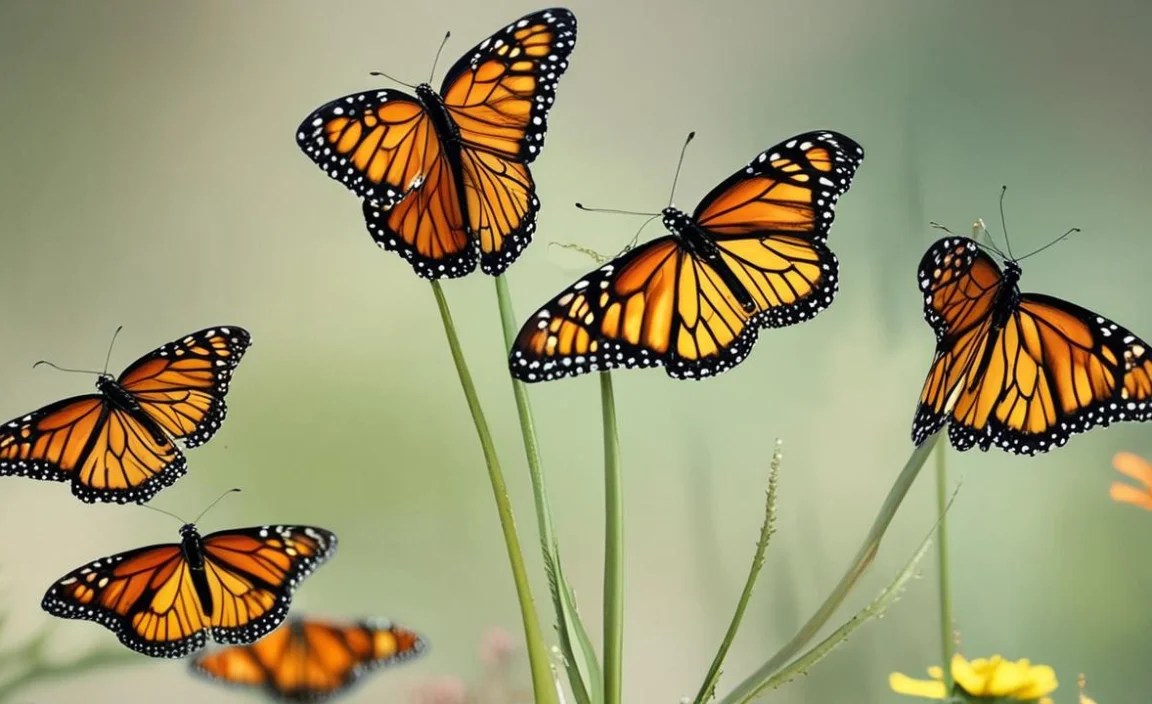
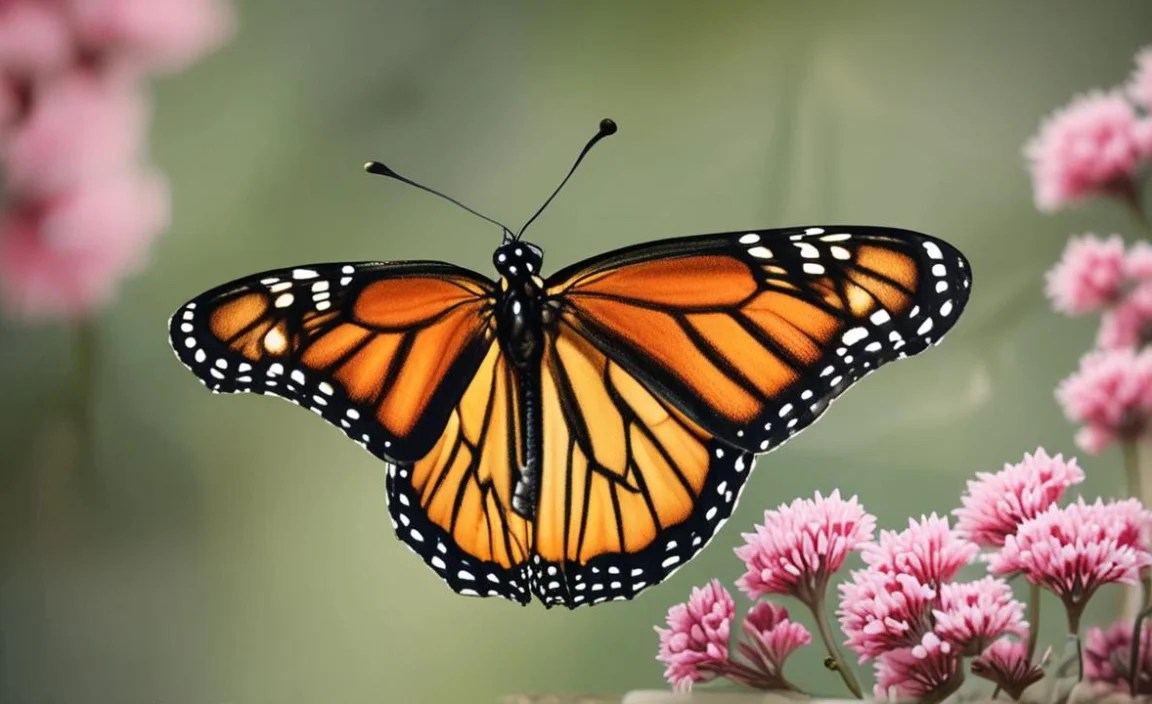
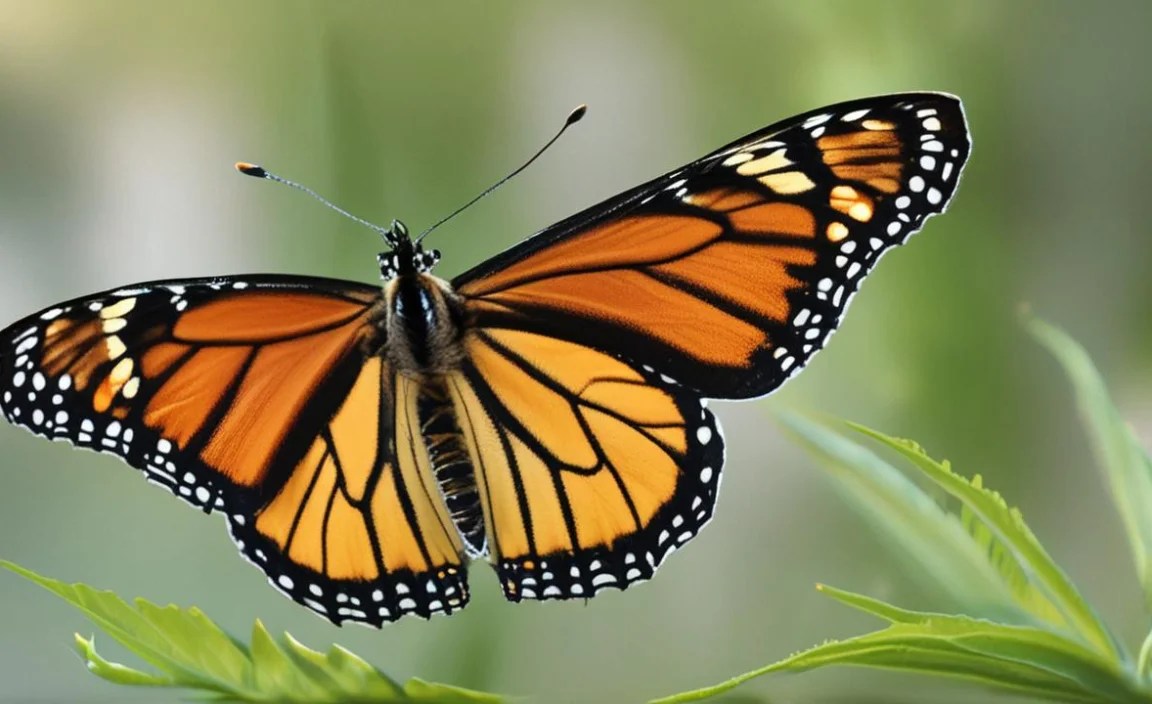
One of the most common ways monarch butterflies regulate their body temperature is by basking in the sun. Basking involves orienting their wings to maximize exposure to sunlight. By spreading their wings, monarchs can absorb solar radiation, which warms their flight muscles. This is particularly important in the early morning when temperatures are cooler. You’ll often see them perched with their wings open, soaking up the sun’s rays.
Here’s how basking works:
- Wing Orientation: Spreading wings to face the sun.
- Solar Radiation Absorption: Absorbing sunlight to warm flight muscles.
- Timing: Most common in the cooler morning hours.
Shivering: Generating Heat Internally
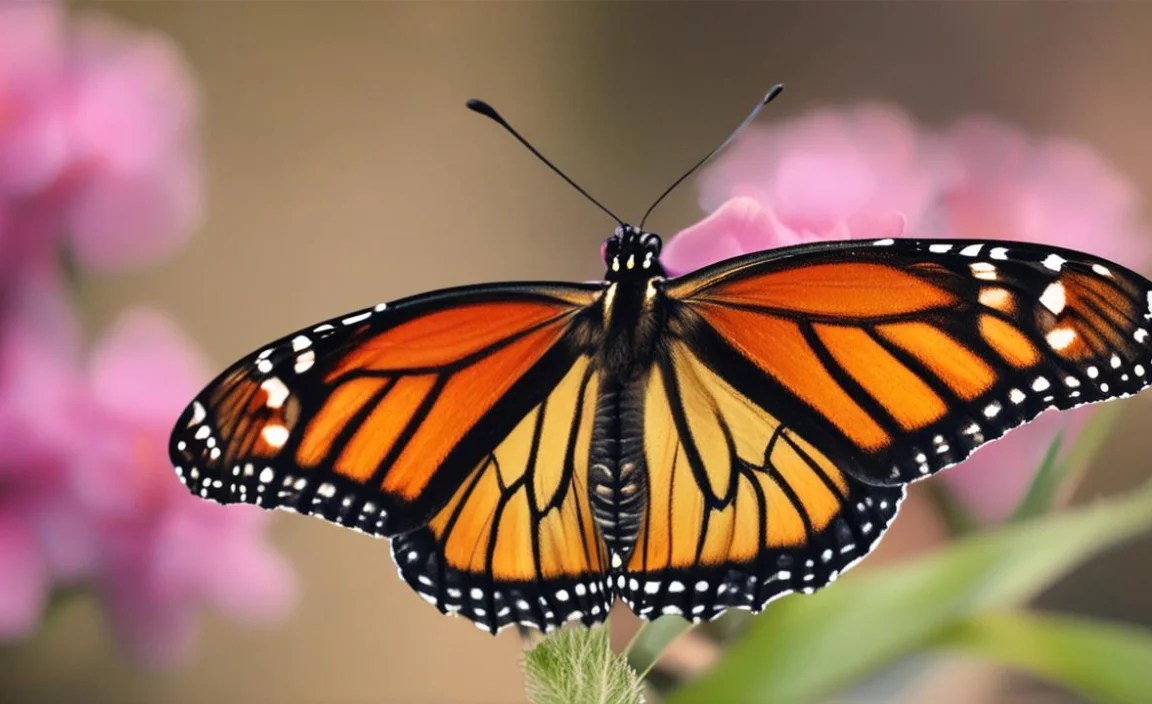
When sunlight is scarce, monarch butterflies can shiver to generate heat. Shivering involves rapidly contracting and relaxing their flight muscles. This process produces heat, which helps to raise their body temperature. While not as efficient as basking, shivering is a valuable tool for staying warm on cloudy days or in cooler environments. It’s similar to how we might shiver when we’re cold, but on a much smaller scale.
Key points about shivering:
- Muscle Contraction: Rapid contraction and relaxation of flight muscles.
- Heat Production: Generates heat to raise body temperature.
- Use Case: Utilized on cloudy days or in cooler temperatures.
Seeking Shade: Avoiding Overheating
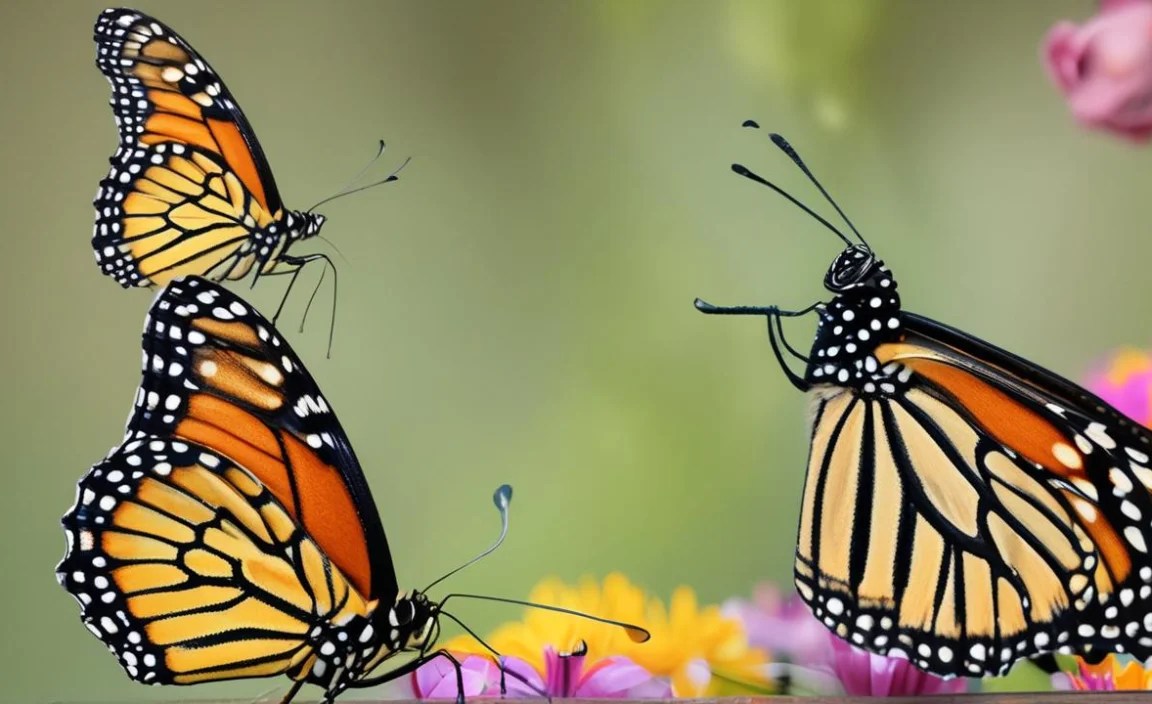
Just as it’s important for monarchs to stay warm, it’s equally important to avoid overheating. When temperatures rise, monarch butterflies seek shade to cool down. They might perch under leaves or in other sheltered spots to escape direct sunlight. This behavior helps them maintain a safe body temperature and prevents them from becoming too hot, which can be just as detrimental as being too cold.
Strategies for seeking shade:
- Perching Under Leaves: Finding shelter under foliage.
- Sheltered Spots: Seeking out shaded areas.
- Purpose: Preventing overheating in high temperatures.
Wing Positioning: Fine-Tuning Temperature Control

Monarch butterflies also use wing positioning to fine-tune their temperature control. By adjusting the angle of their wings, they can control how much sunlight they absorb. For example, they might angle their wings perpendicular to the sun to maximize heat absorption when they need to warm up. Conversely, they might angle their wings away from the sun to reduce heat absorption when they need to cool down. This precise control allows them to respond quickly to changing environmental conditions.
Wing positioning techniques:
- Angle Adjustment: Changing wing angle to control sunlight absorption.
- Perpendicular Positioning: Maximizing heat absorption when cold.
- Angling Away: Reducing heat absorption when hot.
The Role of Wing Coloration

The coloration of a monarch butterfly’s wings also plays a role in thermoregulation. The dark pigments in their wings absorb more solar radiation than lighter colors. This helps them warm up more quickly when basking. The orange and black patterns of monarch wings are not just for show; they also serve a functional purpose in helping the butterflies regulate their body temperature.
Here’s how wing coloration helps:
- Dark Pigments: Absorb more solar radiation.
- Faster Warm-Up: Aids in quicker heating when basking.
- Functional Purpose: The wing pattern assists in temperature regulation.
Microclimates: Finding the Right Spot

Monarch butterflies are adept at finding microclimates, which are small areas with different temperature and humidity conditions than the surrounding environment. They might seek out a sunny spot sheltered from the wind to warm up, or a shady spot near a water source to cool down. By carefully selecting their location, monarchs can take advantage of these microclimates to maintain a comfortable body temperature.
Understanding microclimates:
- Definition: Small areas with distinct temperature and humidity conditions.
- Sunny Sheltered Spots: Used for warming up.
- Shady Water Sources: Used for cooling down.
How Monarchs Cope with Extreme Temperatures
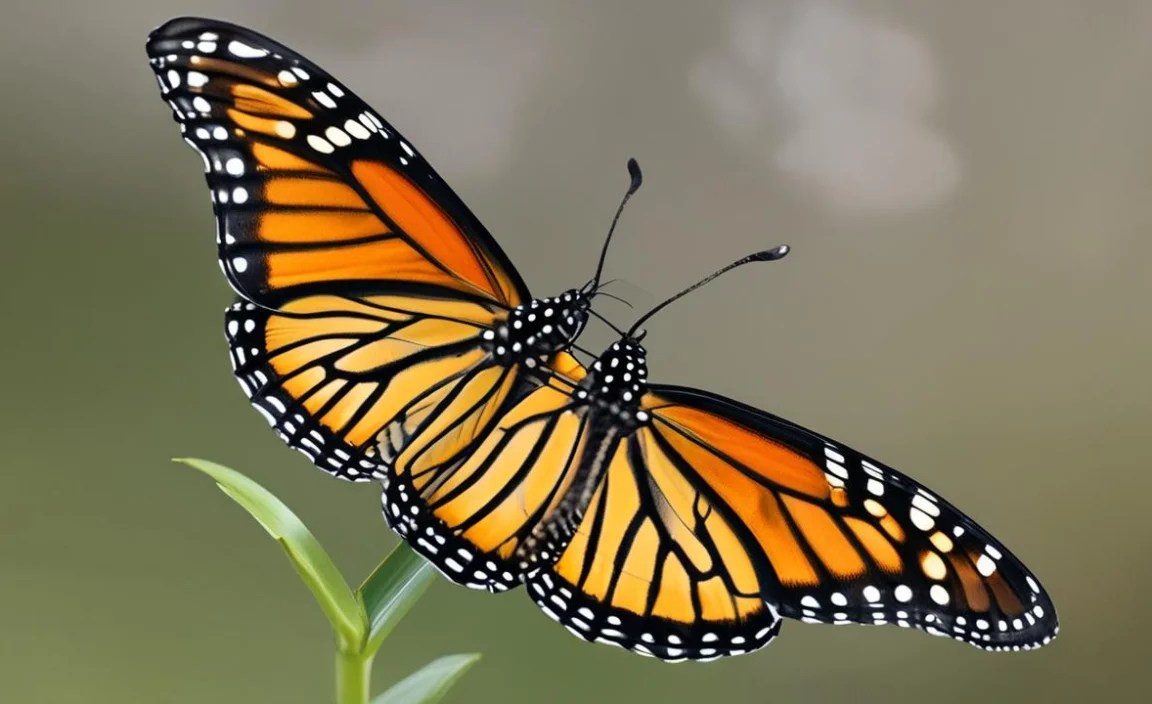
Monarch butterflies face significant challenges when temperatures become extreme. In very hot weather, they may become less active and seek shelter to avoid overheating. In cold weather, they may cluster together to conserve heat. During their overwintering period in Mexico, millions of monarchs gather in specific locations, forming dense colonies that help them survive the cold temperatures.
Coping strategies for extreme temperatures:
- Hot Weather: Reduced activity and seeking shelter.
- Cold Weather: Clustering together to conserve heat.
- Overwintering Colonies: Gathering in large groups to survive cold temperatures.
The Impact of Climate Change

Climate change poses a significant threat to monarch butterflies and their ability to regulate their body temperature. As temperatures become more erratic and extreme weather events become more frequent, monarchs may struggle to find suitable microclimates and regulate their body temperature effectively. This can have a detrimental impact on their survival and migration patterns. Protecting monarch habitats and mitigating climate change are crucial for ensuring the long-term survival of these iconic butterflies.
The impact of climate change includes:
- Erratic Temperatures: Difficulty in finding suitable microclimates.
- Extreme Weather: Increased frequency of events that affect survival.
- Habitat Protection: Essential for long-term survival.
Conservation Efforts: Helping Monarchs Thrive
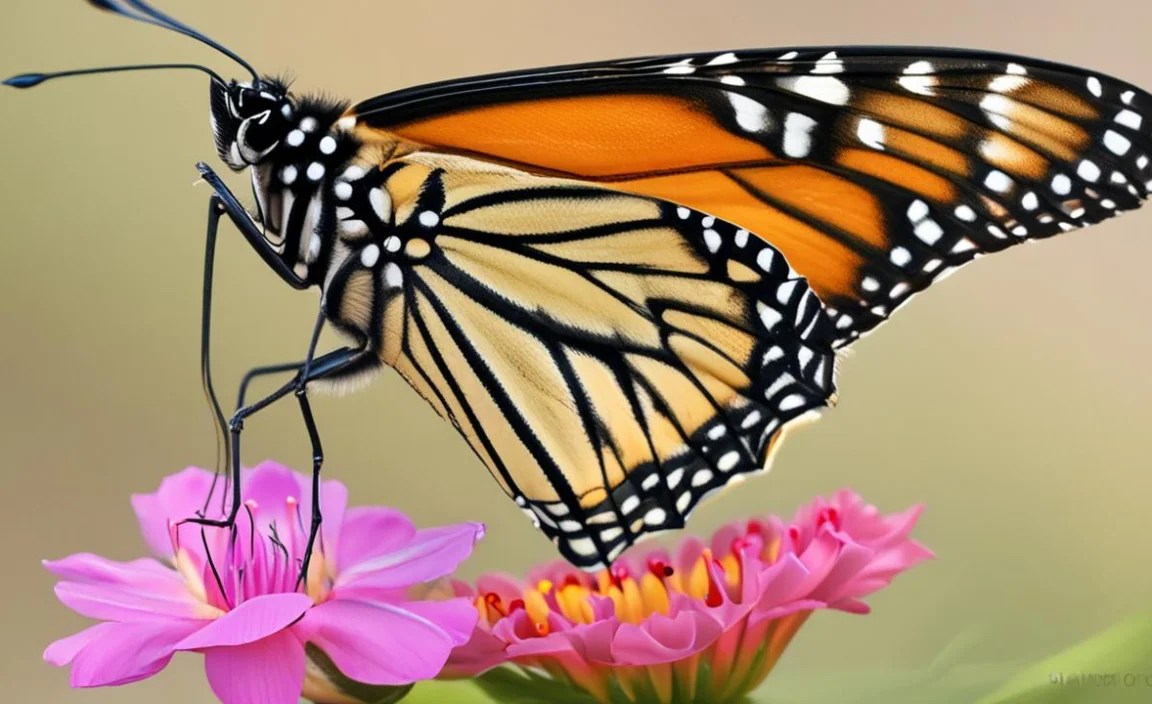
There are many ways you can help monarch butterflies thrive, including creating butterfly-friendly habitats in your garden, planting milkweed (the only food source for monarch caterpillars), and avoiding the use of pesticides. By providing monarchs with the resources they need to regulate their body temperature and survive, we can help ensure that these beautiful creatures continue to grace our gardens and landscapes for generations to come. You can also support organizations like the Xerces Society, which are dedicated to protecting monarch butterflies and their habitats.
How to help monarch butterflies:
- Create Habitats: Plant butterfly-friendly gardens.
- Plant Milkweed: Provide food for monarch caterpillars.
- Avoid Pesticides: Protect monarchs from harmful chemicals.
Tools and Techniques for Monitoring Monarchs

If you’re interested in monitoring monarch butterflies and their behavior, there are several tools and techniques you can use. You can participate in citizen science projects, such as tagging monarchs to track their migration patterns, or simply observe their behavior in your garden. Recording observations about how monarchs regulate their body temperature can provide valuable data for scientists and conservationists.
Here are some tools and techniques:
- Citizen Science Projects: Participate in monarch tagging programs.
- Observation: Record monarch behavior in your garden.
- Data Collection: Provide valuable data for scientists.
Monarch Butterfly Thermoregulation Strategies: A Summary
Here’s a table summarizing the different strategies monarch butterflies use to regulate their body temperature:
| Strategy | Description | How It Works | When It’s Used |
|---|---|---|---|
| Basking | Orienting wings to maximize sun exposure | Absorbs solar radiation to warm flight muscles | Cool mornings or when body temperature is low |
| Shivering | Rapid contraction and relaxation of flight muscles | Generates heat internally | Cloudy days or in cooler environments |
| Seeking Shade | Perching under leaves or in sheltered spots | Avoids direct sunlight to cool down | Hot weather or when body temperature is high |
| Wing Positioning | Adjusting wing angle to control sunlight absorption | Fine-tunes temperature control by regulating heat absorption | Varying environmental conditions |
| Microclimate Selection | Finding areas with different temperature and humidity conditions | Takes advantage of specific environmental conditions | Whenever conditions require temperature adjustment |
The Science Behind Butterfly Wings

The wings of a butterfly are not just beautiful; they are intricate structures that play a crucial role in the insect’s life. The scales on the wings are responsible for the vibrant colors and patterns, but they also contribute to thermoregulation. These scales help to absorb and reflect sunlight, aiding in temperature control. Additionally, the structure of the wings allows for efficient flight, which is essential for finding food, escaping predators, and migrating long distances. The Smithsonian Institution offers a wealth of information on the science behind butterfly wings.
Key aspects of butterfly wings:
- Scales: Responsible for color and thermoregulation.
- Sunlight Absorption: Aids in temperature control.
- Efficient Flight: Essential for survival and migration.
Monarch Migration and Temperature Regulation

Monarch migration is one of the most remarkable natural phenomena in the world. These butterflies travel thousands of miles each year, from Canada and the United States to their overwintering grounds in Mexico. Temperature regulation plays a critical role in their ability to complete this journey. Monarchs must maintain a suitable body temperature to fly efficiently and conserve energy. Changes in temperature can affect their migration patterns and survival rates. For more information on monarch migration, visit National Geographic.
Migration and temperature regulation:
- Long Distances: Monarchs travel thousands of miles.
- Efficient Flight: Requires maintaining a suitable body temperature.
- Survival: Temperature changes can impact migration and survival.
Advanced Techniques in Butterfly Thermoregulation Research
Scientists use various advanced techniques to study butterfly thermoregulation. Infrared thermography, for example, allows researchers to measure the surface temperature of butterflies without touching them. This technique can provide valuable insights into how butterflies regulate their body temperature in different environments. Other techniques include climate-controlled chambers, where researchers can manipulate temperature and humidity to observe how butterflies respond.
Advanced research techniques include:
- Infrared Thermography: Measures surface temperature without contact.
- Climate-Controlled Chambers: Allows manipulation of temperature and humidity.
- Data Analysis: Provides insights into thermoregulation strategies.
FAQ: How Monarch Butterflies Regulate Body Temperature
Here are some frequently asked questions about how monarch butterflies regulate their body temperature:
1. Why is temperature regulation important for monarch butterflies?

Temperature regulation is crucial for monarch butterflies because they are ectothermic, meaning they rely on external sources to control their body temperature. Maintaining the right temperature is essential for flight, feeding, and reproduction.
2. How do monarch butterflies warm up when they are cold?

Monarch butterflies warm up by basking in the sun, orienting their wings to maximize exposure to sunlight. They can also shiver, rapidly contracting and relaxing their flight muscles to generate heat.
3. What do monarch butterflies do to avoid overheating?
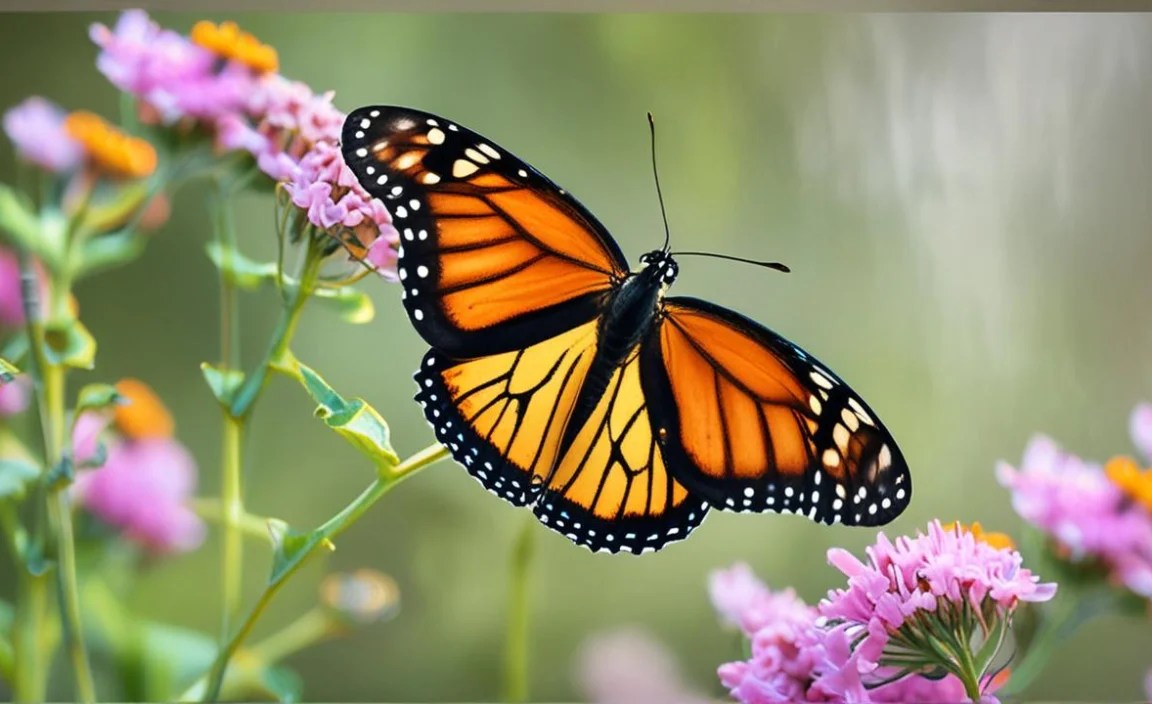
To avoid overheating, monarch butterflies seek shade, perching under leaves or in other sheltered spots to escape direct sunlight. They may also adjust the angle of their wings to reduce heat absorption.
4. How does wing coloration help with temperature regulation?
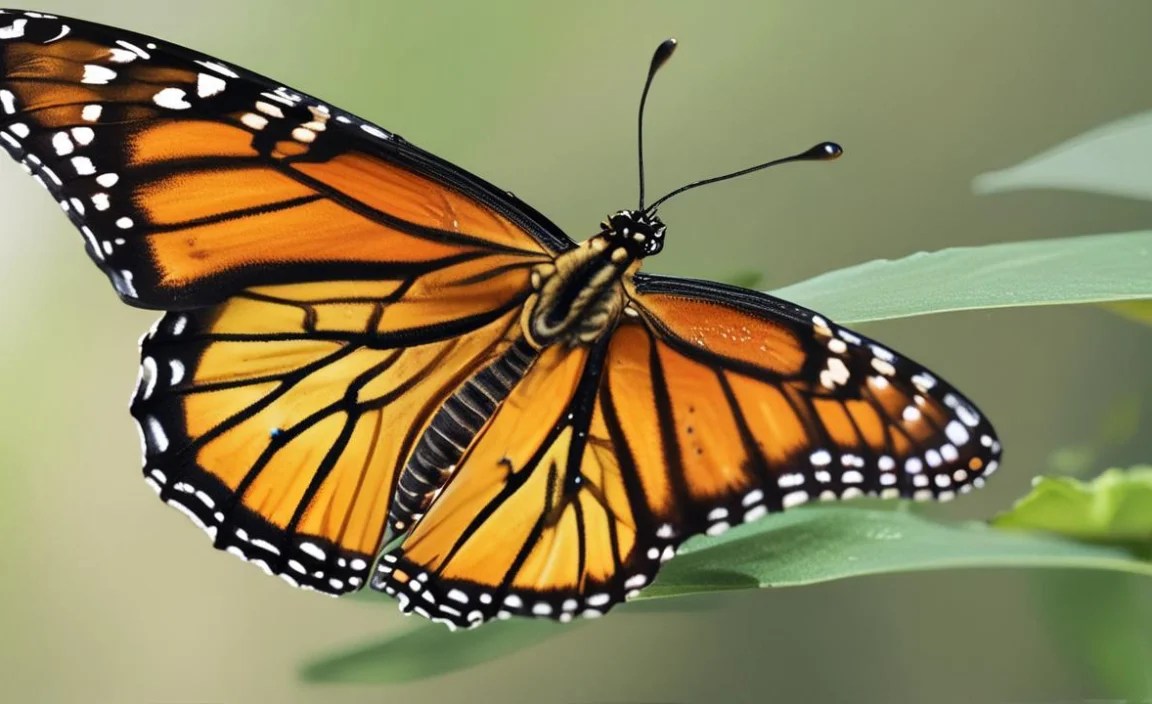
The dark pigments in a monarch butterfly’s wings absorb more solar radiation than lighter colors, helping them warm up more quickly when basking.
5. What are microclimates and how do monarchs use them?
Microclimates are small areas with different temperature and humidity conditions than the surrounding environment. Monarchs seek out sunny, sheltered spots to warm up or shady spots near water to cool down.
6. How does climate change affect monarch butterflies’ ability to regulate their body temperature?

Climate change can lead to more erratic and extreme temperatures, making it harder for monarchs to find suitable microclimates and regulate their body temperature effectively, which can impact their survival and migration.
7. How can I help monarch butterflies in my garden?

You can help by creating butterfly-friendly habitats, planting milkweed (the only food source for monarch caterpillars), and avoiding the use of pesticides. These actions provide monarchs with the resources they need to regulate their body temperature and thrive.
Conclusion
Understanding how monarch butterflies regulate their body temperature reveals the incredible adaptability of these creatures. From basking in the sun to shivering and seeking shade, monarchs employ a range of strategies to stay comfortable and active. As climate change continues to impact their habitats, it’s more important than ever to support conservation efforts and create environments where these magnificent butterflies can thrive. By planting milkweed, avoiding pesticides, and supporting organizations dedicated to monarch conservation, we can all play a part in ensuring the survival of these iconic insects.


