
Glasswing Butterfly Distribution Map: The Ultimate Guide

Quick Summary: The glasswing butterfly (Greta oto) is primarily found in Central and South America, including Mexico, Panama, Costa Rica, and Colombia. Use a glasswing butterfly distribution map to pinpoint its range, which is typically in humid tropical forests at elevations from sea level up to around 6,500 feet. The maps will show that glasswings prefer the understory, where they are sheltered and can find host plants for their larvae.
Have you ever wondered where you might spot a butterfly with wings so clear, they seem to disappear? The glasswing butterfly is a marvel of nature, known for its transparent wings that make it look like a fairy flitting through the forest. Understanding where these delicate creatures live is crucial for appreciating their beauty and supporting conservation efforts. Many people struggle to find accurate information about their distribution, but don’t worry! This guide will show you exactly where to find glasswing butterfly distribution maps and how to interpret them, ensuring you can track these amazing insects effectively.
Understanding Glasswing Butterfly Distribution
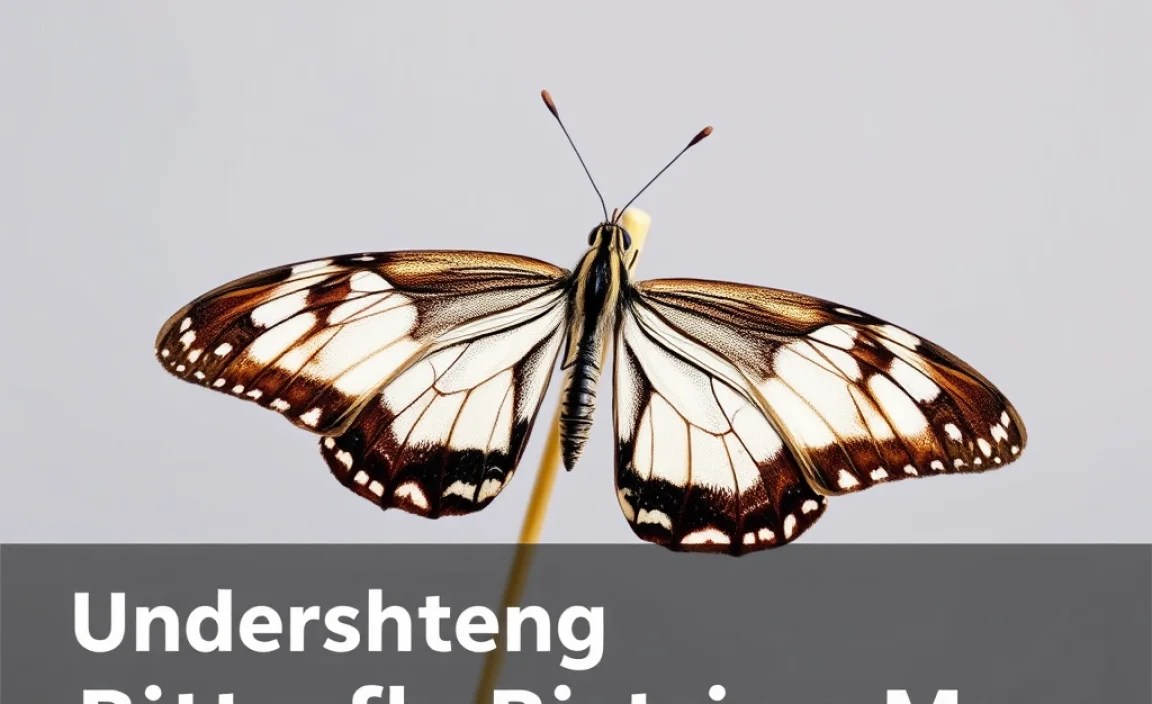
The glasswing butterfly, scientifically known as Greta oto, is a fascinating species celebrated for its unique transparent wings. To truly appreciate this butterfly, it’s important to understand its habitat and geographic distribution. Let’s dive into the details!
What Makes Glasswing Butterflies Special?
Glasswing butterflies are renowned for their transparent wings, which are created by a unique nanostructure that minimizes light reflection. This transparency helps them camouflage effectively in their natural habitats, making them less visible to predators. Their wings are typically about 2 to 3 inches in size, with a delicate, almost ethereal appearance. The tissue between the veins of their wings lacks the colored scales found in most other butterflies, resulting in their see-through quality.
Typical Habitats of Glasswing Butterflies
Glasswing butterflies thrive in humid tropical forests, often found in the understory where they are protected from harsh sunlight and strong winds. These butterflies prefer environments with high humidity and consistent temperatures, which are essential for their survival. Their habitats usually include a rich variety of flowering plants for nectar and specific host plants for their larvae.
- Humid Tropical Forests: These forests provide the ideal conditions for glasswing butterflies, with consistent moisture and warmth.
- Understory: The sheltered area beneath the forest canopy offers protection from predators and extreme weather.
- Rich Vegetation: A diverse range of plants ensures a continuous food supply for both adults and larvae.
Geographic Distribution: Where Can You Find Them?
Glasswing butterflies are primarily found in Central and South America. Their distribution range extends from Mexico in the north to Panama and Costa Rica, and down to Colombia and Venezuela in South America. Specific countries where they are commonly found include:
- Mexico
- Belize
- Costa Rica
- Panama
- Colombia
- Venezuela
- Ecuador
- Peru
- Bolivia
- Brazil
Within these regions, glasswing butterflies are typically found at elevations ranging from sea level up to about 6,500 feet.
How to Find and Use a Glasswing Butterfly Distribution Map

Finding and interpreting a glasswing butterfly distribution map is a straightforward process. These maps are valuable tools for researchers, conservationists, and butterfly enthusiasts alike. Here’s how you can find and use them effectively:
Step 1: Finding Reliable Distribution Maps
Start by searching reputable online sources that specialize in biodiversity and wildlife distribution. Some excellent resources include:
- Biodiversity Websites: Sites like the Global Biodiversity Information Facility (GBIF) and iNaturalist often have distribution maps based on collected data.
- Conservation Organizations: Organizations such as the Xerces Society and the World Wildlife Fund (WWF) may offer distribution information as part of their conservation efforts.
- Academic Databases: Research databases like JSTOR and Google Scholar can provide access to scientific papers that include distribution maps.
- Butterfly-Specific Websites: Websites dedicated to butterflies and insects may have curated maps and information on glasswing butterfly distribution.
When searching, use specific keywords like “Greta oto distribution map,” “glasswing butterfly range,” or “glasswing butterfly habitat.”
Step 2: Interpreting the Distribution Map
Once you’ve found a distribution map, take the time to understand its key elements:
- Geographic Boundaries: Note the map’s geographic scope. Is it focused on Central America, South America, or a specific region?
- Color Coding: Many maps use color coding to indicate the presence or density of the butterfly population in different areas.
- Data Points: Look for data points or markers that indicate specific locations where glasswing butterflies have been observed or recorded.
- Legend: Always refer to the map’s legend to understand the symbols, colors, and other indicators used to represent the data.
For example, a map might use different shades of green to represent varying population densities, with darker shades indicating higher concentrations of glasswing butterflies.
Step 3: Cross-Referencing Information
To ensure accuracy, cross-reference the information from multiple sources. Compare different maps and data to get a comprehensive understanding of the glasswing butterfly’s distribution. Look for consistent patterns and discrepancies, and investigate any conflicting information further.
Step 4: Using the Map for Conservation and Education
Distribution maps are not just for research; they can also be powerful tools for conservation and education. Use the maps to:
- Identify Key Habitats: Determine which areas are most critical for glasswing butterfly populations.
- Support Conservation Efforts: Advocate for the protection of these habitats and the implementation of conservation strategies.
- Educate Others: Share the maps and information with students, nature enthusiasts, and the general public to raise awareness about the importance of butterfly conservation.
Factors Influencing Glasswing Butterfly Distribution

Several environmental and ecological factors influence the distribution of glasswing butterflies. Understanding these factors can provide valuable insights into the butterfly’s habitat preferences and conservation needs.
Climate and Weather Patterns
Glasswing butterflies thrive in warm, humid climates with consistent rainfall. These conditions are essential for the growth of their host plants and the survival of the butterflies themselves. Changes in climate patterns, such as increased temperatures or prolonged droughts, can negatively impact their distribution by altering their habitats and food sources.
Availability of Host Plants
The availability of suitable host plants is a critical factor in determining the distribution of glasswing butterflies. These butterflies are oligophagous, meaning their larvae feed on a limited range of plant species, primarily in the genus Cestrum (family Solanaceae). The presence and abundance of these plants directly influence where glasswing butterflies can live and reproduce.
Predation and Natural Enemies
Predation plays a significant role in shaping the distribution of glasswing butterflies. These butterflies are preyed upon by birds, reptiles, spiders, and other insects. Their transparent wings provide some camouflage, but they are still vulnerable to predators. The presence of natural enemies can limit their distribution in certain areas, particularly where habitat is fragmented or degraded.
Habitat Fragmentation and Deforestation
Habitat fragmentation and deforestation pose major threats to glasswing butterfly populations. As forests are cleared for agriculture, logging, and development, the butterfly’s habitat is reduced and fragmented, isolating populations and limiting their ability to find food and mates. This can lead to local extinctions and reduced genetic diversity.
Conservation Efforts
Active conservation efforts can positively influence the distribution and abundance of glasswing butterflies. These efforts may include:
- Habitat Restoration: Planting native host plants and restoring degraded forest areas.
- Protected Areas: Establishing and maintaining protected areas where glasswing butterflies and their habitats are safeguarded.
- Sustainable Land Management: Promoting sustainable land management practices that minimize the impact of agriculture and forestry on butterfly habitats.
- Community Engagement: Engaging local communities in conservation efforts to foster a sense of stewardship and promote sustainable practices.
Glasswing Butterfly Distribution Map: Detailed Examples
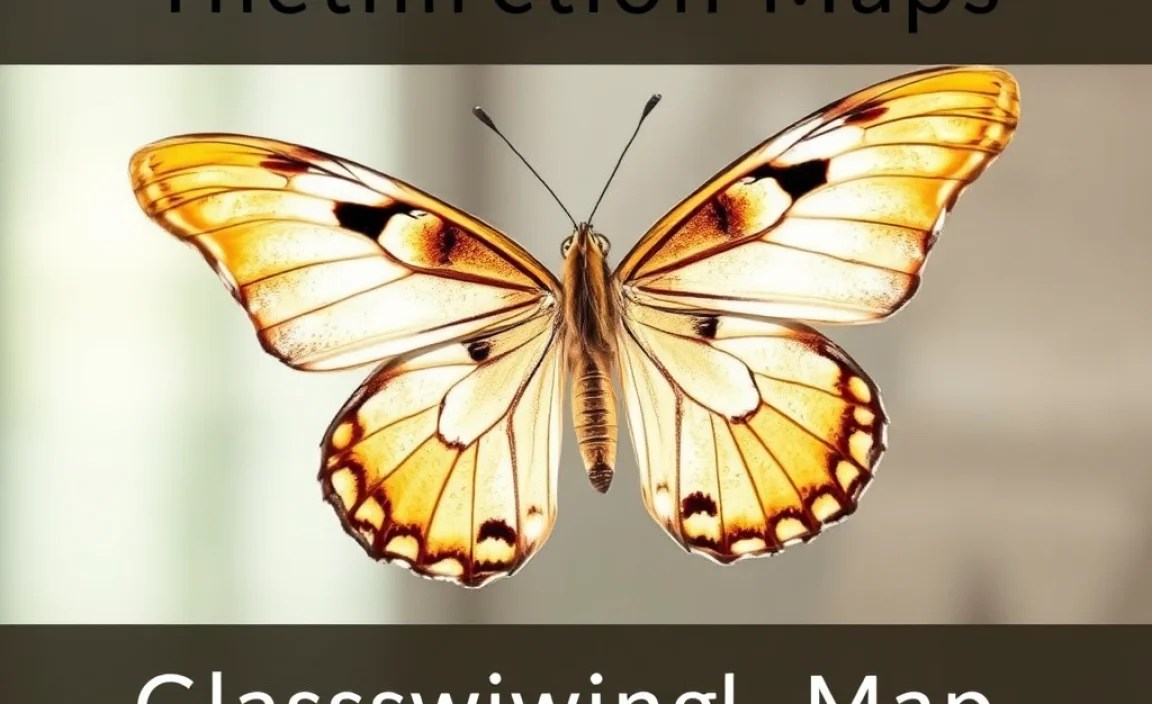
To illustrate how distribution maps can be used, let’s look at some detailed examples and what they can tell us about the glasswing butterfly’s range and habitat preferences.
Example 1: Distribution in Costa Rica
A distribution map focusing on Costa Rica would show that glasswing butterflies are primarily found in the country’s humid tropical forests, particularly in areas like the Monteverde Cloud Forest and the Osa Peninsula. The map would likely highlight the importance of protected areas and national parks in maintaining viable populations. Data points might indicate higher concentrations of glasswing butterflies in regions with dense vegetation and abundant host plants.
Example 2: Distribution in the Amazon Basin
A map covering the Amazon Basin would reveal a wider distribution range, with glasswing butterflies present in various parts of Brazil, Peru, and Colombia. However, the map would also highlight the challenges of studying and monitoring butterfly populations in such a vast and remote region. Data points might be sparser compared to more accessible areas, reflecting the difficulties of conducting fieldwork in the Amazon.
Example 3: Distribution in Mexico
In Mexico, a distribution map would show that glasswing butterflies are mainly found in the southern regions, such as Chiapas and the Yucatan Peninsula. The map might also indicate the impact of habitat fragmentation and deforestation on butterfly populations, particularly in areas where forests have been cleared for agriculture and development.
Tools and Resources for Tracking Butterfly Distribution
If you’re interested in tracking butterfly distribution yourself, there are several valuable tools and resources available.
Online Databases and Citizen Science Projects
- iNaturalist: A citizen science platform where you can record your observations of butterflies and other wildlife, contributing to a global database of biodiversity information.
- GBIF (Global Biodiversity Information Facility): A comprehensive database that aggregates biodiversity data from various sources, including museum collections, research institutions, and citizen science projects.
- Butterflies and Moths of North America (BAMONA): A website dedicated to providing information and identification resources for butterflies and moths in North America.
Field Guides and Identification Apps
- Field Guides: Local field guides can help you identify glasswing butterflies and other species in your area.
- Identification Apps: Apps like Seek by iNaturalist can help you identify butterflies using your smartphone’s camera.
Mapping Software and GIS Tools
- QGIS: A free and open-source geographic information system (GIS) software that allows you to create and analyze distribution maps.
- ArcGIS: A commercial GIS software widely used in research and conservation for mapping and spatial analysis.
The Importance of Mapping Butterfly Distribution
Mapping butterfly distribution is crucial for several reasons. It helps us understand the current status of butterfly populations, identify key habitats, and assess the impact of environmental changes. This information is essential for developing effective conservation strategies and protecting these beautiful and important insects.
Conservation Planning
Distribution maps provide valuable data for conservation planning. By knowing where glasswing butterflies are found, conservationists can prioritize areas for protection and restoration. Maps can also help identify corridors that connect fragmented habitats, allowing butterflies to move and maintain genetic diversity.
Monitoring Environmental Changes
Changes in butterfly distribution can serve as early indicators of environmental changes, such as climate change, habitat loss, and pollution. By monitoring butterfly populations over time, scientists can track these changes and assess their impact on biodiversity. This information can inform policy decisions and guide conservation efforts.
Education and Outreach
Distribution maps are powerful tools for education and outreach. They can be used to raise awareness about the importance of butterfly conservation and engage the public in citizen science projects. By sharing maps and information with students, nature enthusiasts, and the general public, we can inspire a sense of stewardship and promote sustainable practices.
Glasswing Butterfly Conservation Efforts
Several organizations and initiatives are dedicated to the conservation of glasswing butterflies and their habitats. Here are some examples:
Protected Areas and Reserves
Establishing and maintaining protected areas and reserves is a critical strategy for conserving glasswing butterflies. These areas provide safe havens where butterflies can thrive without the threat of habitat destruction or over-collection. Examples of protected areas that support glasswing butterfly populations include:
- Monteverde Cloud Forest Reserve (Costa Rica)
- La Amistad International Park (Costa Rica and Panama)
- Yasuní National Park (Ecuador)
Habitat Restoration Projects
Habitat restoration projects focus on restoring degraded habitats and planting native host plants to provide food and shelter for glasswing butterflies. These projects often involve community participation and aim to create sustainable ecosystems that benefit both butterflies and local communities.
Sustainable Land Management Practices
Promoting sustainable land management practices, such as agroforestry and ecotourism, can help reduce the impact of human activities on butterfly habitats. These practices aim to balance economic development with environmental conservation, ensuring that butterflies and other wildlife can thrive alongside human communities.
Research and Monitoring Programs
Research and monitoring programs are essential for tracking butterfly populations, assessing the effectiveness of conservation efforts, and identifying emerging threats. These programs often involve citizen scientists and local communities, who contribute valuable data and insights.
| Conservation Effort | Description | Example |
|---|---|---|
| Protected Areas | Designated regions to safeguard habitats. | Monteverde Cloud Forest Reserve |
| Habitat Restoration | Restoring degraded habitats and planting host plants. | Reforestation projects in deforested areas. |
| Sustainable Land Management | Practices that balance development with conservation. | Agroforestry and ecotourism |
| Research Programs | Monitoring butterfly populations and assessing threats. | Citizen science butterfly counts |
FAQ About Glasswing Butterfly Distribution
Here are some frequently asked questions about glasswing butterfly distribution to help you better understand these fascinating creatures.
What is a glasswing butterfly?
A glasswing butterfly (Greta oto) is a unique butterfly species known for its transparent wings, which help it camouflage in its natural habitat.
Where do glasswing butterflies live?
Glasswing butterflies are primarily found in Central and South America, including countries like Mexico, Costa Rica, Panama, and Colombia.
What kind of habitat do glasswing butterflies prefer?
They prefer humid tropical forests, particularly in the understory where they are protected from harsh sunlight and strong winds.
Why are distribution maps important for glasswing butterflies?
Distribution maps help scientists and conservationists understand where glasswing butterflies live, identify key habitats, and track changes in their populations.
How can I find a glasswing butterfly distribution map?
You can find distribution maps on reputable biodiversity websites, conservation organization websites, and academic databases.
What factors influence the distribution of glasswing butterflies?
Climate, availability of host plants, predation, habitat fragmentation, and conservation efforts all influence their distribution.
What can I do to help protect glasswing butterflies?
You can support conservation organizations, promote sustainable land management practices, and educate others about the importance of butterfly conservation.
Conclusion
Understanding the glasswing butterfly distribution map is more than just locating a species; it’s about appreciating the intricate web of life in our planet’s most biodiverse regions. By exploring these maps, we gain insights into the habitats, challenges, and conservation needs of these delicate creatures. Whether you’re a student, a gardener, or simply a nature lover, using these resources empowers you to support conservation efforts and spread awareness. Let’s continue to learn, protect, and celebrate the ethereal beauty of the glasswing butterfly, ensuring its transparent wings continue to grace the forests of Central and South America for generations to come. Keep exploring, keep learning, and let’s make a difference, one butterfly at a time!


