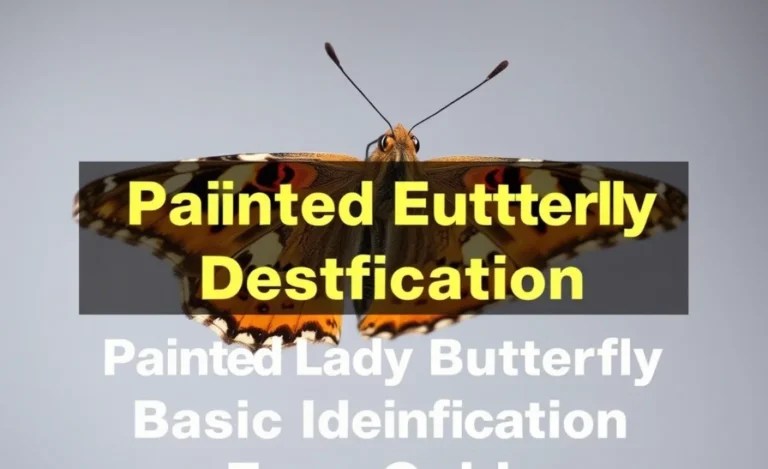
Painted Lady Butterfly for Biology Students: Easy Guide

Have you ever seen a butterfly with bright colors? It might have been a painted lady butterfly. These butterflies are cool for biology students to study. They fly all over the world. They eat yummy nectar from flowers. Let’s learn more about these amazing insects.
Painted lady butterflies are fun to watch. They flutter around gardens and fields. They are not just pretty. They also help plants by moving pollen. Imagine tiny butterflies helping flowers grow. What else makes them special? Let’s find out!
This article is for biology students like you. We will learn about their life cycle. We will see where they live. Get ready for a fun adventure in the world of butterflies.
Key Takeaways
- Painted lady butterflies are widespread and can be found on almost every continent.
- Their diet consists mainly of nectar from various flowers, making them important pollinators.
- The painted lady butterfly life cycle includes egg, larva (caterpillar), pupa (chrysalis), and adult stages.
- Biology students can study their migration patterns and adaptations to different environments.
- These butterflies are known for their distinctive orange, brown, and white wing patterns.
Painted Lady Butterfly For Biology Students

The painted lady butterfly is a great topic. Biology students can learn a lot from them. These butterflies are not hard to find. They live in many places around the world. This makes them easy to study. You can find them in gardens and fields. They are also in cities and parks. They like sunny spots with lots of flowers. Studying painted lady butterflies helps us understand nature. We learn about their life cycle. We also see how they adapt to different places. It’s like a real-life science adventure. These butterflies show us how amazing nature can be. They are a perfect example for young scientists. They teach us about change and survival. Observing them can be a fun and educational experience for all.
- They live on almost every continent.
- Their caterpillars eat thistle plants.
- Adults love nectar from flowers.
- They migrate long distances.
- They have orange, brown, and white wings.
Painted lady butterflies are fascinating. They show how living things adapt. Think about how they change from tiny eggs to flying insects. This change is called metamorphosis. It is a key part of their life. Biology students can study this process closely. They can watch caterpillars eat and grow. Then, they can see them turn into chrysalises. Finally, they can watch as butterflies emerge. This helps students understand life cycles. It also shows how important it is to protect nature. These butterflies are a small part of a big world. By studying them, we learn to care for our planet.
Fun Fact or Stat: A painted lady butterfly can fly up to 100 miles in a single day during migration!
What Do Painted Lady Butterflies Eat?
Have you ever wondered what butterflies eat? Painted lady butterflies love nectar. Nectar is a sweet liquid from flowers. They use their long tongues to drink it. These tongues are like tiny straws. The butterflies fly from flower to flower. As they drink nectar, they help plants. They carry pollen from one flower to another. This helps the plants make seeds. It’s like the butterflies are tiny helpers for the flowers. Caterpillars eat different things. They like to eat leaves. Thistle plants are their favorite. They munch on these leaves to grow big and strong. Then they can turn into beautiful butterflies. What a tasty treat!
How Long Do They Live?
The life of a painted lady butterfly is short. From egg to adult, it takes about a month. As caterpillars, they grow quickly. They eat a lot to get ready for their next stage. Once they become butterflies, they live for about two weeks. During this time, they fly around and lay eggs. They need to find the right plants for their babies to eat. Even though their lives are short, they are busy. They make sure there will be more butterflies in the future. Their short lives are full of activity.
Why Are They Called Painted Ladies?
Have you ever wondered about their name? Painted lady butterflies got their name from their colors. They have beautiful patterns on their wings. These patterns look like they were painted on. The orange, brown, and white colors make them stand out. People thought they looked like painted artwork. So, they called them painted ladies. It’s a pretty name for a pretty butterfly. The name helps us remember how special they are. Next time you see one, think about the name. It fits them perfectly.
Life Cycle Of The Painted Lady Butterfly

The life cycle of a painted lady butterfly is amazing. It starts with an egg. The egg is tiny and laid on a leaf. Next comes the larva, which is the caterpillar. The caterpillar eats and grows. It sheds its skin as it gets bigger. After that, it turns into a pupa. The pupa is also called a chrysalis. Inside the chrysalis, big changes happen. Finally, a butterfly emerges. The butterfly flies away to find food and lay eggs. This whole process is called metamorphosis. Biology students love to study this. It shows how creatures can change. It also shows how nature works.
- Eggs are laid on leaves.
- Caterpillars eat and grow quickly.
- The pupa stage is inside a chrysalis.
- Butterflies emerge from the chrysalis.
- Adults lay eggs to start the cycle again.
The painted lady butterfly’s life cycle is a great example. It shows how animals grow and change. Each stage is important. The egg needs the right conditions. The caterpillar needs food. The pupa needs protection. The butterfly needs to fly. All these things must happen for the butterfly to survive. Biology students can learn a lot by watching this process. They can see how living things depend on each other. They can also learn how to protect these amazing creatures. This life cycle is a wonder of nature.
Fun Fact or Stat: The caterpillar of the painted lady butterfly molts its skin about five times before becoming a pupa!
What Does The Caterpillar Eat?
Painted lady butterfly caterpillars are picky eaters. They love thistle plants. Thistle leaves are their favorite food. These leaves help them grow big and strong. The caterpillars munch on the leaves all day long. They need lots of food to get ready for the next stage. Sometimes, they eat other plants too. But thistle is their main meal. If you want to find these caterpillars, look for thistle plants. You might see them munching away. It’s fun to watch them eat. They are preparing to become beautiful butterflies.
How Does The Chrysalis Form?
The chrysalis is a special stage. The caterpillar makes a hard shell around itself. This shell protects it while it changes. Inside the chrysalis, the caterpillar turns into a butterfly. This process takes about two weeks. The chrysalis can be green or brown. It hangs from a leaf or stem. It looks like it is resting. But inside, amazing things are happening. The caterpillar’s body is changing shape. It is becoming a butterfly with wings and legs. When it is ready, the butterfly will break out of the chrysalis.
What Happens When The Butterfly Emerges?
The moment a butterfly emerges is magical. The butterfly breaks out of the chrysalis. Its wings are wet and crumpled. It needs to pump fluid into its wings to make them strong. The butterfly rests while its wings dry. After a few hours, it is ready to fly. It flutters its wings and takes off. The butterfly flies to find food and lay eggs. It is now a beautiful painted lady butterfly. This is the final step in its amazing life cycle. Watching a butterfly emerge is a wonderful experience.
Habitat And Distribution Of Painted Lady Butterflies

Painted lady butterflies are found almost everywhere. They live on many continents. You can see them in North America, Europe, and Asia. They also live in Africa and Australia. These butterflies can live in different places. They like gardens, fields, and meadows. They also live in cities and parks. They need sunny spots with flowers. The flowers give them nectar to eat. Their caterpillars need plants to eat too. Thistle plants are their favorite. Biology students can study where they live. This helps us understand how they adapt. It also shows how they travel long distances.
- They are found on many continents.
- They live in gardens and fields.
- They like sunny spots with flowers.
- Caterpillars need plants to eat.
- They can adapt to different places.
The wide distribution of painted lady butterflies is amazing. They can live in so many different places. This shows how adaptable they are. They can handle different climates and environments. They also migrate long distances. This helps them find food and places to lay eggs. Biology students can study their migration patterns. This helps us understand how animals move around the world. It also shows how important it is to protect their habitats. These butterflies are a symbol of resilience and adaptability.
Fun Fact or Stat: The painted lady butterfly is one of the most widespread butterfly species in the world!
Why Are They Found In So Many Places?
Painted lady butterflies are travelers. They can fly long distances. This helps them spread to many places. They also eat different kinds of plants. This means they can find food in many areas. They can live in warm and cold climates. This makes them adaptable to different environments. Their ability to migrate and adapt helps them live in many parts of the world. They are truly global butterflies. Their widespread presence is a testament to their resilience.
What Kind Of Habitats Do They Prefer?
Painted lady butterflies like sunny places. They need flowers for nectar. Gardens and meadows are perfect. They also live in fields with thistle plants. Their caterpillars need these plants to eat. The butterflies also need shelter. Bushes and trees can protect them from wind and rain. They prefer places with a mix of sun, flowers, and shelter. These habitats provide everything they need to survive. Creating such habitats helps them thrive.
How Does Climate Affect Their Distribution?
Climate plays a big role. Painted lady butterflies can live in different climates. They can handle warm and cold temperatures. But extreme weather can be a problem. Very hot or very cold weather can hurt them. They migrate to find better conditions. They move to warmer areas in the winter. They return to cooler areas in the summer. Their ability to migrate helps them survive in different climates. Climate change can affect their distribution. Protecting their habitats is important.
Diet And Nutrition Of Painted Lady Butterfly

Painted lady butterflies have a simple diet. They mostly eat nectar from flowers. Nectar is sweet and full of energy. They use their long tongues to drink it. This helps them fly and lay eggs. Caterpillars eat different things. They love thistle plants. Thistle leaves are their main food. They munch on these leaves to grow big. They need lots of food to get ready for the next stage. Biology students can study their diet. This helps us understand what they need to survive. It also shows how important flowers and plants are.
- Adults eat nectar from flowers.
- Caterpillars eat thistle plants.
- Nectar provides energy for flying.
- Caterpillars need food to grow.
- Diet affects their survival.
The diet of the painted lady butterfly is important. It helps them live and reproduce. Without nectar, they cannot fly. Without thistle plants, caterpillars cannot grow. This shows how important it is to protect their food sources. Biology students can learn about food chains. They can see how butterflies depend on plants. They can also see how plants depend on butterflies. This connection is important for the environment. Protecting their food sources is vital for their survival.
Fun Fact or Stat: Painted lady butterflies use their feet to taste their food before they eat it!
What Kind Of Flowers Do They Prefer?
Painted lady butterflies are not too picky. They like many kinds of flowers. They prefer flowers with lots of nectar. These include daisies, sunflowers, and asters. They also like butterfly bushes. These bushes attract many butterflies. The butterflies use their long tongues to reach the nectar. They fly from flower to flower. They help pollinate the plants. Their flower preferences help them survive. They also help the plants reproduce.
How Do Caterpillars Get Their Nutrition?
Caterpillars are eating machines. They munch on leaves all day long. Thistle leaves are their favorite. These leaves are full of nutrients. The caterpillars use these nutrients to grow. They shed their skin as they get bigger. They need lots of food to get ready for the pupa stage. Their nutrition comes from the plants they eat. Healthy plants mean healthy caterpillars. This is why it is important to protect plant life.
Why Is Nectar Important For Adult Butterflies?
Nectar is like fuel for butterflies. It gives them energy to fly. They need energy to find mates. They also need energy to lay eggs. Nectar is full of sugar. This sugar gives them the power they need. Without nectar, they cannot survive. They would not be able to reproduce. Nectar is essential for their life cycle. Protecting nectar sources is crucial for their survival. Flowers are their lifeline.
Migration Patterns Of Painted Lady Butterflies

Painted lady butterflies are famous for their migration. They travel long distances. They move from one place to another. They do this to find food and better weather. They migrate in large groups. Sometimes, millions of butterflies fly together. This is an amazing sight. They can fly thousands of miles. Biology students can study their migration patterns. This helps us understand how animals move. It also shows how they adapt to changes. Their migration is a wonder of nature.
- They migrate long distances.
- They move to find food and weather.
- They fly in large groups.
- They can fly thousands of miles.
- Migration helps them survive.
The migration of the painted lady butterfly is a complex process. It involves many factors. They need to find the right food sources. They also need to find places to lay eggs. The weather must be good for flying. Biology students can use technology to track them. They can use GPS and satellite images. This helps us learn more about their movements. It also helps us protect them. Their migration is a testament to their resilience.
Fun Fact or Stat: Painted lady butterflies can migrate over 7,500 miles in a year, which is one of the longest migrations for butterflies!
How Do They Know Where To Go?
Scientists are still learning this. Butterflies may use the sun. They might also use the Earth’s magnetic field. They might also follow landmarks. These clues help them navigate. They pass this knowledge to their offspring. This helps the next generation migrate. Their navigation skills are amazing. They are a testament to their instincts. Understanding this is crucial for their conservation.
What Triggers Their Migration?
Several factors can trigger migration. Changes in weather are a big one. When it gets cold, they move to warmer areas. Lack of food can also trigger migration. They need to find new food sources. Overpopulation can also be a reason. Too many butterflies in one area means not enough food. These triggers help them survive. They move to places where they can thrive.
What Challenges Do They Face During Migration?
Migration is not easy. Painted lady butterflies face many challenges. Weather can be a big problem. Strong winds and storms can blow them off course. Lack of food can also be a challenge. They need to find nectar along the way. Predators can also be a threat. Birds and other animals eat butterflies. These challenges make migration risky. But they are strong and resilient.
## Comparing Painted Lady And Monarch Butterflies
Both painted lady and monarch butterflies are well-known. Biology students often study them. They both have beautiful colors. They also both migrate. But they have some differences. Painted lady butterflies are found in many places. Monarchs are mostly in North America. Painted ladies eat different kinds of plants. Monarchs mainly eat milkweed. Both butterflies are important pollinators. Studying them helps us understand nature.
| Feature | Painted Lady Butterfly | Monarch Butterfly |
|---|---|---|
| Distribution | Worldwide | North America |
| Larval Food | Thistle | Milkweed |
| Migration | Widespread, less organized | Organized, long-distance |
| Wings | Orange, brown, white patterns | Bright orange with black lines |
Comparing painted lady and monarch butterflies is useful. It shows how different species adapt. Painted ladies can live in many places. This shows their adaptability. Monarchs have a more specific habitat. This makes them more vulnerable. Both butterflies face threats. Habitat loss and climate change are problems. Biology students can help protect them. We can plant flowers and milkweed. We can also reduce pollution. Protecting these butterflies helps the environment.
Fun Fact or Stat: Monarch butterflies are known for their multi-generational migration, where several generations complete the journey!
What Are The Key Differences In Appearance?
Painted lady butterflies have orange, brown, and white wings. The patterns are complex and detailed. Monarch butterflies are bright orange with black lines. They have a more striking appearance. The shapes of their wings are also different. Painted ladies have more rounded wings. Monarchs have more angular wings. These differences help us tell them apart. They also reflect their different lifestyles.
How Do Their Migration Patterns Differ?
Monarch butterflies have a very organized migration. They fly to specific overwintering sites. They return to the same places each year. Painted lady butterflies have a less organized migration. They move in response to weather and food. They do not have specific destinations. Their migration is more opportunistic. These differences reflect their different needs. They also reflect their different abilities.
Why Is Milkweed Important For Monarchs?
Milkweed is essential for monarch butterflies. It is the only food their caterpillars eat. Without milkweed, they cannot survive. Monarch butterflies lay their eggs on milkweed plants. The caterpillars hatch and eat the leaves. Milkweed contains toxins. These toxins make the caterpillars poisonous to predators. This protects them from being eaten. Milkweed is crucial for their survival. Protecting milkweed is important for monarch conservation.
Summary
The painted lady butterfly is a fascinating subject for biology students. They are found almost everywhere. They have a unique life cycle. They migrate long distances. They eat nectar and thistle. Studying them helps us understand nature. They are a symbol of adaptability. Their story teaches us about survival. We can learn a lot from these amazing insects. They show us how important it is to protect our planet.
These butterflies face many challenges. Habitat loss and climate change threaten them. We can help by planting flowers. We can also reduce pollution. By protecting them, we protect the environment. The painted lady butterfly is a valuable part of our world. Let’s work together to keep them thriving.
Conclusion
The painted lady butterfly is an amazing creature. It is a great example of nature’s wonders. Biology students can learn so much from it. We can study its life cycle and migration. We can learn about its diet and habitat. It shows us how living things adapt. Let us protect these butterflies. Let us also protect the environment. This will help them thrive for years to come. They are a beautiful part of our world.
Frequently Asked Questions
Question No 1: Where do painted lady butterflies live?
Answer: Painted lady butterflies are found almost everywhere in the world. They live on every continent except Antarctica and Australia. You can find them in gardens, fields, and meadows. They like sunny spots with lots of flowers. They can adapt to different climates and environments. This makes them one of the most widespread butterfly species. They are truly global butterflies, adapting to various habitats and conditions around the world.
Question No 2: What do painted lady butterfly caterpillars eat?
Answer: Painted lady butterfly caterpillars are big fans of thistle plants. Thistle leaves are their favorite food. They munch on these leaves all day long. The leaves help them grow big and strong. Sometimes, they eat other plants too. But thistle is their main meal. If you want to find these caterpillars, look for thistle plants. You might see them munching away, preparing to become beautiful butterflies. They are very picky eaters, preferring the nutritious thistle leaves.
Question No 3: How long do painted lady butterflies live?
Answer: The life of a painted lady butterfly is relatively short. From egg to adult, it takes about a month. As caterpillars, they grow quickly, eating a lot to prepare for their next stage. Once they become butterflies, they live for about two weeks. During this time, they fly around, find food, and lay eggs. Their short lives are full of activity. They make sure there will be more butterflies in the future. While brief, their lives are filled with purpose.
Question No 4: Why are painted lady butterflies important?
Answer: Painted lady butterflies are important for many reasons. They help pollinate flowers. As they fly from flower to flower, they carry pollen. This helps plants make seeds. They are also part of the food chain. Birds and other animals eat them. Studying them helps us understand nature. Their presence indicates a healthy ecosystem. They play a vital role in the environment.
Question No 5: How can biology students help painted lady butterflies?
Answer: Biology students can do many things to help. You can plant flowers that provide nectar. You can also plant thistle plants for the caterpillars. Avoid using pesticides in your garden. These chemicals can harm butterflies. You can also educate others about these amazing insects. Share what you learn about painted lady butterfly for biology students with your friends and family. Your actions can make a big difference.
Question No 6: Do painted lady butterflies migrate?
Answer: Yes, painted lady butterflies are known for their migration. They travel long distances to find food and better weather. They migrate in large groups, sometimes with millions of butterflies flying together. They can fly thousands of miles. This helps them survive in different climates and environments. Their migration is a remarkable feat of nature, showcasing their resilience and adaptability. Biology students can study their routes and behaviors.