
Glasswing Butterfly Education Material: Free Guide!

Glasswing butterflies are fascinating creatures with transparent wings, making them perfect for educational purposes. You can find a wealth of educational materials, including books, videos, online resources, and even hands-on activities like rearing kits. These resources cover their unique biology, habitat, and conservation, offering engaging ways for students and nature enthusiasts to learn about these remarkable insects.
Have you ever wondered how some butterflies seem to disappear right before your eyes? It’s not magic—it’s the amazing glasswing butterfly! These beautiful insects have transparent wings, a rare and fascinating adaptation that helps them avoid predators. Learning about glasswing butterflies is a fantastic way to introduce students and nature lovers to the wonders of the natural world.
But where do you find reliable and engaging educational materials? It can be a bit overwhelming with so much information available. Don’t worry, I’m here to guide you! This article will walk you through the best resources, from books and videos to hands-on activities, ensuring you have everything you need to explore the world of glasswing butterflies.
Frequently Asked Questions (FAQs)
What makes glasswing butterflies special?
Glasswing butterflies have transparent wings, which is a rare adaptation that helps them camouflage and avoid predators. This unique feature makes them a fascinating subject for study.
Where can I find educational materials about glasswing butterflies?
You can find educational materials in various places, including online resources, books, videos, and educational kits designed for classrooms and homes.
Are glasswing butterflies endangered?
While not currently listed as endangered, glasswing butterflies face threats due to habitat loss and climate change. Conservation efforts are essential to protect their populations.
What age group is best suited for learning about glasswing butterflies?
Educational materials about glasswing butterflies can be adapted for various age groups, from elementary school students to adults. The complexity of the information can be adjusted to suit different learning levels.
Can I raise glasswing butterflies at home or in the classroom?
Yes, you can! Rearing kits are available that provide everything you need to raise glasswing butterflies, offering a hands-on learning experience about their life cycle.
What topics are typically covered in glasswing butterfly education?
Education about glasswing butterflies typically covers their biology, habitat, diet, life cycle, camouflage, and conservation status.
How can I contribute to glasswing butterfly conservation?
You can contribute by supporting conservation organizations, planting butterfly-friendly gardens with host plants, and educating others about the importance of protecting their habitat.
Understanding the Glasswing Butterfly

Let’s dive into the enchanting world of glasswing butterflies! Known scientifically as Greta oto, these butterflies are famous for their unique transparent wings. Unlike most butterflies with colorful, scaled wings, the glasswing has wings that appear see-through. This amazing adaptation serves as excellent camouflage, helping them blend into their environment and evade predators. You can often find them flitting through the understory of rainforests in Central and South America.
Why Study Glasswing Butterflies?
Studying glasswing butterflies provides numerous educational benefits:
- Unique Biology: Their transparent wings offer a fascinating case study in adaptation and natural selection.
- Ecological Importance: They play a role in their ecosystems as pollinators and contribute to the food chain.
- Conservation Awareness: Learning about their habitat and threats can inspire conservation efforts.
- Engaging Science: Their striking appearance captures the imagination and makes learning about science fun.
Basic Facts About Glasswing Butterflies
Here’s a quick overview of some essential facts:
| Fact | Description |
|---|---|
| Scientific Name | Greta oto |
| Habitat | Rainforests of Central and South America |
| Wingspan | 5.6 to 6.1 cm (2.2 to 2.4 inches) |
| Diet | Nectar from various flowers; larvae feed on plants in the genus Cestrum |
| Lifespan | Approximately 2-3 months |
| Conservation Status | Not endangered, but facing threats from habitat loss |
Types of Educational Materials Available
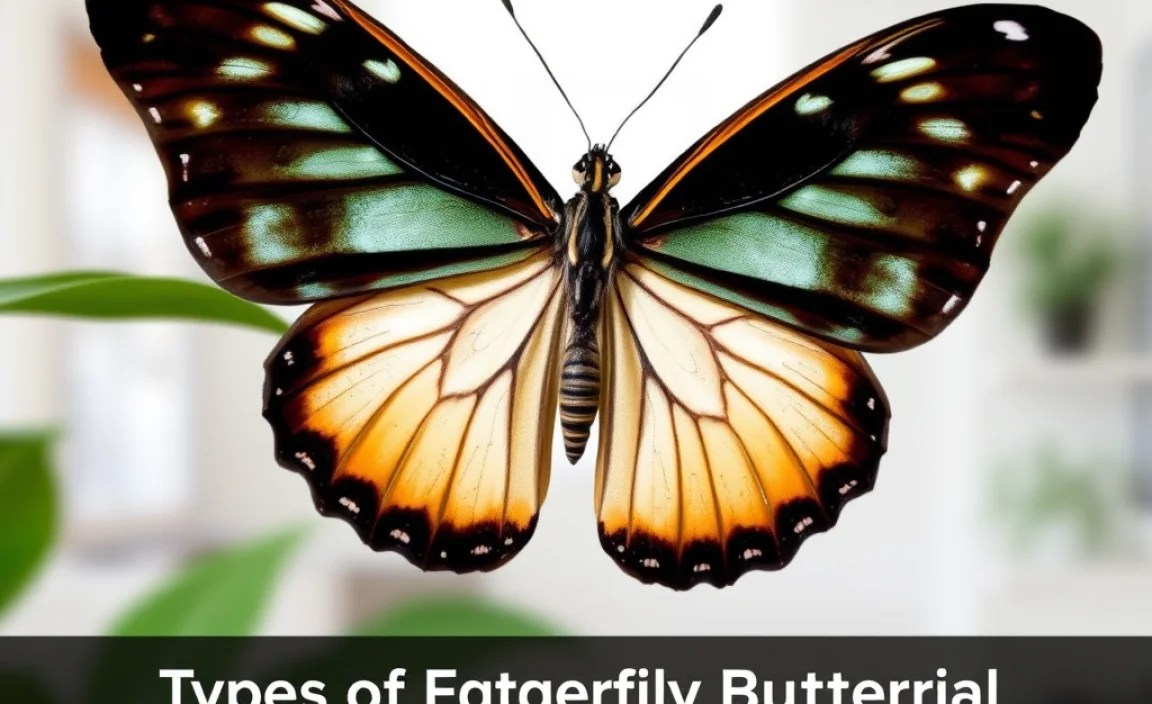
When it comes to educating about glasswing butterflies, there are a variety of materials to choose from. Let’s explore some of the most effective and engaging options.
Books and Guides
Books provide in-depth information and beautiful illustrations, making them a great resource for learning about glasswing butterflies. Here are a few types to consider:
- Children’s Books: These books often feature colorful pictures and simple language to introduce young learners to the world of butterflies.
- Field Guides: These guides help identify different butterfly species and provide details about their habitat and behavior.
- Educational Books: These offer detailed information about the biology, ecology, and conservation of glasswing butterflies, suitable for older students and adults.
Videos and Documentaries
Visual learning can be incredibly effective. Videos and documentaries bring the world of glasswing butterflies to life, showcasing their behavior, habitat, and life cycle. Look for resources from reputable sources like the National Geographic or the Smithsonian Institution.
Online Resources
The internet is a treasure trove of information. Websites, articles, and interactive tools can provide up-to-date information and engaging activities. Some valuable online resources include:
- Educational Websites: Sites like the U.S. Forest Service and The Xerces Society offer articles, fact sheets, and conservation information.
- Interactive Tools: Online quizzes, games, and virtual tours can make learning fun and interactive.
- Virtual Butterfly Gardens: Some websites offer virtual tours of butterfly gardens, allowing you to explore different species and their habitats from the comfort of your home.
Rearing Kits and Live Specimens
For a hands-on learning experience, consider using rearing kits. These kits allow you to raise glasswing butterflies from caterpillars to adults, providing a firsthand look at their life cycle. This can be an incredibly engaging activity for students of all ages. Live specimens, when ethically sourced, can also provide a unique opportunity for observation and study.
Classroom Activities and Lesson Plans
Teachers can incorporate glasswing butterflies into their lesson plans using a variety of activities. These might include:
- Butterfly Life Cycle Projects: Students can create models or diagrams illustrating the different stages of a butterfly’s life.
- Habitat Creation: Building a butterfly garden in the schoolyard can teach students about the importance of providing suitable habitats.
- Research Reports: Students can research different aspects of glasswing butterfly biology and present their findings to the class.
Step-by-Step Guide to Using Educational Materials
Now that you know what types of educational materials are available, let’s look at how to use them effectively.
Step 1: Choose Age-Appropriate Materials
Selecting the right materials for your audience is crucial. A children’s book might be perfect for elementary school students, while a detailed scientific article would be more suitable for high school or college students.
Step 2: Start with the Basics
Begin by introducing the basic facts about glasswing butterflies, such as their appearance, habitat, and diet. Use visuals like pictures and videos to capture attention and make the information more accessible.
Step 3: Explore the Biology of Transparent Wings
Delve into the science behind their transparent wings. Explain how the structure of the wings allows light to pass through, providing camouflage. This is a great opportunity to introduce concepts like adaptation and natural selection.
Step 4: Discuss the Life Cycle
Walk through the different stages of the glasswing butterfly’s life cycle, from egg to larva (caterpillar) to pupa (chrysalis) to adult. Use diagrams and videos to illustrate each stage. If possible, consider raising glasswing butterflies using a rearing kit to provide a firsthand experience.
Step 5: Highlight the Importance of Conservation
Discuss the threats facing glasswing butterflies, such as habitat loss and climate change. Encourage students to think about ways they can help protect these amazing creatures and their environment. This might include supporting conservation organizations, planting butterfly-friendly gardens, or reducing their carbon footprint.
Step 6: Incorporate Hands-On Activities
Engage students with hands-on activities that reinforce their learning. This could include creating butterfly-themed art projects, building a butterfly garden, or conducting research on local butterfly species.
Step 7: Assess Learning
Evaluate students’ understanding of the material through quizzes, projects, or class discussions. This will help you identify areas where they may need additional support and ensure that they are grasping the key concepts.
Examples of Effective Educational Programs
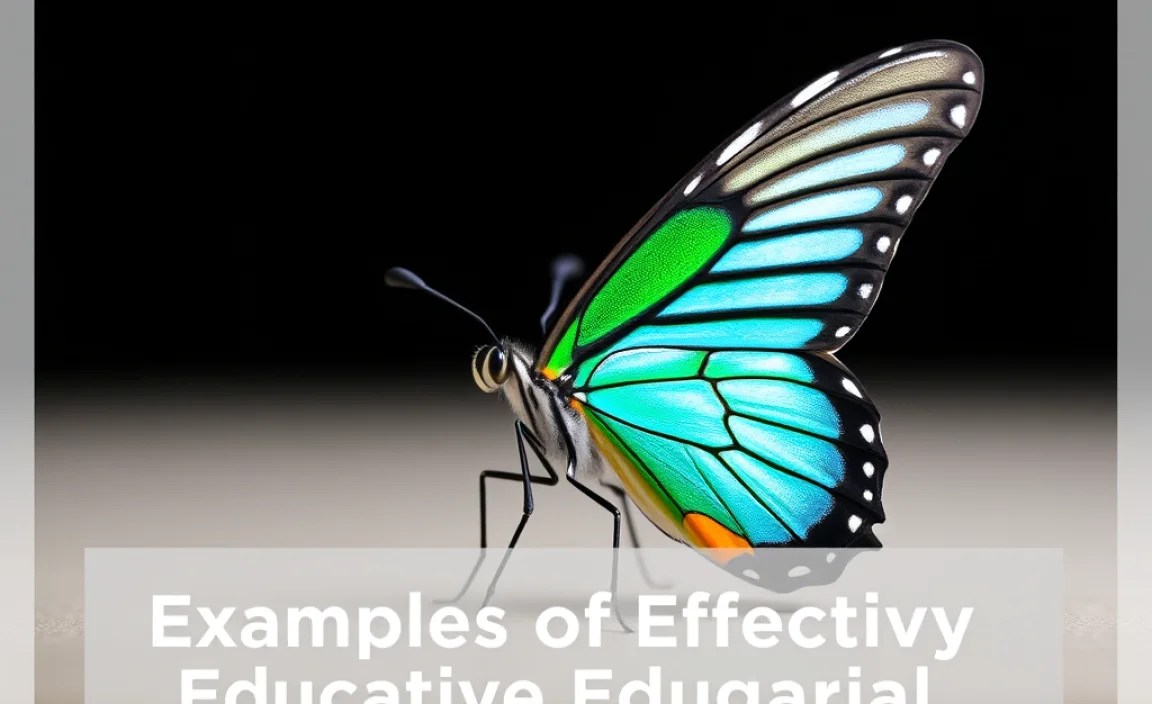
Many organizations and institutions offer excellent educational programs focused on butterflies and their conservation. Here are a few examples:
- Butterfly Pavilions: Visit a local butterfly pavilion to see glasswing butterflies and learn about their life cycle and habitat.
- School Programs: Many schools offer programs that incorporate butterfly studies into their science curriculum.
- Nature Centers: Nature centers often host workshops and events focused on butterfly conservation and habitat restoration.
- Online Courses: Several online platforms offer courses on butterfly biology, ecology, and conservation.
Creating Your Own Educational Materials
If you’re feeling creative, you can even create your own educational materials. Here are a few ideas:
- Presentations: Develop a presentation on glasswing butterflies, incorporating visuals, facts, and interactive elements.
- Worksheets: Create worksheets that test students’ knowledge of glasswing butterfly biology and conservation.
- Art Projects: Design art projects that incorporate butterfly themes, such as painting, drawing, or sculpting.
- Games: Develop educational games that make learning about butterflies fun and engaging.
Resources for Further Learning
To deepen your understanding of glasswing butterflies and their conservation, here are some additional resources:
| Resource Type | Examples | Description |
|---|---|---|
| Books | Butterflies of the World by Valerio Romo, The Glasswinged Butterfly by Donald Stillman | Comprehensive guides with detailed information and stunning photographs. |
| Websites | National Geographic, Smithsonian Institution, The Xerces Society | Reliable sources for articles, videos, and conservation information. |
| Videos | BBC Earth documentaries, nature documentaries on streaming platforms | Visual resources showcasing butterfly behavior and habitat. |
| Scientific Journals | Journal of Insect Conservation, Biological Conservation | Peer-reviewed research articles on butterfly biology and conservation. |
| Local Organizations | Butterfly clubs, nature centers, conservation groups | Opportunities for hands-on learning and conservation efforts. |
The Future of Glasswing Butterfly Education
As technology advances, the possibilities for glasswing butterfly education are endless. Virtual reality tours of butterfly habitats, interactive online games, and citizen science projects can all play a role in engaging learners and promoting conservation. By embracing these new tools and approaches, we can inspire a new generation of butterfly enthusiasts and conservationists.
Inspiring Conservation Through Education
Education is a powerful tool for conservation. By teaching people about the beauty and importance of glasswing butterflies, we can inspire them to take action to protect these amazing creatures and their habitat. Whether it’s planting a butterfly garden, supporting conservation organizations, or simply spreading awareness, every effort counts.
Conclusion
Exploring the world of glasswing butterflies through education is a rewarding journey. By using the resources and strategies outlined in this article, you can create engaging and informative learning experiences for students of all ages. From their unique transparent wings to their vital role in the ecosystem, glasswing butterflies offer a wealth of opportunities for scientific discovery and conservation action. So, let’s spread our wings and dive into the fascinating world of these incredible insects, inspiring a love for nature and a commitment to protecting our planet.


