Glasswing Butterfly Article Ideas: Ultimate Inspiration

Quick Summary: Want to learn about the remarkable glasswing butterfly? These amazing insects have transparent wings that help them camouflage! This guide explores their unique features, habitat, diet, and life cycle. Discover how they avoid predators and how you can support their conservation.
Have you ever seen a butterfly with wings so clear they seem to disappear? The glasswing butterfly is a fascinating creature known for its see-through wings, a unique adaptation that helps it survive in the rainforest. Many people are curious about these butterflies and how they live.
In this article, we’ll take a closer look at the glasswing butterfly. We’ll explore where they live, what they eat, and how they protect themselves. You’ll learn about their life cycle and how you can help protect these beautiful insects. Get ready to discover the secrets of the glasswing butterfly!
What is a Glasswing Butterfly?

The glasswing butterfly (Greta oto) is a member of the nymphalid butterfly family. What sets it apart is the transparent tissue in its wings. This remarkable adaptation makes it a master of camouflage. The “glass” part of its wings results from a lack of colored scales, which are present in other butterflies.
Physical Characteristics
Here are some key physical traits of the glasswing butterfly:
- Wingspan: Typically ranges from 5.6 to 6.1 cm (2.2 to 2.4 inches).
- Wing Structure: The transparent areas are bordered by a dark brown or black frame. Some species also have reddish or orange markings.
- Body: The body is usually dark, which contrasts with the clear wings.
- Scales: While most of the wing lacks scales, some colored scales are near the edges.
Habitat and Distribution
Glasswing butterflies are primarily found in Central and South America. They thrive in humid rainforests, from Mexico to Panama and as far south as Argentina. These butterflies prefer the understory of the forest, where the filtered sunlight enhances their camouflage.
Life Cycle
Like all butterflies, the glasswing goes through a complete metamorphosis:
- Egg: The life cycle begins with tiny, translucent eggs laid on host plants.
- Larva (Caterpillar): The caterpillars are typically white with colorful stripes. They feed on specific plants, accumulating toxins that make them unpalatable to predators.
- Pupa (Chrysalis): The pupa is a shimmering silver or gold color. It hangs from a plant stem while the transformation occurs.
- Adult: The adult butterfly emerges with its transparent wings. It lives for several weeks, feeding on nectar and reproducing.
Why are the Wings Transparent?
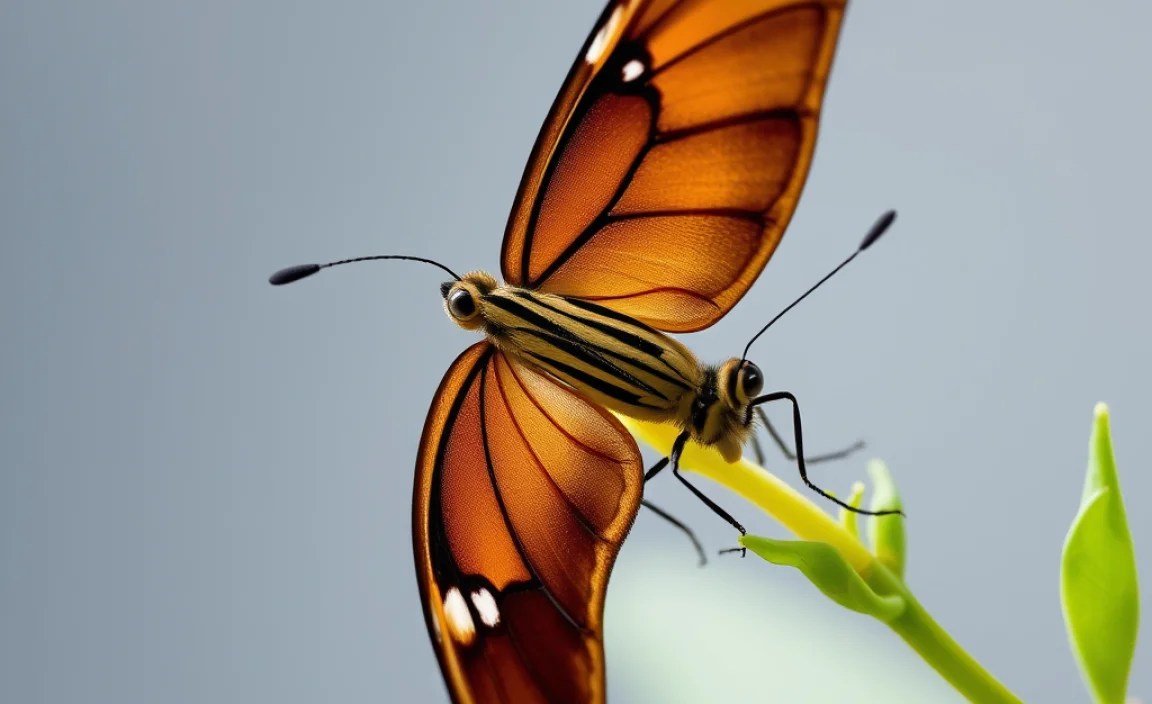
The transparency of the glasswing butterfly’s wings is a fascinating adaptation. It serves several crucial functions, mainly related to survival.
Camouflage
The primary reason for transparent wings is camouflage. The clear wings allow the butterfly to blend seamlessly into its surroundings. When perched on leaves or flying through the forest, it becomes nearly invisible to predators. This makes it harder for birds and other insectivores to spot them.
How Transparency Works
The transparency is achieved through a unique combination of factors:
- Reduced Scales: Unlike most butterflies, the glasswing has very few scales on the transparent parts of its wings. Scales are what give butterflies their color.
- Nanostructures: The scales that are present have nanostructures that reduce light reflection. This further enhances transparency.
- Light Transmission: The wing membrane allows light to pass through with minimal distortion. This makes the butterfly appear almost invisible against the background.
Evolutionary Advantage
This adaptation gives the glasswing butterfly a significant evolutionary advantage. By being less visible, they can evade predators more effectively. They have a better chance of surviving and reproducing. The glasswing butterfly’s camouflage is a testament to the power of natural selection. Read more about camouflage techniques at National Geographic ( https://www.nationalgeographic.com/animals/article/animal-camouflage ).
What Do Glasswing Butterflies Eat?

The diet of glasswing butterflies varies between their larval and adult stages. Each stage has specific nutritional needs that are met by different food sources.
Caterpillar Diet
Glasswing caterpillars are specialized feeders. They primarily consume plants from the Solanaceae family. This includes plants like nightshade and some species of Cestrum. These plants contain toxic compounds called alkaloids.
The caterpillars are not harmed by these toxins. Instead, they sequester the alkaloids in their bodies. This makes them unpalatable to predators. The bright coloration of the caterpillars also serves as a warning sign. It signals their toxicity to potential attackers.
Adult Butterfly Diet
Adult glasswing butterflies feed on nectar from various flowering plants. They also consume pollen and the juices from rotting fruit. Their proboscis, a long, straw-like tongue, allows them to reach nectar deep inside flowers.
Unlike the caterpillars, adult butterflies do not rely on toxic plants for defense. They retain some toxins from their larval stage. They primarily depend on their camouflage and flight to avoid predators.
| Life Stage | Diet | Purpose |
|---|---|---|
| Caterpillar | Toxic plants (e.g., Cestrum) | Acquire toxins for defense |
| Adult Butterfly | Nectar, pollen, rotting fruit | Energy for flight and reproduction |
Predators and Defense Mechanisms
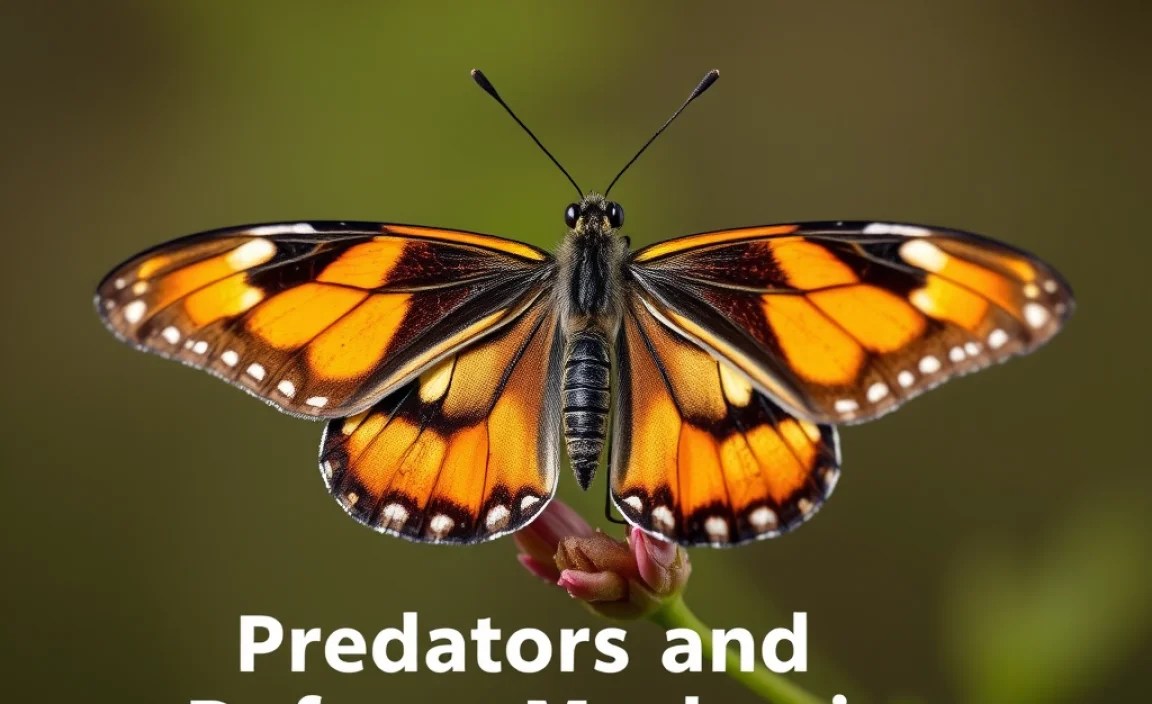
Despite their camouflage, glasswing butterflies face threats from various predators. They have developed several defense mechanisms to increase their chances of survival.
Common Predators
Some common predators of glasswing butterflies include:
- Birds: Many bird species prey on butterflies, especially in open areas.
- Insects: Predatory insects like praying mantises and assassin bugs also hunt butterflies.
- Spiders: Spiders can trap butterflies in their webs.
- Small Mammals: Some small mammals may occasionally eat butterflies.
Defense Strategies
Glasswing butterflies use several strategies to avoid becoming prey:
- Camouflage: The transparent wings make them difficult to see against foliage.
- Toxicity: As caterpillars, they ingest toxins that make them unpalatable to predators.
- Flight: They are strong fliers and can quickly escape when threatened.
- Mimicry: Some glasswing butterflies mimic the appearance of toxic moths or other butterflies to deter predators.
The Role of Alkaloids
The alkaloids that glasswing caterpillars ingest play a crucial role in their defense. These toxins remain in their bodies even after they transform into adult butterflies. This provides ongoing protection against predators that have learned to avoid them. The Xerces Society offers more information on butterfly conservation and defense mechanisms (https://xerces.org/).
How to Attract Glasswing Butterflies

Attracting glasswing butterflies to your garden or habitat can be a rewarding experience. By providing the right resources, you can create a welcoming environment for these unique insects.
Plant Host Plants
One of the best ways to attract glasswing butterflies is to plant their host plants. These are the plants that the caterpillars feed on. For glasswings, this includes plants in the Solanaceae family, such as:
- Cestrum species
- Nightshade (in appropriate regions, with caution due to toxicity)
- Other related plants that are native to your area
Be sure to research which specific plants are best suited for your region. Also, consider the potential toxicity of nightshade if you have pets or small children.
Provide Nectar Sources
Adult glasswing butterflies need nectar for energy. Plant a variety of flowering plants that provide nectar throughout the growing season. Some good choices include:
- Lantana
- Salvia
- Pentas
- Other native flowering plants
Choose plants with different bloom times to ensure a continuous food source. Native plants are often the best option. They are well-adapted to your local climate and provide the most nutritious nectar.
Create a Butterfly-Friendly Habitat
In addition to food sources, glasswing butterflies need a safe and comfortable habitat. Here are some tips for creating a butterfly-friendly environment:
- Provide Shelter: Plant shrubs and trees to offer protection from wind and predators.
- Offer Water: Place a shallow dish of water with pebbles for butterflies to drink from.
- Avoid Pesticides: Pesticides can harm or kill butterflies and other beneficial insects. Use natural pest control methods instead.
- Sunlight: Butterflies need sunlight to warm their bodies. Make sure there are sunny spots in your garden.
Conservation Status and Threats
While glasswing butterflies are not currently listed as endangered, they face several threats that could impact their populations. Understanding these challenges is crucial for effective conservation efforts.
Habitat Loss
The primary threat to glasswing butterflies is habitat loss. Deforestation for agriculture, logging, and development reduces the amount of suitable habitat available. As rainforests are cleared, glasswing butterflies lose their food sources and breeding grounds.
Climate Change
Climate change also poses a significant threat. Changes in temperature and rainfall patterns can disrupt the delicate balance of rainforest ecosystems. This can affect the availability of host plants and nectar sources. Extreme weather events, such as hurricanes and droughts, can further damage their habitats.
Pesticide Use
The use of pesticides in agriculture can have a direct impact on glasswing butterflies. Pesticides can kill butterflies and other beneficial insects. Even if they are not directly lethal, pesticides can reduce the availability of food sources and contaminate their habitats.
Conservation Efforts
Several conservation efforts are underway to protect glasswing butterflies and their habitats:
- Habitat Preservation: Protecting and restoring rainforest habitats is essential for the survival of glasswing butterflies. This includes establishing protected areas and promoting sustainable land-use practices.
- Sustainable Agriculture: Encouraging farmers to use sustainable agricultural practices can reduce the impact of agriculture on butterfly habitats.
- Reforestation: Planting trees and restoring degraded forests can help create new habitats for glasswing butterflies.
- Education: Raising awareness about the importance of butterflies and their habitats can inspire people to take action.
The Smithsonian Institution offers resources on biodiversity and conservation (https://www.si.edu/conservation).
Glasswing Butterfly in Culture and Art
The glasswing butterfly’s unique appearance has made it a subject of fascination in culture and art. Its transparent wings symbolize different things to different people.
Symbolism
In many cultures, butterflies symbolize transformation, change, and beauty. The glasswing butterfly, with its see-through wings, often represents clarity, transparency, and adaptability. Some believe it embodies the idea of seeing through illusions and finding truth.
Art and Design
The glasswing butterfly has inspired artists and designers around the world. Its delicate and ethereal appearance makes it a popular motif in paintings, sculptures, and jewelry. Designers often use its image to evoke a sense of lightness, grace, and natural beauty.
Photography
Photographers are drawn to the glasswing butterfly for its unique aesthetic. Capturing its transparent wings against the backdrop of the rainforest requires skill and patience. The resulting images often highlight the butterfly’s intricate details and its ability to blend with its surroundings.
Spiritual Significance
Some people attribute spiritual significance to the glasswing butterfly. They see it as a reminder to be transparent and authentic in their own lives. Its ability to adapt to its environment is seen as a symbol of resilience and inner strength.
FAQ About Glasswing Butterflies
What makes glasswing butterfly wings transparent?
Glasswing butterfly wings are transparent because they have very few scales and special nanostructures that reduce light reflection, allowing light to pass through.
Where do glasswing butterflies live?
They live in the humid rainforests of Central and South America, from Mexico to Argentina, preferring the understory of the forest.
What do glasswing caterpillars eat?
Glasswing caterpillars eat plants from the Solanaceae family, like nightshade and Cestrum, which contain toxins that protect them from predators.
How do glasswing butterflies defend themselves?
They use camouflage, toxicity from their caterpillar diet, and strong flight to avoid predators like birds, insects, and spiders.
Can I attract glasswing butterflies to my garden?
Yes, you can attract them by planting host plants (like Cestrum) and nectar-rich flowers, providing shelter, and avoiding pesticides.
Are glasswing butterflies endangered?
No, but they face threats from habitat loss, climate change, and pesticide use, making conservation efforts important.
What do glasswing butterflies symbolize?
They often symbolize clarity, transparency, adaptability, and the ability to see through illusions, making them popular in art and culture.
Conclusion
The glasswing butterfly is a truly remarkable insect, showcasing the wonders of nature’s adaptations. Its transparent wings provide exceptional camouflage, allowing it to thrive in the rainforest. From its unique diet as a caterpillar to its defense mechanisms against predators, the glasswing butterfly is a testament to the power of evolution.
By understanding the threats that glasswing butterflies face, we can take action to protect their habitats and ensure their survival for future generations. Whether it’s planting host plants in our gardens, supporting conservation organizations, or simply spreading awareness, every effort counts.
As you continue to explore the natural world, remember the lessons of the glasswing butterfly: adapt, be resilient, and find beauty in transparency. By embracing these qualities, we can all contribute to a more sustainable and harmonious world.