
Glasswing Butterfly Larval Host Plant: Your Easy Guide

The best larval host plants for glasswing butterflies are species within the Cestrum genus, particularly the Carolina Jessamine (Cestrum parqui) and the Willow-leaved Jessamine (Cestrum salicifolium). These plants provide the essential nutrients and shelter that glasswing butterfly caterpillars need to thrive, making them crucial for the butterfly’s life cycle.
Have you ever been captivated by the ethereal beauty of a glasswing butterfly, with its transparent wings shimmering in the sunlight? These delicate creatures are not only a marvel to behold but also an important part of our ecosystem. If you dream of attracting these beauties to your garden, knowing which plants their caterpillars love to munch on is key. It might seem tricky, but don’t worry!
This guide will walk you through everything you need to know about selecting the perfect host plants for glasswing butterfly larvae. We’ll cover the best plant choices, how to care for them, and tips for creating a butterfly-friendly habitat. Get ready to transform your garden into a glasswing butterfly haven!
What are Glasswing Butterflies?

Before diving into host plants, let’s get to know our star, the glasswing butterfly (Greta oto). These butterflies are famous for their transparent wings, which allow them to blend seamlessly into their surroundings. Native to Central and South America, they are increasingly popular in butterfly gardens and exhibits worldwide.
Glasswing butterflies are not just pretty faces; they play a vital role in pollination and contribute to the biodiversity of their habitats. By understanding their needs, we can help support their populations and enjoy their beauty up close.
Why Host Plants Matter
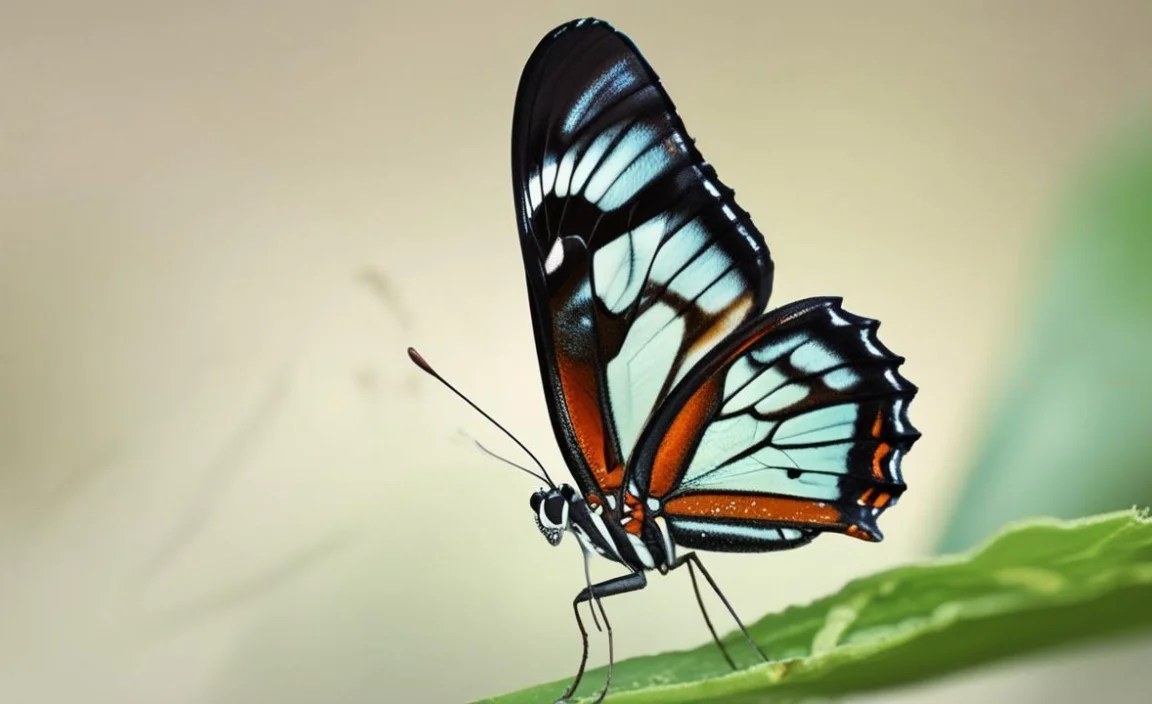
Host plants are the specific plants that butterfly caterpillars feed on. Unlike adult butterflies, which can sip nectar from various flowers, caterpillars are much pickier eaters. They rely on specific plants for the nutrients they need to grow and develop into healthy adults. Without the right host plants, butterflies cannot complete their life cycle.
For glasswing butterflies, selecting the correct host plants is essential. The survival of their caterpillars depends on it. By providing these plants in your garden, you’re not just attracting butterflies; you’re helping to sustain an entire generation.
Top Host Plants for Glasswing Butterfly Larvae

When it comes to feeding glasswing butterfly larvae, the Cestrum genus stands out as the top choice. These plants are not only nutritious but also provide the right texture and chemical compounds that the caterpillars need. Here are some of the best options:
- Carolina Jessamine (Cestrum parqui): This plant is a favorite among glasswing butterfly enthusiasts. It’s easy to grow and provides a reliable food source for caterpillars.
- Willow-leaved Jessamine (Cestrum salicifolium): Another excellent choice, this plant is known for its slender leaves and fragrant flowers, which attract both caterpillars and adult butterflies.
- Other Cestrum Species: Several other species within the Cestrum genus can also serve as host plants. Research local varieties to see what grows best in your area.
Carolina Jessamine (Cestrum parqui)
Carolina Jessamine is a popular choice for attracting glasswing butterflies. This shrub features fragrant, tubular flowers that bloom in the spring, attracting adult butterflies for nectar. More importantly, its leaves are a favorite food source for glasswing butterfly caterpillars.
Care Tips:
- Sunlight: Carolina Jessamine thrives in full sun to partial shade.
- Soil: Well-draining soil is essential. Amend heavy clay soils with compost to improve drainage.
- Watering: Water regularly, especially during dry periods. Once established, it’s relatively drought-tolerant.
- Pruning: Prune after flowering to maintain shape and encourage new growth.
Willow-leaved Jessamine (Cestrum salicifolium)
Willow-leaved Jessamine is another excellent host plant for glasswing butterflies. Its slender, willow-like leaves and fragrant white flowers make it an attractive addition to any garden. The caterpillars relish its foliage, making it a valuable resource for glasswing butterfly larvae.
Care Tips:
- Sunlight: This plant prefers full sun but can tolerate partial shade.
- Soil: Well-draining soil is crucial. Avoid heavy, waterlogged soils.
- Watering: Water regularly, especially during the growing season.
- Pruning: Prune lightly after flowering to remove spent blooms and maintain shape.
How to Plant and Care for Host Plants

Planting and caring for host plants is a rewarding experience. Here’s a step-by-step guide to help you get started:
- Choose the Right Location: Select a spot in your garden that receives plenty of sunlight and has well-draining soil.
- Prepare the Soil: Amend the soil with compost or other organic matter to improve its fertility and drainage.
- Planting: Dig a hole that is twice as wide as the root ball of your plant. Place the plant in the hole and backfill with soil, gently patting it down.
- Watering: Water the plant thoroughly after planting. Continue to water regularly, especially during the first few weeks.
- Mulching: Apply a layer of mulch around the base of the plant to help retain moisture and suppress weeds.
- Fertilizing: Fertilize your host plants in the spring with a balanced fertilizer to promote healthy growth.
- Pest Control: Monitor your plants for pests and diseases. Use organic pest control methods to protect your plants and the caterpillars feeding on them.
Creating a Butterfly-Friendly Habitat
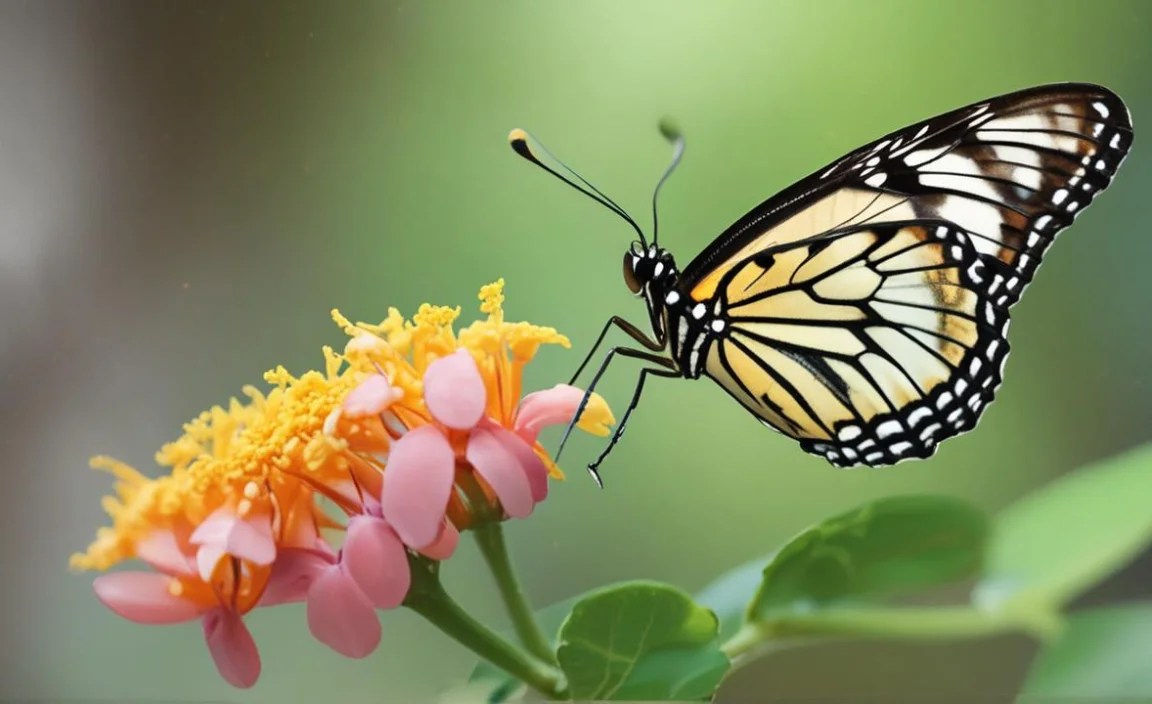
Attracting glasswing butterflies to your garden involves more than just planting host plants. Creating a butterfly-friendly habitat means providing everything they need to thrive, from food and shelter to water and protection from predators.
Provide Nectar Sources
Adult butterflies feed on nectar, so it’s essential to have a variety of nectar-rich flowers in your garden. Choose flowers with different colors and shapes to attract a wide range of butterflies. Some popular nectar sources include:
- Lantana
- Butterfly Bush (Buddleja davidii)
- Zinnia
- Salvia
- Pentas
Offer Shelter and Resting Spots
Butterflies need shelter from wind and rain, as well as places to rest and bask in the sun. Provide shrubs, trees, and tall grasses in your garden to offer protection and resting spots. Flat stones or sunny patches of bare ground can also serve as basking areas.
Provide Water
Butterflies need water to stay hydrated. Create a shallow water source in your garden by placing a dish of water with pebbles or marbles for them to land on. This will prevent them from drowning while they drink.
Avoid Pesticides
Pesticides can be harmful to butterflies and other beneficial insects. Avoid using pesticides in your garden, or choose organic options that are less harmful. Encourage natural predators like birds and ladybugs to help control pests.
Protecting Caterpillars from Predators
Caterpillars are vulnerable to predators such as birds, wasps, and spiders. Here are some tips for protecting caterpillars in your garden:
- Provide Shelter: Plant host plants in sheltered areas to protect caterpillars from wind and rain.
- Use Netting: Cover host plants with netting to keep predators away.
- Handpick Predators: Regularly inspect your plants for predators and remove them by hand.
- Plant Decoy Plants: Plant decoy plants that predators prefer to leave your host plants untouched.
Glasswing Butterfly Conservation
Glasswing butterflies, like many other butterfly species, face threats from habitat loss, climate change, and pesticide use. By creating butterfly-friendly habitats and supporting conservation efforts, we can help protect these beautiful creatures for future generations.
Here are some ways you can contribute to glasswing butterfly conservation:
- Plant Host Plants: Provide host plants in your garden to support glasswing butterfly larvae.
- Create a Butterfly Garden: Design your garden to attract and support butterflies with nectar sources, shelter, and water.
- Avoid Pesticides: Use organic gardening practices to protect butterflies and other beneficial insects.
- Support Conservation Organizations: Donate to or volunteer with organizations that work to protect butterfly habitats.
- Educate Others: Share your knowledge and passion for butterflies with friends, family, and community members.
Troubleshooting Common Issues
Even with the best planning, you might encounter some challenges when trying to attract glasswing butterflies to your garden. Here are some common issues and how to address them:
| Issue | Solution |
|---|---|
| Caterpillars are not eating the host plants. | Ensure the host plants are the correct species. Check for pests or diseases that might be affecting the plants. |
| Host plants are being eaten by other insects. | Use organic pest control methods to protect your plants. Consider using netting to keep pests away. |
| Butterflies are not visiting the garden. | Make sure you have a variety of nectar sources in addition to host plants. Provide water and shelter to make your garden more attractive. |
| Caterpillars are disappearing. | Protect caterpillars from predators by providing shelter and using netting. Regularly inspect your plants for predators. |
| Host plants are not thriving. | Ensure the plants are receiving enough sunlight and water. Amend the soil to improve drainage and fertility. |
Frequently Asked Questions
What exactly is a larval host plant?
A larval host plant is a specific type of plant that butterfly caterpillars need to eat in order to grow and develop. It’s like their baby food! Without the right host plant, the caterpillars can’t survive.
Why are Cestrum species the best for glasswing butterflies?
Cestrum plants contain specific nutrients and chemical compounds that glasswing butterfly caterpillars require. These plants are highly palatable and provide everything the caterpillars need to thrive.
How can I tell if a plant is a suitable host for glasswing butterfly larvae?
Research the specific needs of glasswing butterflies and look for plants that are known to be host species. Observe the plants for signs of caterpillar feeding, such as chewed leaves.
How do I protect the caterpillars from predators?
Provide shelter by planting host plants in protected areas. Use netting to keep predators away. Regularly inspect your plants and remove any predators by hand.
What else can I plant to attract glasswing butterflies to my garden?
In addition to host plants, plant nectar-rich flowers to feed adult butterflies. Provide water and shelter to create a welcoming habitat.
Are there any specific Cestrum varieties that are easier to grow than others?
Carolina Jessamine (Cestrum parqui) is often considered one of the easier Cestrum species to grow. It’s adaptable and relatively low-maintenance once established.
Can I use pesticides in my garden if I want to attract glasswing butterflies?
It’s best to avoid pesticides, as they can harm or kill caterpillars and other beneficial insects. Use organic pest control methods instead.
Conclusion
Creating a garden that supports glasswing butterflies is a deeply rewarding experience. By selecting the right host plants, like those in the Cestrum genus, and providing a butterfly-friendly habitat, you can play a vital role in the conservation of these enchanting creatures. Imagine the joy of watching these delicate butterflies flutter among your flowers, knowing that you’ve created a haven for them to thrive. It’s not just about gardening; it’s about fostering a connection with nature and contributing to a healthier, more vibrant world. So, get out there, plant those host plants, and let the magic of glasswing butterflies transform your garden!


