
Glasswing Butterfly Classroom Resource: Easy Guide

The glasswing butterfly (Greta oto) is a unique insect with transparent wings, making it a fascinating subject for classroom study. Resources include educational videos, printable diagrams, and interactive activities that explore its life cycle, habitat, and the science behind its see-through wings. These resources can help students learn about adaptation, biodiversity, and conservation in an engaging way.
Have you ever wondered how some creatures in nature seem to defy the rules of camouflage? The glasswing butterfly, with its see-through wings, is one such marvel. Many teachers and parents struggle to find captivating ways to introduce scientific concepts like adaptation and biodiversity. It can be tough to keep students engaged! But don’t worry. Exploring the glasswing butterfly offers a perfect blend of wonder and education.
In this guide, we’ll explore a variety of classroom resources that bring the magic of the glasswing butterfly to life. From videos and diagrams to hands-on activities, you’ll discover how to make learning about this incredible insect both fun and educational. Get ready to dive into the world of transparent wings and discover the secrets of the glasswing butterfly!
What Makes the Glasswing Butterfly So Special?

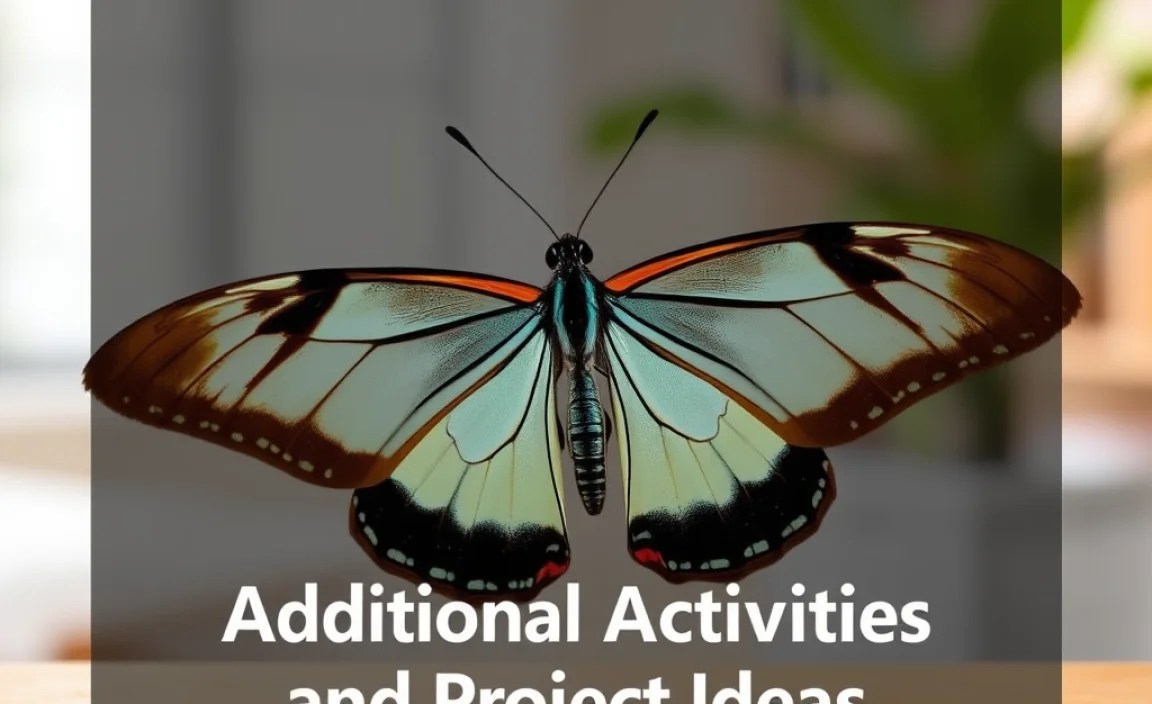
The glasswing butterfly, scientifically known as Greta oto, is native to Central and South America. Its most distinctive feature is its transparent wings, which allow it to blend seamlessly into its environment. This remarkable adaptation helps it evade predators and navigate the rainforest understory. The glasswing’s wings aren’t entirely invisible; they have a thin border of color, usually brown or reddish-brown, which adds to their camouflage.
Here are some key features of the glasswing butterfly:
- Transparent Wings: The wings lack the colorful scales found in most butterflies, allowing light to pass through.
- Camouflage: The transparent wings help the butterfly blend into its surroundings, making it difficult for predators to spot.
- Habitat: Glasswing butterflies are found in the rainforests of Central and South America.
- Diet: They feed on nectar from various plants, including those in the Asteraceae and Boraginaceae families.
- Life Cycle: The life cycle includes egg, larva (caterpillar), pupa (chrysalis), and adult stages, each with unique characteristics.
Why Use Glasswing Butterflies in Education?

Glasswing butterflies are not only fascinating to observe but also provide an excellent educational tool. Their unique characteristics can be used to teach a variety of concepts, including:
- Adaptation: The transparent wings are a prime example of how animals adapt to their environment for survival.
- Biodiversity: Studying the glasswing butterfly introduces students to the rich biodiversity of rainforest ecosystems.
- Life Cycles: The butterfly’s complete metamorphosis illustrates the different stages of an insect’s life cycle.
- Ecology: Learning about the glasswing butterfly’s habitat and diet provides insights into ecological relationships.
- Conservation: Discussing the threats to rainforest habitats raises awareness about the importance of conservation efforts.
Classroom Resources for Teaching About Glasswing Butterflies

There are numerous resources available to help you bring the glasswing butterfly into your classroom. These resources range from videos and printable materials to hands-on activities and online simulations. Here’s a detailed look at some of the best options.
Educational Videos
Videos are a fantastic way to engage students and provide a visual understanding of the glasswing butterfly. Here are a few recommended videos:
- “The Amazing Glasswing Butterfly” (National Geographic): This video showcases the butterfly’s unique features and its rainforest habitat.
- “Glasswing Butterfly Life Cycle” (YouTube): A time-lapse video illustrating the complete metamorphosis of the glasswing butterfly.
- “Camouflage Experts: Glasswing Butterfly” (BBC Earth): This short clip explains how the butterfly’s transparent wings provide camouflage.
Printable Diagrams and Worksheets
Printable diagrams and worksheets can help students learn about the anatomy and life cycle of the glasswing butterfly. Here are some useful resources:
- Anatomy Diagram: A labeled diagram of the glasswing butterfly, highlighting its key features, such as wings, body parts, and antennae.
- Life Cycle Worksheet: A worksheet where students can draw and label the different stages of the butterfly’s life cycle.
- Habitat Map: A map showing the geographical distribution of glasswing butterflies in Central and South America.
Interactive Activities
Interactive activities can make learning about glasswing butterflies more engaging and memorable. Here are a few ideas:
- Butterfly Garden Simulation: A computer simulation where students can design a butterfly garden and observe how glasswing butterflies interact with different plants.
- Camouflage Game: A game where students try to spot hidden glasswing butterflies in a simulated rainforest environment.
- Craft Projects: Activities such as creating a model of a glasswing butterfly using transparent materials or painting a butterfly mural.
Books and Articles
Books and articles provide in-depth information about glasswing butterflies and their habitat. Here are some recommended readings:
- “Butterflies of the World” by Valérie de Clerck: A comprehensive guide to butterfly species, including the glasswing butterfly.
- “Rainforest Ecology” by John Kricher: A book exploring the ecology of rainforests and the organisms that inhabit them.
- “The Biology of Butterflies” edited by R.I. Vane-Wright and P.R. Ackery: A scientific exploration of butterfly biology, including adaptation and behavior.
Step-by-Step Guide: Creating a Glasswing Butterfly Classroom Project
Here’s a step-by-step guide to help you create an engaging and educational glasswing butterfly classroom project:
Step 1: Introduction and Background
Begin by introducing the glasswing butterfly to your students. Show them pictures and videos, and discuss its unique transparent wings. Explain that the glasswing butterfly lives in the rainforests of Central and South America. Talk about why its transparent wings are important for its survival.
Step 2: Anatomy Lesson
Use a printable diagram to teach students about the anatomy of the glasswing butterfly. Point out the different parts of its body, such as the head, thorax, abdomen, wings, and antennae. Explain the function of each part. For example, the antennae help the butterfly sense its environment, and the wings allow it to fly.
Step 3: Life Cycle Exploration
Explain the life cycle of the glasswing butterfly, which includes four stages: egg, larva (caterpillar), pupa (chrysalis), and adult. Use a worksheet or a video to illustrate each stage. Discuss what the butterfly eats and how it changes during each stage.
Here is a table illustrating the life cycle stages:
| Stage | Description | Duration |
|---|---|---|
| Egg | Small, often laid on host plants | 3-7 days |
| Larva (Caterpillar) | Eats leaves, grows rapidly | 2-4 weeks |
| Pupa (Chrysalis) | Transforms inside a protective shell | 1-2 weeks |
| Adult | Reproduces, feeds on nectar | 2-4 weeks |
Step 4: Habitat Discussion
Discuss the rainforest habitat of the glasswing butterfly. Show pictures and videos of rainforests in Central and South America. Talk about the climate, plants, and animals that live in the rainforest. Explain why the rainforest is important for biodiversity and why it needs to be protected.
Step 5: Hands-On Activity
Engage students in a hands-on activity. Here are a few options:
- Create a Butterfly Garden: Design a miniature butterfly garden using construction paper, markers, and other craft materials. Include plants that glasswing butterflies like to feed on.
- Build a Butterfly Model: Create a model of a glasswing butterfly using transparent materials, such as cellophane or clear plastic.
- Play a Camouflage Game: Hide pictures of glasswing butterflies in the classroom and have students try to find them. This will help them understand how the butterfly’s transparent wings provide camouflage.
Step 6: Conservation Awareness
Discuss the threats to glasswing butterflies and their habitat. Talk about deforestation, climate change, and pollution. Explain why it’s important to protect rainforests and conserve biodiversity. Encourage students to think about ways they can help, such as reducing their carbon footprint, supporting conservation organizations, and educating others about the importance of protecting the environment.
Step 7: Presentation and Sharing
Have students present their projects to the class. Encourage them to share what they learned about the glasswing butterfly and its habitat. This will help reinforce their understanding and build their confidence.
Additional Activities and Project Ideas
Here are some additional activities and project ideas to further enhance your glasswing butterfly classroom project:
- Research Project: Assign students individual research projects on different aspects of the glasswing butterfly, such as its diet, predators, or adaptations.
- Creative Writing: Have students write stories or poems about the glasswing butterfly. This will encourage them to use their imagination and express their creativity.
- Art Project: Create a glasswing butterfly-themed art project, such as a painting, drawing, or collage. This will allow students to express their creativity and learn about the butterfly’s unique appearance.
- Field Trip: If possible, organize a field trip to a local butterfly garden or nature center. This will give students the opportunity to see butterflies up close and learn more about their habitat and behavior.
Tips for a Successful Glasswing Butterfly Classroom Project
To ensure a successful glasswing butterfly classroom project, keep the following tips in mind:
- Keep it Engaging: Use a variety of resources and activities to keep students engaged and motivated.
- Make it Hands-On: Hands-on activities are a great way to reinforce learning and make the project more memorable.
- Encourage Creativity: Encourage students to express their creativity and use their imagination.
- Promote Collaboration: Encourage students to work together and share their ideas.
- Provide Feedback: Provide constructive feedback to help students improve their understanding and skills.
Understanding the Science Behind Transparent Wings
The transparent wings of the glasswing butterfly are a marvel of natural engineering. Unlike most butterflies, whose wings are covered in colorful scales, the glasswing butterfly’s wings have very few scales. The scales that are present are arranged in a way that minimizes light reflection, allowing light to pass through the wings. This transparency is achieved through a combination of physical and optical properties.
Here are some key scientific principles behind the transparency of glasswing butterfly wings:
- Nanostructures: The surface of the wings is covered in tiny nanostructures that reduce light reflection.
- Scale Arrangement: The scales are spaced and arranged in a way that minimizes interference with light transmission.
- Material Composition: The material of the wings is composed of substances that allow light to pass through with minimal scattering.
Studying the science behind transparent wings can be a great way to introduce students to concepts in physics and materials science. You can explore how the butterfly’s wings reduce reflection and allow light to pass through, and how this adaptation helps the butterfly survive in its environment. Refer to scientific articles on the nanostructures of glasswing butterfly wings for more detailed information.
Conservation Status and Efforts
While the glasswing butterfly is not currently listed as endangered, its habitat is under threat due to deforestation and climate change. Rainforests are being cleared for agriculture, logging, and mining, which destroys the butterfly’s natural habitat. Climate change is also affecting the rainforest ecosystem, leading to changes in temperature and rainfall patterns that can impact the butterfly’s survival.
There are several conservation efforts in place to protect rainforests and conserve biodiversity. These efforts include:
- Protected Areas: Establishing national parks and reserves to protect rainforest habitats.
- Sustainable Agriculture: Promoting sustainable farming practices that reduce deforestation and protect biodiversity.
- Reforestation: Planting trees to restore degraded rainforest habitats.
- Community Involvement: Engaging local communities in conservation efforts to ensure long-term sustainability.
Educating students about the importance of conservation can inspire them to take action and help protect the glasswing butterfly and its habitat. You can encourage students to support conservation organizations, reduce their carbon footprint, and educate others about the importance of protecting the environment.
Where to Find More Resources
Here are some additional resources to help you learn more about glasswing butterflies and create engaging classroom projects:
- Museums: Visit a natural history museum or butterfly conservatory to see glasswing butterflies up close and learn more about their biology and ecology.
- Websites: Explore websites such as the National Geographic and the Smithsonian Institution for articles, videos, and educational resources about butterflies and rainforests.
- Books: Read books about butterflies, rainforests, and conservation to deepen your understanding of these topics.
- Educational Organizations: Contact educational organizations such as the Xerces Society for resources and support for butterfly conservation education.
FAQ About Glasswing Butterflies
Here are some frequently asked questions about glasswing butterflies:
What do glasswing butterflies eat?
Glasswing butterflies primarily feed on nectar from various plants. They are particularly fond of plants in the Asteraceae and Boraginaceae families. The caterpillars, on the other hand, feed on specific host plants.
Where do glasswing butterflies live?
Glasswing butterflies are native to the rainforests of Central and South America. They thrive in the humid, tropical environments of these regions.
How do glasswing butterflies protect themselves?
The primary defense mechanism of the glasswing butterfly is its transparent wings, which provide excellent camouflage. This makes it difficult for predators to spot them in their natural habitat.
Are glasswing butterflies endangered?
While glasswing butterflies are not currently listed as endangered, their habitat is under threat due to deforestation and climate change. Protecting rainforests is crucial for their survival.
What is the life cycle of a glasswing butterfly?
The life cycle of a glasswing butterfly includes four stages: egg, larva (caterpillar), pupa (chrysalis), and adult. Each stage has unique characteristics and plays a vital role in the butterfly’s development.
Why are the wings of the glasswing butterfly transparent?
The wings of the glasswing butterfly are transparent due to the lack of colorful scales and the presence of nanostructures that reduce light reflection. This adaptation helps the butterfly blend into its environment and avoid predators.
How can I help protect glasswing butterflies?
You can help protect glasswing butterflies by supporting conservation organizations, reducing your carbon footprint, and educating others about the importance of protecting rainforests and biodiversity.
Conclusion
The glasswing butterfly is a captivating creature that offers a wealth of educational opportunities. By using the resources and activities outlined in this guide, you can create an engaging and informative classroom project that will inspire your students to learn about adaptation, biodiversity, and conservation. From exploring the science behind transparent wings to discussing the threats to rainforest habitats, the glasswing butterfly can serve as a powerful tool for teaching important concepts and fostering a love for nature.
Remember to encourage creativity, promote collaboration, and provide constructive feedback to help your students succeed. By sharing their projects and spreading awareness about the importance of conservation, they can make a positive impact on the world around them. So, dive into the world of glasswing butterflies and discover the magic of these incredible insects!


