
Glasswing Butterfly Larva: The Secret to Raising Them

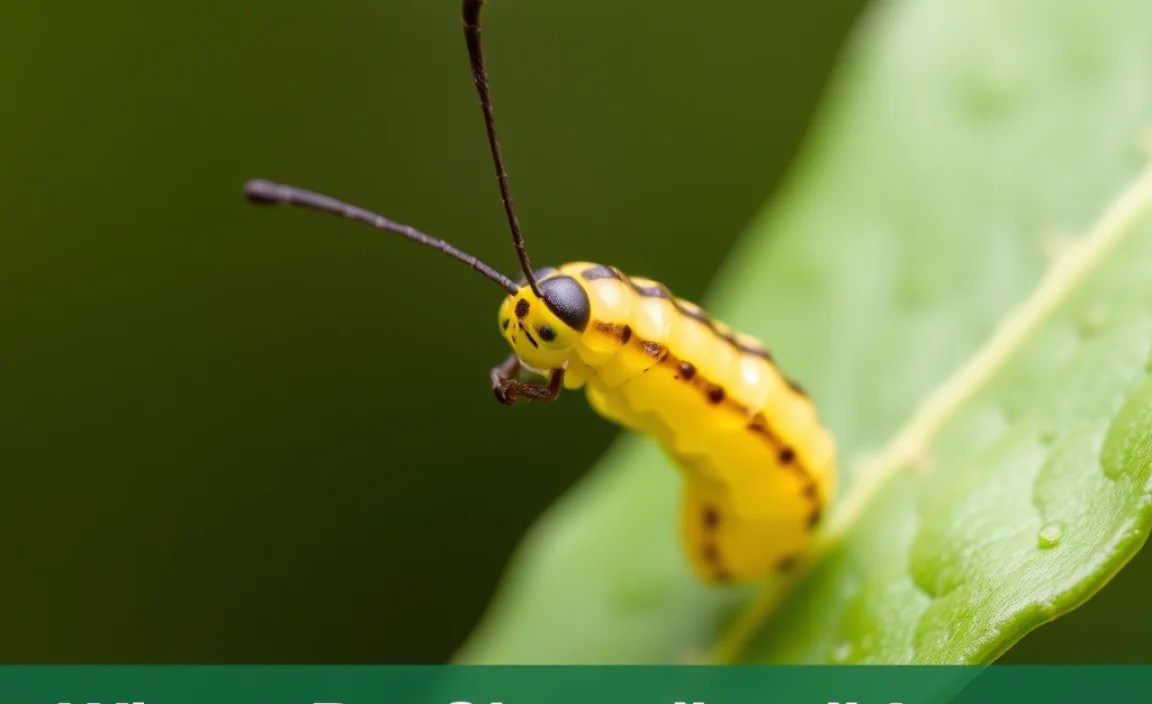
The glasswing butterfly larva, or caterpillar, is a fascinating creature known for its translucent wings in its adult stage. As larvae, they are typically green or yellowish-green with distinctive patterns that help them camouflage in their environment. They primarily feed on plants in the nightshade family, such as Cestrum. Understanding their life cycle and habitat is crucial for butterfly enthusiasts and those interested in conservation.
Have you ever wondered what the caterpillar of a butterfly with see-through wings looks like? It’s a question that often pops up when people discover the magical world of glasswing butterflies. Finding reliable information about these tiny creatures can sometimes feel like searching for a needle in a haystack. But don’t worry, you’re in the right place! This guide will walk you through everything you need to know about glasswing butterfly larvae, from their appearance and diet to their habitat and life cycle. Get ready to uncover the secrets of these amazing insects!
What Does a Glasswing Butterfly Larva Look Like?

Glasswing butterfly larvae are quite unique in appearance. Their look helps them blend in with their surroundings, protecting them from predators. Here’s a detailed breakdown:
Color and Markings
The glasswing butterfly larva typically exhibits a green or yellowish-green color, which aids in camouflage among the leaves of its host plants. Some larvae may also have subtle white or yellow markings along their bodies, further enhancing their ability to blend in with their environment. The specific patterns and intensity of these markings can vary depending on the larva’s age and the specific host plant it is feeding on.
Size and Shape
These larvae are relatively small, usually growing to about 1 to 2 inches in length before they pupate. Their bodies are cylindrical and slender, resembling other butterfly larvae. The size and shape contribute to their agility as they move along leaves and stems.
Distinguishing Features
One of the key features is the presence of small, horn-like projections on their heads and rear ends. These projections are not dangerous and are believed to aid in defense. They also have tiny hairs or bristles on their bodies, which help them sense their environment and deter potential predators. Some larvae may also have small, colorful spots that act as warning signals to predators, indicating that they might not be palatable.
What Do Glasswing Butterfly Larvae Eat?

The diet of glasswing butterfly larvae is specific and important for their growth and development. Knowing what they eat helps in understanding their habitat and conservation needs.
Host Plants
Glasswing butterfly larvae primarily feed on plants from the nightshade family (Solanaceae), with a strong preference for the genus Cestrum. Common host plants include:
- Cestrum diurnum (Day-blooming Jessamine)
- Cestrum nocturnum (Night-blooming Jessamine)
- Other species within the Cestrum genus
These plants provide the necessary nutrients for the larvae to grow and develop into healthy butterflies. Gardeners interested in attracting glasswing butterflies should consider planting these host plants in their gardens.
Nutritional Needs
The larvae require a diet rich in specific nutrients found in their host plants. These nutrients are essential for their growth, development, and the formation of their unique transparent wings during the pupal stage. The alkaloids present in the nightshade family also contribute to the larvae’s defense mechanisms, making them less palatable to predators.
Where Do Glasswing Butterfly Larvae Live?
Understanding the habitat of glasswing butterfly larvae is crucial for anyone looking to observe or conserve these fascinating creatures.
Geographical Distribution
Glasswing butterflies (Greta oto) are primarily found in the tropical regions of Central and South America. Their range extends from Mexico to Panama and as far south as Argentina. Within these regions, the larvae inhabit areas where their host plants are abundant.
Preferred Habitats
The larvae thrive in a variety of habitats, including:
- Tropical rainforests
- Cloud forests
- Disturbed areas with suitable host plants
- Gardens and parks where Cestrum species are cultivated
These habitats provide the necessary conditions for the larvae to feed, grow, and develop into adult butterflies. The presence of specific host plants is a key factor determining their distribution.
Environmental Conditions
Glasswing butterfly larvae prefer warm and humid environments, typical of tropical and subtropical regions. They are sensitive to extreme temperatures and require a consistent supply of moisture to thrive. The availability of shade and shelter from direct sunlight is also important for their survival.
The Life Cycle of the Glasswing Butterfly

The life cycle of the glasswing butterfly is a fascinating process that involves several distinct stages. Each stage is crucial for the survival and propagation of the species.
Egg Stage
The life cycle begins with the female glasswing butterfly laying small, translucent eggs on the underside of host plant leaves. These eggs are typically laid singly or in small clusters. The eggs are small and hard to spot, usually pale green or white, blending in with the leaf surface.
Larval Stage
Once the eggs hatch, the larvae emerge and begin feeding on the host plant. As mentioned earlier, the larvae are typically green or yellowish-green with unique markings that help them camouflage. During this stage, the larvae undergo several molts, shedding their skin as they grow larger. Each molt is called an instar, and the larvae go through multiple instars before they are ready to pupate. The larval stage can last from a few weeks to a couple of months, depending on environmental conditions and food availability.
Pupal Stage
After reaching their full size, the larvae enter the pupal stage. The larva transforms into a pupa, also known as a chrysalis. The pupa is typically green or brown and hangs from a stem or leaf of the host plant. Inside the pupa, a remarkable transformation occurs as the larval tissues break down and reorganize into the adult butterfly form. This stage can last from one to two weeks.
Adult Stage
Finally, the adult butterfly emerges from the pupa. The newly emerged butterfly has crumpled wings, which it will inflate with hemolymph (insect blood). Once the wings are fully expanded and hardened, the butterfly is ready to fly and reproduce. Adult glasswing butterflies are known for their transparent wings, which allow them to blend in with their environment and avoid predators. They feed on nectar from various flowers and can live for several weeks to a few months, depending on environmental conditions and the availability of food.
How to Attract Glasswing Butterflies to Your Garden

Attracting glasswing butterflies to your garden is a rewarding experience that can bring beauty and ecological benefits to your outdoor space.
Plant Host Plants
The most effective way to attract glasswing butterflies is to plant their host plants. As mentioned earlier, Cestrum species are the primary host plants for glasswing butterfly larvae. Consider planting Cestrum diurnum or Cestrum nocturnum in your garden to provide a food source for the larvae. These plants not only attract the butterflies but also provide a habitat for them to lay their eggs.
Provide Nectar Sources
In addition to host plants, adult glasswing butterflies need nectar sources to fuel their activities. Plant a variety of flowering plants that provide nectar throughout the year. Some good choices include:
- Lantana
- Pentas
- Salvia
- Butterfly Bush (Buddleja davidii)
Choose plants with different bloom times to ensure a continuous supply of nectar for the butterflies.
Create a Butterfly-Friendly Habitat
Create a welcoming environment for glasswing butterflies by providing shelter, water, and other resources. Some tips include:
- Provide a shallow dish of water with pebbles or stones for the butterflies to land on and drink.
- Offer a sheltered area with trees or shrubs where the butterflies can rest and escape from predators.
- Avoid using pesticides or herbicides in your garden, as these can harm or kill the butterflies and their larvae.
Maintain a Healthy Garden
A healthy garden is essential for attracting and supporting glasswing butterflies. Keep your plants well-watered and fertilized, and remove any dead or diseased foliage. A thriving garden will provide a rich habitat for the butterflies and other beneficial insects.
Threats and Conservation of Glasswing Butterflies
Like many butterfly species, glasswing butterflies face several threats that impact their populations. Understanding these threats and implementing conservation measures is crucial for protecting these beautiful creatures.
Habitat Loss
One of the primary threats to glasswing butterflies is habitat loss. Deforestation, urbanization, and agricultural expansion are destroying their natural habitats, leaving them with fewer places to live and breed. Protecting and restoring their habitats is essential for their survival. Conservation efforts should focus on preserving tropical rainforests, cloud forests, and other areas where glasswing butterflies are found.
Pesticide Use
The use of pesticides in agriculture and gardening poses a significant threat to glasswing butterflies and their larvae. Pesticides can directly kill the butterflies or contaminate their food sources, leading to reduced populations. Promoting organic gardening practices and reducing pesticide use can help protect these butterflies.
Climate Change
Climate change is another growing threat to glasswing butterflies. Changes in temperature and rainfall patterns can disrupt their life cycles and alter the distribution of their host plants. Implementing measures to mitigate climate change, such as reducing greenhouse gas emissions and promoting sustainable land use practices, is crucial for protecting glasswing butterflies and other species.
Conservation Efforts
Several conservation efforts are underway to protect glasswing butterflies and their habitats. These include:
- Establishing protected areas and reserves where glasswing butterflies can thrive.
- Promoting sustainable tourism and ecotourism that support conservation efforts.
- Educating the public about the importance of conserving glasswing butterflies and their habitats.
- Supporting research on glasswing butterfly biology, ecology, and conservation.
Fun Facts About Glasswing Butterfly Larvae and Butterflies
Here are some interesting and fun facts about glasswing butterfly larvae and butterflies in general:
- Glasswing butterflies are named for their transparent wings, which allow them to blend in with their surroundings and avoid predators.
- The transparency of their wings is due to the low absorption of visible light by the wing tissue.
- Glasswing butterfly larvae are known to sequester toxins from their host plants, making them unpalatable to predators.
- Adult glasswing butterflies feed on nectar from a variety of flowers, including lantana, salvia, and butterfly bush.
- Glasswing butterflies are found in tropical regions of Central and South America, from Mexico to Argentina.
- Butterflies use their feet to taste! Taste receptors are located on their feet, allowing them to determine whether a plant is suitable for laying eggs or feeding.
- Butterflies can see a wider range of colors than humans, including ultraviolet light.
- Some butterfly species migrate long distances, such as the monarch butterfly, which travels thousands of miles between Canada and Mexico.
- Butterflies play an important role in pollination, helping to fertilize plants and maintain healthy ecosystems.
Glasswing Butterfly Larva: A Quick Reference Guide
Here’s a table summarizing key information about glasswing butterfly larvae:
| Feature | Description |
|---|---|
| Appearance | Green or yellowish-green with subtle markings, small horn-like projections |
| Size | 1 to 2 inches in length |
| Diet | Primarily feed on plants in the Cestrum genus (nightshade family) |
| Habitat | Tropical rainforests, cloud forests, gardens, and parks in Central and South America |
| Life Cycle | Egg, larva, pupa, adult |
| Threats | Habitat loss, pesticide use, climate change |
| Conservation | Habitat protection, sustainable practices, public education |
Frequently Asked Questions (FAQs)
Here are some frequently asked questions about glasswing butterfly larvae:
What do glasswing butterfly larvae eat?
Glasswing butterfly larvae primarily feed on plants from the nightshade family, especially the Cestrum genus. These plants provide the necessary nutrients for their growth and development.
Where do glasswing butterflies live?
Glasswing butterflies are found in the tropical regions of Central and South America, from Mexico to Argentina. They inhabit tropical rainforests, cloud forests, and gardens where their host plants are abundant.
How can I attract glasswing butterflies to my garden?
You can attract glasswing butterflies to your garden by planting their host plants (Cestrum species) and providing nectar sources such as lantana, salvia, and butterfly bush. Creating a butterfly-friendly habitat with shelter and water is also helpful.
Are glasswing butterfly larvae harmful to humans or pets?
No, glasswing butterfly larvae are not harmful to humans or pets. They are herbivores that feed on specific host plants and do not pose a threat to people or animals.
What is the life cycle of a glasswing butterfly?
The life cycle of a glasswing butterfly consists of four stages: egg, larva, pupa, and adult. The larvae hatch from eggs laid on host plants, feed and grow, then pupate before emerging as adult butterflies.
Why are glasswing butterflies called “glasswing”?
Glasswing butterflies are named for their transparent wings, which allow them to blend in with their environment and avoid predators. The transparency is due to the low absorption of visible light by the wing tissue.
What threats do glasswing butterflies face?
Glasswing butterflies face several threats, including habitat loss, pesticide use, and climate change. Conservation efforts are needed to protect their habitats and promote sustainable practices.
Conclusion
Exploring the world of the glasswing butterfly larva reveals the intricate beauty and delicate balance of nature. From their unique appearance and specific dietary needs to their crucial role in the ecosystem, these tiny creatures offer a glimpse into the wonders of the natural world. By understanding their life cycle, habitat, and the threats they face, we can take meaningful steps to protect and conserve these captivating butterflies for generations to come. Whether you’re a seasoned butterfly enthusiast or just starting your journey, there’s always something new to discover and appreciate about these incredible insects. So, go ahead, plant some Cestrum in your garden, and watch the magic unfold!


