
Glasswing Butterfly Facts for Kids: 10 Amazing Secrets

Glasswing butterflies are amazing insects known for their transparent wings! These butterflies live in Central and South American rainforests. Their see-through wings help them hide from predators. They sip nectar from flowers using a long, straw-like tongue called a proboscis. Glasswings are a beautiful example of nature’s creativity and adaptation. They show us how animals can evolve unique features to survive.
Have you ever seen a butterfly and wondered how it flies so gracefully? Or have you noticed how some butterflies have such vibrant colors and patterns? Well, imagine a butterfly with wings so clear, you can see right through them! These incredible creatures are called glasswing butterflies, and they are truly special. Learning about them is like unlocking a secret door to the amazing world of rainforests and the clever ways animals adapt to survive.
In this article, we’ll explore the fascinating facts about glasswing butterflies. We’ll discover where they live, what they eat, and how their transparent wings help them survive. Get ready to be amazed by these delicate, see-through wonders of nature!
What are Glasswing Butterflies?

Glasswing butterflies (Greta oto) are named for their unique, transparent wings. Unlike most butterflies with colorful, opaque wings, the glasswing has wings that are mostly clear, allowing you to see through them. This amazing adaptation helps them camouflage in their natural habitat.
Where Do Glasswing Butterflies Live?
Glasswing butterflies are native to the rainforests of Central and South America. You can find them in countries like Mexico, Panama, Colombia, and Venezuela. These butterflies prefer humid, shaded areas where they can easily find food and shelter.
What Do Glasswing Butterflies Eat?
Like all butterflies, glasswings feed on nectar from flowers. They use a long, straw-like tongue called a proboscis to sip nectar. Interestingly, the caterpillars of glasswing butterflies feed on plants in the genus Cestrum, which contain toxins that make the butterflies poisonous to predators.
Amazing Facts About Glasswing Butterflies

Glasswing butterflies are full of surprises! Here are some fascinating facts that will make you appreciate these incredible insects even more:
- Transparent Wings: The wings of the glasswing butterfly are transparent because they lack the colorful scales found on most other butterflies. The tissue of the wing is nearly invisible, allowing light to pass through.
- Camouflage Masters: Their transparent wings help them blend into their surroundings, making it difficult for predators to spot them. This is a great example of camouflage!
- Poisonous Defense: As caterpillars, they eat toxic plants, which makes them poisonous to predators. This poison stays with them even when they become adult butterflies.
- Slow Flight: Glasswing butterflies are not fast fliers. Their slow, deliberate flight helps them conserve energy and blend in with their environment.
- Social Butterflies: They are often found in groups, especially during mating season.
The Science Behind Transparent Wings
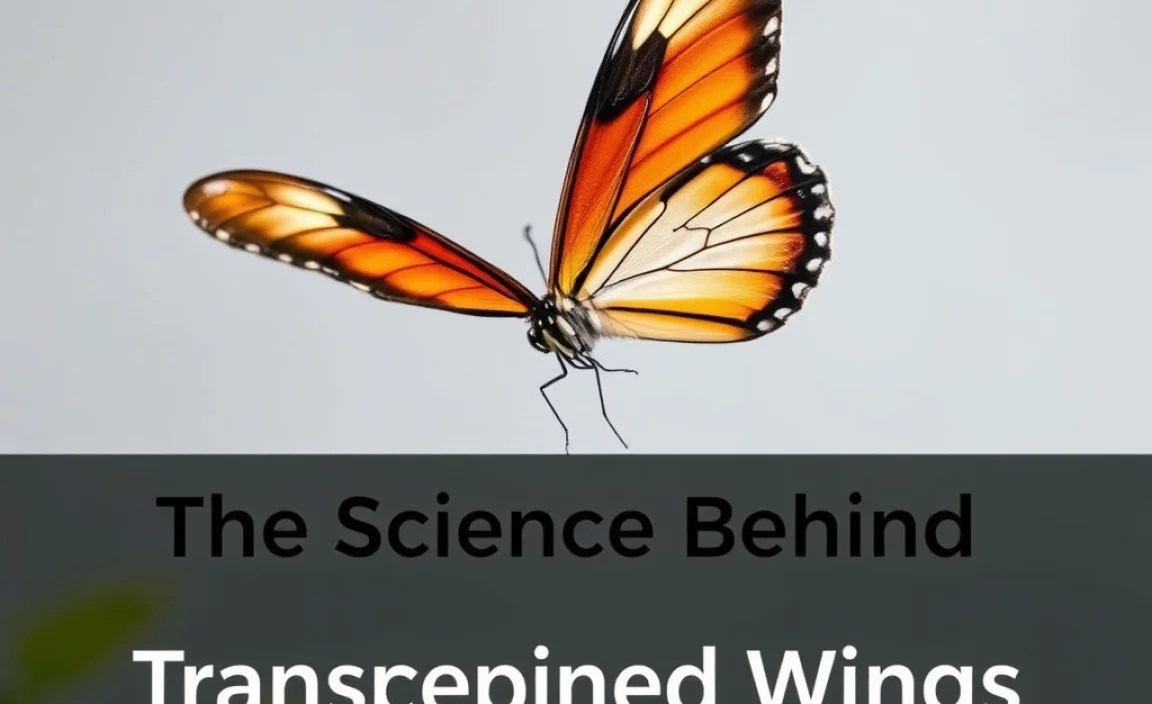
How do glasswing butterflies achieve their amazing transparency? It’s all about the structure of their wings!
Nanostructures and Light
The wings of glasswing butterflies have tiny structures called nanopillars. These structures are so small that they are measured in nanometers (a nanometer is one billionth of a meter!). These nanopillars are arranged in a way that minimizes the reflection of light. Instead of reflecting light, the wings allow most of it to pass through, making them appear transparent. According to research published in the journal Nature Communications, these nanostructures are key to the butterfly’s camouflage strategy. Nature Communications
Reducing Reflection
The nanopillars on the wings are not uniform. They vary in height and arrangement, which further reduces reflection. This irregular structure scatters light, preventing it from bouncing back and making the wings visible. This is similar to how frosted glass works, but on a much smaller scale.
Glasswing Butterfly Life Cycle

Like all butterflies, glasswings go through a complete metamorphosis. This means they have four distinct life stages: egg, larva (caterpillar), pupa (chrysalis), and adult.
Egg Stage
The life cycle begins when a female glasswing butterfly lays her eggs on the leaves of Cestrum plants. These plants are the main food source for the caterpillars. The eggs are usually small and greenish in color.
Larva (Caterpillar) Stage
Once the eggs hatch, the larvae, or caterpillars, emerge. These caterpillars are voracious eaters, munching on the leaves of Cestrum plants. They have a distinctive appearance, often with colorful stripes or patterns. As they grow, they shed their skin several times in a process called molting.
Pupa (Chrysalis) Stage
After several molts, the caterpillar enters the pupa stage. It forms a chrysalis, which is a protective shell. Inside the chrysalis, the caterpillar undergoes a remarkable transformation. Its body breaks down and reassembles into the form of a butterfly. The chrysalis of the glasswing butterfly is often shiny and metallic-looking.
Adult Stage
Finally, the adult butterfly emerges from the chrysalis. Its wings are crumpled and wet at first, but they quickly expand and dry. The adult glasswing butterfly is now ready to fly, feed on nectar, and reproduce.
How Glasswing Butterflies Avoid Predators
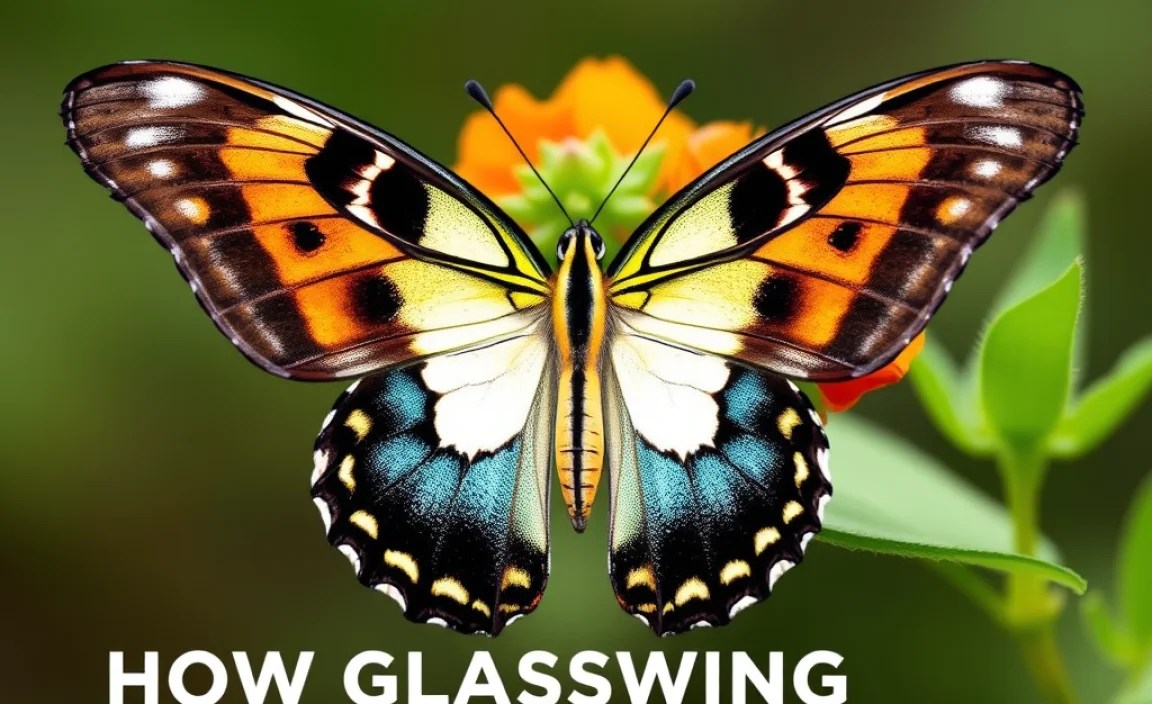
Glasswing butterflies have several strategies to avoid becoming a meal for predators. Their transparent wings and poisonous defense are their main weapons.
- Camouflage: The transparent wings help them blend in with their surroundings, making it difficult for predators to spot them.
- Poisonous Defense: The toxins they ingest as caterpillars make them unpalatable to many predators. Birds and other animals that try to eat them may get sick, learning to avoid glasswing butterflies in the future.
- Slow Flight: Their slow, deliberate flight makes them less noticeable to predators.
The Importance of Glasswing Butterflies
Glasswing butterflies play an important role in their ecosystem. They are pollinators, helping to spread pollen from flower to flower as they feed on nectar. This helps plants reproduce and maintain biodiversity.
Pollination
As they fly from flower to flower, glasswing butterflies carry pollen on their bodies. This pollen is essential for the reproduction of many plant species. Without pollinators like butterflies, many plants would struggle to survive.
Food Chain
Glasswing butterflies are also part of the food chain. They are a food source for some animals, such as birds and spiders. Their presence helps support the balance of the ecosystem.
How to Help Glasswing Butterflies
Although glasswing butterflies are not currently endangered, their habitat is threatened by deforestation and habitat loss. Here are some ways you can help protect these amazing creatures:
- Support Conservation Organizations: Donate to or volunteer with organizations that work to protect rainforests and butterfly habitats.
- Plant Native Flowers: Plant native flowers in your garden to provide food for butterflies and other pollinators.
- Avoid Pesticides: Pesticides can harm butterflies and other beneficial insects. Use natural pest control methods instead.
- Educate Others: Share your knowledge about glasswing butterflies and the importance of protecting their habitat with your friends and family.
Glasswing Butterfly Conservation Status
The conservation status of the Glasswing butterfly is currently listed as “Least Concern” by the IUCN (International Union for Conservation of Nature). This means that, at present, they are not considered to be facing immediate threats to their survival as a species. However, this status doesn’t mean they are entirely safe from potential risks.
Several factors could impact Glasswing butterflies in the future:
- Habitat Loss: Deforestation for agriculture, logging, and development continues to shrink the rainforests where Glasswing butterflies live.
- Climate Change: Changes in temperature and rainfall patterns can disrupt the lifecycle of butterflies and the plants they depend on.
- Pesticide Use: While Glasswing butterflies are poisonous to some predators, they can still be harmed by pesticides used in agriculture.
Glasswing Butterfly Facts for Kids Table
| Fact | Description |
|---|---|
| Name | Glasswing Butterfly (Greta oto) |
| Wings | Transparent, allowing light to pass through |
| Habitat | Rainforests of Central and South America |
| Diet | Nectar from flowers |
| Defense | Camouflage and poisonous toxins |
| Life Cycle | Egg, larva (caterpillar), pupa (chrysalis), adult |
| Importance | Pollinators and part of the food chain |
Glasswing Butterfly vs. Other Butterflies
Here’s a comparison of glasswing butterflies to other common butterflies, highlighting their unique features:
| Feature | Glasswing Butterfly | Other Butterflies (e.g., Monarch, Swallowtail) |
|---|---|---|
| Wings | Transparent | Opaque and colorful |
| Habitat | Rainforests | Various habitats, including gardens and meadows |
| Flight Speed | Slow and deliberate | Faster and more erratic |
| Defense | Camouflage and toxins | Camouflage, mimicry, and speed |
| Caterpillar Diet | Cestrum plants (toxic) | Various plants, depending on the species |
Fun Activities to Learn More
Learning about glasswing butterflies can be even more fun with hands-on activities!
Butterfly Garden
Create a butterfly garden in your backyard or at school. Plant flowers that attract butterflies and provide them with nectar. Observe the different types of butterflies that visit your garden and learn about their life cycles.
Art Project
Create artwork inspired by glasswing butterflies. You can draw, paint, or make a collage using transparent materials to mimic their see-through wings.
Research Project
Choose a specific aspect of glasswing butterflies to research, such as their habitat, diet, or defense mechanisms. Present your findings to your class or family.
FAQ About Glasswing Butterflies
Are glasswing butterflies poisonous to humans?
No, glasswing butterflies are not poisonous to humans. The toxins they ingest as caterpillars are primarily a defense mechanism against predators like birds and reptiles.
How long do glasswing butterflies live?
The lifespan of a glasswing butterfly is relatively short, typically lasting only a few weeks to a couple of months in the wild. This is similar to many other butterfly species.
Can glasswing butterflies fly long distances?
Glasswing butterflies are not known for long-distance migrations like some other butterfly species, such as the Monarch. They tend to stay within their local rainforest habitats.
What is the purpose of their transparent wings?
The transparent wings serve as camouflage, helping them blend in with their surroundings and avoid predators. This unique adaptation is crucial for their survival in the rainforest.
Do glasswing butterflies have any predators?
Yes, glasswing butterflies have predators, including birds, reptiles, and spiders. However, their camouflage and poisonous toxins help protect them from being eaten.
Are glasswing butterflies endangered?
No, glasswing butterflies are not currently endangered. However, their habitat is threatened by deforestation and habitat loss, so it’s important to protect their environment.
What do glasswing butterfly caterpillars eat?
Glasswing butterfly caterpillars primarily feed on plants in the genus Cestrum. These plants contain toxins that make the caterpillars poisonous to predators.
Conclusion
Glasswing butterflies are truly remarkable creatures. Their transparent wings, poisonous defense, and fascinating life cycle make them a wonder of the natural world. By learning about these butterflies and the importance of protecting their habitat, we can help ensure that they continue to thrive in the rainforests of Central and South America. So, next time you see a butterfly, remember the amazing glasswing and the incredible adaptations that allow it to survive and flourish.


