
Species Identification of Amphibians: An Easy Guide

Have you ever seen a frog in your backyard? Did you know there are many kinds of frogs? Figuring out what kind of frog or salamander you see can be fun. It is called species identification of amphibians. Amphibians are animals that live part of their lives in water and part on land. Let’s learn how to tell them apart!
Imagine you are a nature detective. Your mission is to find out the names of all the amphibians near you. It might seem tricky, but it’s like solving a puzzle. We can use clues like color, size, and where they live to help us. Are you ready to become an amphibian expert?
Telling amphibians apart is important. It helps us know what animals live near us. It also helps scientists study and protect these animals. Some amphibians are in danger. Knowing what they are helps us save them. Species identification of amphibians is a cool way to learn about nature.
Key Takeaways
- Species identification of amphibians helps scientists protect these important animals.
- You can identify amphibians by looking at their color and their size.
- Amphibians include frogs, toads, salamanders, and newts.
- Listen to frog calls. Each species has its own unique sound.
- Knowing where an amphibian lives helps you identify it.
Identifying Amphibians by Sight
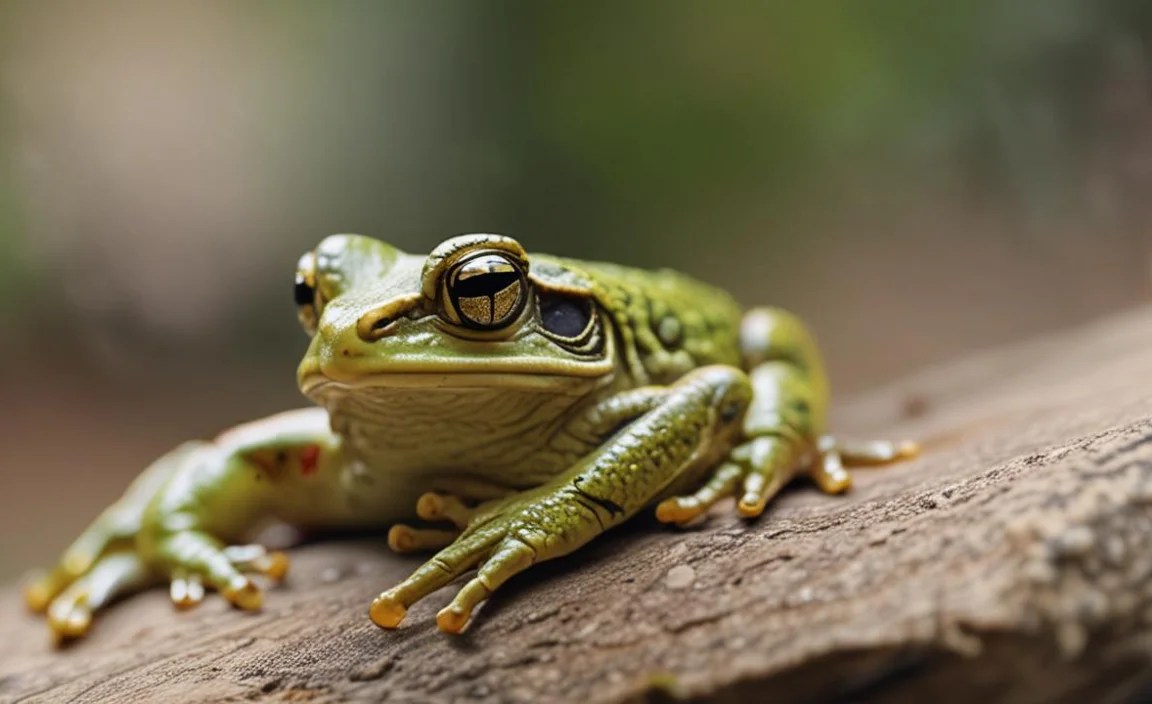

When you see an amphibian, what do you notice first? Is it big or small? What color is it? These are important clues for species identification of amphibians. Look closely at its skin. Is it smooth or bumpy? Does it have spots or stripes? All of these details can help you figure out what kind of amphibian it is. You can also look at its eyes. Some amphibians have big, round eyes. Others have small, beady eyes. The shape and color of their eyes can be a clue too. Pay attention to the shape of its body. Is it long and slender like a salamander? Or is it short and stout like a toad? By looking closely, you can start to identify different species.
- Check the amphibian’s skin texture.
- Note the color patterns on its body.
- Observe the size and shape of its eyes.
- Look at the overall body shape and size.
- Consider any unique features like warts.
- Take a picture to help you remember.
Remember, it’s important to be gentle when observing amphibians. They are delicate creatures. Try not to touch them unless you have to. If you do, make sure your hands are clean and wet. This will help protect their skin. You can also use a field guide to help you identify amphibians. A field guide is a book with pictures and descriptions of different species. Many field guides are available for different regions. They can be a great resource for learning about the amphibians in your area. With practice, you will become a pro at species identification of amphibians.
Why is skin texture important?
Have you ever touched a frog? Some feel smooth and slimy. Others feel rough and bumpy. This difference is important. Smooth skin usually means the amphibian lives in water more. Bumpy skin often means it lives on land more. The skin helps them breathe and stay moist. So, feeling the skin can tell you a lot about where it lives. This helps with species identification of amphibians. Remember to be gentle. Their skin is very sensitive.
How do color patterns help?
Imagine a frog with bright red spots. Or a salamander with yellow stripes. These colors aren’t just for show. They can help the amphibian hide. They can also warn predators that it is poisonous. Different species have different color patterns. These patterns help them survive in their habitats. By noting the colors and patterns, you can narrow down the possibilities. You are one step closer to figuring out what it is. Species identification of amphibians becomes easier with practice.
What about body shape?
Think about a long, skinny salamander. Now think about a round, fat toad. They look very different, right? The body shape tells you a lot about how they move. Salamanders wiggle and swim. Toads hop and crawl. The shape also tells you about their lifestyle. Some amphibians are built for swimming. Others are built for digging. Pay attention to the body shape. It’s a key part of species identification of amphibians. It helps you understand how they live.
Fun Fact or Stat: Some salamanders can regrow their tails if they lose them!
Listening to Amphibian Sounds

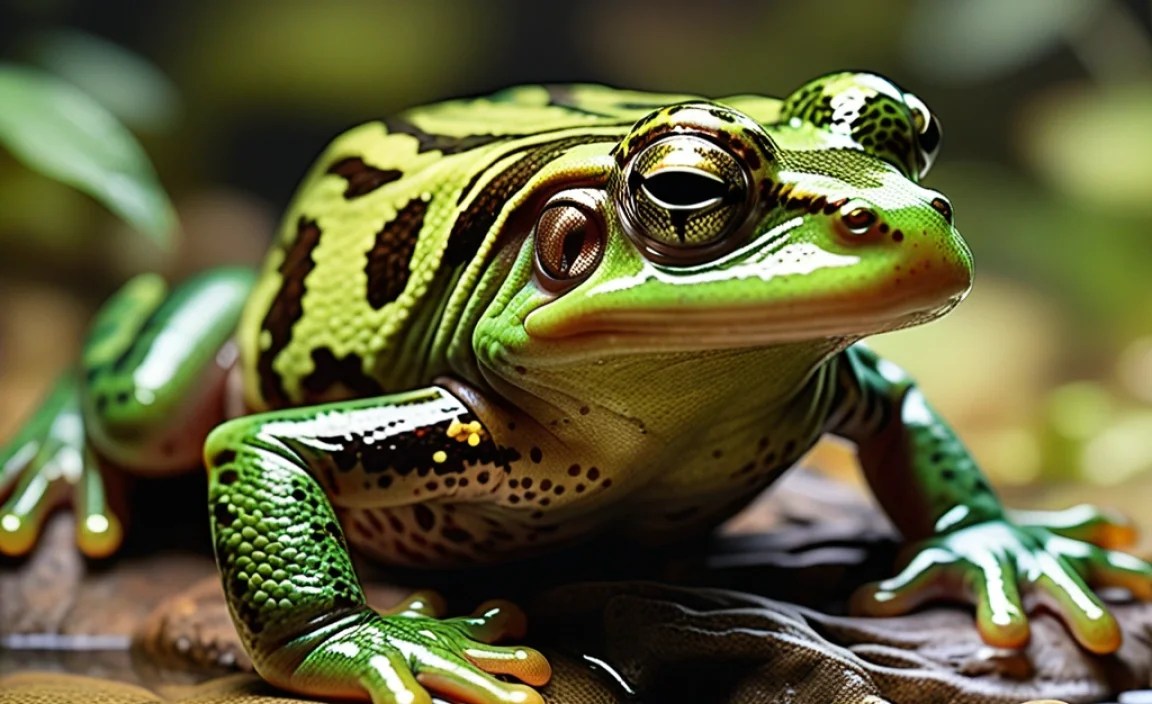
Did you know that frogs and toads sing? They make different sounds to attract mates. Each species has its own unique call. Learning these calls is a great way to identify them. This is especially useful at night when it’s harder to see them. Species identification of amphibians can be done with your ears! Some calls sound like croaks. Others sound like chirps or whistles. Some even sound like buzzing bees. You can find recordings of amphibian calls online. Listen to them and try to match them to the sounds you hear. It’s like learning a new language. The more you listen, the better you will get.
- Learn common frog and toad calls.
- Use online resources to hear calls.
- Practice matching calls to species.
- Listen at different times of the year.
- Note the location where you hear the calls.
- Use a field guide to confirm your ID.
Listening to amphibian sounds is not only helpful for identification, but it is also fun. It’s like being part of a secret conversation. You can learn a lot about their behavior by listening to their calls. For example, you can tell if they are trying to attract a mate. You can also tell if they are warning others of danger. The best time to listen is during the breeding season. This is when they are most active. Go to a pond or wetland at night. Close your eyes and listen carefully. You might be surprised at what you hear. With practice, you’ll become an expert at species identification of amphibians by sound.
Why do frogs call?
Imagine you are a frog looking for a friend. How would you find one? You would sing a song! That’s what frog calls are for. Male frogs call to attract female frogs. Each type of frog has a different song. Some songs are loud and booming. Others are soft and gentle. The females listen for the songs they like best. It’s like choosing your favorite singer. Species identification of amphibians uses these songs to tell them apart.
How do I learn the calls?
Learning frog calls is like learning a new language. You need to listen and practice. There are many ways to learn. You can find recordings online. You can also go to a pond and listen in person. Try to remember what each call sounds like. You can even make up a silly story to help you remember. For example, “The green frog says ‘plunk’ like a pebble in the water.” Soon you will be an expert at species identification of amphibians.
What if I can’t hear well?
Sometimes it’s hard to hear the calls. Maybe there is too much noise. Or maybe you don’t hear very well. That’s okay! There are other ways to identify amphibians. You can look at their colors and patterns. You can also look at where they live. Even if you can’t hear the calls, you can still learn a lot about amphibians. Species identification of amphibians is possible for everyone.
Fun Fact or Stat: Some frog calls can be heard from over a mile away!
Understanding Amphibian Habitats
Where an amphibian lives can give you clues to its identity. Some amphibians live in ponds. Others live in forests. Some live in deserts. Each species has its preferred habitat. Knowing where to look can help you narrow down the possibilities. For example, if you find a salamander in a dry forest, it is probably a certain type of salamander. If you find a frog in a fast-moving stream, it is probably a different type of frog. The habitat tells you what kind of conditions the amphibian likes. It tells you what kind of food it eats. This is important for species identification of amphibians. Pay attention to the surroundings.
- Identify the type of habitat (pond, forest, etc.).
- Consider the elevation and climate.
- Look for specific features like rocks or logs.
- Check for water sources like streams or puddles.
- Note the types of plants in the area.
- Think about what food is available there.
Understanding amphibian habitats is also important for conservation. If we know where they live, we can protect their homes. Many amphibian habitats are being destroyed by human activities. This is why it is important to learn about them and protect them. You can help by planting native plants in your yard. You can also help by reducing pollution. Even small actions can make a big difference. Learning about habitats is a key part of species identification of amphibians and conservation. The more we know, the better we can protect these amazing creatures.
Do all frogs live in water?
Not all frogs live in water all the time. Some frogs live in trees. Some live underground. Some only go to the water to lay eggs. The habitat they live in depends on the type of frog. Tree frogs have sticky toes to help them climb. Burrowing frogs have strong legs for digging. Understanding where they live helps with species identification of amphibians. It tells you about their lifestyle.
What about salamanders?
Salamanders also live in different habitats. Some live in streams and ponds. Others live in damp forests. Some even live in caves. They need moist places to keep their skin wet. Salamanders that live in water have gills to breathe. Salamanders that live on land breathe through their skin. The habitat tells you a lot about how they survive. This helps with species identification of amphibians.
Why is habitat important for conservation?
Imagine your home is destroyed. Where would you go? Amphibians need their habitats to survive. When we destroy their habitats, we put them in danger. Protecting habitats is important for saving amphibians. We can do this by reducing pollution. We can also protect forests and wetlands. By protecting their homes, we help them survive. This supports species identification of amphibians, as it helps scientists study them in their natural environment.
Fun Fact or Stat: Some amphibians can survive being frozen solid in the winter!
Using Field Guides for Identification
A field guide is like a cheat sheet for species identification of amphibians. It has pictures and descriptions of different species. It also has information about their habitats and calls. You can use a field guide to compare the amphibian you found to the pictures in the book. Look at the colors, patterns, and shapes. Read the descriptions to learn about its habitat and behavior. Listen to the calls if you can. Field guides are a great resource for learning about amphibians. They can help you become an expert in no time. There are field guides for different regions. Make sure you use one that is specific to your area.
- Choose a field guide for your region.
- Compare your amphibian to the pictures.
- Read the descriptions carefully.
- Listen to the recorded calls.
- Note the habitat information.
- Use the key to narrow down possibilities.
- Don’t be afraid to ask for help.
Field guides are not just for experts. They are for anyone who wants to learn about nature. They can help you identify plants, animals, and even rocks. Using a field guide is a fun way to explore the world around you. It can also help you appreciate the diversity of life on Earth. So, grab a field guide and go outside. See what you can find. You might be surprised at what you discover. With a field guide, species identification of amphibians becomes much easier and more enjoyable.
What is a field guide?
A field guide is a book that helps you identify things in nature. It has pictures and descriptions of different species. It also has information about where they live and what they eat. Field guides are like treasure maps to the natural world. They help you find and understand the creatures around you. They make species identification of amphibians more accessible.
How do I use a field guide?
Using a field guide is easy. First, find the right guide for your area. Then, look for the animal you want to identify. Compare the pictures in the book to the animal you see. Read the descriptions carefully. Pay attention to the details. If you are not sure, ask someone for help. With practice, you will become a pro at using a field guide. You’ll master species identification of amphibians.
Where can I get a field guide?
You can buy field guides at bookstores and nature centers. You can also find them online. Some field guides are free to download. Look for field guides that are specific to your region. This will help you identify the animals in your area. A good field guide is an important tool for species identification of amphibians. It’s an investment in your knowledge of nature.
Fun Fact or Stat: The first field guides were created to help bird watchers identify different species of birds.
Amphibian Conservation Status
Many amphibians are in trouble. Their populations are declining around the world. This is because of habitat loss, pollution, and disease. Some species are even close to extinction. It’s important to know which species are at risk. This helps us focus our conservation efforts. The conservation status tells us how likely a species is to disappear. Some species are listed as endangered. This means they are in danger of becoming extinct. Others are listed as threatened. This means they are likely to become endangered soon. Knowing the conservation status is important for species identification of amphibians and for protecting them.
- Learn about the conservation status of local amphibians.
- Understand the threats they face.
- Support conservation efforts in your area.
- Reduce your impact on their habitats.
- Educate others about amphibian conservation.
- Report any unusual sightings to experts.
We can all help protect amphibians. We can reduce pollution by using less plastic. We can protect their habitats by planting native plants. We can also support organizations that are working to conserve amphibians. Even small actions can make a big difference. By learning about amphibians and their conservation status, we can become better stewards of the environment. Understanding their needs is the first step towards species identification of amphibians and ensuring their survival for future generations.
What are the main threats to amphibians?
Amphibians face many threats. Habitat loss is a big one. When we destroy forests and wetlands, we take away their homes. Pollution is another threat. Pesticides and other chemicals can poison them. Disease is also a problem. A fungus called chytrid is killing amphibians around the world. These threats are making it hard for them to survive. This makes species identification of amphibians even more critical for conservation efforts.
How can I help protect amphibians?
There are many ways to help. You can reduce pollution by using less plastic. You can plant native plants in your yard. You can also support organizations that are working to conserve amphibians. Educate your friends and family about the importance of amphibians. Even small actions can make a big difference. Your efforts support species identification of amphibians because a thriving population is easier to study.
Why are amphibians important?
Amphibians are important for many reasons. They eat insects, which helps control pests. They are also a food source for other animals. They are an important part of the food web. Amphibians are also indicators of environmental health. If amphibians are disappearing, it means something is wrong with the environment. Their presence is a good sign. Their absence is a warning. Species identification of amphibians is crucial for understanding their role in the ecosystem.
Fun Fact or Stat: Amphibians are more threatened than birds or mammals!
Photographing Amphibians for Identification
Taking pictures is a great way to document your amphibian sightings. It can also help you identify them later. Get as close as you can without disturbing the animal. Try to get a clear picture of its back, sides, and head. Note the colors, patterns, and any unique features. You can use your pictures to compare the amphibian to pictures in a field guide. You can also share your pictures with experts online. They can help you identify the species. Good photos are essential for species identification of amphibians, especially when the animal is gone.
- Take clear, well-lit photos.
- Capture different angles of the amphibian.
- Focus on key features like skin and eyes.
- Include a size reference in the photo.
- Record the location and date of the photo.
- Organize your photos for easy reference.
Remember to be respectful when photographing amphibians. Do not disturb their habitat. Do not stress them out. Use a telephoto lens if you need to get close. Avoid using flash photography, as it can harm their eyes. Take only pictures and leave only footprints. By following these guidelines, you can help protect amphibians while also learning about them. You can also use your photos to educate others about these amazing creatures. Taking photos helps with species identification of amphibians and supports conservation efforts by providing valuable data.
What makes a good amphibian photo?
A good photo is clear and in focus. It shows the amphibian’s key features. It also includes a size reference, like a coin or a ruler. The photo should be well-lit, but not too bright. Avoid using flash if possible. The best photos show the amphibian in its natural habitat. The better the photo, the easier it is to conduct species identification of amphibians.
How can I share my photos?
You can share your photos online. There are many websites and apps for sharing nature photos. You can also share them with local experts. They can help you identify the species. Sharing your photos helps build a database of amphibian sightings. This information can be used for conservation efforts. Sharing supports species identification of amphibians by creating a community of learners.
Can I use my phone to take photos?
Yes, you can use your phone to take photos. Most phones have good cameras these days. Just make sure the photo is clear and in focus. Get as close as you can without disturbing the animal. Use the zoom feature if you need to. Remember to record the location and date of the photo. Phone photos are great for species identification of amphibians when you are in the field.
Fun Fact or Stat: Some cameras have a “macro” mode that is perfect for taking close-up photos of amphibians!
Comparing Amphibian Species
Sometimes, two different species look very similar. This can make identification tricky. That’s where comparing them side-by-side can help. Pay close attention to the small details. Look at the patterns on their skin. Note the shape of their eyes. Listen to their calls. Compare their habitats. Even tiny differences can be clues. Use a field guide to help you compare. Look at the descriptions and pictures carefully. With practice, you’ll become better at spotting the differences. Careful comparison is key to accurate species identification of amphibians.
| Feature | American Toad | Fowler’s Toad |
|---|---|---|
| Skin | Warty, with 1-2 warts per spot | Warty, with 3-5 warts per spot |
| Chest Spot | Usually has spots | Usually no spots |
| Cranial Crest | Present | Absent |
| Call | Long, musical trill | Short, nasal “wauk” |
- Compare key features side-by-side.
- Note differences in skin texture.
- Listen carefully to their calls.
- Observe their behavior and movement.
- Consider their preferred habitats.
- Use a comparison chart in your field guide.
Remember, even experts can make mistakes. Don’t be discouraged if you are not sure. The most important thing is to keep learning and exploring. The more you observe, the better you will become at species identification of amphibians. You can also ask for help from experts online or at your local nature center. They can provide valuable insights and guidance. Learning to compare species is a skill that will help you become a better naturalist and conservationist.
What are some common look-alikes?
Some frogs and toads look very similar. For example, the American toad and Fowler’s toad can be hard to tell apart. Some salamanders also look alike. The red-backed salamander and the lead-backed salamander are two examples. Pay close attention to the details to tell them apart. Accurate species identification of amphibians requires careful observation.
How can I tell the difference?
Use a field guide to compare the two species. Look at the pictures and read the descriptions carefully. Pay attention to the key features. Note the differences in their skin, eyes, and calls. Also, consider their habitats. One species might prefer a wetter habitat than the other. Knowing the differences is critical for species identification of amphibians.
What if I’m still not sure?
If you are still not sure, it’s okay to ask for help. Share your photos with experts online. Visit your local nature center. Talk to a naturalist. They can help you identify the species. Don’t be afraid to admit that you don’t know. Learning is a process. Even experts make mistakes. The goal is to improve your knowledge of species identification of amphibians.
Fun Fact or Stat: Some amphibians can change color to blend in with their surroundings!
Summary
Species identification of amphibians is a fun and important skill. It helps us learn about the amazing creatures that live around us. It also helps us protect them. We can identify amphibians by looking at their colors, patterns, and shapes. We can also listen to their calls and observe their habitats. Field guides are a great resource for learning about amphibians. They have pictures and descriptions of different species. Remember to be respectful when observing amphibians. Do not disturb their habitat or stress them out.
Many amphibians are in trouble because of habitat loss and pollution. We can all help protect them by reducing pollution and supporting conservation efforts. By learning about amphibians and their conservation status, we can become better stewards of the environment. Learning about habitats, sounds, and look-alikes also helps. With practice, you can become an expert at telling amphibians apart.
Conclusion
Learning about amphibians is a rewarding experience. It connects you to the natural world. It also helps you understand the importance of conservation. By using your eyes, ears, and a field guide, you can identify different species. Remember to respect their habitats. Protecting amphibians is important for the health of our planet. Keep learning and exploring. You will improve your skills at species identification of amphibians.
Frequently Asked Questions
Question No 1: What is an amphibian?
Answer: An amphibian is a type of animal that lives part of its life in water and part on land. Frogs, toads, salamanders, and newts are all amphibians. They have smooth, moist skin that helps them breathe. Many amphibians start their lives as larvae in the water. They then change into adults that can live on land. Learning about amphibians is the first step in species identification of amphibians.
Question No 2: Why is it important to identify amphibians?
Answer: It is important for several reasons. First, it helps us understand the biodiversity in our area. Second, it helps us monitor their populations. Third, it helps us protect them from threats like habitat loss and pollution. Fourth, it allows scientists to study their behavior and ecology. Species identification of amphibians is essential for conservation efforts. It allows us to target our resources effectively and ensure their survival.
Question No 3: What are some tools I can use to identify amphibians?
Answer: There are several tools you can use. A field guide is a great resource. It has pictures and descriptions of different species. You can also use online resources, like websites and apps. Binoculars can help you see them more clearly. A camera can help you document your sightings. Finally, your ears can help you identify them by their calls. Proper use of these tools contributes to accurate species identification of amphibians.
Question No 4: How can I tell the difference between a frog and a toad?
Answer: Frogs and toads are both amphibians, but they have some key differences. Frogs usually have smooth, moist skin and long legs for jumping. Toads usually have bumpy, dry skin and short legs for hopping. Frogs also tend to live closer to water than toads. However, there are exceptions to these rules. Careful observation is key to species identification of amphibians.
Question No 5: What should I do if I find an amphibian that I can’t identify?
Answer: First, take a picture of it. Note its size, color, and any unique features. Also, note the location where you found it. Then, share your picture and information with experts online or at your local nature center. They can help you identify the species. Don’t be afraid to ask for help. Species identification of amphibians can be challenging, even for experts.
Question No 6: How can I help protect amphibians in my area?
Answer: There are many things you can do. You can reduce pollution by using less plastic and avoiding pesticides. You can protect their habitats by planting native plants and avoiding development in wetlands. You can also support organizations that are working to conserve amphibians. Educate others about the importance of amphibians. Every effort helps ensure the success of species identification of amphibians and conservation.


