
Asian Butterfly Specimen Collections: A Powerful Guide

Have you ever seen a butterfly? Butterflies are beautiful. They fly around in gardens. Some people collect them. These people create Asian butterfly specimen collections. These collections can teach us a lot.
Some collections are very old. They hold rare butterflies. Imagine finding a butterfly. It has colors you have never seen. That is why people like Asian butterfly specimen collections.
Key Takeaways
- Asian butterfly specimen collections preserve different types of butterflies for study.
- These collections help us learn about nature and butterfly habitats.
- Scientists use them to study how butterflies change over time.
- Collecting butterflies can teach us about caring for our world.
- You can see amazing butterfly colors and patterns in these collections.
Exploring Asian Butterfly Specimen Collections
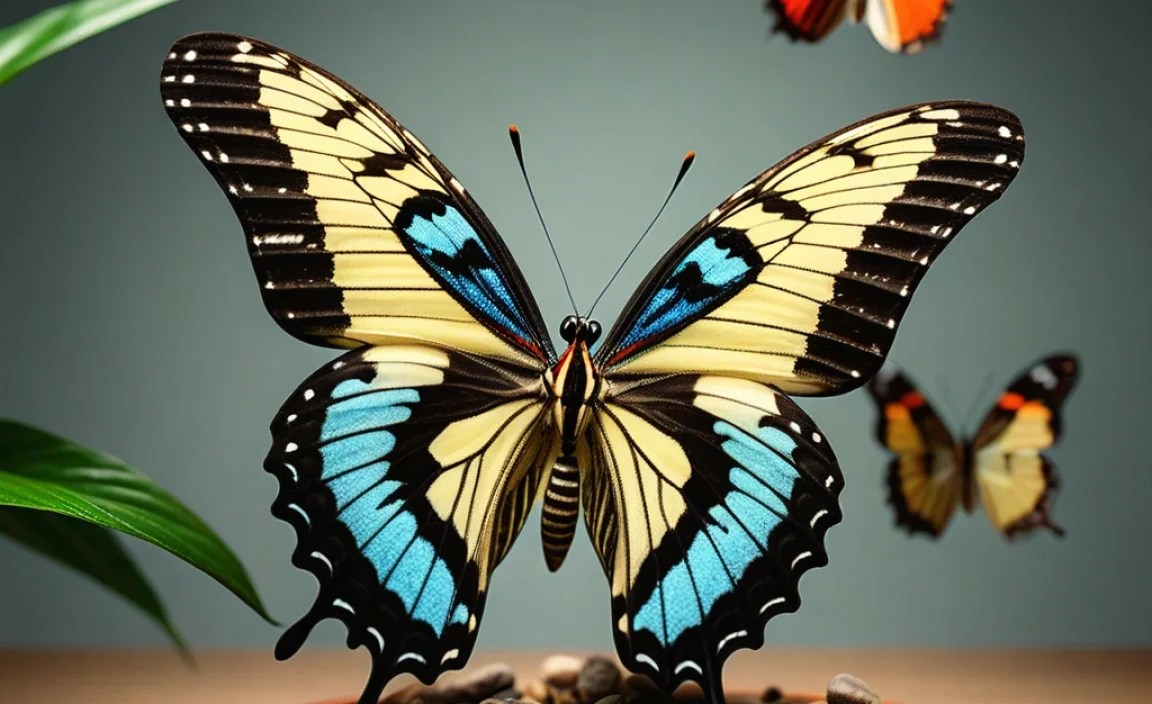
Asian butterfly specimen collections are like time capsules. They hold butterflies from long ago. These collections show us what lived in the past. Scientists use them to learn about the world. The collections help us understand how things change. Butterflies are very sensitive. They are affected by changes to their homes. By studying these collections, we can learn how to protect butterflies. We can also learn how to protect other animals. It is important to keep our planet healthy. Butterflies show us the health of our planet. When butterflies are healthy, our planet is healthy. These collections are important for future generations. They allow people to see butterflies that may not exist anymore. They remind us to take care of our world. It is our job to protect these beautiful creatures. We must keep their homes safe and clean.
- Collections show butterflies from different times.
- Scientists study changes in butterfly wings.
- Collections help us protect butterfly homes.
- Butterflies tell us about the Earth’s health.
- Old collections show butterflies that are rare.
These collections are not just about butterflies. They are also about history. Each butterfly has a story. The collector also has a story. Some collections were started long ago. People traveled far to find butterflies. They wanted to learn about nature. They wanted to share their knowledge. These collections are a gift. They are a gift from the past. They teach us about the world. They teach us about ourselves. We must take care of these collections. We must also take care of the butterflies. We must protect our planet for future generations. These collections help us do that. They are a reminder of what we can lose.
Fun Fact or Stat: The oldest butterfly collection is over 200 years old!
Why Are Collections Important?
Have you ever wondered why people collect things? Some people collect stamps. Others collect coins. Some people even collect butterflies. Butterfly collections are important. They help us learn about butterflies. They also help us learn about the world. These collections show us different kinds of butterflies. Some butterflies are big. Some are small. Some have bright colors. Some have dull colors. By studying these collections, we can learn about butterfly habitats. We can learn about what they eat. We can learn about how they live. We can also learn about how they change. Butterfly collections are like libraries. They hold information about the past. They help us understand the present. They also help us plan for the future. We must protect these collections. They are important for science. They are important for education. They are important for our world.
How Do Scientists Use Collections?
Imagine you are a scientist. You want to study butterflies. Where do you start? You might start with a butterfly collection. Scientists use collections to learn about butterflies. They study the butterfly wings. They look at the colors. They measure the size. They also study the butterfly bodies. Scientists can learn about where the butterflies lived. They can learn about what they ate. They can also learn about how the butterflies changed over time. Collections are like puzzle pieces. They help scientists put together the big picture. The big picture is about butterflies. It is also about the world. Scientists use collections to protect butterflies. They use collections to protect our planet. They learn from the past to help the future.
What Can We Learn From Butterflies?
Butterflies are amazing creatures. They start as caterpillars. Then they turn into butterflies. This change is called metamorphosis. Butterflies teach us about change. They teach us about beauty. They also teach us about nature. Butterflies are very sensitive to their environment. They are affected by pollution. They are affected by climate change. By studying butterflies, we can learn about these problems. We can also learn about how to solve them. Butterflies are like messengers. They tell us about the health of our planet. When butterflies are healthy, our planet is healthy. When butterflies are not healthy, our planet is not healthy. We must listen to the butterflies. We must protect them. We must protect our planet. They need our help to survive.
Building an Asian Butterfly Collection

Building Asian butterfly specimen collections takes time. It also takes patience. You need to know about butterflies. You need to know where to find them. You also need to know how to catch them. Catching butterflies should be done carefully. You don’t want to hurt them. You need special tools. You need a net. You need pins. You also need a display case. Once you have the butterflies, you need to identify them. This means finding out their names. You can use books to help you. You can also use the internet. It is important to keep good records. Write down where you found each butterfly. Write down when you found it. This information is important for science. It is also important for your collection. Your collection will become a valuable resource. It will teach others about butterflies. It will also teach them about the world. Remember to respect nature. Always be careful when collecting butterflies.
- Learn about butterflies before you start.
- Use a net to catch butterflies gently.
- Pin butterflies carefully to display them.
- Keep records of where and when you found them.
- Identify each butterfly using books or the internet.
- Respect nature and be careful while collecting.
Collecting butterflies can be a fun hobby. It can also be educational. You can learn a lot about nature. You can also learn about science. It is important to collect responsibly. Don’t collect too many butterflies. Don’t collect rare butterflies. Make sure you have permission to collect in the area. Some areas are protected. You can’t collect butterflies there. Always follow the rules. Be a good steward of the environment. Teach others about butterflies. Share your knowledge. Inspire others to care about nature. Your collection can make a difference. It can help protect butterflies. It can help protect our planet. Remember, every little bit helps. Even a small collection can be valuable.
Fun Fact or Stat: Some butterfly collectors donate their collections to museums!
What Tools Do You Need?
Imagine you want to build a house. You need tools. You need a hammer. You need a saw. You also need nails. Collecting butterflies is the same. You need tools. You need a net. This helps you catch the butterflies. You need pins. These hold the butterflies in place. You need a spreading board. This helps you display the wings nicely. You also need a display case. This protects the butterflies from damage. These tools are important. They help you collect butterflies safely. They also help you preserve them for the future. Take care of your tools. Keep them clean. Store them properly. They will last longer. They will help you build a great collection. Remember, the right tools make all the difference.
How Do You Identify Butterflies?
Have you ever seen a butterfly and wondered what it was? Identifying butterflies can be tricky. There are many different kinds. They all look different. You need to pay attention to details. Look at the colors. Look at the patterns. Look at the size. Look at the shape. Use a field guide. This book shows pictures of different butterflies. It tells you their names. It also tells you where they live. You can also use the internet. There are many websites about butterflies. They can help you identify them. Ask an expert. Someone who knows a lot about butterflies can help you. Identifying butterflies is like solving a puzzle. It takes time. It takes practice. But it is also fun. You will learn a lot about nature. You will become a butterfly expert.
Where Can You Find Butterflies?
Butterflies live in many places. They like gardens. They like meadows. They also like forests. They need flowers. Flowers give them food. They need sunlight. Sunlight keeps them warm. Look for butterflies on sunny days. They are more active then. Walk slowly. Be quiet. Don’t scare them away. Bring a notebook. Write down what you see. Draw pictures. This will help you remember. It will also help you learn. Respect the environment. Don’t damage plants. Don’t leave trash. Leave the area as you found it. Finding butterflies is like going on a treasure hunt. You never know what you will find. Be patient. Be observant. Enjoy the beauty of nature. You will discover amazing things.
Protecting Asian Butterfly Specimen Collections

Asian butterfly specimen collections are valuable. They need to be protected. Pests can damage them. Bugs can eat the butterflies. Light can fade the colors. Humidity can ruin them. Keep your collection in a safe place. A cool, dry place is best. Use special display cases. These protect the butterflies from pests. They also protect them from light. Check your collection often. Look for signs of damage. If you see pests, take action. There are special treatments. These can kill the pests. They won’t hurt the butterflies. Protecting your collection is important. It preserves it for the future. It allows others to learn from it. It is a gift to the world. Take care of your butterflies. They are worth protecting.
- Store collections in cool, dry places.
- Use special display cases to protect them.
- Check collections regularly for damage.
- Treat collections for pests if needed.
- Handle specimens with care to prevent damage.
Cleaning your collection is also important. Dust can build up. This can damage the butterflies. Use a soft brush. Gently remove the dust. Be careful not to break the wings. Don’t use water. Water can ruin the butterflies. If a butterfly is damaged, you can repair it. Use special glue. Be very careful. Don’t use too much glue. Practice on a damaged butterfly first. This will help you get better. Protecting your collection is a big job. But it is worth it. You are preserving history. You are preserving science. You are preserving beauty. Your collection will inspire others. It will teach them about the world. It will show them the importance of nature. Take pride in your collection. It is a valuable resource.
Fun Fact or Stat: Museums use special freezers to kill pests in butterfly collections!
How Do You Prevent Pests?
Imagine you have a garden. You want to protect it from bugs. You use special sprays. You use traps. Protecting butterfly collections is the same. You want to prevent pests. Pests can damage the butterflies. Use special display cases. These keep pests out. Use mothballs. These repel pests. Check your collection often. Look for signs of pests. If you see pests, take action. There are special treatments. These can kill the pests. They won’t hurt the butterflies. Keep your collection clean. Dust can attract pests. Preventing pests is important. It protects your collection. It preserves it for the future. It allows others to learn from it. It is a gift to the world. Take care of your butterflies. They are worth protecting.
What If a Butterfly Is Damaged?
Have you ever broken a toy? You try to fix it. Sometimes you can. Sometimes you can’t. If a butterfly is damaged, you can try to repair it. Use special glue. Be very careful. Don’t use too much glue. Use tweezers. These help you handle the butterfly gently. Practice on a damaged butterfly first. This will help you get better. If the damage is too bad, you can’t fix it. That’s okay. You still learned something. You learned how to repair butterflies. You also learned about their delicate nature. Even a damaged butterfly can be valuable. It can still teach you about science. It can still teach you about beauty. Don’t give up. Keep learning. Keep exploring. The world of butterflies is amazing.
How Do You Handle Butterflies Safely?
Imagine you are holding a baby bird. You need to be gentle. You need to be careful. Handling butterflies is the same. They are delicate. They can be easily damaged. Wash your hands. This prevents dirt from getting on the wings. Use tweezers. These help you handle the butterfly gently. Don’t touch the wings. The oils from your skin can damage them. Hold the butterfly by the body. Be careful not to squeeze it. Work in a clean area. This prevents dust from getting on the wings. If you drop a butterfly, pick it up carefully. Check for damage. Handle butterflies with respect. They are beautiful creatures. They deserve our care. They teach us about nature. They inspire us with their beauty.
The Science Behind Asian Butterfly Specimen Collections

Asian butterfly specimen collections are not just pretty. They are also scientific. They help us learn about the world. Scientists use them to study evolution. They study how butterflies change over time. They study how butterflies adapt to their environment. The collections show us the diversity of life. They show us the beauty of nature. They also show us the importance of conservation. Many butterflies are endangered. Their homes are being destroyed. Climate change is affecting them. By studying collections, we can learn how to protect them. We can learn how to protect their habitats. We can learn how to slow down climate change. Collections are a valuable resource. They help us understand the past. They help us protect the future. They are a gift to science. They are a gift to the world.
- Collections help study butterfly evolution.
- Scientists learn how butterflies adapt.
- Collections show the diversity of life.
- They highlight the importance of conservation.
- They help protect endangered butterflies.
DNA can be extracted from butterflies. Even old butterflies. This helps scientists learn about their genes. They can learn about their ancestors. They can learn about their relationships. Collections are like libraries of DNA. They hold valuable information. This information can help us understand the world. It can help us protect the environment. It can help us improve our lives. Science is amazing. It helps us learn about everything. It helps us solve problems. It helps us create a better future. Butterfly collections are a part of science. They are a part of our world. They are worth protecting. They are worth celebrating.
Fun Fact or Stat: Scientists can extract DNA from butterflies that are over 100 years old!
What Is Butterfly Evolution?
Imagine a tree. It starts as a seed. It grows into a big tree. It changes over time. Butterfly evolution is like that. Butterflies change over time. They adapt to their environment. They develop new colors. They develop new patterns. This helps them survive. Scientists study collections to learn about evolution. They compare butterflies from different times. They see how they have changed. They learn why they have changed. Evolution is a slow process. It takes millions of years. But it is always happening. Butterflies are a great example of evolution. They show us how life changes. They show us how life adapts. They show us the power of nature.
How Do Butterflies Adapt?
Have you ever worn a coat in the winter? You adapt to the cold. Butterflies adapt too. They adapt to their environment. Some butterflies have colors that help them hide. This protects them from predators. Some butterflies have patterns that look like eyes. This scares away predators. Some butterflies can fly very fast. This helps them escape from danger. Butterflies adapt to different climates. Some butterflies can live in hot places. Some butterflies can live in cold places. They have special features. These features help them survive. Adaptation is important. It allows butterflies to live in many different places. It allows them to survive in different conditions. It shows the amazing power of nature.
Why Is Conservation Important?
Imagine a forest. It is full of trees. It is full of animals. It is full of life. Then people cut down the trees. The animals lose their homes. The forest disappears. This is what happens when we don’t conserve. Conservation means protecting nature. It means protecting our planet. It means protecting butterflies. Many butterflies are endangered. Their homes are being destroyed. Climate change is affecting them. We need to protect them. We need to protect their habitats. We need to slow down climate change. Conservation is important for all of us. It protects our planet. It protects our future. It protects the beauty of nature. We all have a role to play. We can all make a difference. We can all help protect butterflies.
Displaying Asian Butterfly Specimen Collections

Asian butterfly specimen collections look great on display. Displaying them properly is important. It protects them from damage. It also shows them off to their best advantage. Use special display cases. These protect the butterflies from pests. They also protect them from light. Arrange the butterflies carefully. Group them by type. Group them by color. Create a pleasing arrangement. Label each butterfly. Include its name. Include where it was found. Include when it was found. This information is important. It helps people learn about the butterflies. It also adds to the value of the collection. Display your collection with pride. It is a valuable resource. It is a beautiful work of art. It is a gift to the world.
- Use special display cases for protection.
- Arrange butterflies by type or color.
- Label each butterfly with its name and location.
- Create a pleasing and informative display.
- Protect the display from pests and light.
Lighting is important for displaying butterflies. Use soft light. Avoid direct sunlight. Sunlight can fade the colors. Use LED lights. These are cool. They won’t damage the butterflies. Position the lights carefully. Highlight the beauty of the wings. Create shadows. This adds depth to the display. Experiment with different lighting. See what looks best. Your display should be beautiful. It should also be informative. It should teach people about butterflies. It should inspire them to care about nature. Display your collection with passion. Share your love of butterflies. Inspire others to appreciate their beauty.
Fun Fact or Stat: Some museums use virtual reality to display butterfly collections!
How Do You Arrange Butterflies?
Imagine you are arranging flowers. You want them to look beautiful. You want them to be balanced. Arranging butterflies is the same. You want them to look beautiful. You want them to be balanced. Group them by type. This creates a sense of order. Group them by color. This creates a sense of harmony. Arrange them in a pleasing pattern. This creates a sense of movement. Use different sizes. This adds interest. Use different shapes. This adds variety. Experiment with different arrangements. See what looks best. Your arrangement should be beautiful. It should also be informative. It should teach people about butterflies. It should inspire them to care about nature. Arrange your butterflies with love. Share your passion for nature.
What Information Should You Include?
Have you ever read a book? You want to know the title. You want to know the author. You want to know the story. When you display butterflies, you need to include information. You need to include the butterfly’s name. You need to include where it was found. You need to include when it was found. You can also include other information. You can include its size. You can include its habitat. You can include its diet. This information is important. It helps people learn about the butterflies. It also adds to the value of the collection. Use labels. Write clearly. Use a font that is easy to read. Place the labels near the butterflies. Make sure they are easy to see. Your display should be informative. It should also be beautiful. It should teach people about nature. It should inspire them to care about the world.
How Do You Protect the Display From Damage?
Imagine you have a painting. You want to protect it from damage. You frame it. You hang it in a safe place. Protecting your butterfly display is the same. You want to protect it from damage. Use a display case. This protects the butterflies from pests. It also protects them from light. Keep the display in a cool, dry place. This prevents mold from growing. Check the display often. Look for signs of damage. If you see damage, take action. Repair the damage. Prevent further damage. Protecting your display is important. It preserves your collection. It allows others to learn from it. It shows your respect for nature. It inspires others to care about the world. Take care of your display. It is a valuable resource. It is a beautiful work of art.
The Value of Asian Butterfly Specimen Collections
Asian butterfly specimen collections have value. They have scientific value. They help us learn about the world. They have educational value. They teach us about nature. They have aesthetic value. They are beautiful to look at. They also have historical value. They show us what the world was like in the past. Some collections are very old. They are very rare. They are very valuable. These collections are important for museums. They are important for schools. They are important for researchers. They are important for everyone. They teach us about the beauty of nature. They teach us about the importance of conservation. They inspire us to care about our planet. Collections are a gift. They are a gift from the past. They are a gift for the future. We must protect them. We must cherish them. We must share them with the world.
| Type of Value | Description | Example |
|---|---|---|
| Scientific | Helps us learn about butterfly evolution and adaptation. | Studying wing patterns to understand camouflage. |
| Educational | Teaches us about different butterfly species and habitats. | Learning about the life cycle of a Monarch butterfly. |
| Aesthetic | Provides visual beauty and appreciation of nature. | Admiring the vibrant colors of a Peacock butterfly. |
| Historical | Shows us what butterfly populations were like in the past. | Comparing old specimens to current populations. |
Collections can be used for research. Scientists can study them. They can learn about butterfly populations. They can learn about climate change. They can learn about pollution. The collections provide valuable data. This data can help us protect butterflies. It can help us protect our planet. Collections can also be used for education. Teachers can use them in the classroom. Students can learn about butterflies. They can learn about nature. They can learn about science. The collections make learning fun. They make learning engaging. They inspire students to care about the world. Collections are a valuable resource. They are a valuable tool. They are a valuable gift.
Fun Fact or Stat: Some butterfly collections are worth millions of dollars!
How Do Collections Help Research?
Imagine you are a detective. You need to solve a crime. You look for clues. You gather evidence. Butterfly collections are like clues. They help scientists solve mysteries. They help them understand the world. They can study butterfly populations. They can study climate change. They can study pollution. The collections provide valuable data. This data can help us protect butterflies. It can help us protect our planet. Research is important. It helps us learn. It helps us grow. It helps us create a better future. Butterfly collections are a part of research. They are a part of our world. They are worth protecting. They are worth celebrating.
How Do Collections Aid Education?
Have you ever been to a museum? You learn about history. You learn about art. You learn about science. Butterfly collections are like museums. They teach us about butterflies. They teach us about nature. They teach us about science. Teachers can use them in the classroom. Students can learn about butterflies. They can learn about their life cycle. They can learn about their habitats. The collections make learning fun. They make learning engaging. They inspire students to care about the world. Education is important. It helps us grow. It helps us learn. It helps us create a better future. Butterfly collections are a part of education. They are a part of our world. They are worth protecting. They are worth celebrating.
Why Are Old Collections Important?
Imagine you have a diary. It is from your great-grandmother. It tells you about her life. It tells you about the past. Old butterfly collections are like diaries. They tell us about the past. They show us what the world was like. They show us what butterflies lived. They show us how they lived. They provide valuable information. This information can help us understand the present. It can help us protect the future. Old collections are rare. They are valuable. They are worth protecting. They are worth celebrating. They are a gift from the past. They are a gift for the future. We must cherish them. We must share them with the world. They teach us about the beauty of nature. They teach us about the importance of conservation. They inspire us to care about our planet.
Summary
Asian butterfly specimen collections are important for many reasons. They help scientists study butterflies. They teach us about nature. They show us the beauty of the world. Collecting butterflies can be a fun hobby. It can also be educational. It is important to collect responsibly. Don’t collect too many butterflies. Don’t collect rare butterflies. Make sure you have permission to collect. Protecting your collection is important. It preserves it for the future. It allows others to learn from it. These collections are a valuable resource. They are a valuable tool. They are a valuable gift. They can inspire us to care about the planet. They can help us protect the future.
Conclusion
Butterflies are beautiful and important. Asian butterfly specimen collections help us learn about them. They show us how butterflies change. They teach us about nature. We must protect these collections. We must also protect butterflies in the wild. By learning about them, we can help them survive. We can also make our world a better place. Every little bit helps. Let’s all do our part to protect butterflies.
Frequently Asked Questions
Question No 1: What is an Asian butterfly specimen collection?
Answer: An Asian butterfly specimen collection is a group of butterflies. People collect them for science. They also collect them for fun. These collections show different kinds of butterflies. They can be from all over Asia. Some collections are very old. Some are very new. Scientists use them to learn about butterflies. They study how butterflies change. They study where butterflies live. They also study how to protect butterflies. These collections are important for science and education. They help us understand the world better. That is why people collect butterflies.
Question No 2: Why do people collect butterflies?
Answer: People collect butterflies for many reasons. Some people like the beauty of butterflies. They enjoy looking at them. Some people want to learn about nature. Butterflies can teach us a lot. They show us how animals adapt. They show us how the environment changes. Scientists use Asian butterfly specimen collections to study butterflies. They learn about their habits. They learn about their history. They also learn about their future. Collecting butterflies can be a fun hobby. It can also be a way to help science. It is important to collect responsibly. Don’t collect too many butterflies.
Question No 3: How do you start a butterfly collection?
Answer: Starting a butterfly collection is easy. First, learn about butterflies. Find out what kinds live near you. Then, get the right tools. You need a net to catch butterflies. You need pins to display them. You also need a display case. Catch butterflies carefully. Don’t hurt them. Pin them carefully. Label each butterfly with its name. Also, write down where you found it. Keep your collection in a safe place. Protect it from pests and light. Remember, collecting Asian butterfly specimen collections should be fun. You can learn a lot about nature. You can also share your knowledge with others.
Question No 4: How do scientists use butterfly collections?
Answer: Scientists use butterfly collections in many ways. They study the butterflies’ wings. They look at the colors and patterns. They measure the size of the butterflies. They also study the butterflies’ bodies. Scientists can learn about where the butterflies lived. They can learn about what they ate. They can also learn about how the butterflies changed over time. Asian butterfly specimen collections are like libraries of information. They help scientists understand the world. They help them protect butterflies. They also help them protect our planet. These collections are very important for science.
Question No 5: What are the benefits of studying Asian butterfly specimen collections?
Answer: Studying Asian butterfly specimen collections has many benefits. We can learn about different kinds of butterflies. We can learn about their habitats. We can also learn about how they change over time. These collections help us understand the environment. They also help us protect it. Butterflies are very sensitive to changes. By studying them, we can learn about pollution. We can learn about climate change. We can also learn how to solve these problems. These collections are important for education. They are important for science. They are also important for our future.
Question No 6: How can I help protect butterflies?
Answer: There are many ways to help protect butterflies. You can plant flowers that butterflies like. This gives them food. You can avoid using pesticides. These can hurt butterflies. You can also protect their habitats. Don’t destroy forests or meadows. Support organizations that protect butterflies. Learn about butterflies and share your knowledge. Even small actions can make a big difference. Remember, butterflies are important. They are beautiful. They are also a part of our world. We must protect them. You can also visit museums that hold Asian butterfly specimen collections and learn more about them.


