
Identify Butterflies by Color: The Ultimate Guide

Quick Summary: Identifying butterflies by color can be a fun and easy way to start your butterfly journey! Begin by noting the dominant color, patterns, and size of the butterfly. Use online resources like Butterfly Identification guides or field guides, focusing on sections dedicated to butterflies of that specific color. Pay attention to details such as wing shape, markings, and location to narrow down the possibilities and accurately identify the butterfly.
Have you ever been captivated by the sight of a butterfly flitting through your garden, its wings a vibrant splash of color? It’s a common experience, and it often leaves us wondering, “What kind of butterfly is that?” Identifying butterflies can seem tricky, but it doesn’t have to be! One of the easiest ways to start is by focusing on the colors you see. It’s like having a secret code to unlock the mystery of these beautiful creatures.
This guide will walk you through the simple steps of identifying butterflies by their colors. We’ll explore how to observe key features, use helpful resources, and understand the subtle clues that each butterfly offers. Get ready to transform your garden walks into exciting butterfly discoveries!
Identifying Butterflies by Color: A Step-by-Step Guide

Identifying butterflies by their color is a great starting point. Here’s how to do it:
Step 1: Observe the Butterfly Carefully
Before you reach for a guide, take a moment to truly observe the butterfly. The more details you notice, the easier it will be to identify it later.
- Dominant Color: What is the main color of the butterfly’s wings? Is it yellow, blue, orange, brown, or something else?
- Patterns and Markings: Are there spots, stripes, or bands on the wings? Note their colors and arrangement.
- Size: Is the butterfly small, medium, or large? A rough estimate is fine.
- Wing Shape: Are the wings rounded or more angular? Do they have tails or extensions?
- Behavior: How does the butterfly fly? Does it flutter quickly or glide smoothly? What flowers does it visit?
Step 2: Note the Location and Habitat
Where you see the butterfly can be a crucial clue. Different species are found in different regions and habitats. For example, some butterflies prefer forests, while others thrive in open meadows.
- Geographic Location: What state or region are you in?
- Habitat: Are you in a garden, forest, field, or near a body of water?
- Time of Year: When did you see the butterfly? Some species are only active during certain seasons.
Step 3: Use a Butterfly Identification Guide
Now it’s time to consult a butterfly identification guide. These guides come in many forms, from books to websites and apps.
- Field Guides: A physical field guide is a great resource to carry with you. Look for one specific to your region.
- Websites: Many websites offer butterfly identification tools. Some popular options include:
- Butterflies and Moths of North America: A comprehensive database with photos and information.
- USDA Forest Service Butterfly Identification: A helpful guide from the US Forest Service.
- Local butterfly websites: Search for butterfly resources specific to your state or region.
- Apps: There are many butterfly identification apps available for smartphones. These can be very convenient for identifying butterflies on the go.
Step 4: Narrow Down the Possibilities by Color
Most butterfly guides are organized by color, making it easy to find butterflies that match your initial observations. For example, if you saw a yellow butterfly, you would flip to the “Yellow Butterflies” section.
Look at the pictures and descriptions in the guide, and compare them to the butterfly you saw. Pay attention to the details you noted earlier, such as patterns, size, and wing shape.
Step 5: Consider Similar Species
Butterfly identification can be tricky because some species look very similar. Don’t be discouraged if you’re not sure which one you saw. Consider the possibilities and look for subtle differences.
- Range Maps: Check the range maps in your guide to see if the butterfly is known to occur in your area.
- Variations: Be aware that some butterflies have different color forms or variations.
- Expert Advice: If you’re still not sure, try posting a picture of the butterfly on a butterfly identification forum or asking a local expert.
Common Butterfly Colors and Examples
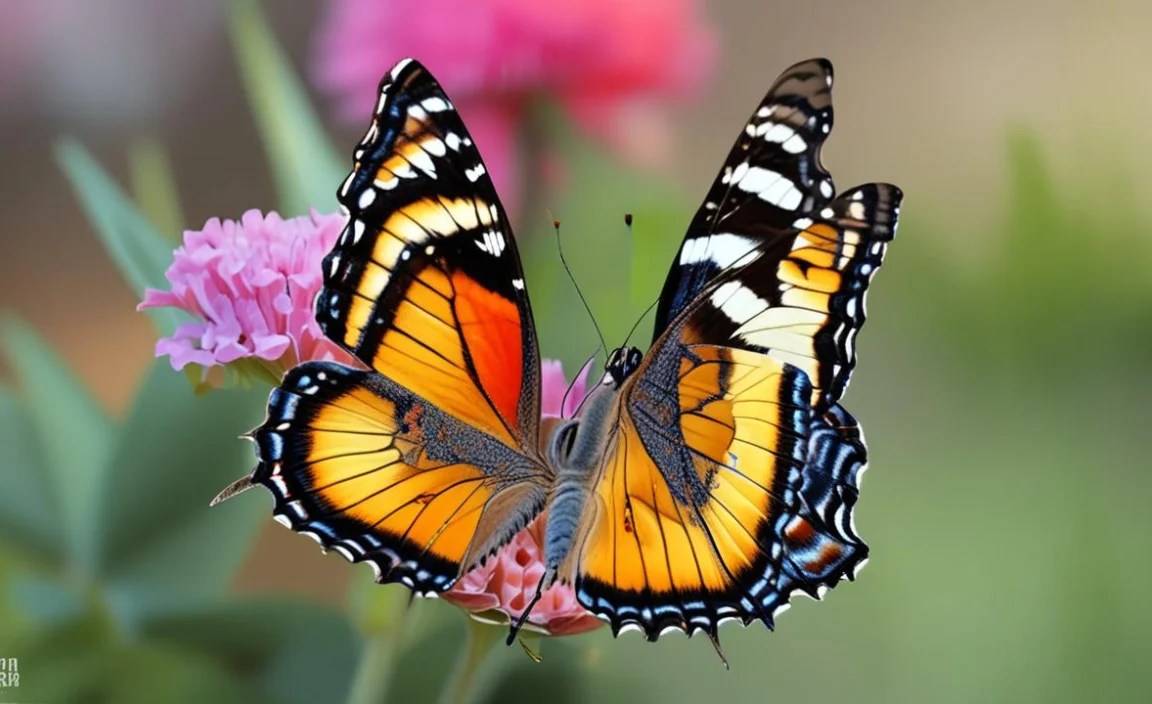
Let’s explore some common butterfly colors and examples of butterflies that exhibit those colors. This will help you get a better sense of what to look for.
Yellow Butterflies
Yellow butterflies are often associated with sunshine and happiness. They can be found in a variety of habitats, from gardens to meadows.
- Eastern Tiger Swallowtail (Papilio glaucus): A large, striking butterfly with black stripes on a yellow background. Females can also be black.
- Clouded Sulphur (Colias philodice): A common, bright yellow butterfly often seen flying in fields and along roadsides.
- Little Yellow (Eurema lisa): A small, delicate yellow butterfly with black borders on its wings.
Blue Butterflies
Blue butterflies are often associated with transformation and change. Their vibrant color makes them a favorite among butterfly enthusiasts.
- Eastern Tailed-Blue (Cupido comyntas): A small, delicate blue butterfly with a tiny tail on each hindwing.
- Spring Azure (Celastrina ladon): A small, pale blue butterfly that is one of the first butterflies to emerge in spring.
- Karner Blue (Lycaeides melissa samuelis): An endangered blue butterfly found in oak savanna habitats.
Orange Butterflies
Orange butterflies are often associated with warmth and energy. Their bright color makes them easy to spot in the garden.
- Monarch (Danaus plexippus): Perhaps the most famous butterfly in North America, known for its long migration and striking orange and black pattern.
- Viceroy (Limenitis archippus): A butterfly that mimics the Monarch, with a similar orange and black pattern but with an extra black line across the hindwing.
- Gulf Fritillary (Agraulis vanillae): A bright orange butterfly with elongated wings and silver spots on the underside.
Brown Butterflies
Brown butterflies are often overlooked, but they can be just as beautiful as their more colorful cousins. Many brown butterflies have intricate patterns and markings.
- Wood Nymph (Cercyonis pegala): A medium-sized brown butterfly with large eyespots on its wings.
- Little Wood-Satyr (Megisto cymela): A small brown butterfly with small eyespots and wavy lines on its wings.
- Common Buckeye (Junonia coenia): A brown butterfly with prominent eyespots on its wings and a distinctive orange bar.
Black Butterflies
Black butterflies often symbolize mystery and transformation. Their dark color can make them stand out in a garden.
- Black Swallowtail (Papilio polyxenes): A large, striking black butterfly with yellow spots on its wings.
- Pipevine Swallowtail (Battus philenor): A dark black butterfly with iridescent blue or green scales on its hindwings.
- Mourning Cloak (Nymphalis antiopa): A dark brown or black butterfly with a yellow border and blue spots along the edge of its wings.
Butterfly Identification Table by Color
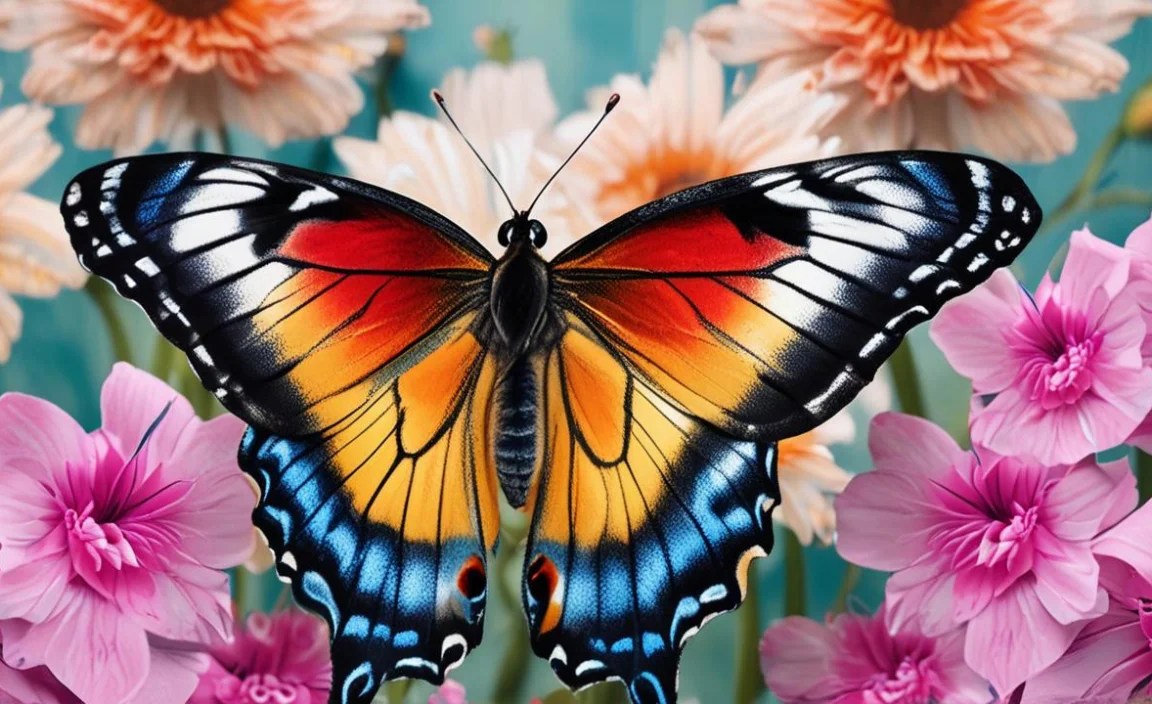
Here’s a quick reference table to help you start your butterfly identification journey based on color.
| Color | Common Butterflies | Key Features | Habitat |
|---|---|---|---|
| Yellow | Eastern Tiger Swallowtail, Clouded Sulphur, Little Yellow | Black stripes, bright yellow, black borders | Gardens, fields, roadsides |
| Blue | Eastern Tailed-Blue, Spring Azure, Karner Blue | Tiny tail, pale blue, oak savanna | Gardens, woodlands, savannas |
| Orange | Monarch, Viceroy, Gulf Fritillary | Black pattern, extra black line, silver spots | Gardens, fields, open areas |
| Brown | Wood Nymph, Little Wood-Satyr, Common Buckeye | Large eyespots, small eyespots, orange bar | Woodlands, fields, gardens |
| Black | Black Swallowtail, Pipevine Swallowtail, Mourning Cloak | Yellow spots, iridescent scales, yellow border | Gardens, woodlands, forests |
Beyond Color: Other Important Features
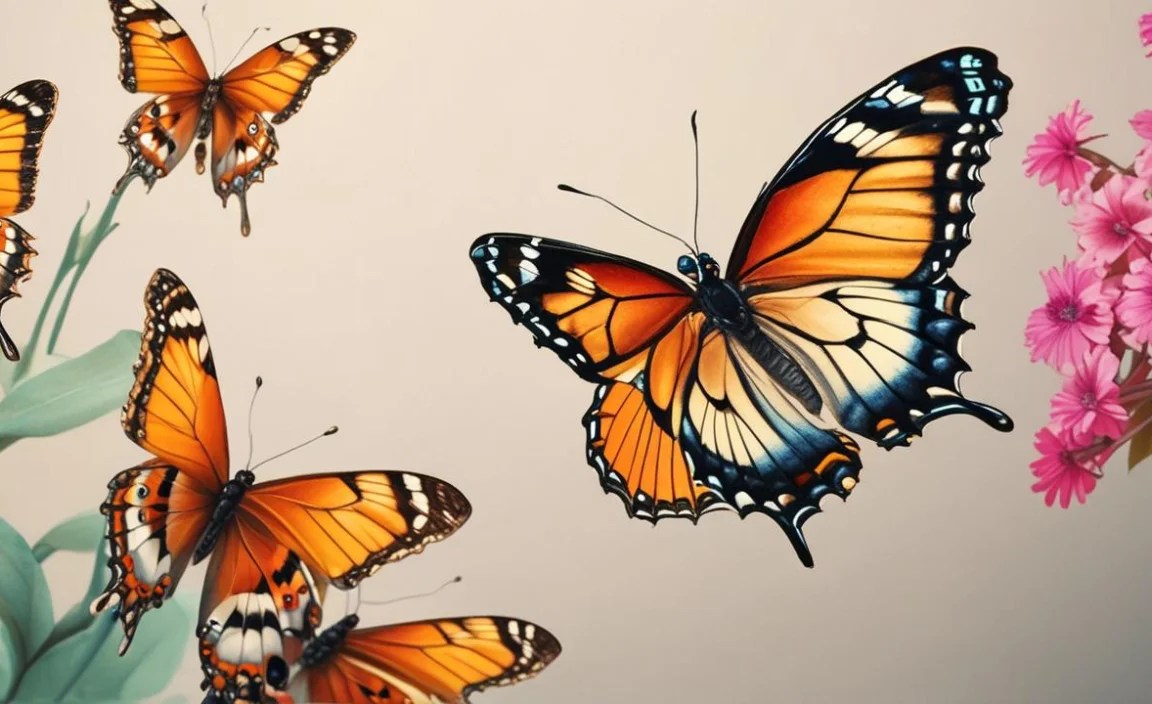
While color is a great starting point, it’s important to consider other features to accurately identify butterflies. Here are some additional characteristics to pay attention to:
Wing Shape and Size
The shape and size of a butterfly’s wings can vary greatly depending on the species. Some butterflies have rounded wings, while others have more angular or pointed wings. Some butterflies have tails or extensions on their hindwings.
- Swallowtails: Have distinctive tails on their hindwings.
- Brushfoots: Have reduced front legs, giving them the appearance of only having four legs.
- Skippers: Have a stout body and hooked antennae.
Markings and Patterns
The markings and patterns on a butterfly’s wings can be incredibly diverse. Some butterflies have spots, stripes, or bands, while others have intricate patterns that look like mosaics.
- Eyespots: Large, circular markings that resemble eyes, often used to startle predators.
- Bands: Stripes that run across the wings.
- Spots: Small, circular markings that can be arranged in various patterns.
Behavior and Habitat
A butterfly’s behavior and habitat can also provide clues to its identity. Some butterflies are very active and fly quickly, while others are more relaxed and glide slowly. Some butterflies prefer to feed on specific types of flowers, while others are more generalist feeders.
- Flight Pattern: Does the butterfly flutter quickly or glide smoothly?
- Host Plants: What plants does the butterfly lay its eggs on?
- Nectar Sources: What flowers does the butterfly visit for nectar?
Tips for Successful Butterfly Identification
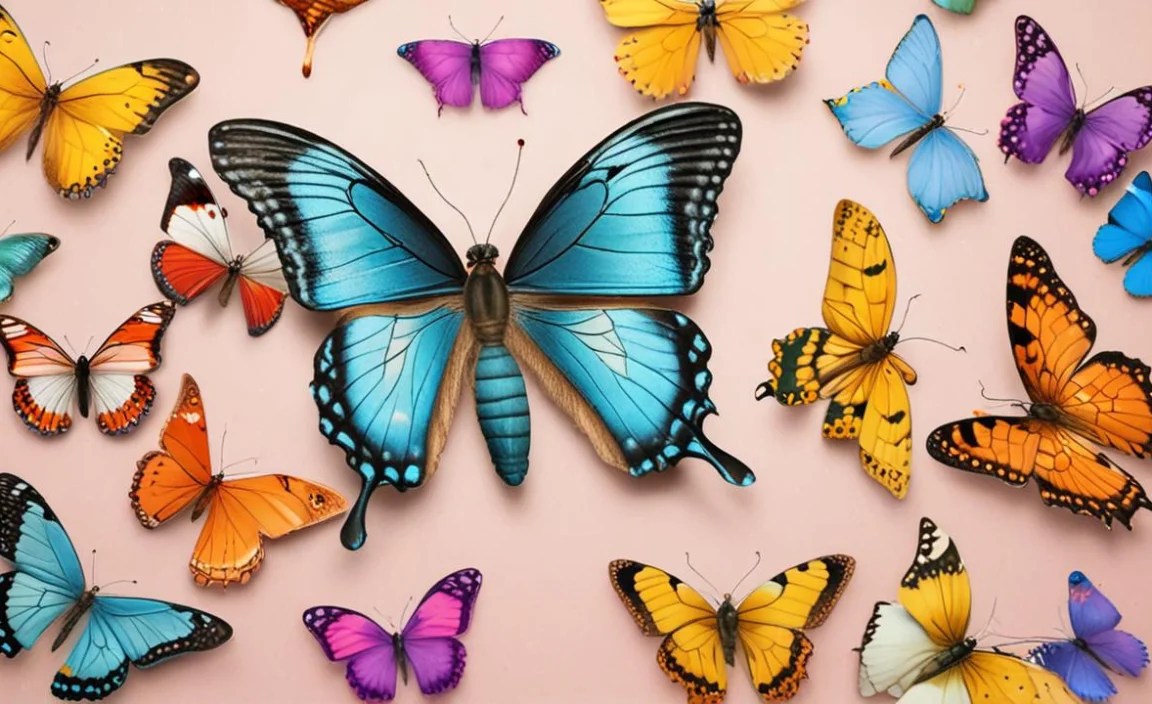
Here are a few tips to help you become a successful butterfly identifier:
- Practice Regularly: The more you observe butterflies, the better you will become at identifying them.
- Take Photos: If possible, take photos of the butterflies you see. This will allow you to study them more closely later.
- Keep a Journal: Record your butterfly sightings in a journal. Note the date, time, location, and any other relevant information.
- Join a Butterfly Club: Connect with other butterfly enthusiasts and learn from their experience.
- Be Patient: Butterfly identification can be challenging, so be patient and don’t get discouraged.
The Importance of Butterfly Identification
Identifying butterflies is not just a fun hobby; it’s also an important way to contribute to conservation efforts. By learning about the butterflies in your area, you can help track their populations and identify potential threats.
Butterflies are important pollinators, and they play a vital role in the ecosystem. They are also sensitive to changes in their environment, making them valuable indicators of environmental health. By monitoring butterfly populations, we can gain insights into the overall health of our planet.
FAQ About Butterfly Identification
Here are some frequently asked questions about butterfly identification:
1. What is the best way to start identifying butterflies?
Start by noting the butterfly’s color, size, and any distinctive markings. Then, check a local butterfly field guide or website to narrow down the possibilities.
2. Are there any good apps for butterfly identification?
Yes, many apps are available, such as iNaturalist and Picture Insect. These apps use image recognition to help identify butterflies from photos.
3. How can I attract more butterflies to my garden?
Plant a variety of nectar-rich flowers and host plants for caterpillars. Avoid using pesticides, and provide a water source.
4. What is a host plant?
A host plant is a specific plant species that a butterfly caterpillar needs to feed on to grow and develop.
5. Why are butterflies important?
Butterflies are important pollinators and play a crucial role in the ecosystem. They also serve as indicators of environmental health.
6. What should I do if I find an injured butterfly?
Gently move the butterfly to a safe, sheltered location. You can offer it a sugar-water solution (one part sugar to four parts water) on a cotton ball.
7. How can I tell the difference between a butterfly and a moth?
Butterflies typically have slender bodies, clubbed antennae, and hold their wings upright when at rest. Moths usually have thicker bodies, feathery antennae, and hold their wings flat.
Conclusion
Identifying butterflies by color is an engaging and rewarding way to connect with nature. By following these steps and using the resources available, you can unlock the secrets of these beautiful creatures and deepen your appreciation for the natural world. Remember to observe carefully, consult reliable guides, and be patient as you learn. Each butterfly you identify is a small victory, a step towards understanding the intricate web of life around us.
So, grab your field guide, step outside, and start exploring the colorful world of butterflies! Happy butterflying!


