
Species Identification for Landscape Assessment: A Smart Guide

Do you love exploring nature? Have you ever wondered what those plants and animals are called? Knowing their names helps us understand the world around us. It also helps us take care of it. Species identification for landscape assessment is like being a nature detective. We learn to identify different living things. This helps us understand the health of our environment.
Why is it important to know the names of plants and animals? Imagine a forest where some trees are dying. If we know which species are affected, we can find out why. Then we can help the forest recover. Species identification for landscape assessment can help protect our planet.
Key Takeaways
- Species identification for landscape assessment is vital for protecting biodiversity.
- Knowing species helps monitor environmental changes and ecosystem health.
- Careful identification informs effective conservation and management strategies.
- Identifying species aids in understanding ecological roles and interactions.
- It supports sustainable development by informing land-use decisions.
Why Is Species Identification Important?
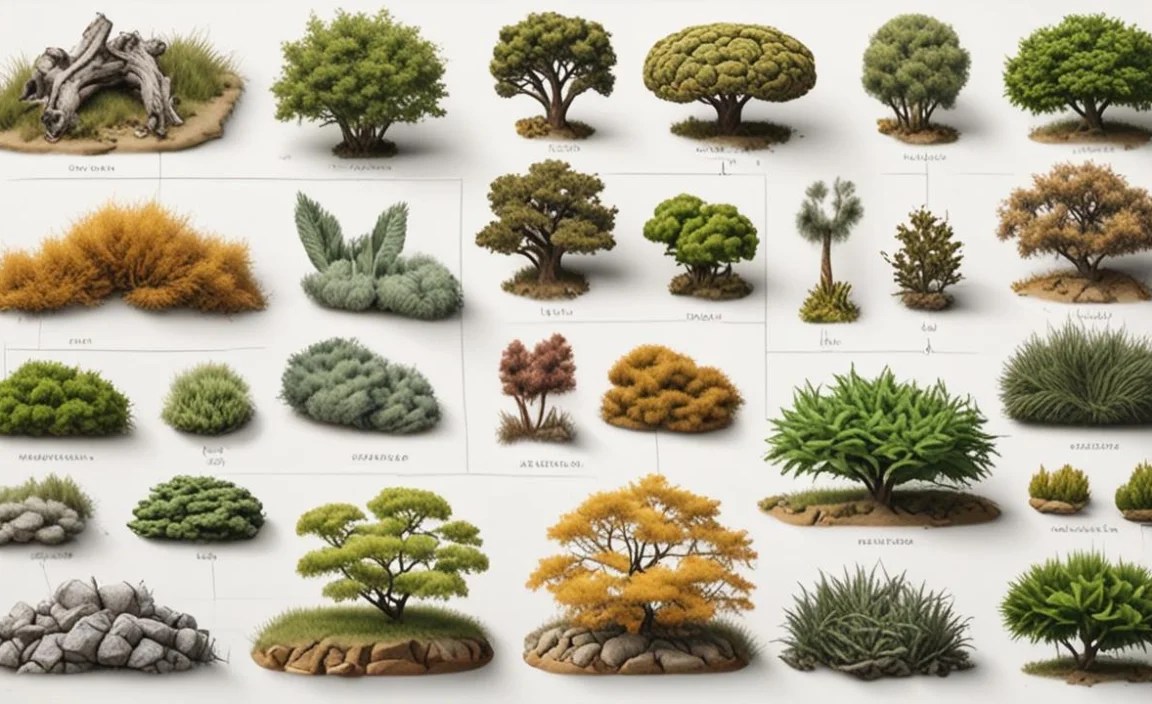
Imagine you are a doctor. A patient comes to you feeling sick. You need to know what is causing the illness. You need to identify the problem before you can help. Species identification is similar. It helps us find out what is happening in an environment. We can understand if the environment is healthy or not. We need to know which species live in an area. Then we can keep an eye on them. If we see a species disappearing, it could signal a problem. Maybe there is pollution. Maybe their habitat is being destroyed. By knowing the species, we can act quickly. We can try to solve the problem and protect the environment.
- Knowing species helps us understand ecosystems.
- We can monitor changes in populations.
- Identification aids in conservation efforts.
- It helps us protect endangered species.
- Understanding species supports research.
Think about a garden. If you don’t know the names of the plants, it’s hard to care for them. Some plants need more water than others. Some need more sunlight. Species identification is like knowing the names of the plants in the garden. It lets you give each one what it needs. In a larger environment, like a forest or a lake, this is even more important. Knowing the species helps us make good choices about how to protect the environment. It allows us to keep the environment healthy for everyone.
Fun Fact or Stat: Did you know that scientists estimate there are millions of species on Earth that haven’t been discovered yet?
How Does Identification Help?
Have you ever played detective? Detectives look for clues to solve mysteries. Species identification is like being a detective for nature. We look for clues to identify different species. These clues can be anything from the shape of a leaf to the color of a bird’s feathers. Once we know what species are present, we can start to understand their roles. What do they eat? Who eats them? How do they interact with each other? This knowledge helps us understand the whole ecosystem.
Why Is Accuracy Important?
Imagine you are building with LEGOs. If you use the wrong pieces, your model won’t be right. Species identification is like that. If we identify a species incorrectly, our understanding of the environment will be wrong. This could lead to bad decisions about how to protect it. For example, imagine we think a certain plant is harmful. We might try to get rid of it. But what if it’s actually an important food source for a rare animal? That’s why accuracy is so important. We need to be sure we are identifying species correctly.
Who Does Species Identification?
Have you ever seen someone wearing a uniform? The uniform tells you what job they do. Species identification is done by people with special training. These people are called biologists, ecologists, and botanists. They have learned how to identify different species. They use tools like field guides, microscopes, and DNA analysis. They often work for universities, government agencies, or environmental organizations. These experts help us understand and protect the natural world. They share their knowledge with others. This helps everyone appreciate the amazing variety of life on Earth.
Fun Fact or Stat: The science of classifying living things is called taxonomy. It helps organize all known species!
Methods for Identifying Species

Imagine you are trying to find your friend in a crowd. You might look for their hair color, clothes, or height. Species identification uses similar methods. We look for unique characteristics that help us tell species apart. Some common methods include using field guides. These guides have pictures and descriptions of different species. We can compare what we see to the pictures in the book. We can also use microscopes to look at tiny details. For example, we can look at the cells of a plant to identify it. Sometimes, we even use DNA analysis. This is like reading the genetic code of a species. It is a very accurate way to identify it.
- Field guides provide pictures and descriptions.
- Microscopes reveal tiny details.
- DNA analysis offers genetic identification.
- Expert knowledge is invaluable.
- Observation of behavior is sometimes key.
Think about identifying different types of cars. You might look at the shape, the color, or the logo. Species identification is similar. We look for clues that help us tell species apart. It can be challenging because some species look very similar. Sometimes, we need to combine different methods to be sure. For example, we might use a field guide and a microscope. We might also ask an expert for help. The more information we have, the more confident we can be in our identification. This ensures we can make informed decisions about conservation and environmental management.
Fun Fact or Stat: Some plants and animals can mimic other species to protect themselves from predators!
Using Field Guides
Have you ever used a map to find your way? A field guide is like a map for nature. It helps us identify different species in the field. Species identification becomes easier with these guides. Field guides usually have pictures and descriptions of different plants and animals. They might also include information about their habitat, behavior, and diet. Using a field guide is like having an expert with you. It can help you learn the names of the species around you. It can also help you understand their roles in the ecosystem.
Microscopic Examination
Imagine you are looking at a tiny object under a microscope. You can see details that you would never see with your eyes alone. Species identification sometimes requires microscopic examination. This is especially true for small organisms like bacteria and fungi. It can also be helpful for identifying plants. We can look at the cells of a leaf or the pollen grains of a flower. The microscopic details can tell us a lot about the species. This helps us identify it accurately.
DNA Analysis
Have you ever heard of DNA? It is like a blueprint for life. It contains all the information needed to build an organism. Species identification can use DNA analysis to identify species. This is a very accurate method. It involves taking a sample of DNA from an organism and comparing it to a database of known species. DNA analysis can be useful for identifying species that are difficult to tell apart. It can also be used to discover new species.
Fun Fact or Stat: Some scientists use drones to collect samples for DNA analysis without disturbing wildlife!
Tools and Resources for Species ID
Imagine you are a builder. You need the right tools to build a house. Species identification also requires the right tools and resources. Field guides are important tools. They provide pictures and descriptions. Microscopes help us see tiny details. Binoculars help us see birds and other animals from a distance. Online databases and websites are also useful resources. They provide information about different species. Experts are also valuable resources. They can help us identify species that are difficult to identify on our own.
- Field guides are essential for identification.
- Microscopes reveal microscopic features.
- Binoculars aid in observing wildlife.
- Online databases offer vast information.
- Experts provide invaluable knowledge.
Think about learning a new language. You need a dictionary, a grammar book, and a teacher. Species identification is similar. You need the right tools and resources to learn how to identify species. It takes time and practice to become good at it. The more you learn, the more you will appreciate the amazing diversity of life on Earth. Also the more effective you will be at species identification for landscape assessment. This knowledge helps us protect and conserve our environment for future generations.
Fun Fact or Stat: Citizen science projects let everyday people help scientists collect data on species distribution!
Online Databases
Have you ever used a search engine to find information online? Online databases are like search engines for species. Species identification relies on these databases. They contain information about different species, including their names, descriptions, and distributions. Some popular online databases include the Global Biodiversity Information Facility (GBIF) and the Encyclopedia of Life (EOL). These databases are valuable resources for scientists, students, and anyone interested in learning more about species.
Expert Assistance
Imagine you are trying to fix a complicated machine. You might need to ask an expert for help. Species identification can also be challenging. Sometimes, you need to ask an expert for assistance. Experts can help you identify species that are difficult to identify on your own. They can also provide you with information about their ecology and behavior. Experts can be found at universities, museums, and government agencies. They are a valuable resource for anyone interested in species identification.
Smartphone Apps
Have you ever used a smartphone app to identify a song? There are also smartphone apps that can help you identify species. Species identification is being revolutionized by these apps. These apps use the camera on your phone to take a picture of a plant or animal. The app then compares the picture to a database of known species. It suggests possible identifications. While these apps are not always perfect, they can be a useful tool for beginners.
Fun Fact or Stat: Some apps use artificial intelligence to identify species from photos with increasing accuracy!
Challenges in Species Identification
Imagine you are trying to solve a puzzle with missing pieces. It can be difficult to see the whole picture. Species identification can also be challenging. Some species look very similar to each other. This can make it hard to tell them apart. Some species are rare or endangered. This means there are not many of them left. It can be hard to find them and study them. Climate change is also making species identification more challenging. Species are moving to new areas. This can make it hard to know what to expect in a particular place.
- Similar species can be hard to distinguish.
- Rare species are difficult to find.
- Climate change shifts species distributions.
- Habitat loss reduces species populations.
- Invasive species complicate identification.
Think about trying to understand a foreign language. You might not know all the words or the grammar rules. Species identification is similar. It takes time and effort to learn how to identify different species. The more you learn, the better you will become at it. Even experts sometimes make mistakes. That is why it is important to use a variety of methods and resources to confirm your identifications. Accurate species identification for landscape assessment is essential for effective conservation and management.
Fun Fact or Stat: Cryptic species are species that look identical but are genetically distinct!
Similar Species
Have you ever seen twins who look exactly alike? It can be hard to tell them apart. Species identification can be difficult when species look very similar. These are called cryptic species. They may look the same, but they are actually different species. Scientists use DNA analysis to tell them apart. This helps them understand the true diversity of life. It ensures accurate conservation efforts.
Rare Species
Imagine you are looking for a hidden treasure. It can be hard to find something that is rare and hidden. Species identification can be challenging when dealing with rare species. These species may be hard to find. They may also be difficult to study. Scientists use special techniques to find and identify rare species. This helps protect them from extinction.
Changing Distributions
Have you ever moved to a new city? It takes time to learn your way around. Climate change is causing species to move to new areas. Species identification becomes more challenging because of this. Scientists need to track these changes to understand how ecosystems are changing. This helps them develop effective conservation strategies. Species identification for landscape assessment is essential.
Fun Fact or Stat: Some species are moving uphill to escape warming temperatures!
The Role of Technology in Species ID

Imagine you have a super-powered magnifying glass. It can zoom in on the tiniest details. Technology is like that for species identification. It gives us new ways to see and understand the natural world. DNA sequencing allows us to identify species based on their genetic code. Remote sensing uses satellites and drones to map habitats and track species. Artificial intelligence can analyze images and sounds to identify species automatically. These technologies are making species identification faster, easier, and more accurate. They are helping us protect our planet’s biodiversity.
- DNA sequencing identifies species genetically.
- Remote sensing maps habitats and tracks species.
- AI analyzes images and sounds automatically.
- Drones provide aerial views of landscapes.
- Sensor networks monitor environmental conditions.
Think about how technology has changed the way we communicate. We can now talk to people all over the world instantly. Technology is also transforming species identification. It is allowing us to collect and analyze data on a scale that was never before possible. This is helping us understand the complex relationships between species and their environment. It is also helping us develop more effective conservation strategies.
Fun Fact or Stat: Acoustic monitoring can identify species by their unique calls and songs!
DNA Barcoding
Have you ever used a barcode scanner at the grocery store? DNA barcoding is similar. It uses a short sequence of DNA to identify a species. Species identification is revolutionized by this technology. It is faster and more accurate than traditional methods. DNA barcoding is being used to identify everything from insects to fish. It is helping us understand the true diversity of life on Earth.
Remote Sensing
Imagine you are looking at a map from a satellite. You can see the whole world at once. Remote sensing uses satellites and drones to collect data about the Earth’s surface. Species identification uses this data to map habitats and track species. Remote sensing can also be used to monitor environmental changes. This helps scientists understand how ecosystems are changing. It also helps them develop effective conservation strategies.
Artificial Intelligence
Have you ever used a computer program that can learn? Artificial intelligence (AI) is being used to identify species automatically. Species identification is becoming faster and easier because of AI. AI can analyze images and sounds to identify species. It can also be used to predict where species are likely to be found. AI is a powerful tool for conservation.
Fun Fact or Stat: Machine learning algorithms can identify plant species from leaf images with high accuracy!
Landscape Assessment and Species
Imagine you are a city planner. You need to decide where to build a new park. You would want to know what plants and animals live in the area. Species identification for landscape assessment helps with this. It tells us which species are present. It also tells us about the health of the ecosystem. This information helps us make informed decisions about land use. We can protect important habitats. We can also create parks and green spaces that benefit both people and wildlife.
- Species indicate landscape health.
- Identification informs land-use decisions.
- Assessment supports conservation planning.
- It helps protect important habitats.
- It creates beneficial green spaces.
Think about building a house. You need to know about the soil, the climate, and the surrounding environment. Species identification is like that for landscape assessment. It helps us understand the ecological context of a place. This knowledge is essential for sustainable development. It allows us to balance human needs with the needs of the environment. Species identification for landscape assessment ensures we can protect our planet for future generations.
Fun Fact or Stat: Some plants can indicate the presence of certain minerals in the soil!
Habitat Mapping
Have you ever drawn a map of your neighborhood? Habitat mapping is like that, but for entire ecosystems. Species identification is used to create habitat maps. These maps show where different species live. They also show the types of habitats that are present. Habitat maps are used for conservation planning. They help us protect the most important areas for biodiversity.
Ecosystem Health
Imagine you are a doctor checking a patient’s vital signs. Species identification helps us assess the health of an ecosystem. The presence or absence of certain species can tell us a lot about the condition of the environment. For example, the presence of pollution-sensitive species indicates a healthy ecosystem. The absence of these species indicates a problem. Species identification for landscape assessment is important.
Conservation Planning
Have you ever made a plan to save money? Conservation planning is like that, but for protecting species and ecosystems. Species identification is an essential part of conservation planning. We need to know which species are present. Then we can develop strategies to protect them. Conservation plans can include things like habitat restoration, invasive species control, and protected areas.
| Assessment Type | Description | Species Focus | Benefit |
|---|---|---|---|
| Habitat Assessment | Evaluates the quality of species habitats. | Key indicator species | Informs habitat restoration. |
| Biodiversity Surveys | Identifies and counts species in an area. | All plant and animal species | Tracks species diversity. |
| Invasive Species Monitoring | Detects and monitors invasive species. | Non-native species | Controls invasive spread. |
| Environmental Impact Assessment | Predicts impacts of development on species. | Sensitive and endangered species | Mitigates development harm. |
Fun Fact or Stat: Some species are used as “bioindicators” to measure pollution levels!
Future Directions in Species ID
Imagine you have a crystal ball that can show you the future. It would be amazing! In the future, species identification will be even more advanced. New technologies will make it faster, easier, and more accurate. We will be able to identify species using drones, robots, and even smartphones. We will also be able to use artificial intelligence to analyze large amounts of data and identify patterns. This will help us understand and protect our planet’s biodiversity.
- AI will automate species identification.
- Drones will monitor remote areas.
- Robotics will collect samples efficiently.
- Citizen science will expand data collection.
- Global databases will integrate information.
Think about how science fiction movies show futuristic technology. Some of those technologies are becoming reality. Species identification is entering a new era. It will be driven by innovation and collaboration. Scientists, engineers, and citizens will work together. They will use the latest tools and techniques. They will understand and protect the natural world. This will help us create a more sustainable future for all.
Fun Fact or Stat: Scientists are developing “electronic noses” to identify species by their scent!
Automated Identification
Have you ever used a self-checkout machine at the store? Automated identification is like that. It uses computers to identify species automatically. Species identification will become faster and easier with this technology. Automated identification systems can analyze images, sounds, and DNA samples. They can identify species with high accuracy. This will free up scientists to focus on other important tasks.
Remote Monitoring
Imagine you are a park ranger watching over a vast wilderness. You can’t be everywhere at once. Remote monitoring uses sensors and cameras to monitor species in remote areas. Species identification benefits from this technology. Remote monitoring systems can track animal movements, detect changes in habitat, and identify invasive species. This information helps conservation managers make better decisions.
Citizen Science
Have you ever participated in a community cleanup? Citizen science is like that. It involves everyday people in scientific research. Species identification can be done by citizen scientists. They collect data on species sightings. They submit photos and videos. This helps scientists track species distributions and monitor populations. Citizen science is a powerful tool for conservation.
Fun Fact or Stat: Some citizen science projects use games to engage people in species identification!
Summary
Species identification for landscape assessment is essential. It helps us understand and protect our environment. Knowing which species live in an area is the first step. We can then assess the health of the ecosystem. We can also make informed decisions about land use and conservation. Accurate identification is crucial for effective management. Technology is playing an increasing role. It makes identification faster and easier. Citizen science also contributes valuable data.
The future of species identification for landscape assessment is bright. New technologies and collaborative efforts promise to improve our understanding. We can also better protect our planet’s biodiversity. By learning to identify species, we can all become nature detectives. We can help protect the amazing variety of life on Earth.
Conclusion
Species identification is more than just knowing names. It is a way to understand the complex relationships in nature. It is a tool for protecting our planet. By learning about the species around us, we can become better stewards of the environment. We can make informed decisions. We can support conservation efforts. We can ensure a healthy planet for future generations. Continued advancements in species identification for landscape assessment are essential for sustainable development.
Frequently Asked Questions
Question No 1: What is species identification?
Answer: Species identification is the process of figuring out what kind of plant or animal you are looking at. It’s like being a detective. You use clues to figure out the mystery of the species. These clues can be things like the shape of a leaf, the color of a bird’s feathers, or the sound of an animal’s call. Knowing the species is the first step. Then we can understand its role in the environment. It also helps us protect it.
Question No 2: Why is species identification important for landscape assessment?
Answer: Species identification for landscape assessment is like checking the health of a garden. By knowing which plants and animals are present, we can tell if the environment is healthy. For example, if we find a lot of pollution-sensitive species, it means the environment is clean. If we find invasive species, it means the environment is at risk. This information helps us make good decisions about how to manage and protect the landscape. It ensures we can keep the environment healthy for everyone.
Question No 3: What are some tools used for species identification?
Answer: There are many tools that can help you identify species. Field guides are like nature dictionaries. They have pictures and descriptions of different plants and animals. Microscopes let you see tiny details that you can’t see with your eyes alone. Online databases provide information about species from all over the world. And of course, experts are always a valuable resource. They can help you identify species that are difficult to identify on your own.
Question No 4: How can technology help with species identification?
Answer: Technology is making species identification easier and more accurate than ever before. DNA analysis can identify species based on their genetic code. Remote sensing uses satellites and drones to map habitats and track species. Artificial intelligence can analyze images and sounds to identify species automatically. There are even smartphone apps that can help you identify plants and animals with just a picture. These technologies are helping us understand and protect our planet’s biodiversity.
Question No 5: What is citizen science and how does it relate to species identification?
Answer: Citizen science is when regular people help scientists with their research. One way that citizen scientists can help is by collecting data on species sightings. They can report where they saw a particular plant or animal. They can also submit photos and videos. This information helps scientists track species distributions and monitor populations. You can participate in citizen science projects. You can help scientists understand and protect our planet’s biodiversity. The accuracy of species identification for landscape assessment benefits greatly.
Question No 6: What are some challenges in species identification?
Answer: Species identification can be challenging for several reasons. Some species look very similar to each other. This can make it hard to tell them apart. Some species are rare or endangered. This means there are not many of them left. It can be hard to find them and study them. Climate change is also making species identification more challenging. Species are moving to new areas. It is important to be aware of these challenges. We can use a variety of tools and resources to confirm our identifications.


