
Monarch Butterfly in Winter: Secret Survival Tips

Quick Summary: Monarch butterflies can’t survive cold winters! To escape the freeze, most monarchs east of the Rocky Mountains migrate up to 3,000 miles to the oyamel fir forests in the mountains of central Mexico. Those west of the Rockies head to the California coast. These amazing journeys ensure their survival until warmer weather returns.
Have you ever wondered where all the beautiful monarch butterflies go when winter arrives? It’s a question that has fascinated nature lovers for generations! When the temperatures drop and the days get shorter, these delicate creatures can’t survive the cold. But don’t worry, they don’t just disappear! Instead, they embark on an incredible journey to warmer places.
In this guide, we’ll explore the amazing winter migration of monarch butterflies. We’ll uncover where they go, how they survive, and what you can do to help them along the way. Get ready to discover the secrets of these beautiful butterflies and their epic winter escape!
Understanding Monarch Butterfly Migration
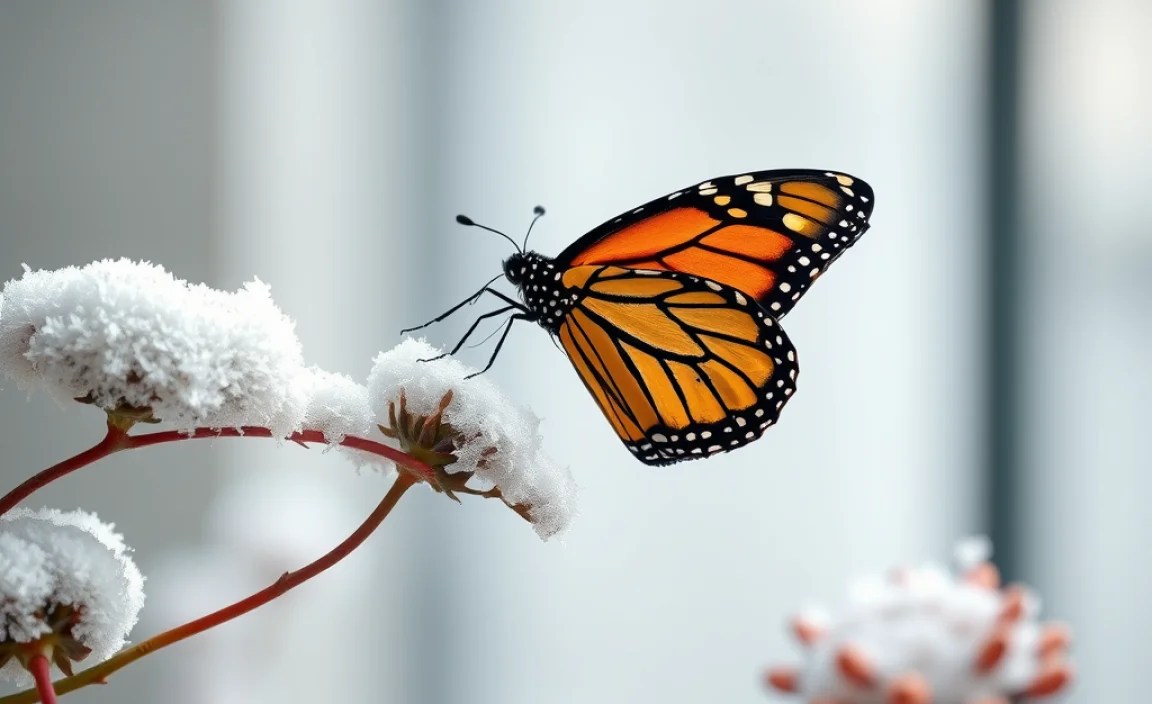
Monarch butterfly migration is one of the most spectacular natural events in the world. Millions of these butterflies travel thousands of miles to escape the cold winters of North America. Let’s take a closer look at this incredible journey.
Why Do Monarchs Migrate?
Monarch butterflies are cold-blooded, which means they can’t regulate their own body temperature. When temperatures drop below freezing, they can’t survive. To escape the cold, they migrate to warmer climates where they can survive the winter months. The monarch migration is truly an amazing survival technique!
Eastern vs. Western Monarchs
Monarch butterflies in North America are divided into two main populations: eastern and western. These populations have different migration patterns and destinations.
- Eastern Monarchs: These monarchs live east of the Rocky Mountains and migrate to the oyamel fir forests in the mountains of central Mexico. This journey can be up to 3,000 miles for some butterflies!
- Western Monarchs: Western monarchs live west of the Rocky Mountains and migrate to the California coast. They gather in groves of trees along the Pacific coast, where the climate is milder.
The Multi-Generational Migration
What’s even more amazing is that the monarchs that make the journey south are not the same ones that return north! The migration takes multiple generations to complete. The monarchs that migrate south will reproduce in the spring, and their offspring will continue the journey north. It takes about four to five generations to complete the entire migration cycle.
Where Do Monarch Butterflies Go in the Winter?

The destination of monarch butterflies in winter depends on whether they are from the eastern or western population. Let’s explore the specific locations where these butterflies spend the winter.
The Oyamel Fir Forests of Mexico
Eastern monarch butterflies migrate to the oyamel fir forests in the mountains of central Mexico. These forests provide the perfect conditions for the butterflies to survive the winter. The trees provide shelter from the cold, and the high altitude keeps the temperatures cool but not freezing.
Millions of monarchs gather in these forests, creating a breathtaking sight. The trees are covered in butterflies, and the air is filled with the sound of their wings. These forests are a critical habitat for the survival of the eastern monarch population.
The California Coast
Western monarch butterflies migrate to the California coast, where they gather in groves of trees along the Pacific coast. These groves provide shelter from the wind and rain, and the mild temperatures allow the butterflies to conserve energy.
Some popular overwintering sites in California include:
- Pismo State Beach
- Natural Bridges State Beach
- Monarch Grove Sanctuary in Pacific Grove
These sites offer a safe haven for the butterflies, where they can rest and conserve energy until it’s time to reproduce in the spring.
How Do Monarch Butterflies Survive the Winter?

Surviving the winter migration and overwintering period is no easy feat for monarch butterflies. They have several adaptations and strategies that help them make it through the cold months.
Conserving Energy
One of the key strategies for monarch survival is conserving energy. During the winter, monarchs enter a state of diapause, which is a period of dormancy similar to hibernation. They become less active and reduce their metabolic rate to conserve energy. They cluster together in large groups to stay warm and reduce exposure to the elements. This is why you’ll often see thousands of monarchs on a single tree!
Finding Shelter
Monarchs rely on their overwintering habitats to provide shelter from the cold, wind, and rain. The oyamel fir forests in Mexico and the groves of trees along the California coast offer protection from the elements. The trees provide a microclimate that is warmer and more humid than the surrounding environment, which helps the butterflies conserve energy.
Drinking Water
Even though monarchs are not very active during the winter, they still need to drink water to stay hydrated. They often drink dew or rainwater that collects on the trees. Staying hydrated is essential for their survival, especially during dry periods.
Relying on Fat Reserves
Monarchs build up fat reserves before they migrate, which they use as a source of energy during the winter. They feed on nectar from flowers to store fat in their bodies. These reserves are essential for surviving the winter months when food is scarce. The more fat reserves they have, the better their chances of survival.
Threats to Monarch Butterflies in Winter

Monarch butterflies face numerous threats during their winter migration and overwintering period. These threats can significantly impact their populations and put their survival at risk.
Habitat Loss
One of the biggest threats to monarch butterflies is habitat loss. The oyamel fir forests in Mexico are being threatened by illegal logging, which destroys the butterflies’ overwintering habitat. In California, development and agriculture are reducing the availability of suitable overwintering sites. Protecting and restoring these habitats is crucial for monarch survival.
Climate Change
Climate change is another significant threat to monarch butterflies. Extreme weather events, such as droughts, storms, and freezes, can devastate monarch populations. Changes in temperature and precipitation patterns can also affect the availability of milkweed and nectar plants, which are essential for monarch survival. Addressing climate change is vital for protecting monarch butterflies and their habitats.
Pesticide Use
Pesticide use, especially neonicotinoids, can harm monarch butterflies and other pollinators. These pesticides can contaminate milkweed and nectar plants, which monarchs feed on. Reducing pesticide use and promoting organic farming practices can help protect monarch butterflies and their habitats.
Disease and Parasites
Monarch butterflies are susceptible to diseases and parasites, such as Ophryocystis elektroscirrha (OE), which can weaken them and reduce their chances of survival. OE is a protozoan parasite that infects monarchs and can cause deformities and reduced lifespan. Monitoring and managing disease and parasite outbreaks can help protect monarch populations.
How You Can Help Monarch Butterflies in Winter

There are many things you can do to help monarch butterflies survive the winter and thrive in the future. Every little bit counts, and together, we can make a big difference!
Plant Milkweed
Milkweed is the only food source for monarch caterpillars, so planting milkweed is one of the best things you can do to help them. Choose native milkweed species that are appropriate for your region. Milkweed provides essential habitat and food for monarch caterpillars, helping them grow and develop into healthy butterflies.
Plant Nectar Plants
Monarch butterflies need nectar from flowers to fuel their migration and overwintering period. Plant a variety of nectar-rich flowers that bloom throughout the spring, summer, and fall. Choose native plants that are adapted to your local climate and provide a reliable source of nectar for monarchs and other pollinators.
Avoid Pesticides
Pesticides can harm monarch butterflies and other pollinators, so it’s important to avoid using them in your garden. Choose organic gardening methods and use natural pest control solutions instead. By avoiding pesticides, you can create a safe and healthy environment for monarch butterflies and other beneficial insects.
Protect Overwintering Habitats
Support organizations that are working to protect monarch overwintering habitats in Mexico and California. Donate to conservation groups or volunteer your time to help restore and manage these important areas. By protecting overwintering habitats, you can help ensure that monarchs have a safe place to rest and conserve energy during the winter months.
Educate Others
Spread the word about the importance of monarch butterfly conservation. Talk to your friends, family, and neighbors about the threats that monarchs face and what they can do to help. Share information on social media and participate in community events to raise awareness about monarch butterflies and their plight. The more people who are aware of the issue, the more likely we are to make a difference.
Participate in Citizen Science
Get involved in citizen science projects that track monarch butterfly populations and migration patterns. Report your monarch sightings to organizations like Journey North or the Monarch Larva Monitoring Project. By participating in citizen science, you can help researchers gather valuable data and track the health of monarch populations.
Monarch Butterfly FAQs
Where do monarch butterflies go in the winter?
Eastern monarchs migrate to the oyamel fir forests in central Mexico, while western monarchs migrate to the California coast.
How far do monarch butterflies migrate?
Some eastern monarchs travel up to 3,000 miles to reach their overwintering grounds in Mexico.
What do monarch butterflies eat in the winter?
Monarchs primarily rely on fat reserves they build up before migrating. They may also drink dew or rainwater.
How do monarch butterflies stay warm in the winter?
They cluster together in large groups to conserve heat and seek shelter in trees that provide a warmer microclimate.
Why is it important to protect monarch butterfly habitats?
Protecting habitats ensures that monarchs have safe places to rest, conserve energy, and reproduce, which is essential for their survival.
What can I plant to help monarch butterflies?
Plant milkweed for monarch caterpillars and nectar-rich flowers for adult butterflies to provide them with food and habitat.
Are monarch butterfly populations declining?
Yes, monarch butterfly populations have declined in recent years due to habitat loss, climate change, pesticide use, and other factors.
Resources for Further Learning
- USDA Forest Service – Monarch Butterfly Migration
- World Wildlife Fund – Monarch Butterfly
- National Wildlife Federation – Monarch Butterfly
Conclusion
The winter migration of monarch butterflies is a truly remarkable natural phenomenon. These delicate creatures travel thousands of miles to escape the cold and find suitable overwintering habitats. By understanding their migration patterns, the threats they face, and what we can do to help, we can all play a role in protecting these beautiful butterflies for future generations. Whether it’s planting milkweed, avoiding pesticides, or supporting conservation organizations, every action counts. Let’s work together to ensure that monarch butterflies continue to grace our world with their beauty and wonder for many years to come. I hope you’ve enjoyed learning about these amazing creatures with me!


