
Successful Swallowtail Butterfly Restoration Projects

Quick Summary: Swallowtail butterfly populations are declining, but you can help! Restoration projects focus on providing host plants for caterpillars and nectar sources for adults. This involves planting specific native plants, protecting existing habitats from pesticides, and sometimes even captive breeding and release programs. By creating butterfly-friendly habitats, we can support these beautiful creatures.
Have you noticed fewer swallowtail butterflies fluttering around your garden lately? These magnificent butterflies, known for their vibrant colors and graceful flight, are facing habitat loss and other challenges. It can be disheartening to see their numbers dwindle. But don’t worry, there’s a lot we can do to help!
This article will guide you through various swallowtail butterfly restoration projects, from creating a butterfly garden in your backyard to supporting larger conservation efforts. We’ll cover everything you need to know to make a real difference in the lives of these beautiful creatures. Get ready to roll up your sleeves and help bring back the swallowtails!
Understanding Swallowtail Butterflies and Their Needs
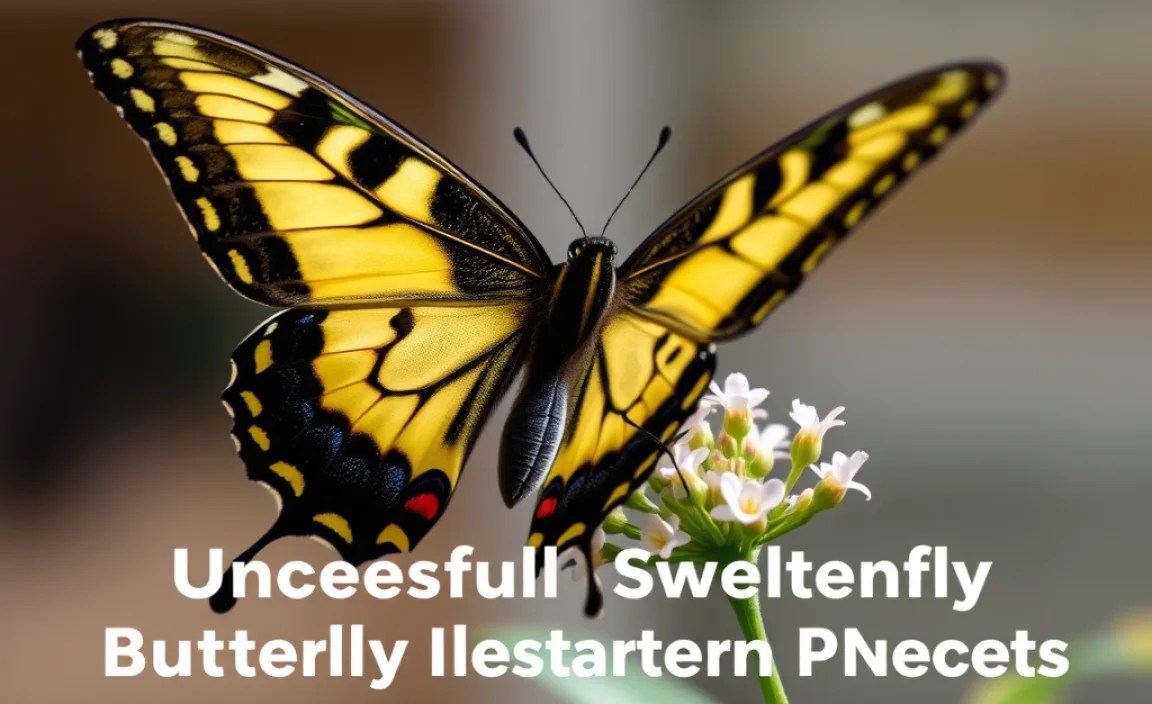
Before diving into restoration projects, it’s important to understand what swallowtail butterflies need to thrive. These needs can be broadly categorized into food sources for caterpillars (host plants) and food sources for adult butterflies (nectar plants), as well as a safe habitat.
Host Plants: Food for Caterpillars
Swallowtail caterpillars are very picky eaters! Each species relies on specific host plants to lay their eggs on and for the caterpillars to feed on. Without these plants, the caterpillars cannot survive. Here are a few examples:
- Eastern Black Swallowtail: Prefers plants in the parsley family, such as parsley, dill, fennel, and Queen Anne’s lace.
- Giant Swallowtail: Feeds on citrus trees (like orange and lemon), as well as prickly ash and hop tree.
- Pipevine Swallowtail: Relies exclusively on pipevine plants (Aristolochia species).
- Zebra Swallowtail: Requires pawpaw trees.
- Spicebush Swallowtail: Feeds on spicebush and sassafras trees.
Planting the appropriate host plants is the single most important thing you can do to support swallowtail butterfly populations in your area. Before planting, make sure the species is native to your region. You can consult with your local native plant society or extension office.
Nectar Plants: Food for Adult Butterflies
Adult swallowtail butterflies need nectar from flowers to fuel their flight and reproduction. They are attracted to a variety of colorful, nectar-rich flowers. Some popular choices include:
- Butterfly Bush (Buddleja davidii): A classic butterfly magnet (though some varieties can be invasive).
- Zinnias: Easy to grow and come in a variety of colors.
- Lantana: Provides a long-lasting source of nectar.
- Milkweed (Asclepias species): While primarily known as a Monarch butterfly host plant, it also provides nectar for swallowtails and other butterflies.
- Bee Balm (Monarda species): Attracts hummingbirds and butterflies alike.
- Coneflowers (Echinacea species): A native wildflower that is easy to grow.
When choosing nectar plants, opt for native varieties whenever possible. Native plants are better adapted to your local climate and provide the best source of nectar for native butterflies. The Xerces Society is a great resource for finding native plants for pollinators.
Habitat: Shelter and Protection
In addition to food, swallowtail butterflies need a safe and sheltered habitat. This includes:
- Protection from pesticides: Avoid using pesticides in your garden, as they can harm or kill butterflies and caterpillars.
- Shelter from wind and rain: Provide trees, shrubs, and other plants that can offer protection from the elements.
- Sunny areas for basking: Butterflies need to bask in the sun to warm up their flight muscles.
- A source of water: Provide a shallow dish of water with pebbles or marbles for butterflies to land on and drink.
Creating a Butterfly Garden for Swallowtails: A Step-by-Step Guide

Creating a butterfly garden is a rewarding way to support swallowtail butterflies and other pollinators. Here’s a step-by-step guide to get you started:
Step 1: Research Your Local Swallowtail Species
Before you start planting, research which swallowtail species are native to your area. This will help you choose the right host plants and nectar plants to attract them. You can use online resources like the Butterflies and Moths of North America website or consult with your local extension office.
Step 2: Choose a Sunny Location
Butterflies need sunshine to warm their bodies, so choose a sunny location for your butterfly garden. Aim for at least six hours of direct sunlight per day.
Step 3: Prepare the Soil
Most butterfly plants prefer well-drained soil. Amend your soil with compost or other organic matter to improve drainage and fertility. Remove any grass or weeds from the area.
Step 4: Select and Plant Host Plants
Choose host plants that are appropriate for the swallowtail species in your area. Plant them in clusters to make it easier for butterflies to find them. Make sure to space the plants according to their mature size.
Step 5: Select and Plant Nectar Plants
Choose a variety of nectar plants that bloom throughout the growing season. This will ensure that butterflies have a constant source of food. Plant them in groups of three or more for the best visual impact.
Step 6: Provide Water and Shelter
Place a shallow dish of water with pebbles or marbles in your garden for butterflies to drink from. Add trees and shrubs to provide shelter from wind and rain.
Step 7: Avoid Pesticides
Never use pesticides in your butterfly garden. Pesticides can harm or kill butterflies and caterpillars. If you have pest problems, try using organic methods of control, such as hand-picking pests or using insecticidal soap.
Step 8: Maintain Your Garden
Water your plants regularly, especially during dry periods. Deadhead spent flowers to encourage more blooms. Remove any weeds that may compete with your butterfly plants. As the host plants are eaten by caterpillars, avoid removing them. These plants are doing their job!
Swallowtail Butterfly Conservation Projects: Beyond Your Backyard
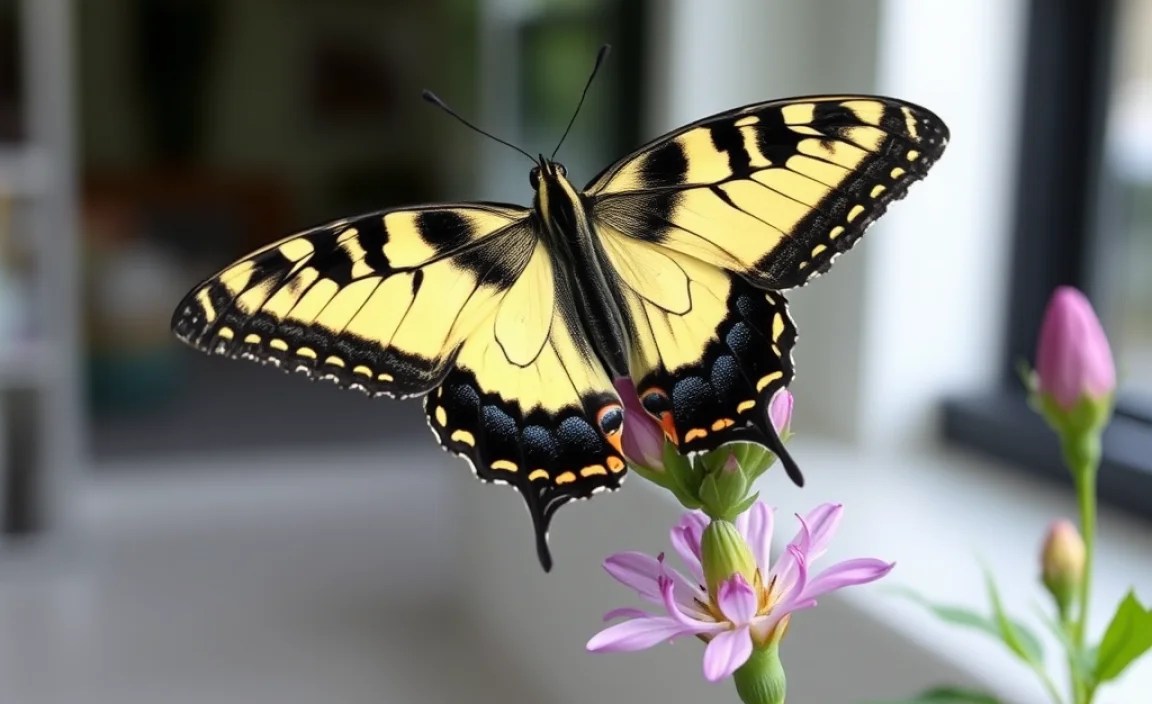
While creating a butterfly garden is a great way to help swallowtail butterflies, there are also larger conservation projects that you can support.
Habitat Restoration
Habitat restoration involves restoring degraded or destroyed habitats to their natural state. This can include planting native trees and shrubs, removing invasive species, and restoring wetlands. Many organizations are involved in habitat restoration projects, and you can volunteer your time or donate money to support their work. For example, organizations like The Nature Conservancy work to protect vital habitats for countless species.
Captive Breeding and Release Programs
In some cases, captive breeding and release programs are used to help boost declining swallowtail butterfly populations. This involves raising butterflies in a controlled environment and then releasing them into the wild. These programs are often used for endangered species.
Advocacy and Education
Advocacy and education are also important components of swallowtail butterfly conservation. This involves raising awareness about the importance of butterflies and their habitats, and advocating for policies that protect them. You can get involved by contacting your elected officials, writing letters to the editor, or volunteering for conservation organizations.
Specific Swallowtail Butterfly Restoration Initiatives

Several specific initiatives focus on restoring particular swallowtail species or their habitats.
The Schaus Swallowtail Butterfly Recovery Plan
The Schaus swallowtail (Heraclides aristodemus ponceanus) is an endangered butterfly found only in South Florida. The U.S. Fish and Wildlife Service has a recovery plan in place for this species, which includes habitat restoration, captive breeding, and release programs. The plan focuses on protecting and restoring the butterfly’s habitat in the Florida Keys.
Pawpaw Patches for Zebra Swallowtails
Zebra swallowtails (Protographium marcellus) rely exclusively on pawpaw trees as host plants. Creating and protecting pawpaw patches is essential for their survival. Conservation efforts often involve planting pawpaw trees in suitable habitats and protecting existing pawpaw patches from development.
Spicebush Swallowtail Habitat Enhancement
Spicebush swallowtails (Papilio troilus) depend on spicebush and sassafras trees. Habitat enhancement projects can focus on planting these trees in areas where they have been lost or degraded. This can involve working with landowners to encourage them to plant spicebush and sassafras on their property.
Challenges in Swallowtail Butterfly Restoration

Restoring swallowtail butterfly populations is not without its challenges.
Habitat Loss and Fragmentation
Habitat loss and fragmentation are major threats to swallowtail butterflies. As natural habitats are converted to agriculture, urban development, and other uses, butterflies lose their food sources and breeding grounds. Habitat fragmentation can also isolate butterfly populations, making them more vulnerable to extinction.
Pesticide Use
Pesticides can have a devastating impact on butterfly populations. Insecticides can kill butterflies and caterpillars directly, while herbicides can eliminate their host plants and nectar sources. Even pesticides that are not directly toxic to butterflies can have sublethal effects, such as reducing their reproductive success.
Climate Change
Climate change is another growing threat to swallowtail butterflies. Changes in temperature and precipitation patterns can disrupt their life cycles and alter the distribution of their host plants and nectar sources. Extreme weather events, such as droughts and floods, can also devastate butterfly populations.
Despite these challenges, there is still hope for swallowtail butterflies. By working together, we can create butterfly-friendly habitats, reduce pesticide use, and mitigate the impacts of climate change. Every effort, no matter how small, can make a difference.
Tools and Resources for Swallowtail Butterfly Restoration
Here are some tools and resources that can help you with your swallowtail butterfly restoration projects:
| Resource | Description | Link |
|---|---|---|
| The Xerces Society | Provides information on butterfly conservation and native plants. | xerces.org |
| Butterflies and Moths of North America (BAMONA) | A website for identifying butterflies and moths. | butterfliesandmoths.org |
| U.S. Fish and Wildlife Service | Provides information on endangered species and recovery plans. | fws.gov |
| Native Plant Societies | Local organizations that promote the use of native plants. | (Search for your state’s native plant society) |
| Local Extension Offices | Provide gardening advice and information on local plants and pests. | (Search for your county’s extension office) |
Engaging the Community in Swallowtail Butterfly Restoration
Community involvement is crucial for successful swallowtail butterfly restoration. Here are some ways to engage your community:
- Organize butterfly garden workshops: Teach people how to create butterfly gardens in their own yards.
- Host butterfly counts: Organize events where volunteers count butterflies in a specific area to monitor population trends.
- Partner with schools: Work with schools to create butterfly gardens on school grounds and educate students about butterfly conservation.
- Create educational displays: Set up displays at local libraries, community centers, and parks to raise awareness about swallowtail butterflies and their needs.
- Share information on social media: Use social media to share photos, videos, and information about swallowtail butterflies and conservation efforts.
Swallowtail Butterfly Identification Tips
Being able to identify different swallowtail species is helpful for understanding which ones are present in your area and what their specific needs are. Here are a few tips:
- Observe the wing patterns: Each swallowtail species has unique wing patterns and colors. Pay attention to the markings on both the upper and lower sides of the wings.
- Note the size and shape: Swallowtails vary in size and shape. Some have long tails, while others have shorter tails or no tails at all.
- Consider the host plants: Knowing which host plants are present in your area can help you narrow down the possibilities.
- Use a field guide: A good field guide can be a valuable tool for identifying butterflies.
- Take photos: If you’re unsure of the identity of a butterfly, take photos and compare them to images online or in a field guide.
Frequently Asked Questions (FAQs)
What is a host plant?
A host plant is a specific plant species that a butterfly caterpillar needs to feed on in order to survive and develop.
Why are native plants important for butterflies?
Native plants are adapted to the local climate and provide the best source of nectar and host plants for native butterflies. Non-native plants may not provide the necessary nutrients or may even be harmful to butterflies.
How can I attract more butterflies to my garden?
Plant a variety of host plants and nectar plants, provide water and shelter, and avoid using pesticides.
What should I do if I find a caterpillar in my garden?
Leave it alone! It’s best to let the caterpillar feed on its host plant and develop naturally. Avoid moving it to a different plant, as it may not be able to feed on it.
How can I protect butterflies from pesticides?
Avoid using pesticides in your garden and encourage your neighbors to do the same. If you must use pesticides, choose organic options and apply them carefully to avoid harming butterflies and other beneficial insects.
Are butterfly houses effective?
Butterfly houses are often more decorative than functional. Butterflies rarely use them for shelter. Instead, focus on providing natural shelter with trees and shrubs.
What is the best time of year to plant a butterfly garden?
The best time to plant a butterfly garden is in the spring or fall, when the weather is mild and the plants have time to establish themselves before the heat of summer or the cold of winter.
Conclusion
Swallowtail butterflies are beautiful and important members of our ecosystem. By creating butterfly-friendly habitats, supporting conservation projects, and engaging our communities, we can help ensure that these magnificent creatures continue to thrive for generations to come. Every action, from planting a single host plant to advocating for pesticide-free policies, contributes to a brighter future for swallowtail butterflies. So, let’s get outside, get our hands dirty, and make a difference for these amazing creatures!


