
Swallowtail Butterfly for Kids Educational: Easy Guide

Want to teach your kids about the amazing swallowtail butterfly? These beautiful insects are easy to identify with their large size and distinctive tails on their wings. This guide will walk you through everything from identifying different types of swallowtails to understanding their life cycle, what they eat, and how to attract them to your garden. Get ready for a fascinating journey into the world of swallowtail butterflies!
Swallowtail butterflies are a delight to see fluttering around gardens and parks. Their vibrant colors and unique wing shapes make them a favorite among nature lovers of all ages. But did you know that these butterflies have a fascinating life cycle and play an important role in our ecosystem? This guide will teach you all about swallowtail butterflies in a way that’s easy for kids to understand and enjoy. We’ll cover how to spot different types of swallowtails, the amazing transformation from caterpillar to butterfly, what they like to eat, and how you can create a butterfly-friendly garden. Get ready to explore the wonderful world of swallowtail butterflies!
What are Swallowtail Butterflies?
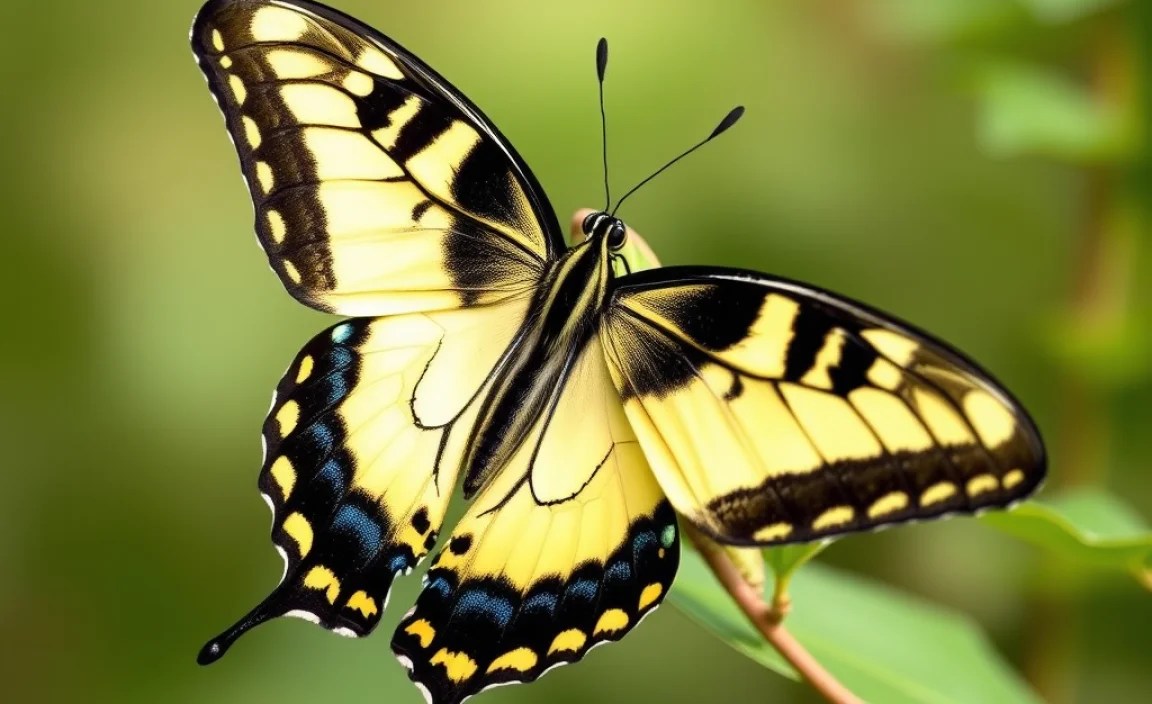
Swallowtail butterflies are some of the largest and most beautiful butterflies you can find. They get their name from the long, pointed “tails” on their hindwings, which look a bit like the tails of swallow birds. These butterflies are found all over the world, except for Antarctica, and come in many different colors and patterns.
As a naturalist with ButterflyAsk.com, I’ve spent years observing these amazing creatures. They’re not just pretty to look at; they also play a vital role in our environment by pollinating flowers. Let’s dive into what makes swallowtail butterflies so special.
Identifying Swallowtail Butterflies
One of the easiest ways to spot a swallowtail butterfly is by looking for those distinctive tails on their wings. But there’s more to it than that! Here’s what to look for:
- Size: Swallowtails are generally larger than many other types of butterflies.
- Color: They come in a variety of colors, including yellow, black, orange, and blue.
- Patterns: Look for bold patterns on their wings, such as stripes, spots, and bands.
Common Types of Swallowtail Butterflies
There are many different species of swallowtail butterflies, but here are a few of the most common ones you might see:
- Eastern Tiger Swallowtail: These have yellow wings with black stripes, like a tiger. Females can also be black.
- Black Swallowtail: These are mostly black with rows of yellow spots. Females have beautiful blue markings.
- Giant Swallowtail: The largest swallowtail in North America, with mottled brown and yellow wings.
- Spicebush Swallowtail: Dark wings with pale green spots and a blue patch on the hindwings.
- Pipevine Swallowtail: Dark, iridescent blue-black wings with orange spots on the underside.
The Life Cycle of a Swallowtail Butterfly

Swallowtail butterflies go through a complete metamorphosis, which means they have four distinct life stages:
- Egg: The female butterfly lays her eggs on plants that the caterpillars will eat.
- Larva (Caterpillar): The egg hatches into a caterpillar, which eats and grows rapidly. Caterpillars shed their skin several times as they grow; this is called molting.
- Pupa (Chrysalis): Once the caterpillar is full-grown, it forms a pupa, also known as a chrysalis. This is a protective shell where the caterpillar transforms into a butterfly.
- Adult Butterfly: Finally, the butterfly emerges from the chrysalis. It will fly off, find a mate, and lay eggs, starting the cycle all over again.
A Closer Look at Each Stage
Let’s explore each stage of the swallowtail butterfly’s life cycle in more detail:
Egg Stage
Swallowtail butterfly eggs are usually small and round, and they can be different colors depending on the species. The female butterfly carefully chooses where to lay her eggs, making sure it’s on a plant that the caterpillar will enjoy eating. For example, Black Swallowtails often lay their eggs on plants in the carrot family, such as parsley, dill, and fennel.
Larva (Caterpillar) Stage
When the egg hatches, a tiny caterpillar emerges. This is the larva stage, and it’s all about eating and growing! Caterpillars have a huge appetite and can eat a lot of leaves in a short amount of time. As they grow, they shed their skin several times. Some swallowtail caterpillars have interesting defense mechanisms. For instance, Spicebush Swallowtail caterpillars have eye spots that make them look like snakes, which can scare away predators.
Pupa (Chrysalis) Stage
Once the caterpillar is full-grown, it’s time for the pupa stage. The caterpillar forms a chrysalis, which is a hard, protective shell. Inside the chrysalis, something amazing is happening: the caterpillar is transforming into a butterfly! This process can take anywhere from a few weeks to a couple of months, depending on the species and the weather.
Adult Butterfly Stage
Finally, the butterfly emerges from the chrysalis. At first, its wings are soft and crumpled, but they quickly fill with fluid and expand. Once the wings are dry and strong, the butterfly is ready to fly off and explore the world. Adult butterflies feed on nectar from flowers, and they play an important role in pollinating plants.
What Do Swallowtail Butterflies Eat?
Swallowtail butterflies have different diets depending on whether they are caterpillars or adult butterflies. Here’s a breakdown:
- Caterpillars: Swallowtail caterpillars are herbivores, which means they eat plants. Different species of swallowtails prefer different host plants.
- Adult Butterflies: Adult swallowtail butterflies feed on nectar from flowers. They use their long, straw-like proboscis to sip nectar.
Favorite Foods of Swallowtail Caterpillars
Here are some popular host plants for swallowtail caterpillars:
- Eastern Tiger Swallowtail: Wild cherry, tulip tree, and sweetbay magnolia
- Black Swallowtail: Parsley, dill, fennel, and carrot
- Giant Swallowtail: Citrus trees and Hercules’ club
- Spicebush Swallowtail: Spicebush and sassafras
- Pipevine Swallowtail: Pipevine
Nectar Sources for Adult Butterflies
Adult swallowtail butterflies love to feed on nectar-rich flowers. Here are some of their favorites:
- Butterfly bush
- Zinnia
- Lantana
- Salvia
- Milkweed
How to Attract Swallowtail Butterflies to Your Garden

Want to see more swallowtail butterflies in your backyard? Here are some tips for creating a butterfly-friendly garden:
- Plant Host Plants: Plant the host plants that swallowtail caterpillars love to eat. This will encourage female butterflies to lay their eggs in your garden.
- Provide Nectar Sources: Plant a variety of nectar-rich flowers that will provide food for adult butterflies.
- Avoid Pesticides: Pesticides can harm or kill butterflies and other beneficial insects.
- Provide Water: Butterflies need water to drink. You can provide a shallow dish of water with some pebbles for them to land on.
- Offer Shelter: Butterflies need shelter from the wind and rain. Plant shrubs and trees to provide them with a safe place to rest.
Creating a Butterfly Garden
Creating a butterfly garden is a fun and rewarding project that can benefit both you and the environment. Here’s a step-by-step guide:
- Choose a Sunny Location: Butterflies need sunlight to warm their bodies.
- Prepare the Soil: Make sure the soil is well-drained and rich in nutrients.
- Select Plants: Choose a variety of host plants and nectar sources that will attract swallowtail butterflies.
- Plant the Plants: Follow the instructions on the plant labels for spacing and watering.
- Water Regularly: Keep the soil moist, but not soggy.
- Watch and Enjoy: Observe the butterflies as they visit your garden.
Swallowtail Butterfly Conservation
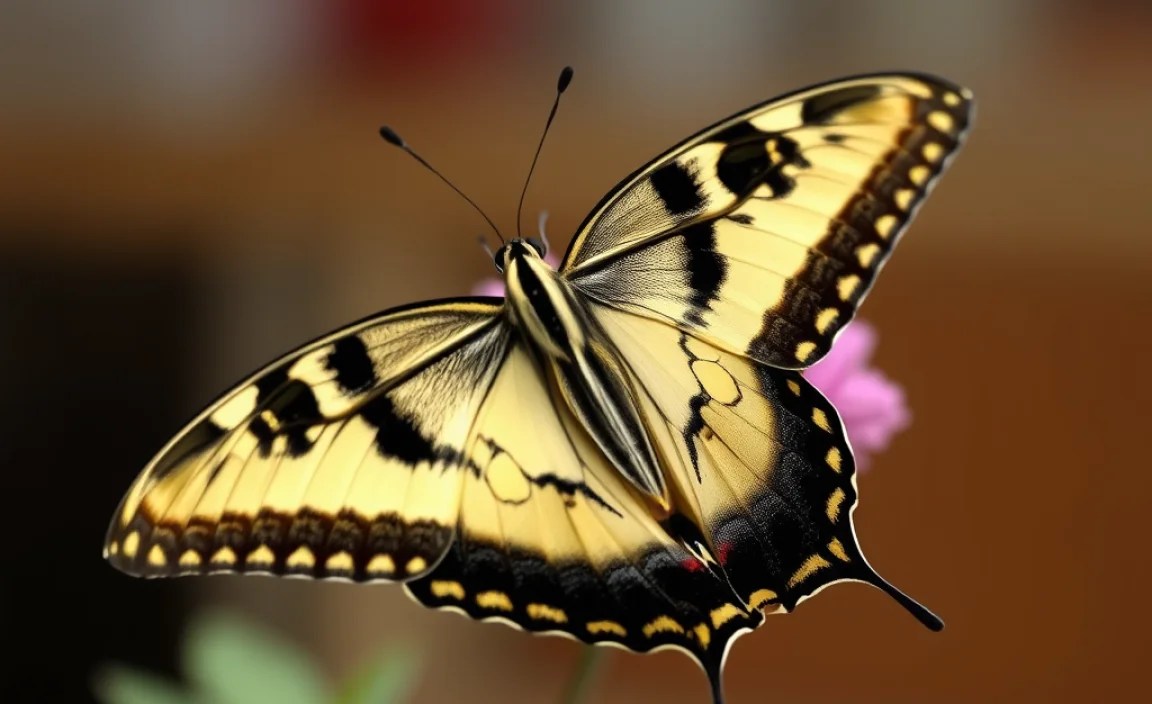
Swallowtail butterflies, like many other insects, face threats from habitat loss, pesticide use, and climate change. Here are some ways you can help protect these beautiful creatures:
- Plant Native Plants: Native plants are best suited to the local environment and provide the best food and shelter for butterflies.
- Avoid Pesticides: Use natural pest control methods instead of pesticides.
- Support Conservation Organizations: Donate to or volunteer with organizations that work to protect butterfly habitats.
- Educate Others: Share your knowledge about swallowtail butterflies with friends, family, and neighbors.
Why Conservation Matters
Butterflies play an important role in our ecosystem. They pollinate plants, which helps to produce fruits, vegetables, and seeds. They also serve as a food source for birds and other animals. By protecting swallowtail butterflies, we can help to maintain a healthy and balanced environment.
Frances O’Brien from ButterflyAsk.com encourages everyone to take simple steps to support butterfly conservation. “Even small actions, like planting a butterfly garden or avoiding pesticides, can make a big difference,” she says.
Fun Facts About Swallowtail Butterflies
Here are some fun facts about swallowtail butterflies that you can share with your kids:
- Swallowtail butterflies can taste with their feet!
- Some swallowtail caterpillars can mimic snakes to scare away predators.
- Swallowtail butterflies can fly up to 30 miles per hour.
- The wings of a butterfly are covered in tiny scales.
- Butterflies use their antennae to smell.
Swallowtail Butterfly Identification Table
| Species | Appearance | Host Plants | Nectar Sources |
|---|---|---|---|
| Eastern Tiger Swallowtail | Yellow with black stripes (females can be black) | Wild cherry, tulip tree | Butterfly bush, zinnia |
| Black Swallowtail | Black with yellow spots (females have blue markings) | Parsley, dill, fennel | Lantana, salvia |
| Giant Swallowtail | Mottled brown and yellow | Citrus trees, Hercules’ club | Milkweed, butterfly bush |
| Spicebush Swallowtail | Dark wings with pale green spots | Spicebush, sassafras | Zinnia, salvia |
| Pipevine Swallowtail | Dark blue-black with orange spots | Pipevine | Lantana, milkweed |
Resources for Learning More
Want to learn more about swallowtail butterflies? Here are some resources you can check out:
- U.S. Forest Service
- National Geographic
- The Xerces Society
Frequently Asked Questions (FAQs)
Here are some common questions about swallowtail butterflies, answered in a way that kids can easily understand:
What is a swallowtail butterfly?
A swallowtail butterfly is a type of butterfly known for the long, pointed extensions on its hindwings that look like the tails of swallow birds. They are often large and colorful.
How can I identify a swallowtail butterfly?
Look for the “tails” on their wings! Also, they are usually larger than other butterflies and have bright colors and patterns. Check out our identification table to help you.
What do swallowtail caterpillars eat?
Swallowtail caterpillars eat leaves from specific plants, called host plants. For example, Black Swallowtail caterpillars love to eat parsley, dill, and fennel. Eastern Tiger Swallowtail caterpillars eat wild cherry and tulip tree leaves.
Where do swallowtail butterflies live?
Swallowtail butterflies can be found all over the world, except for Antarctica. They live in gardens, parks, forests, and meadows – anywhere they can find their host plants and nectar sources.
How long do swallowtail butterflies live?
The lifespan of a swallowtail butterfly varies depending on the species. Some may live only a few weeks, while others can live for several months as adults.
Can I raise swallowtail butterflies at home?
Yes, you can! Plant host plants in your garden to attract female butterflies to lay their eggs. Then, you can watch the caterpillars grow and transform into butterflies. Just make sure to protect them from predators.
Why are butterflies important?
Butterflies are important because they help pollinate flowers, which allows plants to make seeds and fruits. They also serve as a food source for birds and other animals. Plus, they are beautiful to watch!
Conclusion
Swallowtail butterflies are truly amazing creatures, and learning about them can be a fun and educational experience for kids of all ages. From their fascinating life cycle to their important role in our ecosystem, there’s so much to discover about these beautiful insects. By creating butterfly-friendly gardens and supporting conservation efforts, we can help ensure that swallowtail butterflies continue to thrive for generations to come. So, get outside, explore nature, and keep an eye out for these magnificent butterflies!


