Butterfly Flight Season Changes: Ultimate Guide

Butterfly flight season changes depend on location and species. In warm areas, you may see butterflies year-round. In cooler climates, most butterflies emerge in spring and summer. Factors like temperature, rainfall, and available food sources influence when butterflies are most active. Understanding these patterns helps you spot and support these beautiful insects.
Have you ever wondered why you see so many butterflies during certain times of the year and hardly any at others? It’s a common question! The flight season of butterflies changes depending on where you live and the specific type of butterfly. It might seem confusing, but don’t worry! This guide will walk you through everything you need to know about butterfly flight seasons, helping you understand when and where to find these fascinating creatures.
We’ll explore how weather, geography, and butterfly species all play a role. Get ready to become a butterfly expert!
Understanding Butterfly Flight Seasons
Butterfly flight seasons aren’t random. They’re closely tied to environmental factors and the life cycles of different butterfly species. Let’s break down the key elements that influence when you’ll see butterflies fluttering around.
Factors Affecting Butterfly Flight Season
Several factors determine when butterflies are most active. Here’s a closer look:
- Temperature: Butterflies are cold-blooded, meaning their body temperature depends on their surroundings. They need warmth to fly and be active.
- Rainfall: Adequate rainfall is essential for plant growth, which provides food for caterpillars and nectar for adult butterflies.
- Sunlight: Butterflies need sunlight to warm up and for plants to produce nectar.
- Food Availability: Caterpillars need host plants to feed on, and adult butterflies need nectar from flowers.
- Geographic Location: Climate varies greatly depending on where you are in the world. This significantly impacts the butterfly flight season.
Regional Differences in Flight Seasons
Butterfly flight seasons vary widely depending on the region. Here’s a general overview:
- Tropical Regions: In tropical areas, you might see butterflies year-round because the weather is consistently warm.
- Temperate Regions: In temperate zones, butterfly activity usually peaks in the spring and summer months.
- Cold Climates: In colder regions, the flight season is shorter, typically occurring during the warmest months of summer.
Butterfly Life Cycle and Flight Season

Understanding the butterfly life cycle helps explain why flight seasons occur when they do. Butterflies go through four stages:
- Egg: Butterflies lay eggs on specific host plants.
- Larva (Caterpillar): The egg hatches into a caterpillar, which feeds on the host plant.
- Pupa (Chrysalis): The caterpillar transforms into a pupa inside a chrysalis.
- Adult Butterfly: The butterfly emerges from the chrysalis and flies off to reproduce.
The timing of each stage is influenced by temperature and other environmental factors. For example, warmer temperatures can speed up development, leading to earlier emergence of adult butterflies.
How Climate Change Impacts Butterfly Flight Seasons
Climate change is altering butterfly flight seasons in various ways. Rising temperatures can cause butterflies to emerge earlier in the year. Changes in rainfall patterns can affect the availability of host plants and nectar sources. These shifts can disrupt the delicate balance of ecosystems and impact butterfly populations.
According to a study published in “Nature Climate Change”, many butterfly species are shifting their ranges northward in response to warming temperatures (Nature Climate Change).
Identifying Common Butterflies and Their Flight Seasons

Knowing which butterflies are common in your area can help you predict when you’re likely to see them. Here are a few examples:
Monarch Butterfly (Danaus plexippus)
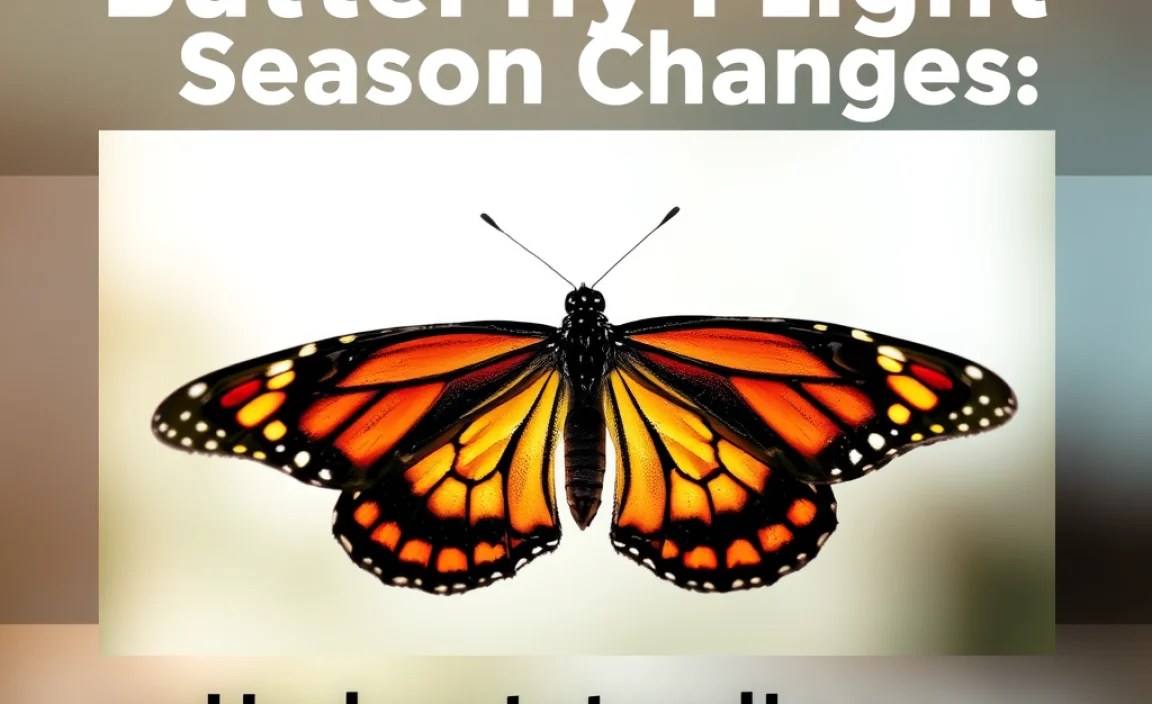
Monarch butterflies are famous for their long-distance migrations. In North America, they typically have multiple generations during the spring and summer months. The last generation migrates south to overwintering sites in Mexico and California.
- Flight Season: Spring to Fall
- Habitat: Fields, meadows, gardens
- Host Plant: Milkweed
Swallowtail Butterflies (Papilio spp.)
Swallowtail butterflies are large and colorful, with distinctive tails on their hindwings. There are many different species of swallowtails, each with its own flight season and host plant preferences.
- Flight Season: Spring to Fall (varies by species)
- Habitat: Woodlands, gardens, open fields
- Host Plant: Varies by species (e.g., citrus, parsley, dill)
Painted Lady Butterfly (Vanessa cardui)
Painted Lady butterflies are migratory and can be found all over the world. They are known for their rapid and erratic flight.
- Flight Season: Spring to Fall
- Habitat: Open areas, gardens, roadsides
- Host Plant: Thistle, mallow
Cabbage White Butterfly (Pieris rapae)
Cabbage White butterflies are common pests of gardens and agricultural fields. They are small and white, with black spots on their wings.
- Flight Season: Spring to Fall
- Habitat: Gardens, fields, urban areas
- Host Plant: Cabbage, broccoli, other cruciferous plants
Observing and Recording Butterfly Flight Seasons

One of the best ways to learn about butterfly flight seasons is to observe and record your own sightings. Here’s how:
Creating a Butterfly Journal
Keep a journal to record your butterfly observations. Include the date, time, location, and species of butterfly you saw. You can also note the weather conditions and any interesting behaviors you observed.
Using Citizen Science Programs
Participate in citizen science programs like the North American Butterfly Association (NABA) butterfly counts. These programs collect data on butterfly populations and flight seasons across North America (NABA Website).
Photographing Butterflies
Take photos of the butterflies you see. This can help you identify them later and track changes in their flight seasons over time. Use a camera or smartphone to capture clear images.
Gardening to Support Butterflies Throughout the Flight Season
You can create a butterfly-friendly garden that provides food and shelter for butterflies throughout their flight season. Here’s how:
Choosing the Right Host Plants
Plant host plants that caterpillars need to feed on. Research which host plants are native to your area and preferred by local butterfly species. Some popular options include milkweed for Monarchs, dill for Swallowtails, and cabbage for Cabbage Whites.
Providing Nectar Sources
Plant flowers that provide nectar for adult butterflies. Choose a variety of flowers that bloom at different times of the year to ensure a continuous supply of nectar. Consider native wildflowers like coneflowers, asters, and goldenrod.
Creating a Butterfly Habitat
Provide a safe and sheltered habitat for butterflies. Include shrubs and trees for shelter from wind and rain. Add a shallow dish of water with pebbles for butterflies to drink from. Avoid using pesticides, which can harm butterflies and other beneficial insects.
Butterfly Flight Season by Region
Let’s explore how butterfly flight seasons differ across various regions of the United States.
Northeast Region
In the Northeast, butterfly flight season generally runs from late spring to early fall. The peak season is typically in July and August. Common butterflies include Monarchs, Swallowtails, and various species of fritillaries.
| Butterfly Species | Flight Season | Host Plant |
|---|---|---|
| Monarch | June – September | Milkweed |
| Black Swallowtail | May – September | Parsley, Dill |
| Eastern Tiger Swallowtail | April – August | Wild Cherry, Tulip Tree |
Southeast Region
The Southeast has a longer butterfly flight season, often starting in early spring and lasting until late fall. In some areas, butterflies can be seen year-round. Common butterflies include Gulf Fritillaries, Zebra Swallowtails, and various species of skippers.
| Butterfly Species | Flight Season | Host Plant |
|---|---|---|
| Gulf Fritillary | Year-round (warmer areas) | Passionflower |
| Zebra Swallowtail | March – November | Pawpaw |
| Pipevine Swallowtail | March – October | Pipevine |
Midwest Region
The Midwest has a distinct butterfly flight season that runs from late spring to early fall. The peak season is typically in June and July. Common butterflies include Monarchs, Viceroys, and various species of blues.
| Butterfly Species | Flight Season | Host Plant |
|---|---|---|
| Monarch | May – September | Milkweed |
| Viceroy | May – September | Willow, Poplar |
| Red Admiral | April – October | Nettles |
Southwest Region
The Southwest has a diverse butterfly flight season that varies depending on elevation and rainfall. In the desert regions, butterflies are most active during the monsoon season in late summer. Common butterflies include Queen Butterflies, Painted Ladies, and various species of swallowtails.
| Butterfly Species | Flight Season | Host Plant |
|---|---|---|
| Queen | Year-round (warmer areas) | Milkweed |
| Painted Lady | Variable, depends on migration | Thistle, Mallow |
| Giant Swallowtail | April – October | Citrus, Rue |
Pacific Northwest Region
The Pacific Northwest has a butterfly flight season that runs from late spring to early fall. The peak season is typically in July and August. Common butterflies include Anise Swallowtails, Lorquin’s Admirals, and various species of fritillaries.
| Butterfly Species | Flight Season | Host Plant |
|---|---|---|
| Anise Swallowtail | May – September | Anise, Fennel |
| Lorquin’s Admiral | June – September | Willow, Cherry |
| Western Tiger Swallowtail | April – August | Various trees and shrubs |
Resources for Learning More About Butterfly Flight Seasons
There are many resources available to help you learn more about butterfly flight seasons. Here are a few suggestions:
- Butterfly Field Guides: Purchase a field guide specific to your region to help you identify butterflies and learn about their flight seasons.
- Online Resources: Check out websites like the North American Butterfly Association (NABA) and the Xerces Society for information on butterfly conservation and identification (Xerces Society).
- Local Nature Centers: Visit your local nature center or botanical garden to learn about butterflies in your area and participate in butterfly walks and workshops.
FAQ About Butterfly Flight Season Changes
What is a butterfly flight season?
A butterfly flight season is the period of time when adult butterflies are active and can be seen flying around in a particular area.
Why do butterfly flight seasons change?
Butterfly flight seasons change due to factors like temperature, rainfall, sunlight, and the availability of food sources such as host plants and nectar.
Do all butterflies have the same flight season?
No, different butterfly species have different flight seasons depending on their life cycles and environmental requirements.
How does climate change affect butterfly flight seasons?
Climate change can cause butterflies to emerge earlier in the year, shift their ranges, and alter the availability of host plants and nectar sources.
What can I do to help butterflies during their flight season?
You can plant host plants and nectar sources in your garden, avoid using pesticides, and participate in citizen science programs to monitor butterfly populations.
Where can I find information about butterfly flight seasons in my area?
You can check with local nature centers, butterfly field guides, and online resources like the North American Butterfly Association (NABA) and the Xerces Society.
Are butterflies active year-round in some places?
Yes, in tropical regions with consistently warm weather, some butterfly species can be active year-round.
Conclusion
Understanding butterfly flight season changes allows us to truly appreciate the intricate dance between these delicate creatures and their environment. By learning about the factors that influence their activity, such as temperature, rainfall, and food availability, we can predict when and where to find them. Whether you’re a gardener, a nature enthusiast, or simply someone who admires the beauty of butterflies, observing and recording their flight seasons can be a rewarding experience.
By creating butterfly-friendly habitats in our own backyards, we can support these important pollinators and help ensure their survival for generations to come. So, grab your binoculars, plant some nectar-rich flowers, and get ready to witness the magic of butterfly flight season in your area!