
Species Identification Macro Photography: Easy Guide

Have you ever seen a tiny bug up close? It can look like an alien! How do scientists know what kind of bug it is? They use something called species identification macro photography. This helps them see small details. It is like using a super-powered magnifying glass.
Species identification macro photography lets us learn about the world. We can see things we never noticed before. Are you ready to explore the tiny world? Let’s learn how to identify different creatures!
Key Takeaways
- Species identification macro photography helps identify small creatures using detailed photos.
- Good lighting and a steady camera are key for clear macro photos.
- Focus stacking can help get the whole subject in focus.
- Looking at tiny details helps to tell species apart.
- Macro photos help scientists and nature lovers learn about biodiversity.
Understanding Species Identification Macro Photography
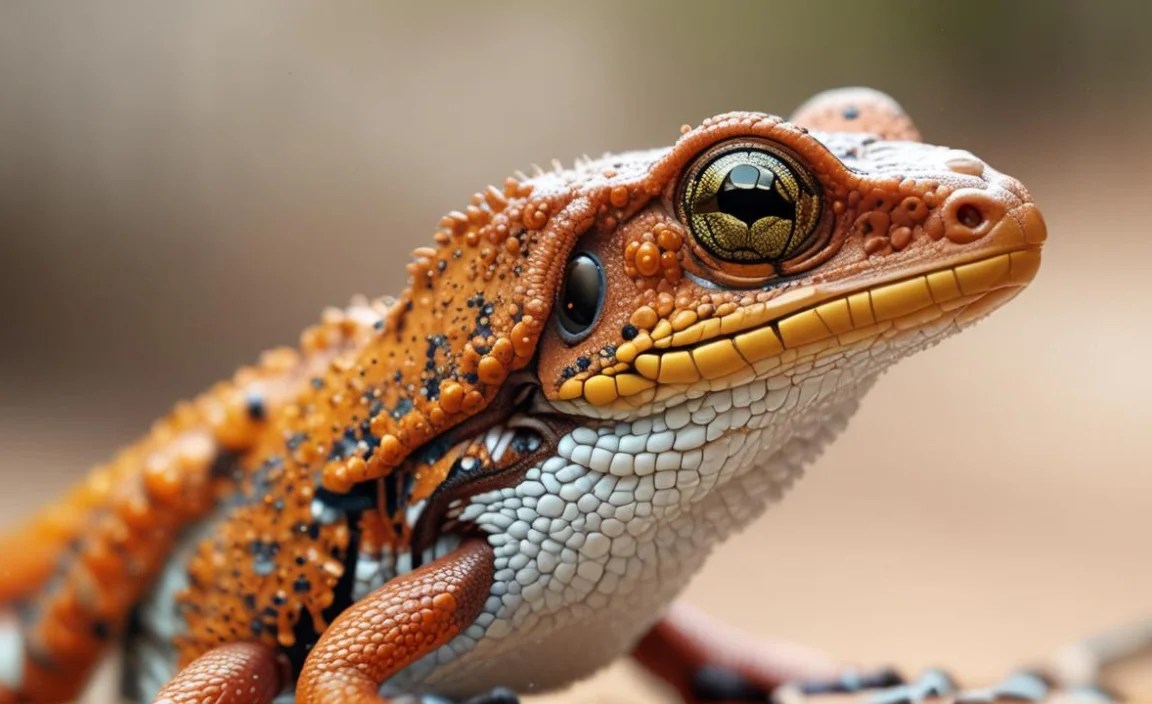
Have you ever wondered how scientists study tiny insects or plants? Species identification macro photography is a big part of it. It involves taking very close-up pictures of small things. These photos show details that you can’t see with your eyes. Scientists use these pictures to figure out what species a creature belongs to. It is like being a detective but with a camera.
Imagine you find a small bug in your backyard. You take a picture of it with a macro lens. The picture shows the tiny hairs on its legs. It also shows the patterns on its wings. A scientist can use these details to identify the bug. They can compare it to pictures of other bugs. They can use books and online databases to help. This helps them know what kind of bug it is. Species identification macro photography is a powerful tool. It helps us learn about the world around us.
- Macro photos show tiny details.
- Scientists use these photos to identify species.
- Clear photos are very important.
- Lighting is also very important.
- Details like hairs and patterns help a lot.
Species identification macro photography is not just for scientists. Anyone can do it! You can use a macro lens on your camera or phone. You can take pictures of flowers, insects, or anything small. You can then try to identify them yourself. There are many online resources that can help. You can learn a lot about the world this way. It is a fun and educational hobby. It helps you appreciate the small things in life. It can also help you understand the importance of biodiversity.
Fun Fact or Stat: The word “macro” comes from the Greek word “makros,” which means “large” or “long.”
What Equipment Is Needed?
Do you need special stuff for macro photos? Yes, you do need some special gear. A macro lens is very important. It lets you focus very closely on small subjects. A tripod helps keep your camera steady. This is important because macro photos need sharp focus. Good lighting is also key. You might need a special flash for macro photos. These tools help you take the best pictures possible. They let you see the tiny details.
What Are the Best Settings?
What camera settings should you use? You should use a small aperture. This helps get more of the subject in focus. You should also use a low ISO. This helps reduce noise in your pictures. Use a fast shutter speed. This will help avoid blurry photos. Experiment with different settings. Find what works best for your subject and lighting. Remember, practice makes perfect. The right settings make a big difference.
How to Improve Macro Photos?
Want to make your macro photos even better? Try focus stacking. This is a technique that combines multiple photos. Each photo has a different part in focus. The combined image has everything in focus. Clean your lens often. Dust and dirt can ruin a macro photo. Use a reflector to bounce light onto your subject. This can help brighten up the shadows. These tips can help you take amazing macro photos.
Importance of Lighting in Macro Photography for Identification

Lighting is super important in macro photography. Good light helps show all the tiny details. These details help with species identification macro photography. If the light is bad, the picture might be blurry. You might not see the important parts of the bug or plant. So, how do you get good light? You can use a special macro flash. This is a small light that shines right on your subject. You can also use a reflector. This bounces light onto the subject.
Think about taking a picture in a dark room. It’s hard to see anything! The same thing happens with macro photos. If there’s not enough light, the picture will be dark and unclear. But too much light can also be a problem. It can create harsh shadows. These shadows can hide important details. The best light is soft and even. It lights up the whole subject without harsh shadows. This helps you see all the tiny parts. It makes species identification macro photography much easier.
- Good light shows tiny details.
- Bad light makes pictures blurry.
- Use a macro flash for extra light.
- Reflectors bounce light.
- Soft light is best for macro photos.
Natural light can be great for macro photos. But it can also be tricky. The sun is always moving. This means the light is always changing. You might need to adjust your settings often. Cloudy days can be good for macro photos. The clouds act like a giant softbox. They spread the light evenly. This creates soft, even lighting. No matter what light you use, always pay attention to the details. Make sure you can see everything clearly. This is the key to good species identification macro photography.
Fun Fact or Stat: A ring flash is a special type of flash that goes around the lens. It provides even lighting for macro photos.
How to Use Natural Light?
Using natural light can be great. But it changes all the time. The sun moves, and clouds come and go. Try to shoot in the early morning or late afternoon. The light is softer then. Avoid shooting in direct sunlight. It can create harsh shadows. Use a diffuser to soften the light. A white sheet can work as a diffuser. Pay attention to the direction of the light. It can change the way the subject looks.
Why Is Artificial Light Useful?
Artificial light can be very helpful. It gives you more control. You can use a macro flash or LED light. These lights are small and easy to use. They provide consistent lighting. You can adjust the brightness. This lets you get the perfect light. Artificial light is great for indoor macro photos. It is also useful on cloudy days. It helps you capture the best details.
What About Light Reflectors?
Light reflectors are simple and useful. They bounce light onto your subject. This helps brighten up the shadows. You can buy reflectors or make your own. A piece of white cardboard can work well. Reflectors come in different colors. White and silver are good for bouncing light. Gold can add a warm tone. Experiment with different reflectors. See what works best for your photos.
Focus Stacking Techniques for Sharp Identification Images
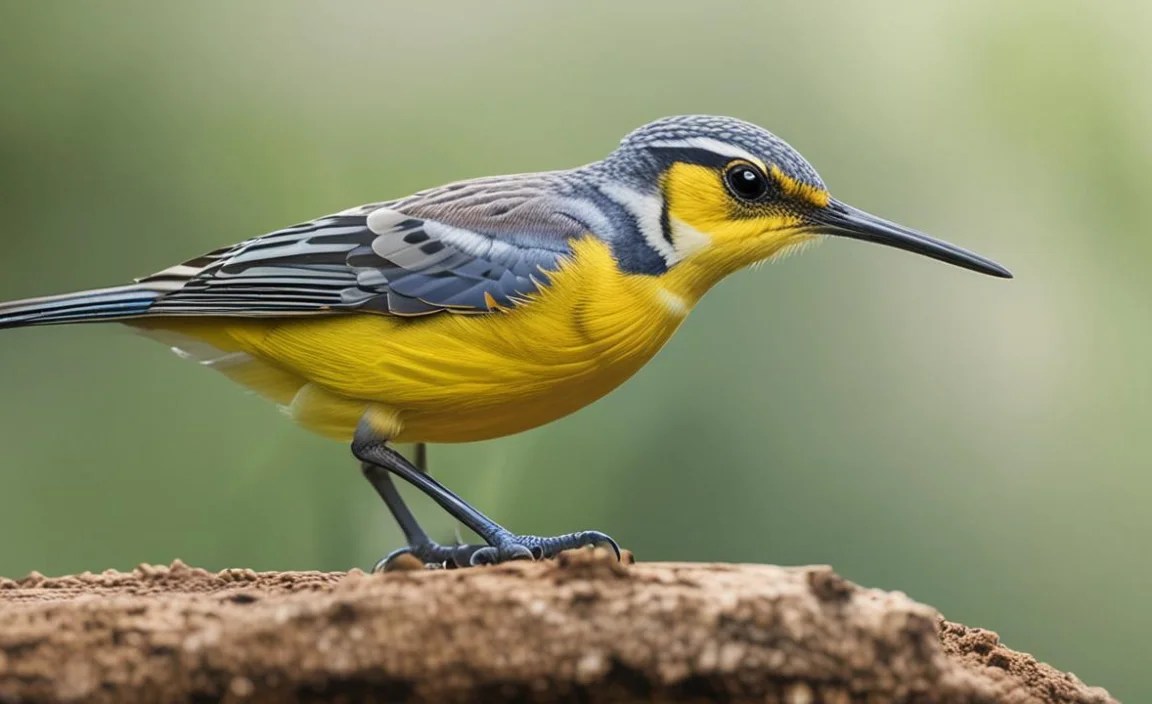
Have you ever taken a macro photo and only part of it is sharp? This is a common problem. Focus stacking can help! It’s a way to get the whole subject in focus. You take many photos. Each photo focuses on a different part. Then, you use a computer program to combine them. The final image has everything sharp and clear. This is great for species identification macro photography.
Imagine you are taking a picture of a flower. The petals in front are sharp. But the stem in the back is blurry. With focus stacking, you take one photo of the petals. Then, you take another photo of the stem. The computer program puts them together. Now, both the petals and the stem are sharp. This technique is very useful for small subjects. It lets you see all the details clearly. This helps scientists identify the species correctly.
- Focus stacking makes everything sharp.
- Take many photos with different focus.
- Combine the photos with a program.
- Great for flowers and insects.
- Helps with accurate identification.
Focus stacking can be a bit tricky. You need a tripod to keep the camera still. You also need a special program. Some cameras have focus stacking built in. This makes it easier. Practice makes perfect. Start with simple subjects. Then, try more complex ones. The results are worth the effort. You’ll get amazing macro photos. They will show all the tiny details. This is very important for species identification macro photography.
Fun Fact or Stat: Some focus stacking software can automatically align and blend hundreds of images!
How to Set Up for Focus Stacking?
Setting up for focus stacking is important. Use a tripod to keep the camera steady. Set your camera to manual focus. Take the first photo with the closest part in focus. Then, slowly adjust the focus. Take another photo. Keep doing this until the whole subject is covered. Use a remote shutter release. This helps avoid camera shake. Small movements can ruin the photos.
What Software Is Best for Stacking?
There are many software options for focus stacking. Photoshop is a popular choice. It has a focus stacking feature. Helicon Focus is another option. It is designed specifically for focus stacking. Zerene Stacker is also a good choice. Try different programs. See which one you like best. Each program has its own strengths and weaknesses.
How to Edit Stacked Images?
Editing stacked images is important. After stacking, you might need to make adjustments. Adjust the brightness and contrast. Sharpen the image. Remove any artifacts. These are small imperfections. They can appear during the stacking process. Use Photoshop or another editing program. Make sure the final image looks natural. The goal is to show the details clearly.
Identifying Key Features for Accurate Species Classification
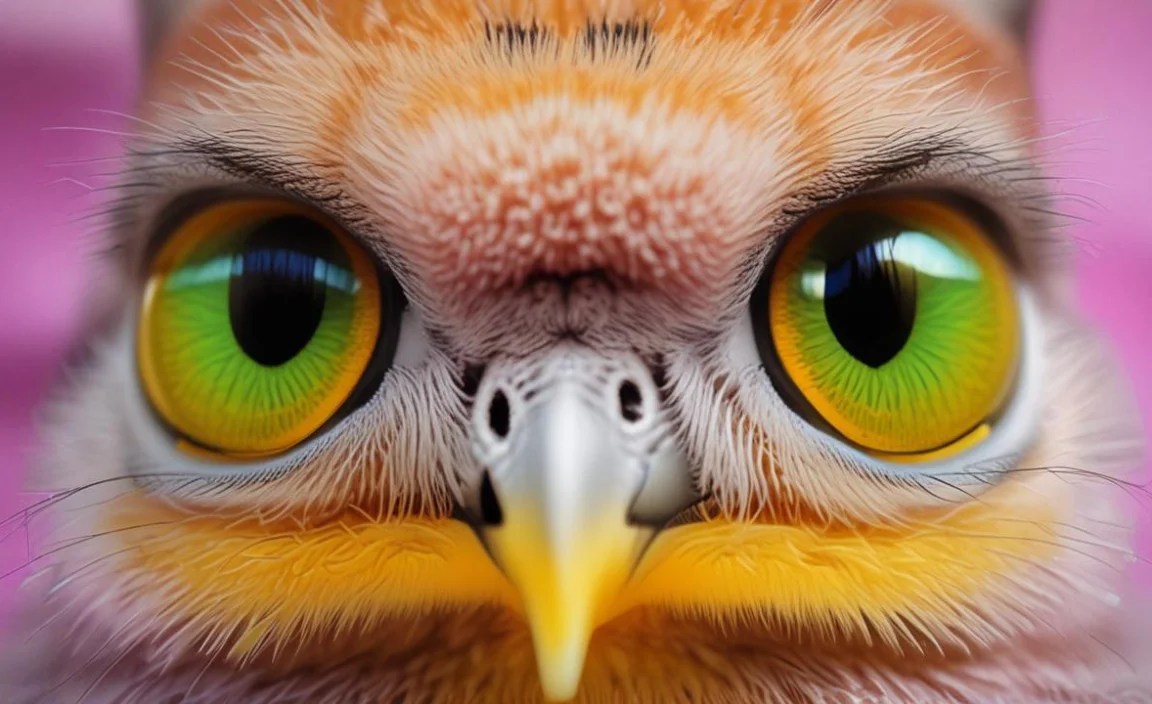
What makes a ladybug a ladybug? It’s the spots, right? Species identification macro photography helps us see even smaller differences. These differences help us tell one species from another. We look at tiny hairs, wing patterns, and the shape of body parts. Each detail is like a clue. These clues help us solve the mystery of what species it is. Without macro photos, these clues would be invisible.
Think about leaves. All leaves look kind of similar. But if you look closely, you see tiny veins. You see different shapes and textures. Species identification macro photography lets us zoom in on these details. We can see the tiny hairs on the leaf’s surface. We can see how the veins branch out. These details help botanists tell different plants apart. It is like having a secret code to unlock the plant’s identity.
- Look for tiny hairs and patterns.
- Check the shape of body parts.
- Observe the veins on leaves.
- Note the color and texture.
- Compare to reference photos.
It’s not just about seeing the details. It’s also about knowing what to look for. Scientists use field guides and databases. These resources describe the key features of each species. They compare your macro photos to these descriptions. This helps you make an accurate identification. It takes practice and patience. But it’s a rewarding way to learn about the world. Species identification macro photography makes it possible.
Fun Fact or Stat: Some insects have microscopic structures on their wings that create iridescent colors!
Why Are Hairs Important?
Hairs might seem small, but they are important. Insects and plants have hairs. These hairs can be different shapes and sizes. They can be smooth or rough. Some hairs are even branched. These differences help with identification. Macro photos show these details clearly. Pay attention to the hairs. They can tell you a lot.
What About Wing Patterns?
Wing patterns are like fingerprints. Each species has a unique pattern. Look at the veins in the wings. Notice the colors and spots. Macro photos show these patterns in detail. Compare the patterns to reference images. This can help you identify the species. Wing patterns are a key feature.
How to Observe Leaf Veins?
Leaf veins are like roads on a map. They carry water and nutrients. The pattern of veins is different for each plant. Look at how the veins branch out. Notice the shape of the veins. Macro photos let you see these details. Compare the vein patterns to field guides. This helps you identify the plant.
Tools and Resources for Species Identification Using Macro Images
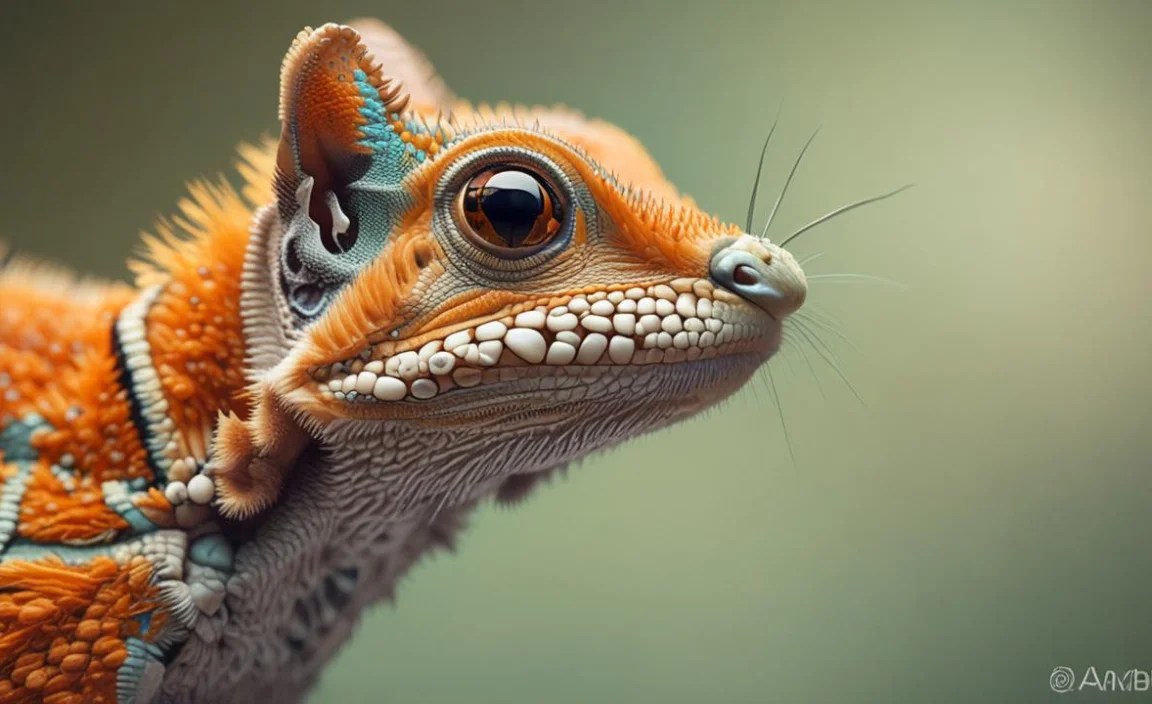
You have your macro photos. Now what? You need tools to help you identify the species. Field guides are a great start. These books have pictures and descriptions of different species. Online databases are also helpful. They have lots of information and photos. There are even apps that can identify species from a photo. These tools make species identification macro photography easier.
Imagine you find a strange mushroom. You take a macro photo of its gills. You then use a mushroom identification app. The app compares your photo to its database. It tells you what kind of mushroom it is. It also tells you if it’s poisonous. This is a powerful tool for learning about nature. It helps you explore the world safely. Species identification macro photography combined with these tools is amazing.
- Use field guides for identification.
- Explore online databases.
- Try species identification apps.
- Join online communities.
- Ask experts for help.
Don’t be afraid to ask for help. There are many online communities of nature lovers. You can share your macro photos and ask for identification. Experts can often identify species from a good photo. Learning from others is a great way to improve. Species identification macro photography is a skill that gets better with practice. The more you learn, the more you’ll appreciate the world around you.
Fun Fact or Stat: Citizen science projects use macro photos taken by everyday people to track biodiversity!
What Are Good Field Guides?
Field guides are essential for identification. Look for guides that cover your area. Peterson Field Guides are a popular choice. They have detailed descriptions and illustrations. Audubon Field Guides are also good. They have lots of photos. Choose a guide that is easy to use. The best guide is one you will actually use.
Which Online Databases to Use?
Online databases are a wealth of information. iNaturalist is a great resource. It has millions of observations. BugGuide.net is good for insects. The Plant List is useful for plants. These databases have photos and descriptions. You can also submit your own observations. This helps other people learn.
How to Use Identification Apps?
Identification apps are convenient and easy to use. iNaturalist has an app called Seek. It can identify species from a photo. PlantNet is another good app for plants. Picture Insect is good for insects. These apps are not always perfect. But they can give you a good starting point. Always double-check the identification.
Challenges and Limitations of Macro Photography in Species ID
Species identification macro photography is great. But it’s not always easy. Sometimes, the photos are blurry. Or the lighting is bad. Sometimes, the species just look very similar. It can be hard to tell them apart. Also, some species change as they grow. A young insect might look different from an adult. These challenges can make identification difficult.
Imagine you are trying to identify a tiny spider. You take a macro photo, but it’s not very clear. The spider is moving, so the photo is blurry. You can’t see the details of its eyes. You can’t see the pattern on its abdomen. It’s hard to say what kind of spider it is. This shows the limitations of macro photography. Even with good equipment, it’s not always possible to get a perfect picture. Species identification macro photography has its challenges.
- Blurry photos can be a problem.
- Bad lighting makes it hard to see details.
- Some species look very similar.
- Young and adult forms can differ.
- Not all features are visible.
| Challenge | Description | Solution |
|---|---|---|
| Blurry Photos | Movement or unstable camera causes blur. | Use a tripod and fast shutter speed. |
| Poor Lighting | Shadows hide important details. | Use a macro flash or reflector. |
| Similar Species | Some species look almost identical. | Compare multiple features carefully. |
| Developmental Changes | Young and adult forms differ. | Consider the age of the specimen. |
| Limited Visibility | Not all features are visible in a photo. | Take multiple photos from different angles. |
Even with these challenges, species identification macro photography is a valuable tool. It helps us learn about biodiversity. It helps us track changes in the environment. It helps us appreciate the small things in life. By understanding the limitations, we can use macro photography more effectively. We can combine it with other techniques. We can get a more complete picture of the natural world.
Fun Fact or Stat: Some species can only be identified by examining their DNA!
How to Overcome Blurry Photos?
Blurry photos are a common problem. Use a tripod to stabilize the camera. Increase the shutter speed. This will freeze the motion. Use a remote shutter release. This avoids camera shake. Focus carefully. Make sure the subject is sharp. Practice these techniques. You will get better at avoiding blurry photos.
What If Lighting Is Poor?
Poor lighting can hide important details. Use a macro flash to add light. A reflector can bounce light onto the subject. Try different lighting angles. Avoid harsh shadows. Soft, even lighting is best. Experiment with different lighting techniques. You will find what works best for you.
When Species Look Very Similar?
Some species look almost identical. Compare multiple features carefully. Look for subtle differences. Use field guides and databases. Ask experts for help. Sometimes, it’s not possible to identify the species. Even experts can be stumped. Don’t get discouraged. Keep learning and exploring.
Ethical Considerations in Wildlife Macro Photography for Species ID
Taking pictures of tiny creatures is fun. But we need to be careful. We don’t want to hurt them. We should not disturb their homes. We should not take them from their natural environment. Ethical species identification macro photography means respecting wildlife. It means putting their well-being first. We can learn about nature without harming it.
Imagine you find a rare butterfly. You want to take a macro photo. But the butterfly is resting on a delicate flower. If you get too close, you might damage the flower. You might scare the butterfly away. It’s important to be mindful of your impact. Species identification macro photography should not come at the expense of nature. We should always prioritize the well-being of the animals and plants we photograph.
- Don’t disturb wildlife habitats.
- Avoid stressing animals.
- Don’t remove species from their environment.
- Be mindful of your impact.
- Follow local rules and regulations.
Always follow local rules and regulations. Some areas have special rules for wildlife photography. These rules are there to protect the animals and plants. Be a responsible photographer. Leave the environment as you found it. Pack out your trash. Stay on marked trails. By following these guidelines, we can all enjoy species identification macro photography. We can also help protect the natural world.
Fun Fact or Stat: Some photographers use remote cameras to avoid disturbing sensitive wildlife.
How to Avoid Disturbing Habitats?
Avoid disturbing habitats. Stay on marked trails. Don’t trample plants. Don’t move rocks or logs. Be careful where you step. Avoid sensitive areas. These areas might be nesting sites or breeding grounds. Respect the environment. Leave it as you found it.
What to Do If an Animal Is Stressed?
If an animal is stressed, give it space. Back away slowly. Don’t make sudden movements. Don’t try to touch it. Let it calm down. Sometimes, it’s best to leave the area. The animal might need to rest. Your presence might be causing stress.
Why Not to Remove Species?
Never remove species from their environment. They belong in their natural habitat. Removing them can disrupt the ecosystem. It can also harm the species. They might not survive in a different environment. Leave them where you found them. Observe them in their natural setting.
Summary
Species identification macro photography is a powerful tool. It helps us see the tiny details of the natural world. These details help us identify different species. Good lighting and focus are very important. Focus stacking can help get the whole subject in focus. We can use field guides, online databases, and apps to help. It is important to be ethical and respect wildlife.
Even with challenges, macro photography is a valuable tool. It helps us learn about biodiversity. It helps us track changes in the environment. Anyone can do it! You can use a macro lens on your camera or phone. You can take pictures of flowers, insects, or anything small. It is a fun and educational hobby.
Conclusion
Species identification macro photography lets us see the world in a new way. We can learn about tiny creatures and plants. We can discover the secrets of nature. It takes practice and patience. But it’s a rewarding way to explore the world. So grab your camera and start exploring! You might be surprised at what you find.
Frequently Asked Questions
Question No 1: What is species identification macro photography?
Answer: It is taking very close-up pictures of small things to figure out what species they are. These pictures show details that you can’t see with your eyes. Scientists use these pictures to identify insects, plants, and other small creatures. It is like using a super-powered magnifying glass.
Question No 2: What equipment do I need for macro photography?
Answer: You need a macro lens. This lets you focus very closely on small subjects. A tripod is also important. It keeps your camera steady. Good lighting is key. You might need a special flash for macro photos. These tools help you take the best pictures possible.
Question No 3: How do I get good lighting for macro photos?
Answer: Good light is super important. You can use a macro flash. This shines light right on your subject. You can also use a reflector. This bounces light onto the subject. Soft, even light is best. Avoid harsh shadows.
Question No 4: What is focus stacking?
Answer: Focus stacking is a way to get the whole subject in focus. You take many photos, each focused on a different part. Then, you use a computer program to combine them. The final image has everything sharp and clear. This is very useful for species identification macro photography.
Question No 5: How do I identify species from macro photos?
Answer: Look for tiny details like hairs and patterns. Check the shape of body parts. Observe the veins on leaves. Use field guides and online databases. Compare your photos to reference images. Ask experts for help if you’re not sure. These tools help with the species identification macro photography process.
Question No 6: What are some ethical considerations in wildlife macro photography?
Answer: Be careful not to disturb wildlife habitats. Avoid stressing animals. Don’t remove species from their environment. Be mindful of your impact. Follow local rules and regulations. Respect the natural world when taking species identification macro photography.


