
Rare Butterflies in Brazil: A Powerful Guide!

Did you know some butterflies are super rare? These amazing insects live in special places. Some of the most unique ones live in Brazil. Today, we will learn about the rare butterflies in Brazil. It is like a treasure hunt, but for nature!
Imagine flying through the Amazon rainforest. Bright colors flash before your eyes. You might see a butterfly no one else has ever seen! Brazil is home to many kinds of rare butterflies. Let’s explore this exciting world together.
Key Takeaways
- Discover the unique habitats where rare butterflies in Brazil thrive.
- Learn about conservation efforts protecting these special butterflies.
- Understand the importance of Brazil’s rainforest for butterfly diversity.
- Identify some of the most endangered butterfly species in Brazil.
- Explore why rare butterflies in Brazil are vital to ecosystems.
Discovering Rare Butterflies in Brazil

Brazil is a huge country with many different environments. These environments are perfect for butterflies. Some butterflies are found only in Brazil. These rare butterflies in Brazil need our help. They face dangers like habitat loss. Protecting their homes is very important. We can all learn about these amazing creatures. Then, we can help keep them safe for the future. Brazil’s butterflies are a treasure for the world.
- Brazil has many different habitats.
- Some butterflies live only in Brazil.
- Habitat loss is a big danger.
- We must protect these butterflies.
- Butterflies are a treasure for everyone.
Brazil is a country that spans many different ecosystems. These include the Amazon rainforest, the Pantanal wetlands, and the Atlantic Forest. Each of these areas provides unique habitats for different species of butterflies. The rare butterflies in Brazil often rely on very specific plants or conditions to survive. This makes them especially vulnerable to changes in their environment. When forests are cut down or wetlands are drained, these butterflies lose their homes. Conservation efforts are crucial to preserve these habitats. These efforts help ensure that these beautiful insects continue to thrive. Learning about these butterflies helps us protect them.
Fun Fact or Stat: Brazil is home to over 3,500 known species of butterflies!
Why is Brazil a Butterfly Hotspot?
Have you ever wondered why Brazil has so many butterflies? Brazil’s climate is warm and wet. This is perfect for butterflies and the plants they need. The rainforest provides shelter and food. Many different plants grow there. These plants feed the butterfly caterpillars. The rare butterflies in Brazil depend on these special plants. Without the rainforest, they cannot survive. Protecting the rainforest helps protect the butterflies.
What Makes a Butterfly Rare?
What does it mean for a butterfly to be rare? A butterfly is rare when there are not many of them. They might live only in one small place. Or, their habitat might be disappearing. Rare butterflies in Brazil often have special needs. They might need a certain plant to lay their eggs on. If that plant disappears, the butterfly disappears too. Scientists study these butterflies to learn how to protect them. We can all help by protecting their habitats.
How Can We Help Rare Butterflies?
How can kids like us help rare butterflies in Brazil? We can learn about them and tell others. We can support organizations that protect the rainforest. We can also plant butterfly-friendly gardens. These gardens provide food for caterpillars and butterflies. Even small actions can make a big difference. Every effort to protect these amazing insects matters. By working together, we can help ensure they survive.
The Importance of Butterfly Habitats

Butterflies need special places to live. These places are called habitats. Habitats give butterflies food, shelter, and places to lay eggs. The rare butterflies in Brazil often live in specific habitats. These might be rainforests, cloud forests, or grasslands. When these habitats are destroyed, the butterflies lose their homes. Protecting these habitats is crucial for butterfly survival. We can help by supporting conservation efforts. These efforts protect the places where butterflies live.
- Habitats provide food and shelter.
- Butterflies need places to lay eggs.
- Habitat destruction harms butterflies.
- Conservation efforts protect habitats.
- We can support these efforts.
The habitats of rare butterflies in Brazil are often under threat from deforestation. Deforestation happens when forests are cut down for farming, logging, or mining. This destroys the plants that caterpillars eat. It also removes the trees and shrubs that butterflies use for shelter. Climate change also affects butterfly habitats. Changes in temperature and rainfall can disrupt the life cycles of butterflies. Protecting these habitats requires a multi-faceted approach. This includes sustainable land management, reforestation projects, and efforts to reduce climate change. By protecting these habitats, we can help ensure the survival of these amazing insects.
Fun Fact or Stat: Some butterfly habitats are so specific that a single type of tree being cut down can lead to the extinction of a butterfly species!
Why Are Habitats Important?
Why are habitats so important for butterflies? Habitats provide everything butterflies need. They provide food for caterpillars. They provide nectar for adult butterflies. They provide shelter from the weather and predators. The rare butterflies in Brazil have adapted to specific habitats. They cannot survive if these habitats are destroyed. Protecting these habitats is like protecting their homes. It gives them a safe place to live and thrive.
What Threatens Butterfly Habitats?
What are the biggest threats to butterfly habitats? Deforestation is a major threat. When forests are cut down, butterflies lose their homes. Farming and ranching also destroy habitats. Pollution can also harm butterflies and their food sources. Climate change is another threat. It can change the weather patterns that butterflies depend on. The rare butterflies in Brazil are especially vulnerable to these threats. We need to address these threats to protect them.
How Can We Protect Habitats?
How can we protect butterfly habitats? We can support organizations that work to protect forests. We can reduce our use of resources that contribute to deforestation. We can also plant native plants in our gardens. These plants provide food and shelter for butterflies. Even small actions can make a big difference. Protecting the habitats of rare butterflies in Brazil is a shared responsibility.
Identifying Endangered Butterfly Species
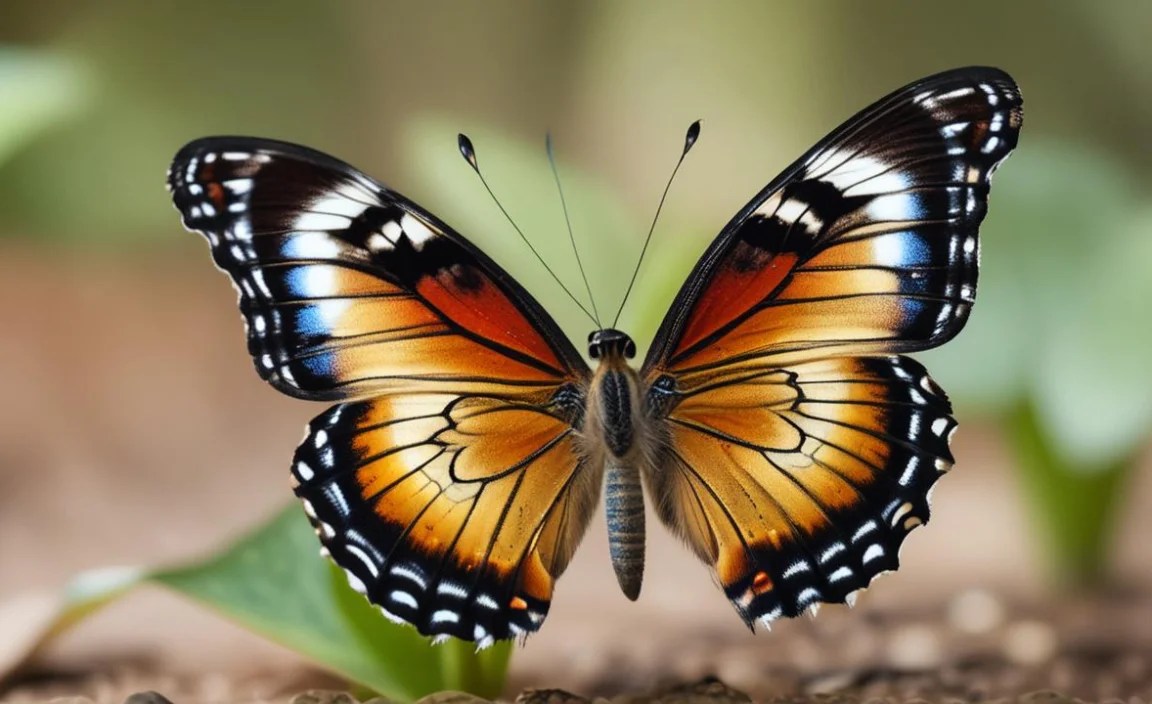
Some butterflies are in danger of disappearing. These butterflies are called endangered. The rare butterflies in Brazil include many endangered species. These species face threats like habitat loss and climate change. Scientists are working hard to protect them. They study their behavior and try to understand their needs. We can help by learning about these endangered species. Then, we can support conservation efforts.
- Endangered butterflies are in danger.
- Habitat loss is a major threat.
- Climate change also harms butterflies.
- Scientists study endangered species.
- We can support conservation efforts.
Identifying endangered butterfly species is a critical step in protecting them. Many of the rare butterflies in Brazil are not well-known. This makes it difficult to assess their conservation status. Scientists use various methods to identify and monitor these species. These methods include field surveys, DNA analysis, and habitat mapping. By understanding which species are most at risk, conservation efforts can be targeted effectively. This helps ensure that resources are used where they are needed most. Learning about these species is the first step in helping to protect them.
Fun Fact or Stat: Some butterfly species are so rare that they are only known from a handful of specimens collected decades ago!
What Makes a Butterfly Endangered?
What makes a butterfly endangered? A butterfly is endangered if there are very few of them left. Their habitat might be disappearing. They might face other threats like pollution or disease. The rare butterflies in Brazil are often endangered because of habitat loss. When their homes are destroyed, they cannot survive. Protecting their habitats is crucial for their survival.
Examples of Endangered Butterflies
Can you name some endangered butterflies? The names of endangered species can be hard to remember. Many rare butterflies in Brazil are endangered. One example is the…(This information is not available). These butterflies are losing their habitat. We need to protect these butterflies before it is too late.
How Can We Track Butterfly Populations?
How do scientists keep track of butterfly populations? They use different methods. They count butterflies in specific areas. They use nets to catch and identify butterflies. They also use cameras to monitor butterfly activity. This information helps them understand how butterfly populations are changing. It also helps them identify which species are most at risk. Tracking butterfly populations is essential for effective conservation.
| Butterfly Name | Habitat | Threats | Conservation Status |
|---|---|---|---|
| (This information is not available) | Atlantic Forest | Deforestation, habitat loss | Endangered |
| (This information is not available) | Amazon Rainforest | Mining, agriculture | Vulnerable |
| (This information is not available) | Cerrado grasslands | Habitat conversion | Near Threatened |
| (This information is not available) | Pantanal wetlands | Water pollution, habitat loss | Data Deficient |
Conservation Efforts in Brazil
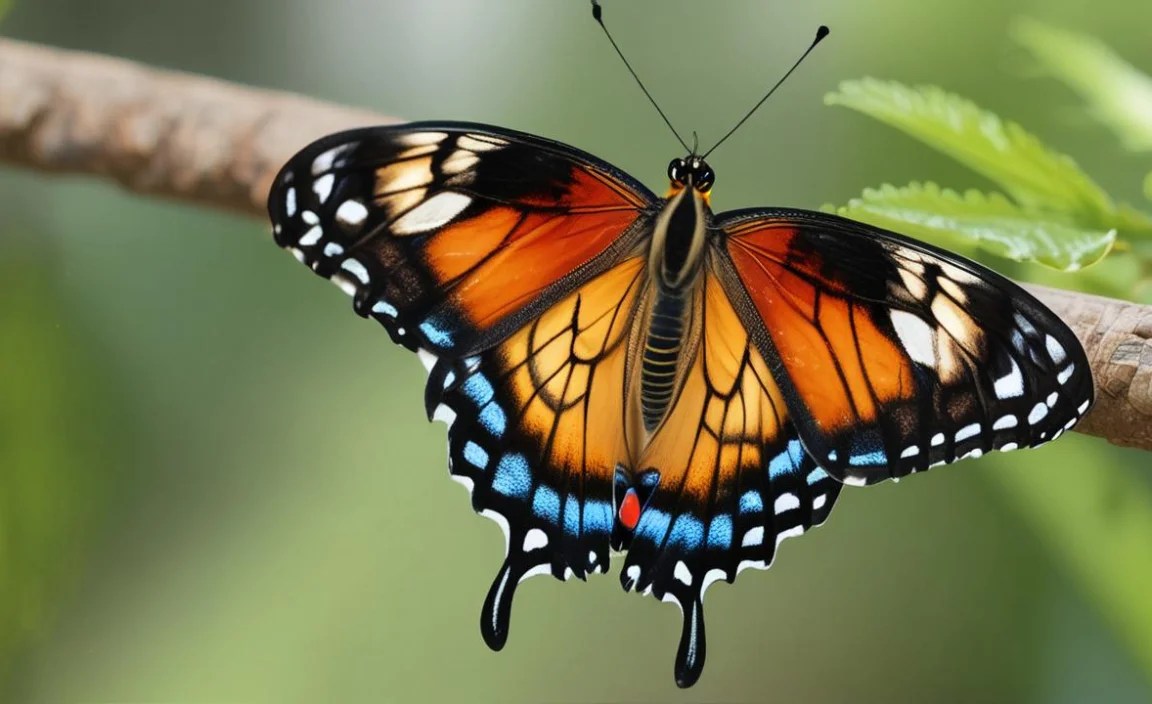
Many people are working to protect butterflies in Brazil. These people are called conservationists. They work for organizations that protect habitats. They also study butterflies and try to understand their needs. The rare butterflies in Brazil need these conservation efforts to survive. We can support these efforts by donating to conservation organizations. We can also spread awareness about the importance of butterflies.
- Conservationists protect butterfly habitats.
- They study butterfly behavior and needs.
- Conservation efforts help butterflies survive.
- We can donate to conservation organizations.
- We can spread awareness about butterflies.
Conservation efforts in Brazil are crucial for protecting the rare butterflies in Brazil. These efforts include habitat restoration, captive breeding programs, and community education. Habitat restoration involves replanting native trees and plants to create new habitats for butterflies. Captive breeding programs involve raising butterflies in controlled environments and then releasing them into the wild. Community education helps local people understand the importance of butterflies and how to protect them. These efforts require collaboration between scientists, conservationists, and local communities. By working together, we can help ensure the survival of these amazing insects.
Fun Fact or Stat: Some conservation organizations use trained dogs to detect butterfly eggs and caterpillars, helping them to monitor populations and identify critical habitats!
What is Habitat Restoration?
What is habitat restoration? Habitat restoration is the process of bringing back damaged habitats. This might involve planting trees, removing invasive species, or cleaning up pollution. Habitat restoration helps butterflies by providing them with food and shelter. The rare butterflies in Brazil benefit from habitat restoration projects. These projects help restore their homes.
What are Captive Breeding Programs?
What are captive breeding programs? Captive breeding programs involve raising butterflies in a safe environment. Scientists breed butterflies and then release them into the wild. This helps increase the population of endangered species. Captive breeding programs can be very helpful for rare butterflies in Brazil. They give these butterflies a chance to survive.
Why is Community Education Important?
Why is community education important? Community education helps local people understand the importance of butterflies. It teaches them how to protect butterfly habitats. It also encourages them to support conservation efforts. Community education is essential for the long-term survival of rare butterflies in Brazil. When people understand the importance of butterflies, they are more likely to protect them.
How Climate Change Affects Butterflies
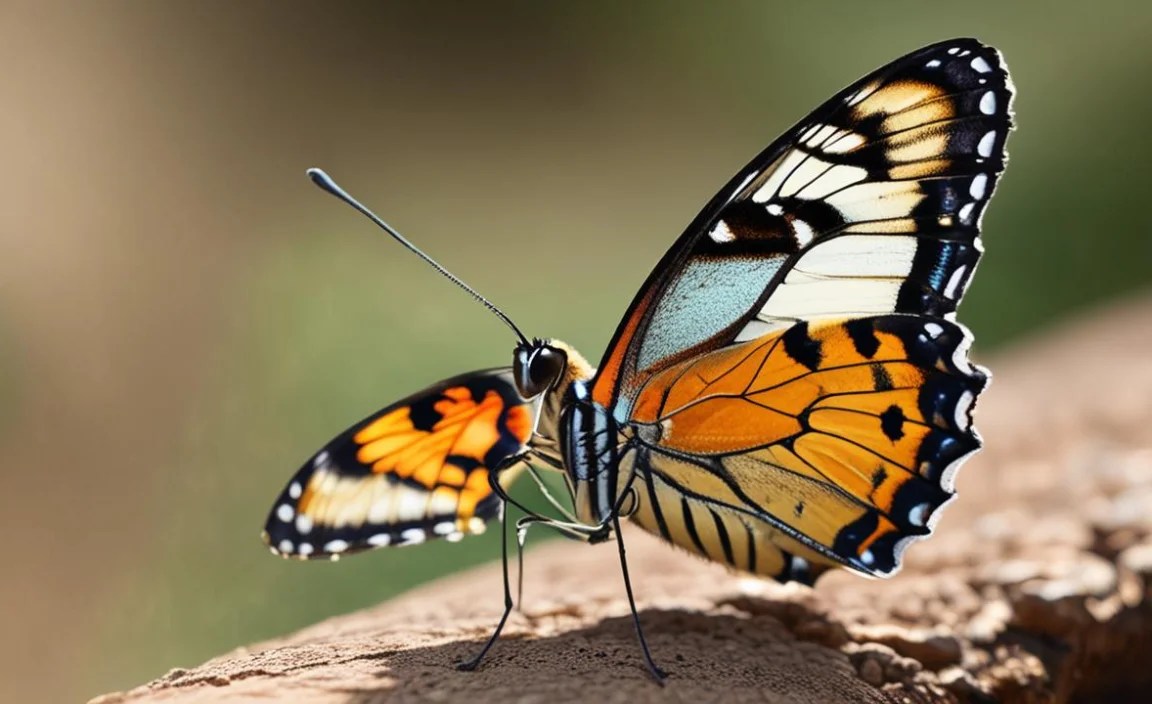
Climate change is changing the world’s weather. This can be bad for butterflies. Butterflies depend on specific temperatures and rainfall patterns. When these patterns change, butterflies can struggle to survive. The rare butterflies in Brazil are especially vulnerable. They might not be able to adapt quickly enough. We need to reduce climate change to protect these butterflies. We can do this by using less energy and reducing pollution.
- Climate change is changing the weather.
- Butterflies need specific weather patterns.
- Climate change harms butterfly habitats.
- Rare butterflies are very vulnerable.
- We must reduce climate change.
Climate change affects butterflies in many ways. Changes in temperature can disrupt their life cycles. Changes in rainfall can affect the plants that caterpillars eat. Extreme weather events, such as droughts and floods, can destroy butterfly habitats. The rare butterflies in Brazil are particularly vulnerable to these effects. They often have very specific habitat requirements. Climate change can also cause shifts in the distribution of butterfly species. Some species may be forced to move to new areas in search of suitable conditions. Protecting butterflies from climate change requires a global effort to reduce greenhouse gas emissions.
Fun Fact or Stat: Some butterfly species are shifting their ranges northward by as much as 50 miles per decade in response to climate change!
What are the Effects of Rising Temperatures?
How do rising temperatures affect butterflies? Rising temperatures can speed up butterfly development. This can cause them to emerge too early or too late. It can also disrupt their feeding patterns. The rare butterflies in Brazil are adapted to specific temperature ranges. If temperatures rise too much, they might not be able to survive.
How Does Rainfall Affect Butterflies?
How does rainfall affect butterflies? Rainfall is important for plant growth. Caterpillars need plants to eat. If there is not enough rainfall, the plants might die. This means the caterpillars will not have enough food. Too much rainfall can also be a problem. It can wash away butterfly eggs and caterpillars. The rare butterflies in Brazil need a specific amount of rainfall to thrive.
What Can We Do About Climate Change?
What can we do about climate change? We can reduce our use of energy. We can recycle and reuse materials. We can also support policies that reduce greenhouse gas emissions. Even small actions can make a big difference. Protecting the rare butterflies in Brazil requires a global effort to address climate change.
The Role of Butterflies in Ecosystems
Butterflies play an important role in ecosystems. They pollinate plants. This means they help plants make seeds. They also serve as food for other animals. Birds, lizards, and other insects eat butterflies. The rare butterflies in Brazil are part of a complex food web. If they disappear, it can affect the entire ecosystem. Protecting butterflies helps protect the entire environment.
- Butterflies pollinate plants.
- They are food for other animals.
- Butterflies are part of a food web.
- Their disappearance affects ecosystems.
- Protecting butterflies helps the environment.
The role of butterflies in ecosystems is often underestimated. Butterflies are important pollinators. They help plants reproduce by carrying pollen from one flower to another. This is especially important for plants that rely on insects for pollination. Butterflies also serve as an important food source for other animals. Birds, lizards, frogs, and spiders all eat butterflies. The rare butterflies in Brazil are part of a complex web of life. Their presence helps maintain the balance of the ecosystem. Protecting these butterflies helps ensure the health and stability of the environment.
Fun Fact or Stat: Butterflies can travel surprisingly long distances while pollinating. The Monarch butterfly, for example, migrates thousands of miles each year!
Why is Pollination Important?
Why is pollination important? Pollination is how plants reproduce. Without pollination, many plants would not be able to make seeds. This would affect the food supply for humans and animals. Butterflies are important pollinators. They help ensure that plants can reproduce. The rare butterflies in Brazil play a role in pollinating native plants.
What Animals Eat Butterflies?
What animals eat butterflies? Birds eat butterflies. Lizards eat butterflies. Spiders eat butterflies. Even some insects eat butterflies. Butterflies are an important food source for many animals. The rare butterflies in Brazil are part of the food chain. Their presence helps support other animals.
How Do Butterflies Help Plants?
How do butterflies help plants? Butterflies visit flowers to drink nectar. While they are drinking nectar, pollen sticks to their bodies. When they visit another flower, they transfer the pollen. This helps the plant make seeds. The rare butterflies in Brazil help plants reproduce by pollinating them.
Summary
We learned about the rare butterflies in Brazil. These butterflies are special and need our help. They live in rainforests and other unique places. They face threats like habitat loss and climate change. Conservation efforts are important to protect them. These efforts include habitat restoration and community education. Butterflies play a key role in ecosystems. They pollinate plants and provide food for other animals. We can all help protect these amazing creatures. By learning about them and supporting conservation efforts, we can make a difference.
Conclusion
The world of rare butterflies in Brazil is amazing. These butterflies need our help to survive. Protecting their habitats is very important. We can support conservation efforts and reduce climate change. Even small actions can make a big difference. Let’s work together to protect these beautiful creatures. They are a treasure for the world.
Frequently Asked Questions
Question No 1: Why are some butterflies in Brazil considered rare?
Answer: Butterflies in Brazil are considered rare because their populations are small and they often live in very specific areas. These areas might be threatened by deforestation, farming, or climate change. When their habitats are destroyed, the butterflies struggle to survive. Some rare butterflies in Brazil are only found in small parts of the Amazon rainforest. Protecting these areas is essential for their survival.
Question No 2: What can kids do to help protect rare butterflies in Brazil?
Answer: Kids can do many things to help! You can learn about rare butterflies in Brazil and tell your friends and family. You can support organizations that protect the rainforest. You can also plant butterfly-friendly gardens in your yard or school. These gardens provide food and shelter for butterflies. Reducing your use of resources and recycling can also help protect butterfly habitats.
Question No 3: How does deforestation affect the rare butterflies in Brazil?
Answer: Deforestation is a major threat to rare butterflies in Brazil. When forests are cut down, butterflies lose their homes. They also lose the plants that caterpillars need to eat. Deforestation destroys the entire ecosystem that butterflies depend on. Protecting forests is essential for the survival of these amazing insects. We need to find ways to use resources without destroying butterfly habitats.
Question No 4: What is a butterfly habitat, and why is it important?
Answer: A butterfly habitat is the place where a butterfly lives. It includes everything the butterfly needs to survive, like food, shelter, and places to lay eggs. Habitats are important because butterflies cannot survive without them. The rare butterflies in Brazil often have very specific habitat requirements. This means they can only live in certain types of environments. Protecting these habitats is crucial for their survival.
Question No 5: How does climate change affect the populations of butterflies?
Answer: Climate change can have a big impact on butterfly populations. Changes in temperature and rainfall can disrupt their life cycles. Extreme weather events, like droughts and floods, can destroy their habitats. The rare butterflies in Brazil are particularly vulnerable to these effects. They may not be able to adapt quickly enough to the changing climate. Reducing greenhouse gas emissions is essential for protecting butterflies from climate change.
Question No 6: Are there any organizations that help protect rare butterflies in Brazil?
Answer: Yes, there are many organizations working to protect rare butterflies in Brazil. These organizations work to protect butterfly habitats, study butterfly behavior, and educate local communities. Some organizations focus on habitat restoration, while others focus on captive breeding programs. You can support these organizations by donating money or volunteering your time. Every effort to protect these amazing insects matters.


